TVR Chimaera: the friendly monster that became Blackpool's best seller (1992–2003)
The TVR Chimaera softened the Griffith formula just enough, Rover V8 thunder, glassfibre curves and a usable boot, and became the best-selling TVR ever built. A guide to the 4.0 to 5.0 cars, what to check on the chassis, and why it remains the great V8 bargain.
Built 1992–2003 139 recorded sales
At a glance
- Years
- 1992–2003
- Body styles
- Two-seat convertible
- Drivetrain
- Front engine, rear-wheel drive; glassfibre body on tubular backbone chassis
- Engines
- Rover V8: 4.0, 4.3, 4.5 and 5.0 litres
- Power
- Around 240-340 bhp
- Top speed
- Around 152-167 mph
- Trim levels
- 400, 430, 450, 500 (by engine); 400HC high-compression
- Production
- About 5,250, the best-selling TVR of all
- Assembly
- Blackpool, Lancashire
- Designer
- TVR under Peter Wheeler (with the famous input of his dog)
- Values
- Projects from around £8,000; usable cars £11,000-£16,000; the best 500s beyond £25,000
- The formula
- Griffith thunder with a boot and gentler manners: TVR's grand tourer
- The record
- About 5,250 built, the biggest seller in Blackpool history
The models
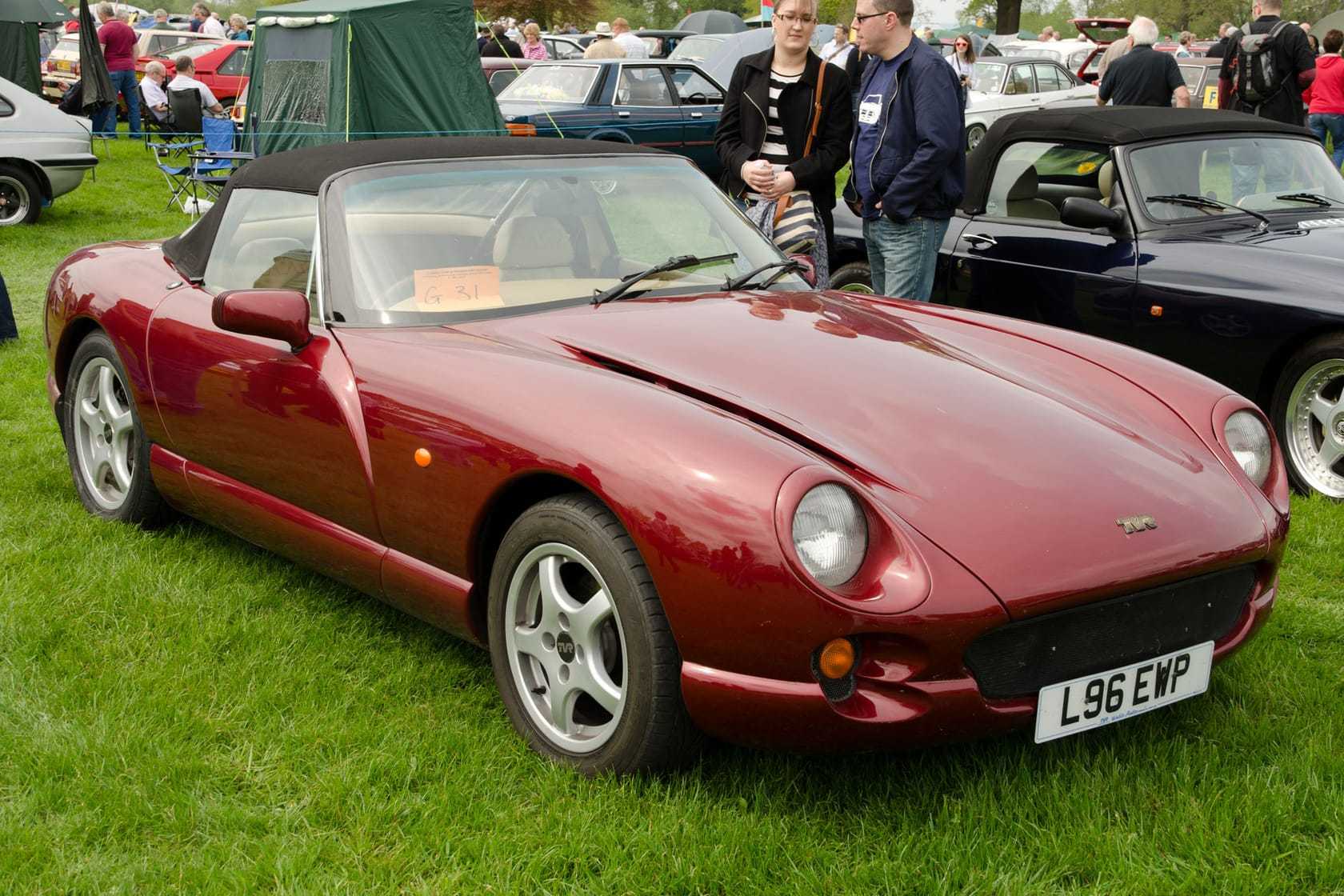
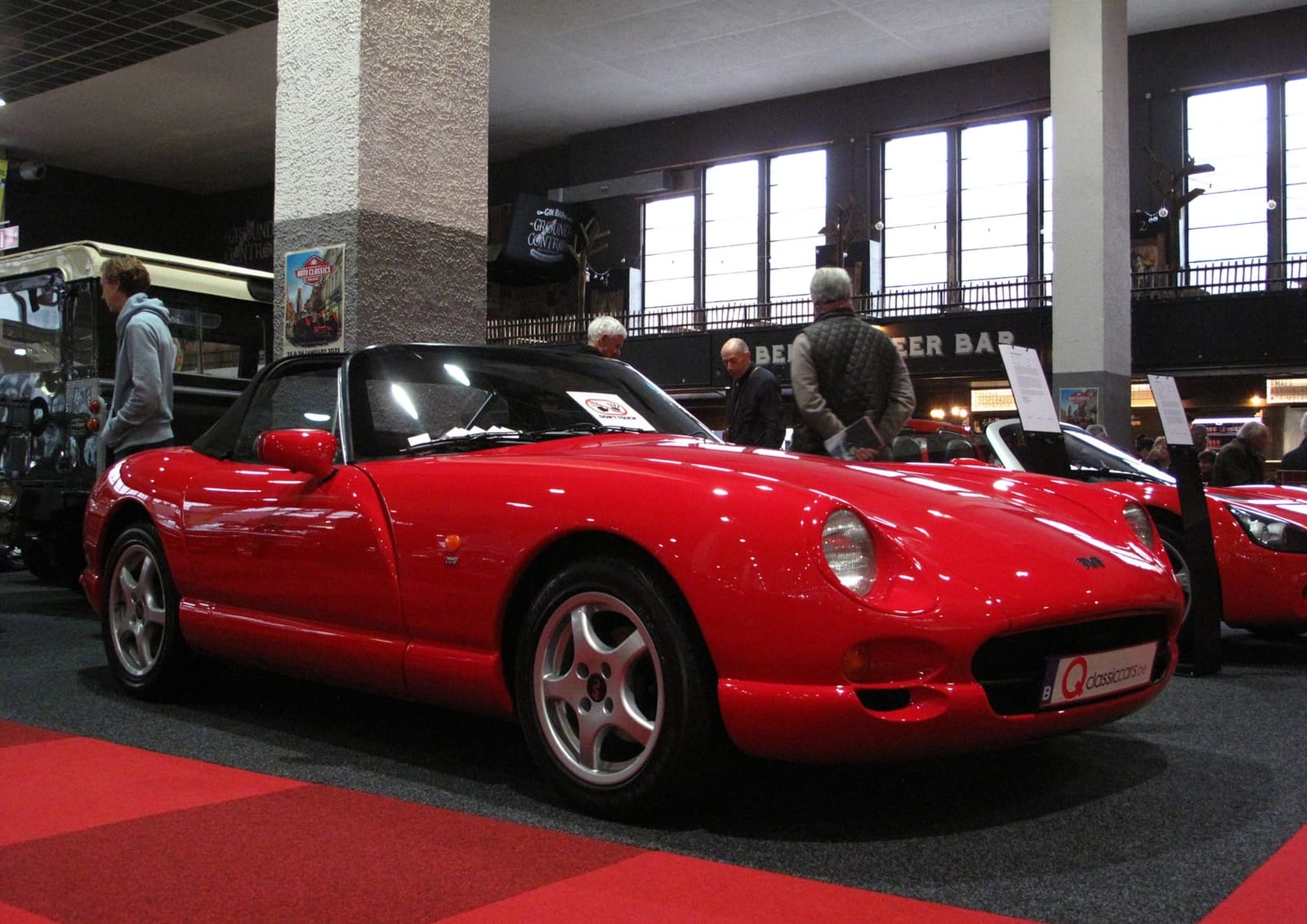
Blackpool’s masterpiece of moderation, by Blackpool standards anyway, arrived in 1992: the TVR Chimaera took the sensational Griffith’s chassis and Rover V8, stretched the tail around a usable boot, softened the springs a shade, and created the TVR an enthusiast could actually live with. Britain bought about 5,250 of them, the biggest run in the company’s sixty years, and today the Chimaera remains the great affordable V8 sports car, guarded by one of the loudest owner communities in the hobby.
The friendly TVR
Peter Wheeler’s nineties TVR was on a roll, and the Chimaera was its commercial genius: everything that made the Griffith devastating, the backbone chassis, the glassfibre curves, the all-alloy Rover V8, delivered with a longer body, real luggage space and manners tuned for touring rather than terror. The name came from Greek myth’s composite monster, the styling reportedly survived the input of Wheeler’s dog Ned (who bit the foam mock-up and created the headlamp recess, so the story goes), and the price undercut every comparable performance per pound in Britain. It sold, by Blackpool standards, like a family hatchback.

Four point nought to five point nought
The range climbed by engine: the 4.0-litre car opened at about 240 bhp, the 4.3 and high-compression 400HC sharpened it, and the 4.5 and full-house 5.0 pushed output toward 340 bhp with top speeds approaching 170 mph, all through a five-speed manual and a rear axle unencumbered by traction control. Build stayed gloriously hand-made: glassfibre laid in Blackpool, chassis welded and powder-coated in-house, leather trimmed to order in whatever colour the customer dared. Production ran to 2003, and the model’s end foreshadowed the company’s own three years later.

Which Chimaera to choose
The engine ladder maps neatly onto temperament and budget. The 4.0 is the volume car and the value entry, delivering the full soundtrack and pace that still shames moderns; the 400HC and 4.3 add usefully sharper responses for small premiums; the 4.5 blends the big-engine urge with the core car’s civility and is many specialists’ pick of the range; and the 5.0, sharing its heart with the Griffith 500, is the collector flagship, fastest, loudest and firmest in value. Late cars gained detail improvements worth having, including better hoods and cabin updates. In practice the buying order is chassis condition first, service history second, engine size a distant third: a sorted 4.0 beats a neglected 5.0 in every way that matters, including eventual resale.

What a Chimaera is like to drive
Start it and the case is already half made: the Rover V8 breathing through TVR’s own exhaust is one of motoring’s great noises, a side-street thunderstorm at idle and a rolling artillery barrage at full throttle. On the move the Chimaera is fast absolutely everywhere, mid-five-seconds to sixty even in base 4.0 form, the steering alive in the hands, the structure taut over its backbone chassis, and the complete absence of electronic safety nets concentrates the mind exactly as Blackpool always intended it should. Yet the ride is genuinely supple, the cabin habitable and the boot honest: this is the TVR built for distance, and a well-sorted one crosses countries in a day of pure soundtrack.

Buying a Chimaera today
One word above all others: chassis. The glassfibre body never rusts, but the powder-coated steel backbone beneath it certainly does, the outriggers first, hidden under sound-deadening material until the damage is well advanced, which is why a recent, documented and photographed chassis refurbishment (or an honest budget for one) is the whole negotiation on any Chimaera. The V8 is tough with the hobby’s best support; check cooling history and oil pressure. Cabin electrics reward patience, hood condition matters, and the club’s knowledge base is superb. Buy the best chassis and service file available, and the rest of Chimaera ownership is inexpensive theatre.

Living with the monster
Chimaera ownership is more practical than the reputation suggests. The Rover V8 is the hobby’s best-supported engine, service parts are cheap, and independent TVR specialists cover the country, a legacy of the model’s volume. Running costs centre on fuel in the low twenties per gallon and on staying ahead of the chassis; insurance through classic policies is modest for the performance. The club scene is famously sociable, the cars are welcomed at every kind of event, and a sorted example genuinely works as a fair-weather daily, which few cars this loud can claim.

Values: thunder still under-priced
One hundred and thirty-nine measured sales at an £11,200 median keep the Chimaera astonishing value: projects from £8,000, good usable cars £11,000 to £16,000, the finest big-engined examples past £25,000. Nothing else delivers this pace, this noise and this rarity of experience at the money, and as the earliest cars pass thirty years old the market has begun to notice. Against the 1990s performance establishment the Chimaera remains the outlaw bargain, exactly as Blackpool would have wanted.

More photos
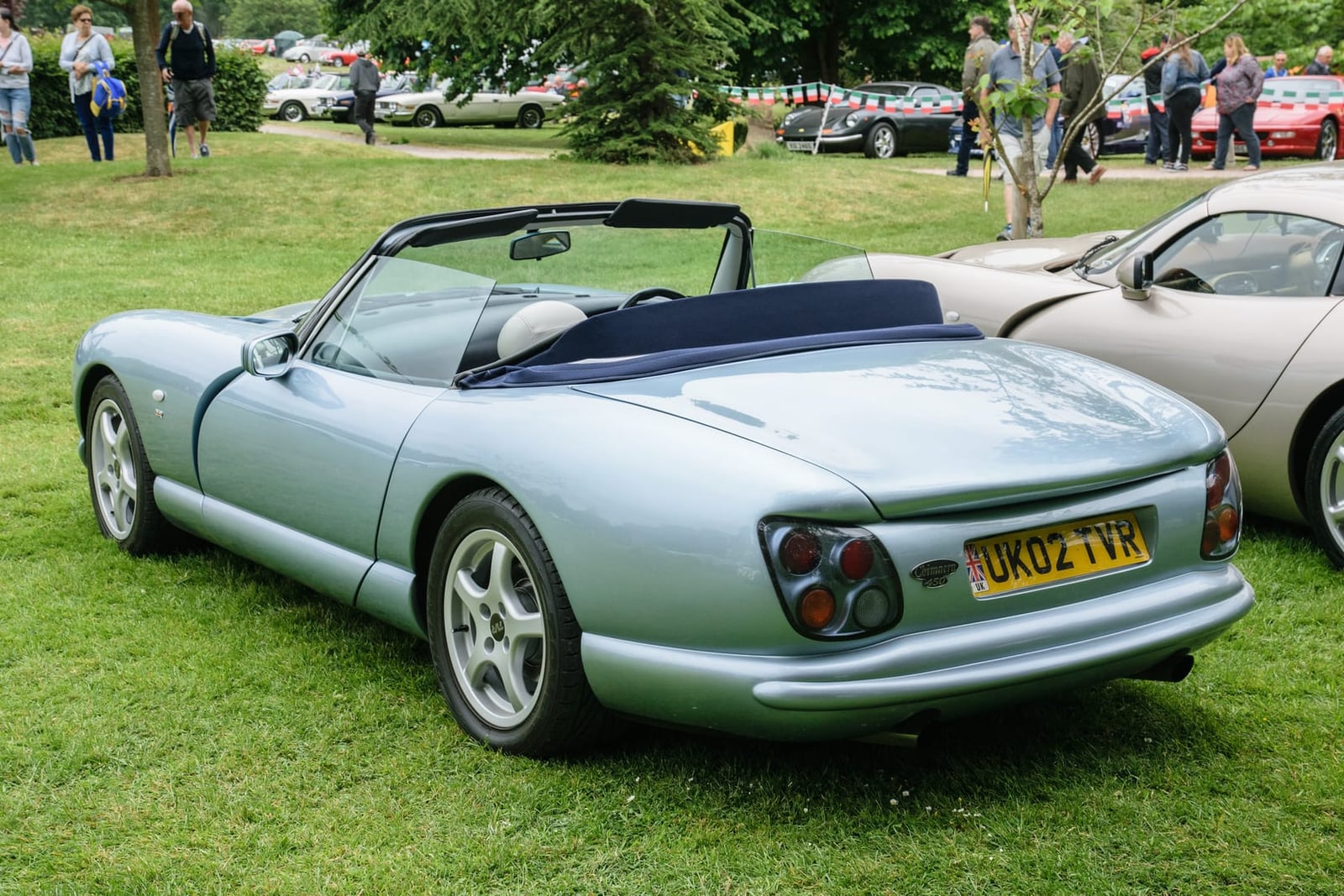
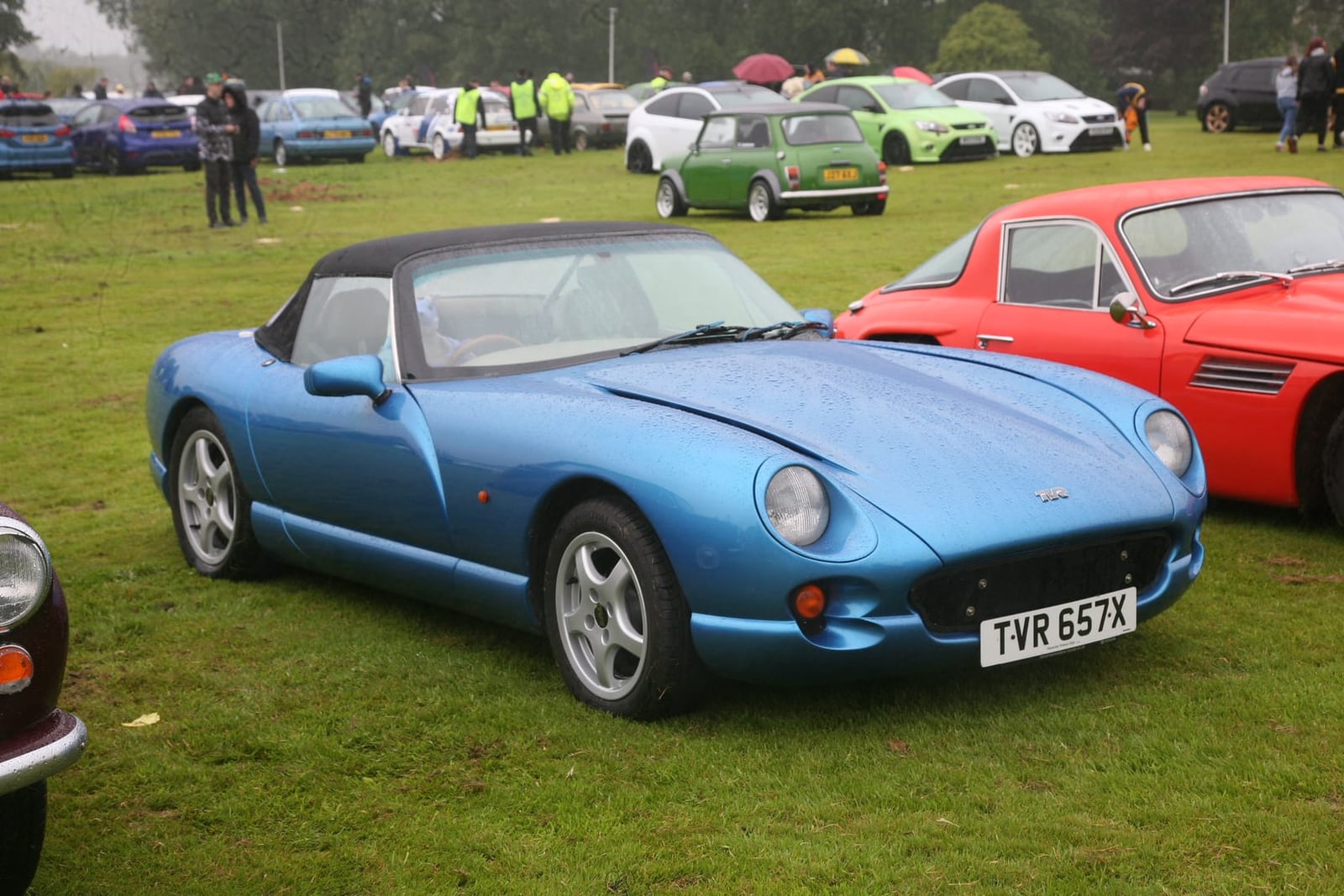
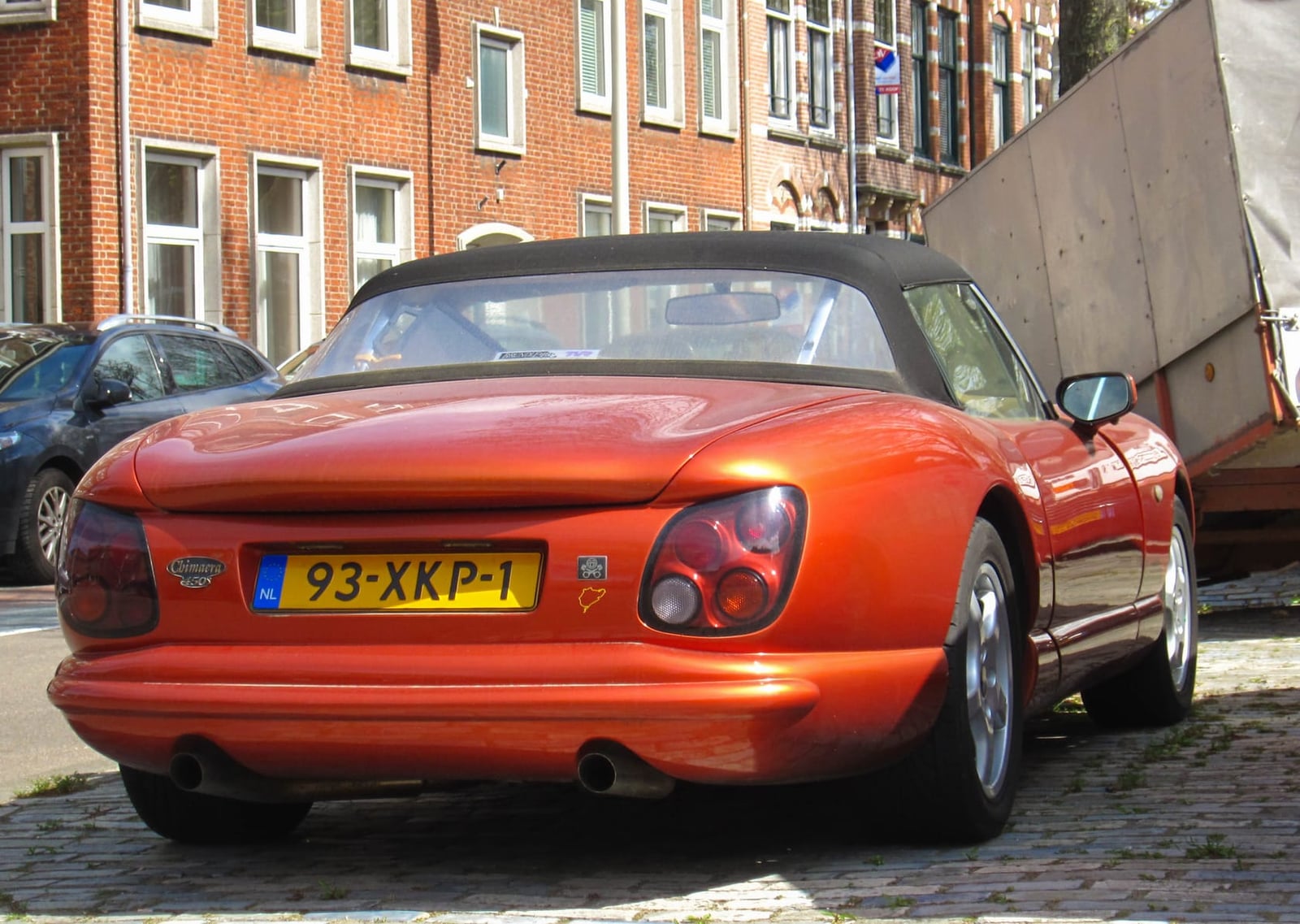
The Chimaera in dates
- 1992Launched as the liveable TVR: the Griffith's backbone chassis and Rover V8 under a longer body with real luggage space, softer springs and a name from Greek myth.
- 1993 onwardsThe range climbs by engine from the 4.0 at about 240 bhp through the 4.3 and high-compression 400HC.
- Mid-1990sThe 4.5 and full-house 5.0 push output toward 340 bhp and top speeds approaching 170 mph.
- Late 1990sDetail improvements arrive, including better hoods and cabin updates worth having.
- 2003Production ends at about 5,250 cars, the biggest run in Blackpool history; TVR itself follows three years later.
Chimaera: what to check before you buy
The chassis, which is the negotiation
- The glassfibre body never rusts, but the steel backbone beneath it certainly does
- Outriggers go first, hidden under sound-deadening until the damage is well advanced
- A recent, documented and photographed chassis refurbishment is what you are actually buying
- If there is no refurbishment, an honest budget for one belongs in the price
Engine and running gear
- The Rover V8 is tough, but check cooling history and oil pressure
- A sorted 4.0 beats a neglected 5.0 in every way that matters, including resale
- Five-speed manual and an unassisted rear axle: no traction control to mask anything
- Service parts are cheap and the specialist network is wide, a legacy of the model's volume
Trim and specification
- Hood condition matters and is not cheap to put right
- Cabin electrics reward patience; the club knowledge base is superb on them
- Leather was trimmed to order in whatever colour the customer dared, so originality is checkable
- The 5.0, sharing its heart with the Griffith 500, is the collector flagship and firmest in value
What the Chimaera sells for at auction
In 2025 the median Chimaera sold for £11,096 across 31 sales, much where it was in 2024. In real terms, typical Chimaera prices were down about 26% over the five years to 2025, once inflation is accounted for.
Show the year-by-year mediansHide the year-by-year medians
| Year | Sold | Median | In 2025 money |
|---|---|---|---|
| 2026 (so far) | 15 | £10,250 | |
| 2025 | 31 | £11,096 | £11,096 |
| 2024 | 16 | £11,222 | £11,652 |
| 2023 | 18 | £9,995 | £10,726 |
| 2022 | 16 | £12,256 | £14,036 |
| 2021 | 17 | £12,584 | £15,561 |
| 2020 | 7 | £11,898 | £15,077 |
| 2019 | 6 | £16,223 | £20,768 |
| 2017 | 5 | £11,760 | £15,665 |
- £4,480Chimaera
- £13,900Chimaera
- £10,024Chimaera
- £9,834Chimaera
- £12,971Chimaera
Reasonable evidence. 139 recorded sales: enough for the range to mean something, though a few unusual cars can still move a single year's median. Based on 139 sold results from public classic car auctions (2005 to 10 August 2026). Sold prices, not asking prices, and not a valuation: condition, history and specification vary from car to car. Inflation-adjusted figures use the ONS CPIH index, in 2025 money.
Frequently asked questions
How many TVR Chimaeras are left?
What engine does the TVR Chimaera have?
What is the difference between a TVR Chimaera and a Griffith?
How fast is a TVR Chimaera?
How much is a TVR Chimaera worth?
What is the most expensive Chimaera ever sold at auction?
How often does a Chimaera come up for sale?
Related across themes
Recently added

Ford Cortina values: the Lotus at three times a saloon, the Mk1 GT and 1600E next, and the ordinary Cortina at hatchback money

What a classic car actually costs to run: the official figures and the ones nobody publishes

Inspecting a classic before you buy: the free checks, the paperwork, and what a V5C does not prove
