Hillman Hunter: the marathon winner that motorised Iran (1966–1979)
The Hillman Hunter led the Rootes Arrow range for thirteen years, won the 1968 London to Sydney Marathon outright, and lived on in Iran as the Paykan until 2005. A guide to the Hunter and its Arrow family, the GT and GLS, buying checks and values.
Built 1966–2005 8 recorded sales
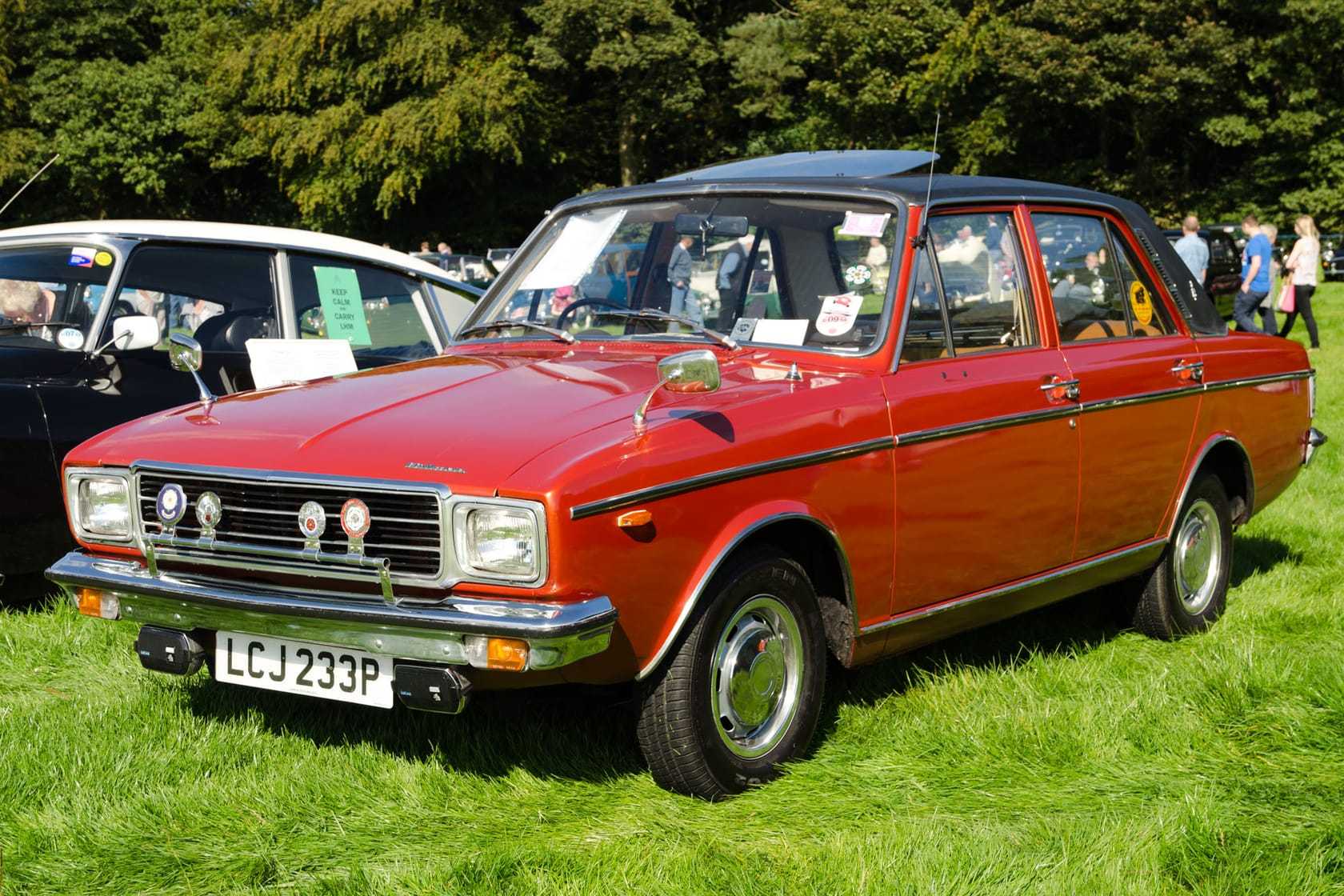
At a glance
- Years
- 1966–1979 in Britain; as the Paykan in Iran to 2005
- Body styles
- Four-door saloon and five-door estate
- Drivetrain
- Front engine, rear-wheel drive
- Engines
- 1496cc and 1725cc fours; Holbay-tuned GLS
- Power
- 54-93 bhp by variant
- Top speed
- Around 84-100 mph
- Trim levels
- De Luxe, Super, GL, GT, GLS; Chrysler-badged final cars
- Production
- About 470,000 UK Arrows; over two million Paykans in Iran
- Assembly
- Ryton-on-Dunsmore; CKD assembly worldwide, Tehran above all
- Designer
- Rootes studios under Roy Axe's emerging influence
- Values
- Projects from around £1,500; good cars £4,000-£9,000; GT/GLS and the best beyond £12,000
- The giant-killing
- Outright victory in the 1968 London to Sydney Marathon, 10,000 miles against the world
- The second life
- Built in Iran as the Paykan until 2005, the country's definitive national car
The models
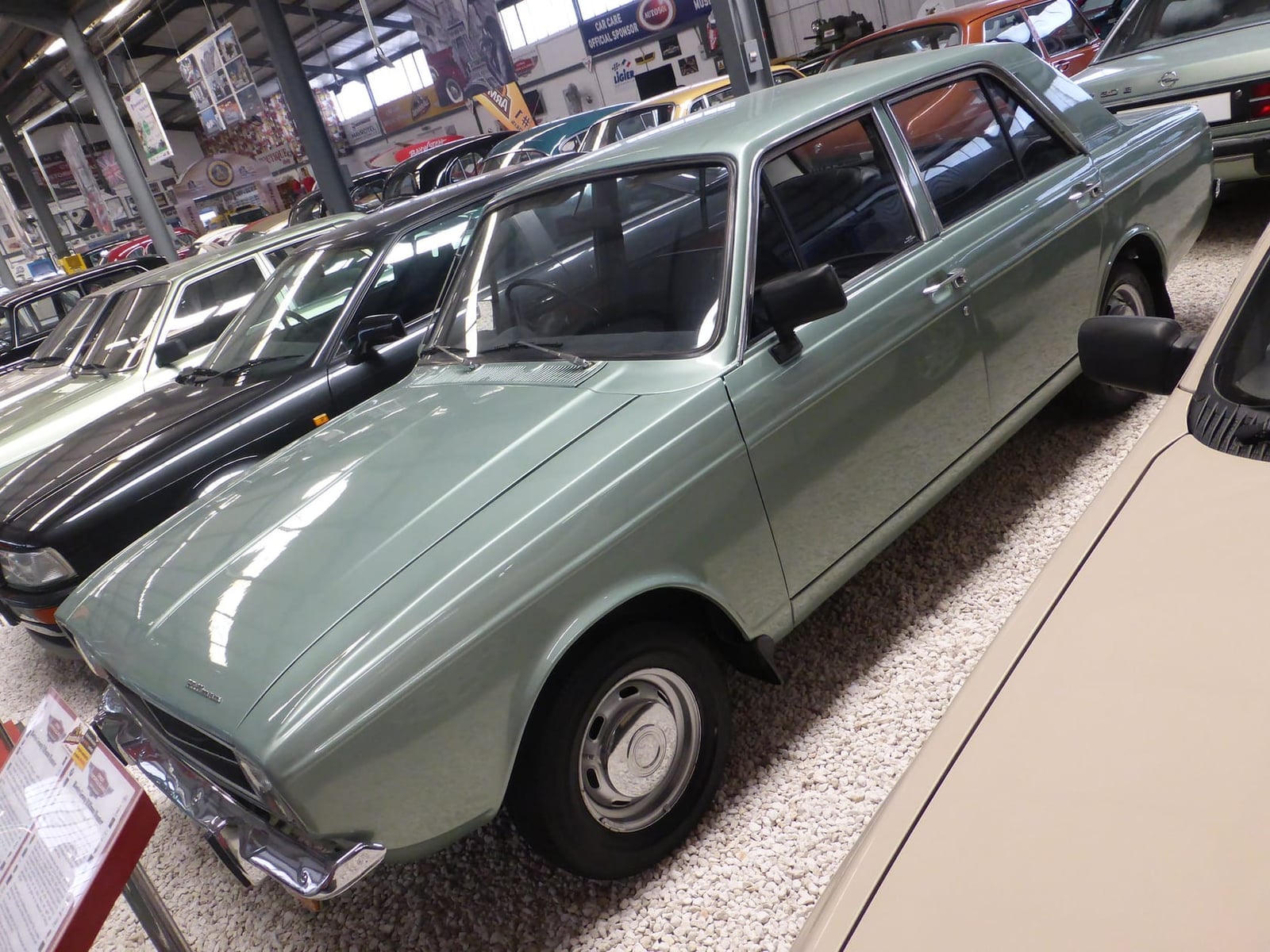
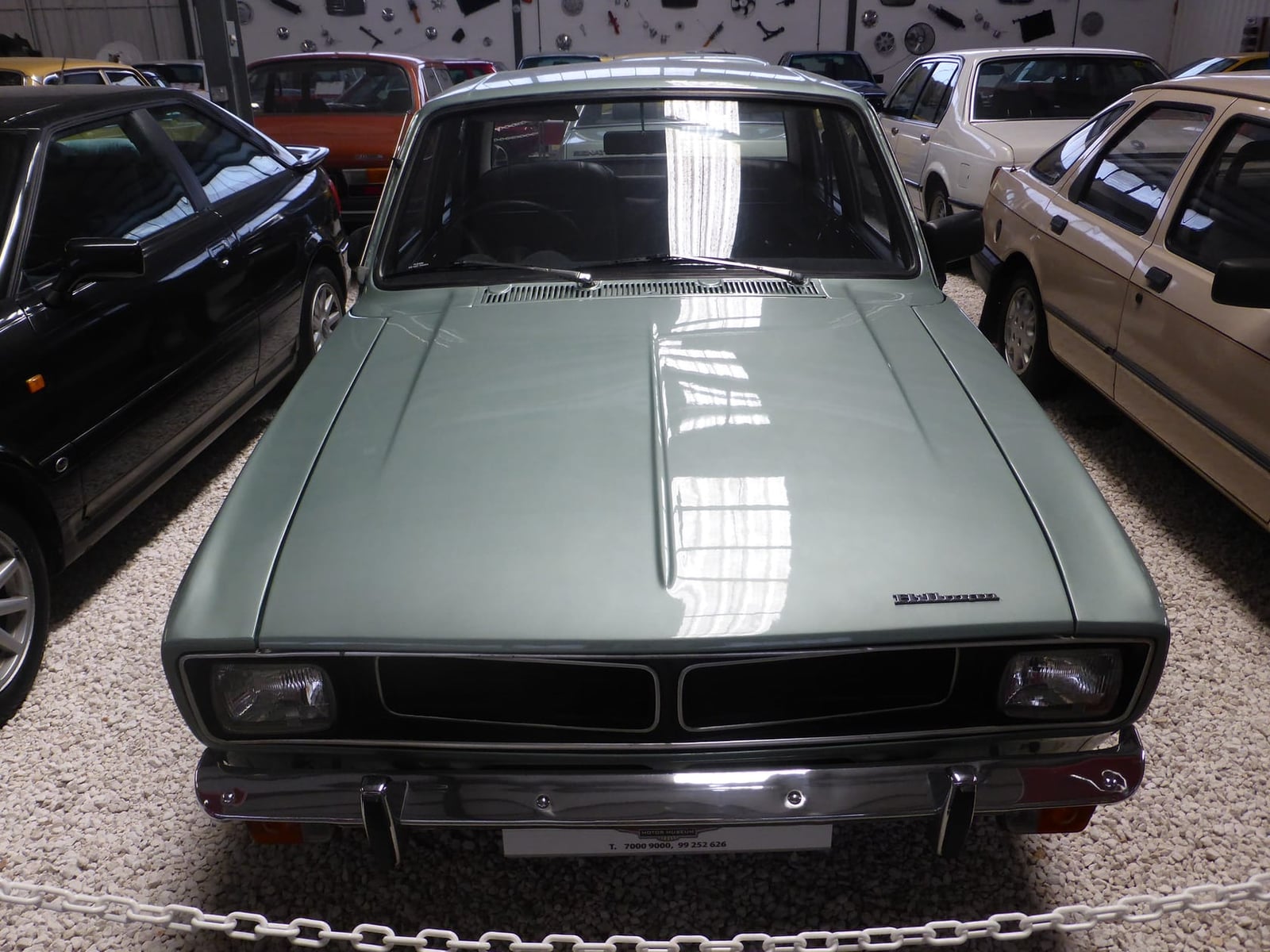
Few family saloons carry two stories this big. The Hillman Hunter, flagship of the Rootes Group’s 1966 Arrow range, won the brutal 10,000-mile London to Sydney Marathon outright in 1968, and then lived a second life as the Paykan, Iran’s national car, built in Tehran until 2005 in numbers that dwarf everything Ryton managed. At home the fleets, the driving schools and the scrapyards consumed almost every example within a generation, which makes today’s rare survivors small celebrities carrying a genuine hero’s back-story to every show they attend.
The Arrow family
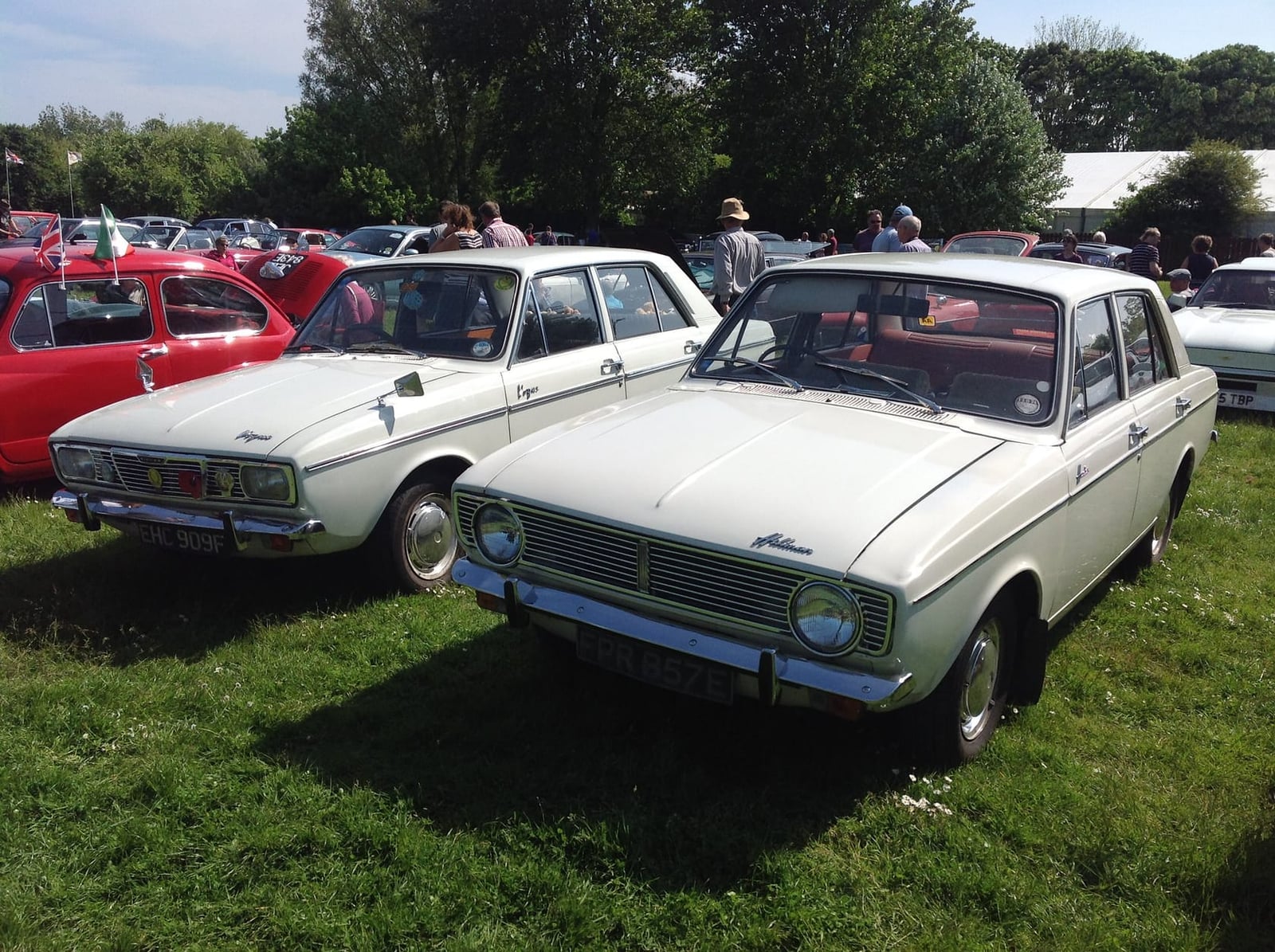
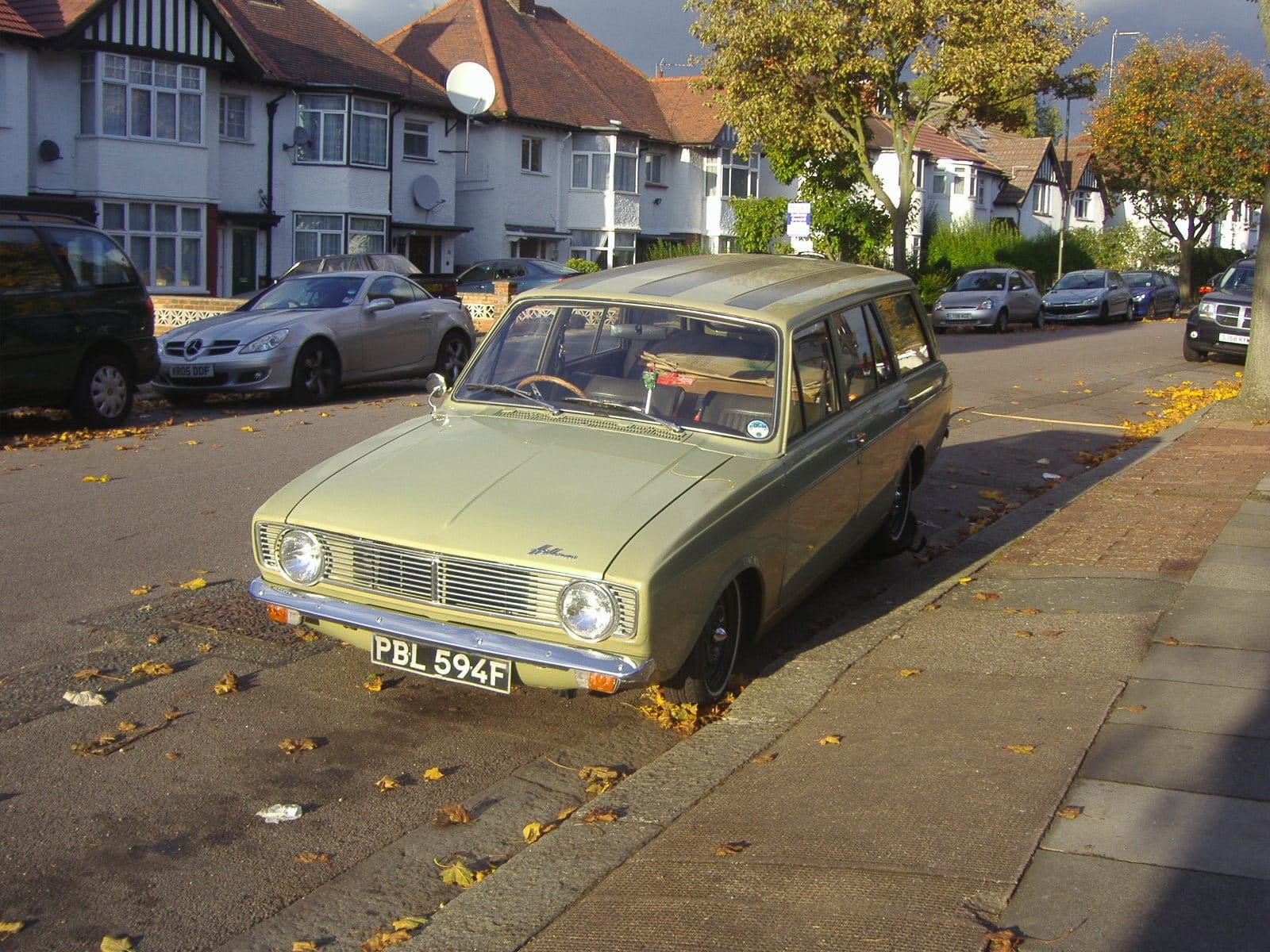
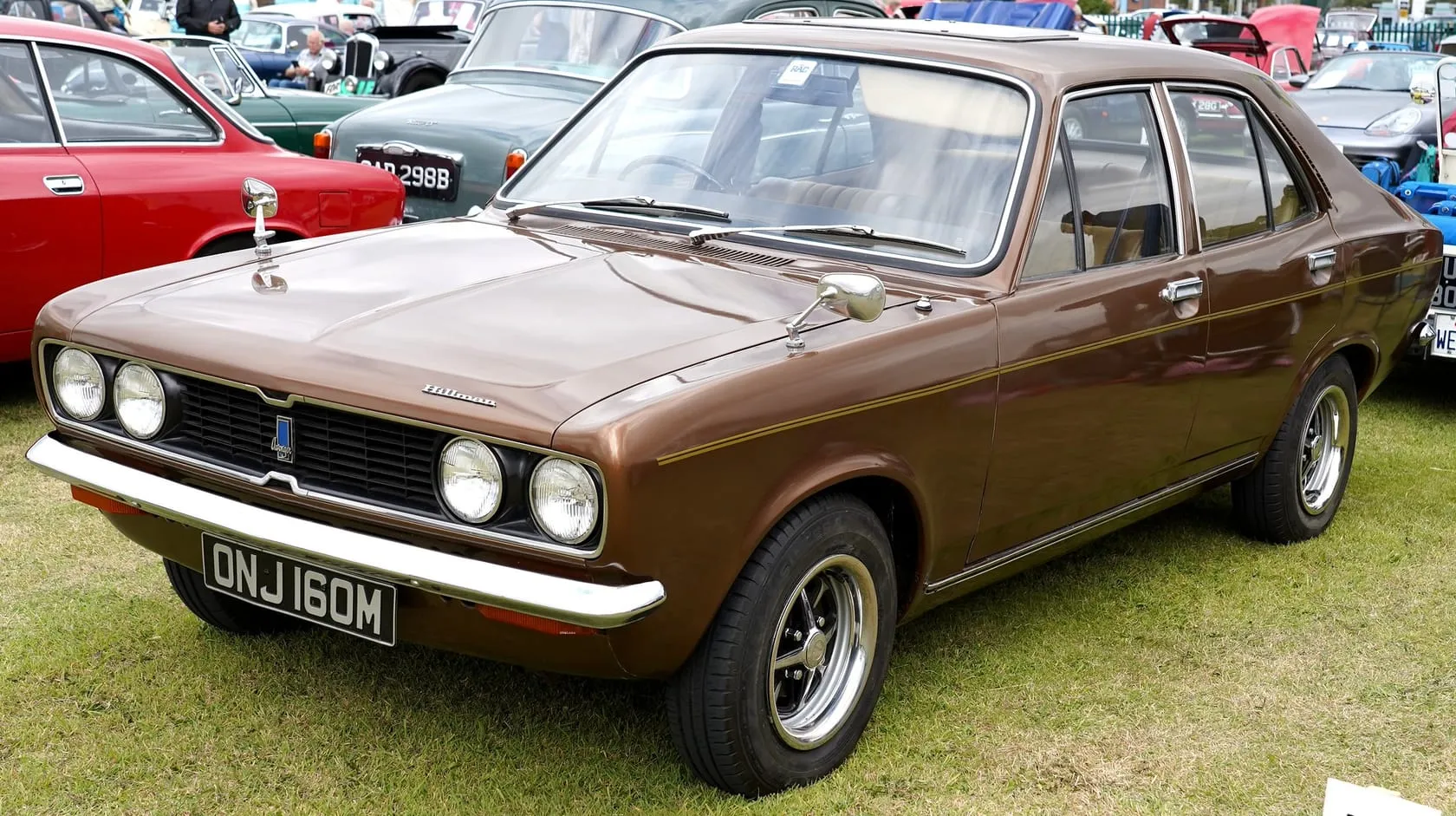
The Hunter launched the Rootes Group’s last all-new design: the Arrow, a light, crisply drawn saloon and estate platform that served half the group’s badge ladder. The Hunter led on volume, a cheaper Arrow carried on the Minx name below it, the Singer Gazelle’s Vogue sister took the walnut trim, the fastback Sunbeam Rapier went sporting, and the Humber Sceptre topped the range in velour. Some 470,000 UK Arrows were built through 1979, the last years badged Chrysler as the old group’s identity faded, and the Hunter outlived every marque that made it, a distinction it shares with very few cars anywhere. Saloons dominated; the light, useful estates are today’s rarities.

Marathon glory: London to Sydney
The Hunter’s finest hour came against the odds: for the 1968 London to Sydney Marathon, a 10,000-mile flat-out dash across Europe, Asia and Australia, the works entered Hunters against factory teams with far deeper pockets, and Andrew Cowan’s car, shared with Colin Malkin and Brian Coyle, took outright victory. The result stunned the sport, put the quiet fleet saloon on every front page in the country for a week, sold a generation of twin-carburettor Hunter GTs on reflected glory, and remains one of British rallying’s great giant-killings. The Holbay-tuned GLS of 1972, with its twin Webers, Rostyle wheels and 93 bhp, pushed the road car close to the 100 mph mark and completes the model’s small, sought-after sporting tier.

The Paykan: Iran adopts the Hunter
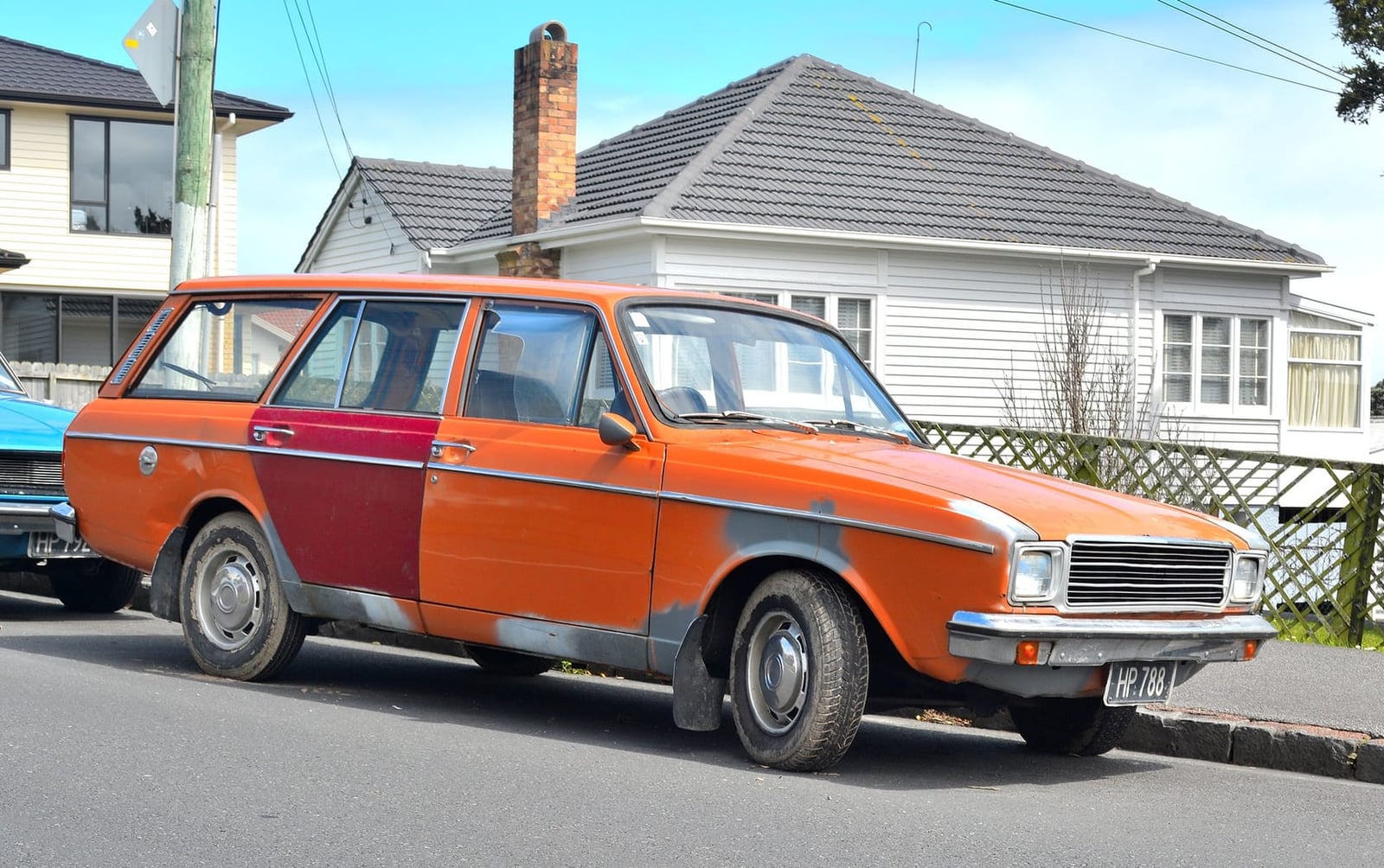
Nothing in the Arrow story matches what happened next: Iran National began assembling Hunters in Tehran in 1967 as the Paykan, and the car simply became Iran, its taxi, its family saloon, its cultural shorthand, built with growing local content decades after Ryton stopped, until production finally ended in 2005. Over two million Paykans were made, several times the British total, spawning pick-up variants, a national repair culture and decades of affectionate folklore, giving the modest Hunter a claim few British cars of any price can match: it motorised an entire nation, and its museum examples on two continents are honoured accordingly.

From Rootes to Chrysler: the long fade
The Hunter’s home-market years traced its maker’s decline: Chrysler completed its takeover of Rootes in 1967, a year into Arrow production, and the range soldiered on through badge changes, strikes and shrinking investment, the Hillman name itself retired in 1976 and the final cars sold as Chrysler Hunters, assembled latterly in Ireland until 1979. None of that stopped the car working: it stayed a fleet and minicab staple to the end, CKD kits went out to assembly lines from New Zealand to South Africa, and the design’s sheer simplicity kept it profitable long after its glamour had gone. The last British-designed Rootes car outlasted the group, both its American owner’s patience and, in Tehran, the century.
What a Hunter is like to drive
The Hunter drives lighter than its era suggests: the 1725 four is willing and torquey, the shell weighs remarkably little, the controls are easy and the balance honest rear-drive simple, with the GT and GLS adding genuine briskness to the same friendly recipe. Period road tests praised exactly this unassuming competence, and the same virtues make survivors friendly classics today: parts-shared mechanicals a home mechanic can service on a Saturday, room for the family and their luggage, and motorway pace held without strain or drama. It never dazzled anybody, which is precisely how it survived 10,000 punishing miles to Sydney when faster and cleverer cars broke by the roadside.

Buying a Hunter today
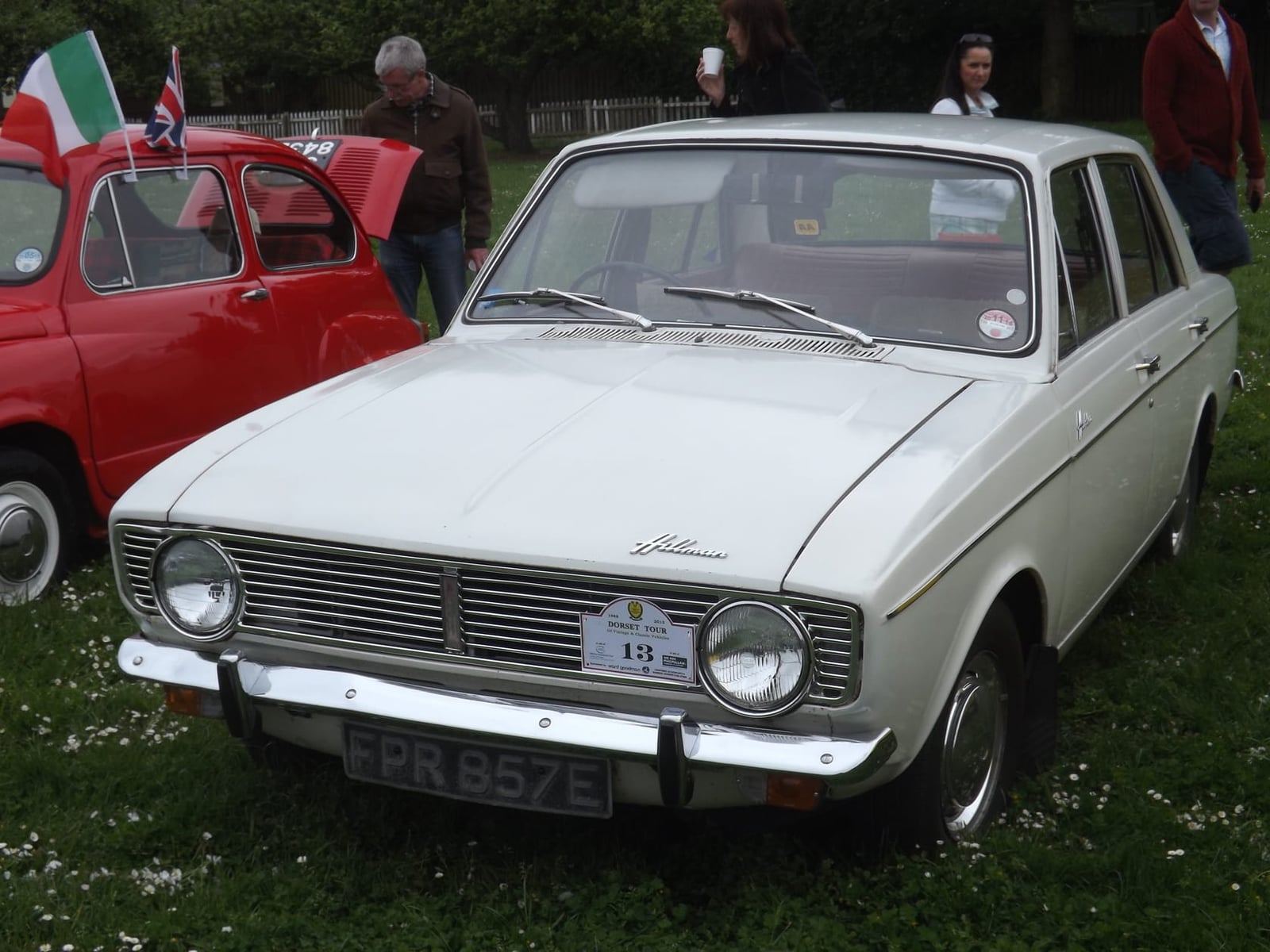
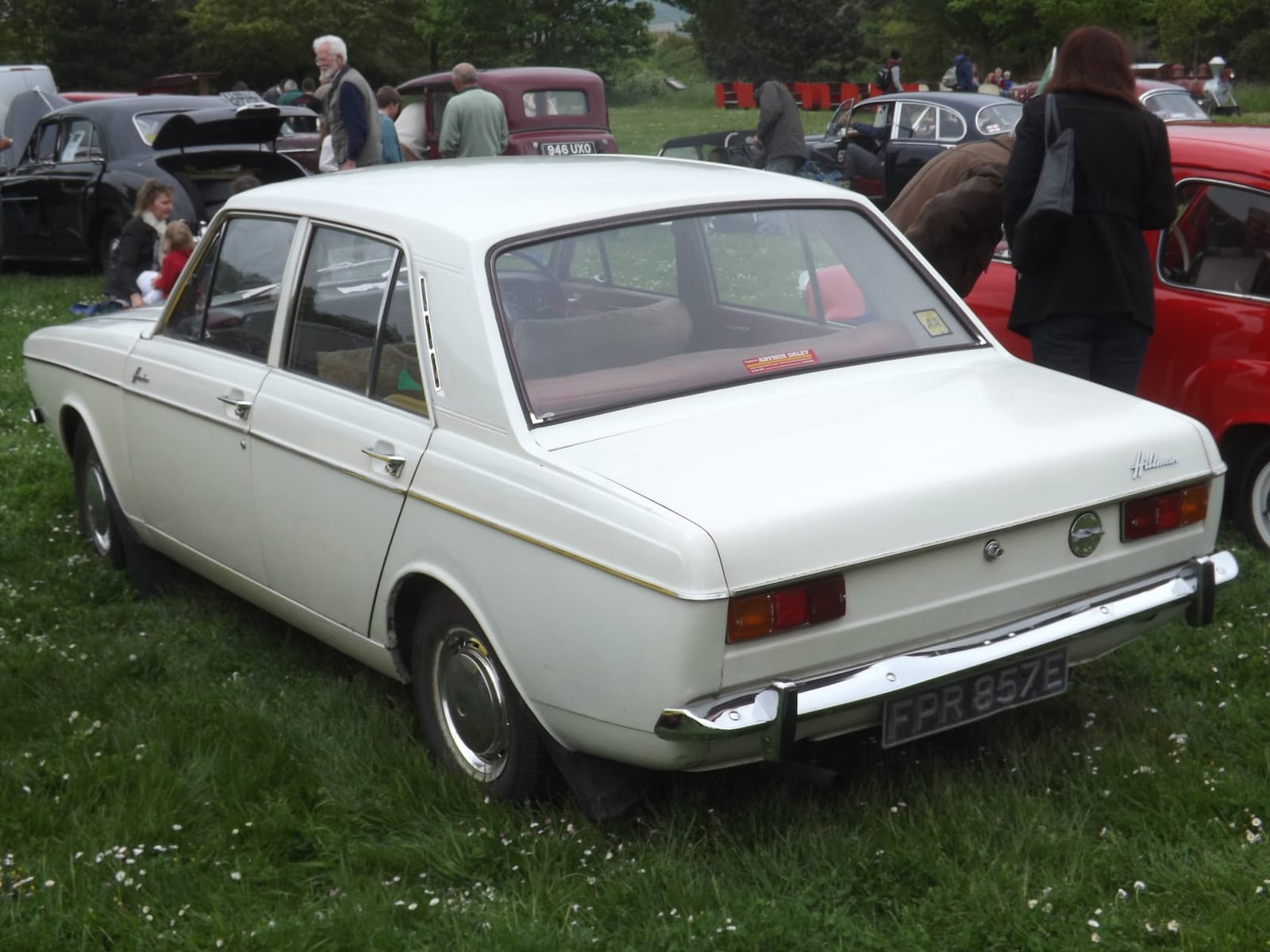
Finding one is the genuinely hard part: fleet attrition and tin worm consumed the type so thoroughly that the owners club knows the survivors individually, and patience beats budget in any search. Inspect sills, floors, wheelarches, spring hangers and screen surrounds, verify GT and GLS authenticity against club records because badges migrate onto humbler cars, and prize completeness of trim above shiny cosmetics. Mechanical parts flow through the shared Rootes network. Auction data is genuinely thin, a £7,800 median across only a handful of measured sales, so the club market sets the real-world prices: projects near £1,500, good cars £4,000 to £9,000, the sporting rarities beyond £12,000, and every one of them trailing a marathon and a nation in its story.
More photos
The Hunter in dates
- 1966The Hunter launches the Arrow, Rootes' last all-new design, a light saloon and estate platform serving half the group's badge ladder.
- 1967Chrysler completes its takeover of Rootes; Iran National begins assembling Hunters in Tehran as the Paykan.
- 1968Andrew Cowan, Colin Malkin and Brian Coyle win the London to Sydney Marathon outright, 10,000 miles against far better-funded factory teams.
- 1972The Holbay-tuned GLS arrives with twin Webers, Rostyle wheels and 93 bhp, pushing the road car close to 100 mph.
- 1976The Hillman name is retired and the final cars sell as Chrysler Hunters.
- 1979British production ends at about 470,000 Arrows, assembled latterly in Ireland.
- 2005Paykan production finally ends in Iran after more than two million cars, several times the British total.
Before you buy a Hunter
Finding a sound one
- Sills, floors and wheelarches
- Spring hangers and screen surrounds
- Fleet attrition means patience beats budget in any search
- The owners club knows the survivors individually, so start there
Identity
- Verify GT and GLS authenticity against club records, because badges migrate onto humbler cars
- The Holbay-tuned GLS has twin Webers and Rostyle wheels, not just a badge
- Arrow siblings share panels, so confirm what shell you are actually buying
- Late Chrysler-badged cars are Hunters in all but name
Completeness and mechanicals
- Completeness of trim beats shiny cosmetics on a car this scarce
- Mechanical parts flow through the shared Rootes network and are the easy part
- The 1,496cc and 1,725cc fours are both simple, but only the larger is quick
- Estates are the rarity: light, useful, and largely gone
What the Hunter & Arrow sells for at auction
The Hunter & Arrow comes to auction only occasionally: 8 recorded sales since 2006, typically making between £1,936 and £10,588 . With so few sales, treat any single result as a data point rather than a market price.
- £5,344Hunter
- £10,368Hunter
- £1,860Hunter
- £11,250Hunter
- £10,291Hunter
Thin evidence. Only 8 recorded sales: read the figures as a sketch of the market, not a price. Based on 8 sold results from public classic car auctions (2006 to 10 August 2026). Sold prices, not asking prices, and not a valuation: condition, history and specification vary from car to car.
Frequently asked questions
What is the Rootes Arrow range?
Did a Hillman Hunter really win the London to Sydney Marathon?
What is the Paykan?
Which Hillman Hunter is the most collectable?
How much is a Hillman Hunter worth?
What is the most expensive Hunter & Arrow ever sold at auction?
How often does a Hunter & Arrow come up for sale?
Related across themes
More from Rootes Group


Recently added

Rolls-Royce Silver Spirit values: the cheapest Rolls of all, and the long one that is not

Rolls-Royce Silver Cloud values: the saloon at £34,000 and the drophead at five times that

Aston Martin DB7 values: a V12 Aston for hot-hatch money, and still falling
