Bentley T-series: the quiet twin that kept the badge alive (1965–1980)
The Bentley T series was the winged-B twin of the Silver Shadow, the marque's first monocoque and its rarest post-war mainstream car, outsold twenty to one by the Rolls. A guide to T1 and T2, the rare coachbuilt cars, and what to check before buying one.
Built 1965–1980 123 recorded sales
At a glance
- Years
- 1965–1980
- Body styles
- Four-door saloon; rare coachbuilt two-doors by Mulliner Park Ward and James Young
- Drivetrain
- Front engine, rear-wheel drive; monocoque
- Engines
- 6230cc, then 6750cc V8
- Power
- Undisclosed; sufficient, per the house line
- Top speed
- Around 115-120 mph
- Trim levels
- T1; T2 with rack steering, split-level air conditioning and revised bumpers
- Production
- 2,336 in all: 1,712 T1 saloons, 558 T2, the rest coachbuilt rarities
- Assembly
- Crewe
- Designer
- John Blatchley
- Values
- Usable cars from around £8,000; good examples £12,000-£25,000; coachbuilt two-doors far beyond
- The rarity inversion
- Twenty Silver Shadows were sold for every T-series; the twin is now the scarce one
- The first
- The first monocoque Bentley, shared with the Shadow programme
The models
For every twenty customers who bought a Silver Shadow, one chose the same car with the winged B, and that arithmetic is the whole story of the Bentley T series. Launched beside the Shadow in 1965 as the marque’s first monocoque, the T-series spent fifteen years as the quiet twin, 2,336 cars against the Rolls’s thirty thousand, and has spent the decades since inverting the equation: the badge nobody ticked is now the rare one, the connoisseur’s Bentley of the whole era.
The first monocoque Bentley
The 1965 programme swept away everything traditional at once: separate chassis gone, coachbuilt bodies gone, replaced by John Blatchley’s crisp unitary saloon with self-levelling hydraulic suspension, disc brakes all round and the 6.2-litre V8 carried over and enlarged to 6.75 litres in 1970. The T-series differed from its Rolls twin only in radiator, badges and details, priced identically, built on the same Crewe line. Purists mourned the S-series’ separate chassis; the market barely noticed the Bentley at all, which is precisely what makes it interesting now. The badge survived the era on inertia and loyalty, its share of Crewe production shrinking to a few per cent, and nobody at the 1965 launch would have believed the twin would one day be the one collectors hunted first.

T1 to T2: the range
The T1 ran twelve years with rolling improvements before the 1977 T2 brought the substantial revision: rack-and- pinion steering, retuned front suspension, the split- level automatic air conditioning and impact bumpers, creating a notably sharper car of which just 558 were built. Alongside the saloons sat a thin stream of rarities, long-wheelbase cars and the coachbuilt two-doors by Mulliner Park Ward and James Young whose line matured into the Corniche’s Bentley sister. Every variant is scarce; the coachbuilt cars are unicorns with values to match.

The coachbuilt Ts: the last of the line
The monocoque was supposed to end coachbuilding, but a final trickle slipped through: Mulliner Park Ward built a two-door saloon and drophead on the T platform from 1966, crisp-edged cars whose Rolls sisters became the Corniche in 1971, and James Young of Bromley produced a two-door conversion of its own in tiny numbers before closing its doors, the last cars from one of the oldest names in the trade. Bentley-badged examples of all of them are counted in dozens at most, they trade far above the saloons, and the James Young cars in particular are the sort of machine that surfaces at auction once a decade. For most buyers they are the museum tier of the family; for the family they are a fitting full stop, coachbuilding ending on the platform that made it unnecessary.
What a T-series is like to drive
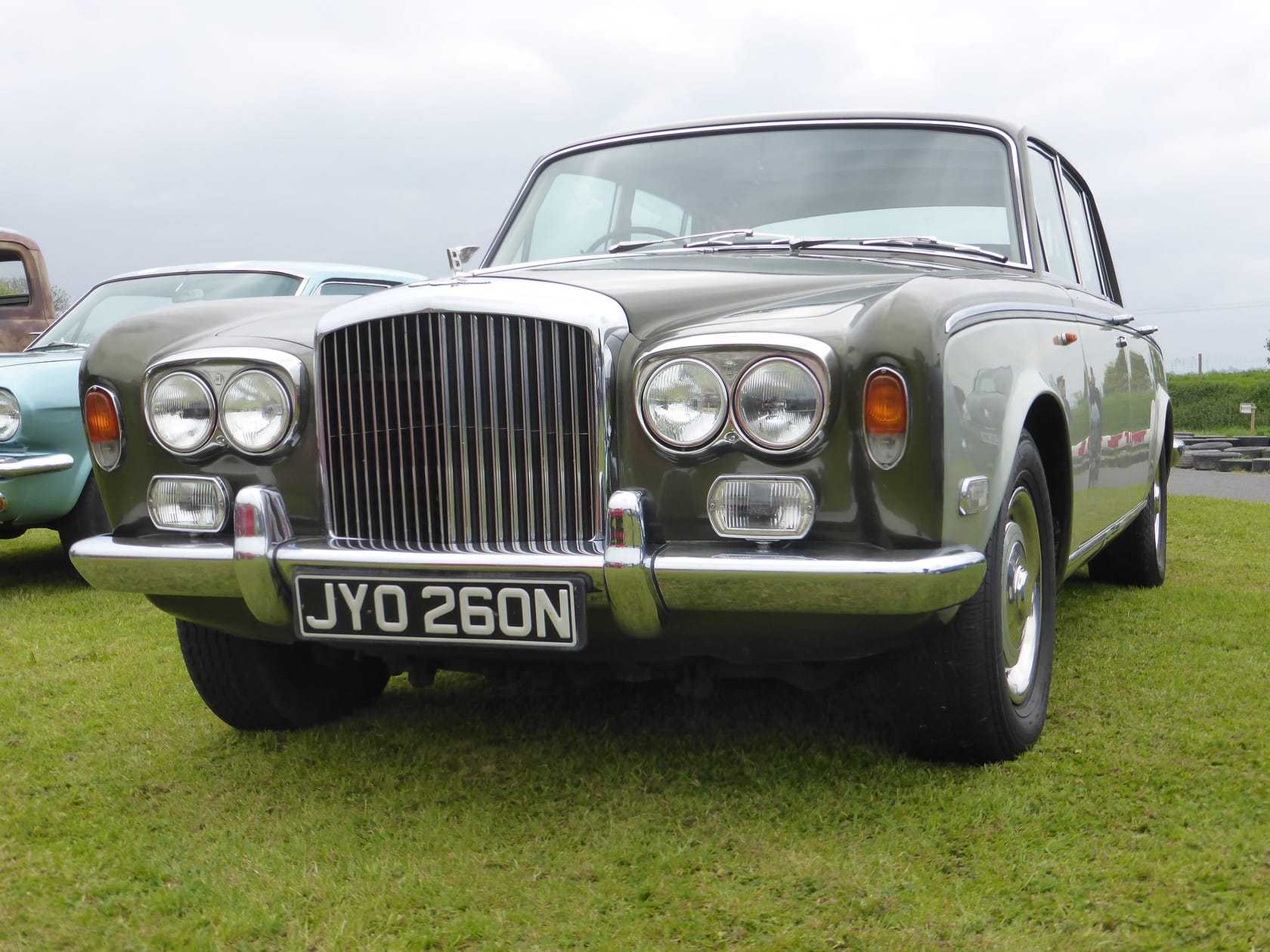
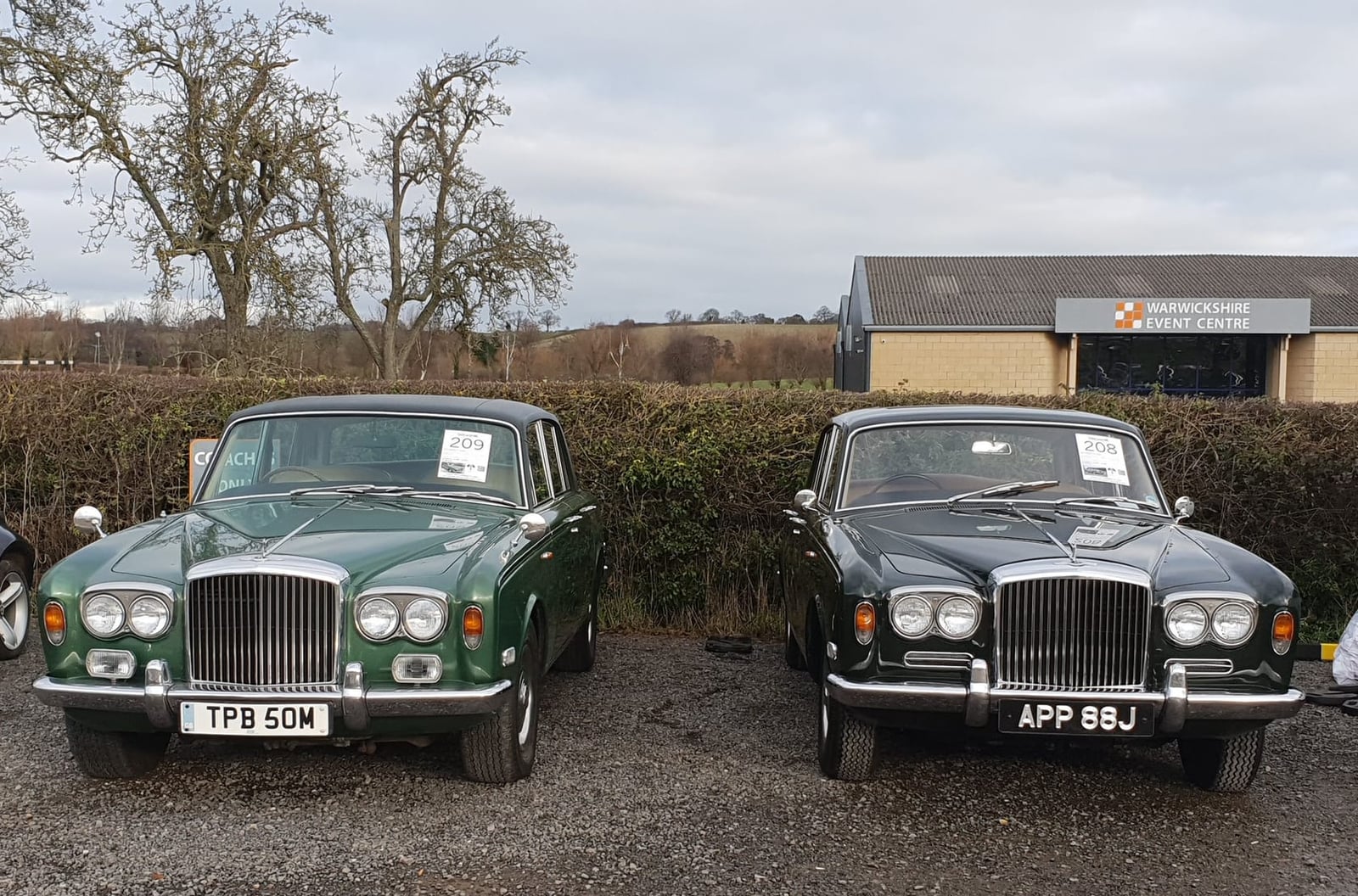
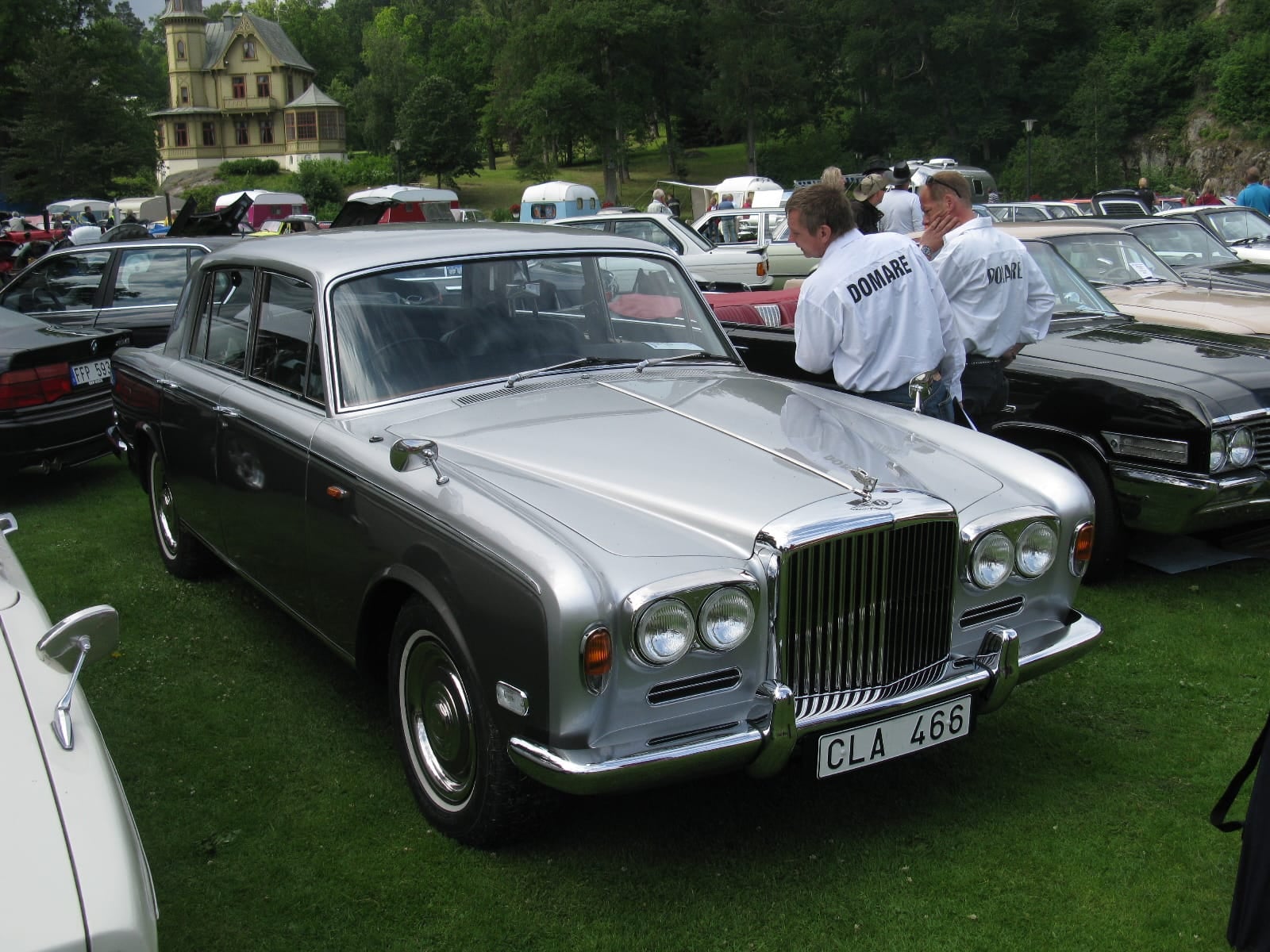
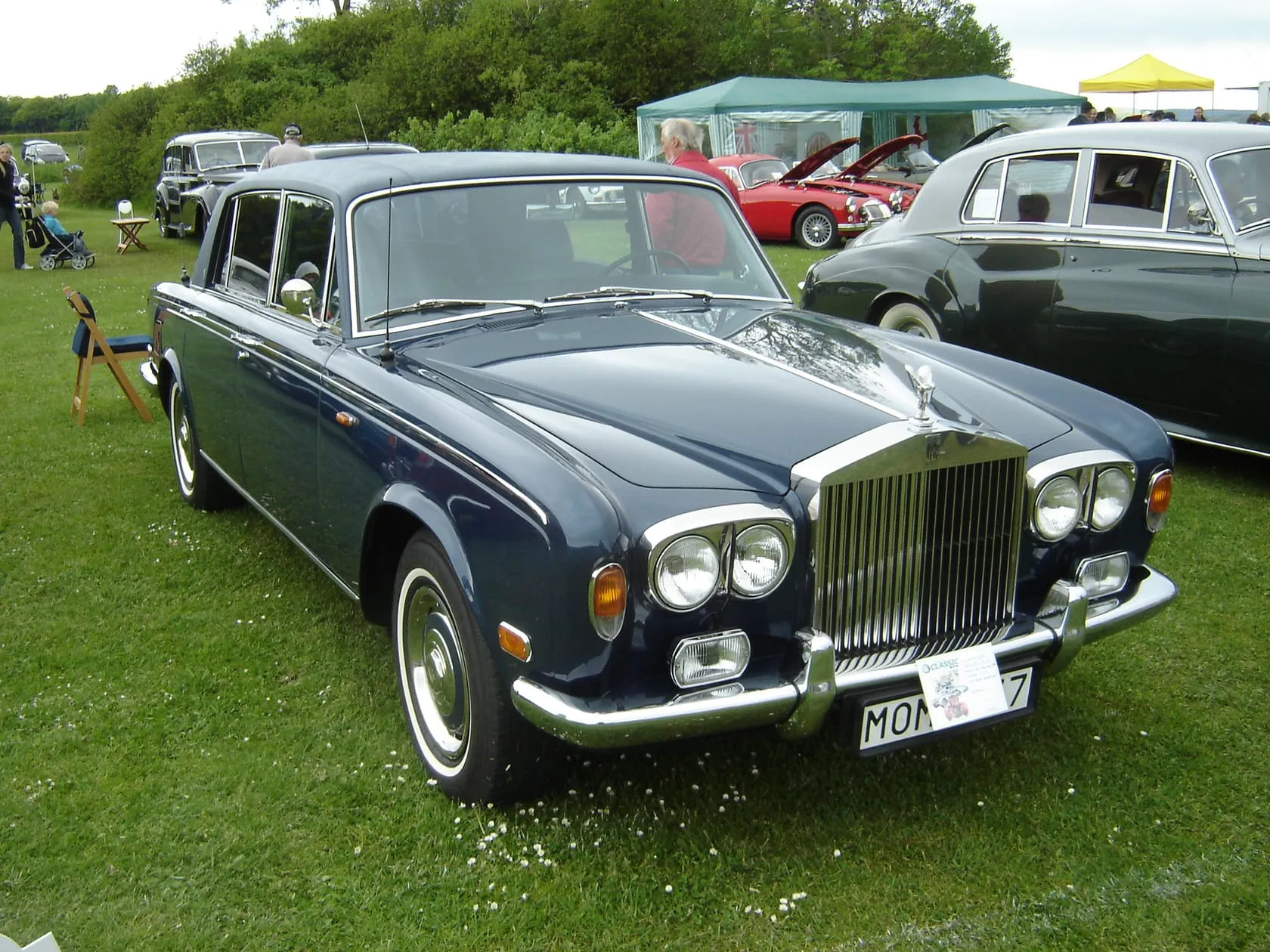
A sorted T-series drives with the Shadow family’s signature effortlessness: silent V8, magic-carpet ride, one-finger steering on early cars and genuine precision on the T2’s rack, all wrapped in a cabin of hide, veneer and Wilton that shames later luxury. It is a relaxed express rather than a sporting Bentley, the Turbo R answer to that wish came a decade later, and its natural gait is a serene 70 with conversation at a whisper. The rounded radiator ahead of the driver is, owners insist, the better view, and the subtler face changes how the car is received everywhere it goes: where the Shadow’s pantheon grille announces, the Bentley merely arrives, which suits exactly the buyer the T-series has always found.

Buying a T-series today
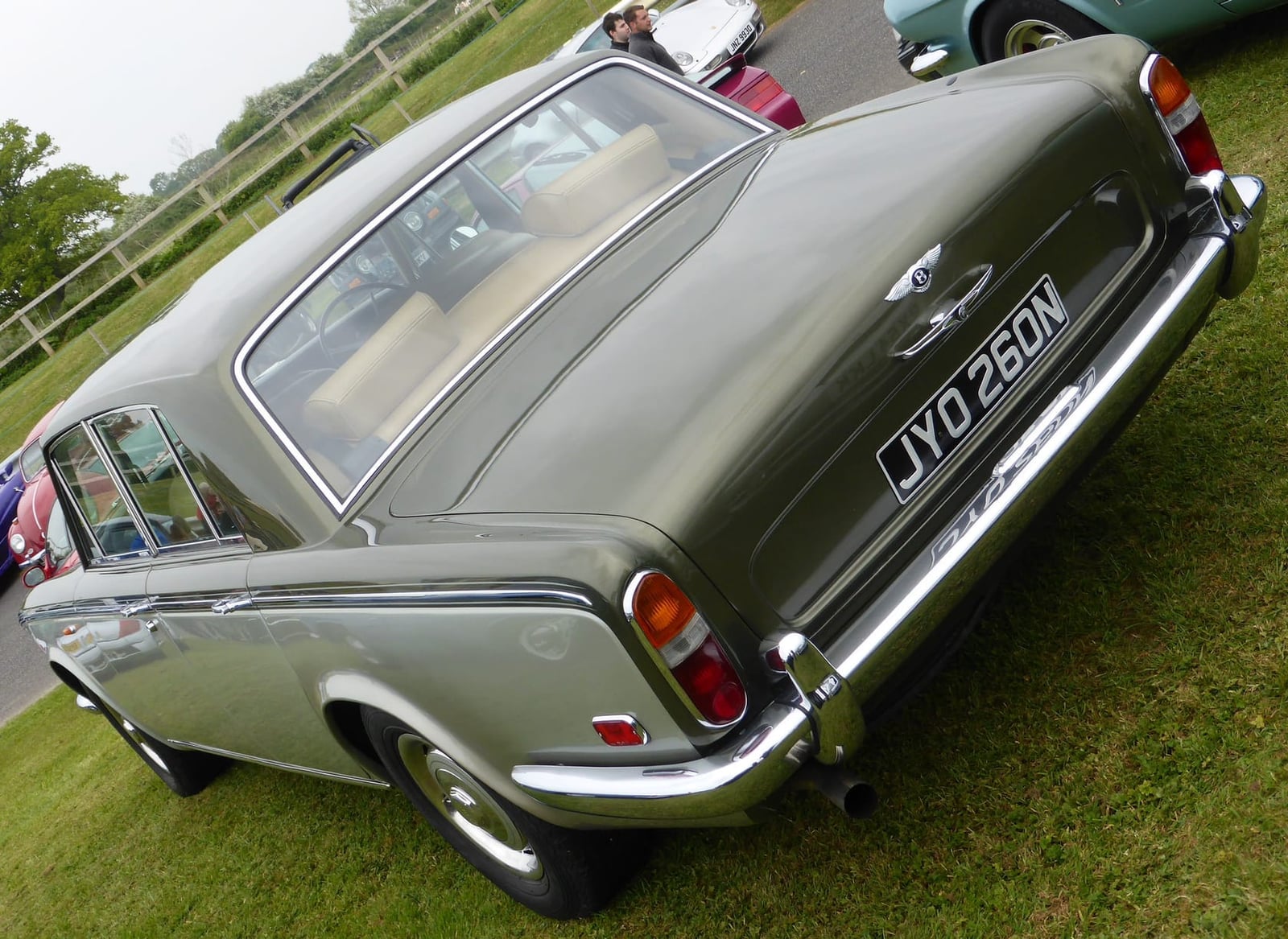
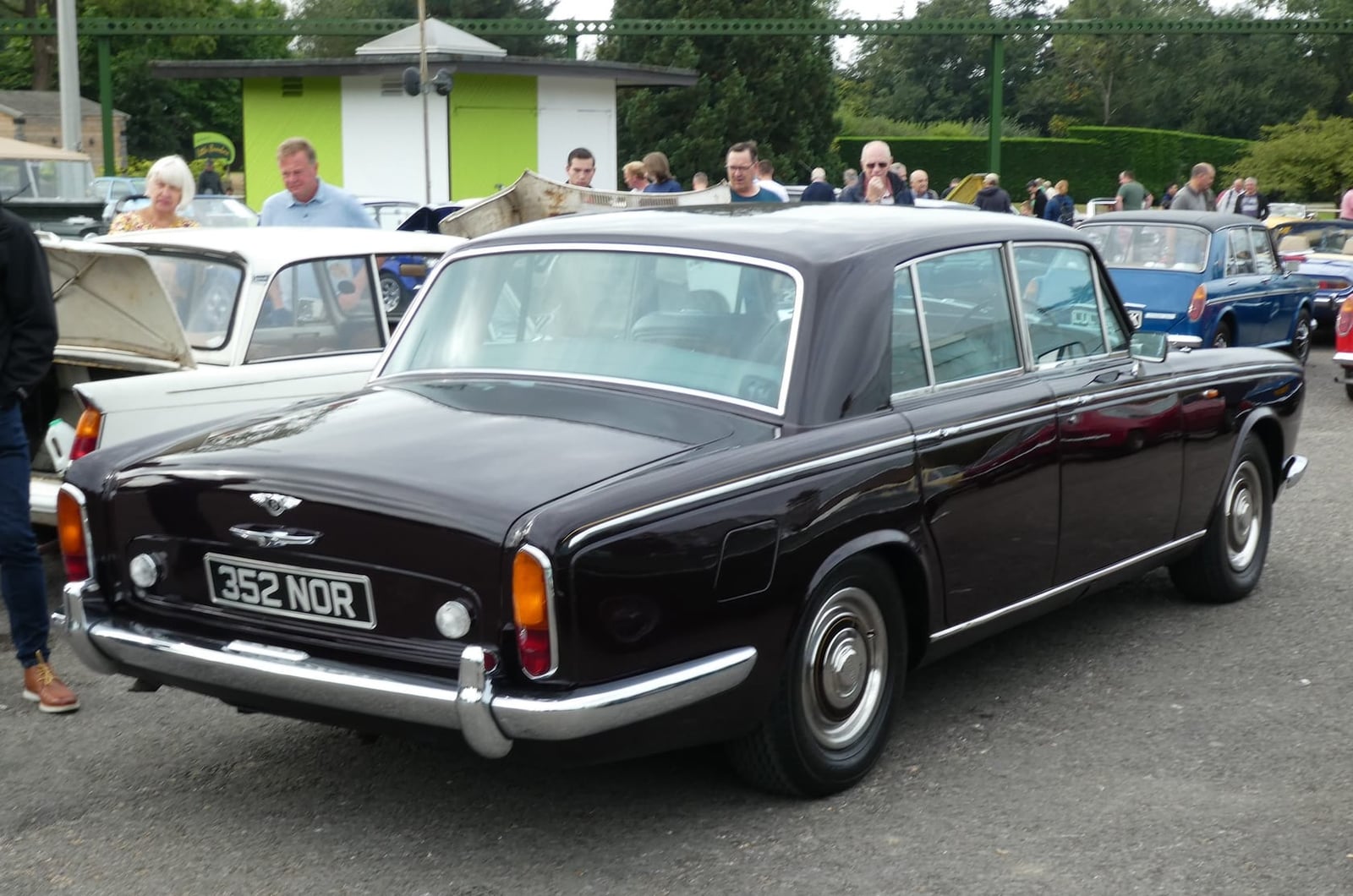
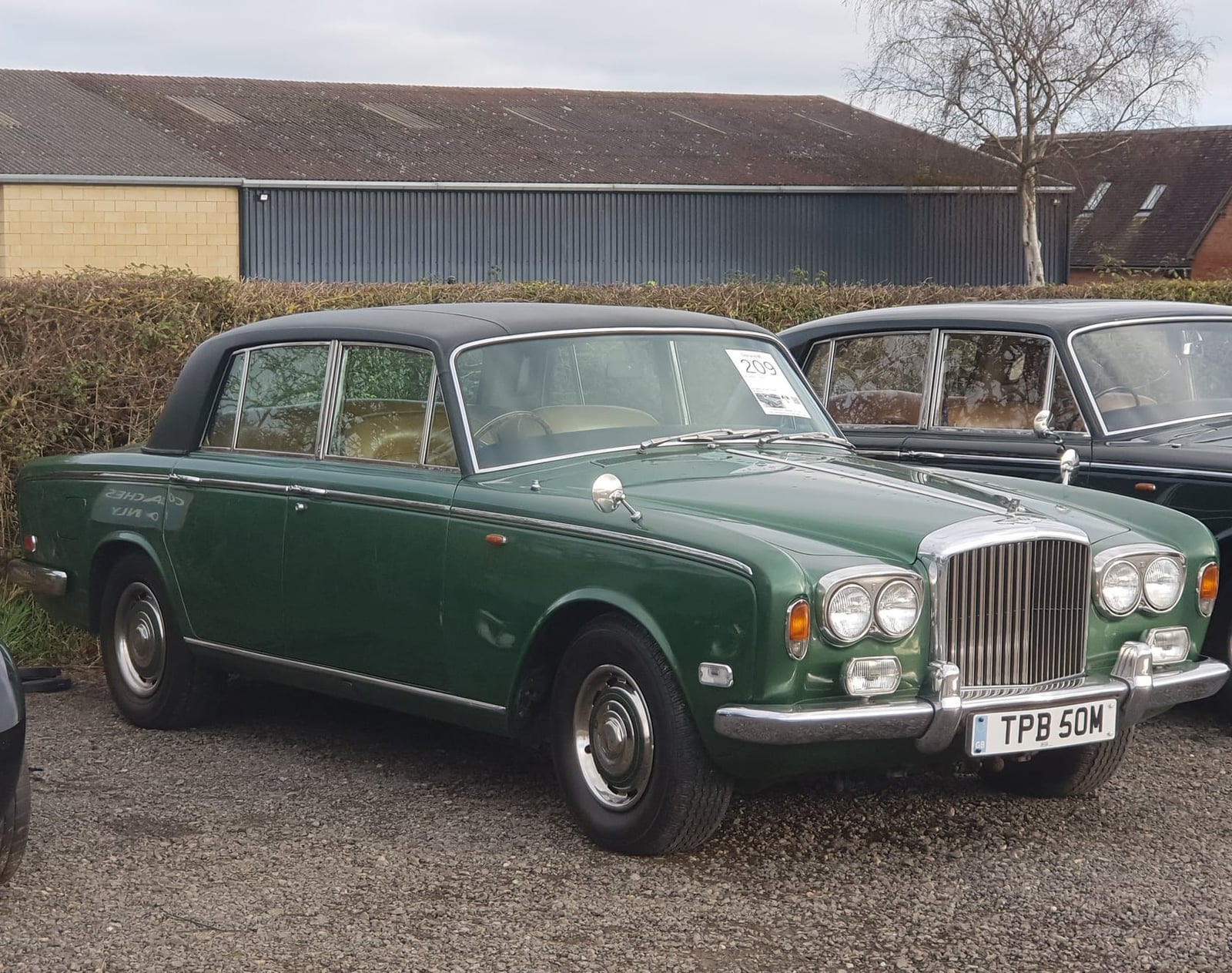
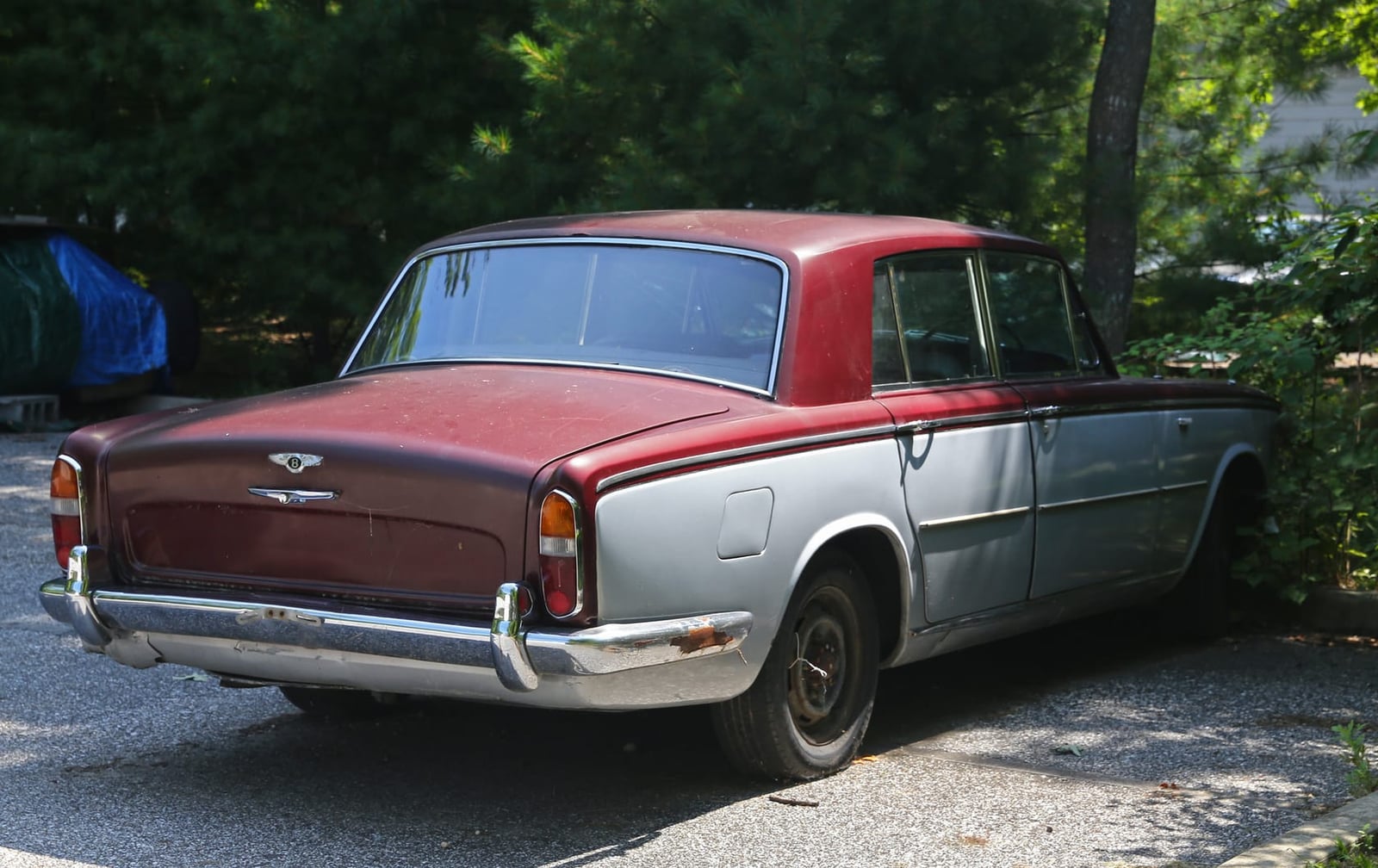
The rules are the Shadow’s, applied to a rarer car: hydraulics serviced on schedule by someone who knows the system, sills, wheelarches and subframe mountings inspected hard for rot, and a thick history file worth more than any cosmetic gloss. Neglected cars tempt at four figures and consume five putting right, so the cheapest example is always the dearest, and the honest survivor in the photographs above is a warning as much as a charm: deferred maintenance on these systems compounds like interest. Parts flow readily through the specialist network, the clubs span both badges, and T2s reward the search: the best steering, the best systems, and the smallest surviving pool.

Where the T-series sits in the market
This is one of the cheapest ways into a hand-built British car. The figures track the Shadow’s market closely, as they always have, but the supply does not: a buyer can choose from dozens of Shadows on any given weekend and might wait a season for the right T-series. The rarity premium over the equivalent Shadow is modest but real. The full record, 123 recorded sales with the T1 and T2 priced identically and the winged B worth about £1,400 over the Rolls-Royce badge, is on the page covering what a T-series sells for. Few classics offer this much craftsmanship per pound, and none of them wear the winged B.
More photos
How the T-series changed
- 1965Launched beside the Silver Shadow as the first monocoque Bentley: Blatchley's unitary saloon, self-levelling hydraulics, discs all round and the 6.2-litre V8.
- 1966Mulliner Park Ward builds a two-door saloon and drophead on the T platform; James Young of Bromley adds a two-door conversion in tiny numbers before closing.
- 1970The V8 grows to 6,750cc.
- 1971The coachbuilt two-doors' Rolls sisters separate off as the Corniche.
- 1977The T2 brings rack-and-pinion steering, retuned front suspension, split-level air conditioning and impact bumpers.
- 1980Production ends at 2,336 cars in all: 1,712 T1 saloons, 558 T2s and a handful of coachbuilt rarities.
T-series: what to check before you buy
Hydraulics and structure
- Hydraulics serviced on schedule by someone who knows the system
- Sills, wheelarches and subframe mountings inspected hard for rot
- A thick history file is worth more than any cosmetic gloss
- Deferred maintenance compounds, so the cheapest car on the market is usually the dearest
Which version
- T1 ran twelve years with rolling improvements; T2s number just 558
- T2s reward the search: the best steering, the best systems, the smallest pool
- Long-wheelbase cars and coachbuilt two-doors are counted in dozens at most
- James Young two-doors surface at auction roughly once a decade
Buying practicalities
- Parts flow readily through the specialist network shared with the Shadow
- The clubs span both badges, so the knowledge is not badge-specific
- Expect to wait a season for the right car, where a Shadow buyer chooses from dozens
- The winged B is worth about £1,400 over the Rolls-Royce badge in the recorded market
What the Bentley T-series sells for at auction
In 2025 the median Bentley T-series sold for £10,863 across 15 sales, 35% down on 2024. In real terms, typical Bentley T-series prices were down about 22% over the five years to 2025, once inflation is accounted for.
| Variant | Sold | Typical range | Median |
|---|---|---|---|
| T1 | 70 | £7,428 - £20,038 | £11,516 |
| T2 | 53 | £8,625 - £14,902 | £11,150 |
Show the year-by-year mediansHide the year-by-year medians
| Year | Sold | Median | In 2025 money |
|---|---|---|---|
| 2026 (so far) | 11 | £12,243 | |
| 2025 | 15 | £10,863 | £10,863 |
| 2024 | 9 | £16,597 | £17,234 |
| 2023 | 14 | £10,598 | £11,372 |
| 2022 | 8 | £13,816 | £15,822 |
| 2021 | 8 | £16,362 | £20,232 |
| 2020 | 9 | £11,000 | £13,939 |
| 2019 | 8 | £9,492 | £12,151 |
| 2018 | 3 | £12,938 | £16,844 |
| 2017 | 4 | £11,220 | £14,946 |
| 2016 | 10 | £11,462 | £15,660 |
| 2015 | 8 | £10,727 | £14,803 |
| 2012 | 4 | £8,335 | £11,982 |
| 2011 | 4 | £8,910 | £13,137 |
- £4,830T1
- £28,750T2
- £5,034T2
- £45,000T1
- £18,258T1
Reasonable evidence. 123 recorded sales: enough for the range to mean something, though a few unusual cars can still move a single year's median. Based on 123 sold results from public classic car auctions (1997 to 10 August 2026). Sold prices, not asking prices, and not a valuation: condition, history and specification vary from car to car. Inflation-adjusted figures use the ONS CPIH index, in 2025 money.
Frequently asked questions
What is the difference between a Bentley T-series and a Silver Shadow?
How many Bentley T-series were built?
What changed with the Bentley T2?
Are Bentley T-series cheap to run?
How much does a Bentley T-series sell for?
What is the most expensive Bentley T-series ever sold at auction?
How often does a Bentley T-series come up for sale?
Related across themes
More from Bentley

Bentley Continental R, T and Azure: the hand-built nineties (1991–2003)

Bentley Mk VI and R Type: the first complete Bentley, and the fastest four-seater on earth (1946–1955)

Bentley S-series: the quiet twin with the beautiful secrets (1955–1965)


