Rolls-Royce Silver Shadow: the ten-thousand-pound best car in the world (1965–1980)
The Silver Shadow modernised Rolls-Royce in one leap and sold 30,000 copies, which is why it is now the most affordable grand luxury car in the hobby, and the most dangerous bargain. A guide to the Shadow I and II, what the hydraulics demand, and what to check before buying one.
Built 1965–1980 744 recorded sales
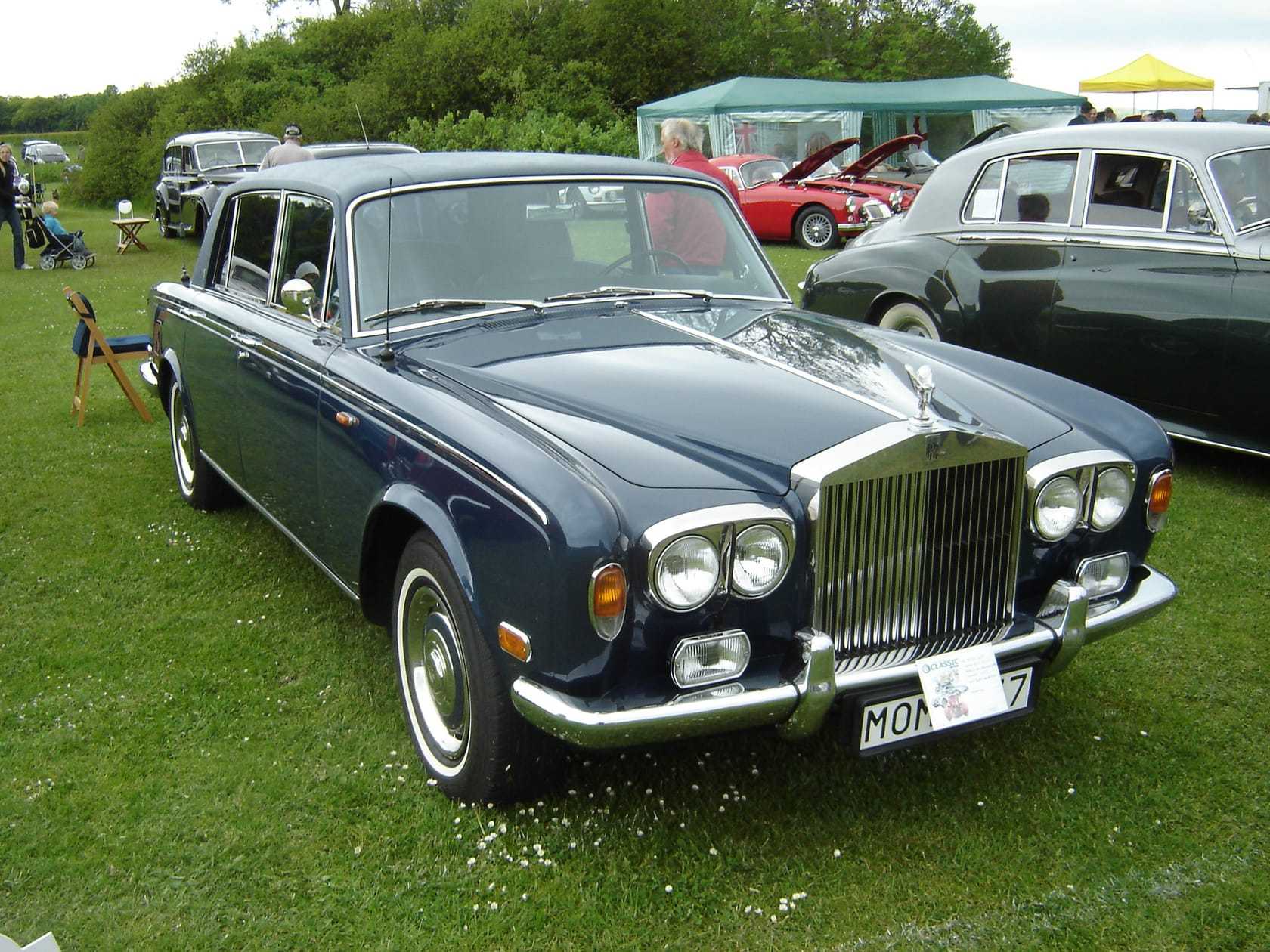
At a glance
- Years
- 1965–1980
- Body styles
- Four-door saloon; long-wheelbase versions; coachbuilt two-doors became Corniche
- Drivetrain
- Front engine, rear-wheel drive; monocoque; high-pressure hydraulics
- Engines
- 6230cc, then 6750cc all-alloy V8
- Power
- Sufficient (the factory's traditional answer; roughly 190-220 bhp)
- Top speed
- Around 115-120 mph
- Trim levels
- Shadow, Shadow II; LWB and division cars; Bentley T-series twins
- Production
- 30,057 across the family, the most successful Rolls-Royce ever
- Assembly
- Crewe, Cheshire
- Designer
- John Blatchley
- Values
- Running projects from around £5,000; usable cars £9,000-£18,000; the best beyond £30,000
- The leap
- First monocoque Rolls-Royce: discs, self-levelling and modernity in one car
- The paradox
- The cheapest way into the best-car-in-the-world badge, and the costliest to neglect
The models
The most radical car Rolls-Royce ever built is also, by some distance, the cheapest one you can buy today. The Silver Shadow of 1965 replaced separate chassis with monocoque, drums with discs, and tradition with licensed high-pressure hydraulics, then sold 30,057 copies, ten times any predecessor. That volume is why the Rolls-Royce Silver Shadow now trades at a median under £10,000, the great paradox of the luxury-classic market: the best car in the world at hatchback money, priced by the risk of the maintenance it may not have had.
One leap: the 1965 revolution
Crewe skipped a generation in one car: the Shadow abandoned the separate chassis for John Blatchley’s crisp monocoque, adopted four-wheel discs, and licensed Citroën-style high-pressure hydraulics for its self-levelling suspension, all beneath the hand-made Parthenon grille. The 6.2-litre alloy V8 (6.75 from 1970) delivered what the factory called sufficient power through utter silence. Traditionalists gasped; buyers queued. The Bentley T-series twin differed by its radiator, and long-wheelbase cars, division limousines and the coachbuilt two-doors that became the Corniche completed the family.

The peoples Rolls-Royce
Thirty thousand cars changed what the badge meant: the Shadow put Rolls-Royce ownership within reach of the successful rather than the dynastic, and its survivors kept descending the wealth curve until the best car in the world could be bought for used-hatchback money. The depreciation that horrified first owners created the hobby’s most democratic luxury classic, and the wedding trade, the chauffeur trade and a generation of optimists have run Shadows ever since. The car’s engineering absorbs the indignity with grace; its hydraulics, less so, which is where every buying decision truly lives.

What a Silver Shadow is like to drive
A properly sorted Shadow remains an event: the V8 moves it in near silence, the ride absorbs Britain’s roads whole, and the cabin, Connolly hide, burr walnut, deep lambswool, treats every journey as an occasion. Early cars steer with period languor; the 1977 Shadow II’s rack-and-pinion sharpened responses enough that many judge it the best driving classic Rolls-Royce of all. None of it hurries, all of it glides, and the experience per pound, when the car is right, has no rival in the entire hobby.

Which Shadow: early, late or Bentley
The family ladder is short and useful. Early chrome-bumper Shadows (to 1972) carry the purest period style and the collectors’ preference; mid-run cars offer the enlarged 6.75 engine at the gentlest prices; and the 1977–80 Shadow II, with its rack-and-pinion steering and improved ventilation, is the recognised drivers’ choice, worth its modest premium to anyone who will actually use the car. Long-wheelbase versions add rear-seat grandeur, and the Bentley T-series twin, one built for every ten Shadows, offers the same machine in quieter dress with rarity on its side. Across all of them the deciding document remains the same: the service file, not the specification.
The hydraulic sermon
Every Shadow conversation earns its lecture: the high-pressure system operating the brakes and self-levelling is superb engineering that demands exact maintenance, correct RR363 fluid, healthy accumulators, unhurried specialist attention, and punishes neglect with bills that dwarf cheap purchase prices. Add corrosion in sills, arches and subframe mounts, and the market’s rule writes itself: the file of specialist invoices is the car. A £15,000 Shadow with twenty years of history is the bargain; the £6,000 car without it is the most expensive vehicle on this site.
Buying a Silver Shadow today
Process beats passion every time with this car: commission a pre-purchase inspection from a recognised marque specialist, read the history file before you read the brochure, and always prefer evidence of steady spending over recent cosmetic attention. Shadow IIs carry a driving premium; early chrome-bumper cars carry purity; the Bentley T twin adds rarity at similar money. Interiors survive well and cost dearly to redo, so originality matters. The club scene and specialist network are outstanding, parts supply is excellent, and a good Shadow rewards its keeper with the most accessible grandeur in 1970s motoring.
Where the Shadow sits in the market
The spread between the cheapest Shadow and the best is the maintenance file, nearly to the pound: that is the whole story of this market and the reason the ten-thousand-pound Rolls-Royce is both real and a trap. The coachbuilt two-doors are the exception, at roughly double a saloon on genuine scarcity. The full record, 744 recorded sales with the Shadow II barely ahead of the Shadow I and a decade of flat prices that has quietly cost the saloons two fifths of their real value, is on the page covering what a Silver Shadow sells for. Choosing the right one is the entire game.
More photos
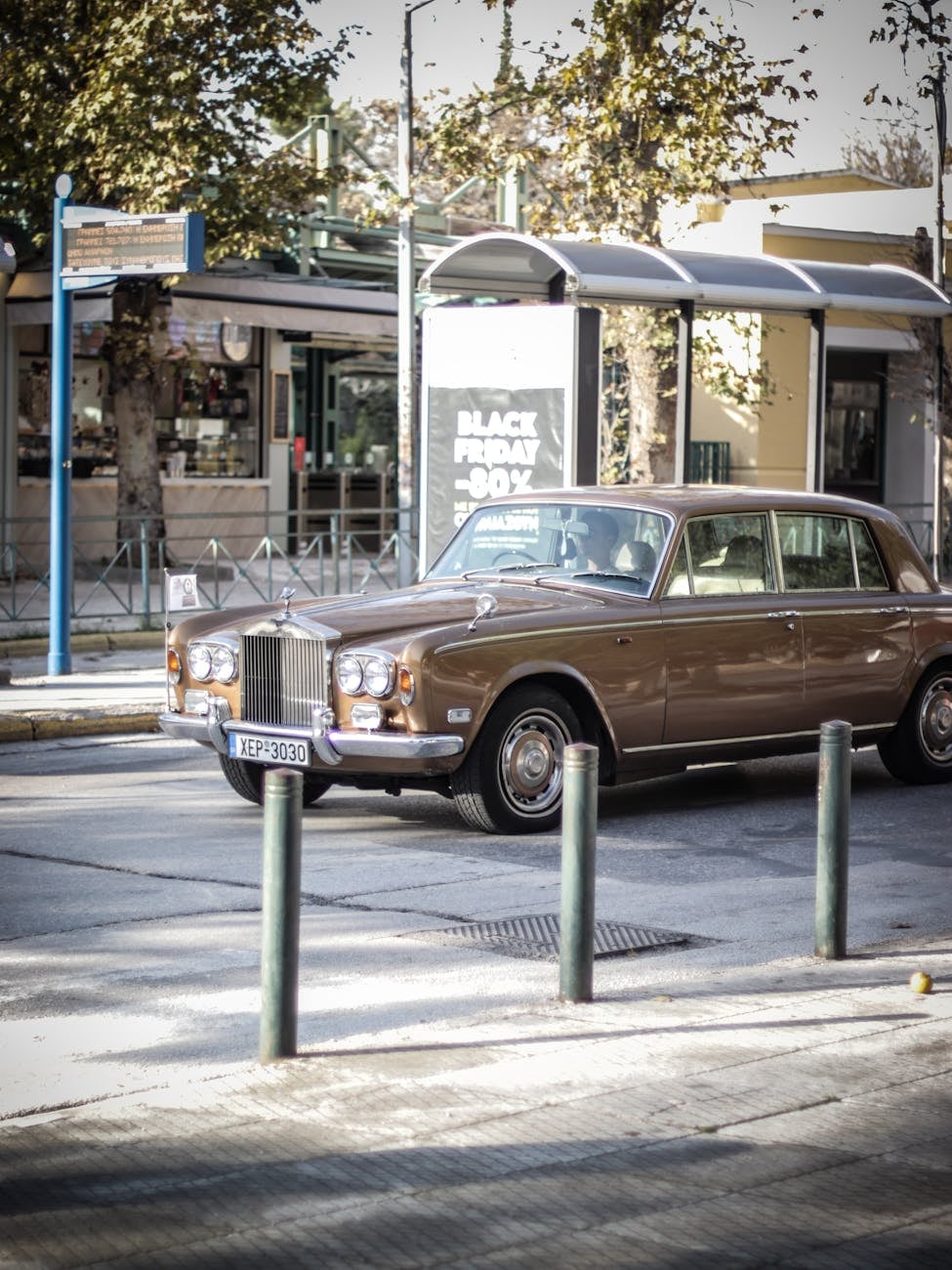
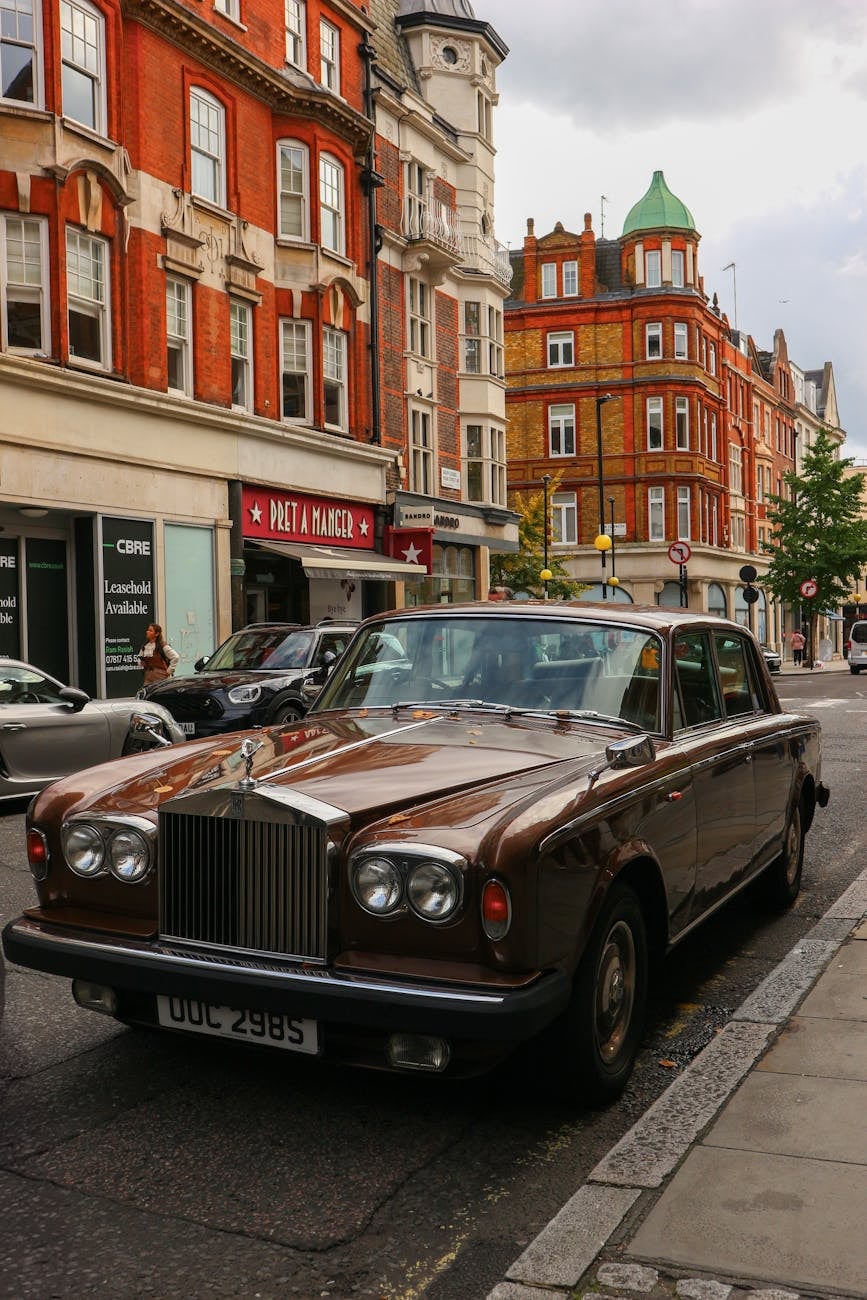
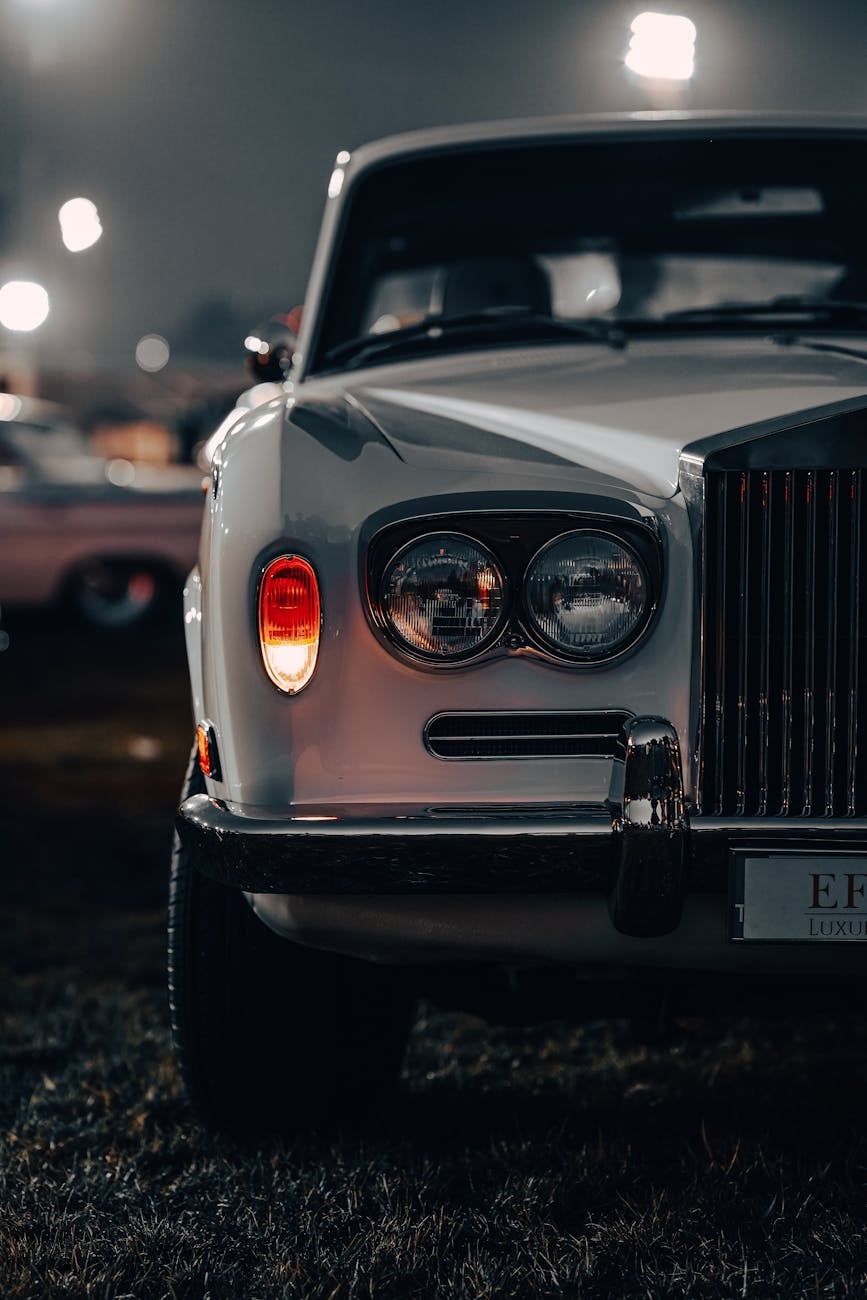
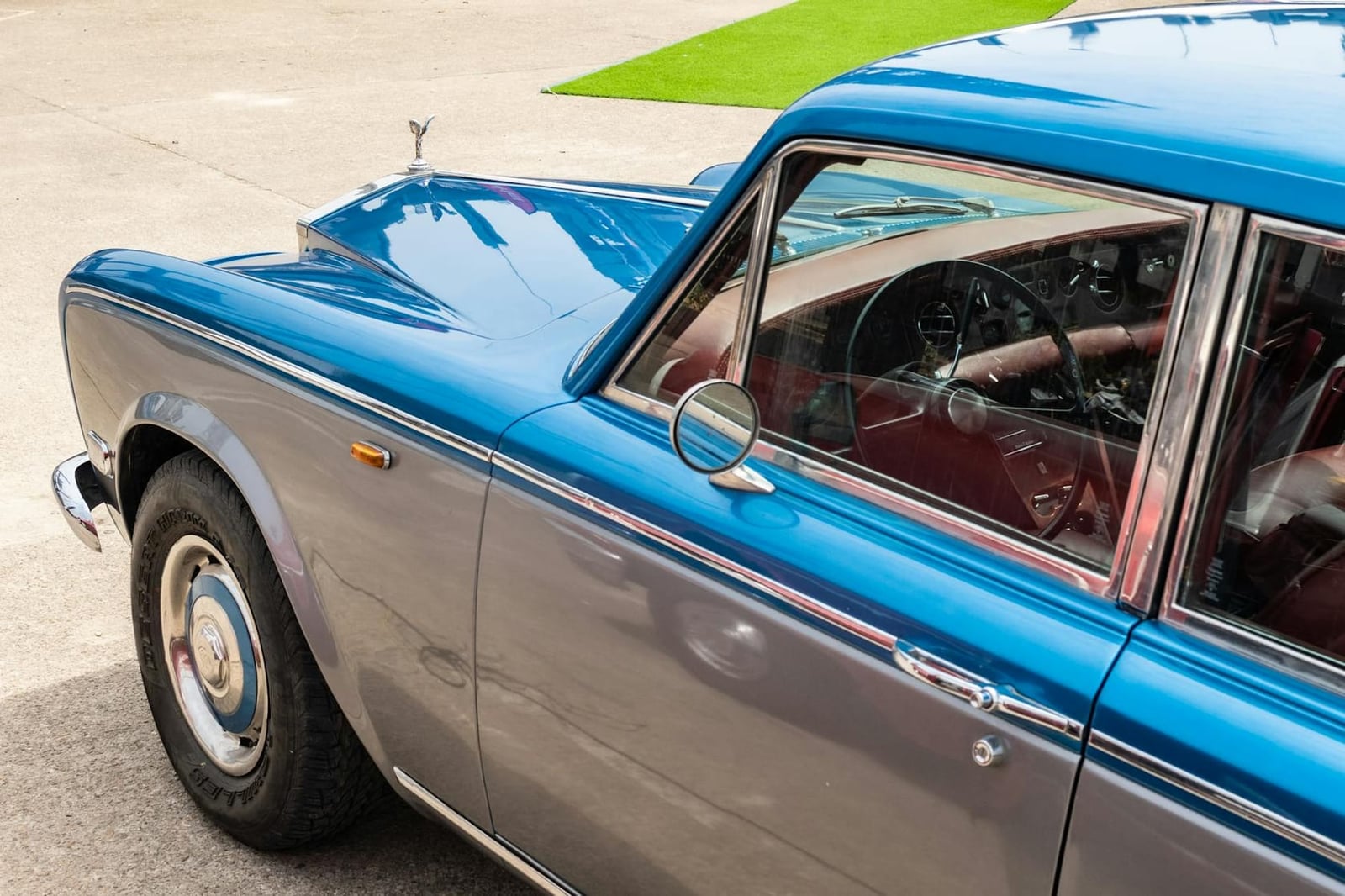
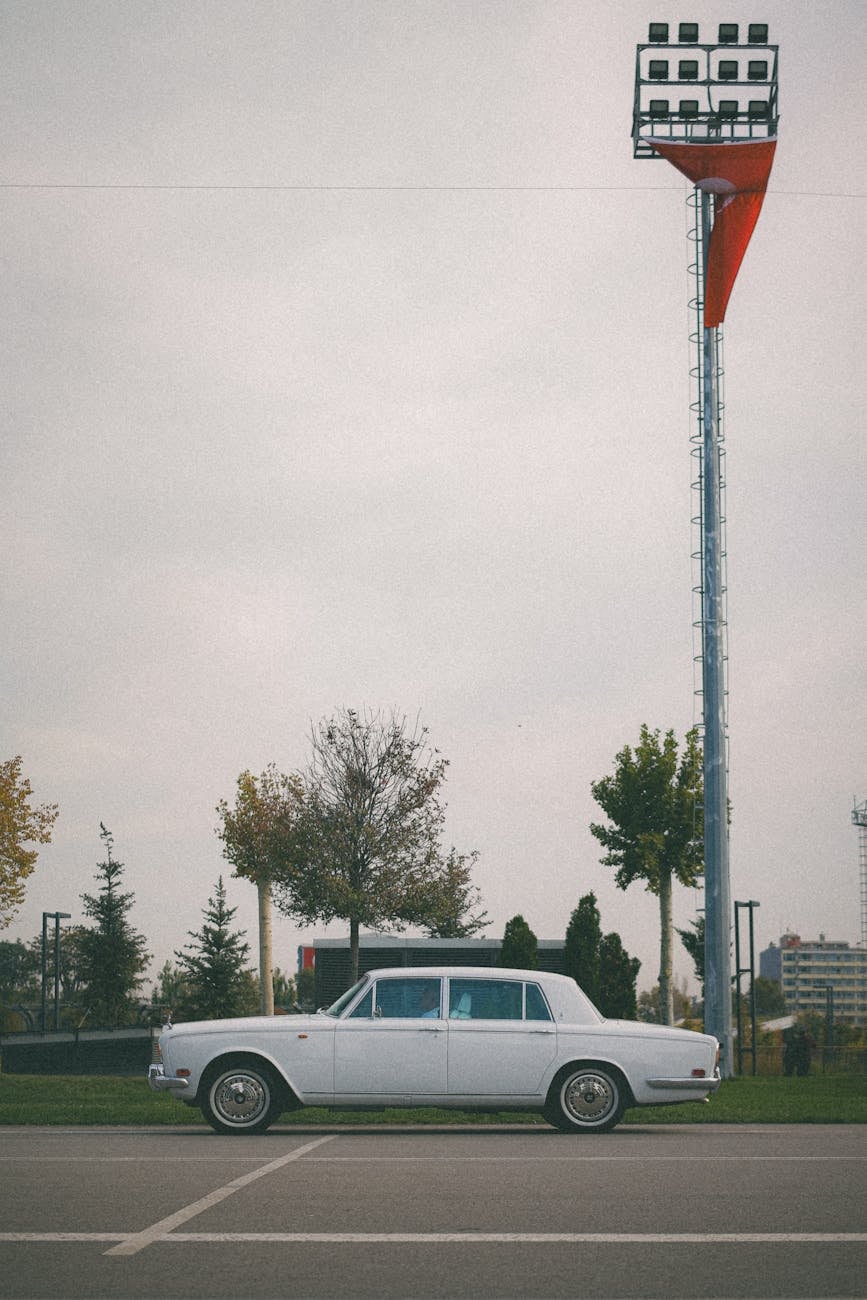
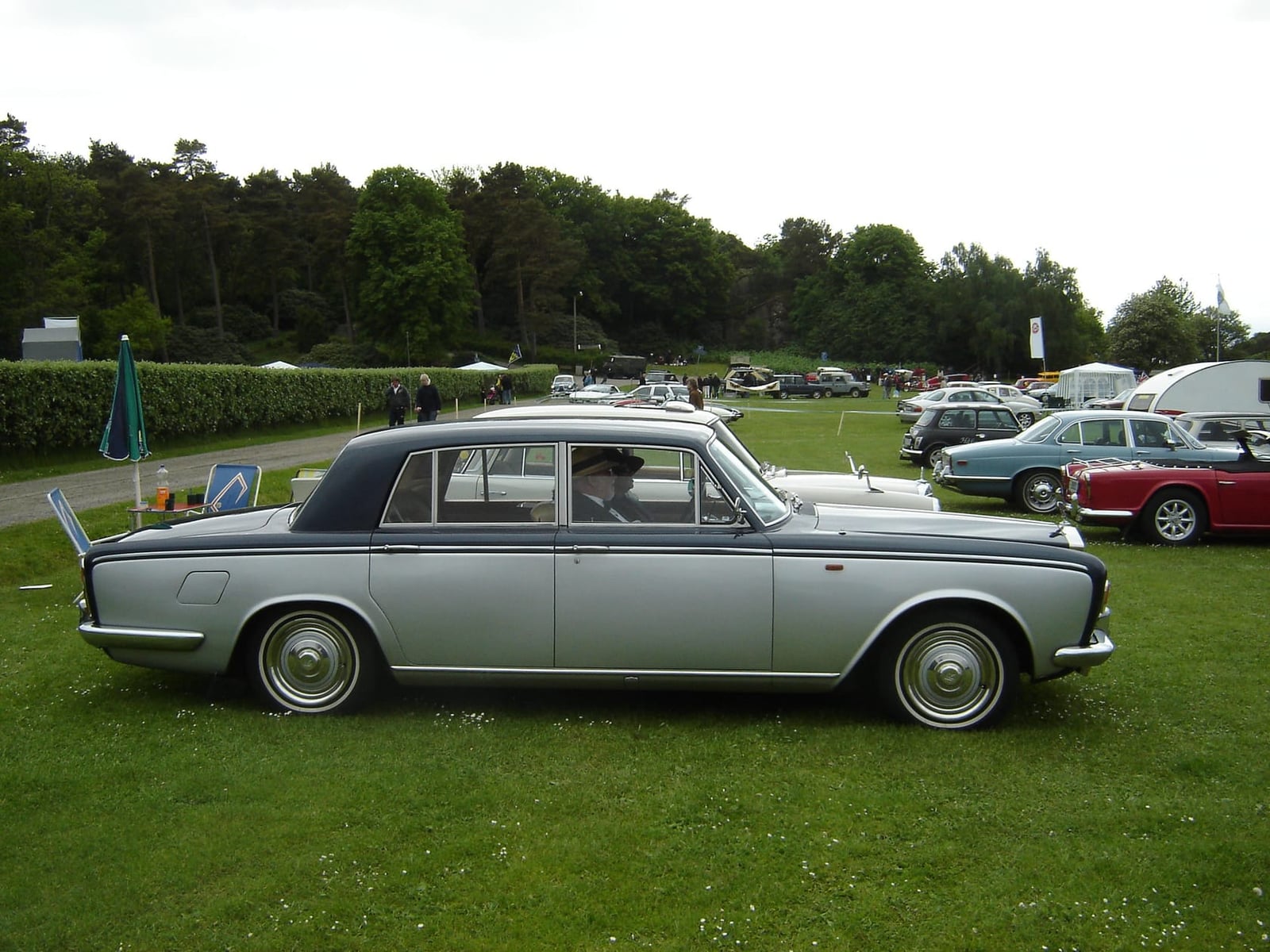
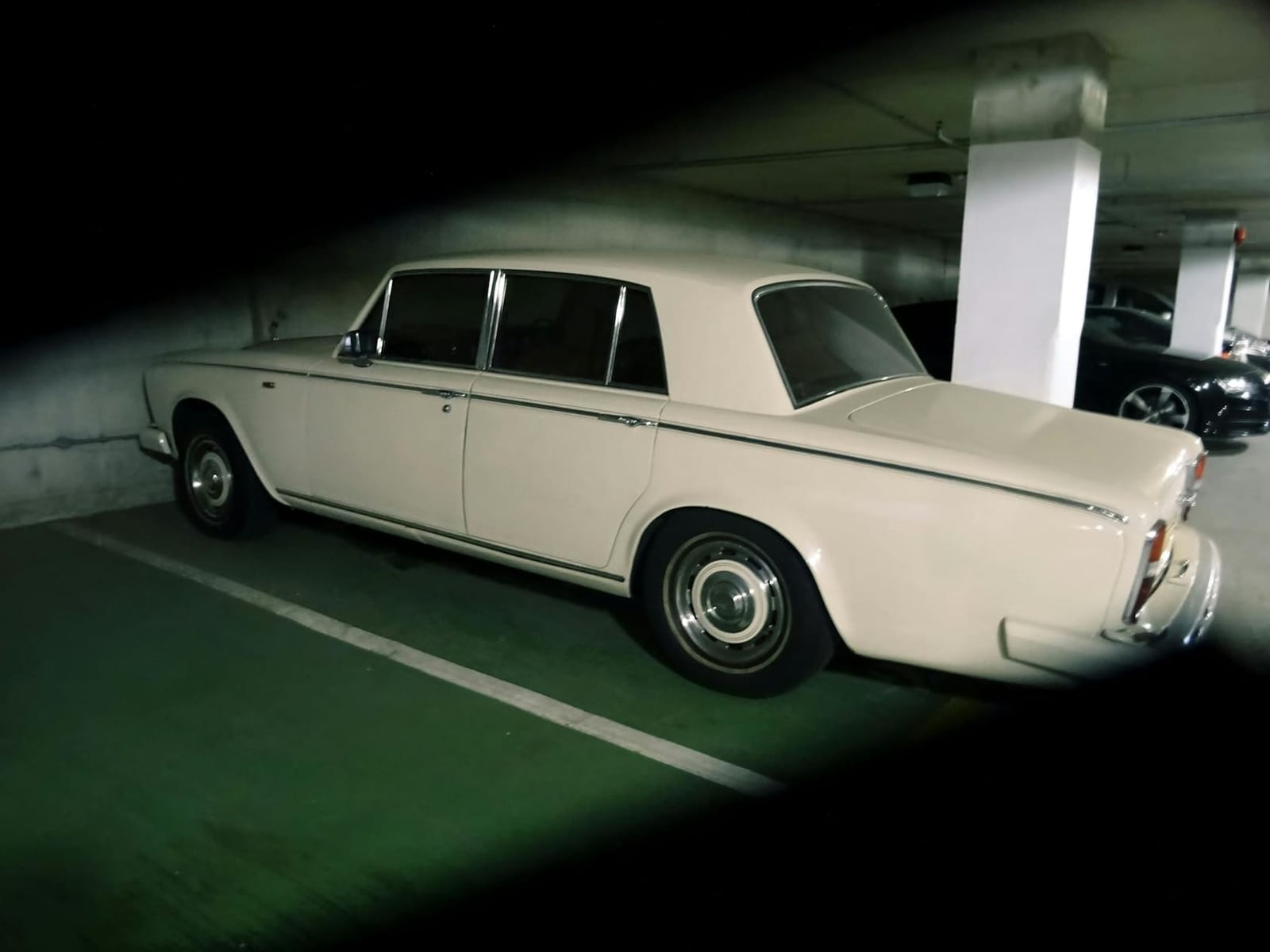
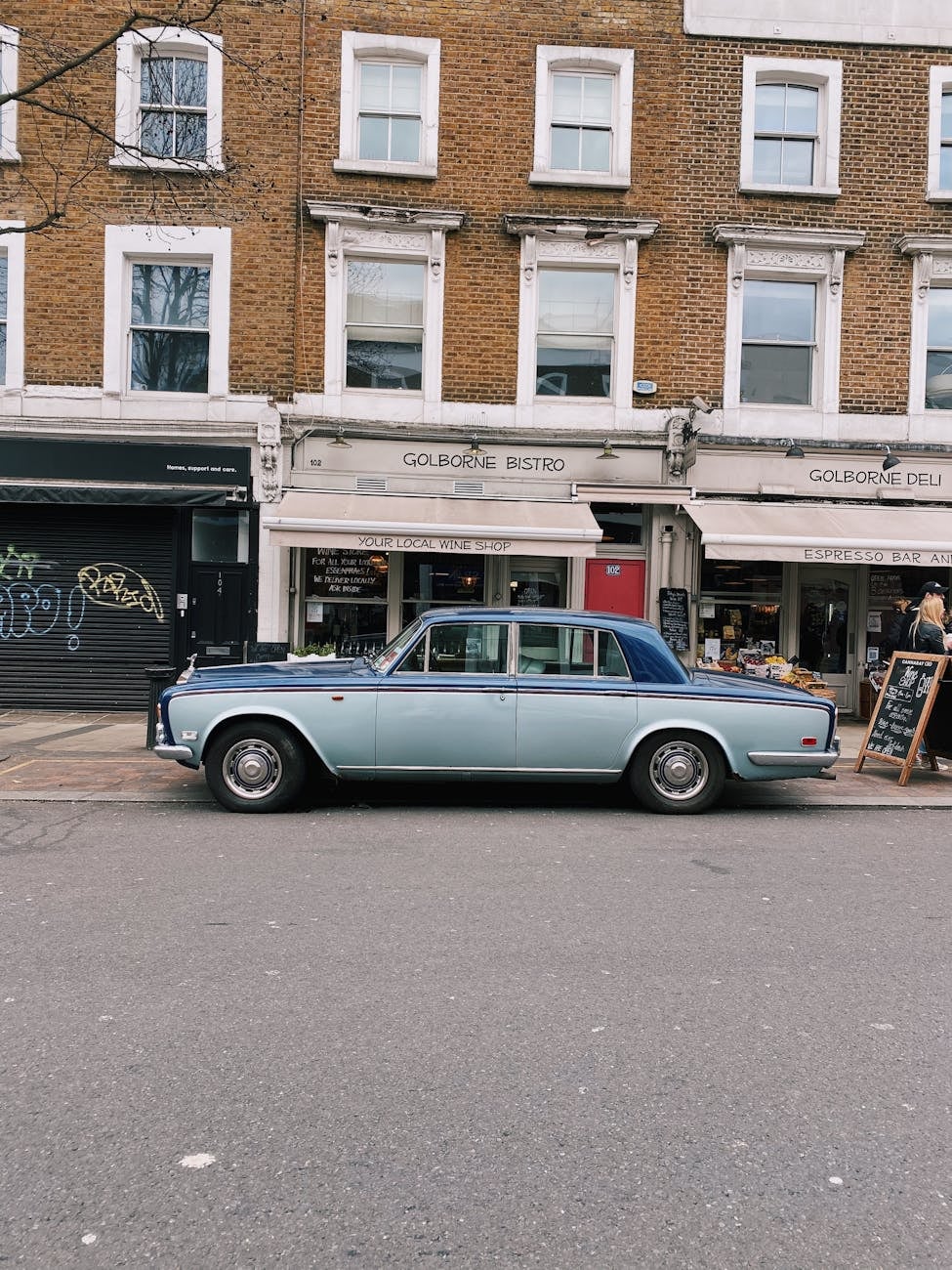
The Silver Shadow in dates
- 1965Crewe skips a generation: John Blatchley's monocoque replaces the separate chassis, four-wheel discs replace drums, and licensed high-pressure hydraulics run the self-levelling suspension.
- 1965The Bentley T-series twin arrives, differing by its radiator, at roughly one car for every ten Shadows.
- 1970The V8 grows from 6,230cc to 6,750cc.
- 1972The chrome-bumper era ends; the coachbuilt two-doors separate off as the Corniche.
- 1977The Shadow II arrives with rack-and-pinion steering and improved ventilation, which many judge the best driving classic Rolls-Royce of all.
- 1980Production ends at 30,057 cars across the family, ten times any predecessor and the most successful Rolls-Royce ever.
Silver Shadow: what to check before you buy
The hydraulics, which decide the purchase
- The high-pressure system runs the brakes and the self-levelling, and demands exact maintenance
- Correct RR363 fluid and healthy accumulators, evidenced in the file rather than promised
- Neglect produces bills that dwarf cheap purchase prices
- Commission a pre-purchase inspection from a recognised marque specialist, always
Structure and interior
- Sills, arches and subframe mounts corrode like any 1970s monocoque
- Interiors survive well and cost dearly to redo, so originality matters to value
- Prefer evidence of steady spending over recent cosmetic attention
- Read the history file before you read the brochure
Which one
- Early chrome-bumper cars to 1972 carry the purest period style and the collectors' preference
- Mid-run cars offer the enlarged 6.75 engine at the gentlest prices
- The 1977 to 1980 Shadow II is the drivers' choice and worth its modest premium
- Long-wheelbase and division cars add grandeur; the Bentley T twin adds rarity at similar money
What the Silver Shadow sells for at auction
In 2025 the median Silver Shadow sold for £9,076 across 76 sales, much where it was in 2024. In real terms, typical Silver Shadow prices were down about 42% over the five years to 2025, once inflation is accounted for.
| Variant | Sold | Typical range | Median |
|---|---|---|---|
| Silver Shadow I | 451 | £5,868 - £15,742 | £9,229 |
| Silver Shadow II | 261 | £6,565 - £14,625 | £10,125 |
| Silver Shadow Mulliner Park Ward | 23 | £16,655 - £24,820 | £19,320 |
Show the year-by-year mediansHide the year-by-year medians
| Year | Sold | Median | In 2025 money |
|---|---|---|---|
| 2026 (so far) | 41 | £10,347 | |
| 2025 | 76 | £9,076 | £9,076 |
| 2024 | 62 | £9,112 | £9,462 |
| 2023 | 66 | £12,554 | £13,472 |
| 2022 | 60 | £11,466 | £13,131 |
| 2021 | 63 | £10,640 | £13,157 |
| 2020 | 43 | £12,375 | £15,682 |
| 2019 | 34 | £9,994 | £12,794 |
| 2018 | 36 | £9,064 | £11,801 |
| 2017 | 33 | £12,375 | £16,484 |
| 2016 | 46 | £11,694 | £15,977 |
| 2015 | 24 | £7,914 | £10,921 |
| 2014 | 20 | £6,947 | £9,625 |
| 2013 | 15 | £6,670 | £9,373 |
| 2012 | 15 | £5,980 | £8,596 |
| 2011 | 15 | £9,355 | £13,793 |
| 2010 | 14 | £12,198 | £18,683 |
| 2009 | 8 | £8,786 | £13,794 |
| 2008 | 12 | £4,837 | £7,744 |
| 2007 | 14 | £6,718 | £11,130 |
| 2006 | 10 | £7,085 | £12,011 |
| 2005 | 12 | £6,820 | £11,854 |
| 2004 | 16 | £7,461 | £13,234 |
| 1996 | 3 | £12,213 | £24,604 |
- £6,924Silver Shadow I
- £8,650Silver Shadow I
- £11,250Silver Shadow II
- £13,507Silver Shadow II
- £3,680Silver Shadow II
Strong evidence. 744 recorded sales and a dozen or more a year: the median and the range are well founded. Based on 744 sold results from public classic car auctions (1996 to 10 August 2026). Sold prices, not asking prices, and not a valuation: condition, history and specification vary from car to car. Inflation-adjusted figures use the ONS CPIH index, in 2025 money.
Frequently asked questions
Why are Rolls-Royce Silver Shadows so cheap?
What is the difference between the Silver Shadow I and II?
What should I check on a Silver Shadow before buying?
Is the Bentley T the same car as the Silver Shadow?
How much does a Silver Shadow sell for?
What is the most expensive Silver Shadow ever sold at auction?
How often does a Silver Shadow come up for sale?
Related across themes
Recently added

Rolls-Royce: the best car in the world, and the price of saying so

Aston Martin V8: the two decades of British muscle that saved the marque (1967–1989)

Aston Martin DB6: the grown-up Aston the market finally noticed (1965–1971)
