Rolls-Royce Silver Wraith and Silver Dawn: the coachbuilt swansong (1946–1959)
The Silver Wraith carried the coachbuilt tradition into the post-war world from the new Crewe works, while the Silver Dawn became the first Rolls-Royce ever sold with a factory body. A guide to the 1946–59 pair, their coachwork, and what to check before buying.
Built 1946–1959 250 recorded sales
At a glance
- Years
- 1946–1959
- Body styles
- Wraith: coachbuilt to order. Dawn: factory standard-steel saloon plus rare coachbuilt cars
- Drivetrain
- Front engine, rear-wheel drive; separate chassis
- Engines
- 4257cc, then 4566cc and 4887cc inlet-over-exhaust six
- Power
- Around 125-150 bhp, never quoted, always sufficient
- Top speed
- Around 85-95 mph by body
- Trim levels
- Wraith: short then long wheelbase. Dawn: standard steel; automatic from 1952
- Production
- 1,883 Silver Wraiths; 760 Silver Dawns
- Assembly
- Crewe
- Designer
- Factory chassis; coachwork by Park Ward, Hooper, H J Mulliner, James Young and others
- Values
- Usable cars from around £20,000; good examples £30,000-£60,000; the great coachwork and dropheads beyond
- The handover
- The Wraith was the last chassis-only Rolls-Royce; the Dawn the first with a factory body
- The address
- Production moved from Derby to the wartime aero works at Crewe
The models
Two cars carried Rolls-Royce across the great divide of 1946. The Silver Wraith kept the old faith, a chassis built at the new Crewe works and sent to the coachbuilders as every Rolls before it had been, while the Silver Dawn of 1949 quietly committed the heresy the company never reversed: a factory body. Between them the Rolls Royce Silver Wraith and Silver Dawn tell the whole story of how the coachbuilt age ended, and they remain the gentlest way into it.
The last coachbuilt Rolls-Royce
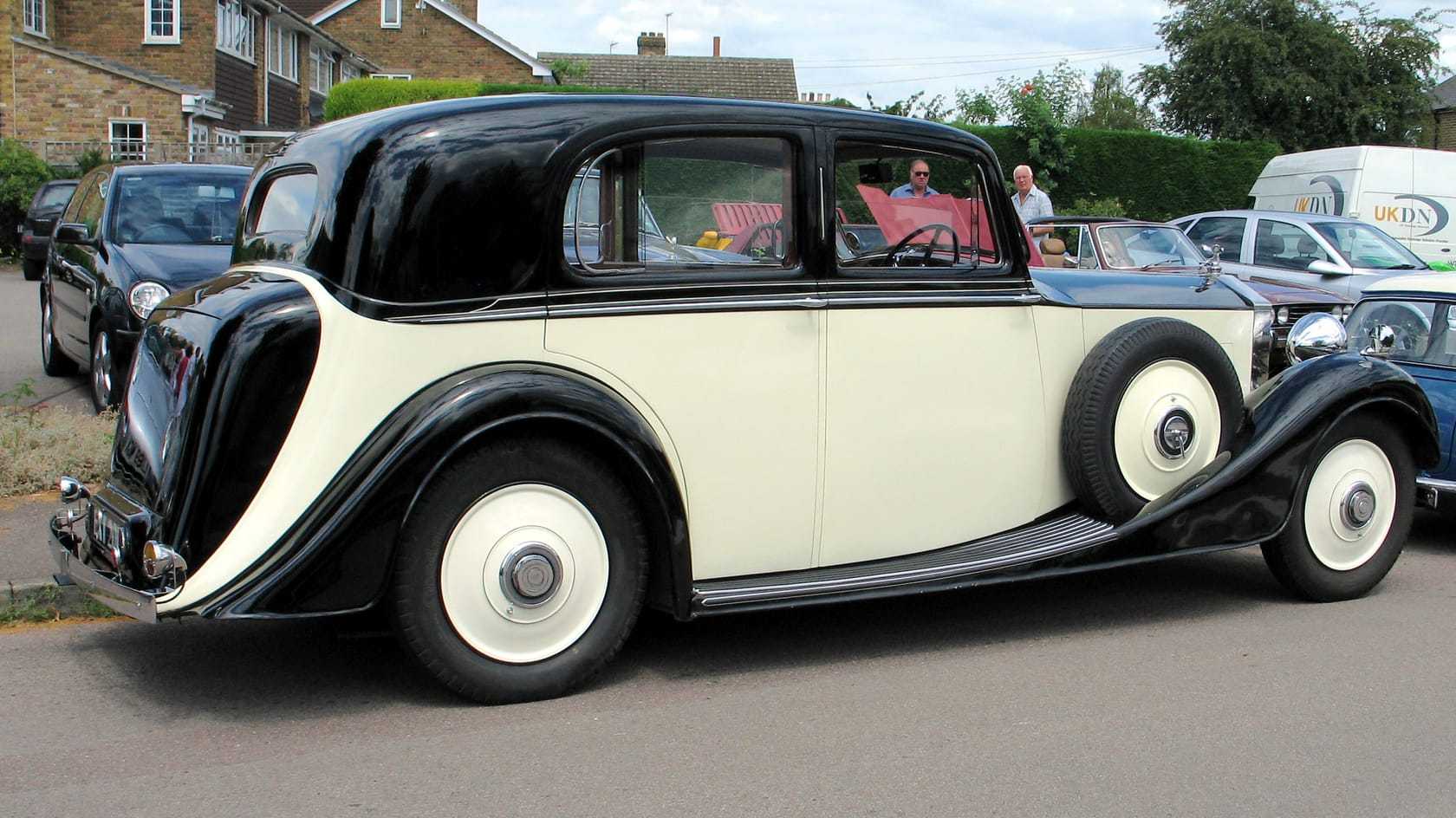
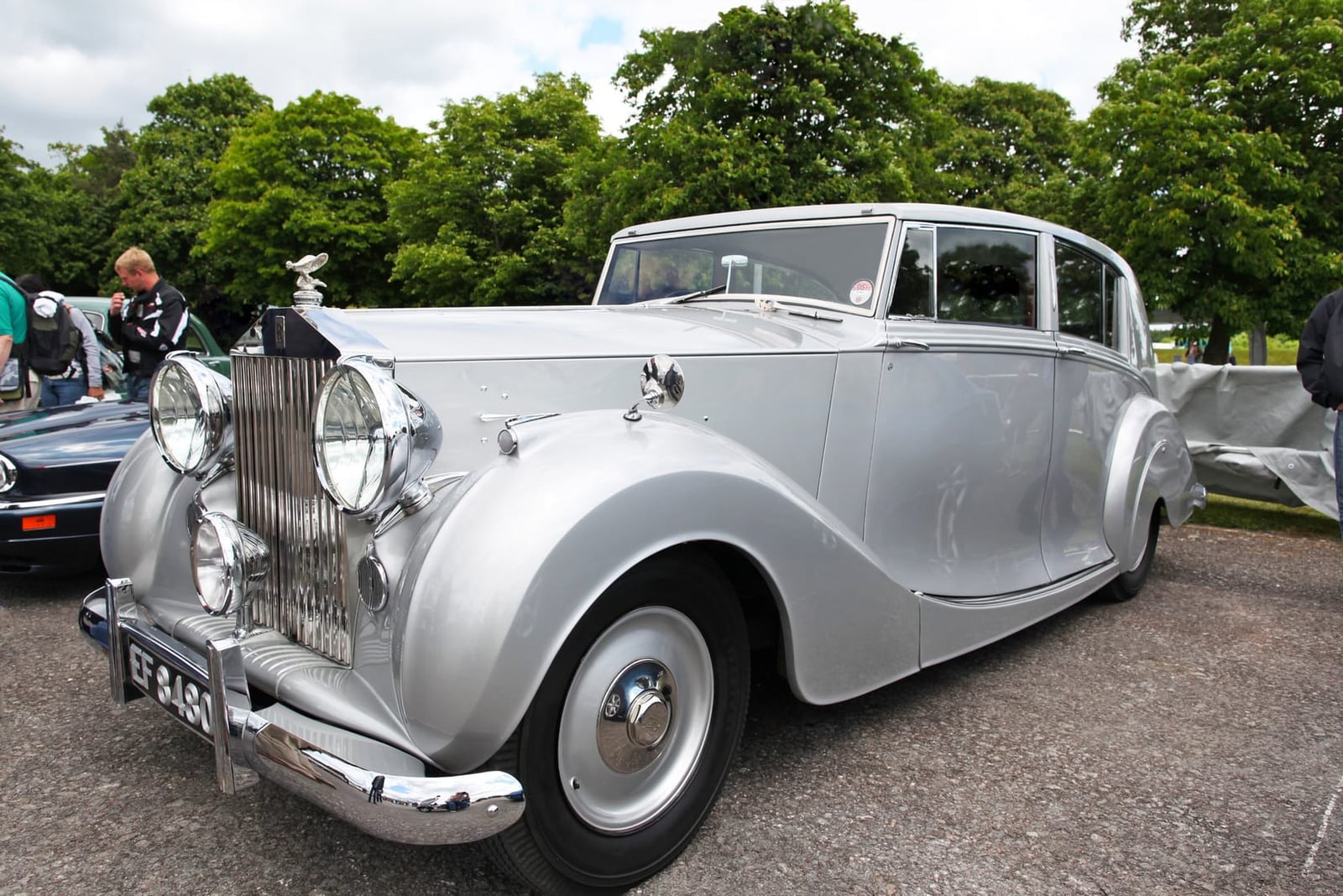
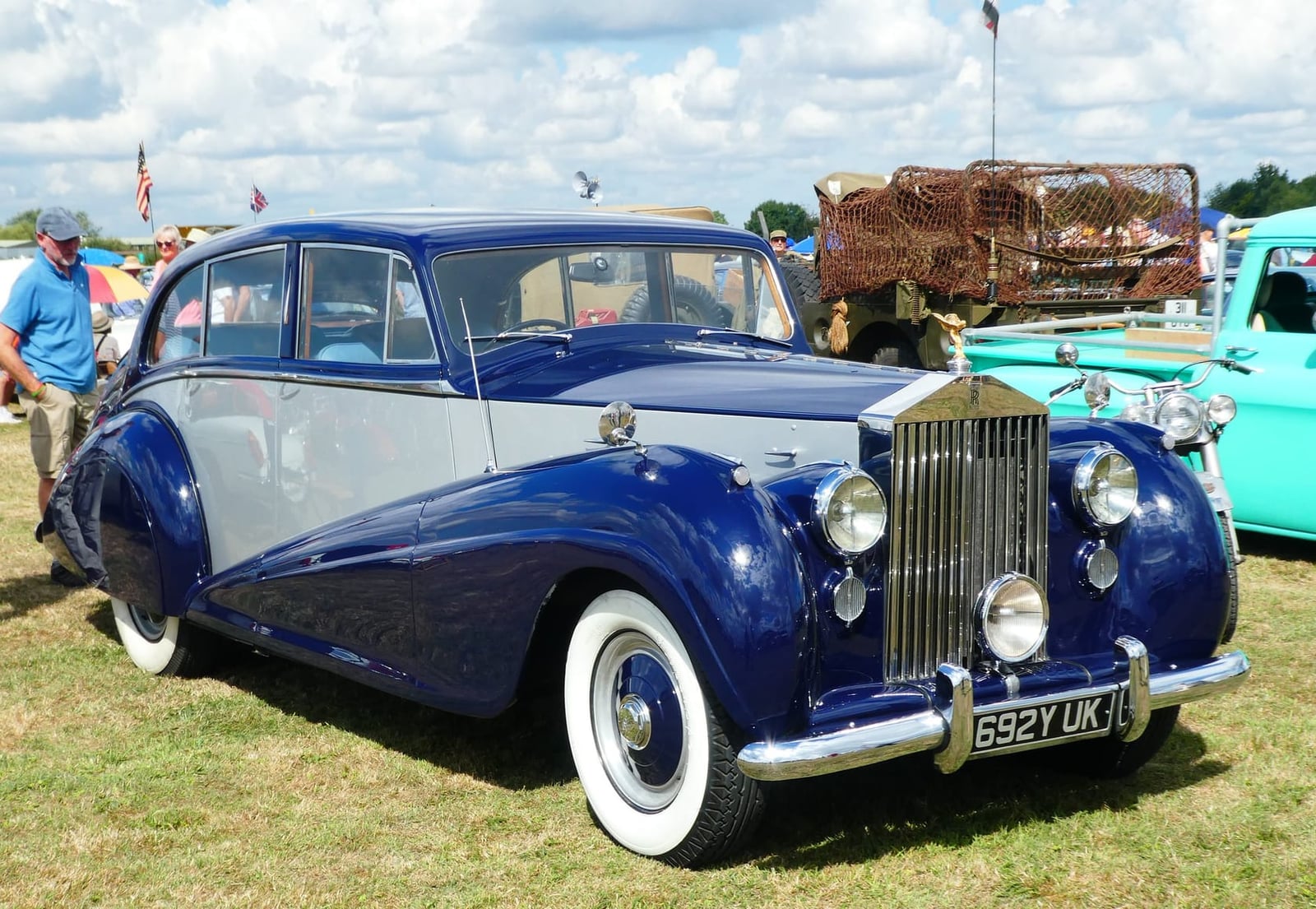
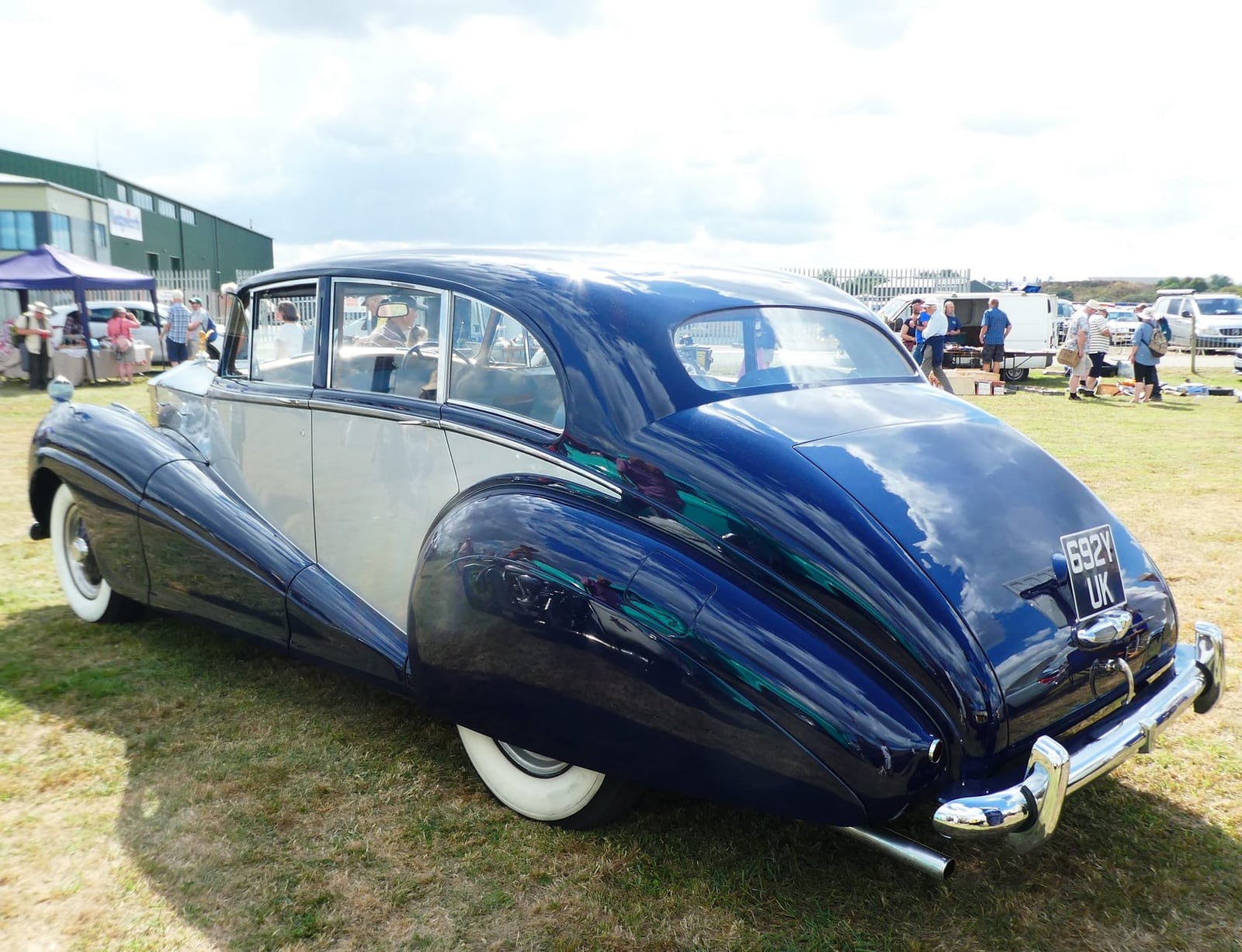
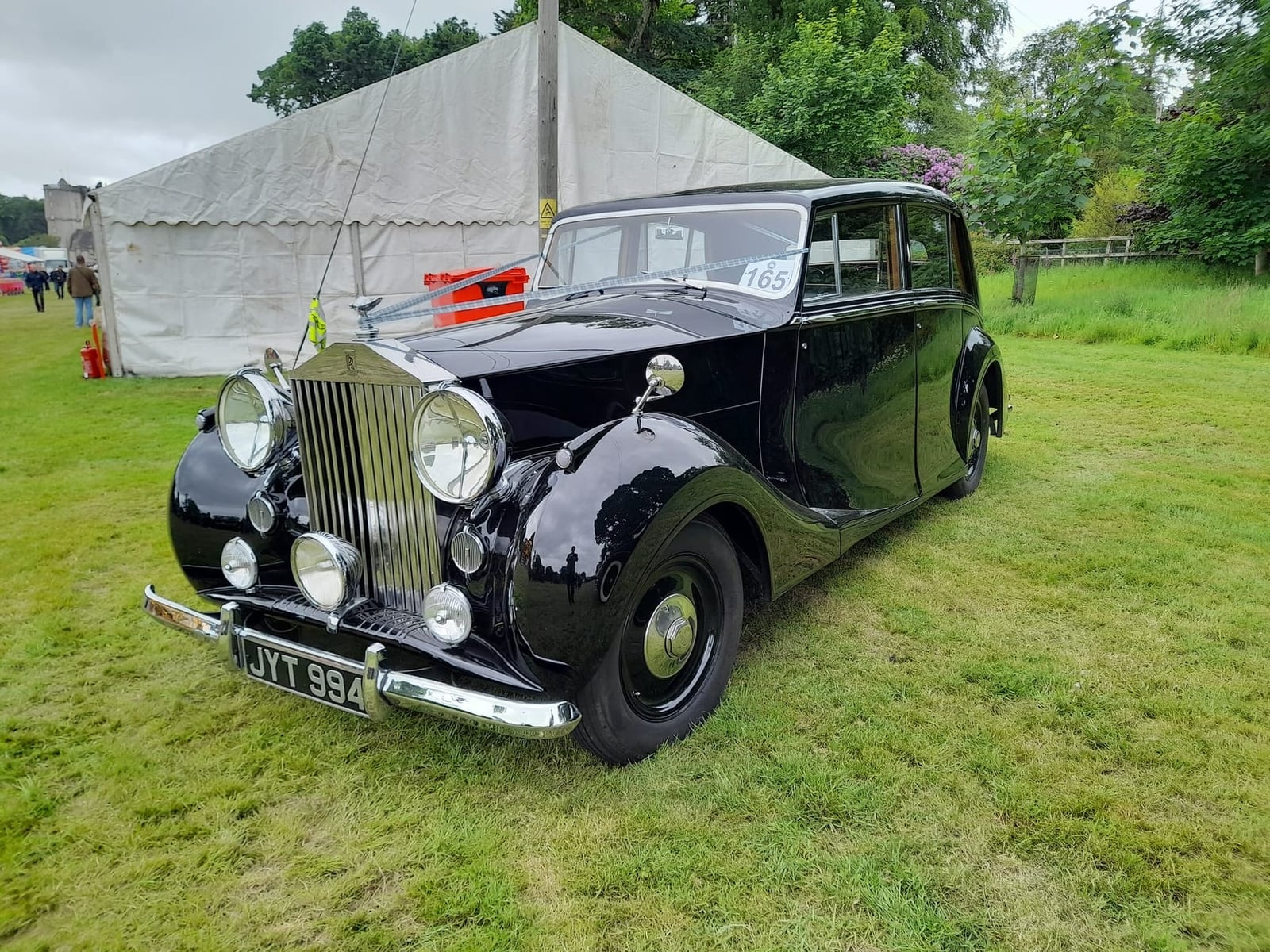
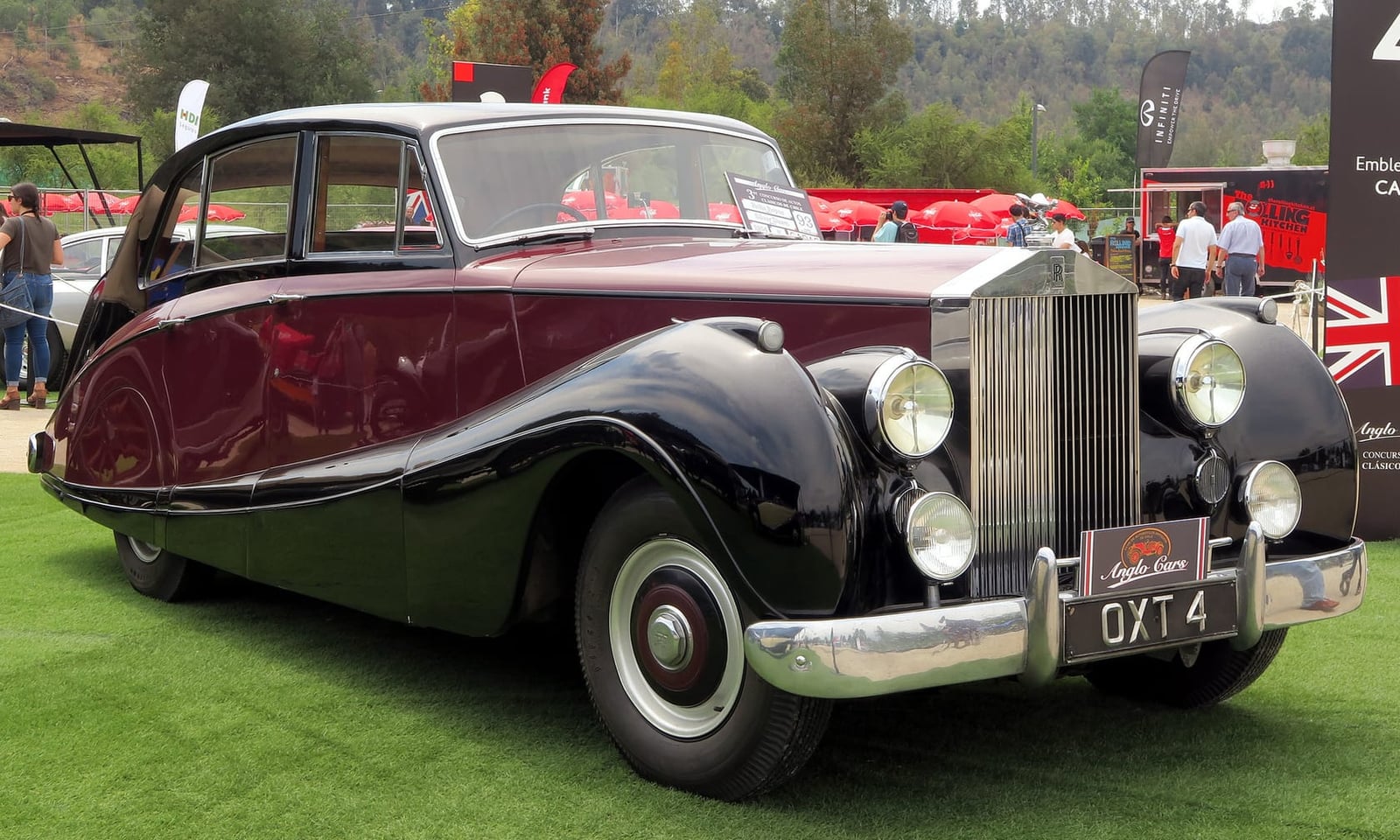
The Silver Wraith emerged in 1946 from the Crewe factory that had spent the war building Merlin aero engines, a 4.3-litre inlet-over-exhaust six in a separate chassis supplied, in the old manner, without a body. H J Mulliner, Park Ward, Hooper, James Young and Freestone & Webb dressed the 1,883 chassis built through 1958, and from 1951 a long wheelbase served the growing state and embassy trade, carrying governors and monarchs across the shrinking empire. It was the last Rolls-Royce offered only as a chassis, and its survivors amount to a museum of British coachbuilding’s final decade.

Silver Dawn: the first factory-bodied Rolls
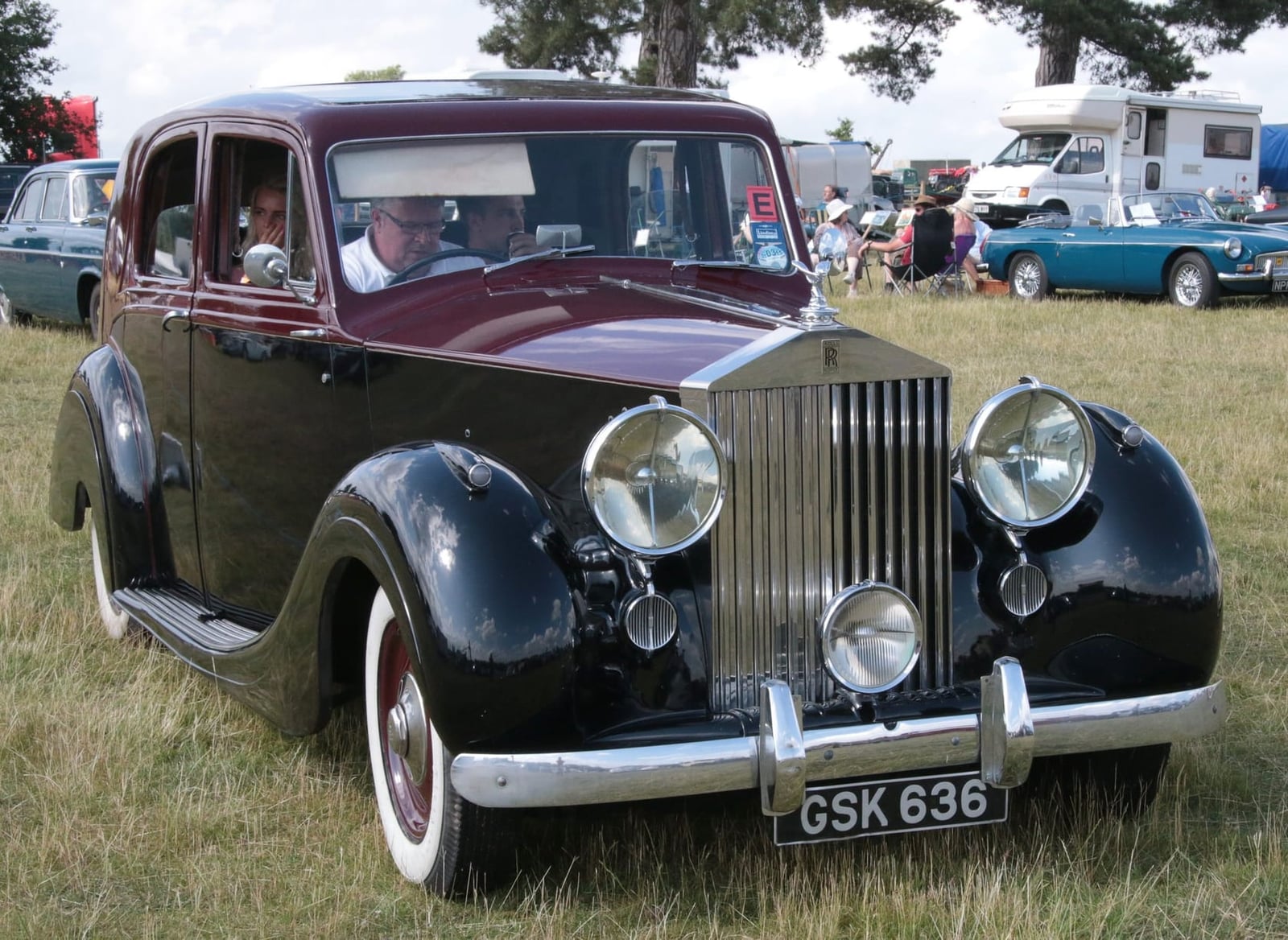
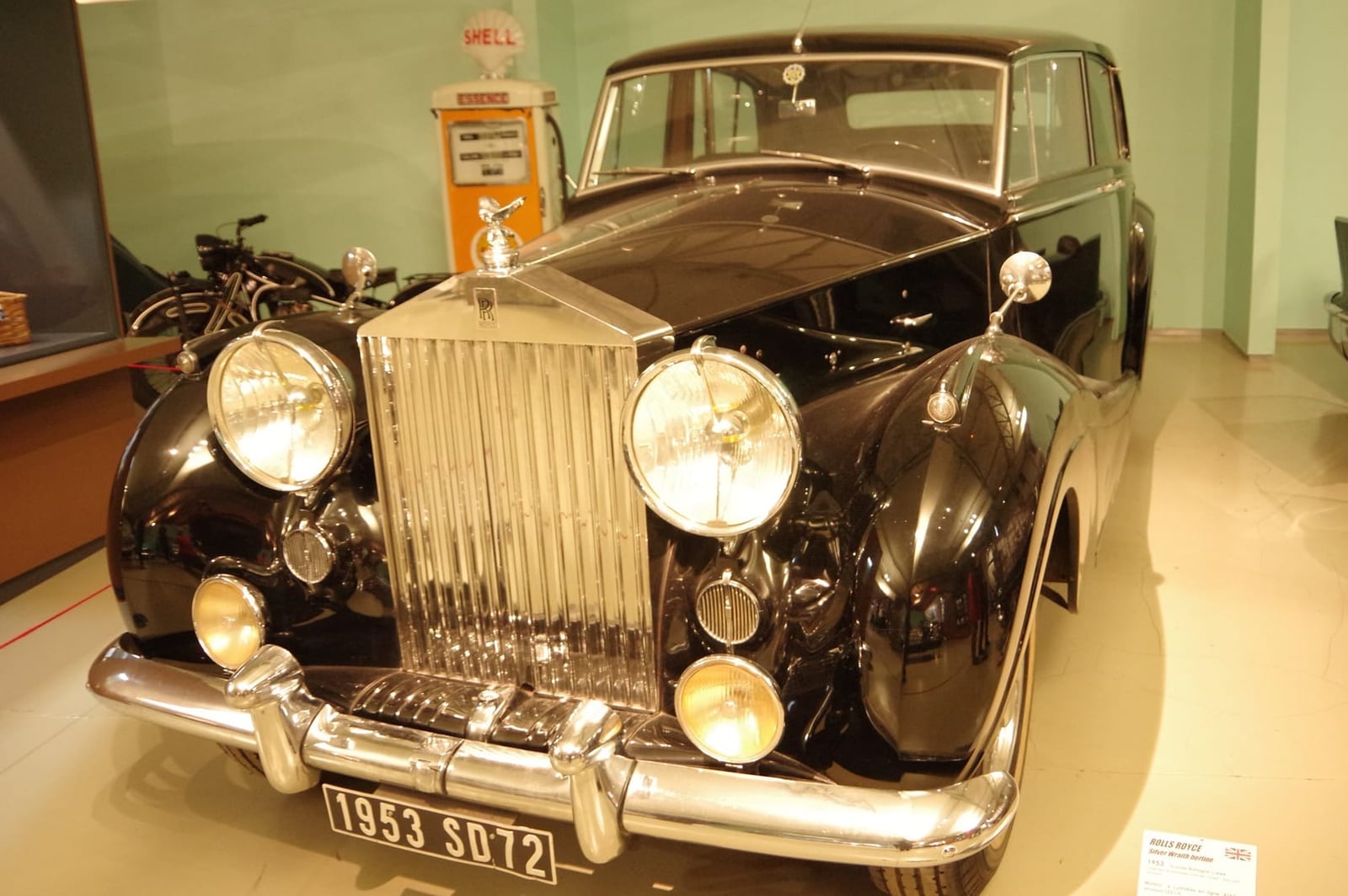
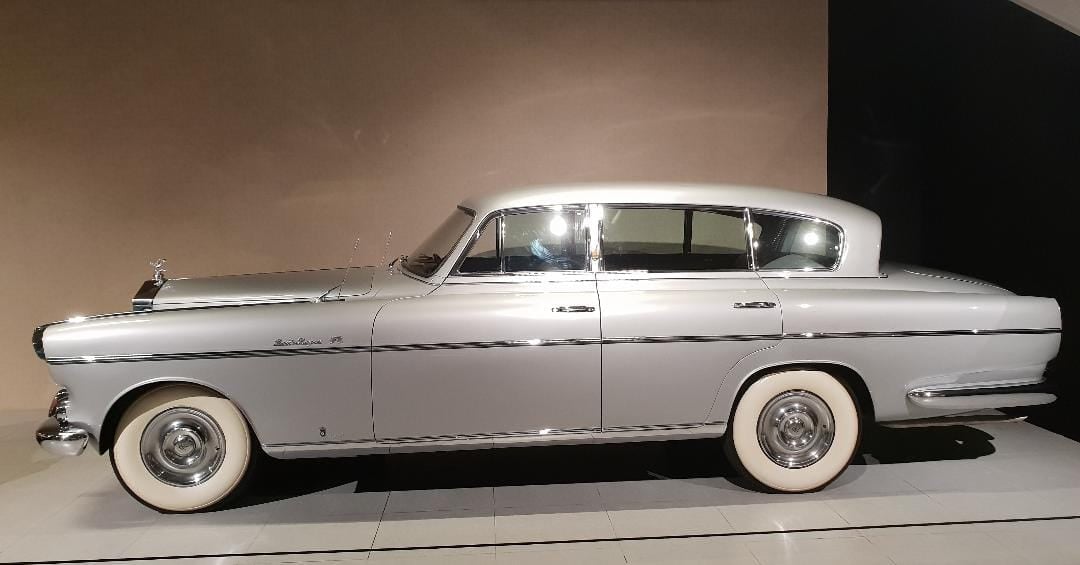
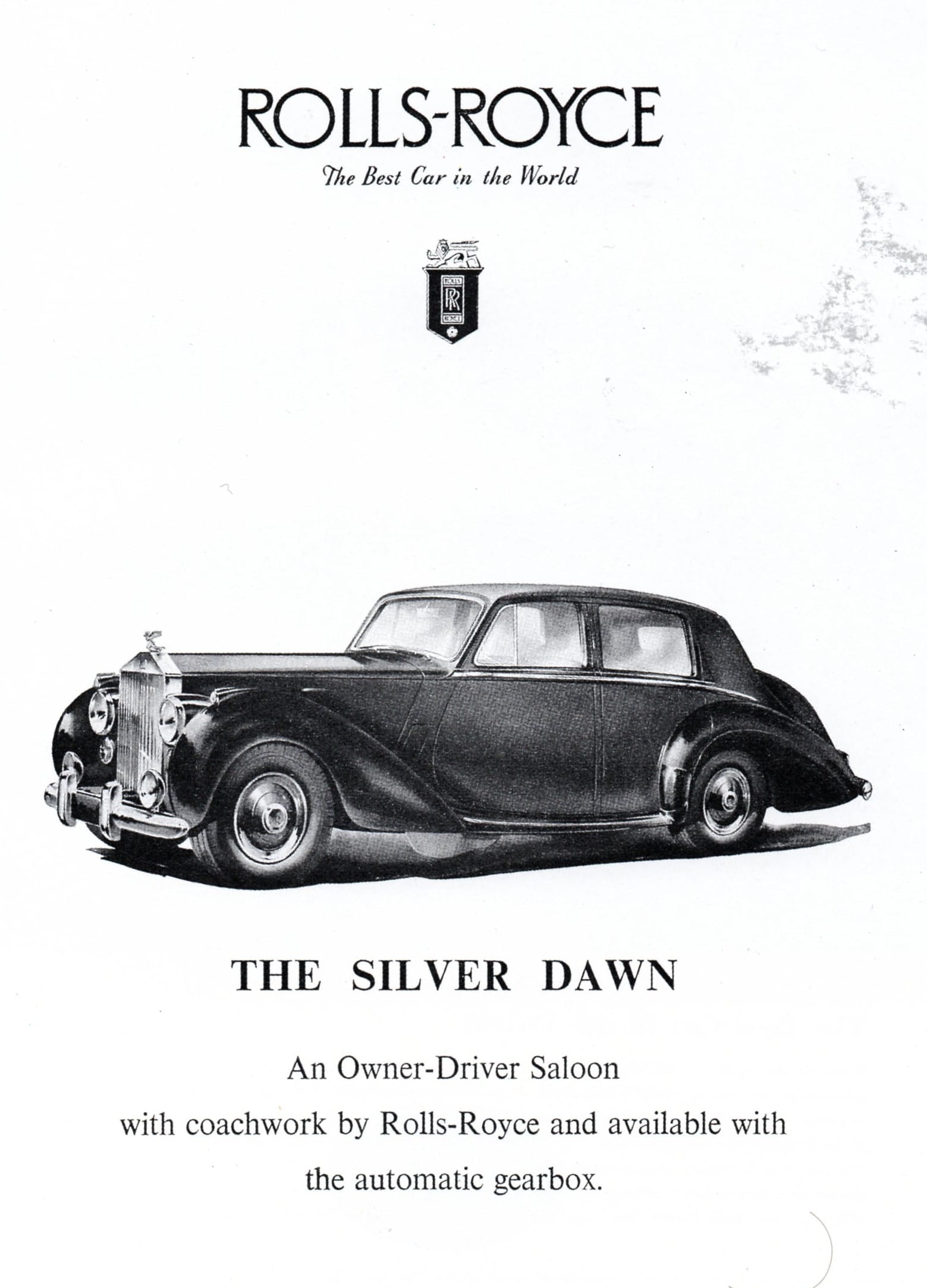
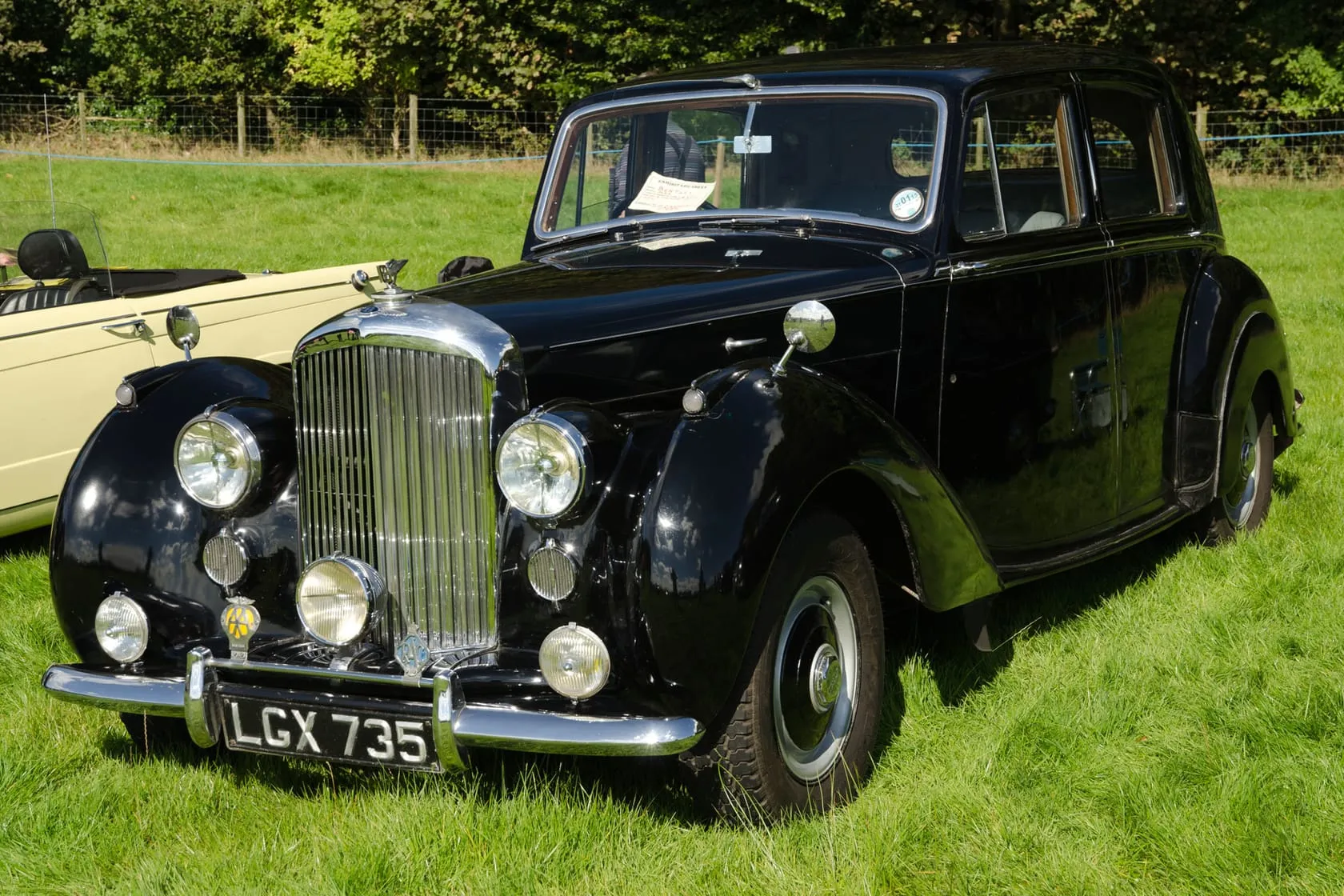
The Dawn of 1949 broke the older rule: a complete car from the factory, its pressed-steel saloon body shared with the Bentley Mk VI and its market, at first, exclusively foreign, because dollar-earning exports ruled post-war industry. Home sales began only in late 1953, two years before the model gave way to the Silver Cloud, and just 760 were built in all. Compact by Rolls standards and aimed squarely at the owner-driver, the Dawn is the direct ancestor of every factory-bodied Rolls-Royce since, which is a large legacy for so small a production run.

Coachwork: the houses take their bow
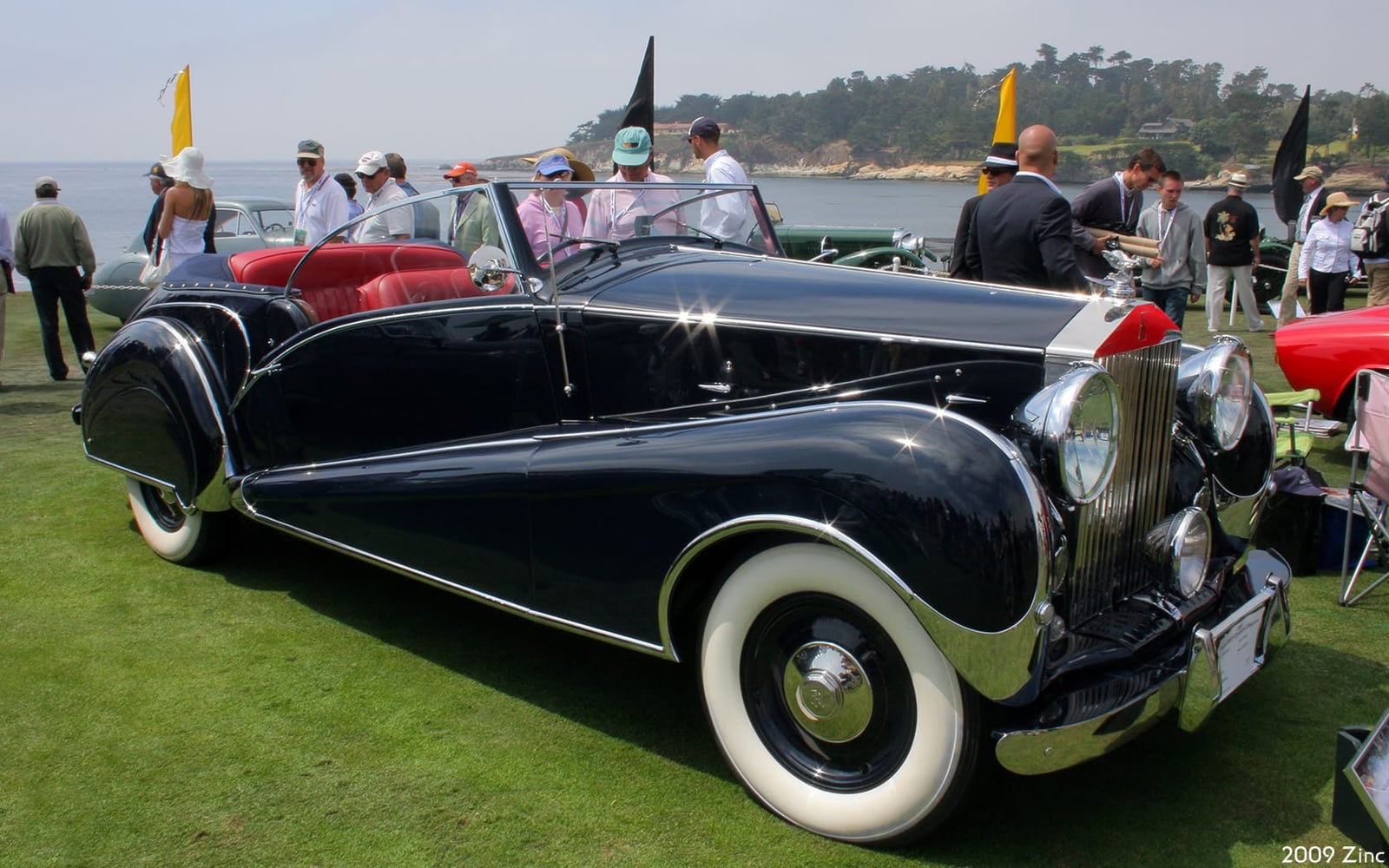
The Wraith order book reads like a directory of a dying craft: Mulliner lightness, Hooper’s sweeping empress lines, James Young precision, Park Ward’s in-house confidence, plus continental adventures like the Vignale car and American Inskip cabriolets for the export trade. Formal limousines dominated, but dropheads, sedancas and touring saloons kept variety high, and a handful of Dawns escaped the standard steel for bespoke suits too. Body provenance drives today’s market exactly as it does for the pre-war Phantoms: the chassis were equal, the coachwork never was.
State service: the long-wheelbase years
From 1951 the Wraith found its defining second career: a lengthened chassis for the formal trade, and the order books filled with governments. Long-wheelbase Wraiths carried governors-general across the Commonwealth, served royal tours, headed embassy fleets from Tokyo to Washington and gave half the world’s newsreels their arrival shots, work the model kept doing for decades after production ended because nothing replaced it until the Phantom V. Many state cars survive with unbroken provenance, festooned with flag mounts and jump seats, and they form a distinct collecting lane today: history by the yard at limousine prices, and the closest thing the fifties offers to buying a newsreel.
What they are like to drive
Both drive with the unhurried competence Crewe intended: the six pulls silently from tickover, the ride absorbs British roads with pre-motorway composure, and the controls, right-hand change on early cars, automatic from 1952, reward smoothness over hurry. The Wraith is a big, stately device that suits processions and summer tours; the shorter Dawn is genuinely wieldy, a car for using, and both keep 60 mph all day with the thermometer unmoved. Brakes and steering ask period allowances, nothing more, and owners describe the overall experience as calming in a way no modern luxury car quite manages: the busiest road slows down to the car’s pace, not the other way around.

Buying a Wraith or a Dawn today
Coachwork first, as with everything coachbuilt: ash framing wants expert eyes, restoration costs dwarf values, and sound original bodies are the only sensible purchase. The registers document most survivors, the clubs’ technical support is superb, and mechanical parts supply is remarkable for cars this age. Dawns carry a premium over the sister Bentley Mk VI and reward originality; Wraiths price by body, with formal limousines the accessible entry and dropheads the treasures. Check history, structure and register verdict together before any money moves.

Where the post-war pair sit in the market
For buyers who want the full bespoke-era experience without Phantom money, the post-war pair remain the knowing choice, and the clubs make the ownership as civilised as the cars. The market rewards exactly what the era did: coachwork in sound structural health, histories that read continuously, and the patience to find the right body rather than the nearest one. The full record, 250 recorded sales with the named coachbuilders about a third above the plain car, is on the page covering what a Wraith and Dawn sell for.
More photos
Key dates for the Silver Wraith & Dawn
- 1946The Silver Wraith emerges from the Crewe works that spent the war building Merlin aero engines: a 4.3-litre six in a separate chassis, supplied without a body in the old manner.
- 1949The Silver Dawn breaks the older rule with a complete factory car, its pressed-steel body shared with the Bentley Mk VI, sold at first only for export.
- 1951A long-wheelbase Wraith chassis arrives for the state and embassy trade, carrying governors-general and royal tours across the Commonwealth.
- 1952Automatic transmission becomes available.
- 1953Home-market Dawn sales finally begin, two years before the model gives way to the Silver Cloud.
- 1958Wraith production ends at 1,883 chassis, the last Rolls-Royce offered only as a chassis; 760 Dawns were built in all.
Buying checklist: the Silver Wraith & Dawn in front of you
Coachwork, first as always
- Ash framing wants expert eyes before anything mechanical
- Restoration costs dwarf values, so sound original bodies are the only sensible purchase
- Wraiths price by body: formal limousines are the accessible entry and dropheads the treasures
- The named coachbuilders sell about a third above the plain car
Identity and history
- The registers document most survivors; buy with their verdict
- Long-wheelbase state cars often survive with unbroken provenance, flag mounts and jump seats intact
- Dawns carry a premium over the sister Bentley Mk VI and reward originality
- A handful of Dawns escaped the standard steel for bespoke coachwork; verify which you are looking at
Mechanical
- Parts supply is remarkable for the age, and the clubs' technical support is superb
- Right-hand change on early cars, automatic from 1952: confirm what is fitted
- 4,257cc, 4,566cc and 4,887cc engines all appear across the run
- Brakes and steering ask period allowances, and nothing more than that
What the Silver Wraith sells for at auction
In 2025 the median Silver Wraith sold for £34,500 across 17 sales, 9% up on 2024. In real terms, typical Silver Wraith prices were up about 10% over the five years to 2025, once inflation is accounted for.
| Variant | Sold | Typical range | Median |
|---|---|---|---|
| Silver Wraith | 124 | £20,172 - £47,957 | £31,370 |
| Silver Dawn | 81 | £18,687 - £36,790 | £26,600 |
| Silver Wraith Hooper | 10 | £34,506 - £58,873 | £45,978 |
| Silver Wraith Park Ward | 9 | £39,025 - £113,074 | £41,884 |
| Silver Wraith H J Mulliner | 7 | £36,744 - £64,466 | £40,115 |
| Silver Wraith James Young | 5 | £16,534 - £29,712 | £21,800 |
Show the year-by-year mediansHide the year-by-year medians
| Year | Sold | Median | In 2025 money |
|---|---|---|---|
| 2026 (so far) | 12 | £31,106 | |
| 2025 | 17 | £34,500 | £34,500 |
| 2024 | 12 | £31,564 | £32,775 |
| 2023 | 26 | £30,990 | £33,256 |
| 2022 | 46 | £25,340 | £29,020 |
| 2021 | 16 | £32,926 | £40,716 |
| 2020 | 5 | £24,833 | £31,469 |
| 2019 | 8 | £61,952 | £79,308 |
| 2018 | 6 | £34,294 | £44,646 |
| 2017 | 8 | £130,694 | £174,091 |
| 2016 | 8 | £31,698 | £43,309 |
| 2015 | 17 | £37,620 | £51,916 |
| 2014 | 11 | £39,162 | £54,261 |
| 2013 | 7 | £40,250 | £56,563 |
| 2012 | 5 | £29,825 | £42,873 |
| 2011 | 5 | £49,876 | £73,535 |
| 2010 | 8 | £33,316 | £51,029 |
| 2009 | 3 | £38,500 | £60,444 |
| 2007 | 4 | £41,100 | £68,089 |
| 2006 | 5 | £23,625 | £40,052 |
| 2004 | 10 | £21,628 | £38,362 |
- £21,800Silver Wraith James Young
- £22,228Silver Dawn
- £29,712Silver Wraith James Young
- £52,479Silver Wraith
- £27,600Silver Dawn
Strong evidence. 250 recorded sales and a dozen or more a year: the median and the range are well founded. Based on 250 sold results from public classic car auctions (1988 to 10 August 2026). Sold prices, not asking prices, and not a valuation: condition, history and specification vary from car to car. Inflation-adjusted figures use the ONS CPIH index, in 2025 money.
Frequently asked questions
What is the difference between the Silver Wraith and the Silver Dawn?
Why was the Silver Dawn export-only at first?
Which coachbuilders bodied the Silver Wraith?
Are Silver Wraiths and Dawns usable classics?
How much does a Silver Wraith sell for?
What is the most expensive Silver Wraith ever sold at auction?
How often does a Silver Wraith come up for sale?
Related across themes


More from Rolls-Royce

Rolls-Royce Silver Shadow: the ten-thousand-pound best car in the world (1965–1980)

Rolls-Royce Silver Cloud: the last and loveliest of the old school (1955–1966)

Rolls-Royce Corniche: the coachbuilt survivor that outlived its makers (1971–1995)

Rolls-Royce Silver Spirit and Silver Spur: the last Crewe bargain (1980–1999)
Recently added

The Derby Bentleys: the silent sports car (1933–1940)

The vintage Bentleys: 3 Litre to Blower, the cars of the Bentley Boys (1921–1931)

Rolls-Royce 20/25 and the small-horsepower cars: grandeur for the merely wealthy (1922–1939)
