Bentley Turbo R: the blown Bentley that saved the badge (1985–1999)
The Turbo R strapped a turbocharger to the 6.75-litre V8, firmed the suspension and rediscovered what a Bentley was for, outselling its Rolls-Royce siblings and rescuing the marque. A guide to the R, RL and RT, buying checks and the honest cost of cheap thunder.
Built 1985–1999 352 recorded sales
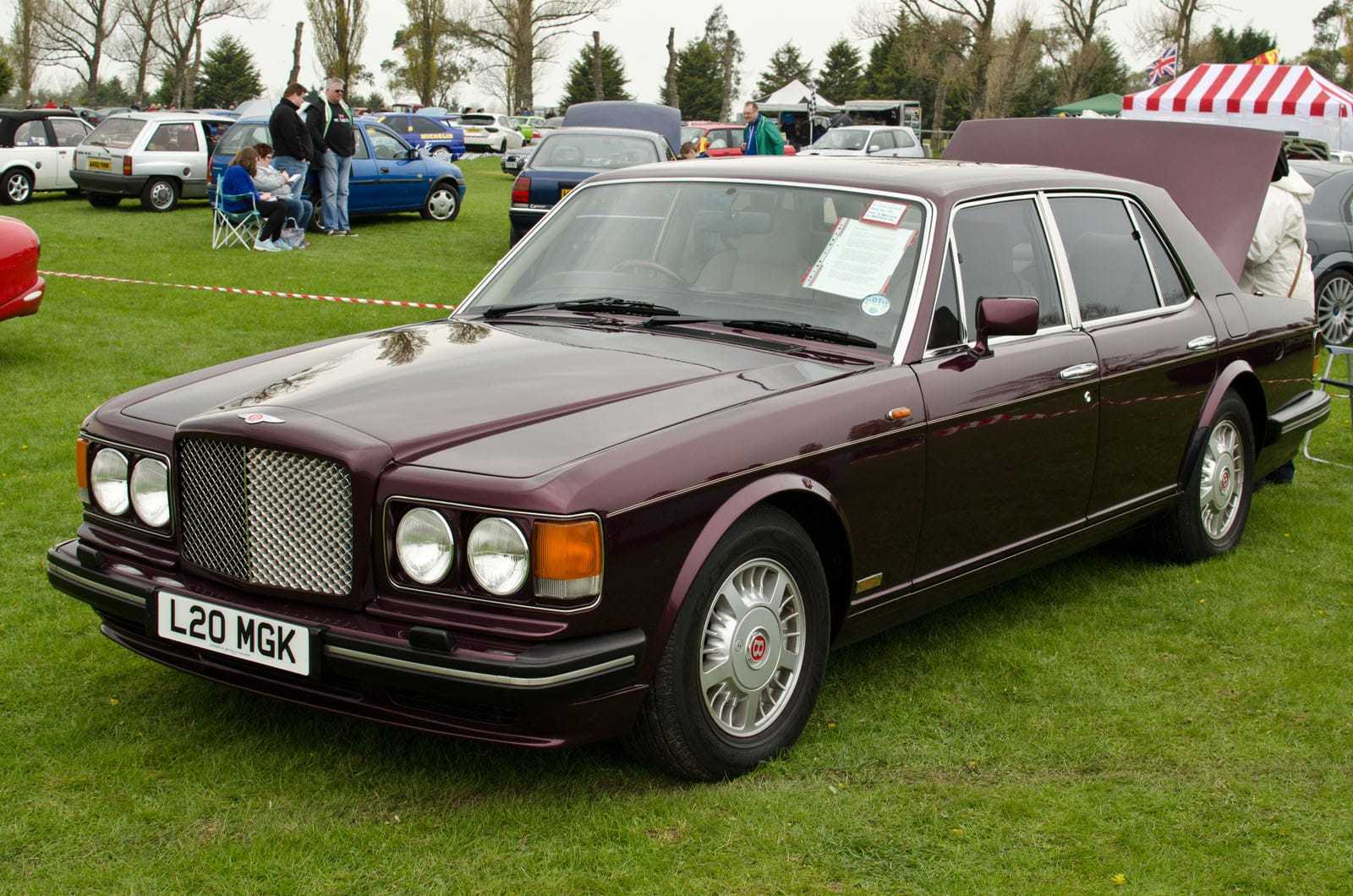
At a glance
- Years
- 1985–1999
- Body styles
- Four-door saloon
- Drivetrain
- Front engine, rear-wheel drive
- Engines
- 6750cc V8, Garrett turbocharged (injection from 1987)
- Power
- Around 300-400 bhp (RT), undisclosed in period fashion
- Top speed
- Around 135-150 mph
- Trim levels
- Turbo R, RL (long wheelbase), RT; Mulliner options
- Production
- About 7,200 including RL and RT
- Assembly
- Crewe, Cheshire
- Designer
- Fritz Feller's SZ body, fortified
- Values
- Running projects from around £6,000; usable cars £10,000-£18,000; RTs and the best beyond £30,000
- The R
- R stood for roadholding: the first Bentley in decades tuned to be driven hard
- The rescue
- Within a decade the blown Bentleys outsold Rolls-Royce at Crewe
The models
By 1980 the winged B had very nearly vanished from the road altogether, one Crewe car in twenty, little more than a different radiator on someone else’s engineering. The rescue arrived under boost: the 1985 Bentley Turbo R took the Mulsanne Turbo’s blown 6.75-litre V8, firmed the chassis until the R for roadholding meant something, and rediscovered the marque’s entire purpose. Within a decade the blown Bentleys outsold Rolls-Royce at Crewe, and today the Bentley Turbo R offers the cheapest genuine thunder in the luxury-classic world, on the family’s usual conditions.
Boost arrives at Crewe
The 1982 Mulsanne Turbo proved the idea, a Garrett turbocharger on the ancient 6.75 V8 producing outputs Crewe would not publish, and the 1985 Turbo R completed it: firmer dampers, fatter anti-roll bars, wide alloys and quicker steering turned brute force into a driver’s machine. Period road tests crowned it the fastest luxury saloon in the world and openly marvelled that two and a half tonnes of hand-built saloon could corner with real intent. The marketing wrote itself, the order book followed, and Bentley’s share of Crewe production climbed from single figures toward dominance.

R, RL, RT: the escalation
Fourteen years refined the formula: fuel injection arrived in 1987, anti-lock brakes and adaptive damping followed, the long-wheelbase RL added rear-cabin stretch, and the 1997–99 Turbo RT closed the line with around 400 bhp, its Mulliner rarities the family’s collector summit. About 7,200 blown SZ Bentleys were built alongside the Silver Spirit siblings whose engineering they shared and sharpened, and the momentum they created carried the marque through the 1998 sale into its modern resurgence: every fast Bentley since descends from this rescue.

The cheap-thunder economics
Depreciation treated the Turbo R as it treats every hand-built Crewe product, which created today’s opportunity and its trap: a £10,000 purchase carries running costs priced to the badge, hydraulics, brakes, cooling and the boosted V8’s appetites all billing at specialist rates, and a neglected car consumes its price in one recovery. The family rule applies doubled: the documented maintenance file is the purchase, the car is attached to it. Informed buyers have quietly begun collecting the best examples while the median stays merciful, and the pattern that every saved-the-marque car eventually follows is already visible at the top of this market.
The company it saved
The Turbo R’s historical weight exceeds its production numbers: when it arrived, Bentley supplied a twentieth of Crewe’s output and existed mainly as a radiator option; within a decade the blown cars and their derivatives carried the majority of production, the 1991 Continental R gave the marque its own body for the first time since the fifties, and the confidence the Turbo era built persuaded Volkswagen to pay handsomely for Bentley in 1998 while the Rolls-Royce name went elsewhere. Every modern Bentley’s sporting positioning descends from the R’s rescue, which is precisely the story now pulling collectors toward the original article while it remains the family bargain.
What a Turbo R is like to drive
Nothing else on the road mixes these particular ingredients: near-silent walnut-and-hide calm until the throttle opens, and then a surge, boost arriving like a change in the weather, that moves the great mass with genuine violence, 60 mph in the six-second bracket and an overtaking authority that still embarrasses modern machinery on any A-road. The firmed chassis carries it all with composure the soft siblings never had, adaptive-damped cars best of all. It is the gentleman-thug template in its purest form, and among 1980s performance machinery only exotica at multiples of the price kept pace.

Buying a Turbo R today
The checklist is Spirit-family plus boost: hydraulic history with correct fluids, structural honesty in sills and subframes, cooling-system health (the turbo engine punishes neglect here first), and evidence of unhurried specialist care throughout, verified by pre-purchase inspection. Prefer injected cars for use, verify adaptive damping on later examples, and treat RT claims to the records. Early carburettor cars carry period purity for collectors. The specialist network is shared with the Rolls siblings and excellent, and honest cars surface weekly at every tier.
Where the Turbo R sits in the market
The rescue remains affordable, and on the evidence of the sale rooms it is getting more so rather than less. The standard car is the cheapest turbocharged Bentley there is, the long-wheelbase RL sits about half again above it, and the run-out RT roughly doubles it. The full record, 352 recorded sales with a 43% real-terms fall in six years and a bottom end that is a trap rather than a bargain, is on the page covering what a Turbo R sells for.
More photos
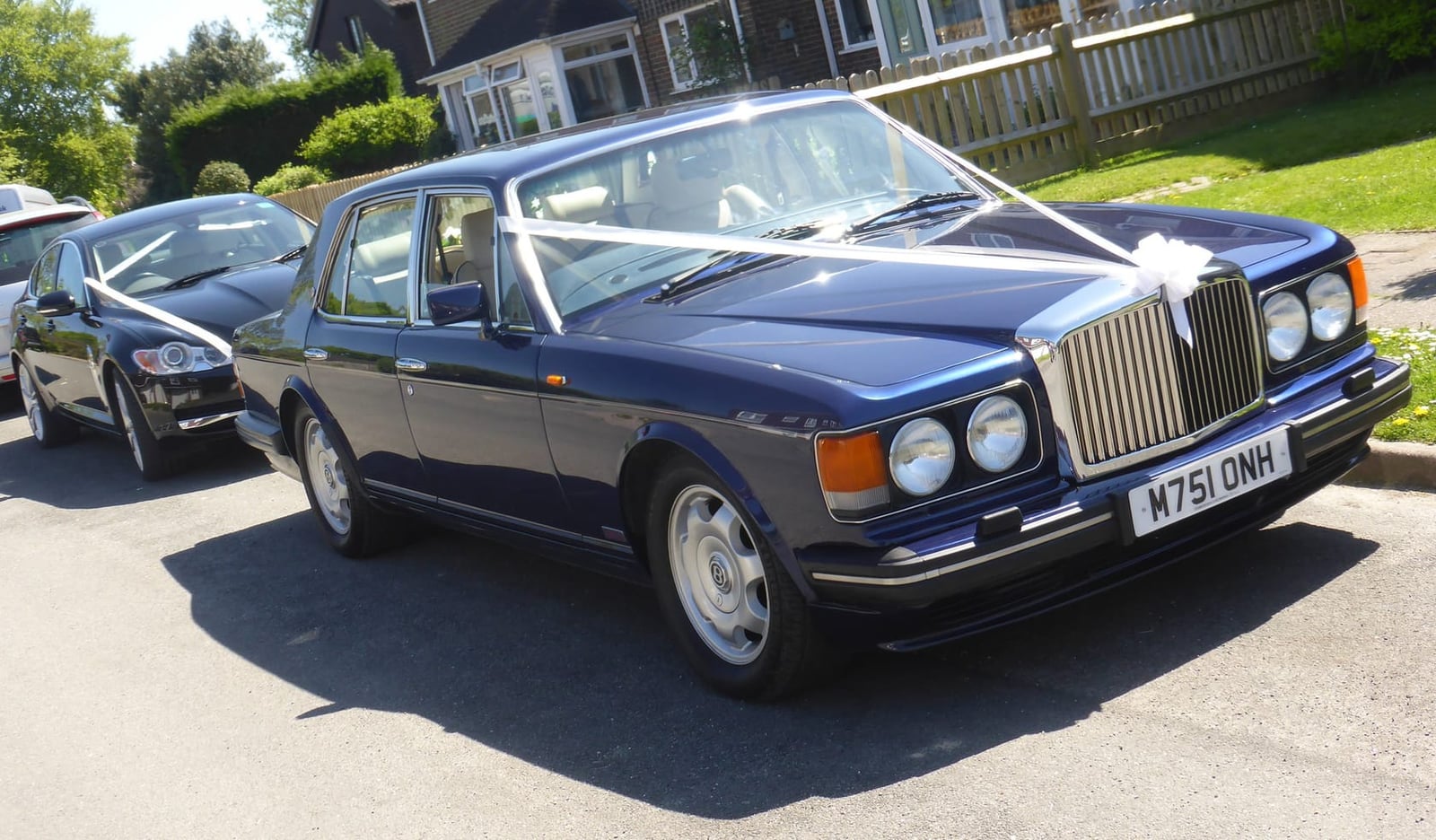
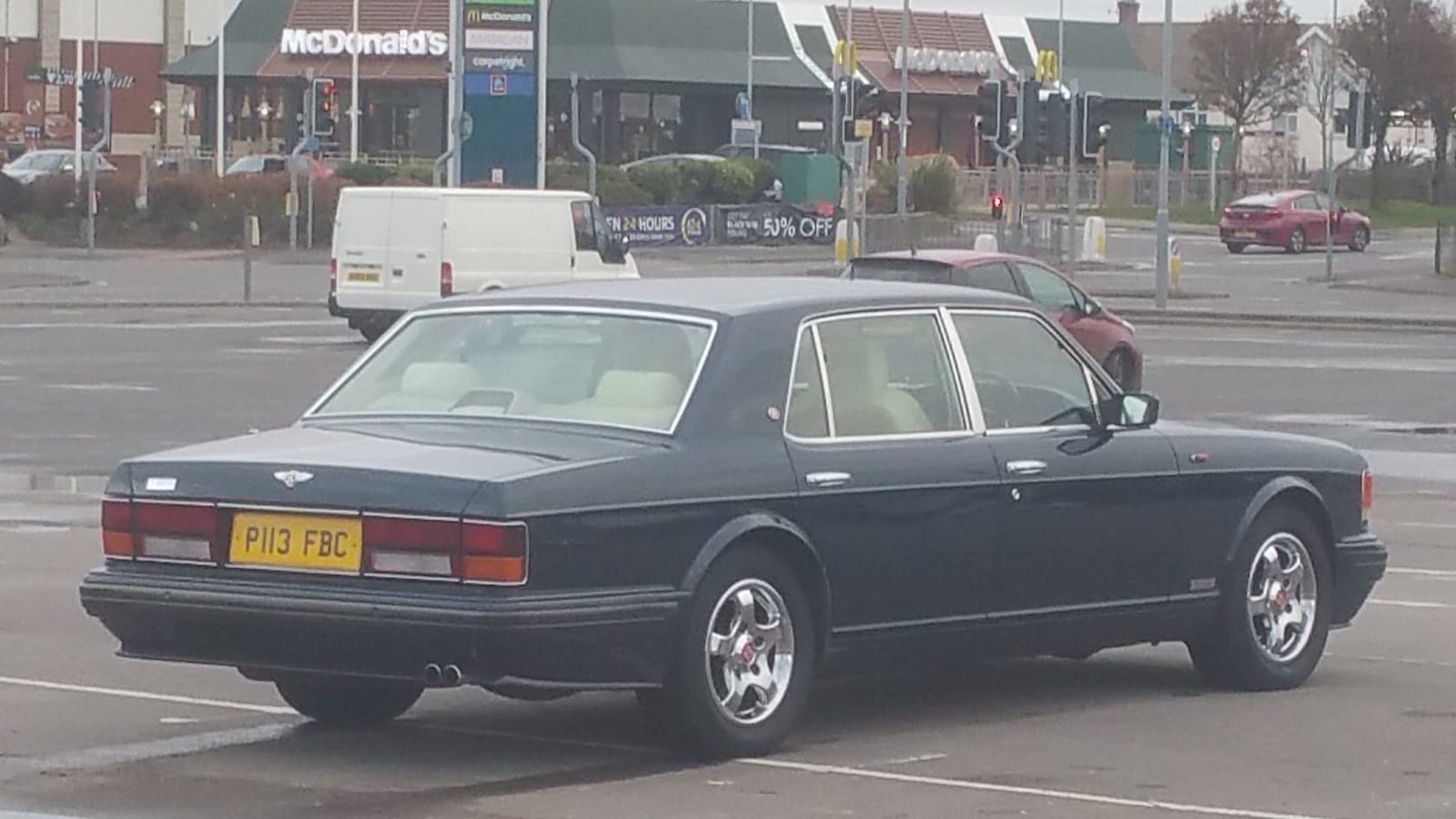
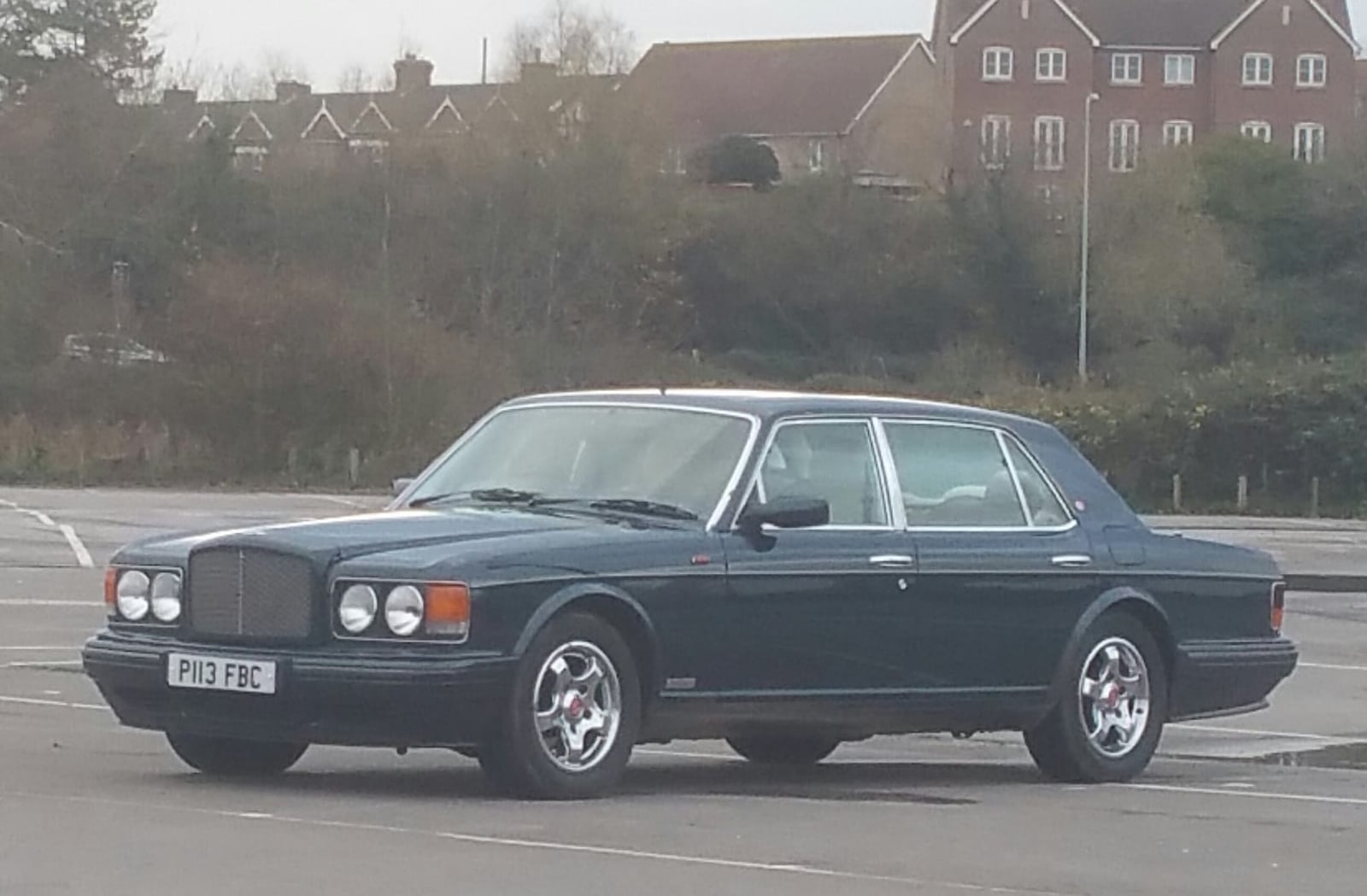
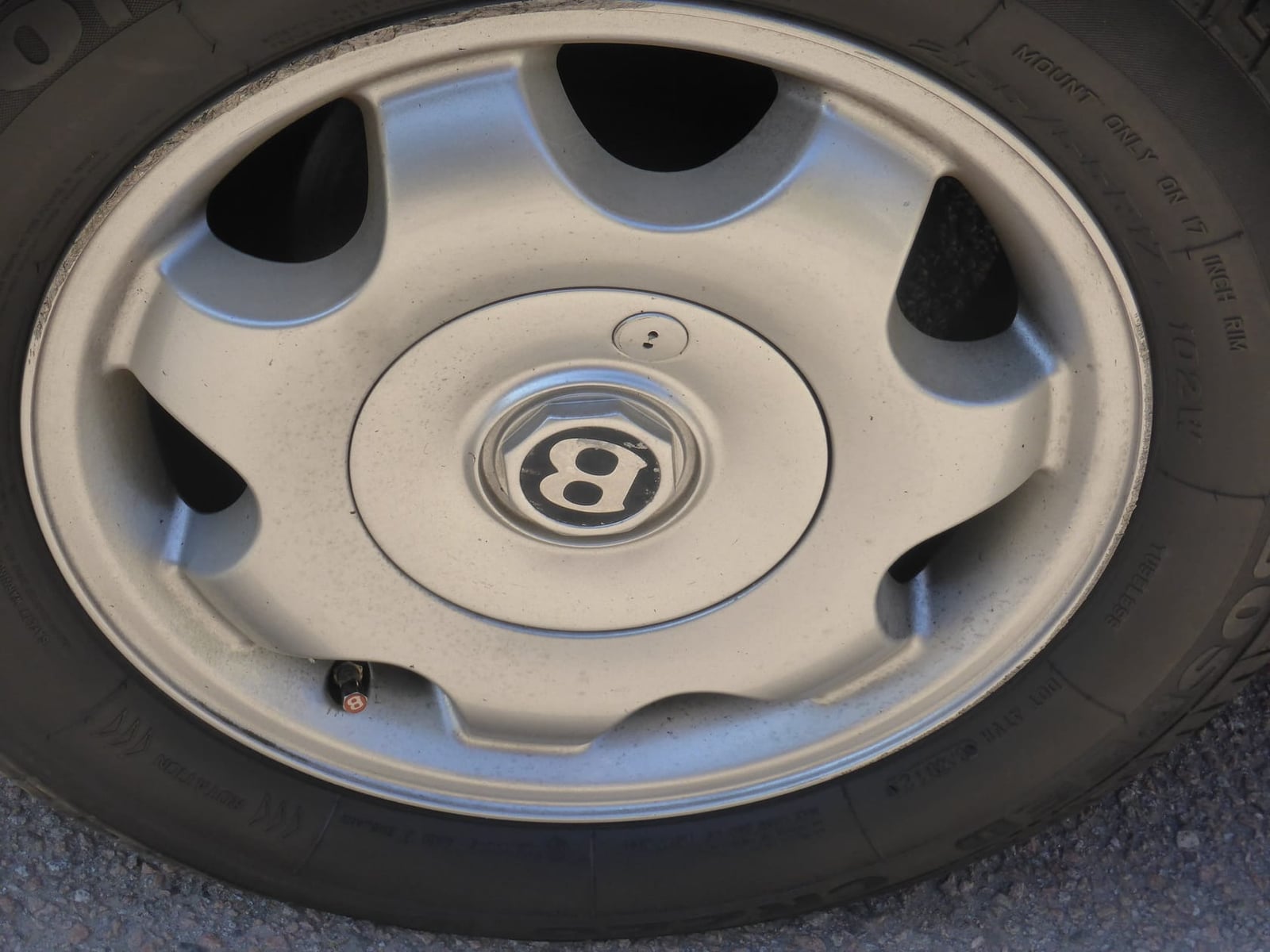
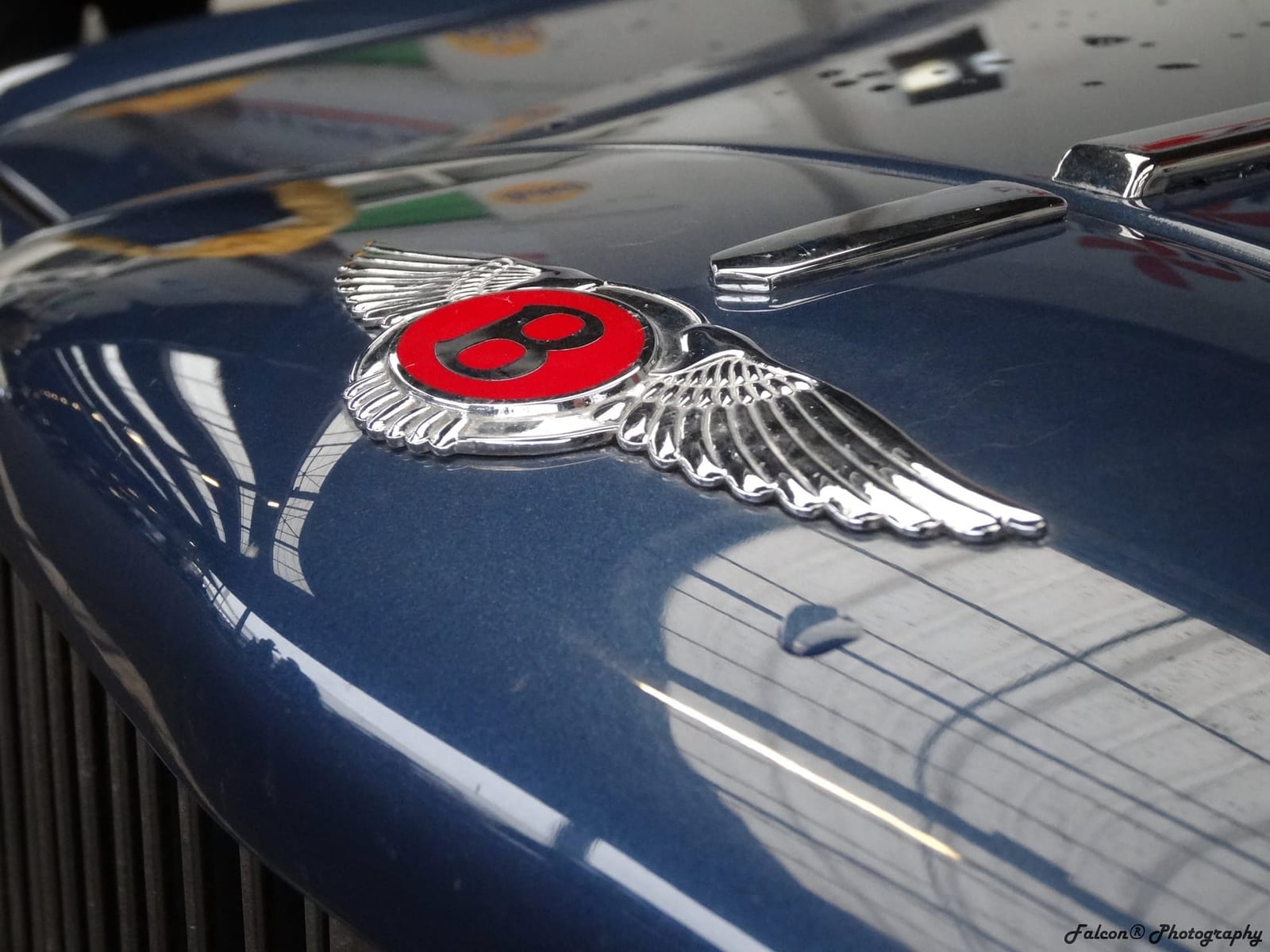
The Turbo R timeline
- 1982The Mulsanne Turbo proves the idea: a Garrett turbocharger on the ancient 6.75 V8, producing outputs Crewe declines to publish.
- 1985The Turbo R completes it with firmer dampers, fatter anti-roll bars, wide alloys and quicker steering; the road tests crown it the fastest luxury saloon in the world.
- 1987Fuel injection arrives, with anti-lock brakes and adaptive damping following.
- 1991The Continental R gives Bentley its own body for the first time since the fifties, on the confidence the Turbo built.
- 1992The long-wheelbase RL adds rear-cabin stretch.
- 1997The Turbo RT closes the line at around 400 bhp, its Mulliner rarities the family's collector summit.
- 1999Production ends at about 7,200 blown SZ Bentleys, a year after Volkswagen bought the marque.
Buying checklist: the Turbo R in front of you
The file, doubled
- Hydraulic history with the correct fluids
- Evidence of unhurried specialist care throughout, verified by pre-purchase inspection
- The documented maintenance file is the purchase; the bottom of this market is a trap, not a bargain
- A neglected car can consume its own purchase price in a single recovery
Boost-specific checks
- Cooling-system health above all: the turbo engine punishes neglect here first
- Turbocharger condition and the plumbing around it
- Prefer injected cars, from 1987, for actual use
- Verify adaptive damping on later examples rather than assuming it works
Structure and version
- Sills and subframes, as on every SZ car
- Treat RT claims against the records; the run-out cars carry a real premium
- Early carburettor cars carry period purity for collectors
- RL long-wheelbase cars sit about half again above the standard car
What the Bentley Turbo R sells for at auction
In 2025 the median Bentley Turbo R sold for £8,818 across 46 sales, 23% down on 2024. In real terms, typical Bentley Turbo R prices were down about 44% over the five years to 2025, once inflation is accounted for.
| Variant | Sold | Typical range | Median |
|---|---|---|---|
| Turbo R | 293 | £7,100 - £14,168 | £10,007 |
| Turbo RT | 31 | £14,212 - £46,125 | £21,375 |
| Turbo RL | 28 | £11,722 - £18,630 | £14,830 |
Show the year-by-year mediansHide the year-by-year medians
| Year | Sold | Median | In 2025 money |
|---|---|---|---|
| 2026 (so far) | 19 | £9,000 | |
| 2025 | 46 | £8,818 | £8,818 |
| 2024 | 20 | £11,414 | £11,851 |
| 2023 | 27 | £10,150 | £10,892 |
| 2022 | 33 | £9,622 | £11,019 |
| 2021 | 26 | £11,672 | £14,434 |
| 2020 | 14 | £12,460 | £15,790 |
| 2019 | 34 | £14,344 | £18,362 |
| 2018 | 21 | £11,200 | £14,581 |
| 2017 | 18 | £14,050 | £18,716 |
| 2016 | 10 | £11,798 | £16,119 |
| 2015 | 17 | £10,450 | £14,421 |
| 2014 | 8 | £12,194 | £16,895 |
| 2013 | 7 | £10,836 | £15,228 |
| 2012 | 9 | £8,438 | £12,130 |
| 2011 | 4 | £9,375 | £13,822 |
| 2010 | 8 | £11,222 | £17,187 |
| 2009 | 7 | £9,000 | £14,130 |
| 2008 | 3 | £14,556 | £23,303 |
| 2007 | 4 | £10,969 | £18,172 |
| 2005 | 6 | £19,105 | £33,205 |
| 2004 | 5 | £12,160 | £21,569 |
- £6,600Turbo R
- £2,746Turbo R
- £9,724Turbo R
- £5,220Turbo RT
- £8,400Turbo R
Strong evidence. 352 recorded sales and a dozen or more a year: the median and the range are well founded. Based on 352 sold results from public classic car auctions (2001 to 10 August 2026). Sold prices, not asking prices, and not a valuation: condition, history and specification vary from car to car. Inflation-adjusted figures use the ONS CPIH index, in 2025 money.
Frequently asked questions
What does the R stand for in Bentley Turbo R?
How fast is a Bentley Turbo R?
What is the difference between the Turbo R, RL and RT?
Are Bentley Turbo Rs expensive to run?
How much does a Bentley Turbo R sell for?
What is the most expensive Bentley Turbo R ever sold at auction?
How often does a Bentley Turbo R come up for sale?
Related across themes
More from Bentley


Recently added

Rolls-Royce Silver Spirit and Silver Spur: the last Crewe bargain (1980–1999)

Rolls-Royce Corniche: the coachbuilt survivor that outlived its makers (1971–1995)

Bentley: from the Bentley Boys to Crewe, the sporting side of magnificence
