TVR Cerbera: the four-seater with a racing engine and no mercy (1996–2006)
The Cerbera was TVR's great leap, its first in-house engine, a 2+2 coupe body and pace that humiliated supercars at a third of the money. A guide to the Speed Eight and Speed Six cars, the Speed 12 legend, buying checks and values.
Built 1996–2006 37 recorded sales
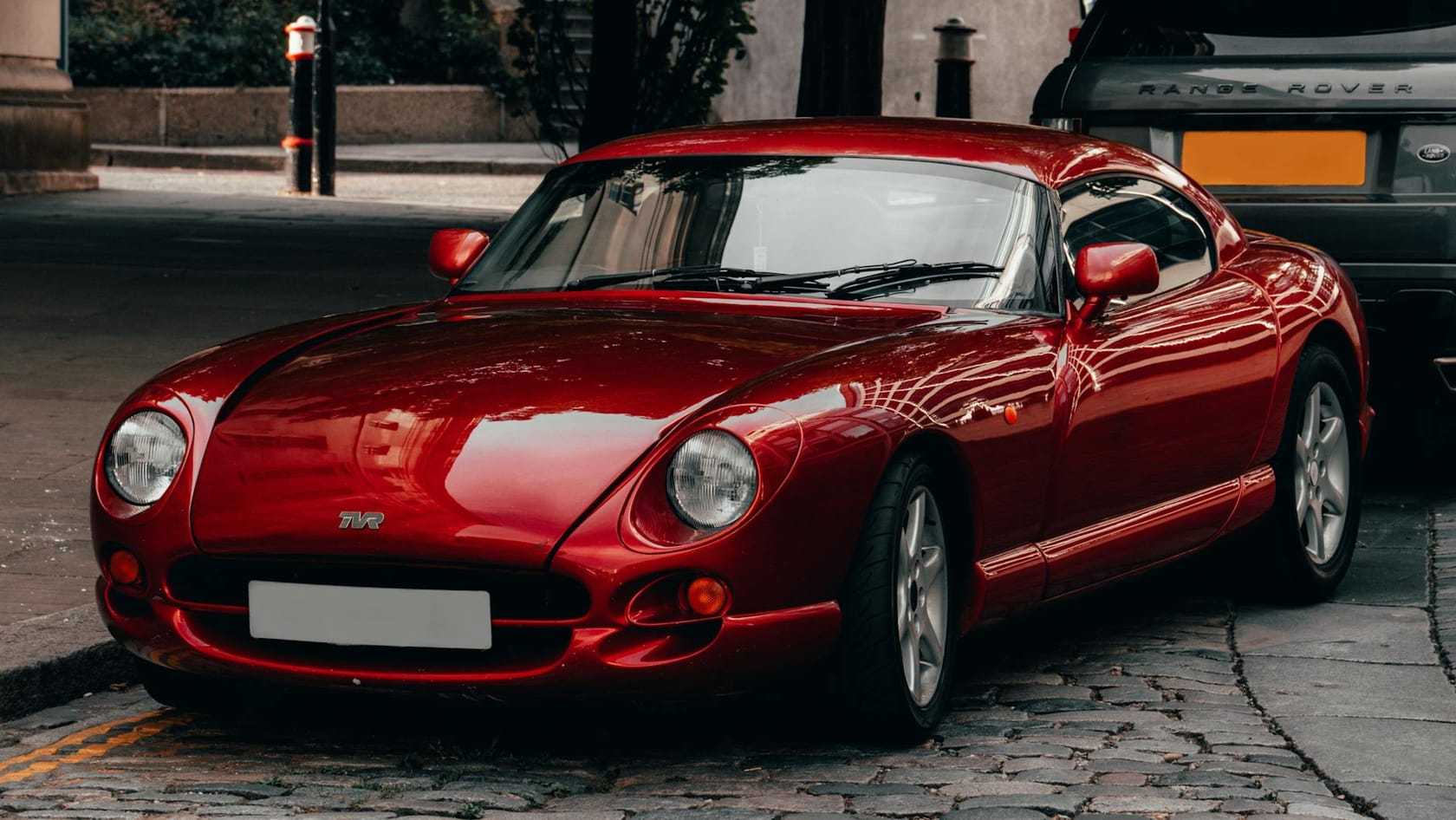
At a glance
- Years
- 1996–2006
- Body styles
- 2+2 fixed-head coupe
- Drivetrain
- Front engine, rear-wheel drive; glassfibre body on tubular backbone chassis
- Engines
- TVR AJP8 V8 (4.2/4.5); TVR Speed Six 4.0 straight six
- Power
- Around 350-420 bhp
- Top speed
- Around 170-185 mph
- Trim levels
- 4.2, 4.5, 4.5 Lightweight; Speed Six; Red Rose options
- Production
- About 1,500
- Assembly
- Blackpool, Lancashire
- Designer
- TVR under Peter Wheeler; AJP8 engine with Al Melling
- Values
- Usable from around £16,000; good 4.5s £22,000-£32,000; Lightweights and the best beyond
- The first
- TVR's first own engine: the flat-plane AJP8 V8, revving to racing-car heights
- The legend
- The stillborn Cerbera Speed 12 remains British motoring's great what-if
The models
By the mid-nineties TVR had conquered its market with borrowed engines, and Peter Wheeler wanted independence. The Cerbera of 1996 delivered it three ways at once: TVR’s first in-house engine, the flat-plane AJP8 V8; its first 2+2 of the modern era; and performance, 185 mph and four-second sprints, that humiliated continental supercars at a third of their money. The TVR Cerbera was Blackpool’s great leap, and its stillborn Speed 12 sibling remains British motoring’s favourite what-if.
The declaration of independence
The Cerbera’s point was the engine: the AJP8, developed with Al Melling, an all-alloy flat-plane-crank V8 that revved past 7,000 rpm with racing-car appetite, 4.2 litres and about 350 bhp at launch, 4.5 and about 420 bhp soon after. No more dependence on Rover or Ford; Blackpool now built its own heart. Around the engine went a longer backbone chassis carrying genuine 2+2 seating, button-opened doors, and a dashboard of floating pods that made every rival’s cabin look municipal. About 1,500 were built to 2006, with the 4.0 Speed Six straight-six joining as the range’s entry from 1999.
Supercar pace, Blackpool pricing
The numbers made the headlines: 60 mph in around four seconds, 100 in the eights, 185 mph flat out, from a car priced against hot coupes rather than the Ferraris it outran. The philosophy stayed pure TVR, no anti-lock, no traction control, no airbags, a tonne and a bit of glassfibre and aluminium doing exactly what the driver asked, including the unwise things. Racing versions ran in TVR’s own Tuscan Challenge world and at Le Mans qualification attempts, and the Cerbera’s specification sheet still reads like a dare.
Speed 12: too fast to sell
The Cerbera’s shadow is the Speed 12: a 7.7-litre V12 project intended for GT1 racing with a road version whose power famously exceeded what TVR’s dyno could measure, estimates settling around 800-plus bhp in a car of roughly a tonne. Peter Wheeler drove the road prototype, declared it unsellable to the public in good conscience, and cancelled it; one completed car was later sold to a hand-picked owner. The Speed 12 sits in the marque’s mythology as the ultimate Cerbera, the car even Blackpool called too much.

Which Cerbera: 4.2, 4.5 or Speed Six
The range ladder is short and clear. The 4.2 Speed Eight is the original and the value entry, its 350 bhp hardly a hardship; the 4.5 is the flagship most buyers chase, with the Red Rose handling and brake upgrades worth seeking on either V8; and the rare 4.5 Lightweights sit at the top of the market. The 4.0 Speed Six car, sharing its straight six with the Tuscan, opened the range from 1999 and now offers the cheapest Cerbera motoring, with the same engine history caveats as its sibling. Across all of them the rule repeats: a documented, specialist-maintained engine matters more than badge, mileage or colour, and the best history file in the classifieds is the car to buy.
What a Cerbera is like to drive
The AJP8 defines it: an engine that idles busily, revs with racing sharpness and delivers its power high and hard, in a chassis that steers with fingertip immediacy and offers precisely no electronic safety margin. The pace remains genuinely startling by modern standards, the brakes demand a firm leg, and the 2+2 cabin makes the whole experience oddly practical, children in the back, thunder up front. Against its Chimaera sibling the Cerbera is the harder, faster, more demanding car, the one bought by drivers who wanted TVR at maximum intensity.

Buying a Cerbera today
Two files decide everything: the engine’s and the frame’s. AJP8 and Speed Six units both want documented rebuilds or verified health by the recognised specialists, valvetrain and bottom-end history especially, and an engine file outweighs mileage entirely. Beneath, the standard TVR truth: outriggers and backbone rust invisibly under glassfibre, so chassis refurbishment evidence leads the negotiation. Electrics reward patience, and modified cars need their history untangled. The club and the Cerbera specialist network are strong, and sorted cars now sell quickly.

Values: pace still under-priced
Thirty-seven measured sales at a £20,700 median keep the Cerbera the performance bargain of the 1990s: usable cars from £16,000, good 4.5s £22,000 to £32,000, Lightweights and the finest documented cars beyond. That buys near-200 mph capability with in-house racing engineering and four seats, at hot-hatch money. The sorted-engine population grows yearly, the fragile-legend discount shrinks with it, and the direction of the market looks as unambiguous as the car.
More photos
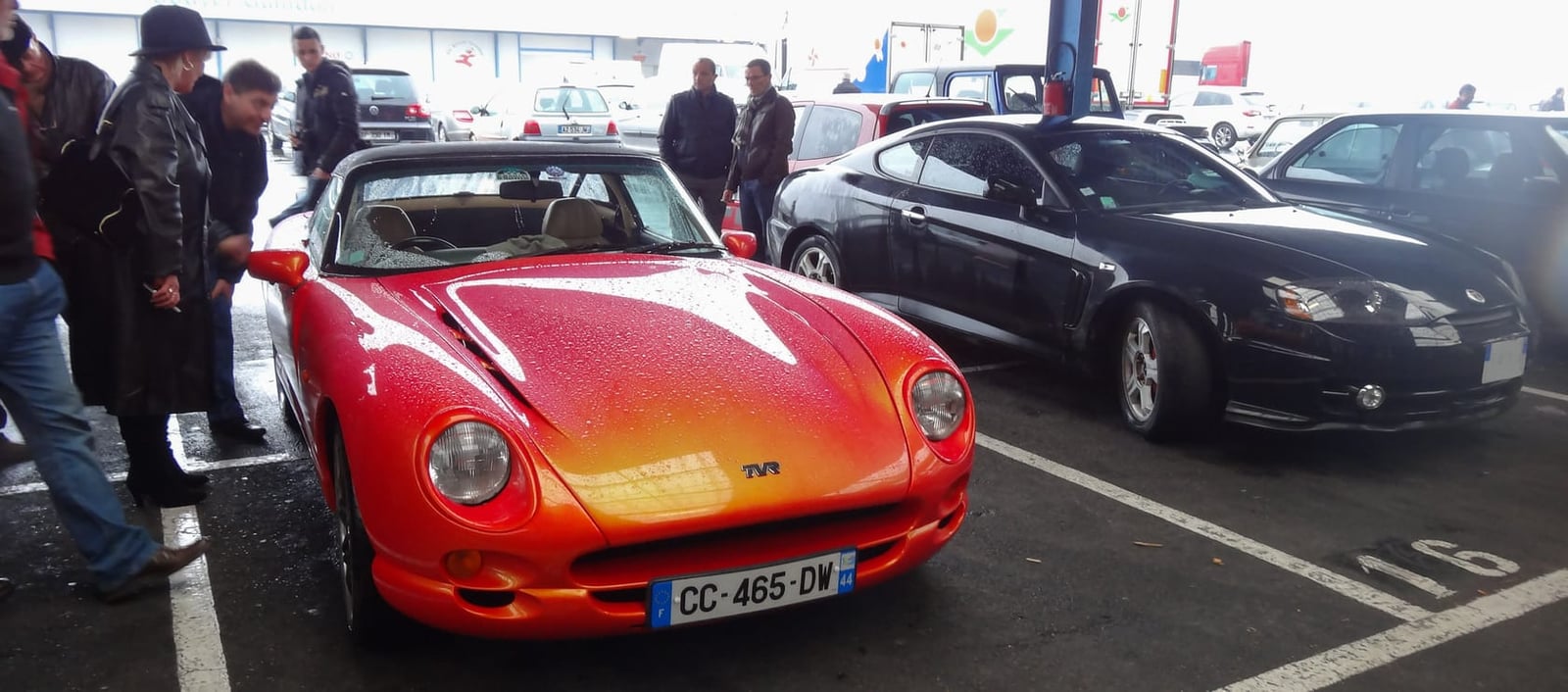
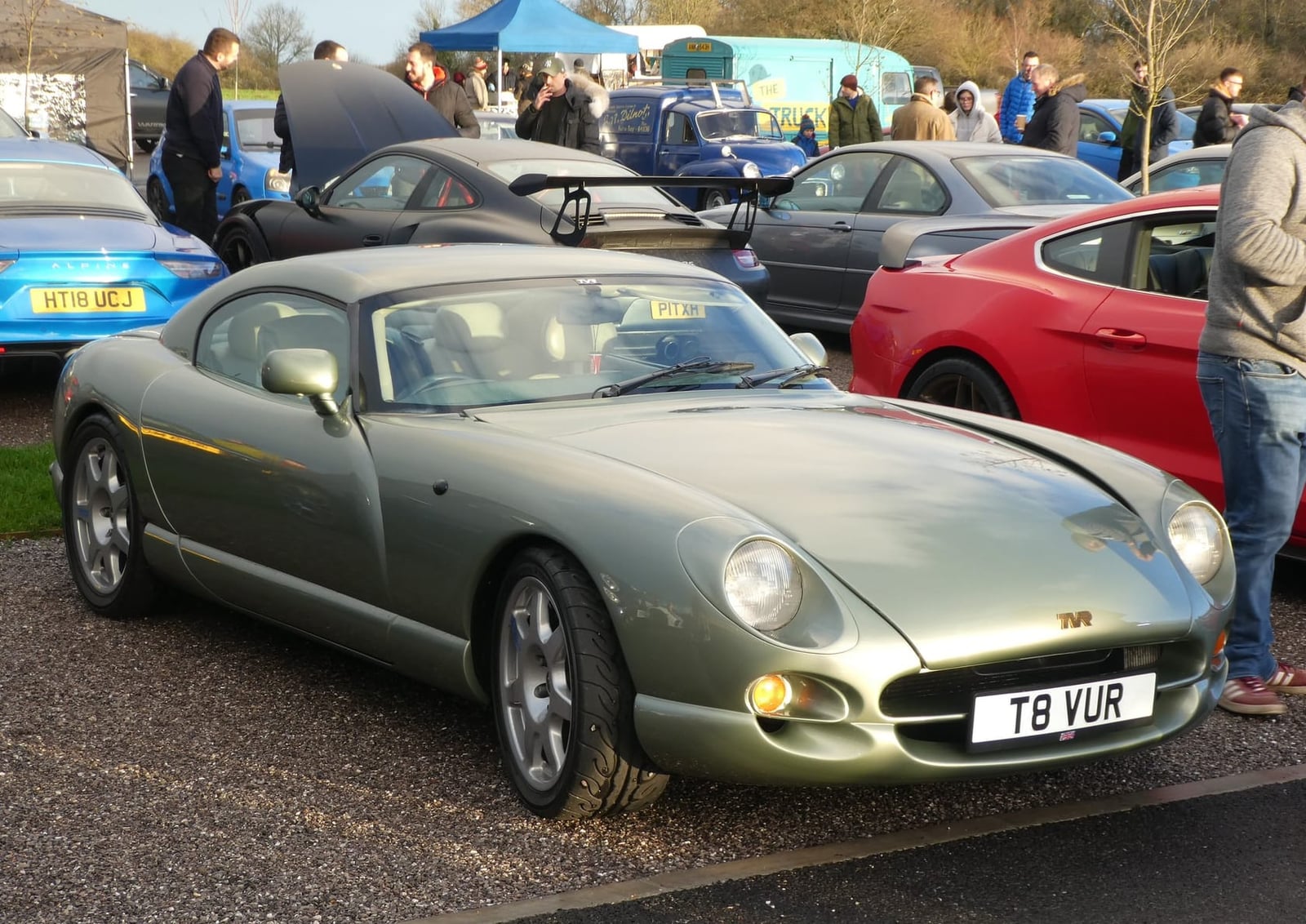
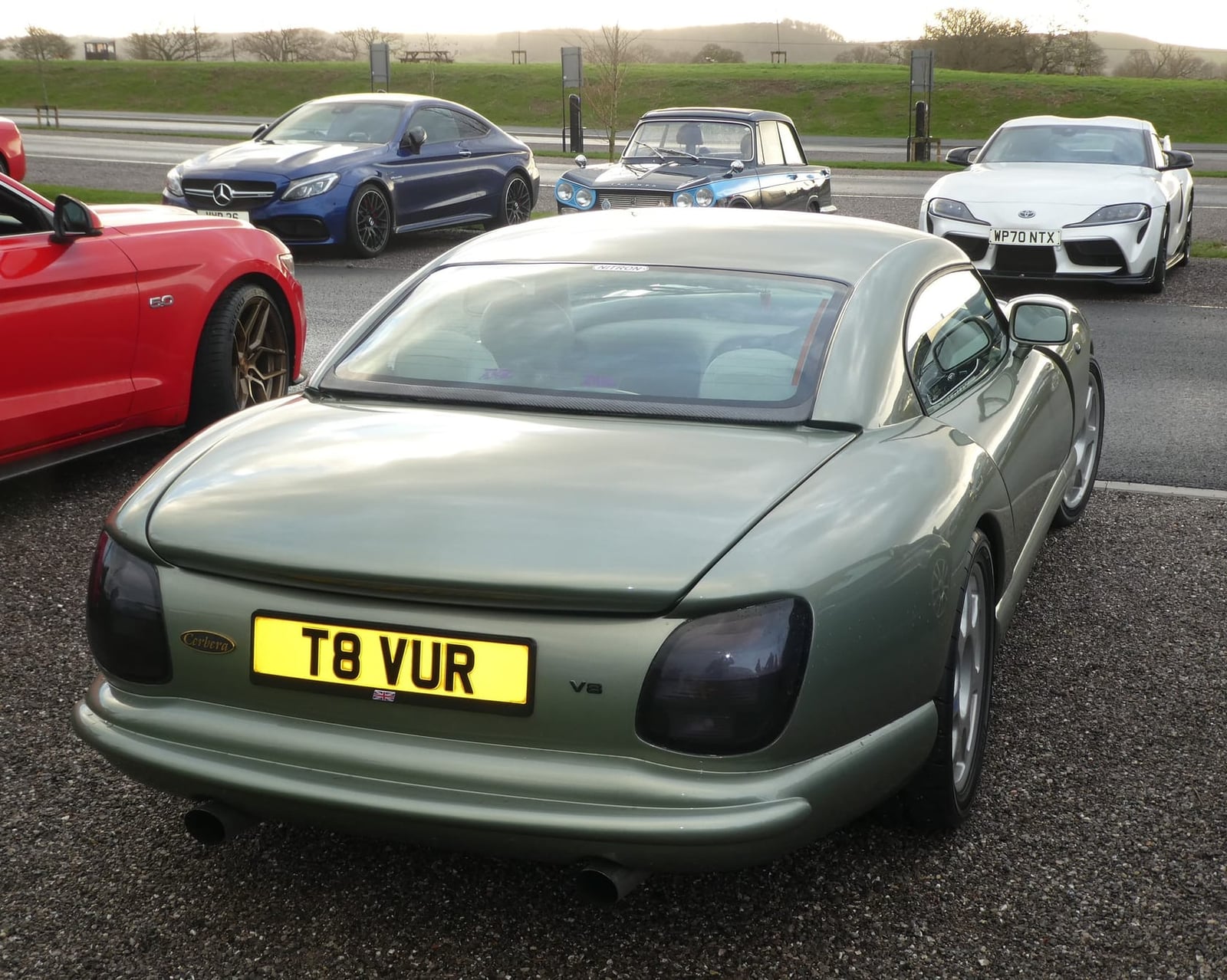
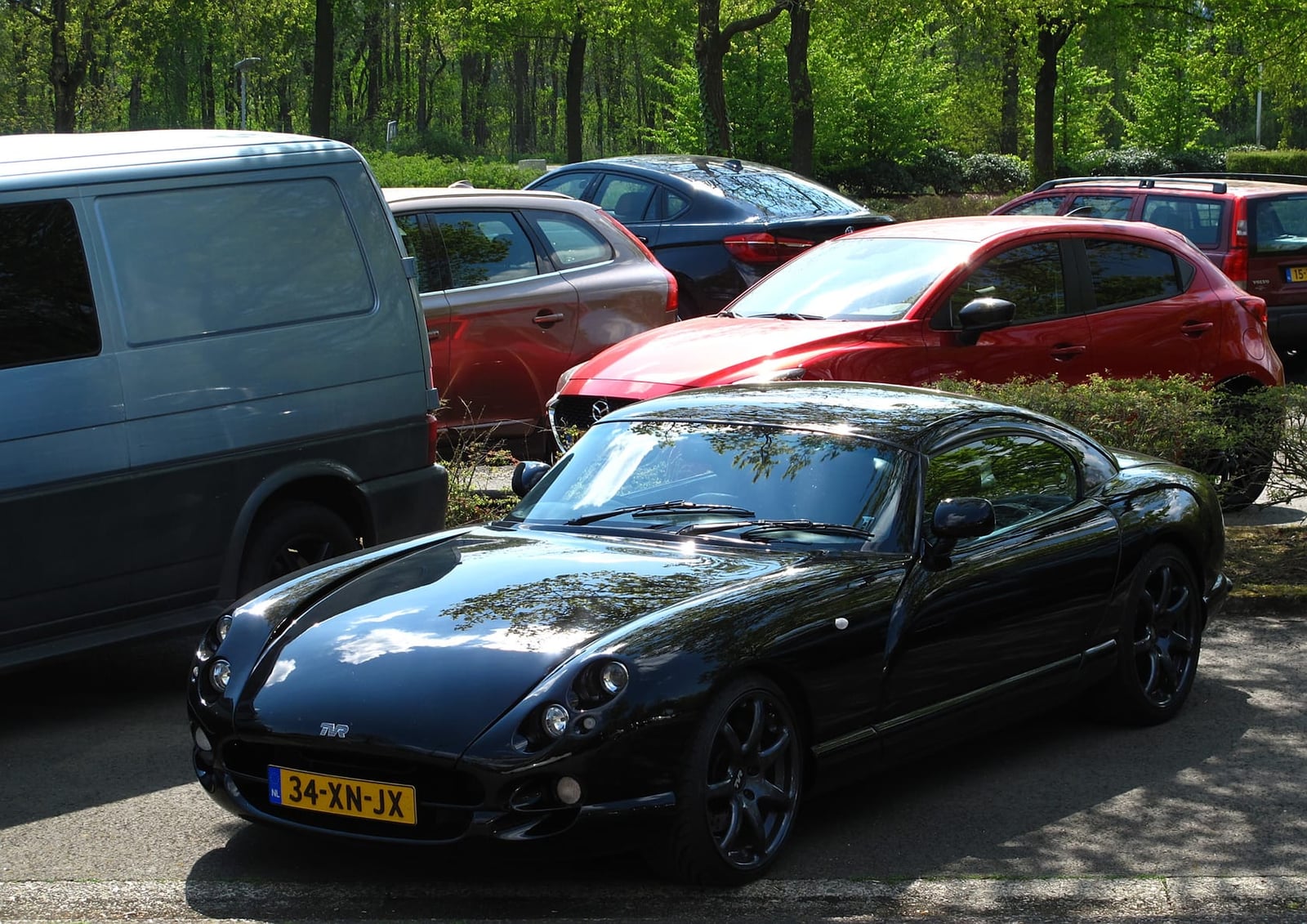
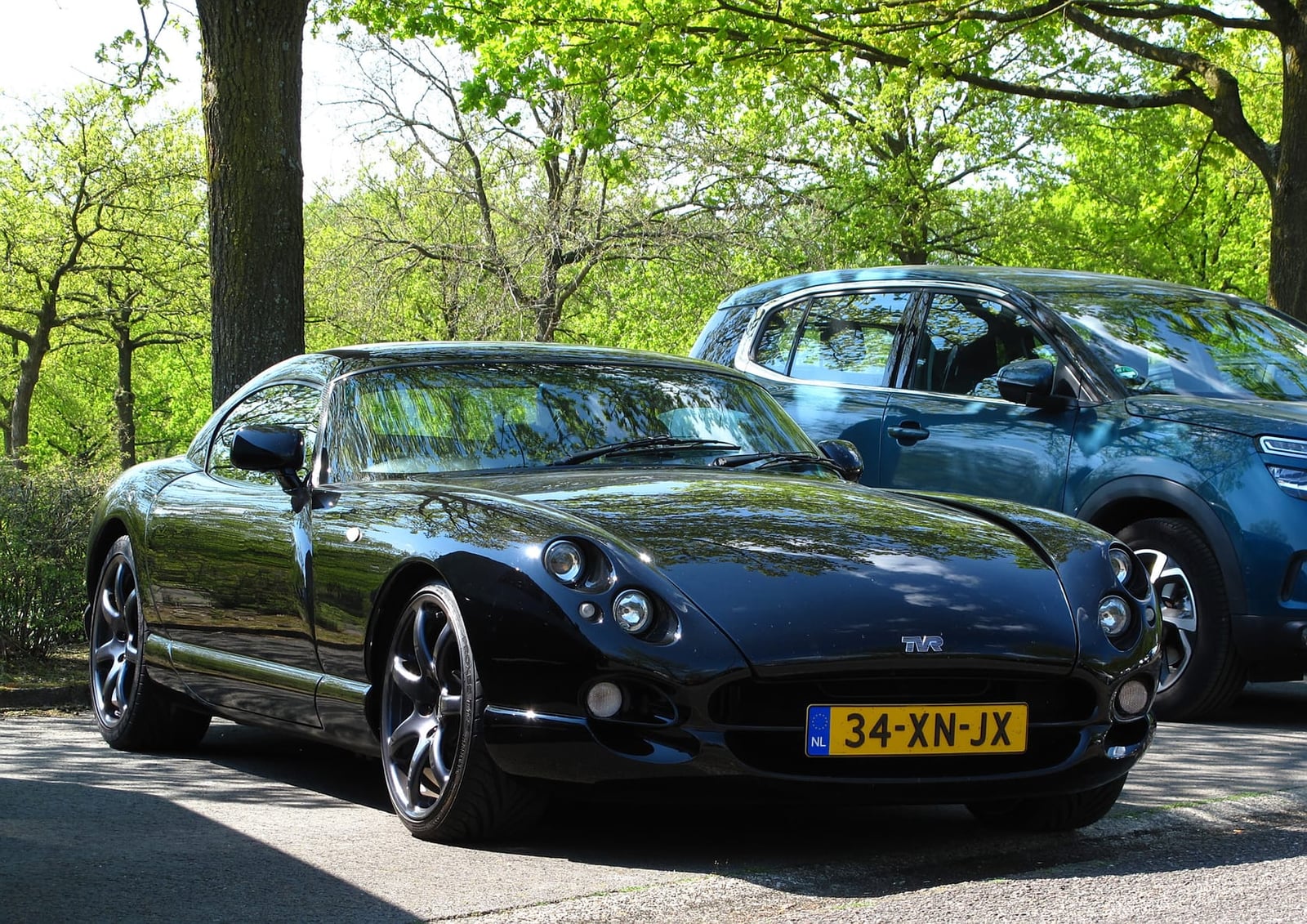
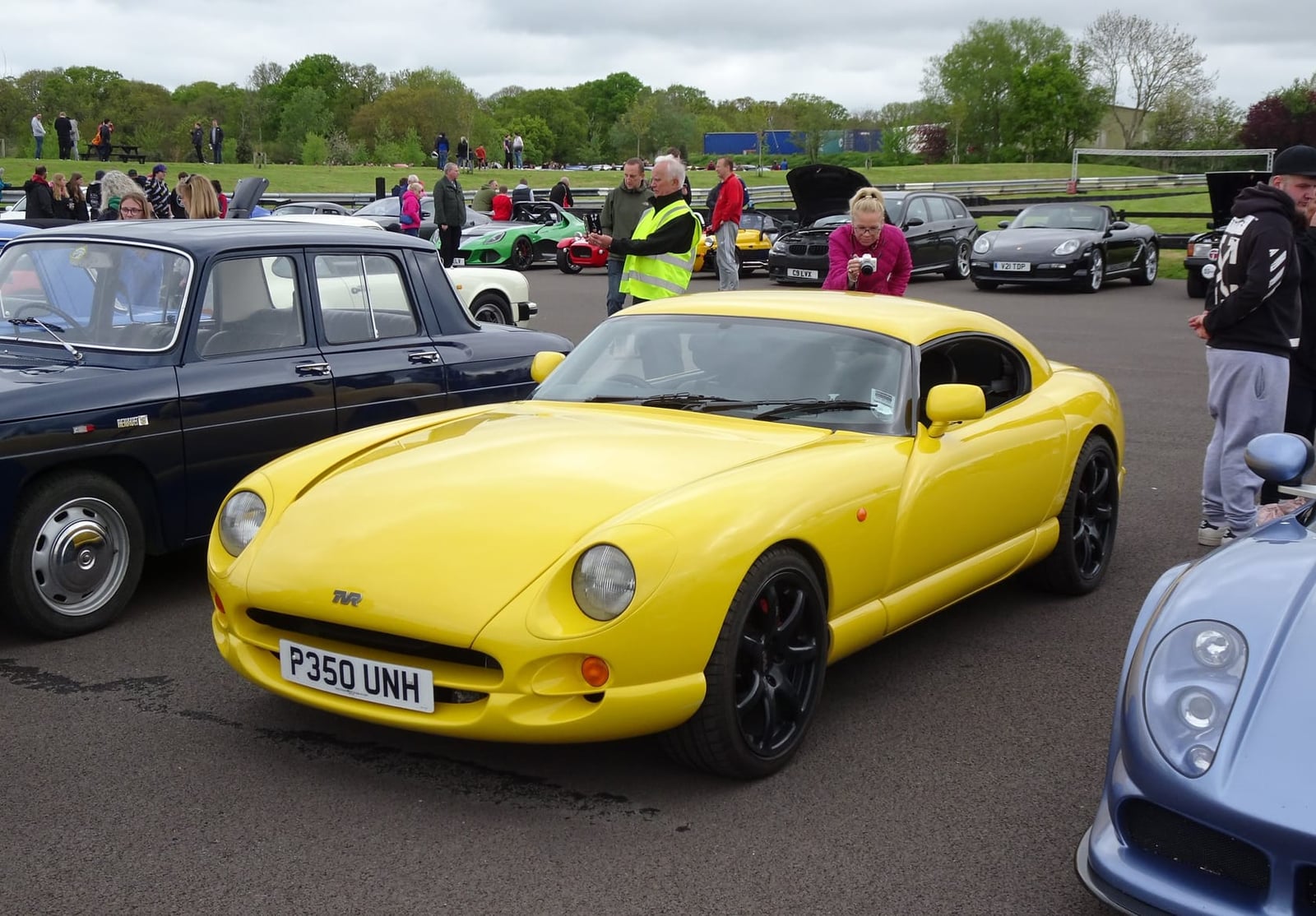
How the Cerbera changed
- 1996Launched with the AJP8, TVR's first own engine, developed with Al Melling: an all-alloy flat-plane V8 of 4.2 litres and about 350 bhp, in the marque's first modern 2+2.
- 1997The 4.5-litre AJP8 arrives at about 420 bhp, with 60 mph in around four seconds and 185 mph flat out.
- 1999The 4.0 Speed Six straight six joins as the range entry; the Speed 12 project reaches a road prototype whose power exceeded TVR's own dyno.
- 2000Peter Wheeler drives the Speed 12 prototype, declares it unsellable in good conscience and cancels it; one completed car later goes to a hand-picked owner.
- 2006Production ends at about 1,500 cars.
Cerbera: what to check before you buy
The engine file
- AJP8 and Speed Six both want documented rebuilds or verified health from a recognised specialist
- Valvetrain and bottom-end history above all else
- An engine file outweighs mileage, badge and colour entirely
- The sorted-engine population grows yearly, so there is no need to gamble
Chassis
- Outriggers and backbone rust invisibly under glassfibre
- Chassis refurbishment evidence leads the negotiation
- Electrics reward patience; budget time rather than money
- Modified cars need their history untangled first
Which one
- 4.2 Speed Eight: the original and the value entry, and 350 bhp is hardly a hardship
- 4.5: the flagship most buyers chase
- Red Rose handling and brake upgrades are worth seeking on either V8
- 4.5 Lightweights sit at the top; the 4.0 Speed Six is the cheapest way in, with its sibling's engine caveats
What the Cerbera sells for at auction
In 2025 the median Cerbera sold for £22,308 across 10 sales, 20% down on 2024.
Show the year-by-year mediansHide the year-by-year medians
| Year | Sold | Median | In 2025 money |
|---|---|---|---|
| 2025 | 10 | £22,308 | £22,308 |
| 2024 | 8 | £27,812 | £28,879 |
| 2023 | 7 | £32,877 | £35,280 |
| 2019 | 4 | £14,063 | £18,003 |
- £18,224Cerbera
- £29,127Cerbera
- £11,138Cerbera
- £16,616Cerbera
- £16,000Cerbera
Thin evidence. Only 37 recorded sales: read the figures as a sketch of the market, not a price. Based on 37 sold results from public classic car auctions (2011 to 10 August 2026). Sold prices, not asking prices, and not a valuation: condition, history and specification vary from car to car. Inflation-adjusted figures use the ONS CPIH index, in 2025 money.
Frequently asked questions
What was the TVR Cerbera Speed 12?
What engine does the TVR Cerbera have?
How fast is a TVR Cerbera?
Is the TVR Cerbera a four-seater?
How much is a TVR Cerbera worth?
What is the most expensive Cerbera ever sold at auction?
How often does a Cerbera come up for sale?
Related across themes
More from TVR


Recently added

Jaguar XJS vs Triumph Stag: two British grand tourers with a reputation to live down

Land Rover Discovery 1 values: the newest record on this site, and the cheapest coil-sprung Land Rover

Triumph Spitfire vs MG Midget: the cheapest way into a British sports car, compared
