TVR Tuscan: two eras of Blackpool at full volume (1967–1971, 1999–2006)
The Tuscan name bookends TVR's story, first on the V8 and V6 cars that steadied the sixties company, then on the Speed Six that defined its final flourish, all curves, keyless doors and a screaming straight six. A guide to both eras, buying checks and values.
Built 1967–2006 43 recorded sales
At a glance
- Years
- 1967–1971 and 1999–2006
- Body styles
- Two-seat coupe (sixties); targa-style two-seater (Speed Six)
- Drivetrain
- Front engine, rear-wheel drive; glassfibre body on tubular chassis
- Engines
- Ford 289/302 V8 and 3.0 V6 (sixties); TVR Speed Six 3.6/4.0 straight six
- Power
- Around 128-271 bhp (sixties); 350-400 bhp (Speed Six)
- Top speed
- Around 125-155 mph (sixties); 170-plus mph (Speed Six)
- Trim levels
- Tuscan V8, V8 SE, V6; Speed Six Mk1, Mk2, Tuscan S
- Production
- Under 200 sixties cars; around 1,600 Speed Sixes
- Assembly
- Blackpool, Lancashire
- Designer
- Lilley-era works (sixties); Damian McTaggart under Peter Wheeler (Speed Six)
- Values
- Speed Sixes from around £18,000; Tuscan S and Mk2 £25,000-£40,000; sixties cars collector-priced
- The bookends
- The name opened the Lilley era in 1967 and crowned the Wheeler era in 1999
- The engine
- The Speed Six carried TVR's own 4.0 straight six, around 360 bhp of in-house pride
The models
No single name serves TVR history better than Tuscan does. It arrived in 1967 on the V8 cars that steadied Blackpool after the Griffith adventure nearly sank the firm, lent itself to the company’s own racing series in between, and returned in 1999 on the Speed Six, the car that carried TVR’s own engine, its wildest styling and its final independent decade. Two eras, one promise: the TVR Tuscan was always the marque at full volume, and both generations now anchor opposite ends of the collector market.
The first Tuscans: after the storm
The 1967 Tuscan V8 was the Griffith idea done soberly: Ford’s 289 (and occasionally 302) V8 in a lengthened, better-sorted chassis, built in small numbers for drivers who wanted the thunder with fewer of the frights. The Tuscan V6 followed with Ford’s 3.0 Essex unit as the approachable companion, sold alongside the Vixen as, in the period advertising’s words, two sleek beauties from a pedigree stable. Under 200 sixties Tuscans were built before the M-series era began, and that scarcity makes them among the most collectable production TVRs today.

Speed Six: the house engine
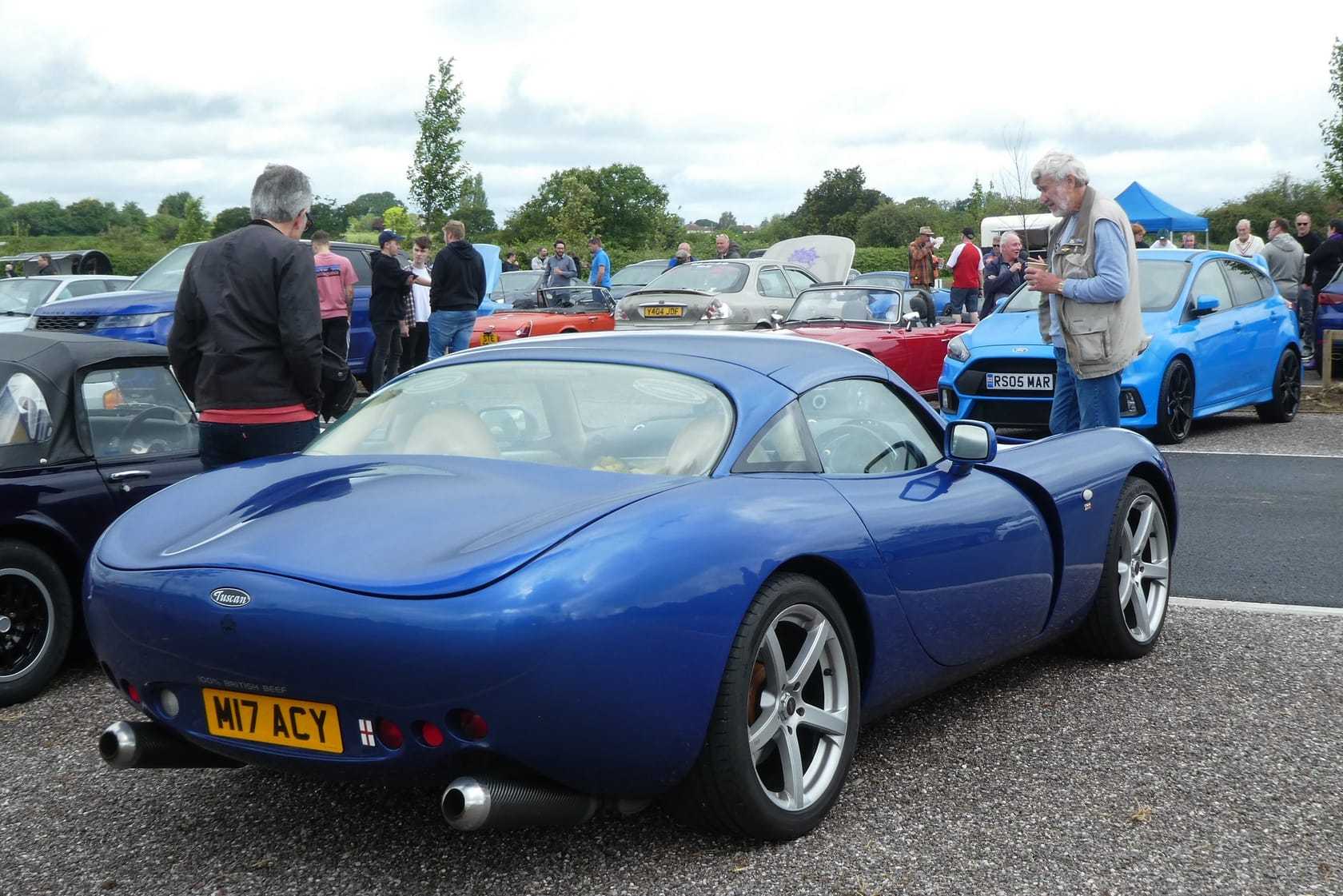
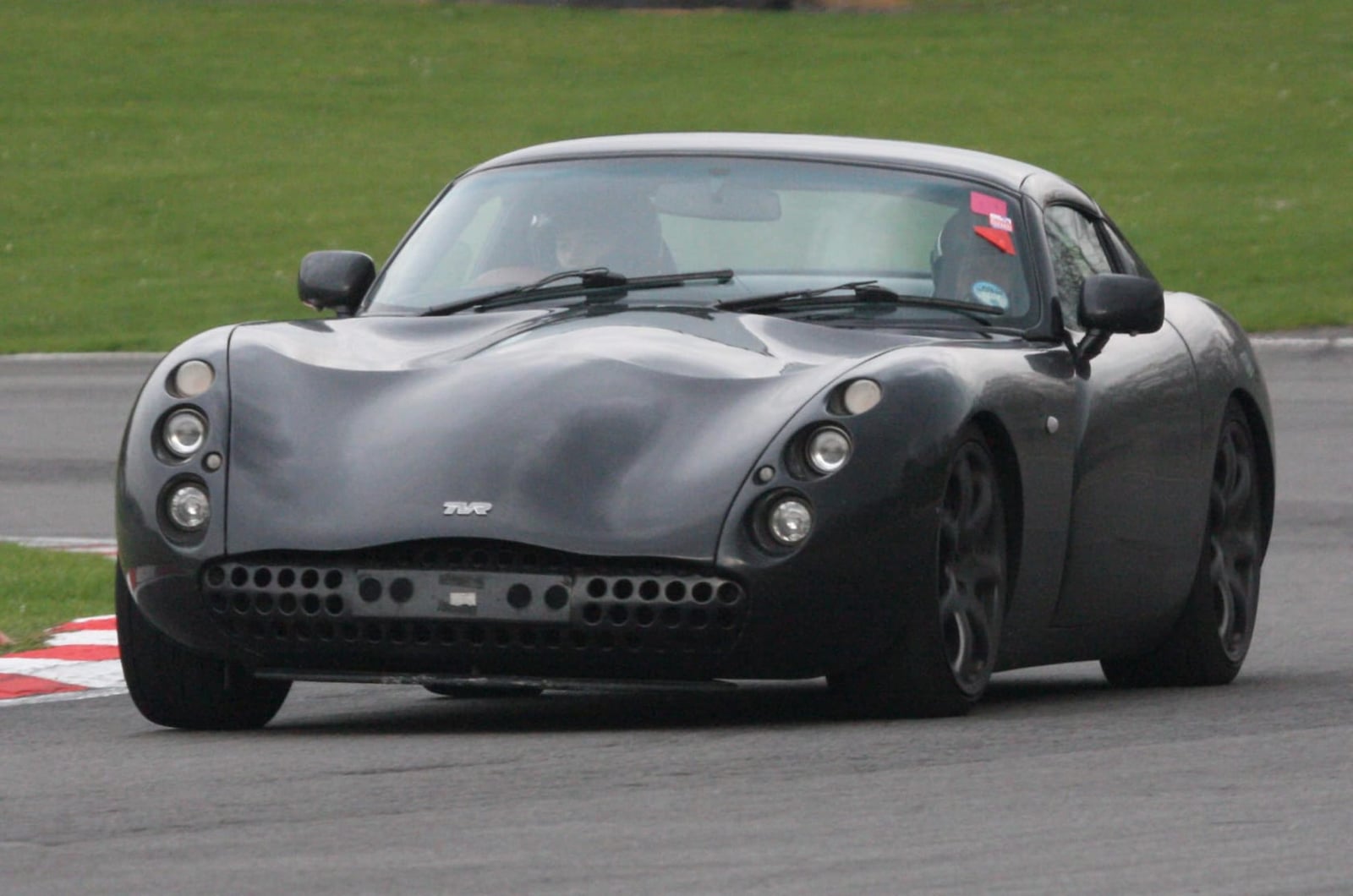
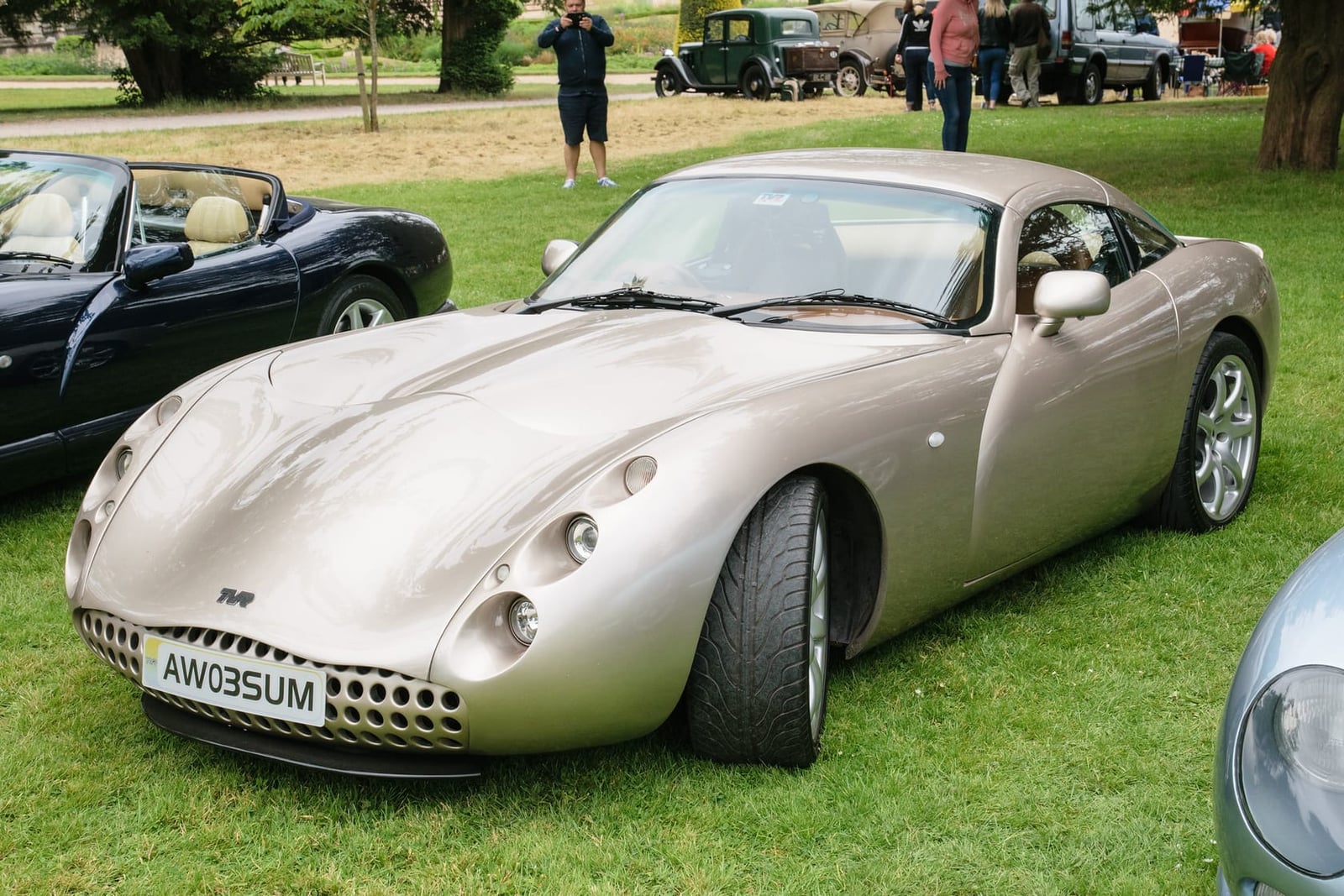
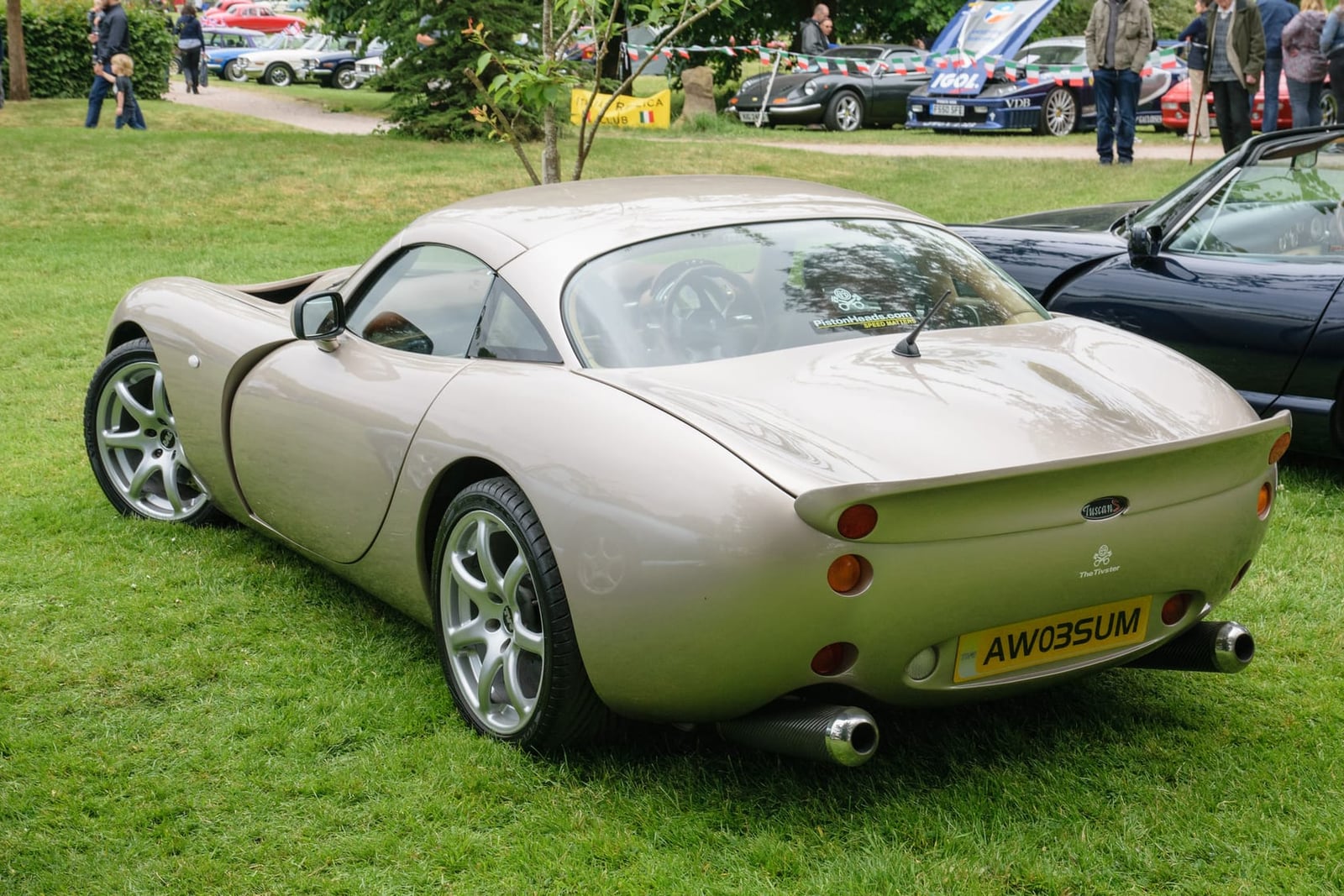
The name returned at the end of the nineties on Peter Wheeler’s boldest road-car project: the 1999 Tuscan Speed Six, built around TVR’s own all-alloy straight six, 3.6 and then 4.0 litres, around 360 bhp, developed entirely in-house because Blackpool no longer wished to depend on anyone else for its engines. Damian McTaggart’s body was hand-formed sculpture, door handles abolished in favour of hidden buttons, tail lamps stacked up the spine, and the targa roof stowing in the boot. Around 1,600 were built through Mk1, sharper Tuscan S and revised Mk2 forms to 2006, when the Blackpool line fell silent with the Tuscan among its last cars and the Sagaris the very last.

The engine that grew up in public
The Speed Six engine earned its scars honestly: early valvetrain failures fed TVR’s fragile reputation and frightened the secondhand market for years. The specialist world then did what Blackpool ran out of time to do, finger-follower conversions, better metallurgy, disciplined rebuilds, and a properly sorted Speed Six is now a tough, glorious thing, its rebuild paperwork the single most valuable document in any Tuscan’s history file. The engine’s redemption arc has driven the model’s steady climb from depreciated risk to collected classic.
Tuscan Challenge: the name goes racing
Between its two road-car eras the name also carried Blackpool’s loudest sideshow: the Tuscan Challenge, the one-make racing series TVR launched in 1989 around a purpose-built V8 racer wearing the Tuscan badge. The Challenge grids became famous for close, thunderous racing and for launching careers, the series ran for the best part of two decades, and its engineering fed directly into the road cars, the AJP8 engine programme included. Surviving Challenge racers appear in historic paddocks today, and the series explains why the Tuscan badge meant racing credibility to the buyers who queued for the 1999 road car.
What a Tuscan is like to drive
The Speed Six Tuscan is the full Blackpool sacrament, administered without dilution: a snarling, popping straight six that spins with genuine racing-engine appetite, around 1,100 kilograms of glassfibre and aluminium to motivate, steering that is alive at the straight-ahead, and not a single electronic aid anywhere in the building. It is devastatingly fast, 60 mph in around four seconds, demanding in the wet, and theatrical at every speed, down to the door buttons and the flowing aluminium cabin. The sixties cars deliver a vintage version of the same sermon, V8 torque in a light glassfibre coupe, rarer and rawer still.

Buying a Tuscan today
Speed Six buying is two documents deep: the engine’s rebuild history by a recognised specialist, and the chassis condition under the glassfibre, outriggers first, exactly as with the Cerbera and the rest of the family. Cabin electronics reward patience, targa seals deserve checking, and modified cars need their history untangled. Sixties Tuscans are provenance purchases, verified by the club’s registers before their collector premiums. In both eras the rule is the marque’s usual one: buy the documentation, and the car attached to it will be the right one.
Values: bookends, priced apart
Forty-three measured sales at a £24,700 median describe the Speed Six market: usable cars from £18,000, good Tuscan S and Mk2 examples £25,000 to £40,000, exceptional cars beyond. The sixties Tuscans trade in a separate collector tier above, their sub-200 production doing the work. As the last flowering of independent Blackpool, the Speed Six generation has moved decisively from depreciating oddity to appreciating classic, and the direction of travel looks settled.
More photos
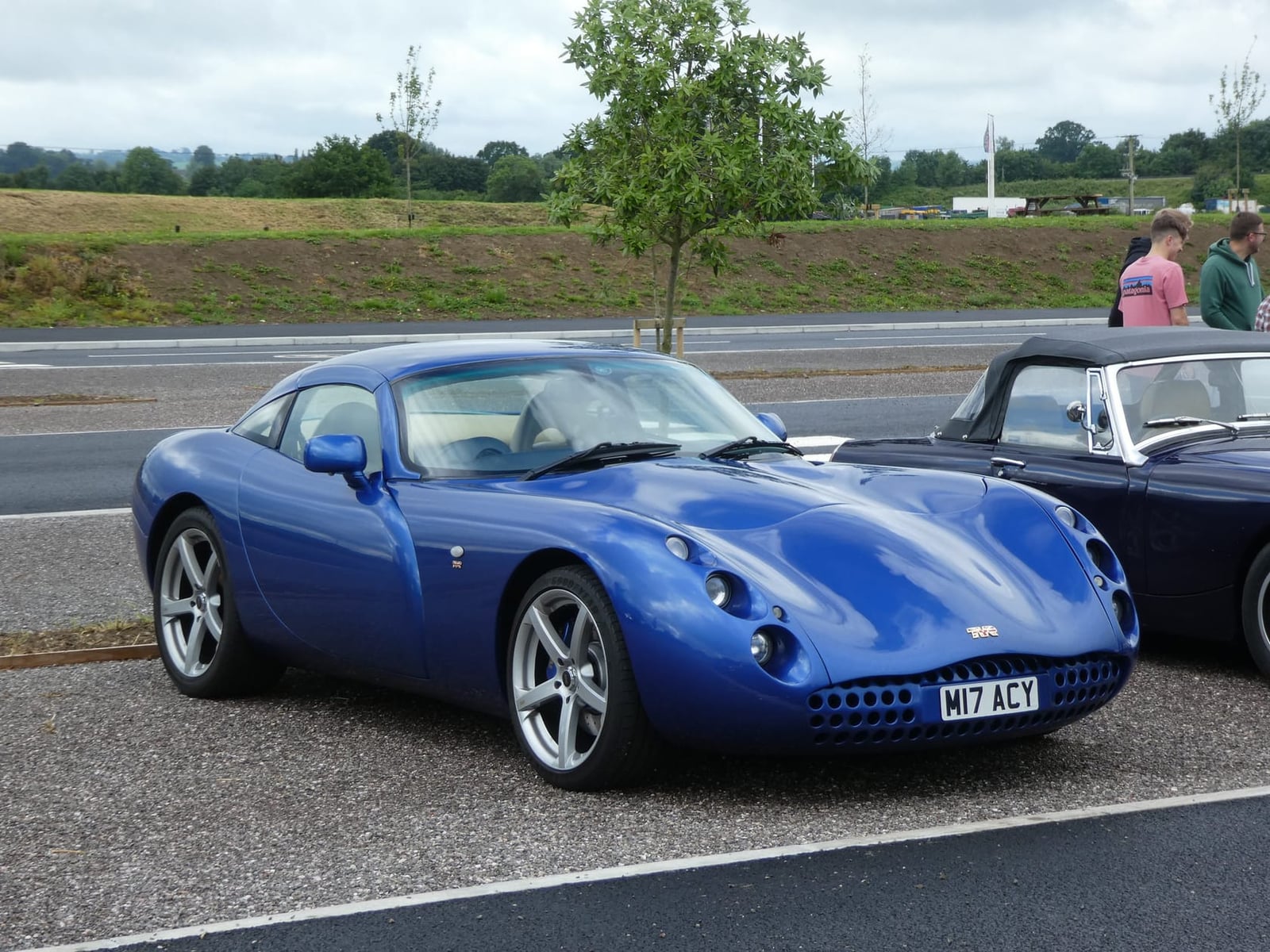
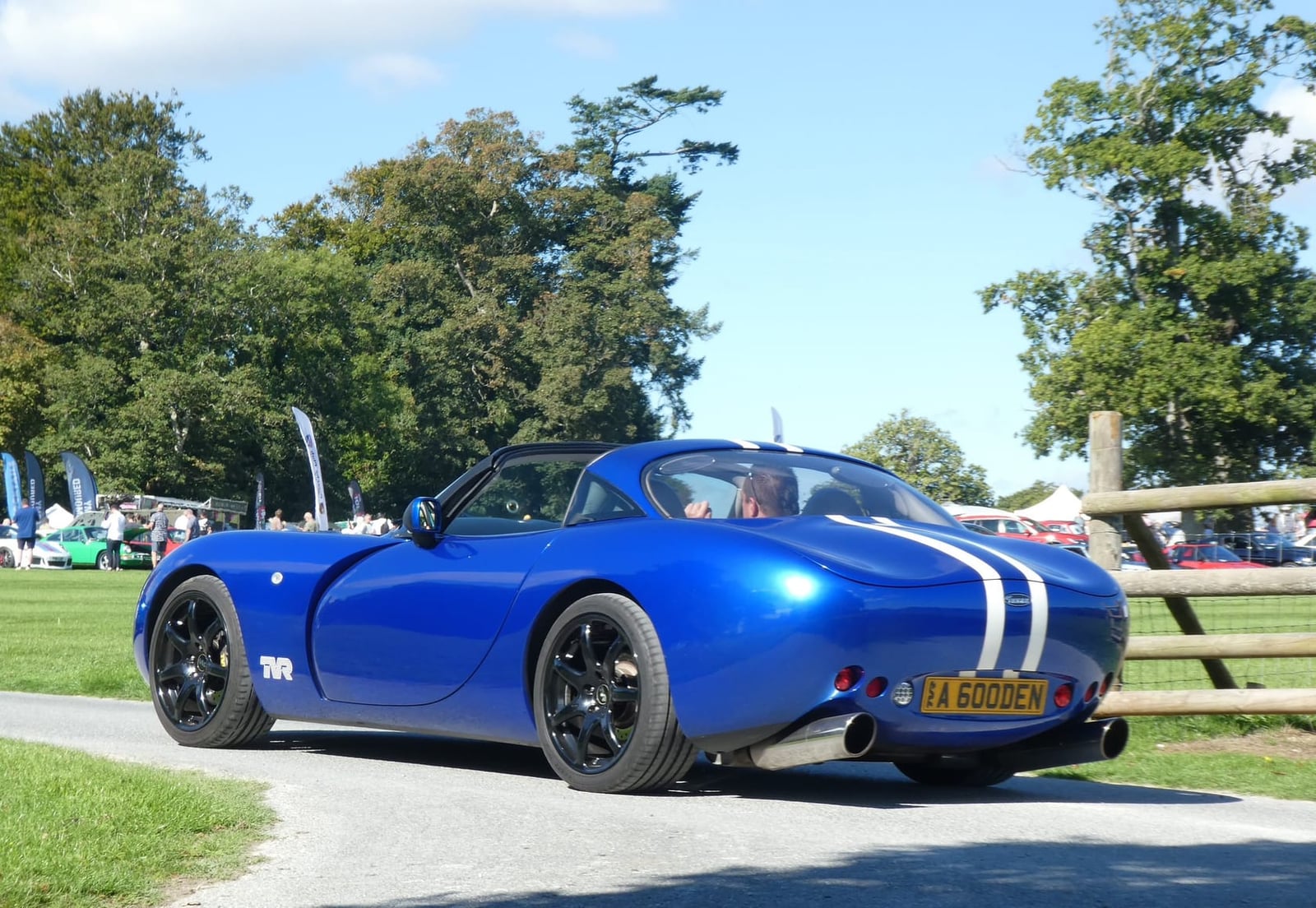
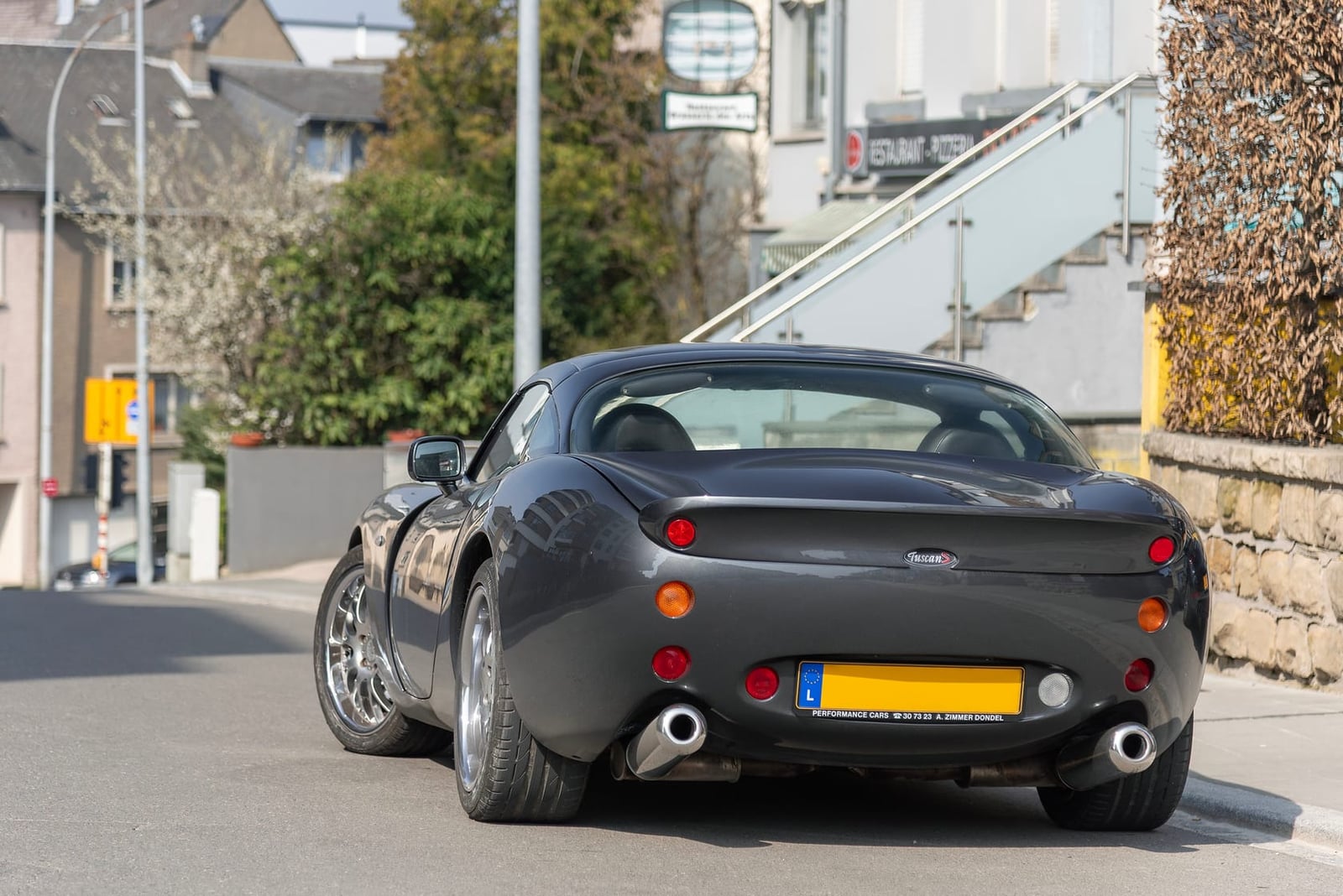
Tuscan: the short history
- 1967The Tuscan V8 arrives as the Griffith idea done soberly: a Ford 289 in a lengthened, better-sorted chassis for drivers who wanted the thunder with fewer frights.
- 1969The Tuscan V6 follows with Ford's 3.0 Essex as the approachable companion, sold alongside the Vixen.
- 1971Sixties production ends at under 200 cars, which is why they are among the most collectable production TVRs today.
- 1989The name goes racing: the Tuscan Challenge one-make series runs for the best part of two decades and feeds engineering back into the road cars.
- 1999The Tuscan Speed Six returns with TVR's own all-alloy straight six, developed in-house so Blackpool need depend on nobody for engines.
- 2006Production ends at around 1,600 Speed Sixes across Mk1, Tuscan S and Mk2; the Blackpool line falls silent soon after.
The Tuscan viewing checklist
The engine file, which is the purchase
- A documented rebuild by a recognised specialist outweighs mileage entirely
- Finger-follower conversions and better metallurgy are the known fixes; look for evidence of both
- Early valvetrain failures are the reputation, and the paperwork is the answer to them
- Modified cars need their history untangled before any price is agreed
Chassis
- Outriggers first, then the backbone, rusting under glassfibre that never will
- Chassis refurbishment evidence leads the negotiation, exactly as on the Cerbera
- Documented frame work is worth more than paint on every TVR
- Buy the documentation and the car attached to it will be the right one
Version and condition
- Mk1, Tuscan S and Mk2 differ in sharpness; the S and Mk2 lead the market
- Targa seals deserve checking, since the roof stows in the boot and the seals do the work
- Cabin electronics and the hidden door buttons reward patience
- Sixties Tuscans are provenance purchases, verified by the club registers before their premiums
What the Tuscan sells for at auction
Show the year-by-year mediansHide the year-by-year medians
| Year | Sold | Median | In 2025 money |
|---|---|---|---|
| 2026 (so far) | 7 | £23,584 | |
| 2025 | 6 | £25,728 | £25,728 |
| 2024 | 6 | £25,456 | £26,433 |
| 2023 | 4 | £30,405 | £32,627 |
| 2022 | 3 | £25,607 | £29,326 |
| 2021 | 4 | £21,571 | £26,674 |
| 2019 | 4 | £22,305 | £28,554 |
| 2016 | 3 | £18,480 | £25,250 |
- £35,840Tuscan
- £23,584Tuscan
- £33,378Tuscan
- £48,318Tuscan
- £21,440Tuscan
Thin evidence. Only 43 recorded sales: read the figures as a sketch of the market, not a price. Based on 43 sold results from public classic car auctions (2010 to 10 August 2026). Sold prices, not asking prices, and not a valuation: condition, history and specification vary from car to car. Inflation-adjusted figures use the ONS CPIH index, in 2025 money.
Frequently asked questions
What engine does the TVR Tuscan Speed Six have?
What was the original TVR Tuscan?
Are TVR Tuscan doors really keyless?
Is the TVR Tuscan Speed Six reliable?
How much is a TVR Tuscan worth?
What is the most expensive Tuscan ever sold at auction?
How often does a Tuscan come up for sale?
Related across themes


More from TVR


Recently added

Land Rover Discovery 1 values: the newest record on this site, and the cheapest coil-sprung Land Rover

Triumph Spitfire vs MG Midget: the cheapest way into a British sports car, compared

MGB vs Triumph TR6: the two British roadsters everybody cross-shops, compared on the numbers
