Hillman Minx: four decades of Britain's dependable family car (1932–1970)
Nearly forty years of bread-and-butter family car, from the sidevalve saloons of the 1930s through the crisp Loewy-styled Audax Series cars to the last New Minx of 1970. A guide to the Minx generations, the Super Minx and the badge-engineered cousins, what to look for when buying, and what a Minx is worth today.
Built 1932–1970 144 recorded sales
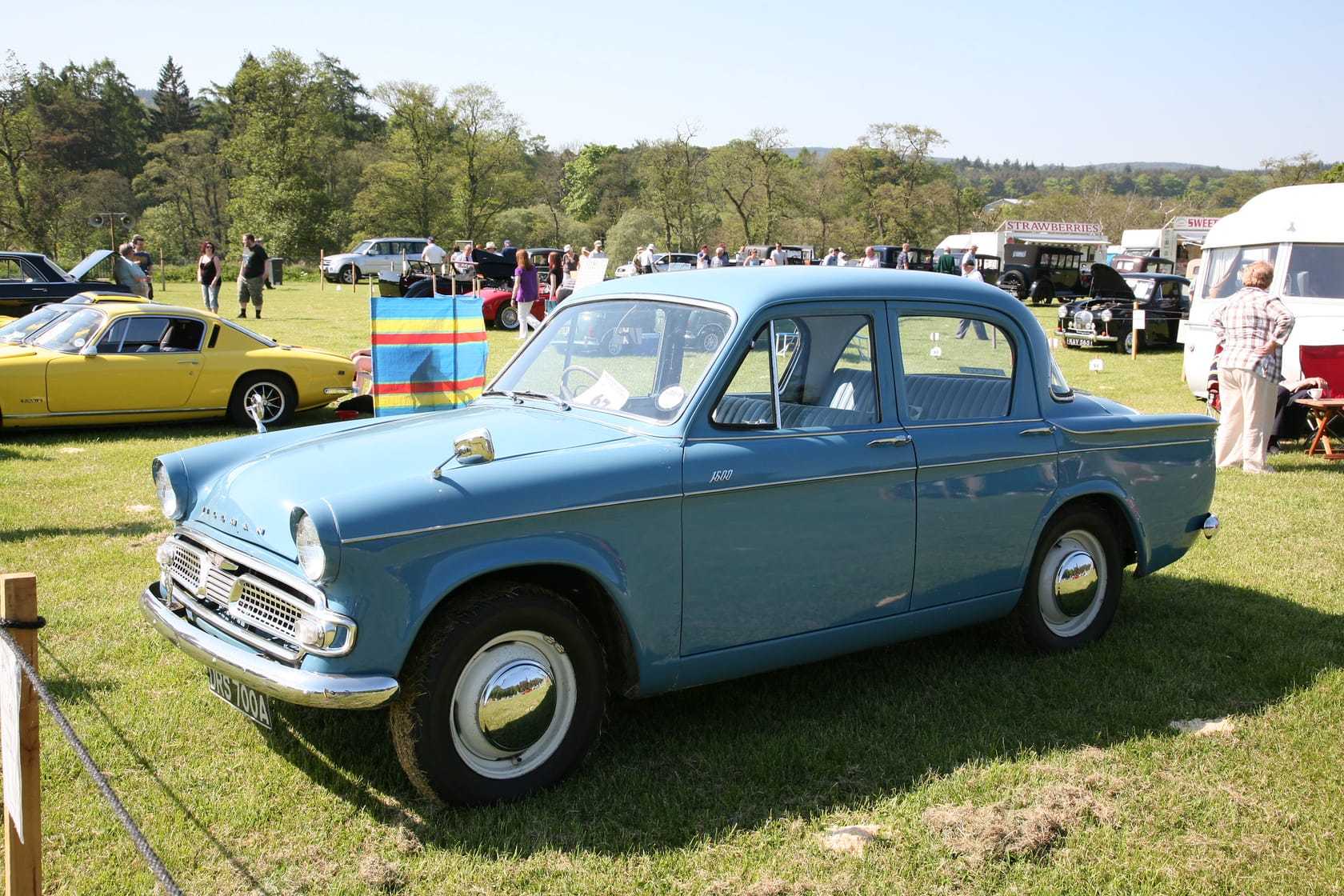
At a glance
- Years
- 1932–1970
- Body styles
- Four-door saloon, convertible, estate; two-door derivatives
- Drivetrain
- Front engine, rear-wheel drive
- Engines
- 1185cc sidevalve to 1725cc overhead-valve four
- Power
- Around 30 bhp to 65 bhp
- Trim levels
- Pre-war Minx, Marks I-VIII, Audax Series I-VI, New Minx
- Production
- Audax Series cars alone ran to several hundred thousand
- Assembly
- Ryton-on-Dunsmore, England; licence-built abroad
- Designer
- Audax styling developed with the Raymond Loewy studio
- Values
- Usable from around £3,000; good cars £5,000-£9,000; convertibles carry the premium
- Claim to fame
- The car that carried the Rootes Group for four decades
- Japanese cousin
- Built under licence by Isuzu in Japan in the 1950s
The models
For nearly forty years the Hillman Minx was the car Britain’s families actually bought: not glamorous, rarely fast, but honest, roomy and built to be afforded. Launched in 1932 and renewed rather than reinvented through eight Marks and six Series, it carried the Rootes Group from the depression years to the eve of the 1970s, and it did the same steady service for hundreds of thousands of households.
A dependable car for hard times
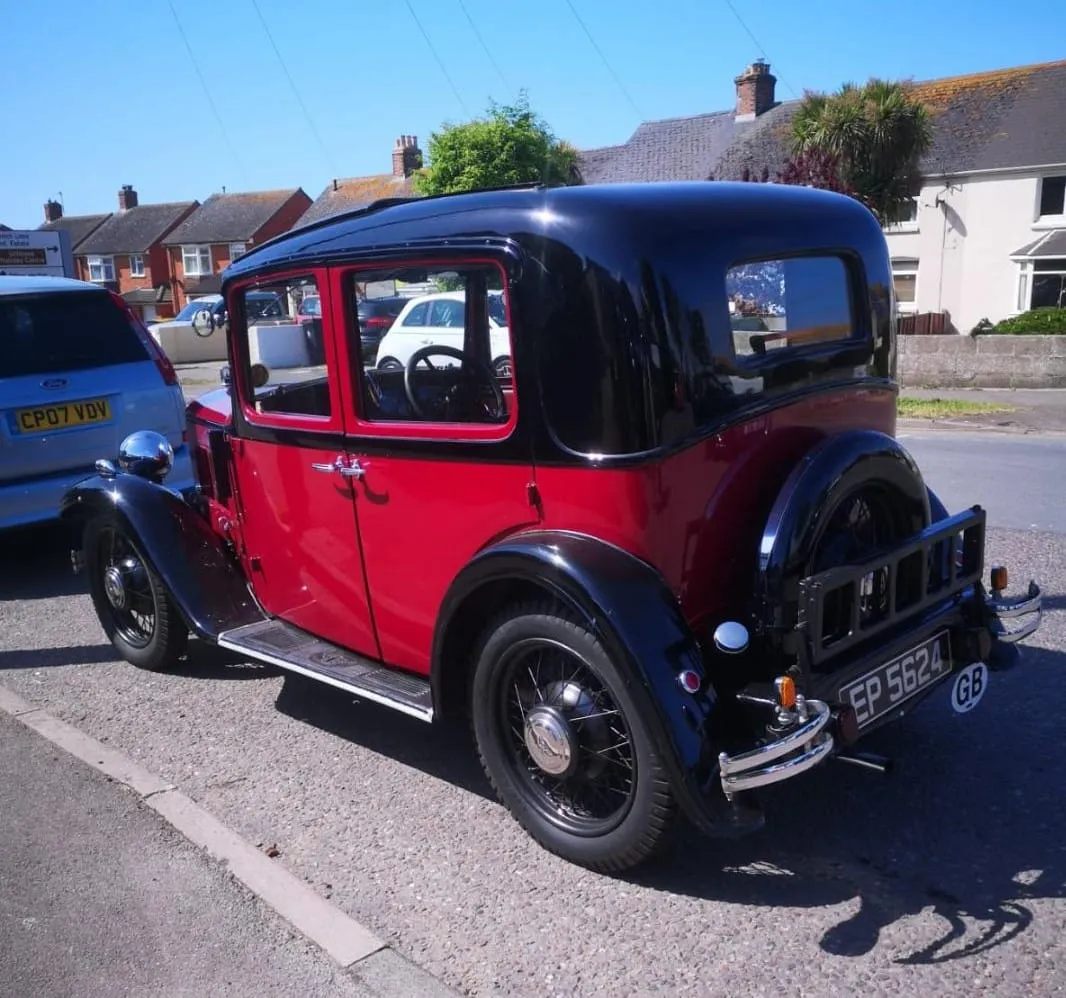
The first Minx appeared in 1932, a compact four-door saloon with a 1185cc sidevalve engine, priced and sized for the family that might otherwise not have run a car at all. Through the 1930s it gained refinements that were genuinely novel at its price, including an early move to a synchromesh gearbox, and by the end of the decade the “Magnificent Minx” restyle had made it one of the best-selling small saloons in the country. It was a car of its era: modest, upright and utterly sensible, from the same pre-war world as the cars of the 1930s it shared the road with.

The post-war Marks
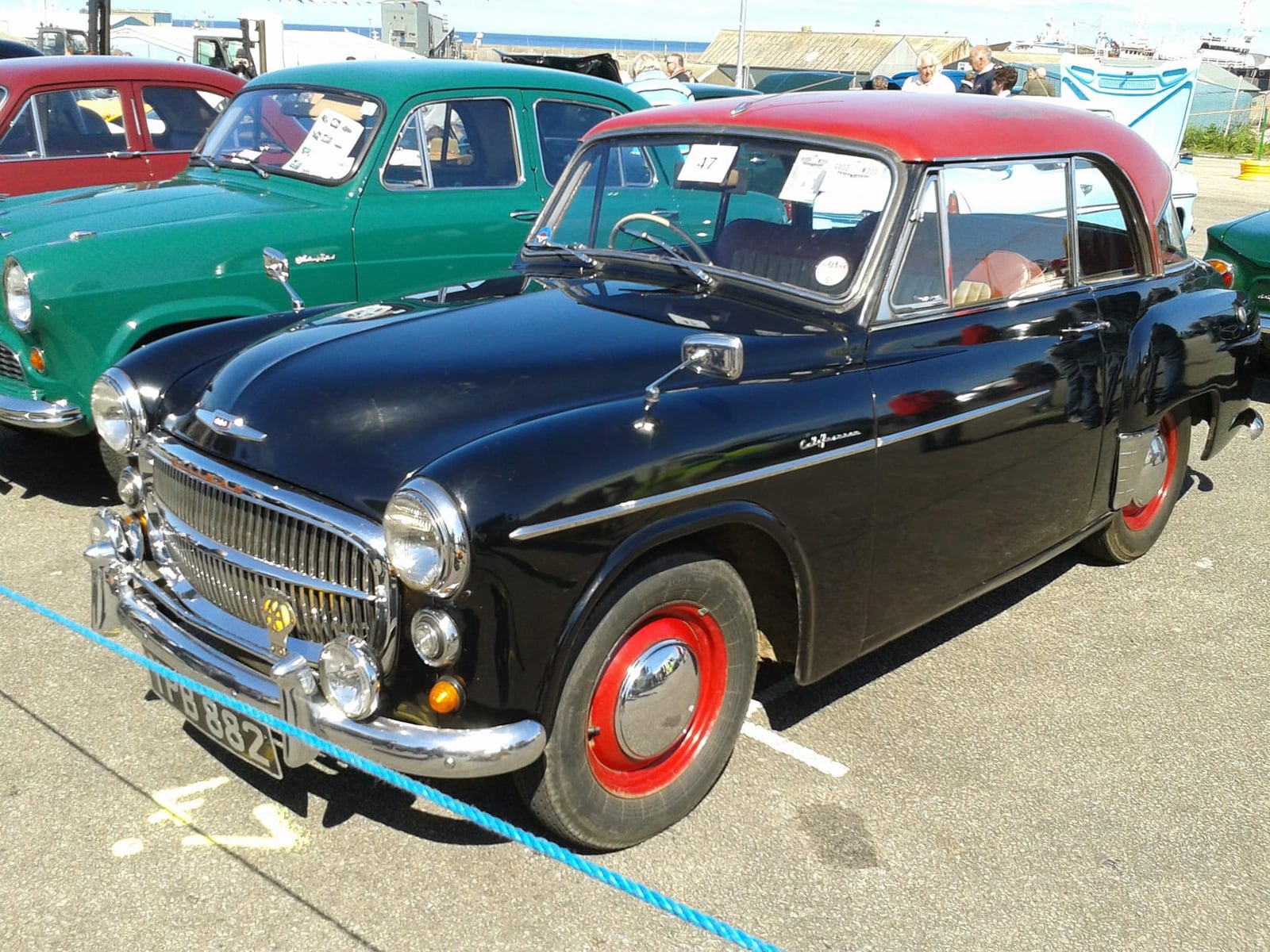
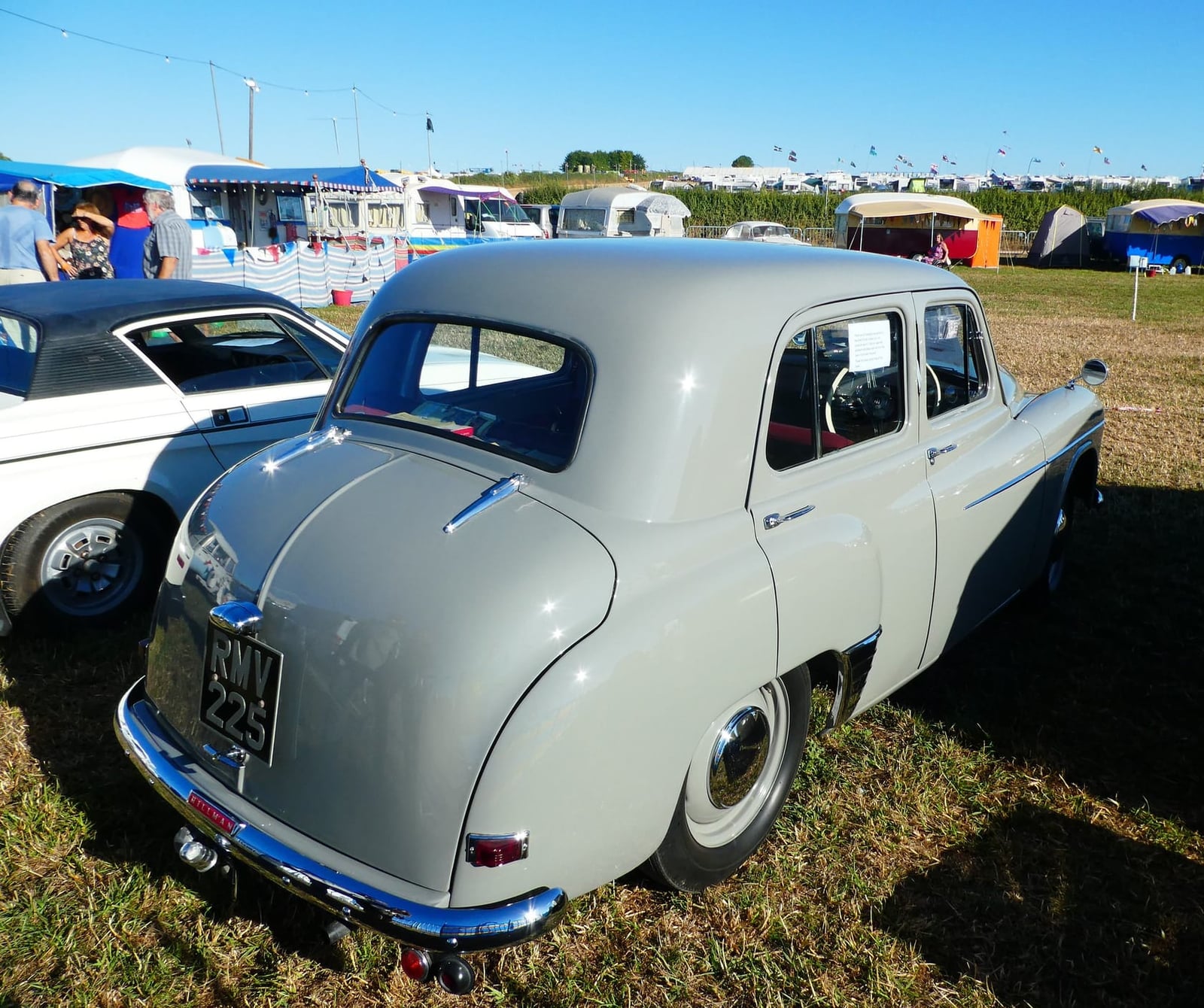
After the war the Minx came back quickly, in Marks numbered I to VIII through to 1956. The early cars carried on the pre-war engineering while Britain exported everything it could build, and the Minx sold strongly abroad. The Mark III of 1948 brought full-width modern styling, and the last of the line finally swapped the old sidevalve for an overhead-valve engine. These Marks are the rarest Minxes today, plainer and slower than what followed, with a gentle charm all their own.

The Audax Minx: the Loewy look
The Minx most people picture arrived in 1956. Styled with input from Raymond Loewy’s American design consultancy, the Audax-generation Minx was crisp, low and faintly transatlantic, and it moved the car decisively into the modern age. Rootes evolved it through Series I to VI until 1967 (the annual changes were fine-grained enough that the Series III alone split into IIIA, IIIB and IIIC, designations club registers and auction entries still quote), with engines growing from 1390cc to 1725cc, small yearly styling changes, De Luxe trim above the standard car, an Easidrive automatic option from the late 1950s (a conventional Borg-Warner automatic on later cars), and saloon, convertible and estate bodies (the estate sold in export markets as the Minx station wagon). This is also the Minx the wider world knew best: Isuzu built it under licence in Japan, and the same basic design wore Singer and Sunbeam badges at home.
The Audax cars are the sweet spot for ownership now: plentiful enough to find, simple to keep, and handsome in a way the earlier cars never quite managed. The mildly sporting versions of the same floorpan, led by the Sunbeam Rapier, show how much Rootes stretched one good design.

Super Minx, Singer and Sunbeam cousins
From 1961 the Minx gained a bigger brother. The Super Minx sat on a longer floorpan with roomier, more American styling, aimed a class above, and its platform went on to underpin the Humber Sceptre and the Singer Vogue. The ordinary Minx carried on alongside, which catches out buyers today: Minx and Super Minx are separate models sold at the same time, not successive generations, and parts do not always interchange.

The New Minx and the end
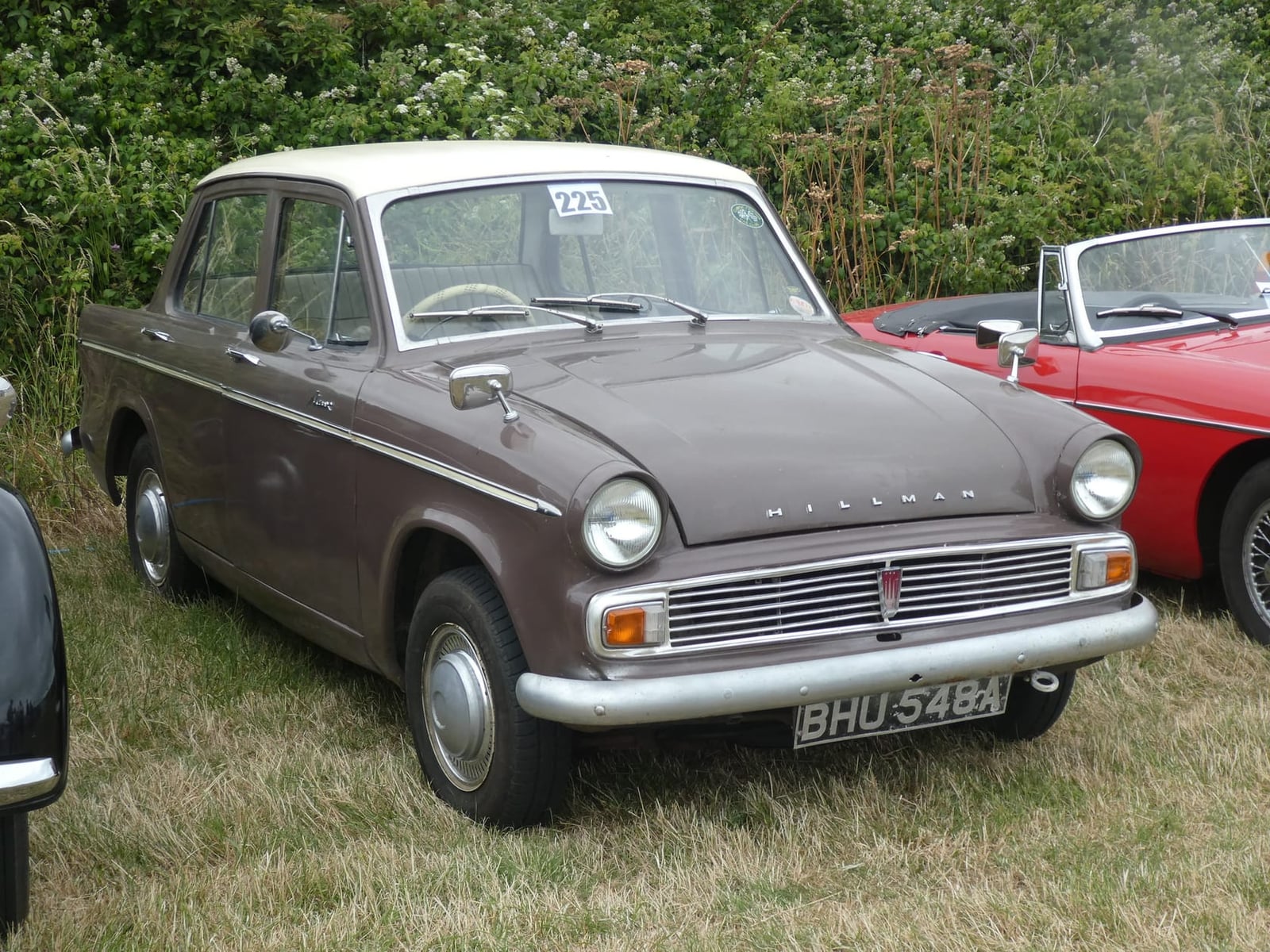
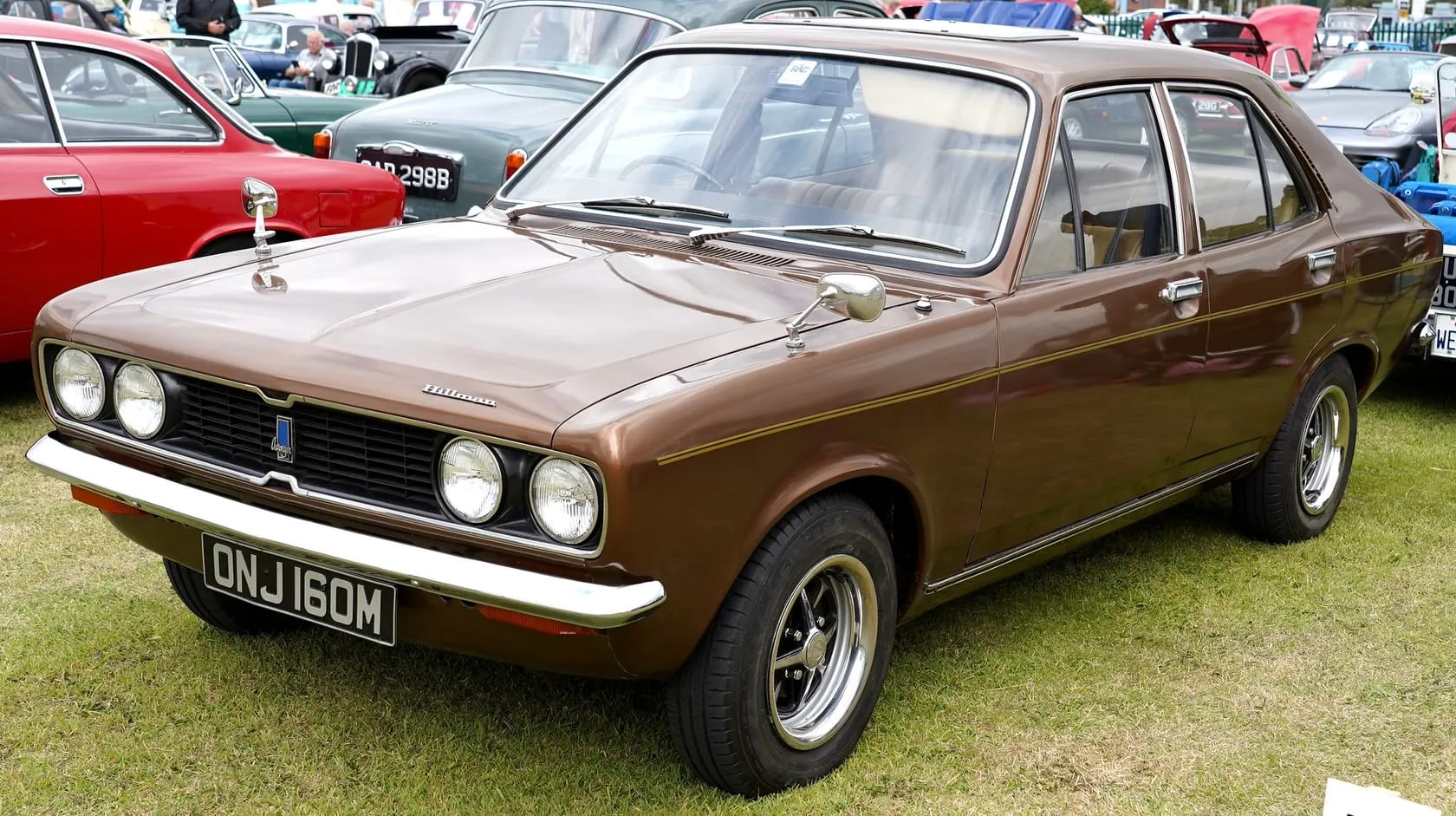
In 1967 the Minx name moved onto the group’s new Arrow platform, the same modern underpinnings as the Hillman Hunter, as a plainer, cheaper version of that car. It kept the badge alive until 1970, when Chrysler, by then in control of Rootes, retired one of the industry’s longest-serving names. The “New Minx” is the forgotten generation, and for a buyer today it is really a Hunter in all but name.

Buying a Hillman Minx today
Rust decides everything. A Minx’s mechanical parts are simple and mostly easy to find, but sills, floors, spring hangers and wing edges corrode, and on a car this affordable a full body restoration will cost far more than the finished value. Buy the soundest shell available, favour originality, and treat a tidy interior as a real bonus, because model-specific trim is the scarce commodity. Engines and gearboxes last well, the older units are happy on unleaded with an additive or hardened valve seats, and the 1725cc cars cruise most happily in modern traffic. The running questions, tax, insurance and storage, are the same as for any well-mannered classic.

Hillman Minx value and price range
The Minx is still one of the cheapest respectable ways into classic motoring. Projects start under £2,000, honest usable saloons sit around £3,000 to £6,000, and the best restored examples reach £8,000 to £10,000. Audax convertibles are the collectors’ pick and fetch comfortably more, while the pre-war and early post-war cars trade on rarity and condition. Values have been stable rather than climbing, so a Minx is a car to buy for use, not investment, which suits its character perfectly. It sits at the heart of the Rootes story, alongside the British family cars of the 1950s and 1960s.

More photos
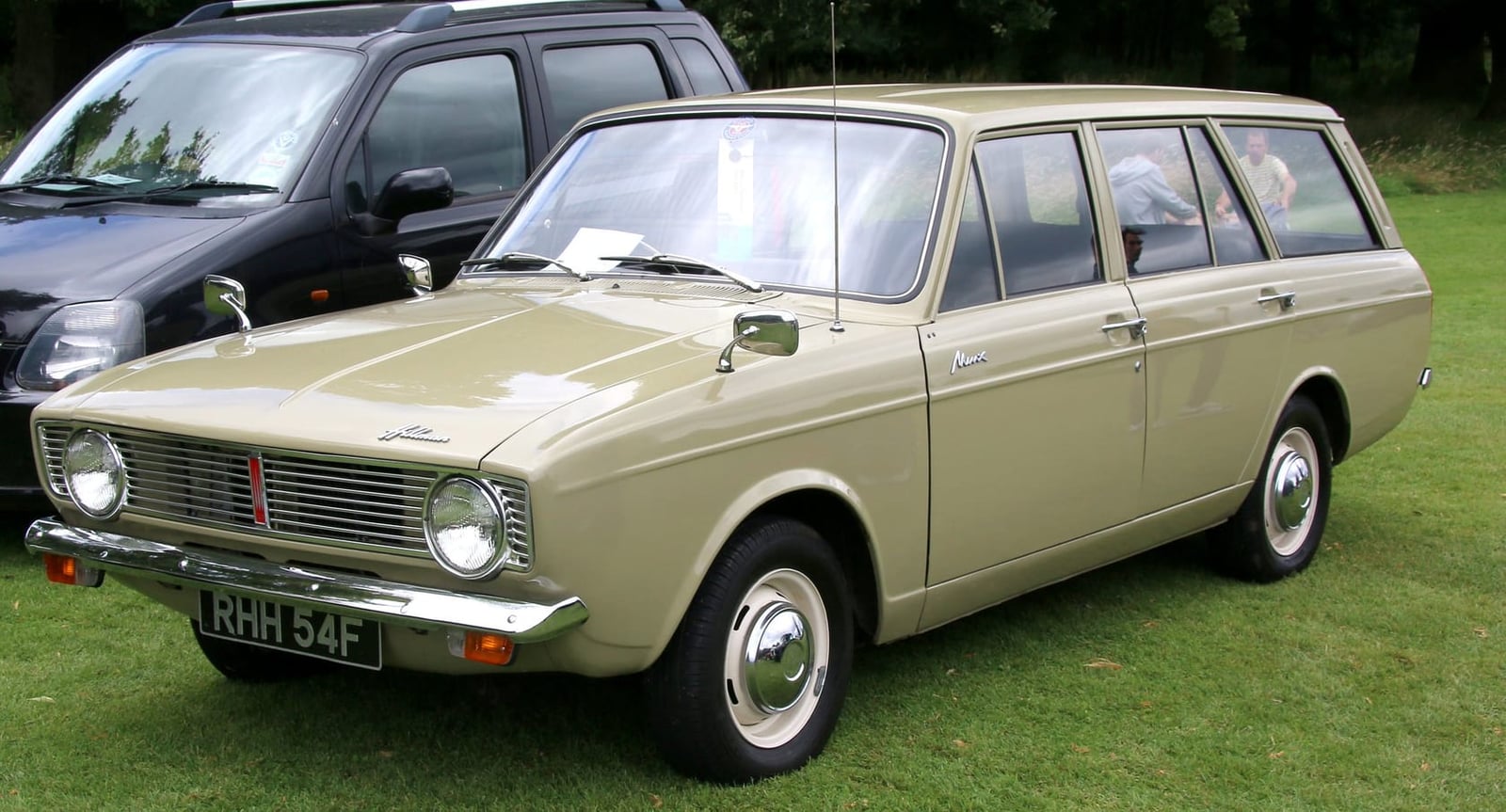
The Minx in dates
- 1932The first Minx arrives: a compact 1,185cc sidevalve four-door priced for the family that might otherwise not run a car.
- 1939The Magnificent Minx restyle makes it one of the best-selling small saloons in the country.
- 1948The Mark III brings full-width modern styling as the post-war Marks sell hard abroad.
- 1956The Audax generation arrives, styled with Raymond Loewy's consultancy; Isuzu builds it under licence in Japan.
- 1961The bigger Super Minx joins alongside, a separate model whose platform underpins the Humber Sceptre and Singer Vogue.
- 1967The name moves onto the Arrow platform as the plainer New Minx, a Hunter in all but name.
- 1970Chrysler retires one of the industry's longest-serving names.
Minx: what to check before you buy
Rust, which decides everything
- Sills, floors and spring hangers
- Wing edges, where the rot shows first
- A full body restoration costs far more than the finished value, so the shell is the purchase
- Favour originality; values are stable, so buy for use rather than investment
Trim, the scarce commodity
- Model-specific trim is the hunt, so a tidy interior is a real bonus
- The fine-grained Series changes mean trim is year-specific: IIIA, IIIB and IIIC all differ
- Audax convertibles are the collectors' pick and priced accordingly
- Pre-war and early post-war Marks trade on rarity and completeness
Mechanical
- Engines and gearboxes last well, and older units take unleaded with an additive or hardened seats
- Easidrive automatics on late-1950s cars are a specialist taste; later cars use a conventional Borg-Warner
- The 1,725cc engine is the best companion for modern roads
- Confirm Minx versus Super Minx before ordering anything, since parts differ
What the Hillman Minx sells for at auction
In 2025 the median Hillman Minx sold for £4,961 across 16 sales, 61% up on 2024. In real terms, typical Hillman Minx prices were up about 10% over the five years to 2025, once inflation is accounted for.
| Variant | Sold | Typical range | Median |
|---|---|---|---|
| Minx | 82 | £1,746 - £5,600 | £3,267 |
| Super Minx | 35 | £1,905 - £4,665 | £3,024 |
| Minx De Luxe | 8 | £1,956 - £6,724 | £3,810 |
| Minx Tourer | 8 | £904 - £3,306 | £1,400 |
| Minx IIIA | 5 | £5,073 - £12,849 | £5,086 |
Show the year-by-year mediansHide the year-by-year medians
| Year | Sold | Median | In 2025 money |
|---|---|---|---|
| 2026 (so far) | 12 | £2,996 | |
| 2025 | 16 | £4,961 | £4,961 |
| 2024 | 15 | £3,086 | £3,204 |
| 2023 | 16 | £4,838 | £5,192 |
| 2022 | 16 | £3,975 | £4,552 |
| 2021 | 14 | £2,362 | £2,921 |
| 2020 | 9 | £3,552 | £4,501 |
| 2019 | 9 | £3,800 | £4,865 |
| 2018 | 6 | £2,408 | £3,135 |
| 2017 | 4 | £3,431 | £4,570 |
| 2016 | 3 | £5,600 | £7,651 |
| 2015 | 5 | £2,968 | £4,096 |
| 2009 | 8 | £1,034 | £1,624 |
| 2007 | 3 | £750 | £1,242 |
- £6,600Minx De Luxe
- £4,720Minx
- £575Minx
- £360Super Minx
- £1,060Super Minx
Reasonable evidence. 144 recorded sales: enough for the range to mean something, though a few unusual cars can still move a single year's median. Based on 144 sold results from public classic car auctions (2005 to 10 August 2026). Sold prices, not asking prices, and not a valuation: condition, history and specification vary from car to car. Inflation-adjusted figures use the ONS CPIH index, in 2025 money.
Frequently asked questions
What body styles did the Hillman Minx come in?
Was the Hillman Minx a reliable car?
What engine does a Hillman Minx have?
What is the difference between the Hillman Minx and the Super Minx?
How much is a Hillman Minx worth today?
Who built the Hillman Minx in Japan?
What is the most expensive Hillman Minx ever sold at auction?
How often does a Hillman Minx come up for sale?
Related across themes
More from Rootes Group


Recently added

Bentley S-series: the quiet twin with the beautiful secrets (1955–1965)

Rolls-Royce Silver Spirit and Silver Spur: the last Crewe bargain (1980–1999)

Rolls-Royce Corniche: the coachbuilt survivor that outlived its makers (1971–1995)
