Ford Sierra RS Cosworth: the rep's car that became a legend (1986–1992)
The Ford Sierra RS Cosworth turned an ordinary family Ford into a Group A touring-car weapon, with a turbocharged Cosworth engine, a whale-tail wing and, in RS500 form, near-unbeatable race performance. A guide to the three-door, the RS500, the Sapphire and the 4x4, the theft and cloning problem, and what to look for when buying one.
Built 1986–1992 303 recorded sales

At a glance
- Years
- 1986–1992
- Body styles
- Three-door hatchback; four-door Sapphire saloon
- Drivetrain
- Rear-wheel drive (3-door and Sapphire); four-wheel drive (Sapphire 4x4)
- Engines
- 2.0-litre Cosworth YB turbocharged four
- Power
- 204 bhp (3-door, Sapphire); 224 bhp (RS500 road car, far more in race tune)
- Top speed
- Around 145-150 mph
- Trim levels
- RS Cosworth 3-door, RS500, Sapphire RS Cosworth, Sapphire RS Cosworth 4x4
- Production
- 5,545 three-door cars (including 500 RS500s), around 13,140 Sapphire 2WD and around 12,250 Sapphire 4x4
- Assembly
- Genk, Belgium
- Designer
- Ford Special Vehicle Engineering, with Cosworth
- Values
- Sapphire from around £15,000; good three-door cars £35,000-£60,000; excellent £60,000-£100,000; the RS500 well into six figures
- The homologation hero
- The RS500, just 500 built, was created to win in Group A touring-car racing, which it duly dominated
- Engine
- The turbocharged Cosworth YB, a tuner's favourite still capable of huge power
The models
Few cars sum up 1980s Britain like the Ford Sierra RS Cosworth. It took an ordinary, slightly awkward family Ford and turned it into a homologation weapon: a turbocharged, Cosworth-engined machine with a whale-tail wing, built so Ford could go touring-car racing and win. It did win, repeatedly, and in the process became one of the most desirable fast Fords of all.
Today the Cosworth is a fully-fledged classic, its survivors prized, hunted and pored over for originality in a way few 1980s cars are.
Built to go racing
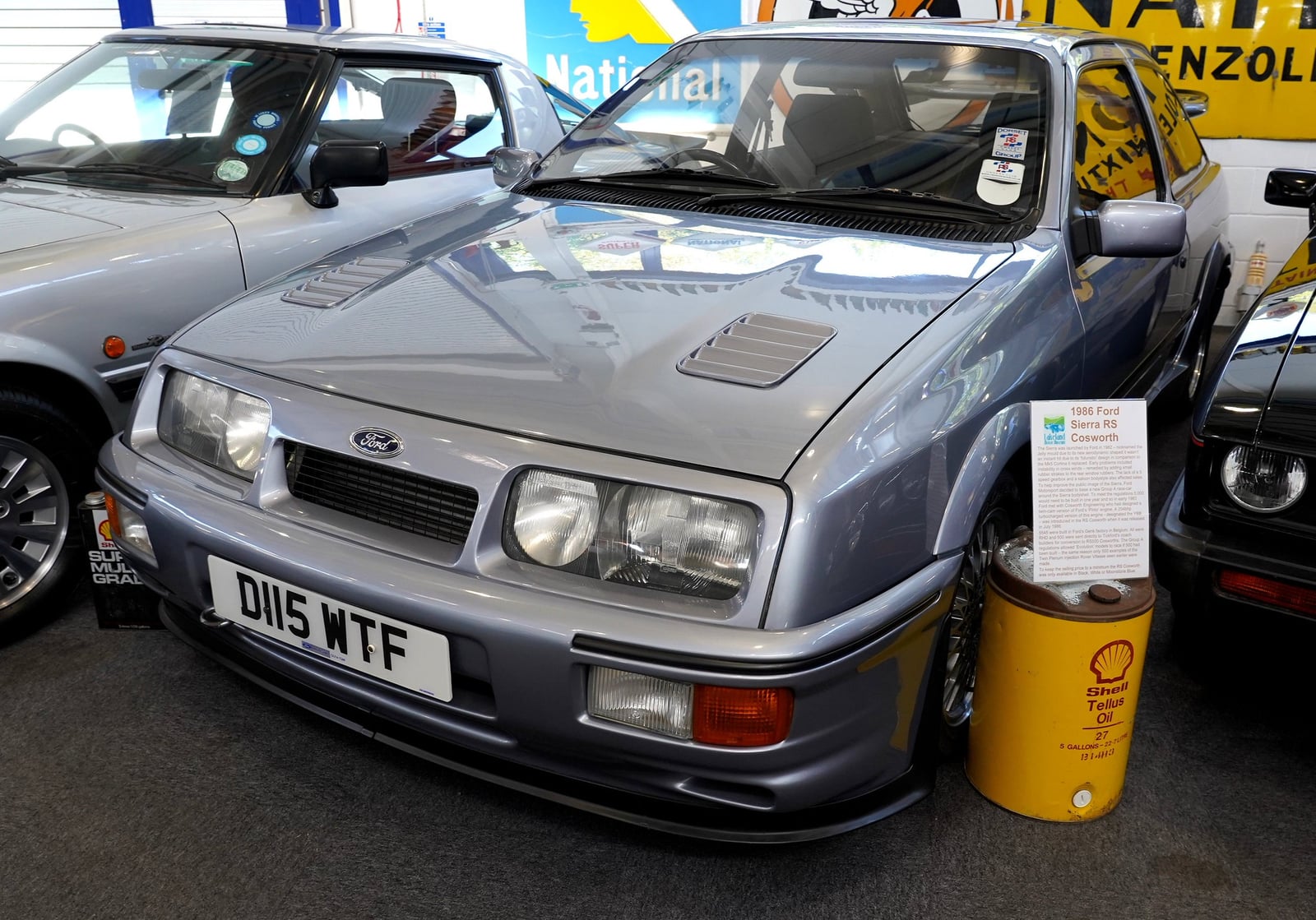
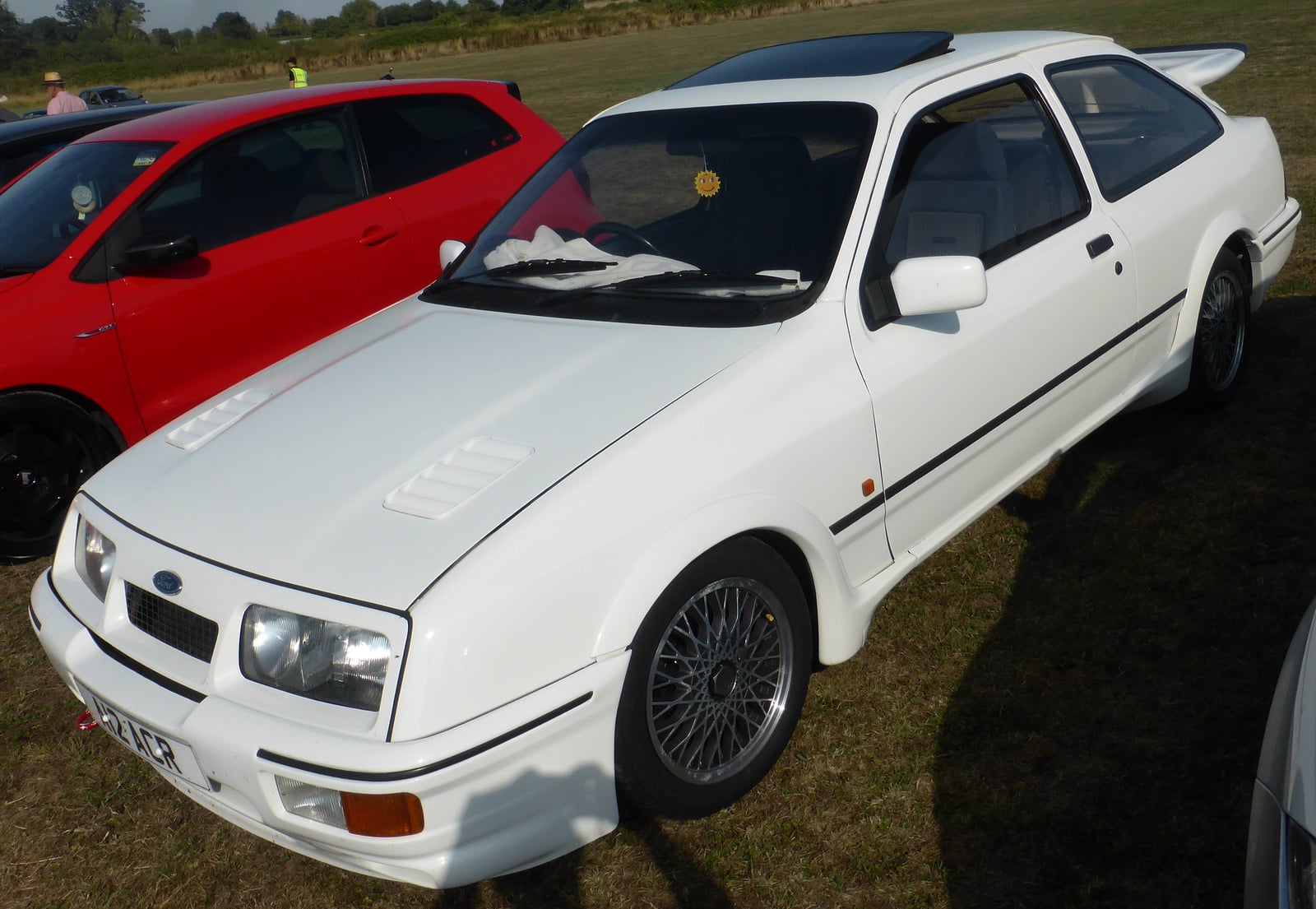
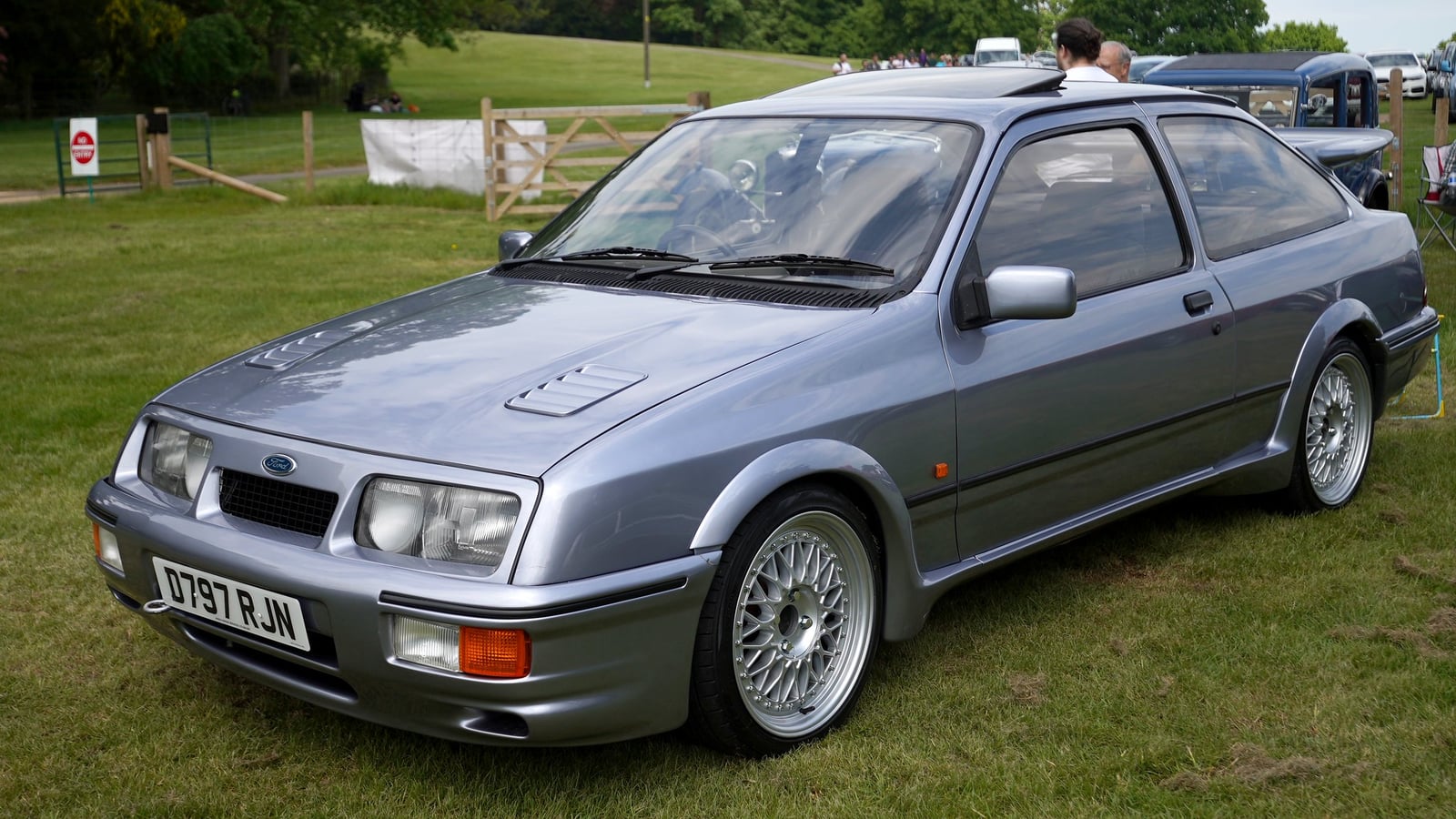
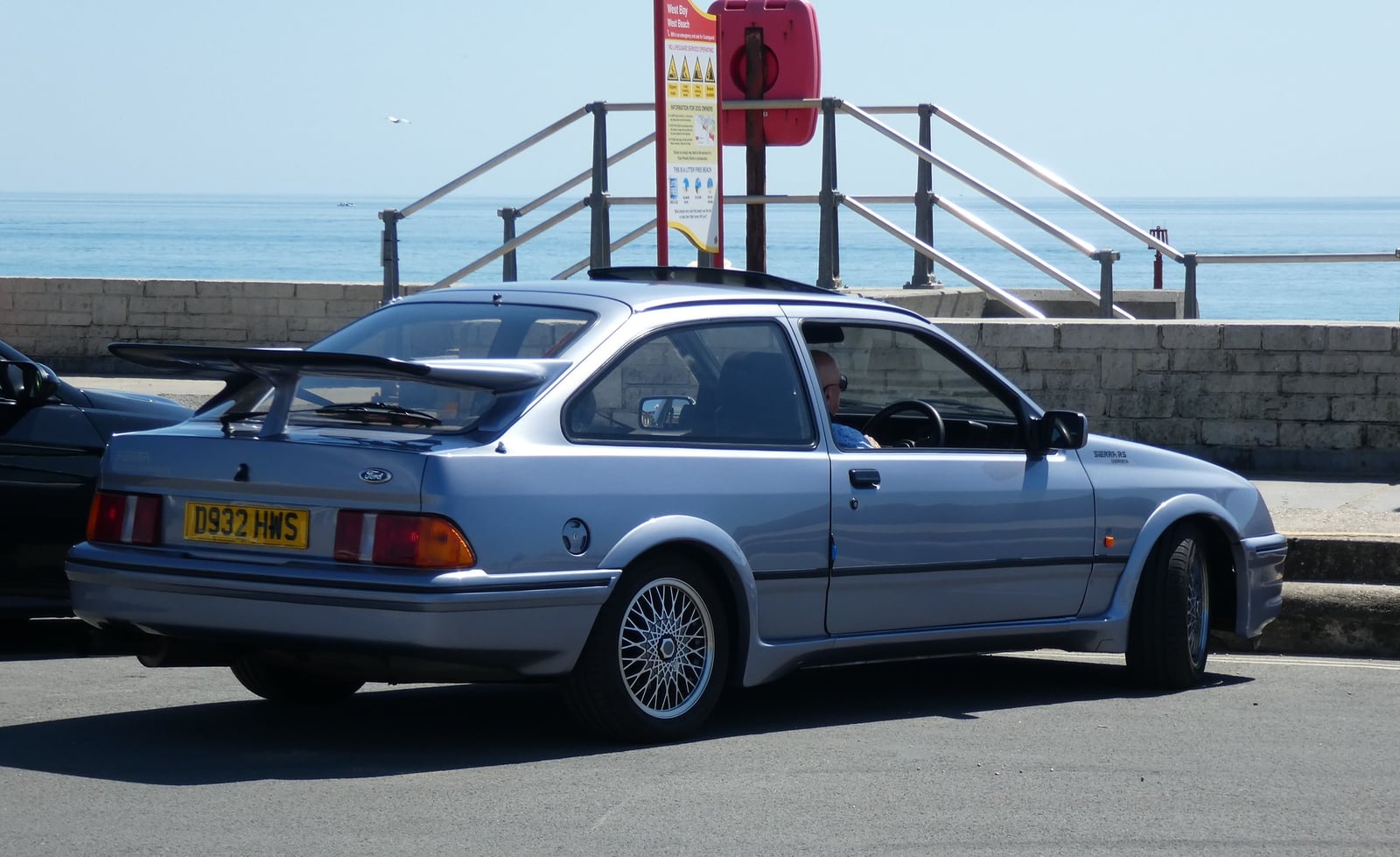
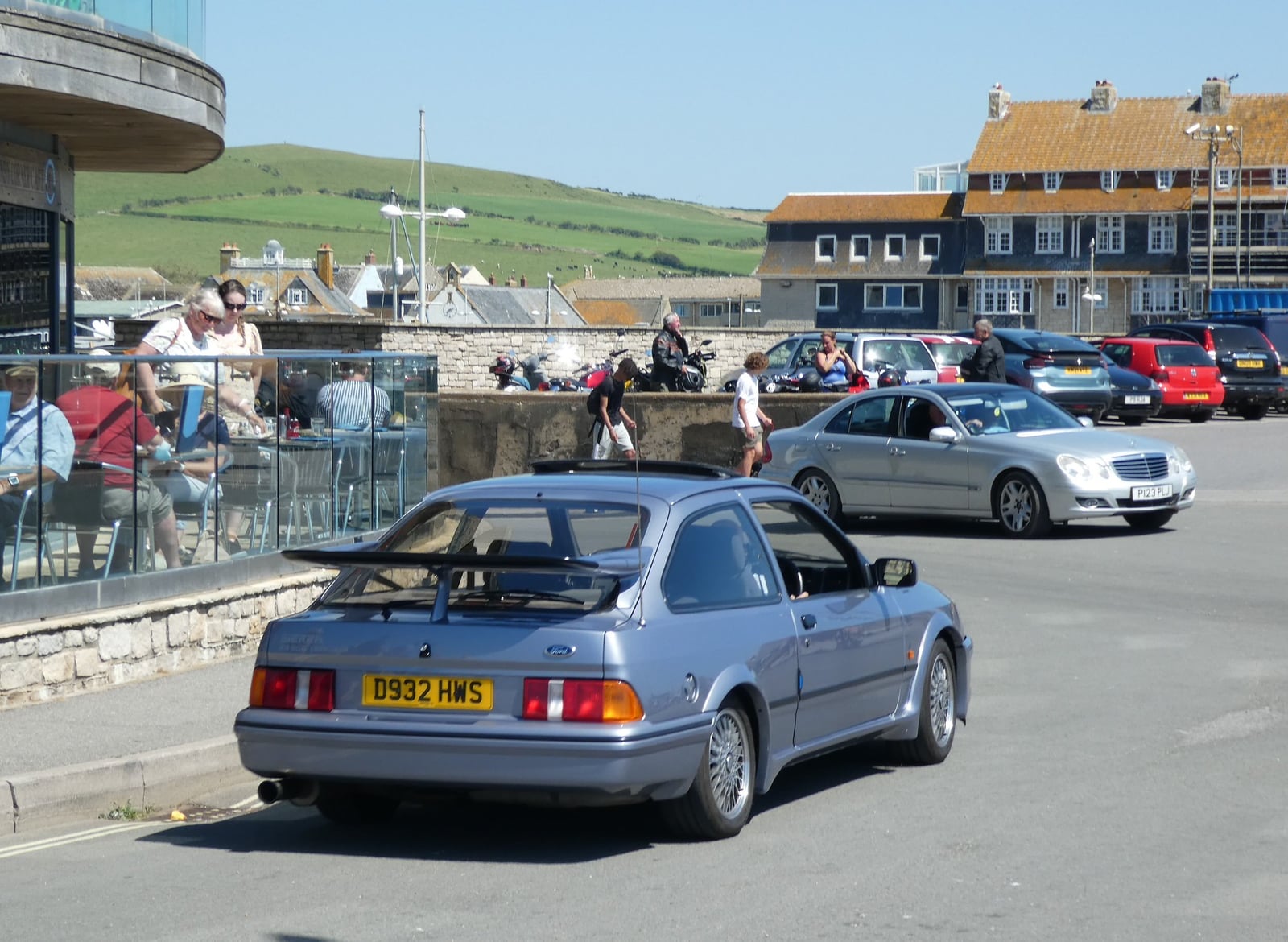
The Sierra RS Cosworth existed for one reason: to homologate Ford into Group A touring-car racing. The road car, launched in 1986, paired the turbocharged 2.0-litre Cosworth YB engine with rear-wheel drive, uprated running gear and that unmistakable bi-plane rear wing, good for 204 bhp and genuine 145 mph performance straight out of the showroom.
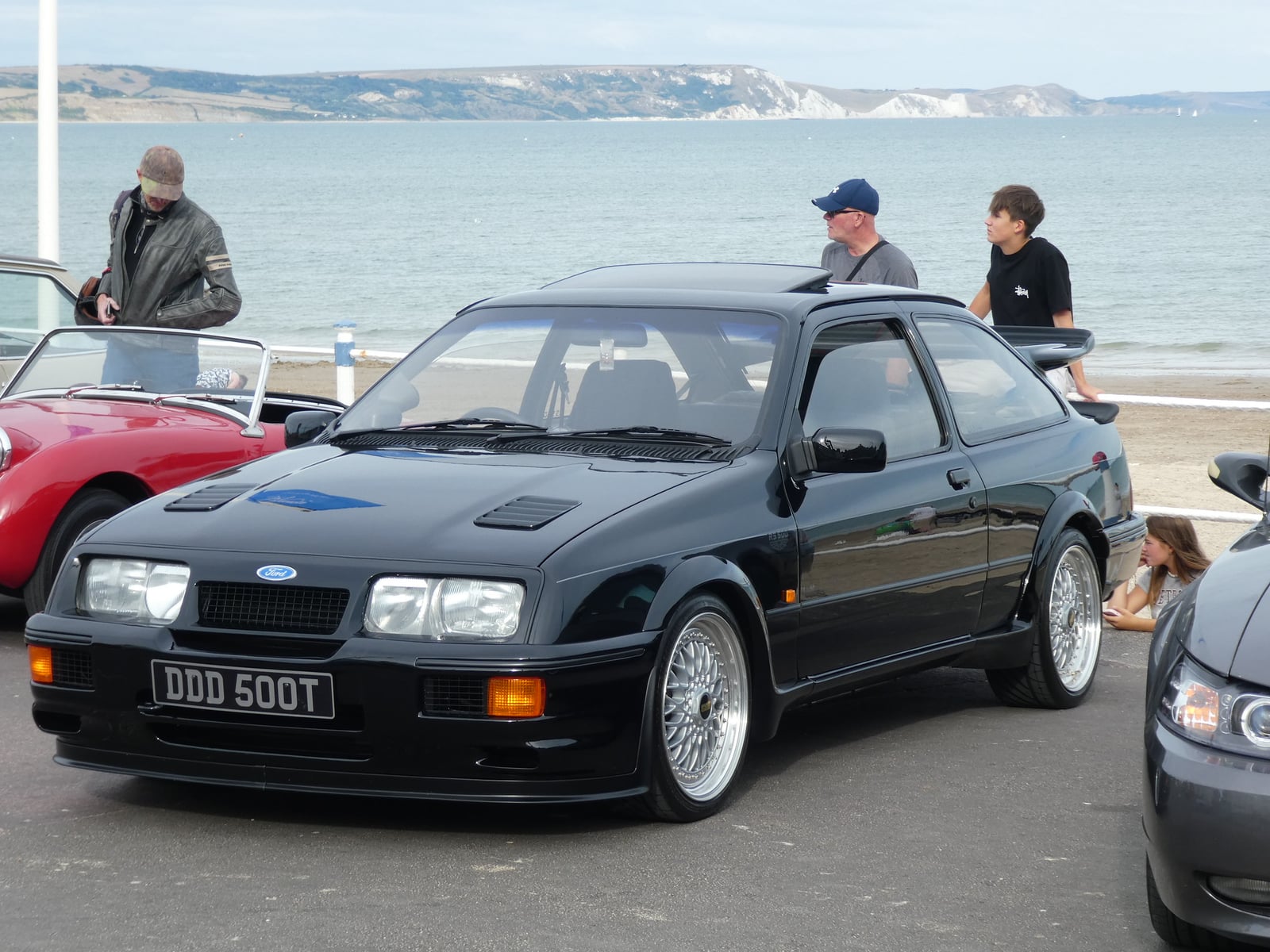
Then came the Ford Sierra Cosworth RS500. Just 500 were built in 1987, converted by Tickford, with a larger turbocharger, additional fuel injectors, a revised body and the headroom to make colossal power in race tune. On the track the RS500 became almost unbeatable in Group A, and as a road car it is the rarest and most valuable of the entire line.

The Sapphire and the 4x4
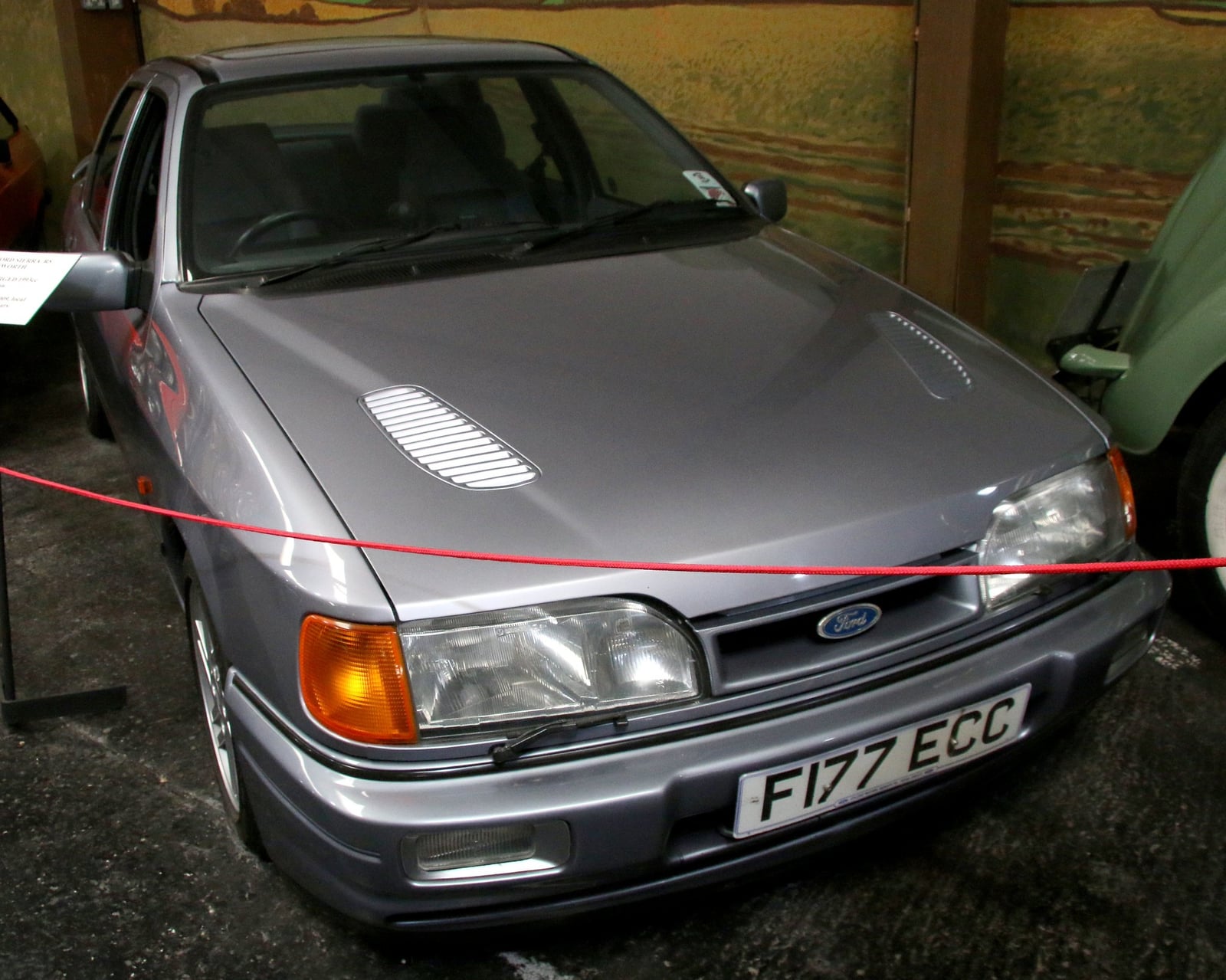
From 1988 the same magic was applied to the four-door Sierra Sapphire. The Sapphire RS Cosworth lost the big wing but gained four doors and everyday usability, with the same 204 bhp. In 1990 came the final development, the Sapphire RS Cosworth 4x4, which added four-wheel drive for better traction and is, for many, the most usable and complete of the Cosworths to live with. Production of the whole family ended in 1992 when the Sierra gave way to the Mondeo.

The Cosworth YB engine
At the heart of every car is the Cosworth YB, a turbocharged 2.0-litre four that became one of the great tuner’s engines. Tough and hugely responsive to modification, it could be made to produce far more than its standard output, which is exactly what made the Cosworth such a giant-killer, and why so many road cars were modified. For a buyer today, a standard, unmolested engine is a significant part of a car’s value.
On the track, and on the front pages
The racing record is the foundation of the legend. In Group A trim the RS500 dominated touring-car racing on three continents: it owned the top class of the British Touring Car Championship for years, won in the German DTM, and took the Bathurst 1000 in Australia twice. For a car built in a run of 500 to satisfy a rulebook, it was an extraordinary career, and it is the reason the road cars carry the reputation and the values they do. Period touring-car fans still talk about the sight of the RS500s walking away from everything else on the straights, and the historic-racing scene keeps that memory alive today.
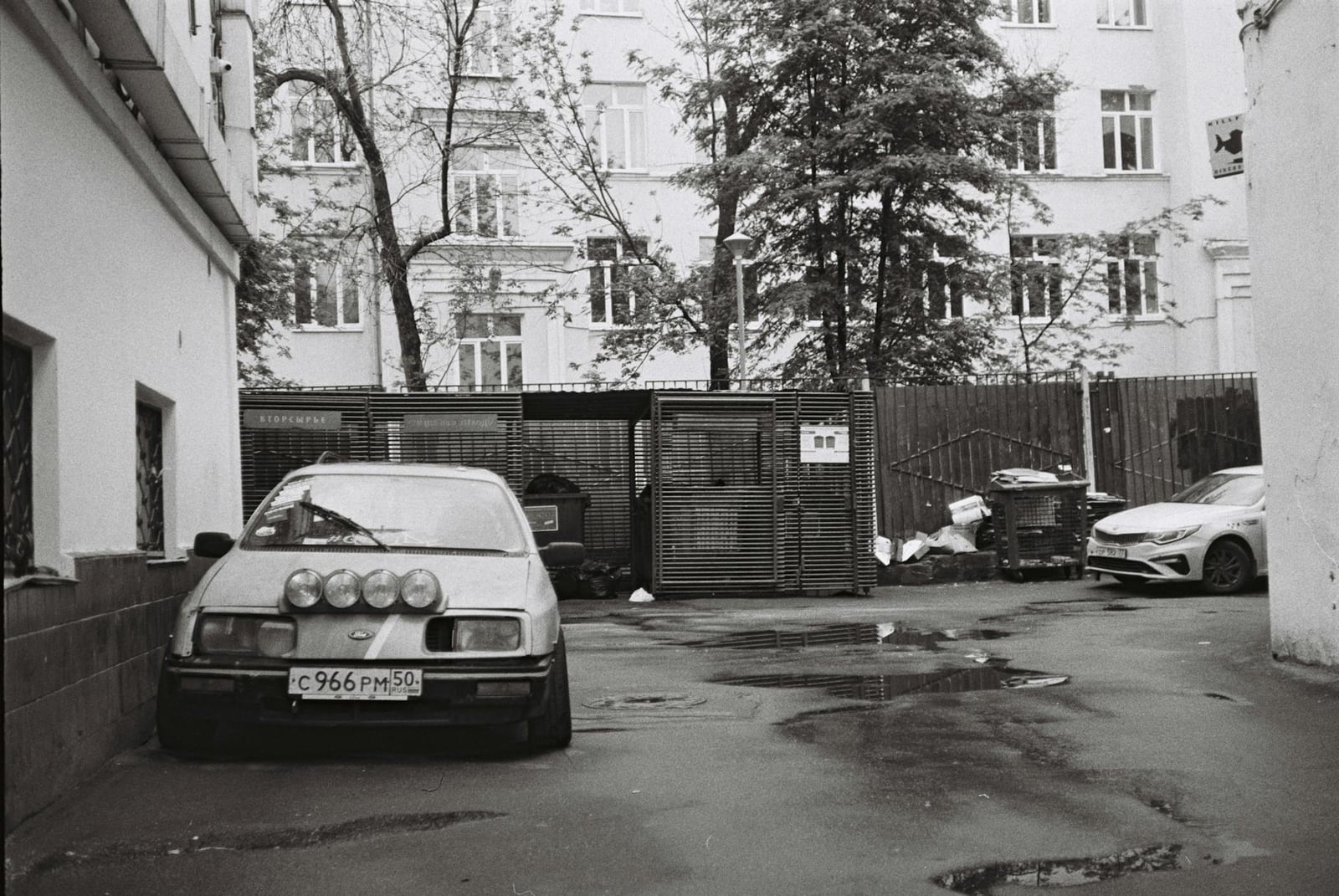
The Cosworth made the front pages for less happy reasons too. By the early 1990s it sat at the top of the theft league tables, a favourite of ram-raiders and joyriders, and insuring one became somewhere between painful and impossible. A great many cars were stolen, crashed or broken for parts in those years, which thinned the survivors dramatically and feeds directly into today’s prices, and today’s obsession with provenance.
Buying guide: what to look for
Buying a Cosworth is as much about history as condition. Because they were so heavily modified, raced and stolen, provenance is everything: look for a genuine car with matching numbers, a complete and credible history file, and evidence it has not been crashed, cloned or rebuilt from parts. Cloning and ringing are real risks at these values, so verify the identity carefully.
On the car itself, check for accident damage and poor repairs, corrosion in the usual Sierra areas (sills, arches, floors, suspension mounts), and the state of the turbocharged engine: signs of overheating, oil leaks, and whether it is standard or modified. A correct, original, well-documented car is worth far more than a faster modified one. Specialist knowledge pays for itself here more than on almost any other classic Ford.

Where the Cosworth sits in the market
These are among the most sought-after of all the fast Fords, and the homologation story, the Group A dominance and the genuine rarity of unmolested cars are what hold them there. The badge sets the level: a Sapphire is the way in, a three-door costs half again, and a genuine RS500 is a different market altogether. The full record, 303 recorded sales with the RS500 at more than three times a Sapphire, a sharp 2025 correction and the lowest clearance rate of any car on this site, is on the page covering what a Sierra Cosworth sells for. For the era, see British classic cars of the 1980s and 1990s.
More photos
The Sierra Cosworth in dates
- 1986The three-door RS Cosworth launches to homologate Ford into Group A: the turbocharged 2.0 Cosworth YB, rear-wheel drive and the bi-plane wing, at 204 bhp and 145 mph.
- 1987The RS500, 500 cars converted by Tickford with a larger turbocharger, extra injectors and a revised body, gives Group A racers the headroom to make colossal power.
- 1988The Sapphire RS Cosworth loses the big wing and gains four doors and everyday usability, with the same 204 bhp.
- 1990The Sapphire RS Cosworth 4x4 adds four-wheel drive for traction, the final and most complete development.
- Early 1990sThe car tops the theft league tables, thinning survivors dramatically and shaping today's obsession with provenance.
- 1992Production ends as the Sierra gives way to the Mondeo.
The Sierra Cosworth viewing checklist
History, which outranks condition
- A genuine car with matching numbers and a complete, credible history file
- Evidence it has not been crashed, cloned or rebuilt from parts
- Cloning and ringing are real risks at these values, so verify identity carefully
- Specialist knowledge pays for itself here more than on almost any other classic Ford
The car itself
- Accident damage and poor repairs, first
- Corrosion in the usual Sierra areas: sills, arches, floors and suspension mounts
- Signs of overheating and oil leaks on the turbocharged engine
- Whether the engine is standard or modified, because a standard one is a significant part of the value
Which version
- The Sapphire is the way in, at around 13,140 two-wheel-drive cars and 12,250 4x4s
- The three-door costs half again, at 5,545 built including the RS500s
- A genuine RS500 is a different market altogether, at 500 cars
- The 4x4 is the most usable to live with; the three-door carries the image
What the Sierra RS Cosworth sells for at auction
In 2025 the median Sierra RS Cosworth sold for £24,390 across 45 sales, 43% down on 2024. In real terms, typical Sierra RS Cosworth prices were down about 61% over the five years to 2025, once inflation is accounted for.
| Variant | Sold | Typical range | Median |
|---|---|---|---|
| Sierra RS Cosworth | 136 | £23,989 - £51,110 | £39,144 |
| Sierra Sapphire Cosworth | 98 | £19,062 - £28,750 | £24,000 |
| Sierra RS500 Cosworth | 53 | £75,380 - £112,500 | £87,750 |
| Sierra Cosworth | 16 | £21,232 - £37,058 | £31,050 |
Show the year-by-year mediansHide the year-by-year medians
| Year | Sold | Median | In 2025 money |
|---|---|---|---|
| 2026 (so far) | 27 | £27,500 | |
| 2025 | 45 | £24,390 | £24,390 |
| 2024 | 40 | £42,530 | £44,162 |
| 2023 | 45 | £43,000 | £46,143 |
| 2022 | 24 | £37,354 | £42,778 |
| 2021 | 34 | £40,712 | £50,343 |
| 2020 | 17 | £49,848 | £63,168 |
| 2019 | 15 | £27,440 | £35,127 |
| 2018 | 9 | £41,625 | £54,191 |
| 2017 | 8 | £34,594 | £46,081 |
| 2016 | 23 | £28,621 | £39,106 |
| 2015 | 7 | £25,875 | £35,708 |
| 2013 | 6 | £12,200 | £17,145 |
- £21,440Sierra Sapphire Cosworth
- £87,187Sierra RS500 Cosworth
- £85,500Sierra RS500 Cosworth
- £22,500Sierra Sapphire Cosworth
- £28,980Sierra RS Cosworth
Strong evidence. 303 recorded sales and a dozen or more a year: the median and the range are well founded. Based on 303 sold results from public classic car auctions (2011 to 10 August 2026). Sold prices, not asking prices, and not a valuation: condition, history and specification vary from car to car. Inflation-adjusted figures use the ONS CPIH index, in 2025 money.
Frequently asked questions
How many Ford Sierra Cosworths were made, and how many RS500s?
What is the difference between the Cosworth, the RS500 and the Sapphire?
Why was the Ford Sierra Cosworth so notorious for theft?
What is the most expensive Sierra RS Cosworth ever sold at auction?
How often does a Sierra RS Cosworth come up for sale?
Related across themes

More from Ford

Ford Fiesta Mk1: the little front-driver that changed Ford forever (1976–1983)

Ford Mondeo ST220: the last great fast Ford saloon, and the ST200 before it (1999–2007)

Ford Focus RS: Mk1, Mk2 and Mk3, the RS500, and the ST170 that came first (2002–2018)


