Ford Granada Mk1 and Consul: the big Ford that replaced the Zodiac (1972–1977)
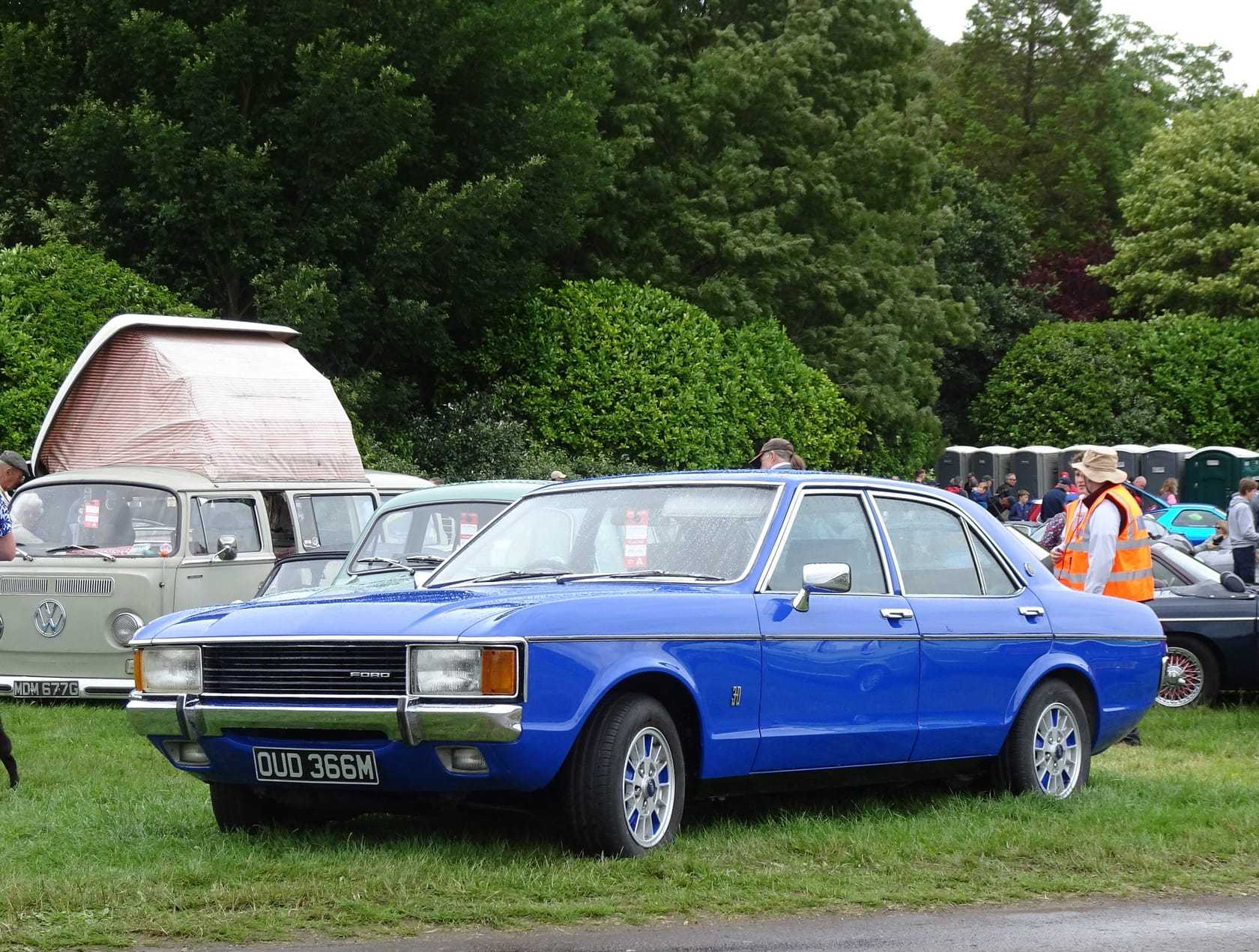
The Granada of 1972 replaced the Zephyr and Zodiac with independent rear suspension, Essex V4 and V6 engines and, at first, a Consul badge on the cheaper cars. The Consul GT, the GXL, the Ghia coupe and The Sweeney's NHK 295M, what Motor Sport made of it, and Mk1 prices at auction.
Built 1972–1977 18 recorded sales
At a glance
- Years
- 1972–1977
- Body styles
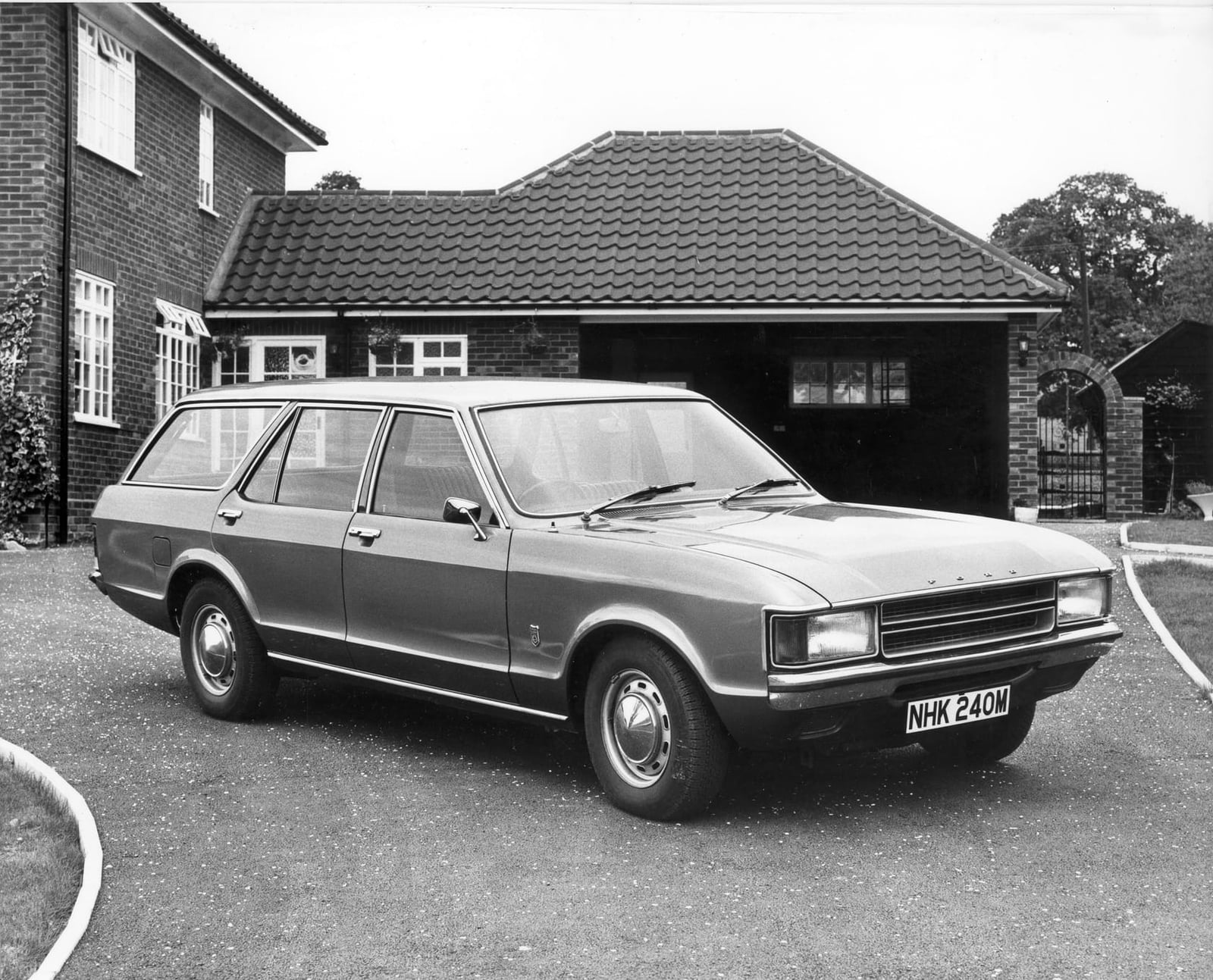
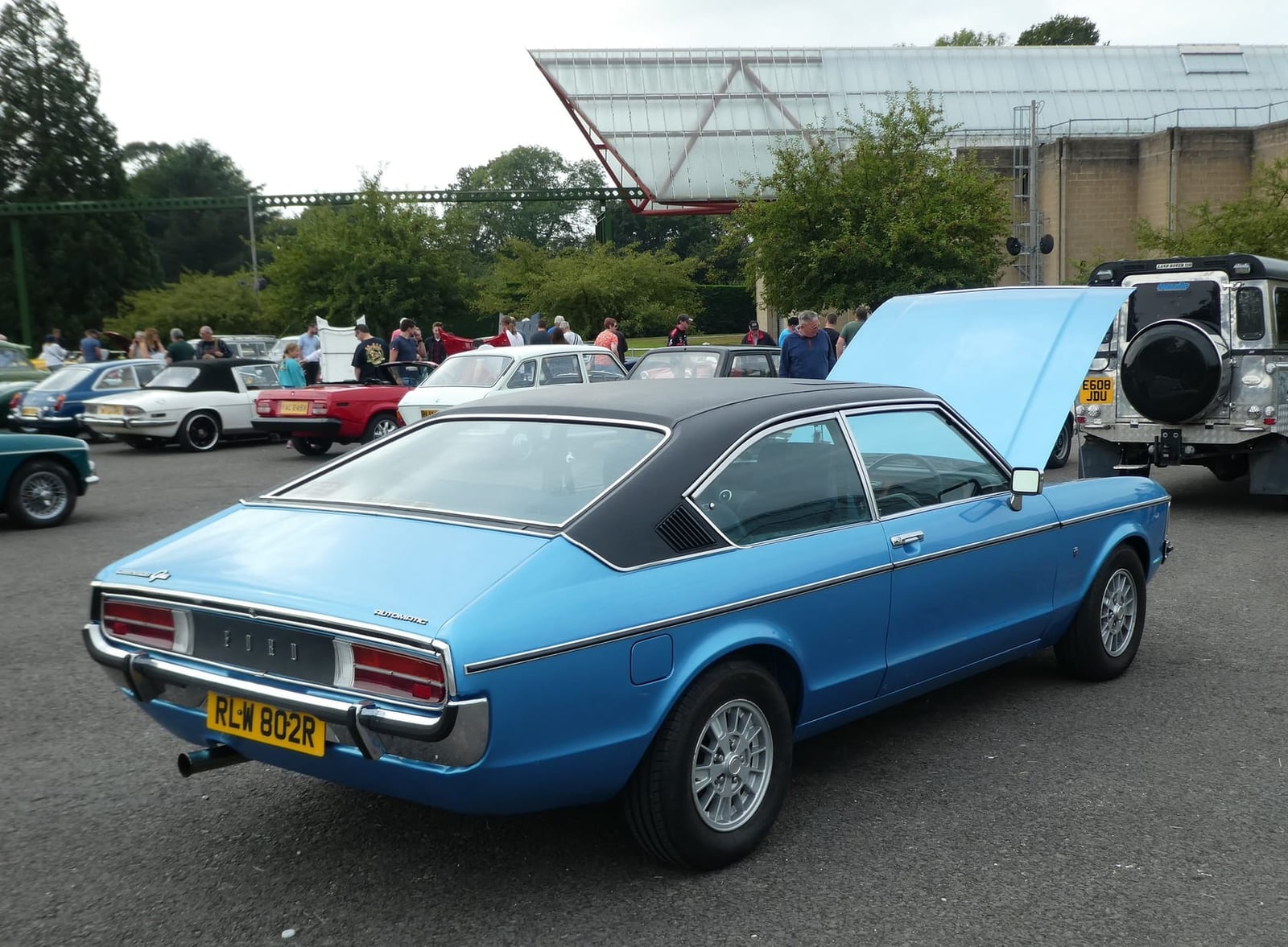
- Four-door saloon, five-door estate, two-door fastback coupe
- Drivetrain
- Rear-wheel drive
- Engines
- 2.0 Essex V4, later 2.0 Pinto; 2.5 and 3.0 Essex V6
- Power
- Up to 138 bhp in the 3.0 V6
- Trim levels
- Consul, Consul L, Consul GT, Granada, GXL, Ghia from 1974, 3000S from 1975
- Production
- About 850,000 Consuls and Granadas across all markets
- Assembly
- Dagenham until 1976, and Cologne
- UK survivors
- No Mk1-only count; the DVLA's Granada figures mix all three generations
- Values
- Around £9,200 median at auction on a small sample; the best V6s and coupes into five figures
The models
The Zephyr and Zodiac had been Ford of Britain’s big cars since the 1950s, and by 1972 their Mk IV was not selling. Its replacement was a joint project between Ford’s British and German companies, started as a design study at Dunton and Cologne more than four years before launch. The car that came out of it, unveiled at the Geneva show in March 1972 and on sale in Britain from 6 April, was the Granada, and for its first few years the cheaper versions were not called Granadas at all.
Replacing the Zephyr and Zodiac
The new car was smaller than the Ford Zodiac it replaced: about five inches shorter, an inch narrower and two and a half inches lower, on a 109-inch wheelbase. It was a much better car to ride in, with coil springs and semi-trailing arms at the back and an all-independent layout.
British cars were built at Dagenham and German ones at Cologne, with different engines for each market. Ford claimed the body panels could withstand 240 hours of salt spray testing, a claim that the surviving cars’ condition does not always support.

Consul and Granada: one car, two names
At launch the cheaper models wore a Consul badge and the better ones a Granada badge, partly because the Granada Group, the television and leisure company, objected to Ford using the name. Its attempt to stop Ford failed in the courts, and from 1975 every car was a Granada.
The four launch models were the Consul, the Consul GT, the Granada and the Granada GXL. The naming was confusing even then, because the Consul GT, with the 3.0 V6, was the fastest car in the range: Ford claimed 113 mph and 0 to 60 mph in nine seconds. In July 1973 a Consul 3000 GT cost £1,780 and a Granada GXL £2,230.

Essex power
British Granadas used Ford’s British engines. The Consul started with a 2.0 Essex V4, with a 2.5 Essex V6 above it, and the 3.0 Essex V6 made 138 brake horsepower on a single Weber carburettor. The overhead-cam Pinto 2.0 replaced the V4 in the mid-1970s. German cars had their own Cologne V6s, and the fuel-injected 2.8 that arrived in Germany in 1976 was never sold in Britain.
A four-speed manual gearbox was standard and a three-speed Ford C4 automatic was optional. Motor Sport’s test of a GXL automatic in 1972 recorded about 107 mph, 0 to 60 mph in around 12 seconds and 20 miles per gallon, and praised the ride, handling, quietness and steering while finding the cabin cluttered and the kick-down slow. Its verdict was that the GXL was a highly commendable car and remarkable value.

Under the skin
The independent rear end was matched by power-assisted rack-and-pinion steering on the better-equipped cars. Brakes were discs at the front and drums at the back, a step down from the rear discs of the old Zodiac, with ventilated front discs on the three-litre cars. The 3.0 models ran on radial tyres as standard, while the cheaper cars made do with cross-plies.

Saloon, estate, coupe and Ghia
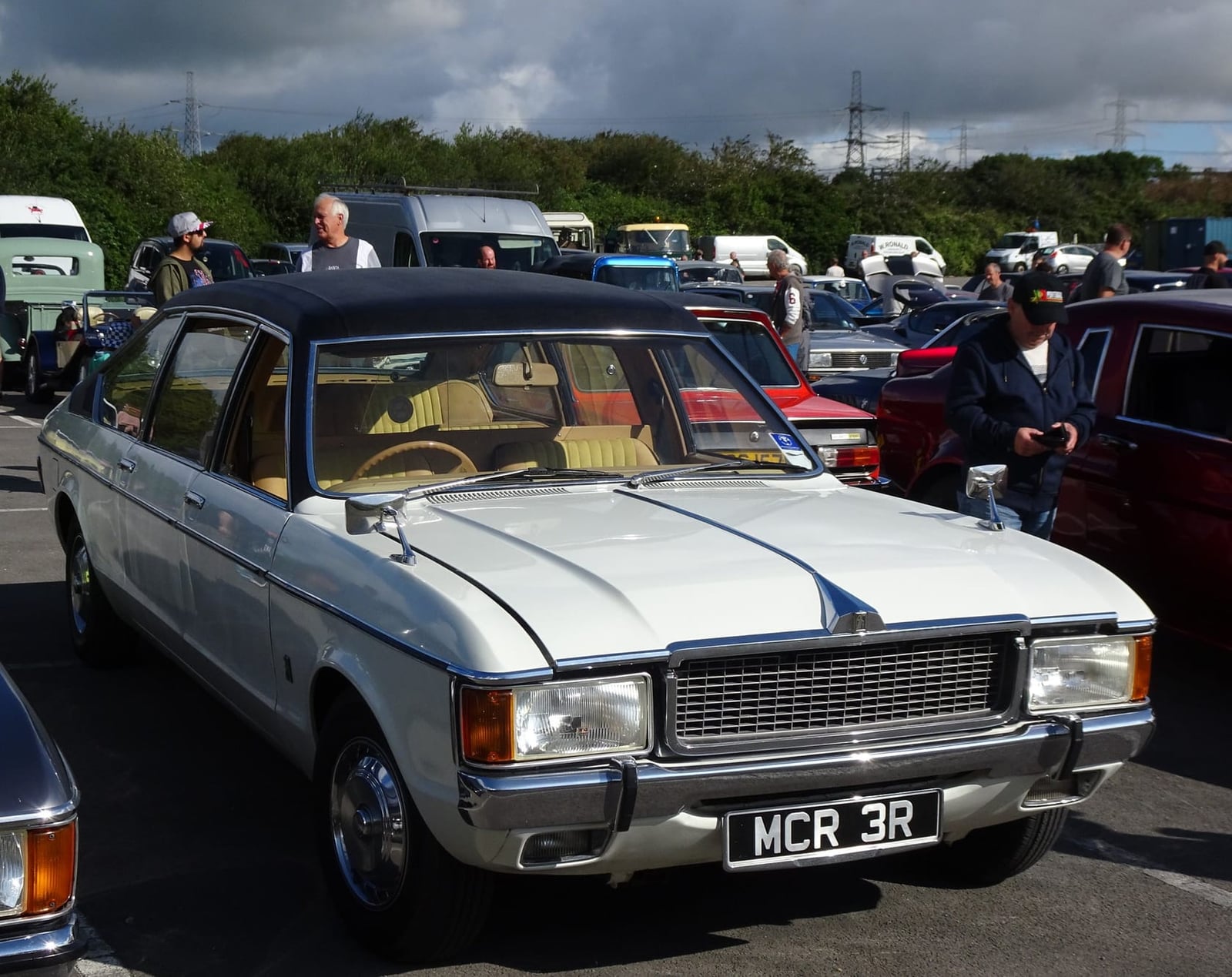
The four-door saloon came first, with the estate about seven months behind it. Ford also built a two-door fastback coupe; in Britain it was sold only as the 3.0 Ghia, while a two-door saloon offered from 1973 was never sold here. Coachbuilders Coleman Milne and Woodall Nicholson stretched Granadas into limousines and hearses.
Ghia trim arrived in March 1974 at £2,891, about £332 more than a GXL, with an automatic gearbox as standard, Beaumont cloth, wood capping and a digital clock. The Ghia coupe followed in July at £3,574. In October 1975 the Granada 3000S replaced the Consul GT, with power steering and sports styling. In the 1970s executive class this was the Ford that took on Rover and the imports, and the names that matter to buyers now are Consul GT, 3000S, GXL and the Ghia coupe.

Flying Squad
Most people know the Mk1 from television. In the opening titles of The Sweeney, Regan’s Flying Squad car was a bronze 1974 Ford Consul 3000 GT registered NHK 295M, and the programme is the reason so many people remember it as a Granada. Later episodes did use Granadas. Away from the screen, the Mk1 worked as a police car, a taxi and a fleet car.

Buying a Granada Mk1 today
Rust is the main concern, and a genuinely rust-free Mk1 is very hard to find. Budget for a proper inspection on a ramp, and judge the car on its structure before its trim or its engine. The 3.0 Essex V6 is the engine enthusiasts want, and the early V4 cars are the least desirable. Ghia and GXL trim is the hard part to replace.
There is no reliable count of Mk1s alone. The DVLA’s Granada figures cover every generation, and most of the cars in them are later. The Granada Mk I and Mk II Drivers Guild and the Granada Mk I Owners Club are where the knowledge sits, including on the Consul GTs and coupes that are the most sought after.

Values: small numbers, wide spread
Only eighteen recorded auction sales since 2019 cover the Mk1, not counting the unrelated American Granada, so this is a small sample and the figures are a rough guide only. The median is near £9,200, with the middle half of the market between about £6,300 and £15,900 and about seven cars in ten offered actually selling. The best result is £33,000 at Mathewsons in December 2025.
The Granada Mk2 that replaced it in August 1977 kept the floorpan and changed almost everything you could see.
More photos
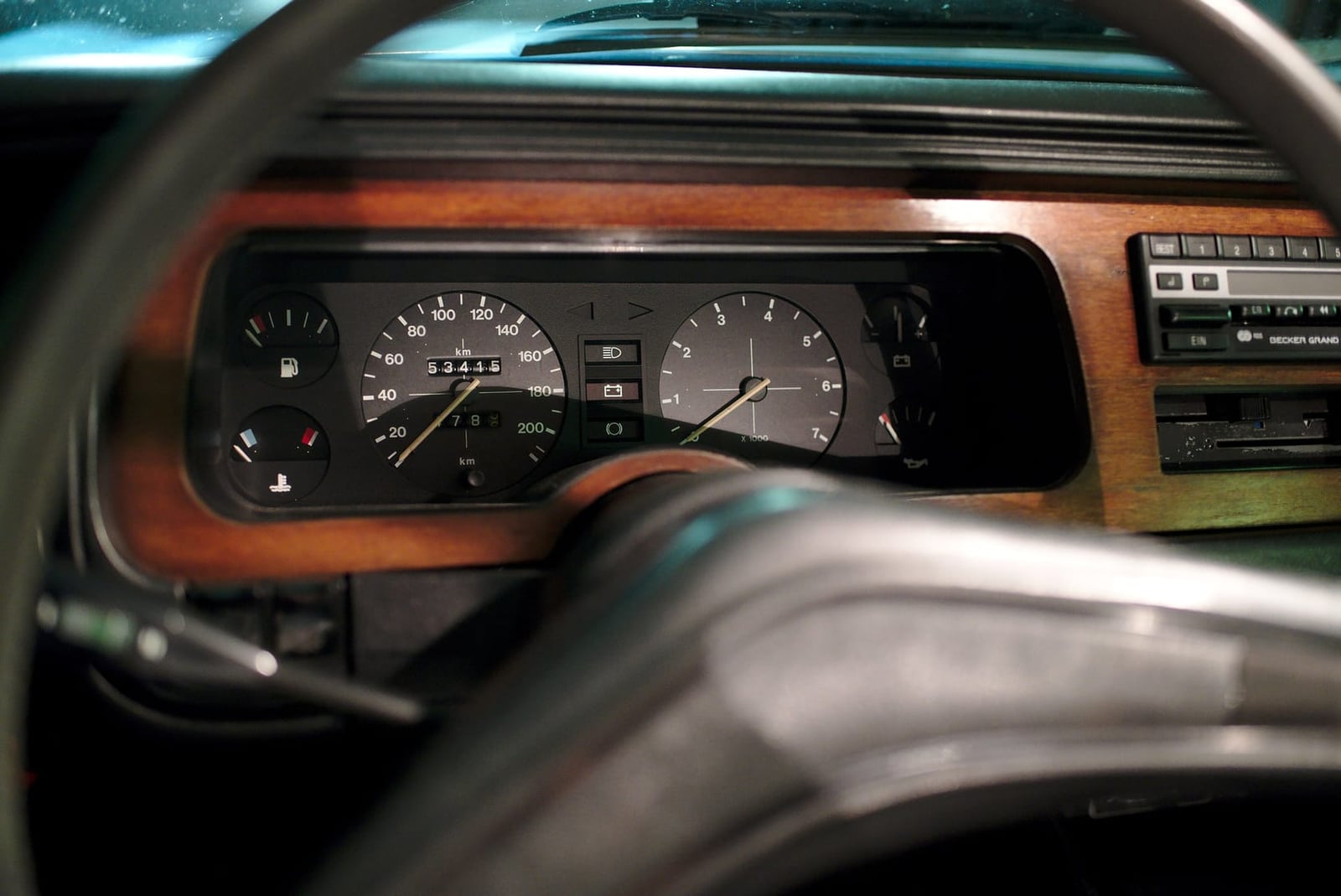
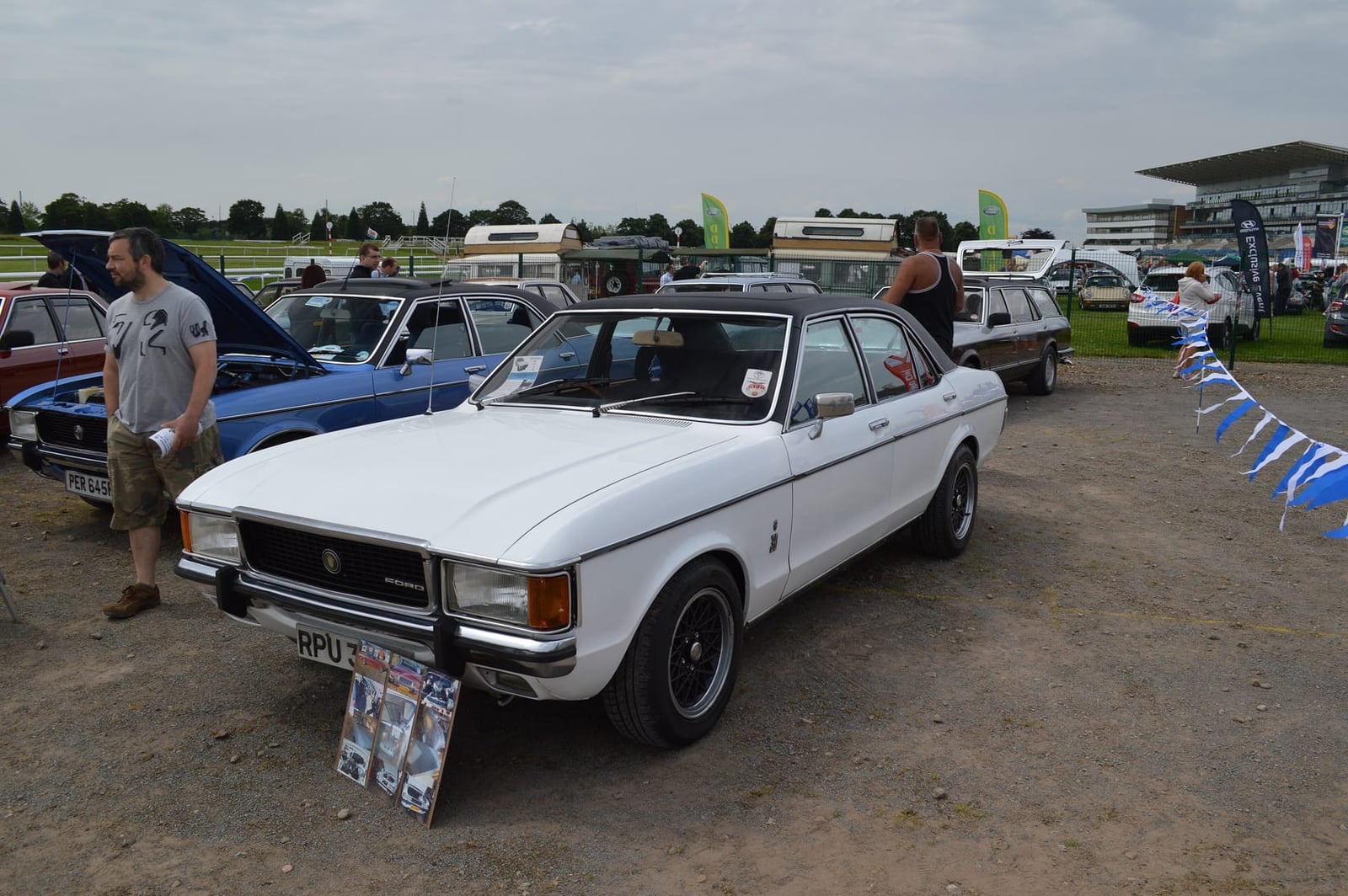
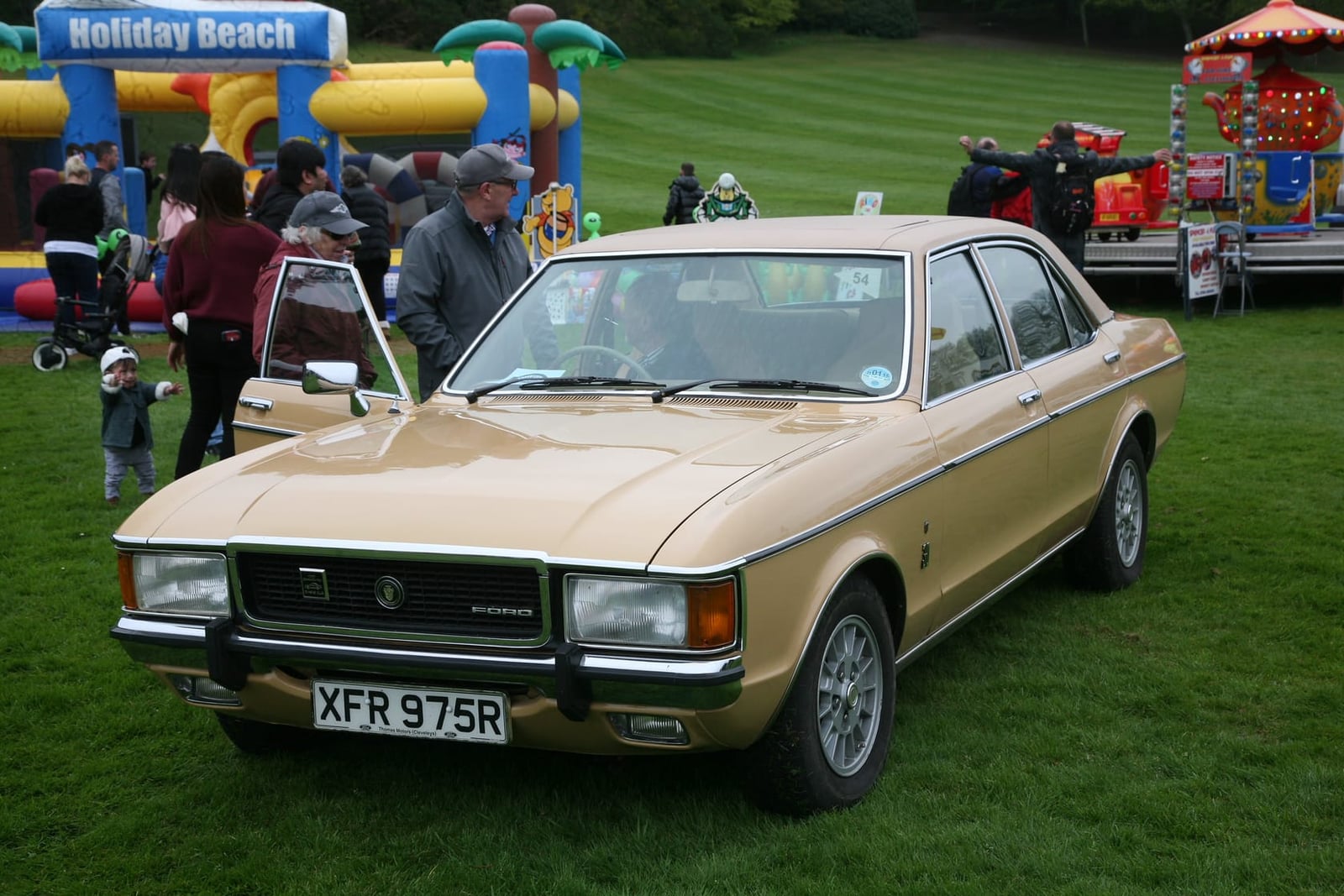
Granada Mk1: what changed and when
- Mar 1972The Granada is unveiled at the Geneva Motor Show; British sales start on 6 April, with Consul, Consul GT, Granada and GXL models.
- Late 1972The estate arrives, about seven months after the saloon.
- Mar 1974Ghia trim arrives, followed by the Ghia coupe in July.
- 1974 to 1975The Pinto 2.0 replaces the V4, and the Consul name is dropped so every car is a Granada.
- Oct 1975The Granada 3000S replaces the Consul GT.
- 1976Dagenham stops building the Granada; British cars come from Cologne from then on.
- Aug 1977The restyled Mk2 replaces it.
The Granada Mk1 viewing checklist
Bodywork
- Rust is the main concern, and a genuinely rust-free Mk1 is very hard to find
- Have the underside inspected on a ramp before money changes hands
Engines and gearbox
- The 3.0 Essex V6 is the engine enthusiasts want
- The early 2.0 V4 cars are the least desirable
- Automatics use a three-speed Ford C4; check the kick-down and the fluid
Identity
- Consul GT, 3000S, GXL, Ghia and coupe identities are worth checking against the owners' clubs
- Ghia and GXL trim is the hard part to replace
What the Granada Mk1 sells for at auction
The Granada Mk1 comes to auction only occasionally: 18 recorded sales since 2019, typically making between £6,302 and £15,926 . With so few sales, treat any single result as a data point rather than a market price.
- £13,000Granada
- £6,200Granada
- £4,100Granada
- £22,725Granada
- £9,180Granada
Thin evidence. Only 18 recorded sales: read the figures as a sketch of the market, not a price. Based on 18 sold results from public classic car auctions (2019 to 10 August 2026). Sold prices, not asking prices, and not a valuation: condition, history and specification vary from car to car.