Austin Maxi: the five-door pioneer Britain forgot to thank (1969–1981)
The Austin Maxi gave Britain its first five-door hatchback and five-speed gearbox in one 1969 package, then spent twelve years being mocked for the details while rivals copied the idea. A guide to the Maxi story, the E-series engines and that gearchange, the World Cup Rally cars, buying checks and values.
Built 1969–1981 16 recorded sales

At a glance
- Years
- 1969–1981
- Body styles
- Five-door hatchback
- Drivetrain
- Front engine, front-wheel drive, transverse; Hydrolastic, later Hydragas suspension
- Engines
- 1485cc and 1748cc E-series overhead-cam
- Power
- Around 74-95 bhp (1750 HL twin-carb the liveliest)
- Top speed
- Around 86-97 mph
- Trim levels
- 1500, 1750, HL, HLS; Maxi 2 from 1980
- Production
- Around 472,000
- Assembly
- Cowley, Oxfordshire (bodies from Swindon)
- Designer
- Alec Issigonis; production development under British Leyland
- Values
- Usable from around £1,500; good cars £3,000-£5,500; the best and rally-connected beyond
- The firsts
- Britain's first five-door hatchback, with a five-speed gearbox as standard
- The seats
- Fold them flat and the Maxi became a double bed, a period sales point
The models
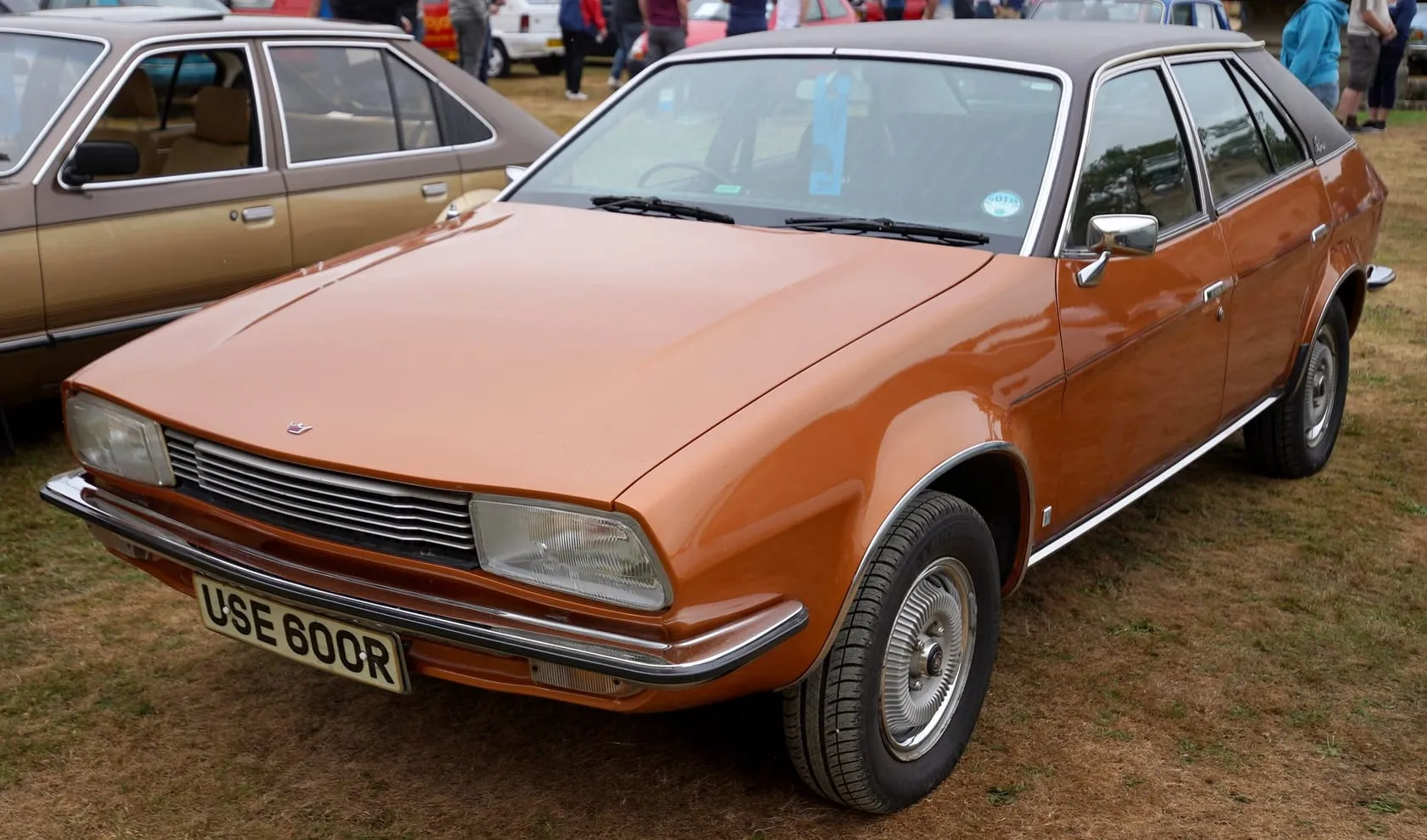
Every hatchback on a British driveway owes something to a car its own country laughed at. The Austin Maxi of 1969 offered five doors, five gears and seats that folded into a bed when no mass-market rival managed any of it, then spent twelve years being judged on a woeful launch gearchange while the industry quietly copied the layout. As the final design shaped by Alec Issigonis thinking, and Austin pragmatism at its oddest and most prophetic, the Maxi has aged into one of the great value classics.
The idea: one box, every job
British Leyland inherited the Maxi mid-gestation and launched it as the group’s first all-new car: a transverse overhead-cam E-series engine, a five-speed gearbox in the sump, front-wheel drive, Hydrolastic suspension, and a five-door body whose folding seats made a load bay, a cargo van or, as the adverts delighted in showing, a double bed. The package out-thought everything in its class; the execution let it down in famous ways, from the recycled 1800 doors that dictated awkward proportions to a cable gearchange that reviewers filleted. The idea, though, was simply the future arriving early.

The launch that went wrong
The 1969 press cars did lasting damage: the 1485cc engine felt overworked, the cable-operated shift was vague beyond parody, and the interior was austere even by the day’s standards. British Leyland responded quickly for once, and by late 1970 the Maxi had a rod gearchange, the larger 1748cc engine and better trim, with the twin-carb 95 bhp 1750 HL later adding genuine briskness and the plush HLS topping the range. The 1980 Maxi 2 facelift tidied bumpers, badges and interiors for the final year, a last polish on a design already eleven years old and still, in layout terms, more modern than most of its showroom rivals. The improved car was what the Maxi should always have been, but first impressions had set, and around 472,000 sales over twelve years counted as solid rather than the leadership the layout deserved.

Mexico or bust: the World Cup Rally Maxis
The Maxi’s unlikely heroic chapter came in 1970, when the 16,000-mile London to Mexico World Cup Rally, the toughest event of its age, drew Maxi entries alongside the works machinery. The all-female crew of Rosemary Smith, Alice Watson and Ginette Derolland brought their Maxi through South American passes that broke supposedly stronger cars, one of the great underdog finishes of marathon rallying, and a World Cup Maxi survives in museum care as the model’s most famous single car. The practicality machine proved unexpectedly hard to kill, which owners of surviving examples cheerfully confirm.

What a Maxi is like to drive
A good post-1970 Maxi is a gentle revelation: the E-series hums, fifth gear gives the relaxed 70 mph stride that rivals would not offer for a decade, the interconnected suspension (Hydrolastic at first, Hydragas from 1978) breathes over bad roads with unlikely composure, and the driving position is high and airy with visibility modern cars have abandoned. The shift still asks patience, the unassisted steering is honest effort, and nothing about the experience is sporting; the Maxi is about carrying people, furniture and holidays with unstressed intelligence, the family template of the 1970s delivered before the decade started.

Buying a Maxi today
Scarcity is the hunt: from nearly half a million built, survivors number in the hundreds, so the first job is finding a car at all, and the second is resisting a bad one out of impatience. Later 1750s are the ones to hold out for. Rot attacks sills, floors, subframes and the tailgate aperture; E-series engines are long-lived though some parts need club-network patience; Hydrolastic and Hydragas systems want specialists but rarely terminal money. Trim is the true rarity, so complete cars beat cheap projects. The Maxi shares its club world with the wider Landcrab family, and the Austin 1800 crowd’s knowledge overlaps usefully with the Maxi’s own register.

Values: the cheapest pioneer in the hobby
Sixteen measured sales around a £2,900 median tell the happy truth: the car that pioneered the five-door hatchback for Britain costs less than almost anything else with a credible claim on motoring history. Usable Maxis from £1,500, good ones £3,000 to £5,500, the best HLS and Maxi 2 cars beyond, and World Cup Rally association worth whatever the room decides. For the enthusiast who wants a genuine first, a conversation starter and a usable everyday classic on the smallest sensible budget, the Maxi is quietly one of the shrewdest buys in the hobby, and its rarity means every survivor now draws the show crowd its makers never quite earned in period.

More photos


The Maxi in dates
- 1969Launched as British Leyland's first all-new car: five doors, five gears in the sump, an overhead-cam E-series and seats that fold into a bed. The press cars do lasting damage.
- Late 1970British Leyland responds quickly for once: a rod gearchange, the larger 1,748cc engine and better trim.
- 1970Rosemary Smith, Alice Watson and Ginette Derolland bring a Maxi through the 16,000-mile London to Mexico World Cup Rally, one of marathon rallying's great underdog finishes.
- 1972 onwardsThe twin-carburettor 95 bhp 1750 HL adds genuine briskness, with the plush HLS above it.
- 1978Hydragas replaces Hydrolastic.
- 1980The Maxi 2 facelift tidies bumpers, badges and interiors for the final year.
- 1981Production ends at around 472,000 cars over twelve years.
Before you buy a Maxi
Finding one at all
- Survivors number in the hundreds, so the first job is finding a car and the second is resisting a bad one out of impatience
- Later 1750s are the ones to hold out for; the 1969 launch cars are the ones to be careful about
- Complete cars beat cheap projects, because trim is what stops a restoration
- The club world overlaps with the wider Landcrab family, and the Austin 1800 crowd's knowledge transfers
Structure
- Sills, floors and subframes
- The tailgate aperture, which is where a five-door pays for its cleverness
- Recycled 1800 doors dictated the proportions, and they rot at the bottoms like 1800 doors
- Check the folding rear seat mechanism actually works; it was the car's whole sales pitch
Mechanical
- E-series engines are long-lived, though some parts need club-network patience
- Hydrolastic and Hydragas systems want specialists but rarely cost terminal money
- The gearchange should be positive on a rod-change car; vagueness means linkage wear, not character
- Unassisted steering is honest effort by design, so heaviness is not itself a fault
What the Austin Maxi sells for at auction
The Austin Maxi comes to auction only occasionally: 16 recorded sales since 2005, typically making between £1,172 and £3,918 . With so few sales, treat any single result as a data point rather than a market price.
- £2,800Maxi
- £1,660Maxi
- £1,160Maxi
- £2,990Maxi
- £2,900Maxi
Thin evidence. Only 16 recorded sales: read the figures as a sketch of the market, not a price. Based on 16 sold results from public classic car auctions (2005 to 10 August 2026). Sold prices, not asking prices, and not a valuation: condition, history and specification vary from car to car.