Vauxhall Cavalier: three generations of fleet king (1975–1995)
The Cavalier carried Vauxhall from crisis to fleet dominance across three generations, out-selling the Sierra in its pomp and winning the BTCC in its farewell year. A guide to Mk1, Mk2 and Mk3, the SRi and convertible rarities, buying checks and values.
Built 1975–1995 86 recorded sales
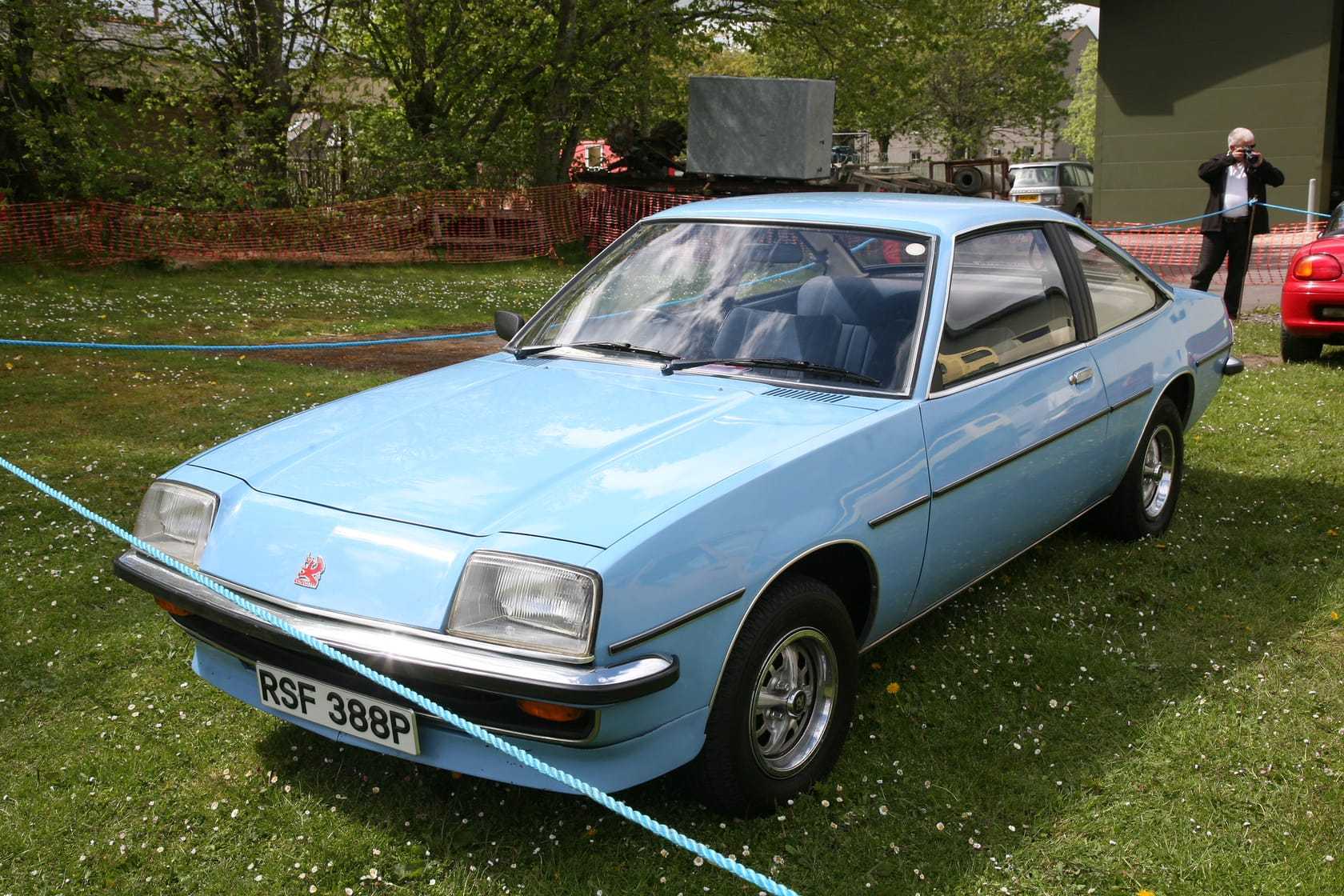
At a glance
- Years
- 1975–1995
- Body styles
- Saloons, coupes and Sportshatch (Mk1); hatch, saloon, estate and convertible (Mk2); saloon and hatch (Mk3)
- Drivetrain
- Rear-wheel drive (Mk1); front-wheel drive (Mk2/Mk3); 4x4 on some Mk3s
- Engines
- 1256cc to 1998cc fours; 2.5 V6 late Mk3; diesels from Mk2
- Power
- 58-204 bhp by generation and variant
- Top speed
- Around 90-149 mph
- Trim levels
- L, GL, GLS, CD, SR/SRi, CDX, GSi 2000 16v, 4x4 Turbo
- Production
- About 1.8 million across the three generations
- Assembly
- Antwerp, then Luton
- Designer
- GM Europe studios (Wayne Cherry led the Mk1 nose)
- Values
- Projects from around £1,000; good cars £3,000-£8,000; SRi/GSi, convertibles and the best Mk1 coupes beyond £12,000
- The turnaround
- The Mk2 overturned the Sierra and Montego in the fleet-market wars of the eighties
- The farewell
- John Cleland's Cavalier won the 1995 British Touring Car Championship in the model's final year
The models
For twenty years the outside lane of every British motorway belonged to this badge. The Vauxhall Cavalier carried Vauxhall from its mid-seventies crisis to fleet-market dominance across three generations and roughly 1.8 million cars, out-fought the Sierra in the company-car wars, and left the stage in 1995 with a British Touring Car Championship in its hands. Fleet ubiquity worked almost every one of them to death, 1.8 million cars reduced to a few thousand survivors, and those survivors are now enjoying exactly the revaluation that such a fate always, eventually, ends in.
Mk1: the rescue job
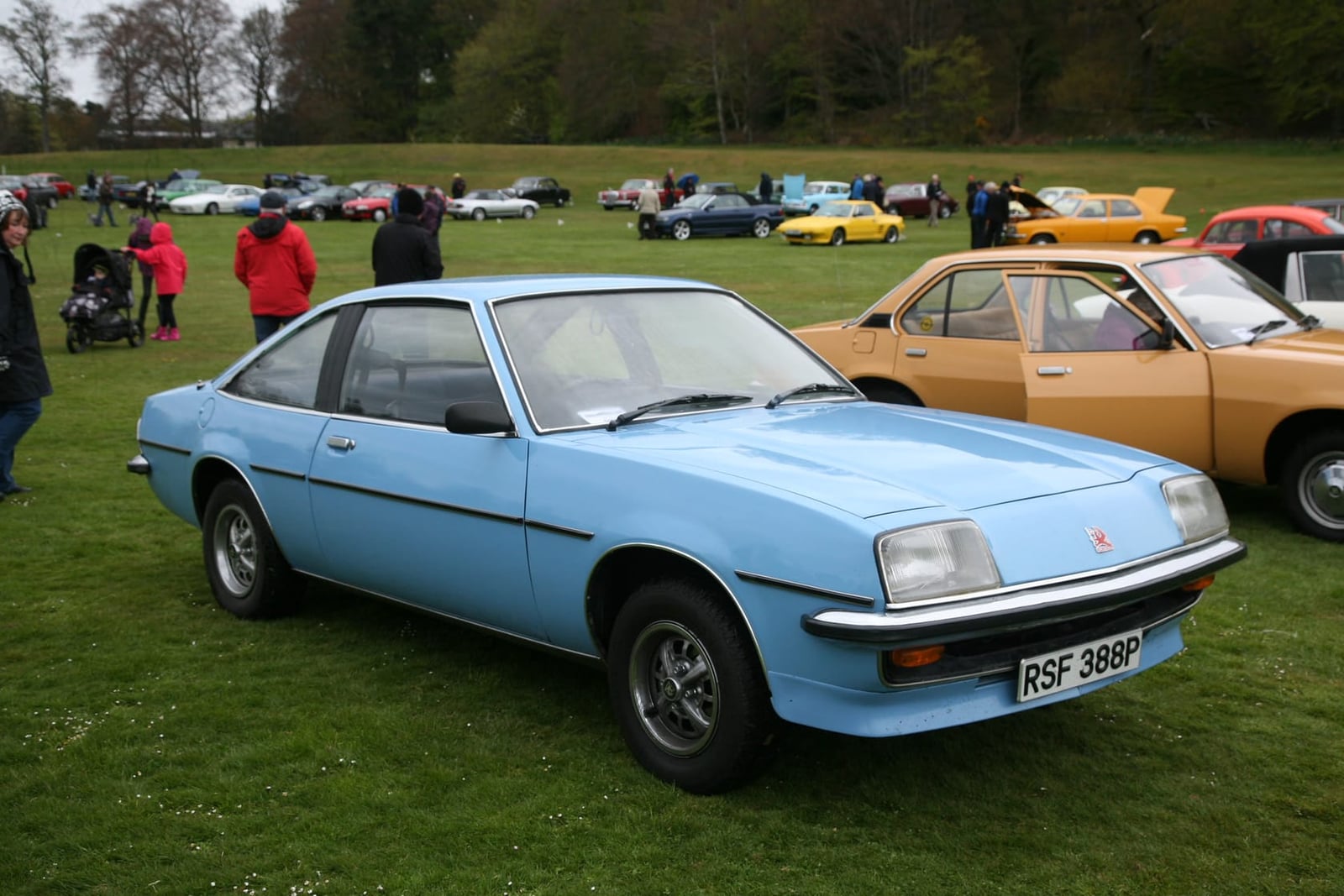
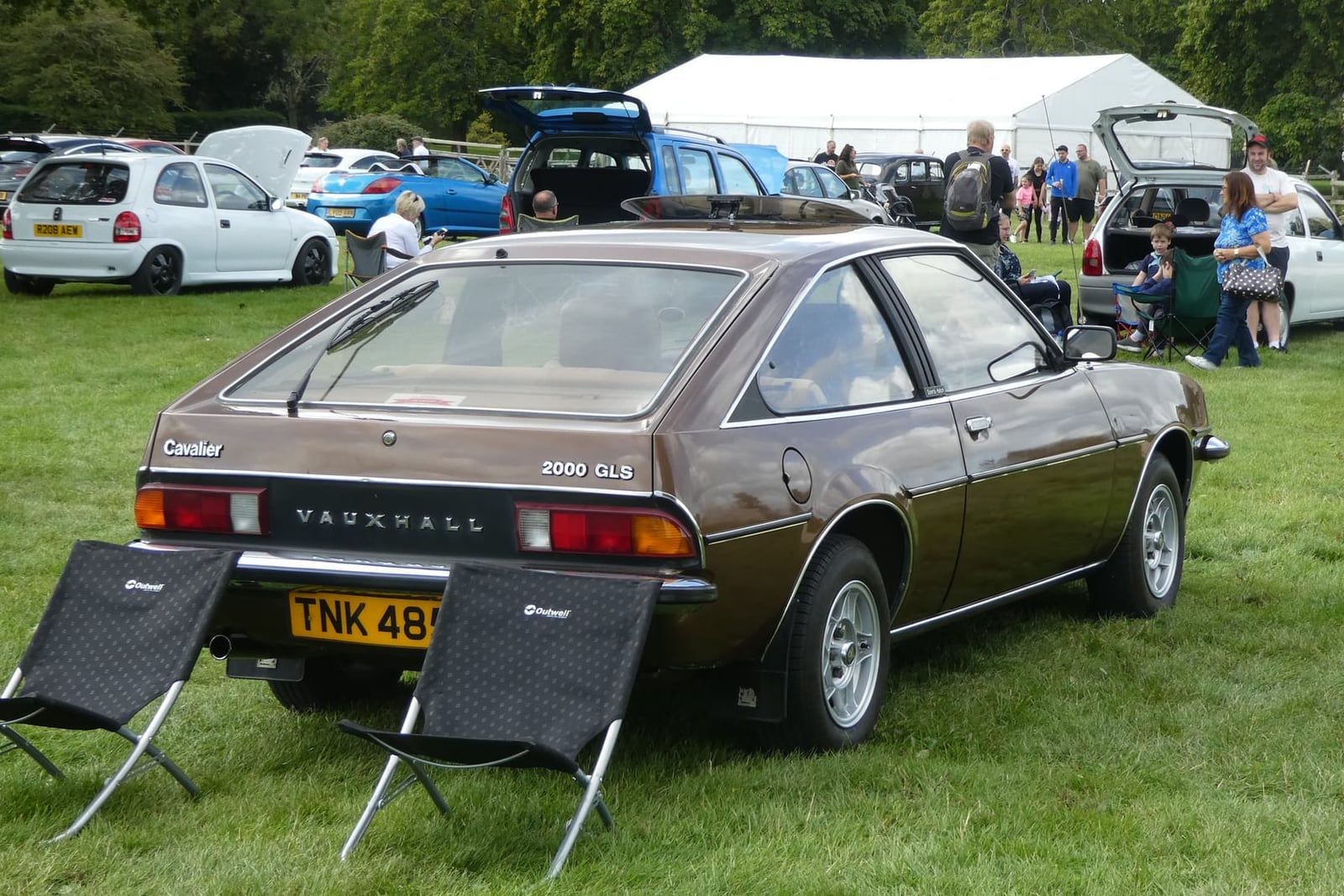
The 1975 original was Vauxhall’s lifeline: based on Opel’s Ascona B with a sharp droop-snoot nose from Wayne Cherry’s studio, the Mk1 gave the company a credible Cortina rival it desperately lacked, in saloon, handsome Manta-related coupe and glass-tailed Sportshatch forms, priced and equipped to win back fleet buyers the seventies had scattered. Built first in Antwerp and from 1977 at Luton, it steadied the ship the Victor era had left listing, selling near 250,000 and setting up everything that followed. The coupes and Sportshatches are the generation’s collector metal today, trading like the Manta relatives they are.

Mk2: the fleet king
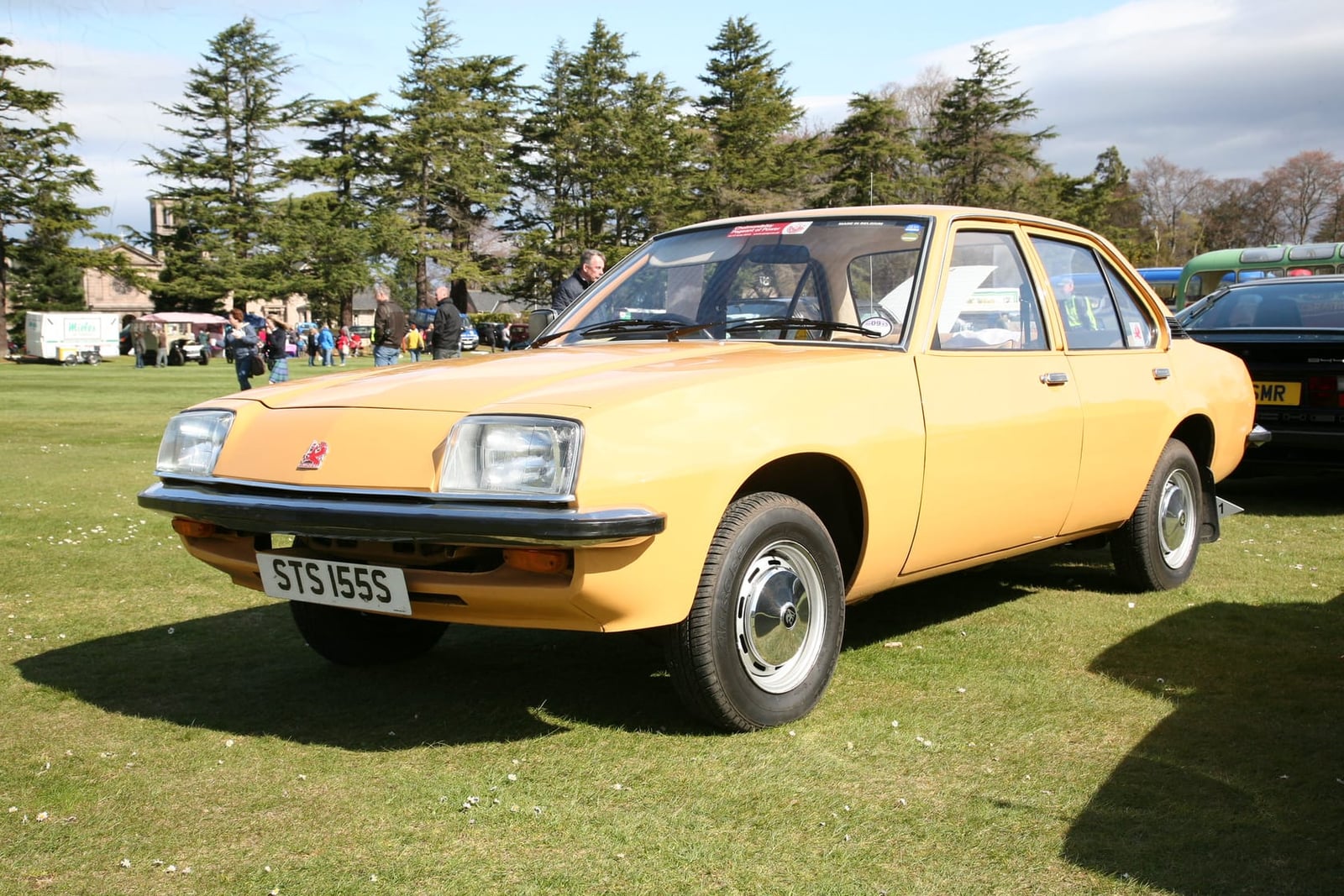
The 1981 Mk2 won the war: front-wheel drive, sharp fleet pricing, famously durable engineering and every body from saloon to estate to a dealer-converted convertible, it overturned the Sierra and Montego to rule the company-car parks of Thatcher’s Britain, selling over 800,000 and regularly finishing second only to the Escort in the national sales charts, an extraordinary run for a car the badge’s rivals had written off in advance. The SRi gave the rep an outside lane image, the CD gave managers velour, and the whole range gave Vauxhall a decade of fleet dominance its rivals studied. Mk2s died hardest of all the generations, worked to scrap almost without exception, and clean ones are now the rarest mainstream sight.

Mk3: refinement and the BTCC farewell
The 1988 Mk3 finished the story in style: slippery styling with a drag figure the adverts boasted about, big refinement gains, a 150 bhp GSi 2000 16v, four-wheel drive with a turbocharged flagship and eventually a 2.5 V6, keeping the badge competitive in a class the Mondeo was about to redefine, until the Vectra succeeded it in 1995 to reviews that made the old car look better still. Motorsport supplied the ending: John Cleland’s Vauxhall Sport Cavalier took the 1995 British Touring Car Championship in the model’s final season, a farewell title in the Super Touring era’s golden years that still anchors the Mk3’s enthusiast following, with the Sierra’s fans conceding the last word.

The rarities: convertible, estate and 4x4
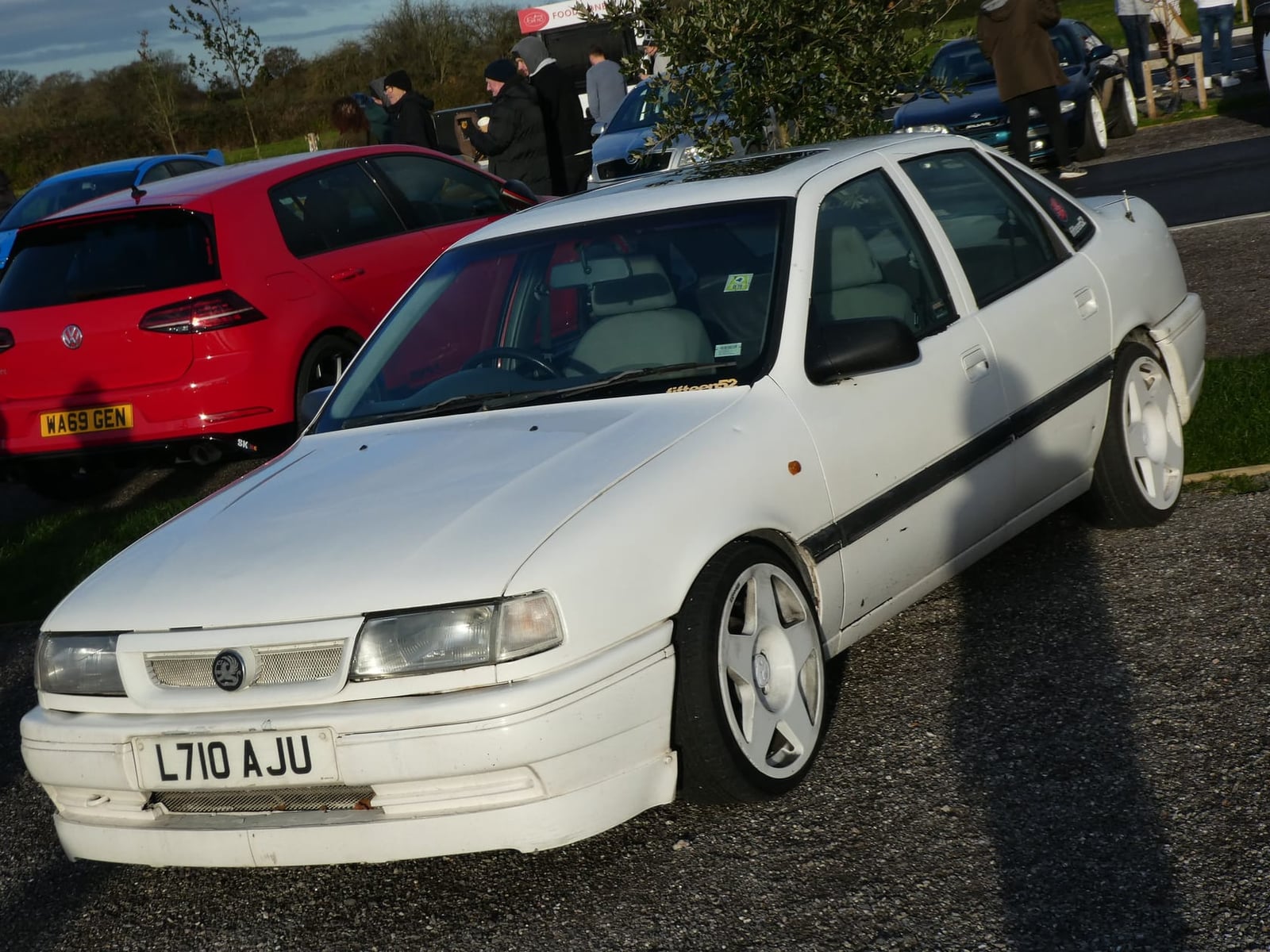
Beyond the fleet staples the range hid genuine curiosities that now lead the collector hunt: the Mk2 convertible, converted in small numbers and rarely seen even in period, the Mk2 estate that bodybuilders assembled from van-derived panels and buyers largely ignored, the Mk1 Sportshatch with its glass tail, and the Mk3’s engineering flourishes, the 4x4 with its turbocharged flagship and the GSi 2000 16v that gave the badge real pace. Each survives in numbers small enough to make national gatherings an event, and each trades above the mainstream cars whenever one surfaces. The pattern rewards patience: rare-variant Cavaliers appear at auction a handful of times a year, and the knowledgeable buy them the moment they do, because the next chance is seasons away.
What a Cavalier is like to drive
Each generation drives like its decade’s best fleet thinking: the Mk1 with light rear-drive balance and Opel precision that makes it the enthusiast sleeper of the three, the Mk2 with eager front-drive simplicity that explains every mile of its sales figures and an SRi that still hustles a B-road honestly, the Mk3 with a refinement that feels modern at motorway pace and quick versions, the 16v and the turbocharged 4x4, that are genuinely brisk by any era’s standards. None were exotic; all of them were competent in the deeply satisfying, unpretentious way that made the badge invisible in 1990 and quietly charming now. A good SRi with its red instruments glowing remains one of the most complete eighties time machines money can buy.

Buying a Cavalier today
Finding one is the challenge, rust the ritual: sills, arches, valances, screen surrounds and Mk1 front wings want inspection, and originality carries the market, because survivors that escaped both the fleets and the modifiers are genuinely scarce. Mechanical parts flow through GM networks and the owners club readily enough; trim, mouldings and generation-specific brightwork are the long hunts, and solid donor shells barely exist any more. Collector money leads to Mk1 coupes, convertibles, SRi/GSi cars and honest base survivors alike. At 86 measured sales and a £2,200 median, projects start near £1,000 and the best cars pass £12,000, with the fleet king’s scarcity premium still compounding.
More photos
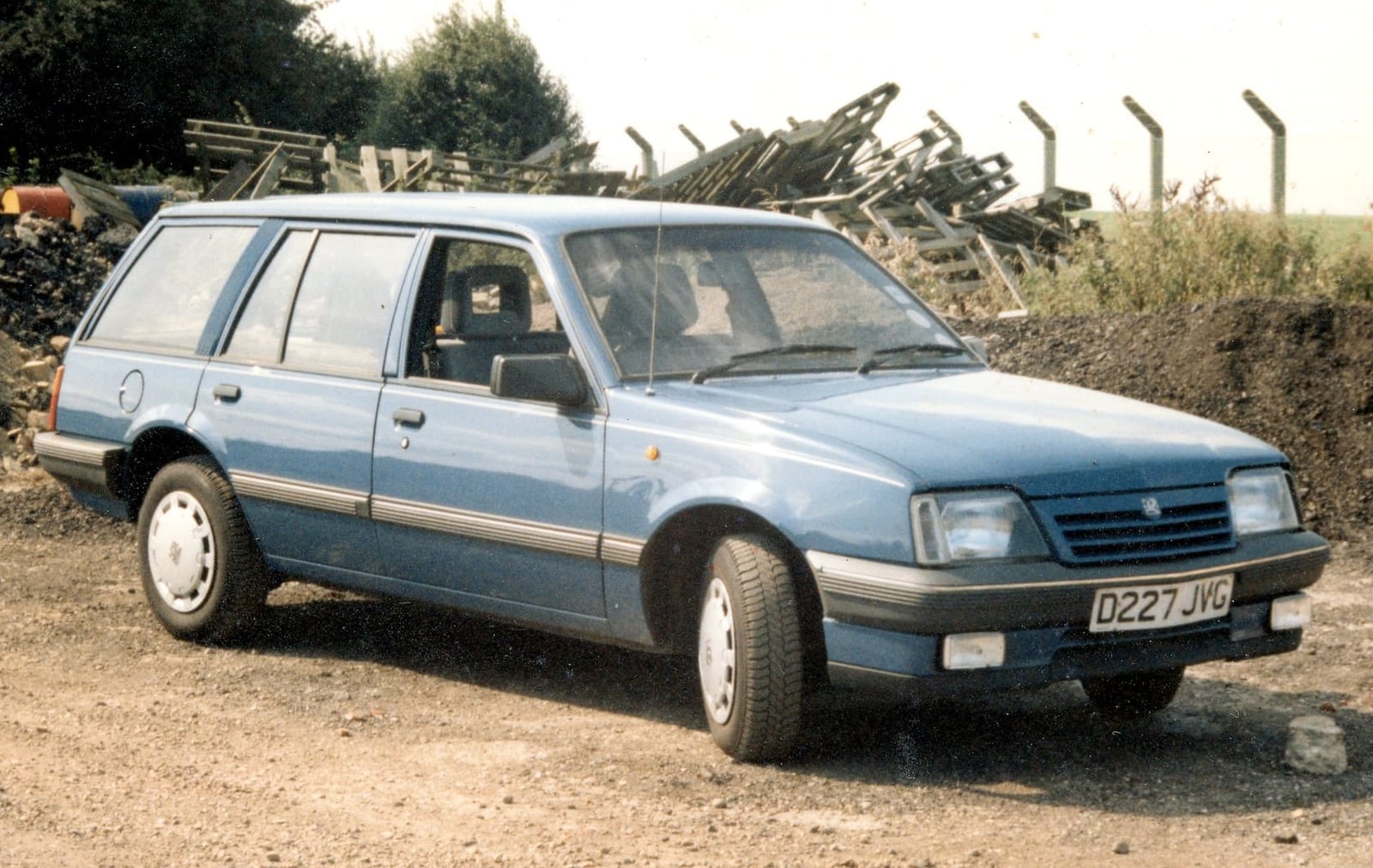
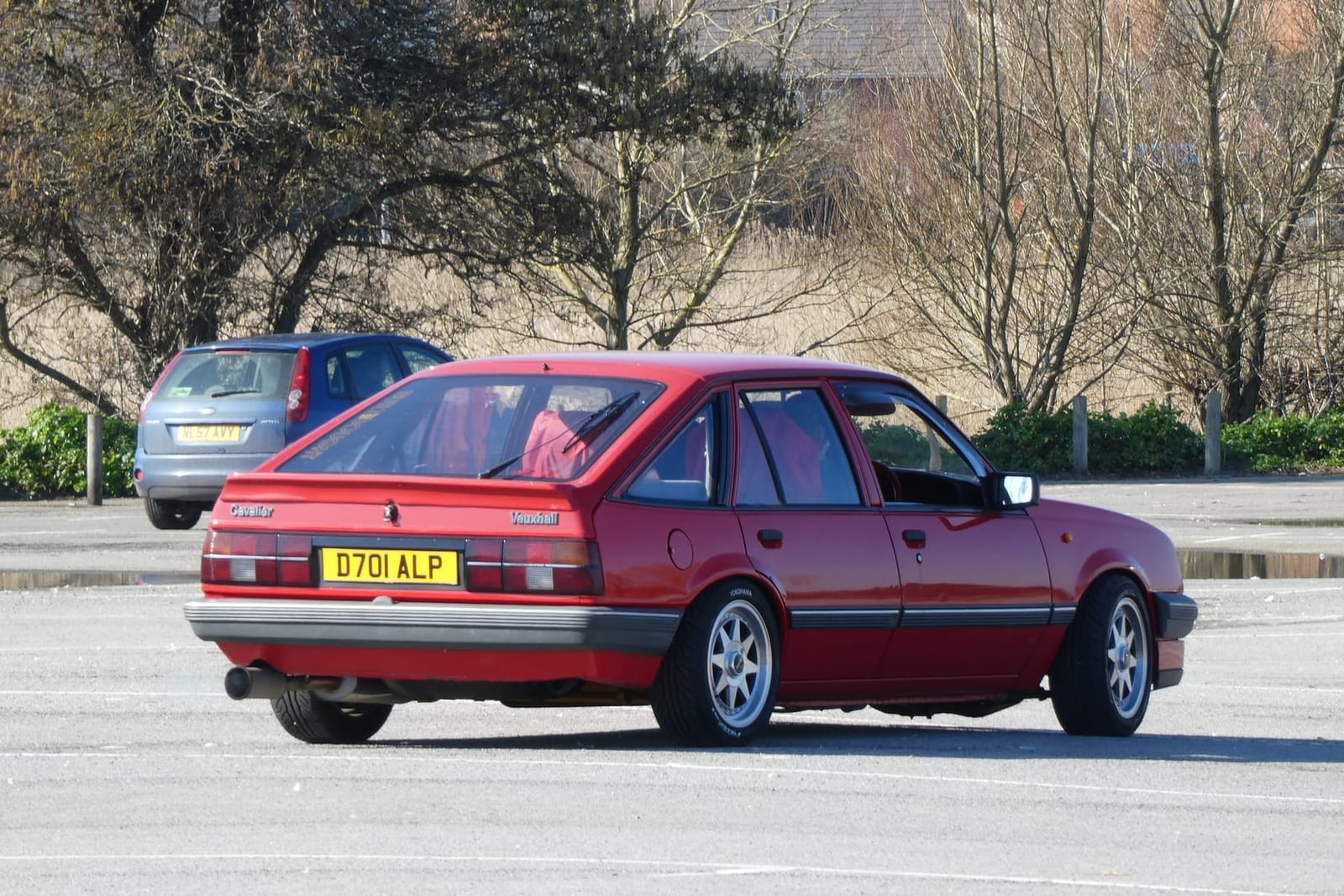
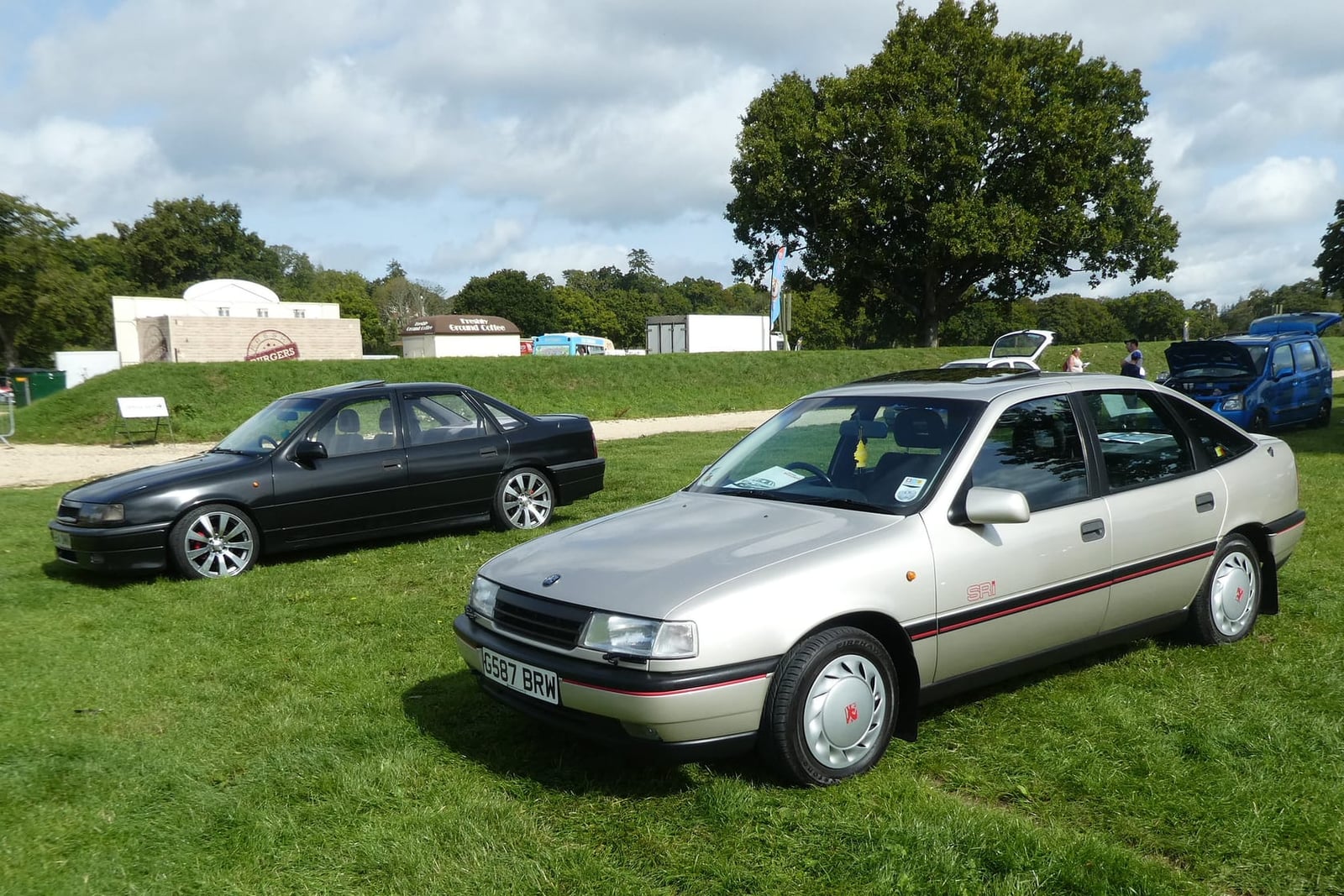
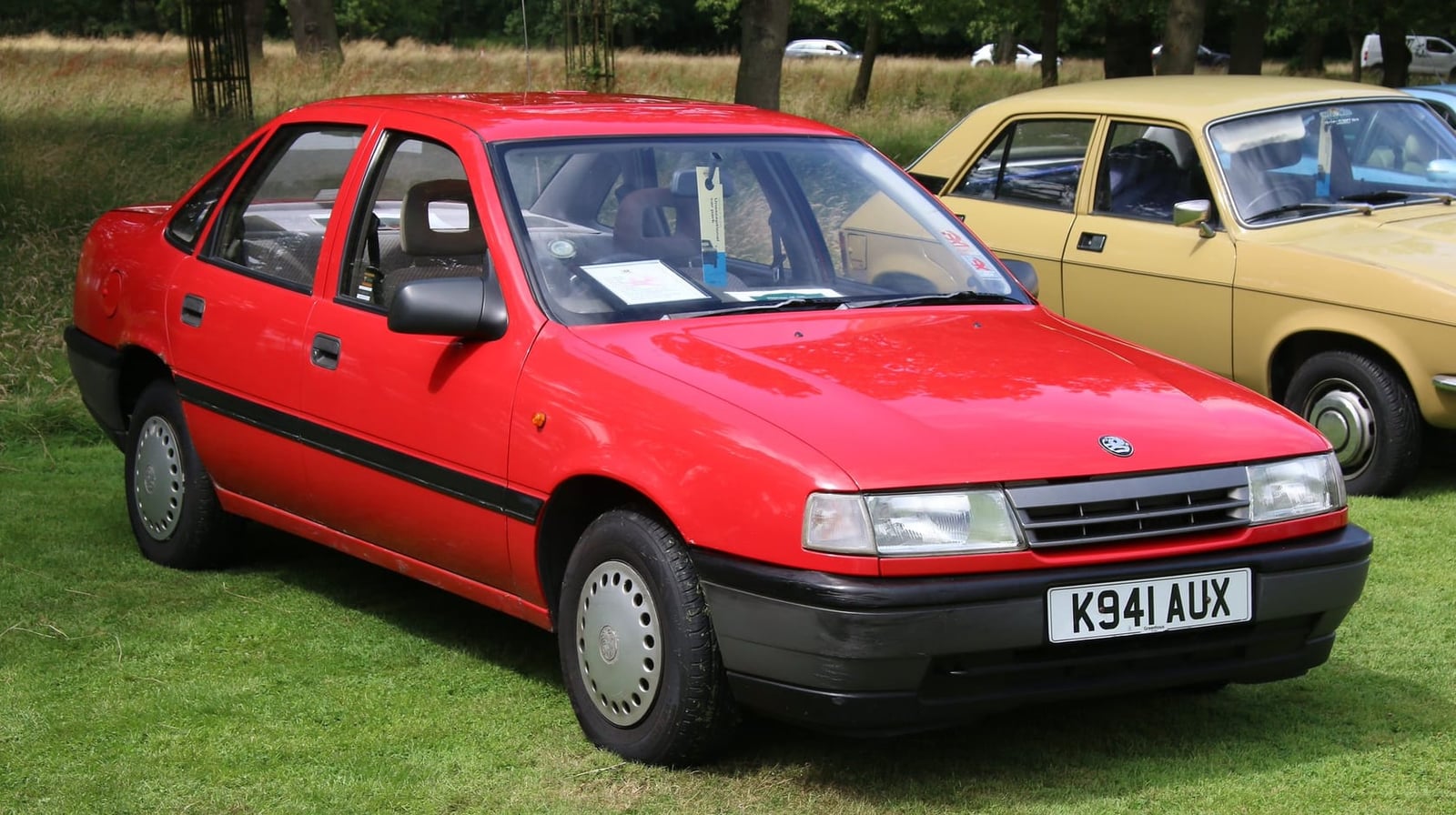
Key dates for the Cavalier
- 1975The Mk1 arrives as Vauxhall's lifeline: Opel's Ascona B with a droop-snoot nose from Wayne Cherry's studio, built first in Antwerp.
- 1977Assembly moves to Luton; the Manta-related coupe and glass-tailed Sportshatch join the saloon.
- 1981The front-wheel-drive Mk2 wins the fleet war, overturning the Sierra and Montego and selling over 800,000.
- 1980sThe range spans saloon, hatch, estate and a dealer-converted convertible; the SRi gives the rep an outside-lane image.
- 1988The Mk3 brings slippery styling, big refinement gains and a 150 bhp GSi 2000 16v, with four-wheel drive and a turbocharged flagship.
- 1994A 2.5 V6 tops the range as the Mondeo redefines the class.
- 1995John Cleland's Vauxhall Sport Cavalier takes the British Touring Car Championship in the model's final season; the Vectra succeeds it.
Buying checklist: the Cavalier in front of you
Rust, the ritual
- Sills, arches and valances on every generation
- Screen surrounds, and Mk1 front wings in particular
- Solid donor shells barely exist any more, so a rotten car is rarely worth saving
- Mk2s died hardest of all, worked to scrap almost without exception
Originality
- Originality carries the market, because survivors escaped both the fleets and the modifiers only rarely
- Honest base survivors are collected alongside the hot versions
- Trim, mouldings and generation-specific brightwork are the long hunts
- Mechanical parts are the easy part, through GM networks and the owners club
The rare variants
- Mk1 coupes and the glass-tailed Sportshatch trade like the Manta relatives they are
- The Mk2 convertible was converted in small numbers and rarely seen even in period
- The Mk2 estate was assembled from van-derived panels and largely ignored when new
- Mk3 GSi 2000 16v and the turbocharged 4x4 appear at auction a handful of times a year
What the Cavalier Mk1-Mk3 sells for at auction
In 2025 the median Cavalier Mk1-Mk3 sold for £3,760 across 20 sales, 67% up on 2024. In real terms, typical Cavalier Mk1-Mk3 prices were down about 41% over the five years to 2025, once inflation is accounted for.
| Variant | Sold | Typical range | Median |
|---|---|---|---|
| Cavalier | 58 | £1,140 - £3,780 | £2,248 |
| Cavalier GLS | 13 | £1,495 - £5,300 | £1,760 |
| Cavalier GL | 8 | £2,328 - £5,320 | £3,820 |
Show the year-by-year mediansHide the year-by-year medians
| Year | Sold | Median | In 2025 money |
|---|---|---|---|
| 2026 (so far) | 9 | £1,760 | |
| 2025 | 20 | £3,760 | £3,760 |
| 2024 | 13 | £2,255 | £2,342 |
| 2023 | 20 | £1,678 | £1,800 |
| 2022 | 7 | £3,011 | £3,448 |
| 2021 | 3 | £2,474 | £3,059 |
| 2020 | 4 | £5,061 | £6,413 |
| 2017 | 3 | £1,000 | £1,332 |
- £470Cavalier
- £3,780Cavalier
- £7,935Cavalier
- £900Cavalier GLS
- £1,700Cavalier
Reasonable evidence. 86 recorded sales: enough for the range to mean something, though a few unusual cars can still move a single year's median. Based on 86 sold results from public classic car auctions (2005 to 10 August 2026). Sold prices, not asking prices, and not a valuation: condition, history and specification vary from car to car. Inflation-adjusted figures use the ONS CPIH index, in 2025 money.
Frequently asked questions
What replaced the Vauxhall Cavalier?
Was the Vauxhall Cavalier a good car?
Which Vauxhall Cavaliers are collectable?
Did the Cavalier really win the touring car championship?
How much is a Vauxhall Cavalier worth?
What is the most expensive Cavalier Mk1-Mk3 ever sold at auction?
How often does a Cavalier Mk1-Mk3 come up for sale?
Related across themes
More from Vauxhall

Vauxhall Victor: nineteen years and five generations of family Vauxhall (1957–1976)

Vauxhall Carlton: Luton's last big saloon, the Car of the Year and the GSi 3000 (1978–1994)

Vauxhall Astra GTE: Ellesmere Port's hot hatchback, from the Mk1 to the 16v red-top (1983–1991)


