Mini Traveller and Countryman: the woody Mini estate (1960–1969)
The Mini Traveller and its Austin Countryman twin were the estate versions of the Mini, the early ones framed in decorative timber like a miniature Morris Minor Traveller. A guide to the woody Mini, the Traveller and Countryman badges, what to look for, and what they are worth.
Built 1960–1969 83 recorded sales

At a glance
- Years
- 1960–1969
- Body styles
- Three-door estate
- Drivetrain
- Transverse front engine, front-wheel drive
- Engines
- 848 and 998cc A-series
- Power
- Around 34 bhp to 38 bhp
- Trim levels
- Morris Mini Traveller, Austin Mini Countryman; with or without timber trim
- Production
- Around 200,000 Travellers and Countrymans combined
- Assembly
- Longbridge and Cowley
- Designer
- Alec Issigonis
- Values
- Usable from around £6,000; good cars £10,000-£16,000; the best timber-framed cars beyond
- The look
- Early cars wore decorative timber framing like a miniature Morris Minor Traveller
- Two badges
- Sold as the Morris Mini Traveller and the Austin Mini Countryman
The models
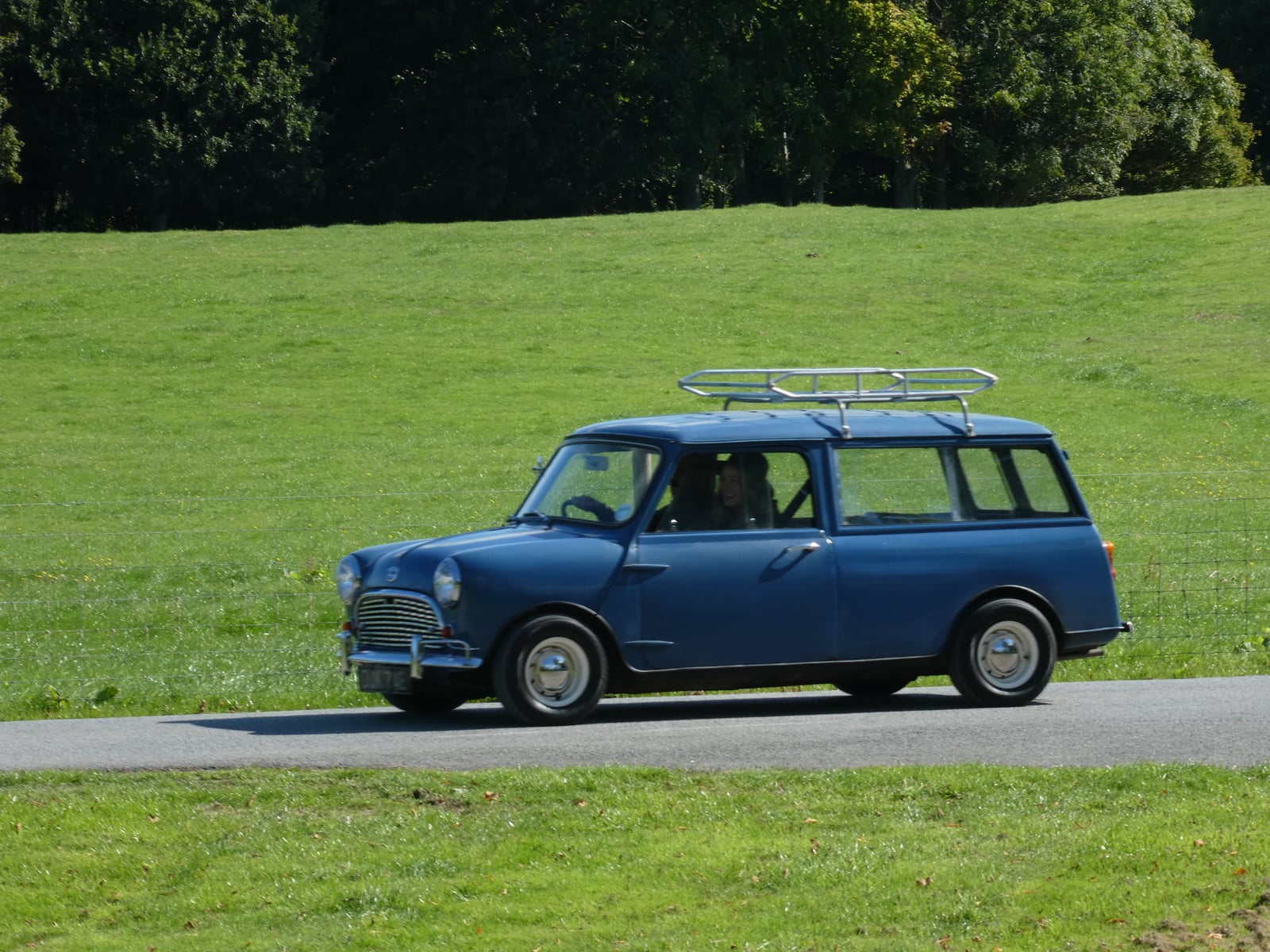
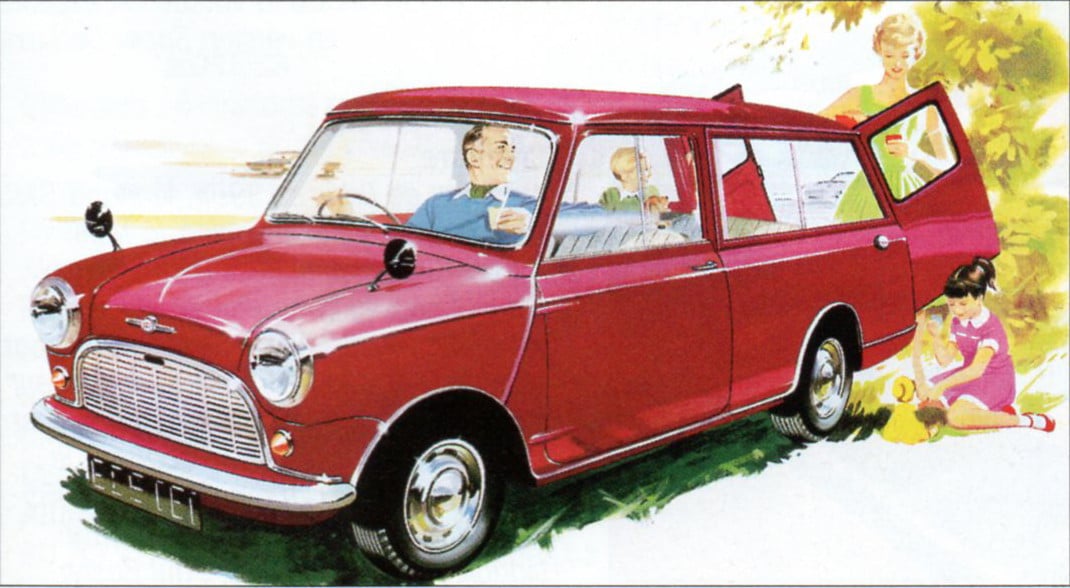
The Mini was never only a saloon. From 1960 it was also offered as a tiny estate, the Mini Traveller and its Austin Countryman twin, and the early cars wore decorative timber framing that made them look like a miniature Morris Minor Traveller. Practical, charming and now quite sought-after, the woody Mini is one of the most characterful members of the whole Mini family.
The woody Mini
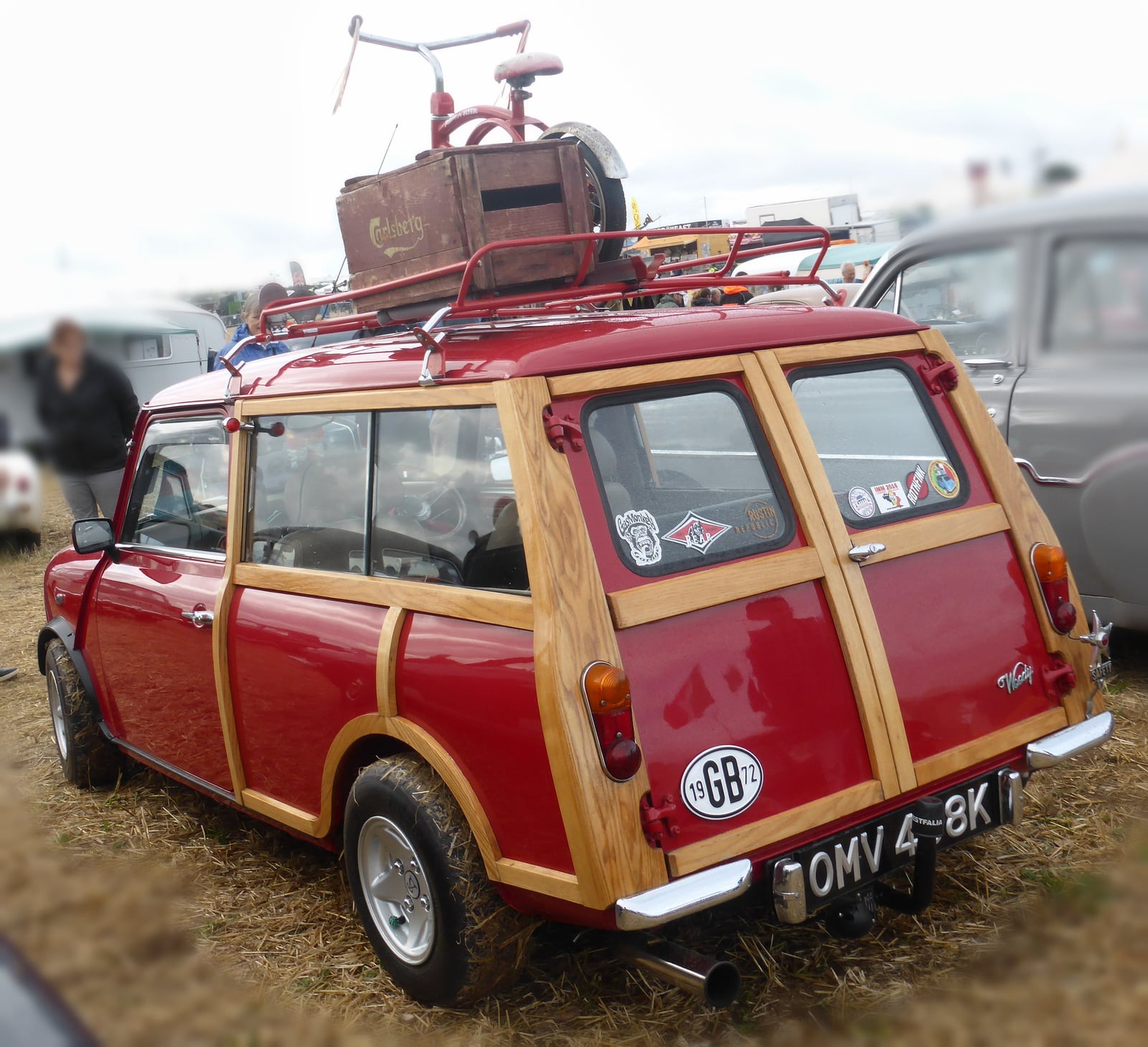
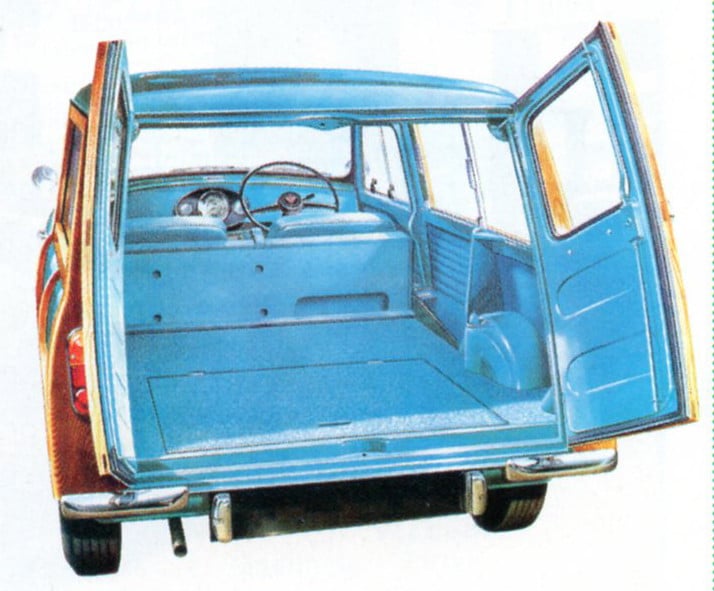
The Traveller and Countryman took the standard Mini floorpan and running gear and added a longer rear body with twin side-hinged doors, giving useful load space in a car still only a little over ten feet long. The signature feature was the external timber framing on the rear bodywork, real ash applied as decoration to the steel structure, echoing the larger Morris Minor Traveller and the half-timbered estate tradition.
Not every car had the wood. Plain all-steel versions were sold too, and were cheaper, but it is the timber-framed cars that people picture and prize. The wood is cosmetic rather than structural, but it needs looking after, and good, sound original timber is a real asset on these cars.

Traveller or Countryman?
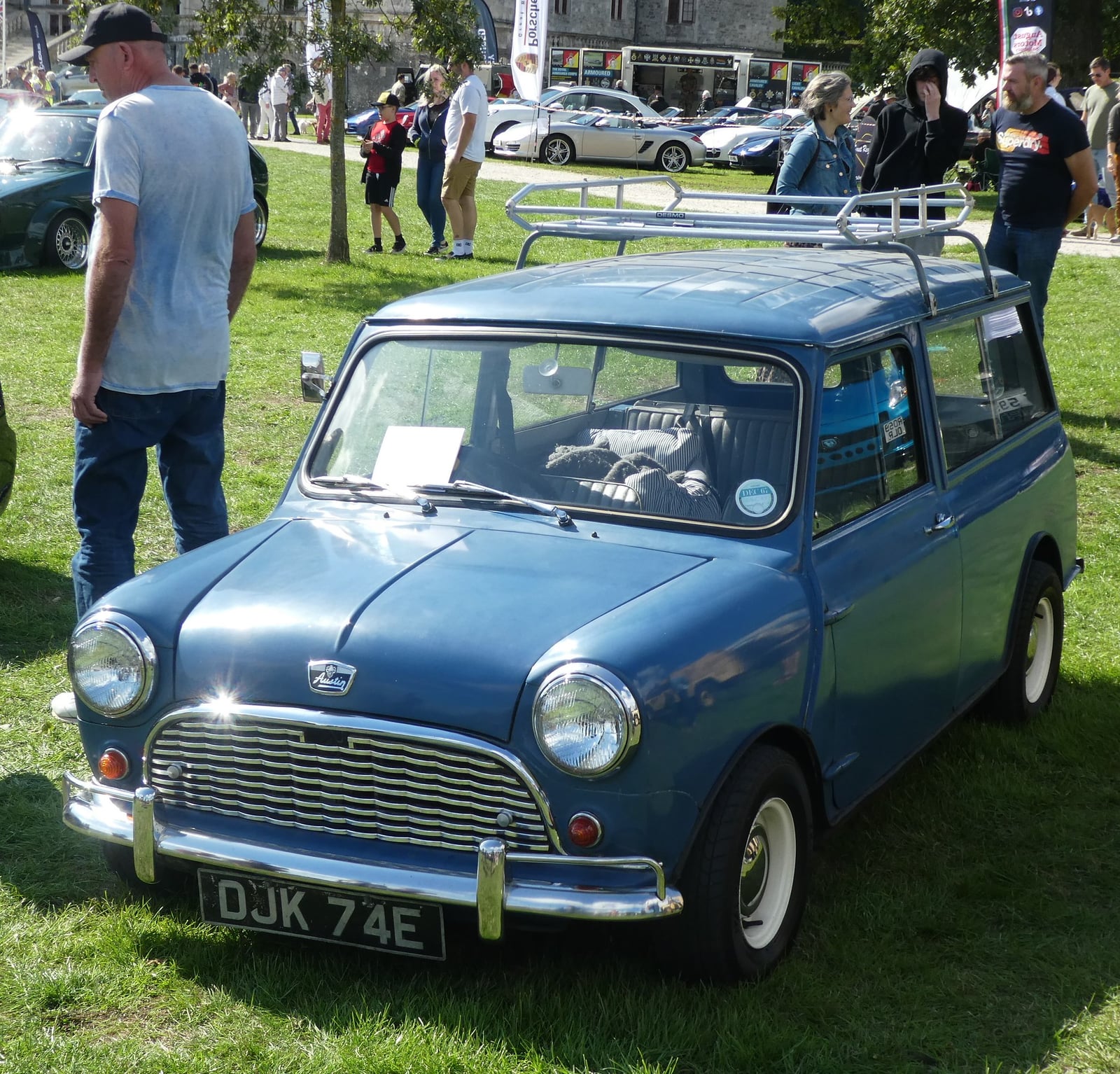
The estate came in the usual BMC pair of badges. The Morris version was the Mini Traveller and the Austin the Mini Countryman, sold through their respective dealer networks but identical underneath. There is no mechanical difference between them, so for a buyer today the choice comes down to badge, colour and history rather than substance. Both share the same charm and the same practicality.

Mk1, Mk2 and the end of the line
Like the saloon, the estate came in two marks. The Mk1 cars of 1960–67 carry the 848cc engine and the early details; the Mk2 of 1967–69 brought the larger grille, the bigger rear window and the option of the 998cc engine, which makes the later cars slightly more relaxed companions in modern traffic. Production ended in 1969, when the square-nosed Clubman Estate took over the role with trim strips where the timber had been. Around two hundred thousand Travellers and Countrymans had been built in nine years, but survival was poor, because these were working cars, used hard and often left outside, so the woody Mini is a far rarer sight today than the production total suggests. That scarcity is starting to tell: the woody has become one of those classics that sells itself on sight.
The wood, and looking after it
An owner’s note on the timber: it is ash, it is glued and screwed to the steel rear body, and it does its ageing in plain sight. Keeping it sound means keeping it sealed: stripping, sanding and revarnishing every few years, watching the joints where water sits, and dealing promptly with any blackening, which is the first sign of rot. Replacement timber kits exist and skilled woodworkers can remake sections, but a car with genuinely good original framing is always worth paying for, because a full timber restoration costs serious money and the result is only ever as good as the fit. If in doubt, take a woodworker as well as a mechanic to a viewing.
What it is like to own
The Traveller earns its keep on the load bay. A genuinely useful boot in a car this small is the whole point of it, and it is what makes the Traveller the Mini people use rather than merely enjoy, with all the running costs and parts availability of the range behind it.
The woody cars come with a job attached. The external timber needs proper care and occasional restoration to stay sound and looking right, which is a skill the average Mini specialist does not have and a furniture restorer does. Owners who take it on tend to become rather attached to it. The plain-bodied cars ask nothing beyond ordinary Mini maintenance, and are the sensible choice for anyone who wants the shape without the commitment.

Buying guide: what to look for
Rust is the main enemy, as on every Mini, so check the floors, sills, A-panels and front wings, the rear subframe and mountings and the boot floor. On the estate, pay particular attention to the rear body, the door frames and, on the woodies, the condition of the timber and the steel beneath it, where trapped moisture can cause hidden corrosion. Our Mini buying guide covers the rust spots and the running gear in full.
Mechanically there is little to fear from the tough A-series engine and the simple running gear. Body condition, originality and sound timber are what separate a good buy from an expensive restoration.

Current value and where it sits
The timber is the price divider. Expect around £6,000 at the bottom, £10,000 to £16,000 in the middle, and more again for the best timber-framed cars, which command a clear premium over the plain steel estates. Both sit above the ordinary saloons for charm and relative rarity. For the era, see British classic cars of the 1960s.
More photos
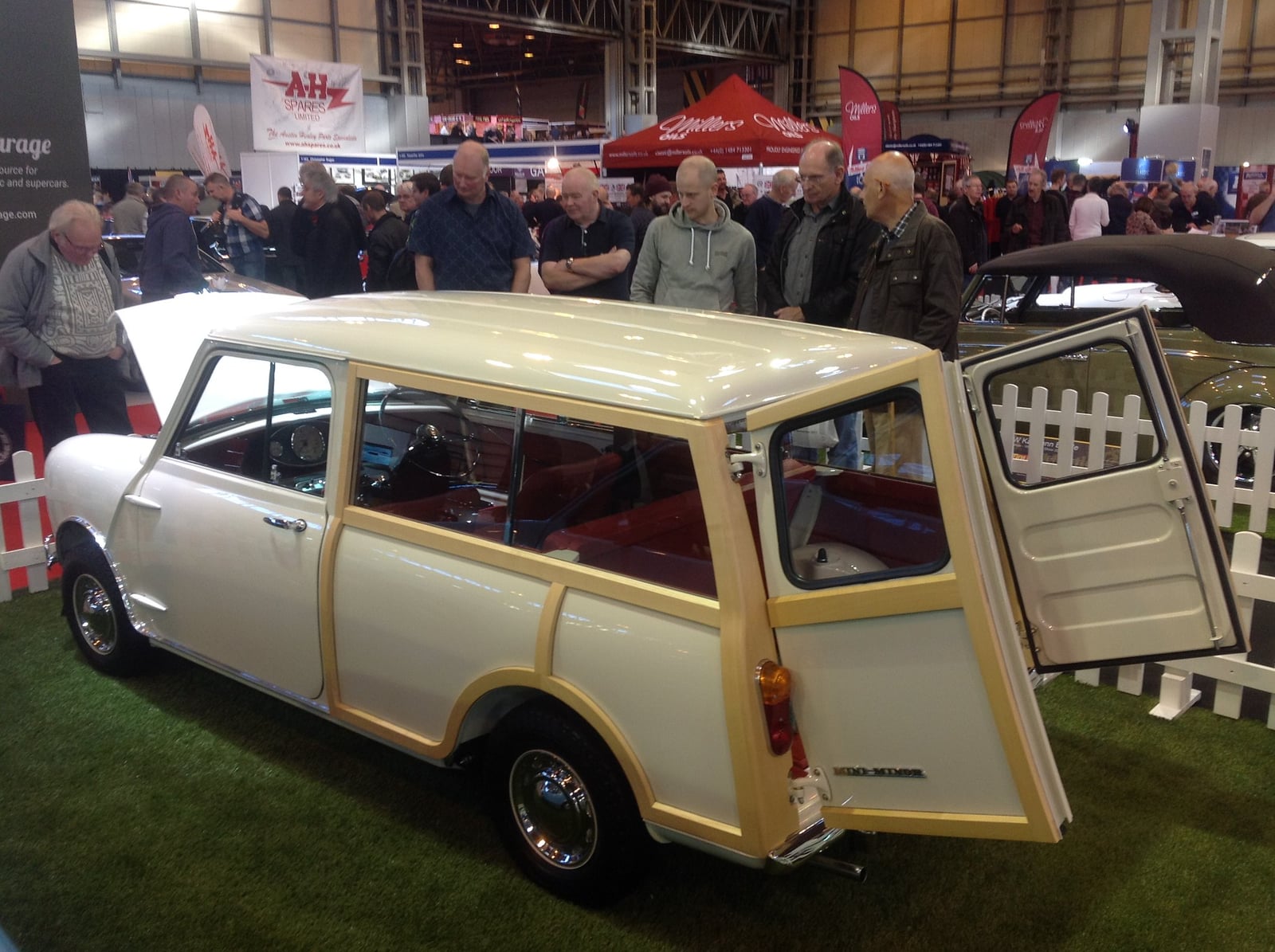
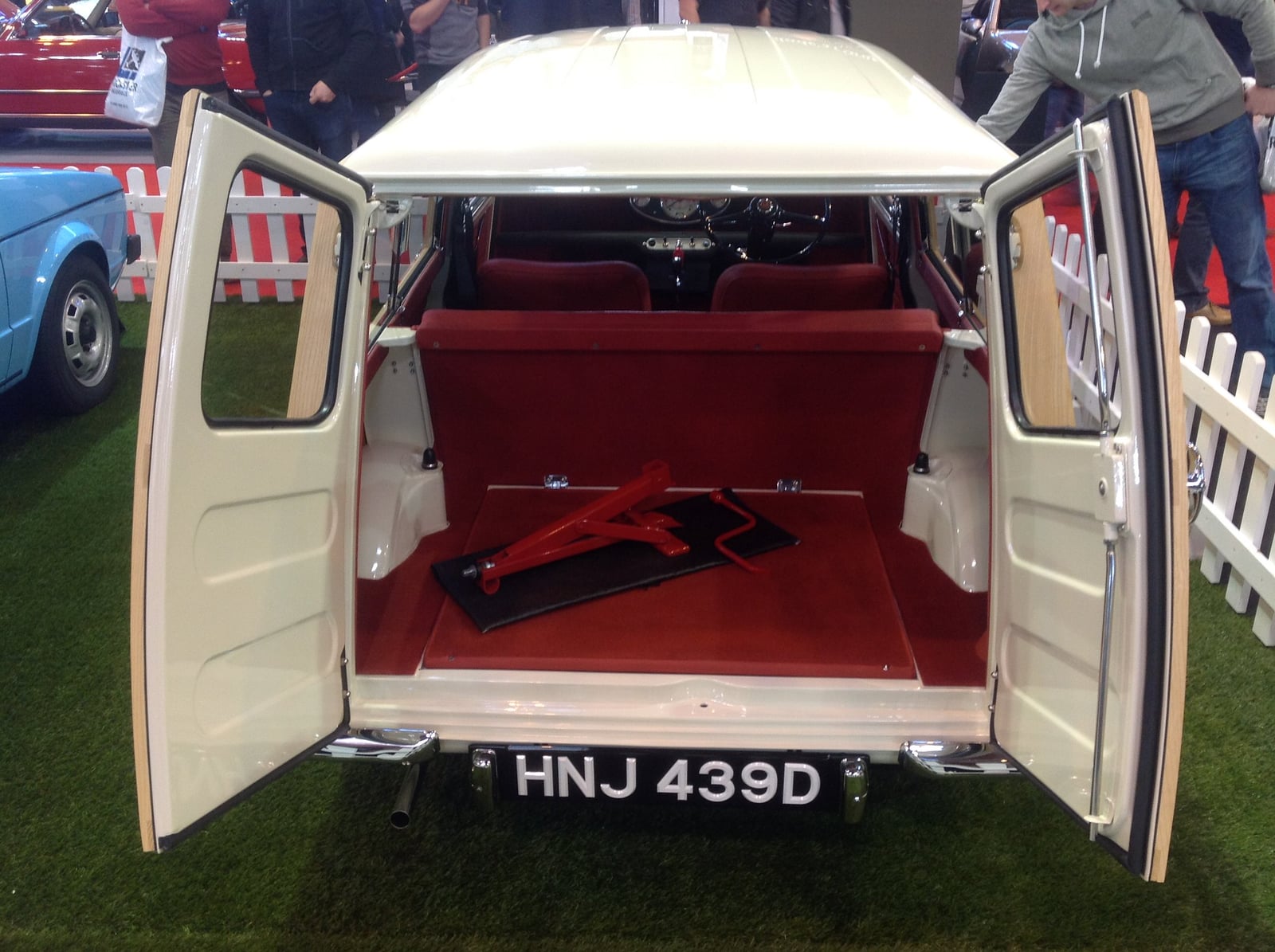
The Traveller timeline
- 1960The estate arrives as the Morris Mini Traveller and Austin Mini Countryman: a longer rear body, twin side-hinged doors, and decorative ash framing on the cars people picture.
- 1962Plain all-steel versions sell alongside the woodies at a lower price.
- 1967The Mk2 brings the larger grille, bigger rear window and the 998cc option, the more relaxed companion in modern traffic.
- 1969Production ends at around 200,000 combined; the square-nosed Clubman Estate takes over with trim strips where the timber had been.
Buying checklist: the Traveller in front of you
The timber, which divides the prices
- Blackening is the first sign of rot; joints where water sits go first
- Sound original framing is always worth paying for
- Replacement kits exist and woodworkers can remake sections, but fit is everything
- Check the steel beneath the timber, where trapped moisture corrodes unseen
The standard Mini rust
- Floors, sills, A-panels and front wings
- Rear subframe and mountings, and the boot floor
- The rear body and door frames on the estate specifically
- Body condition and originality separate a good buy from an expensive restoration
Badge and mark
- Traveller and Countryman are identical underneath; choose on badge, colour and history
- Mk1 cars carry the 848cc engine and early details
- The 998cc Mk2 suits modern traffic better
- Woodies command a clear premium over the plain steel estates
What the Mini Traveller sells for at auction
In real terms, typical Mini Traveller prices were down about 53% over the five years to 2025, once inflation is accounted for.
| Variant | Sold | Typical range | Median |
|---|---|---|---|
| Mini Countryman | 37 | £10,623 - £15,585 | £12,628 |
| Mini Traveller | 29 | £6,215 - £16,692 | £12,075 |
| 1000 Traveller | 15 | £2,828 - £7,488 | £5,076 |
Show the year-by-year mediansHide the year-by-year medians
| Year | Sold | Median | In 2025 money |
|---|---|---|---|
| 2026 (so far) | 4 | £12,121 | |
| 2025 | 6 | £6,402 | £6,402 |
| 2024 | 4 | £2,175 | £2,258 |
| 2023 | 11 | £15,374 | £16,498 |
| 2022 | 8 | £14,939 | £17,109 |
| 2021 | 7 | £13,612 | £16,832 |
| 2020 | 7 | £10,780 | £13,661 |
| 2019 | 4 | £6,678 | £8,548 |
| 2018 | 4 | £14,398 | £18,745 |
| 2017 | 6 | £11,275 | £15,019 |
| 2016 | 6 | £9,900 | £13,527 |
| 2014 | 4 | £8,419 | £11,665 |
| 2013 | 3 | £4,600 | £6,464 |
- £25,747Mini Traveller
- £18,138Mini Countryman
- £6,104Mini Traveller
- £4,6331000 Traveller
- £14,164Mini Countryman
Reasonable evidence. 83 recorded sales: enough for the range to mean something, though a few unusual cars can still move a single year's median. Based on 83 sold results from public classic car auctions (2004 to 10 August 2026). Sold prices, not asking prices, and not a valuation: condition, history and specification vary from car to car. Inflation-adjusted figures use the ONS CPIH index, in 2025 money.