Mini Van and Pick-up: the working Minis (1960–1983)
The Mini Van and Mini Pick-up were the commercial members of the Mini family, cheap, economical workhorses built on the longer estate wheelbase that sold by the hundred thousand. A guide to the van and the pick-up, why they survived so long, what to look for, and what they are worth now.
Built 1960–1983 24 recorded sales

At a glance
- Years
- 1960–1983
- Body styles
- Panel van, pick-up
- Drivetrain
- Transverse front engine, front-wheel drive
- Engines
- 848 and 998cc A-series
- Power
- Around 34 bhp to 38 bhp
- Trim levels
- Mini Van, Mini Pick-up; early cars under Morris and Austin badges
- Production
- Over 520,000 vans and around 58,000 pick-ups
- Assembly
- Longbridge
- Designer
- Alec Issigonis
- Values
- Usable from around £5,000; good cars £9,000-£15,000; the best beyond
- The body
- Built on the longer estate wheelbase, the van with no rear side windows
- Long-lived
- The van ran to 1982 and the pick-up to 1983, outlasting many of the saloons
The models
The Mini did not just carry families and win rallies; it also went to work. From 1960 the range included a van and, from 1961, a pick-up, the commercial members of the Mini family. Cheap, economical and tax-advantaged, they sold by the hundred thousand to tradespeople and fleets, ran for more than two decades, and have since become characterful classics in their own right.
The Mini Van
The Mini Van used the longer wheelbase shared with the Traveller estate, but with a fully enclosed rear body and no side windows behind the doors. It was as simple and tough as commercial vehicles come, with the same front-wheel-drive running gear and frugal A-series engine as the rest of the range, and it gave a small business a great deal of usefulness for very little money.
It was a common sight on British roads for a generation, used by tradespeople, small firms and large organisations alike, and it sold in huge numbers. That ubiquity, and the hard lives the vans led, is why genuinely sound, original examples are now far rarer than the production figures suggest.

The Mini Pick-up
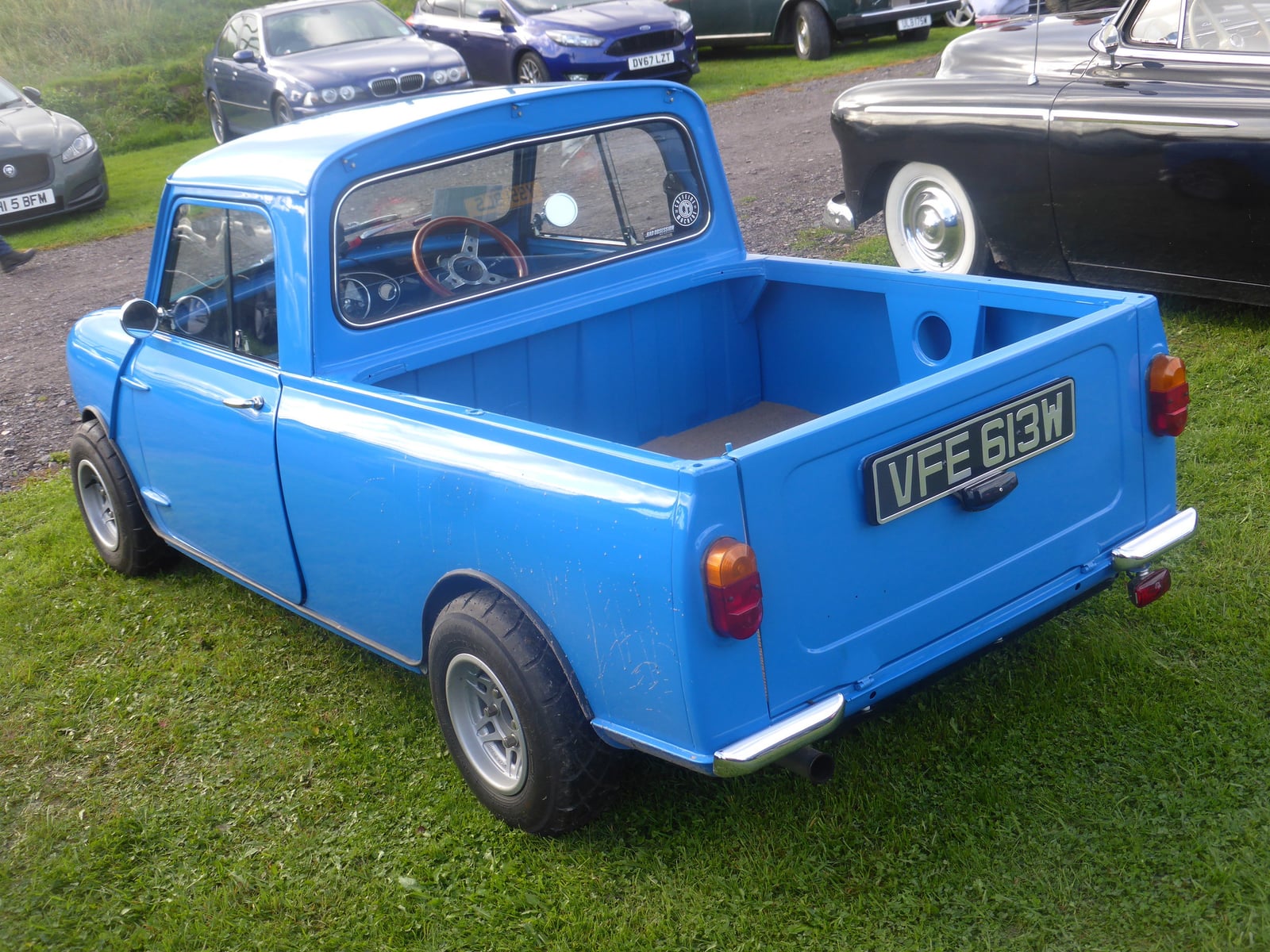
The Pick-up took the same long-wheelbase platform and replaced the enclosed rear body with a small drop-side load bed, making a tiny but genuinely useful flatbed truck. It was always the rarest of the mainstream Minis, built in relatively small numbers, and it has a particular charm that has made good original examples sought-after and valuable today.

Why they survived
The commercials had a built-in advantage: as vans and pick-ups rather than cars they escaped purchase tax, which made them cheaper to buy than the equivalent saloon, and their minuscule running costs suited businesses perfectly. That value kept them selling long after fashions moved on, and the van ran to 1982 and the pick-up to 1983, outlasting several of the passenger Minis. Their working origins are now a large part of the appeal.

Fleets, the Post Office and the 95 badge
The van’s biggest customers were institutional. The Post Office and its telephones arm ran them in their thousands, the AA used them, and police forces and countless utilities followed, which is why so many survivors wear, or are restored into, period livery. Over half a million vans were built in all, a remarkable number for so small a commercial, and from 1978 the van and pick-up were rebadged Mini 95, after their gross weight, as British Leyland tidied up its commercial naming. That working heritage connects them to the wider world of classic vans, where an honest period livery adds interest and value in a way a respray rarely does. Survivors with verifiable fleet history, a GPO plate or an AA logbook, sit at the very top of the market.
What it is like to own
Owning a commercial changes what the car is for. The van swallows show kit, spares and a picnic with room left over, the pick-up does the same job with the weather removed, and plenty of owners run theirs as rolling advertising for a trade or a cafe, exactly as the first owners did. That working-vehicle character is the point of them, and it is why they draw more attention at a show than a saloon in the same condition.
Underneath there is nothing unusual about it: the same engine, the same running gear, the same deep parts supply and the same ease of working at home. A van makes a surprisingly good first classic for precisely that reason, cheap, simple and endlessly fixable, and exempt from road tax and the annual MOT on the same rolling forty-year terms as any other vehicle of its age.

Buying guide: what to look for
The commercials rot harder than the saloons, for a reason worth holding in mind throughout an inspection: most led working lives outdoors, loaded, and were maintained to a budget. The load area and the floor take the worst of it. The general Mini checks are in the Mini buying guide.
Two questions are specific to these. First, whether the van is original or has been converted to estate-style windows, which changes both what it is and what it is worth. Second, provenance, which counts for more on a commercial than on any passenger Mini. The Post Office, the AA, police forces and utilities ran them in thousands, and survivors with verifiable fleet history, a GPO plate or an AA logbook, sit at the very top of the market. Period livery adds interest and value here in a way a respray never does.
A late car may wear the Mini 95 badge, adopted for the van and pick-up from 1978 after their gross weight. That is a naming change rather than a different vehicle.

Current value and where it sits
Original condition counts for more here than on any passenger Mini, because so few commercials kept theirs. £5,000 buys something usable, £9,000 to £15,000 a good one, and the best vans and the scarcer pick-ups more again. For the era, see British classic cars of the 1960s and 1970s.
More photos
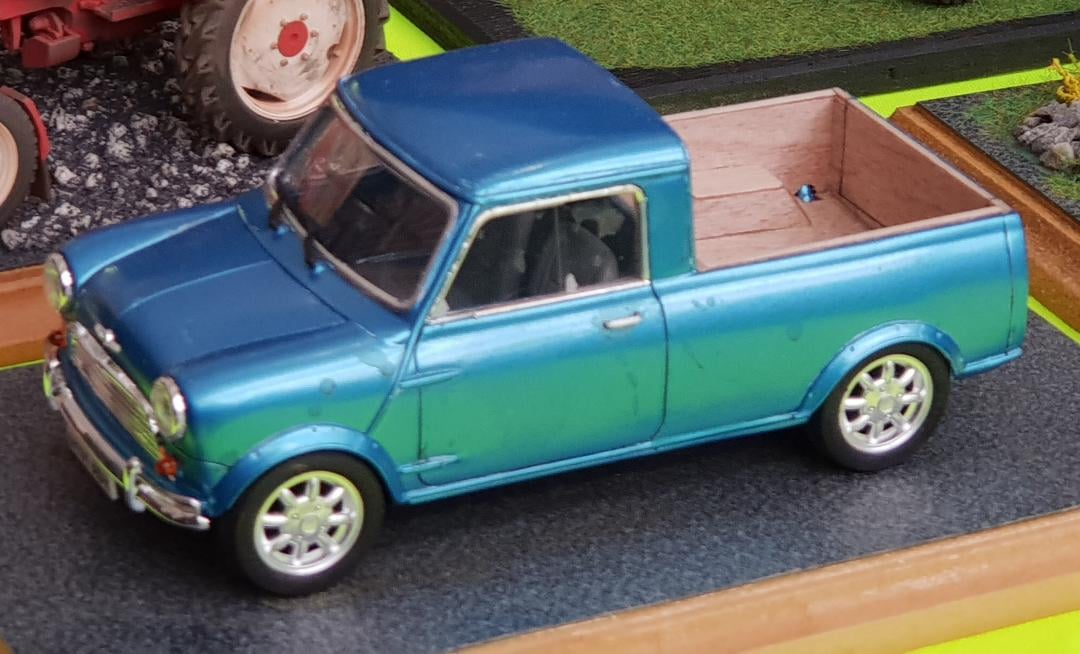
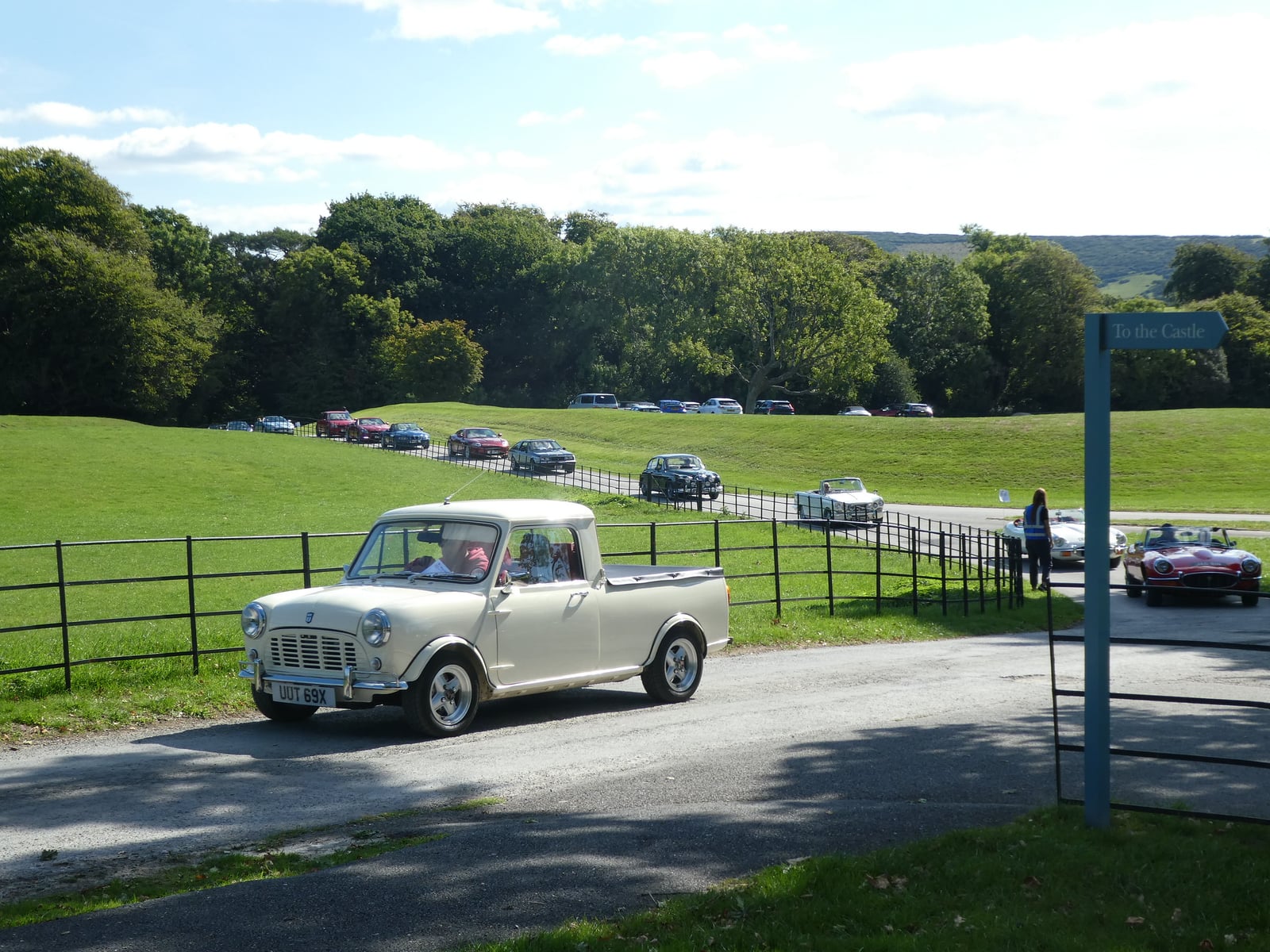
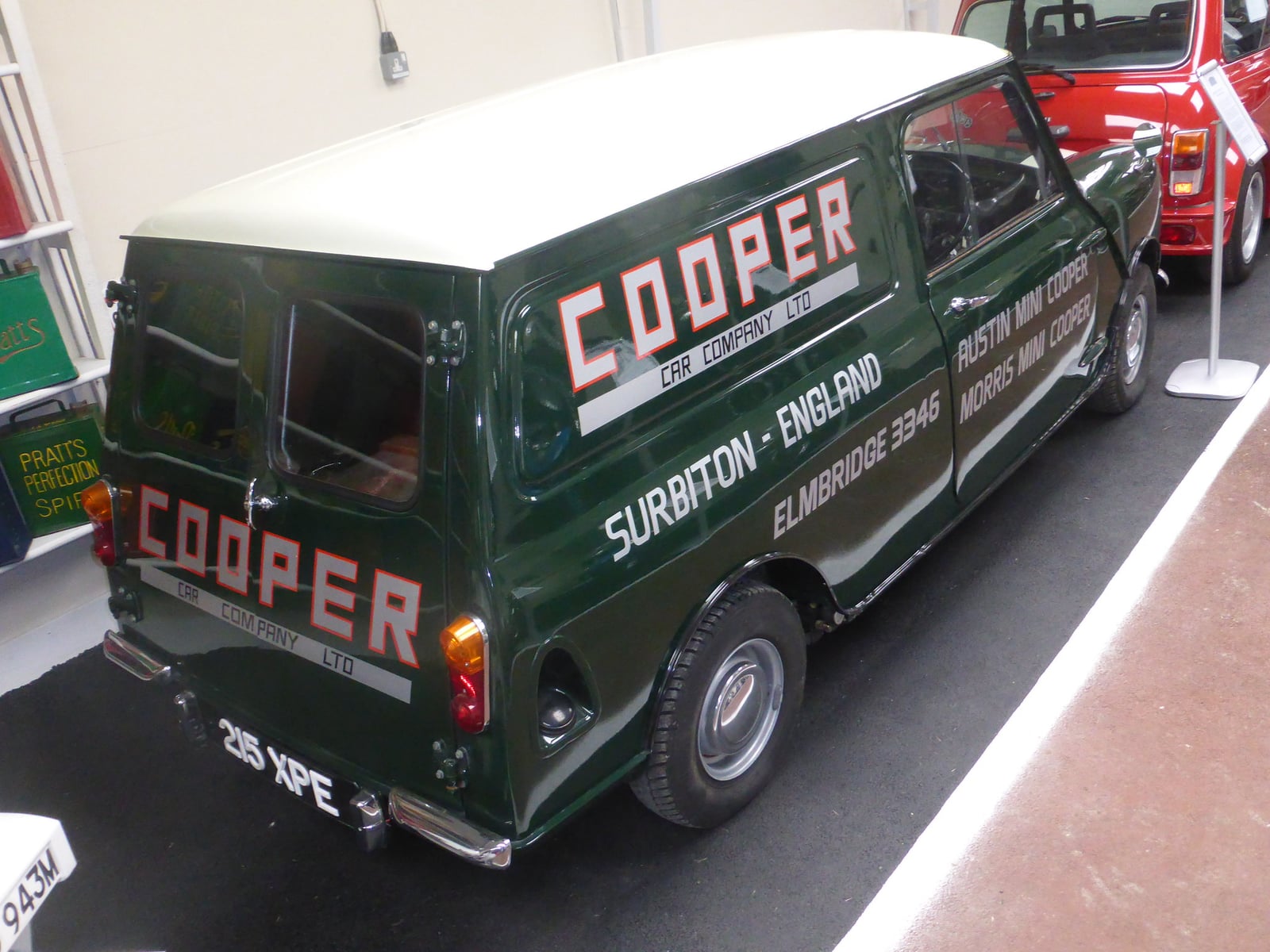


Van: the short history
- 1960The van arrives on the longer estate wheelbase with an enclosed rear body, escaping purchase tax and undercutting the saloon.
- 1961The pick-up follows with a small drop-side bed, always the rarest of the mainstream Minis.
- 1960sThe Post Office, the AA, police forces and utilities run them in their thousands.
- 1978Van and pick-up are rebadged Mini 95, after their gross weight.
- 1982The van ends production, the pick-up following in 1983: over 520,000 vans and around 58,000 pick-ups in all.
The Van viewing checklist
The working-life inspection
- The load area and floor take the worst of it
- Working lives outdoors, loaded, maintained to a budget: hold that in mind throughout
- The general Mini rust points all apply underneath
- The longer wheelbase's seams deserve their own look
The two specific questions
- Whether the van is original or converted to estate-style windows, which changes what it is worth
- Provenance, which counts more here than on any passenger Mini
- Verifiable fleet history, Post Office and AA above all, adds real value
- Restored period livery is celebrated, but genuine history outranks paint
Mechanical
- 848 and 998cc A-series units, cheap and everywhere
- Hard-worked drivetrains forgive much and show it honestly
- The pick-up's small production makes its specific panels the hunt
- Commercial trim was spartan by design, so completeness is simpler to judge
What the Mini Van sells for at auction
The Mini Van comes to auction only occasionally: 24 recorded sales since 2005, typically making between £8,304 and £11,626 . With so few sales, treat any single result as a data point rather than a market price.
- £22,120Mini Van
- £11,035Mini Van
- £2,997Mini Van
- £7,840Light Van
- £5,050Light Van
Thin evidence. Only 24 recorded sales: read the figures as a sketch of the market, not a price. Based on 24 sold results from public classic car auctions (2005 to 10 August 2026). Sold prices, not asking prices, and not a valuation: condition, history and specification vary from car to car. Inflation-adjusted figures use the ONS CPIH index, in 2025 money.