Mini Clubman and 1275GT: the squared-off Mini of the 1970s (1969–1980)
The Mini Clubman gave Issigonis's car a longer, squared-off nose for the 1970s, and the 1275GT version took over from the Cooper S as the affordable performance Mini. A guide to the Clubman saloon and estate, the 1275GT, what to look for, and what they are worth now.
Built 1969–1980 87 recorded sales

At a glance
- Years
- 1969–1980
- Body styles
- Two-door saloon, three-door estate; 1275GT saloon
- Drivetrain
- Transverse front engine, front-wheel drive
- Engines
- 998 and 1098cc A-series; 1275cc (1275GT)
- Power
- Around 38 bhp to 60 bhp (1275GT)
- Trim levels
- Clubman, Clubman Estate, 1275GT
- Production
- Around 470,000 Clubman saloons and estates, plus roughly 110,000 1275GTs
- Assembly
- Longbridge
- Designer
- Roy Haynes (front restyle)
- Values
- Usable from around £3,000; good cars £6,000-£10,000; the best 1275GTs beyond
- The look
- A longer, squared-off front grafted onto the standard Mini body
- Place in the range
- The 1275GT replaced the Cooper S as the sporty Mini in 1971
The models
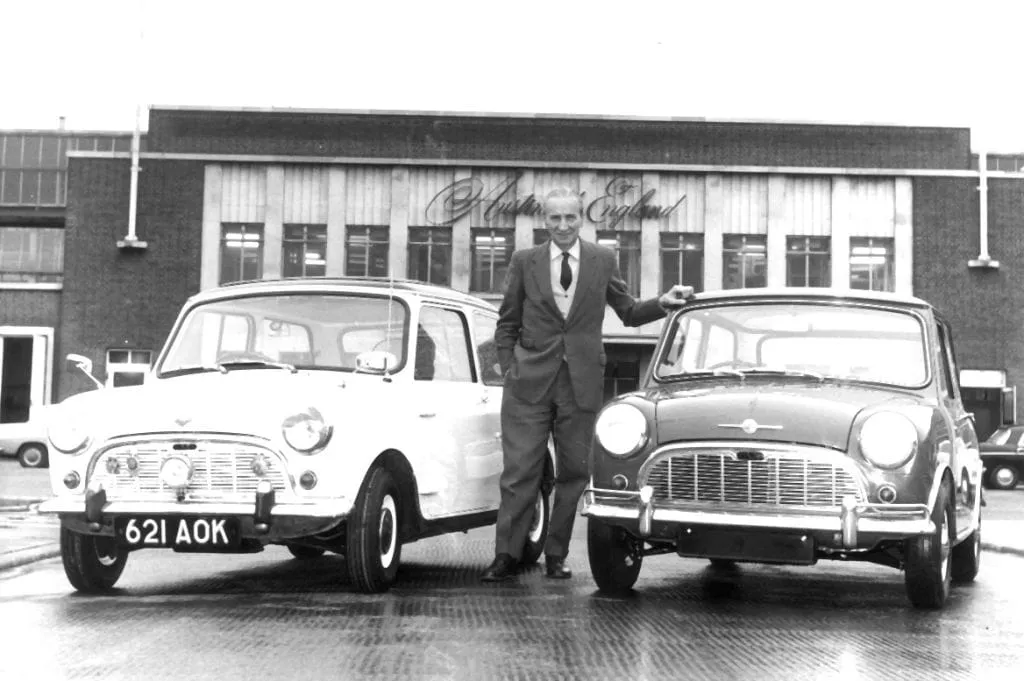
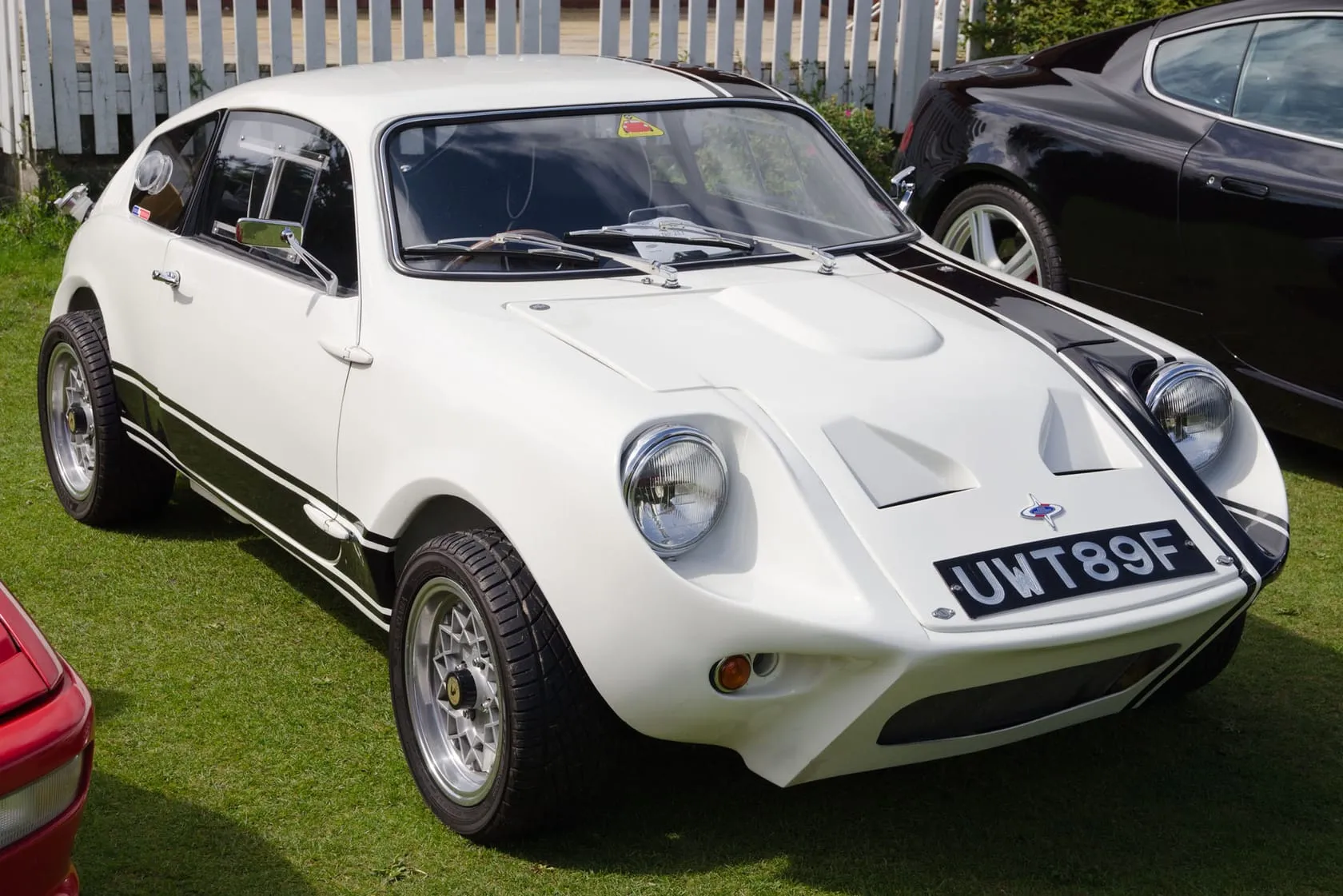
By the end of the 1960s the Mini was a decade old, and British Leyland wanted to freshen it without the expense of starting again. The answer was the Mini Clubman: the same brilliant little car behind a longer, squared-off nose and a smarter dashboard, sold alongside the original round-nosed Mini for the whole of the 1970s. In 1275GT form it also became the affordable performance Mini, the car that quietly took over from the Cooper S.
A new face for the 1970s
The Clubman arrived in 1969 with a restyled front end by Roy Haynes, who had also shaped the Ford Cortina Mk2. The longer bonnet and flat grille gave the Mini a more modern, more conventional look, and the interior gained a proper dashboard with instruments ahead of the driver in place of the original central speedometer. Underneath, nothing important changed: this was still the ten-foot, front-wheel-drive Mini, with the same A-series engine and the same go-kart handling.
Importantly, British Leyland kept the round-nosed Mini in production too, so for years buyers could choose either face. That is why both shapes are part of the classic Mini story rather than one replacing the other.

The 1275GT
The 1275GT, launched in 1971, was the sporting Clubman and the car that replaced the Cooper S in the range as British Leyland cut costs. It used the 1275cc A-series engine, wore sports trim and a rev counter, and later gained distinctive alloy wheels that have become part of its character. It was never as fast or as special as the Cooper S it succeeded, but it was cheaper, tougher and genuinely fun, and it carried the performance-Mini idea through the 1970s.
For buyers priced out of a Cooper, the 1275GT is the affordable way to a quick, characterful classic Mini, and good original cars are increasingly appreciated.

Small firsts, and the end of the line
The 1275GT collected a couple of footnotes out of all proportion to its price: it was the first Mini with a rev counter as standard, and from 1974 it could be ordered with Dunlop Denovo run-flat tyres, making it one of the first British production cars offered with run-flats at all. Production of the whole Clubman family ended in 1980, when the Metro arrived to do the modern-small-car job and the round-nosed Mini carried on alone to the end of the century. Just over 275,000 Clubman saloons, nearly 200,000 estates and around 110,000 1275GTs had been built, big numbers that, as ever with working Minis, translate into surprisingly few clean survivors now. That scarcity is starting to tell in the prices of the best cars, with honest 1275GTs leading the climb.
The Clubman Estate
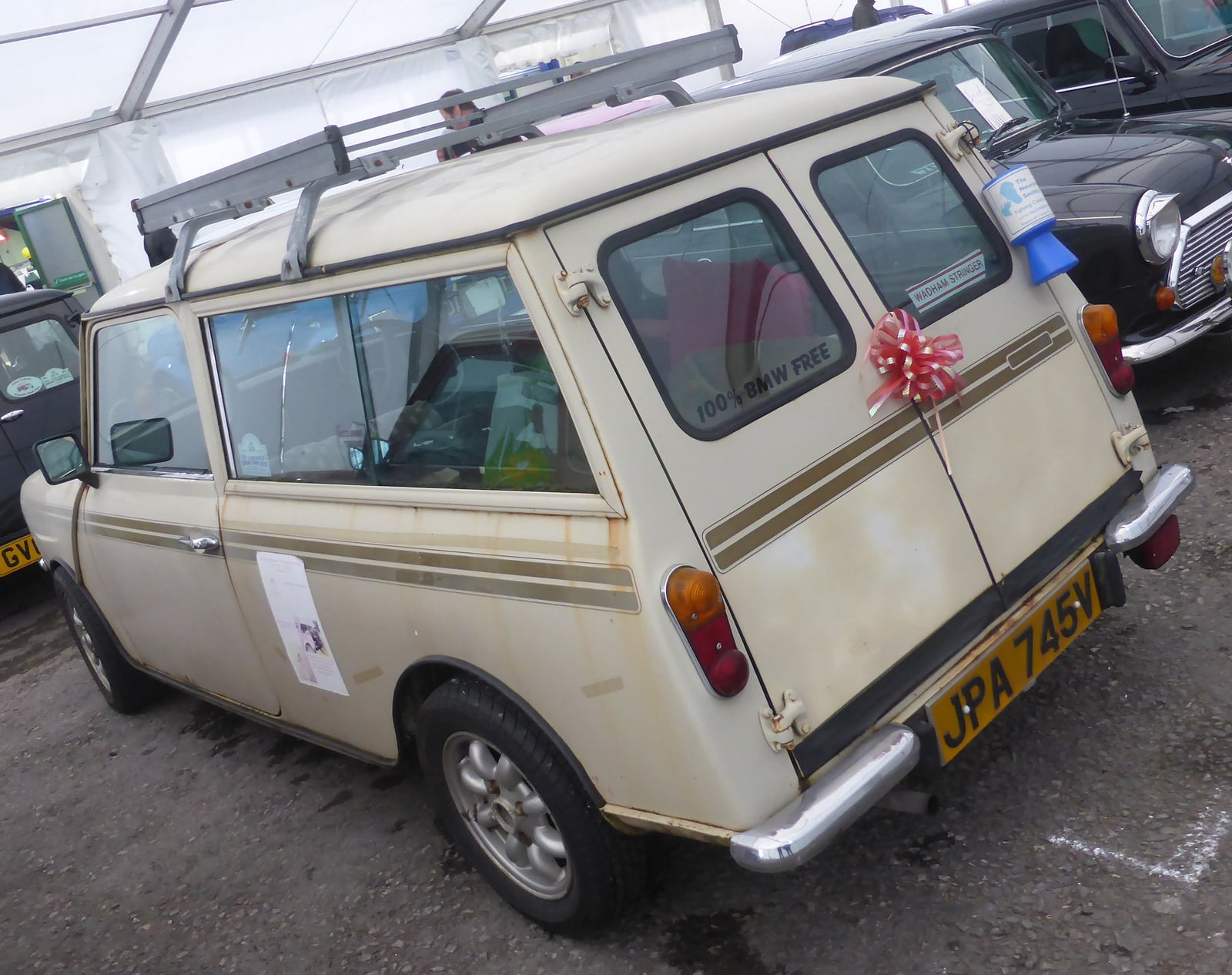
The Clubman was also offered as an estate, the practical load-carrier of the range, with the squared front grafted onto the longer estate body. Unlike the earlier woody Traveller it wore plain bodywork or simple side trim rather than timber framing, but it offered the same useful extra space in the same tiny footprint. The estates are less common than the saloons and make a charming, usable classic.

What it is like to own
The Clubman asks less of its owner than any other Mini. Everything mechanical is ordinary Mini, which is to say small, simple, cheap and supported by a parts industry that has never once looked like running out, and the later interiors are less spartan than the early round-nose cars.
The 1275GT is the version that changes the character rather than the running costs. It adds genuinely useful performance without giving up any of the practicality, which makes it that rare thing, a quick classic you can use as transport rather than save for occasions. Either way these are cars to work on at home with a modest tool kit and keep almost anywhere, and that combination is most of why people who buy one keep it.

Buying guide: what to look for
The rust and mechanical checks common to every Mini are covered in the Mini buying guide, and every one of them applies here. What is particular to this car is the square front, which brings its own front wings and valance rather than sharing the round-nose panels, so establish what is available before taking on a car that needs them.
Then establish which Clubman it is. The 1275GT replaced the Cooper S in the range and sells above an ordinary Clubman, which is incentive enough for a car to be presented as one, so confirm it is genuine and correctly specified for its year. A 1974-on car may wear Dunlop Denovo run-flats, a period curiosity that is now a supply problem rather than a feature. The estates are less common than the saloons, and their longer body seams and load area deserve the same suspicion a van’s would get.

Current value and where it sits
Long overshadowed by the round-nosed cars and the Cooper, the Clubman is still the affordable end of the Mini market. Reckon on £3,000 for something usable and £6,000 to £10,000 for a good one, with the best 1275GTs above that. A sound, original Clubman or 1275GT remains a genuinely good-value way into Mini ownership. For the era, see British classic cars of the 1970s.
More photos
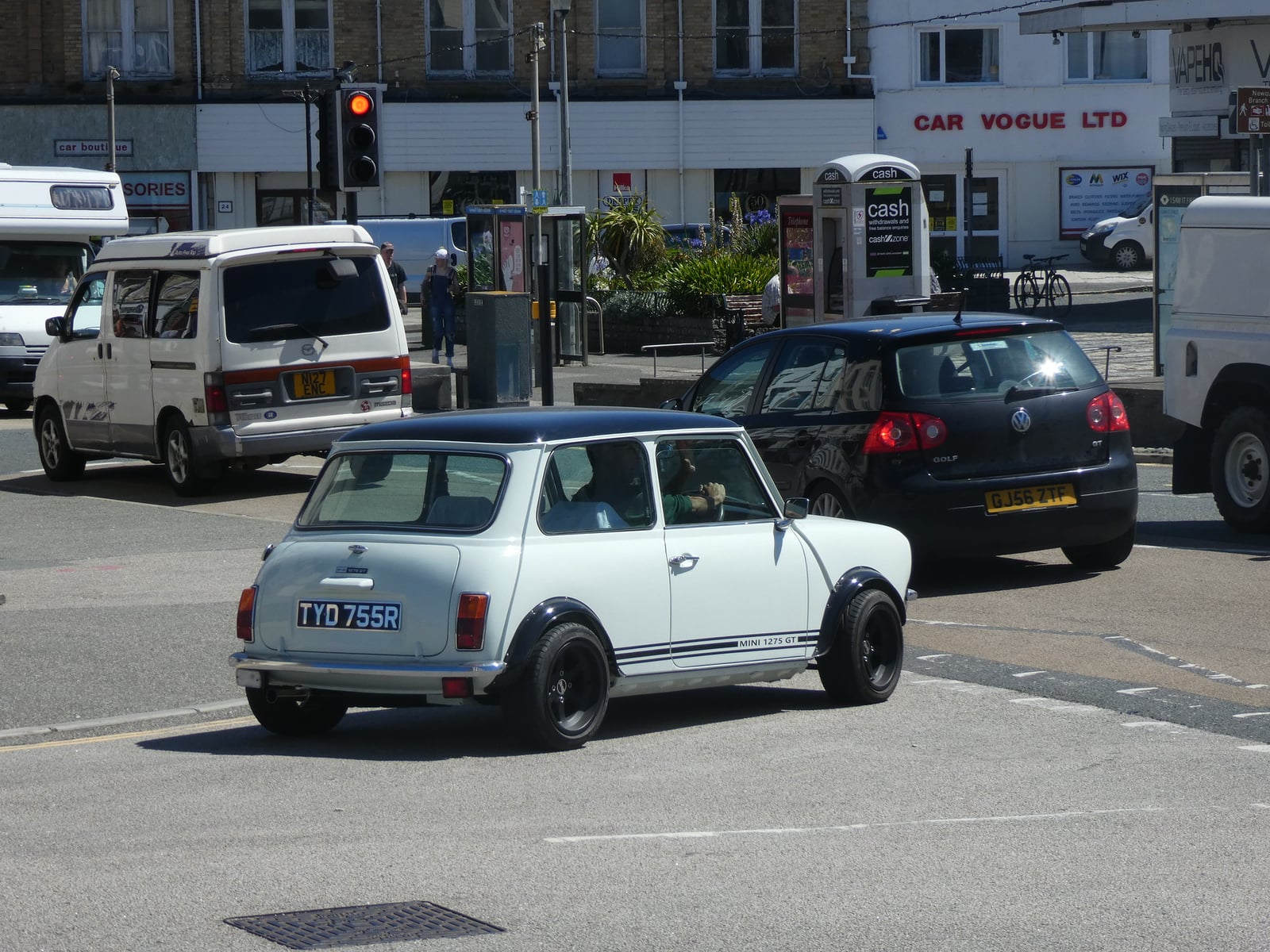
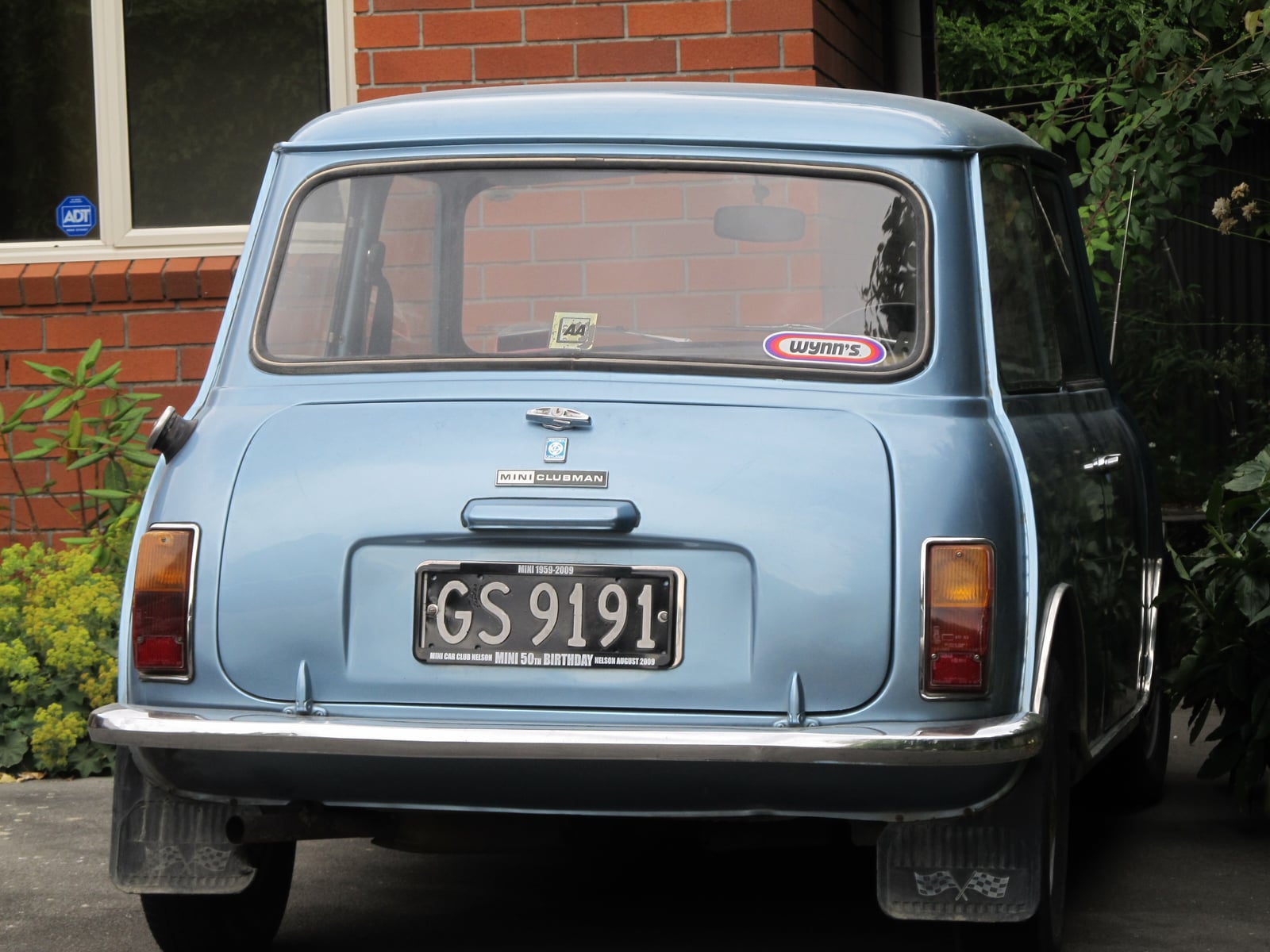
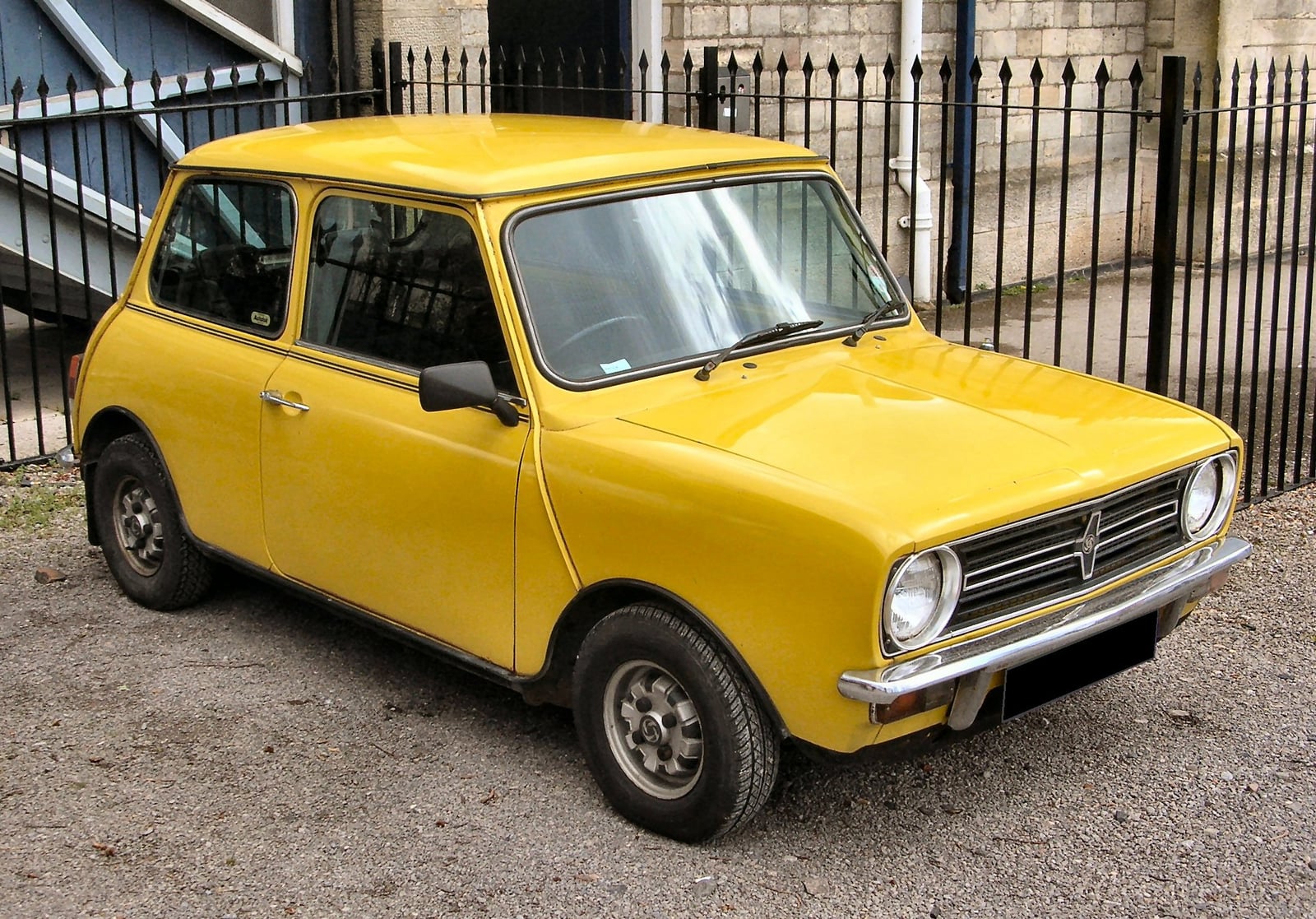


Key dates for the Clubman
- 1969The Clubman arrives with Roy Haynes' longer bonnet and flat grille, plus instruments finally ahead of the driver; the round-nosed Mini continues alongside.
- 1971The 1275GT replaces the Cooper S as the range's sporting Mini, with a rev counter as standard, a Mini first.
- 1974Dunlop Denovo run-flats become an option, among the first on any British production car.
- 1980The Metro takes over the modern-small-car job and Clubman production ends: just over 275,000 saloons, nearly 200,000 estates and around 110,000 1275GTs.
Before you buy a Clubman
The standard Mini checks
- Floors, sills, A-panels and front wings
- Rear subframe and mountings
- The estate's longer body seams and load area, judged as a van's would be
- Nothing about the square nose makes the rust milder
Identity
- A 1275GT sells above an ordinary Clubman, so confirm it is genuine and correctly specified for its year
- The GT's alloys and rev counter are easily added, so the paperwork decides
- Estates are less common than saloons and worth seeking
- Denovo wheels on a 1974-on car are period-correct and a tyre-supply headache
Ownership
- Cars to work on at home with a modest tool kit
- Later interiors are less spartan than the early round-nose cars
- The A-series takes the whole Mini tuning world where wanted
- Honest 1275GTs are leading the family's climb
What the Mini Clubman sells for at auction
In real terms, typical Mini Clubman prices were down about 27% over the five years to 2025, once inflation is accounted for.
Show the year-by-year mediansHide the year-by-year medians
| Year | Sold | Median | In 2025 money |
|---|---|---|---|
| 2026 (so far) | 3 | £6,900 | |
| 2025 | 10 | £5,498 | £5,498 |
| 2024 | 6 | £7,210 | £7,487 |
| 2023 | 6 | £7,386 | £7,926 |
| 2022 | 13 | £7,280 | £8,337 |
| 2021 | 14 | £6,959 | £8,605 |
| 2020 | 4 | £5,948 | £7,537 |
| 2019 | 5 | £9,200 | £11,777 |
| 2018 | 7 | £5,600 | £7,291 |
| 2017 | 4 | £6,938 | £9,241 |
| 2016 | 5 | £4,400 | £6,012 |
- £2,450Mini Clubman
- £7,840Mini Clubman
- £6,900Mini Clubman
- £2,312Mini Clubman
- £5,247Mini Clubman
Reasonable evidence. 87 recorded sales: enough for the range to mean something, though a few unusual cars can still move a single year's median. Based on 87 sold results from public classic car auctions (2004 to 10 August 2026). Sold prices, not asking prices, and not a valuation: condition, history and specification vary from car to car. Inflation-adjusted figures use the ONS CPIH index, in 2025 money.