Lotus Excel: Hethel's best-kept secret, and still the cheapest real Lotus (1982–1992)
The Lotus Excel took the Elite and Eclat's wedge four-seater idea and rebuilt it with Toyota running gear into the most usable classic Lotus of all, then depreciated into the marque's great bargain. A guide to the Excel and the Eclat before it, the Toyota partnership, what to check when buying, and why it costs so little.
Built 1975–1992 44 recorded sales
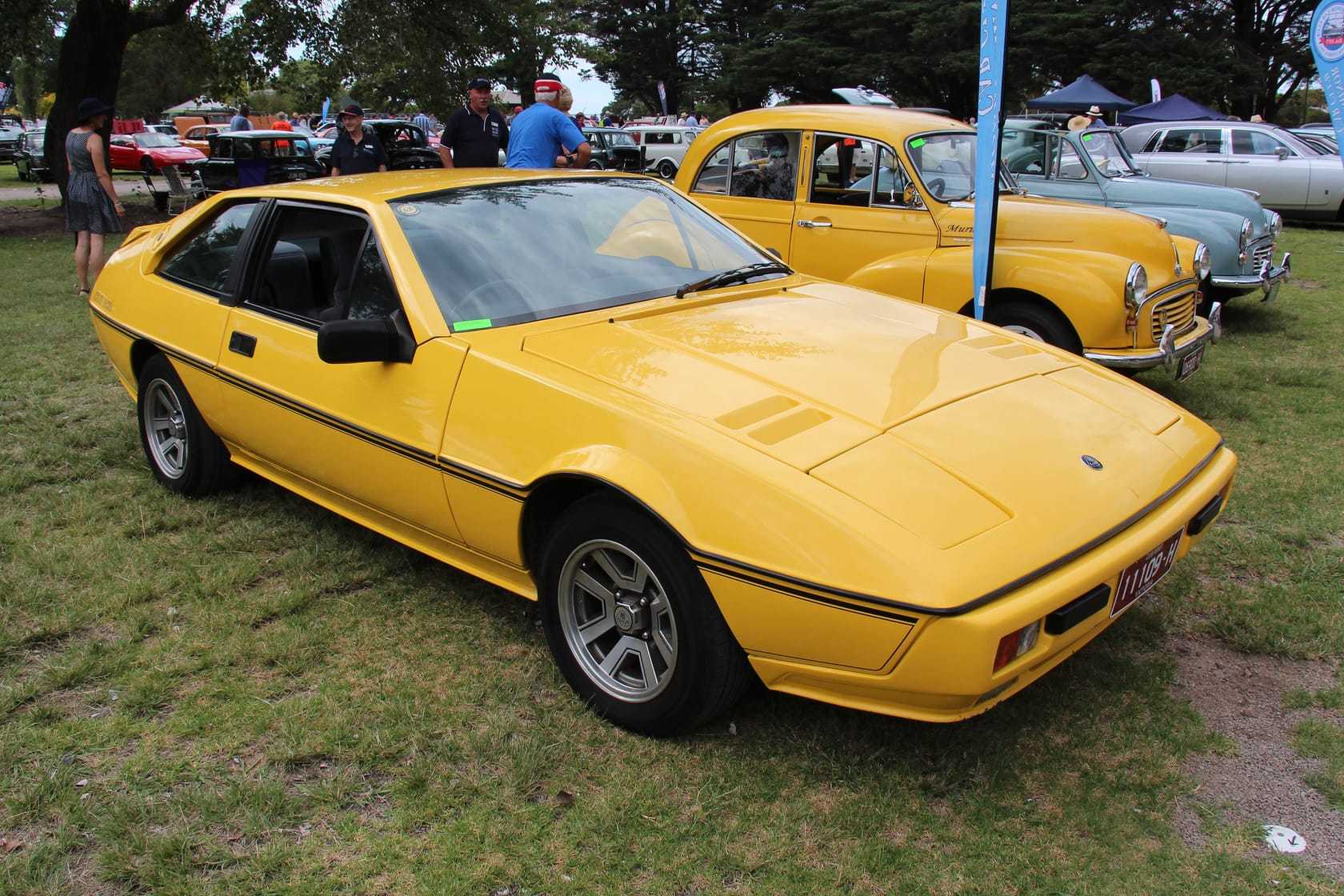
At a glance
- Years
- 1982–1992; Eclat predecessor 1975–1982
- Body styles
- 2+2 fastback coupe
- Drivetrain
- Front engine, rear-wheel drive
- Engines
- 2.2-litre Lotus 912 twin-cam four
- Power
- 160 bhp; 180 bhp (SE)
- Trim levels
- Excel, Excel SE, Excel SA (automatic)
- Production
- Around 2,100
- Assembly
- Hethel, Norfolk
- Designer
- Oliver Winterbottom lineage; Peter Stevens facelift
- Values
- Usable from around £6,000; good cars £8,000-£14,000; the best SEs beyond
- The partnership
- Toyota gearbox, axle and details, from the 1980s Lotus-Toyota tie-up
- The status
- The cheapest route into genuine Lotus ownership
The models
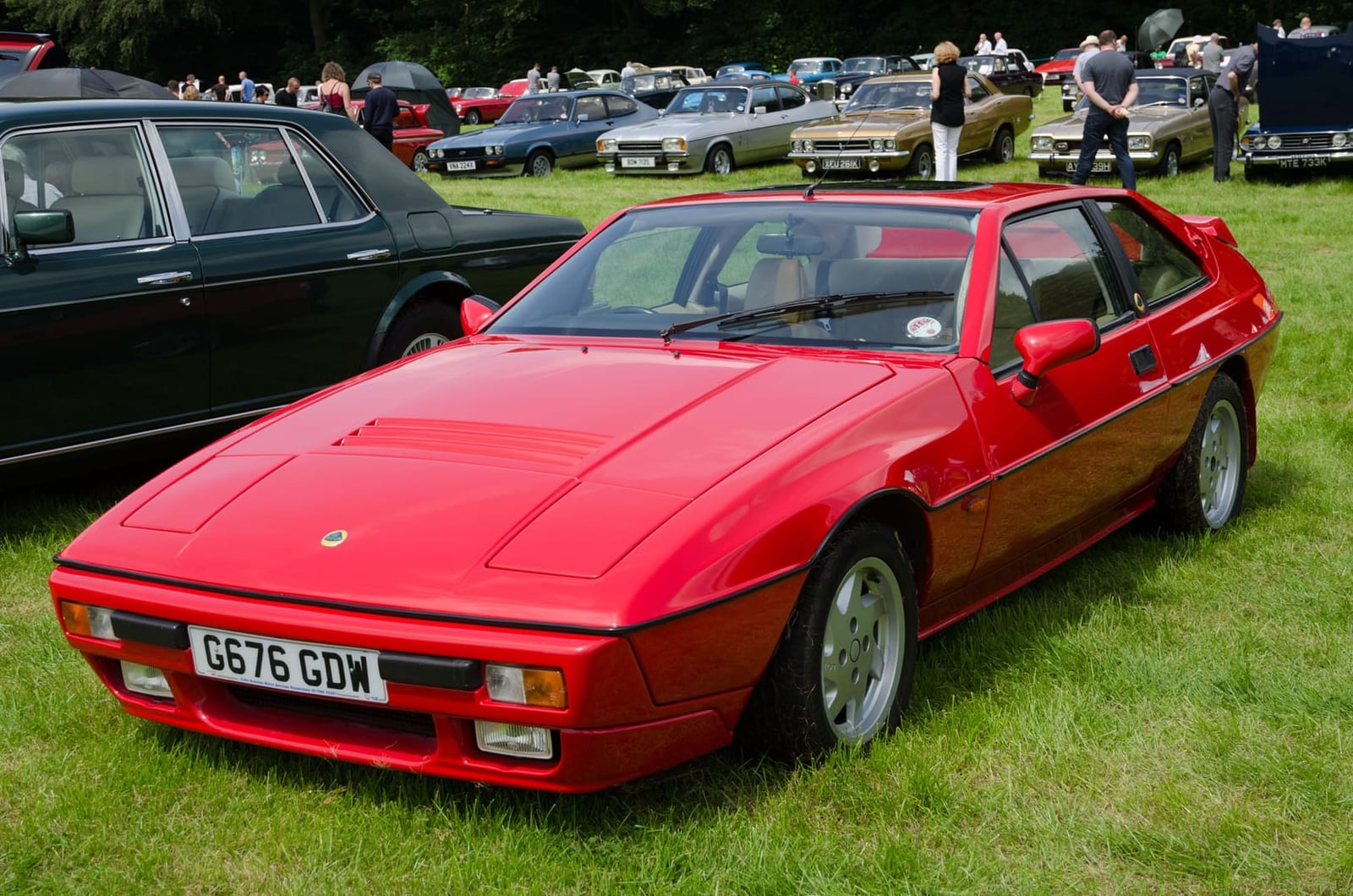
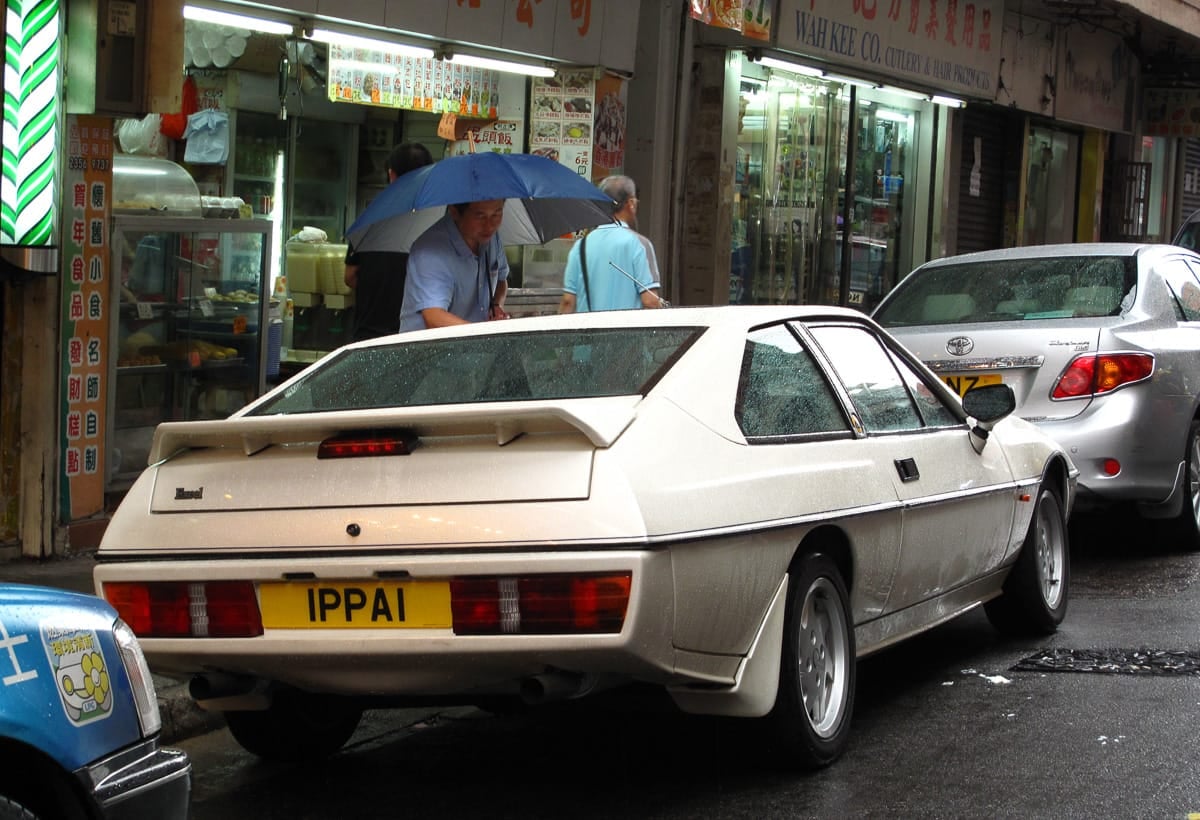
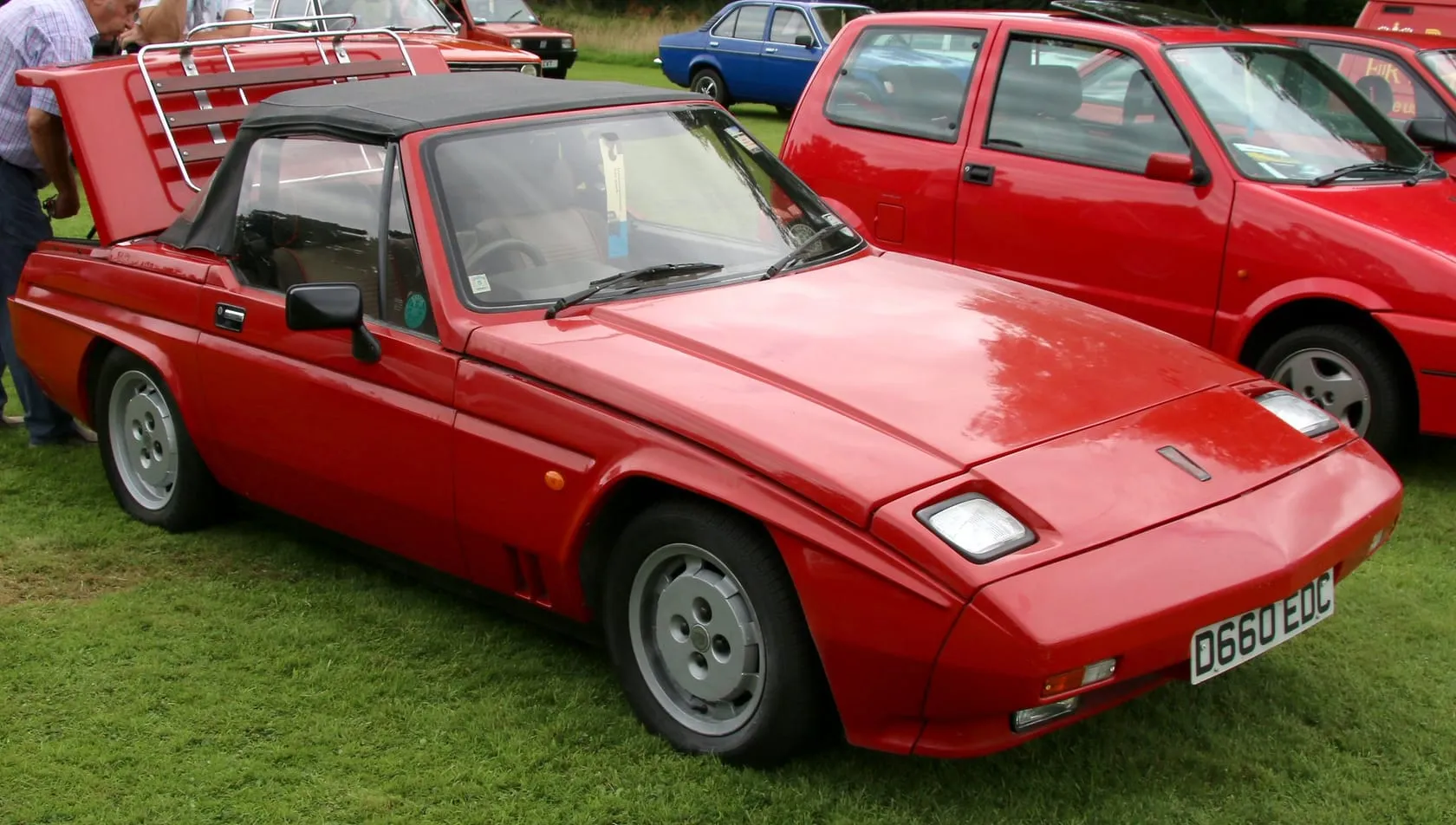
The Lotus Excel has spent decades as the cheapest genuine Lotus money can buy, which says nothing about the car and everything about fashion. Built from 1982 to 1992 on the classic backbone-and-glassfibre recipe, praised in period for steering and ride that embarrassed cars at twice the price, it offers four seats, 160 horsepower and the marque’s engineering for the price of a tired hot hatch. The secret is leaking out, slowly.
From Elite and Eclat to Excel
The Excel’s story starts with Lotus’s 1970s push upmarket. The Elite of 1974 was a bold glassfibre four-seat wedge, the Eclat of 1975 its prettier fastback sister, and both suffered the build quality of the company’s hardest era, earning reputations that still depress the whole family’s prices. The 1982 Excel kept the concept and fixed the execution: a galvanised backbone chassis, revised suspension, the developed 2.2-litre 912 twin-cam, and, crucially, a driveline sourced through the new Toyota partnership. Same silhouette, transformed car.

The Toyota connection
The early 1980s tie-up between Lotus and Toyota traded engineering consultancy for components, and the Excel was the visible result: its gearbox, differential and various details came from the W58-equipped Supra parts bin, bringing Japanese dependability to Norfolk glassfibre. The arrangement steadied Lotus commercially during a precarious period and gave the Excel the toughest driveline of any classic Lotus, a fact the used market has still not fully priced in.

The best-kept secret, in period and since
Road testers of the 1980s consistently ranked the Excel’s chassis among the finest of the decade, praising a ride-and-handling blend that made German rivals feel wooden, and buyers consistently ignored them: around 2,100 were built in ten years while the Esprit took the headlines. The SE of 1986 added a 180 bhp engine and sharper looks via a Peter Stevens facelift, and an automatic SA broadened the range. Production ended in 1992, leaving the marque’s most usable classic and its least celebrated.
Numbers put the neglect in perspective: roughly 2,100 Excels in a decade is fewer cars than some rivals sold in a good quarter, and survivors on British roads today number in the hundreds, rarer than many classics costing five times as much.

What an Excel is like to drive
The Excel drives like a grand touring Elan. The unassisted steering carries the same living accuracy, the backbone chassis delivers the same supple control that lets it flow down a British B-road at speeds stiff-legged rivals cannot hold, and the 912 engine, torquey below and eager above, suits the car’s long-legged character. Four real seats and a usable boot make it the Lotus that does journeys: owners genuinely tour in them, luggage, passengers and all, which is not a sentence anyone writes about an Esprit. Its only period shortfall was straight-line pace against six-cylinder rivals, and on today’s roads that matters not at all.

Excel against its rivals
The Excel’s period competition explains both its failure and its bargain status now. Buyers cross-shopped it against the Porsche 944 and Toyota’s own Supra, cars with stronger images, bigger dealer networks and better resale, and the badge-cautious 1980s executive chose the safe option. Yet the road tests told a different story: the Lotus rode better than the Porsche, steered better than anything in the class, and offered genuine 2+2 practicality the two-seat crowd could not. Time has been kinder to the argument than the market was: a 944 now costs more to buy and no more to run, while the Excel remains the cheapest car of the group and, on a British B-road, the most rewarding.

Buying a Lotus Excel today
The galvanised chassis removes the classic Lotus terror, so inspection moves to the details: cambelt history on the 912 engine above everything, cooling-system health, the state of the electrics and switchgear, and interior condition, because trim is the hardest thing to source. Glassfibre crazing is cosmetic but quotes for paint are not. The Toyota mechanicals barely wear; cars that sat unused are the risk, so favour the Excel that has been driven and serviced over the garage ornament with tiny mileage.
The SA automatic suits relaxed touring and trades at a small discount; the manual SE is the collector’s pick. Prices remain the marque’s standing joke: usable cars from around £6,000, good ones £8,000 to £14,000, the best SEs nudging £18,000. Nothing else with this badge, or this chassis ability, costs so little, and the owners who know it show no urgency about telling everyone. For the era’s context, see the cars of the 1980s. Hethel’s best-kept secret rewards the buyers who find it before the market does.

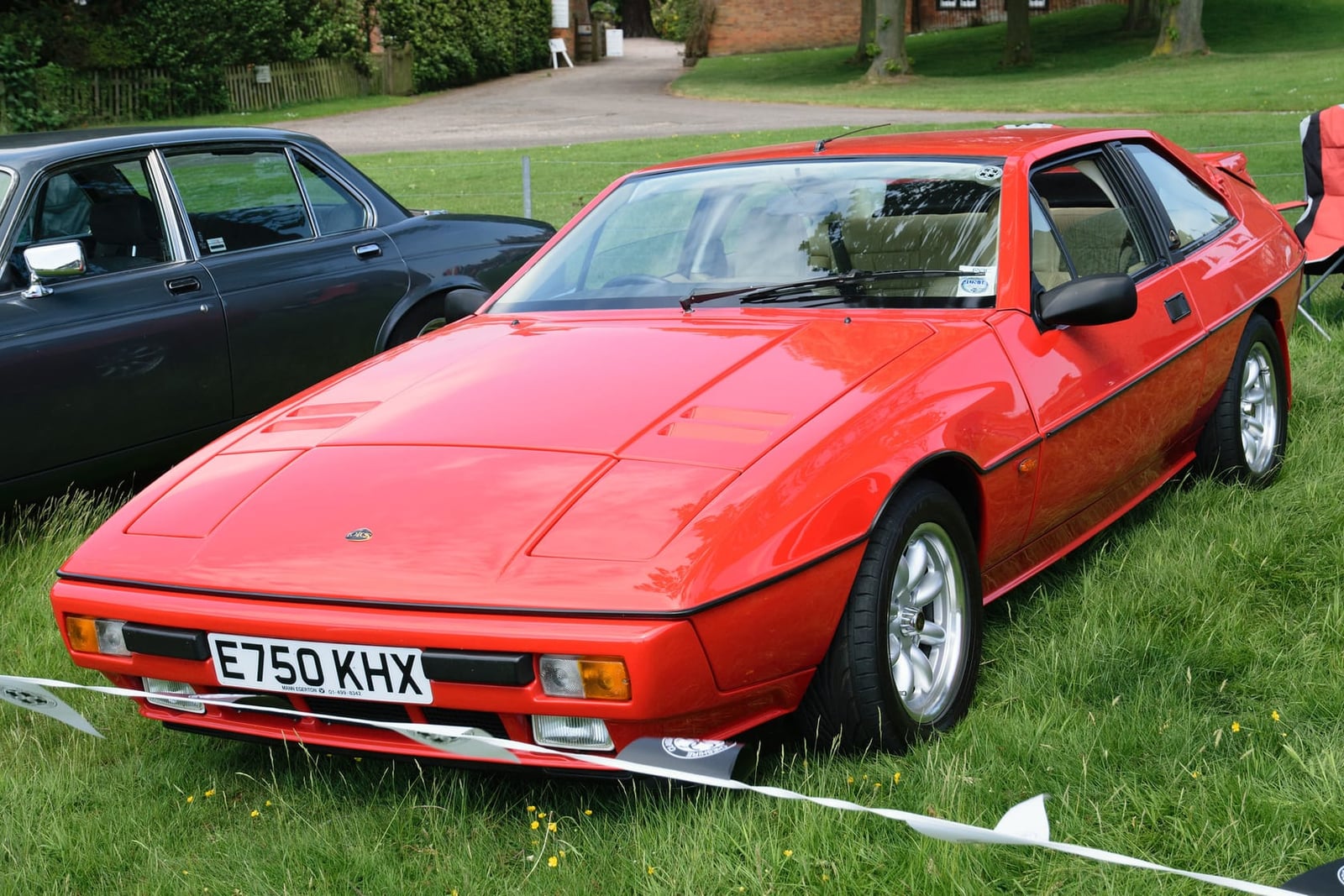
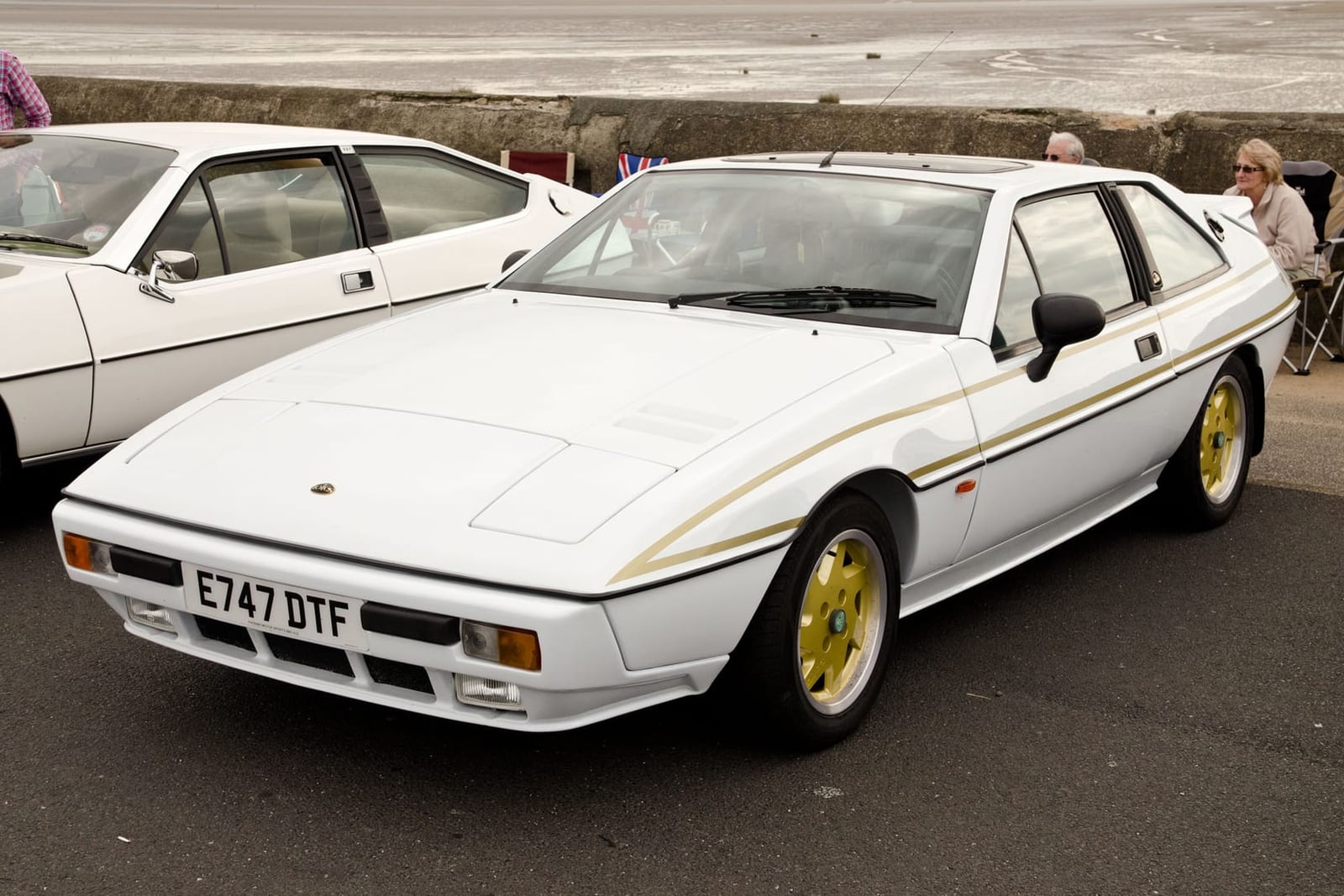
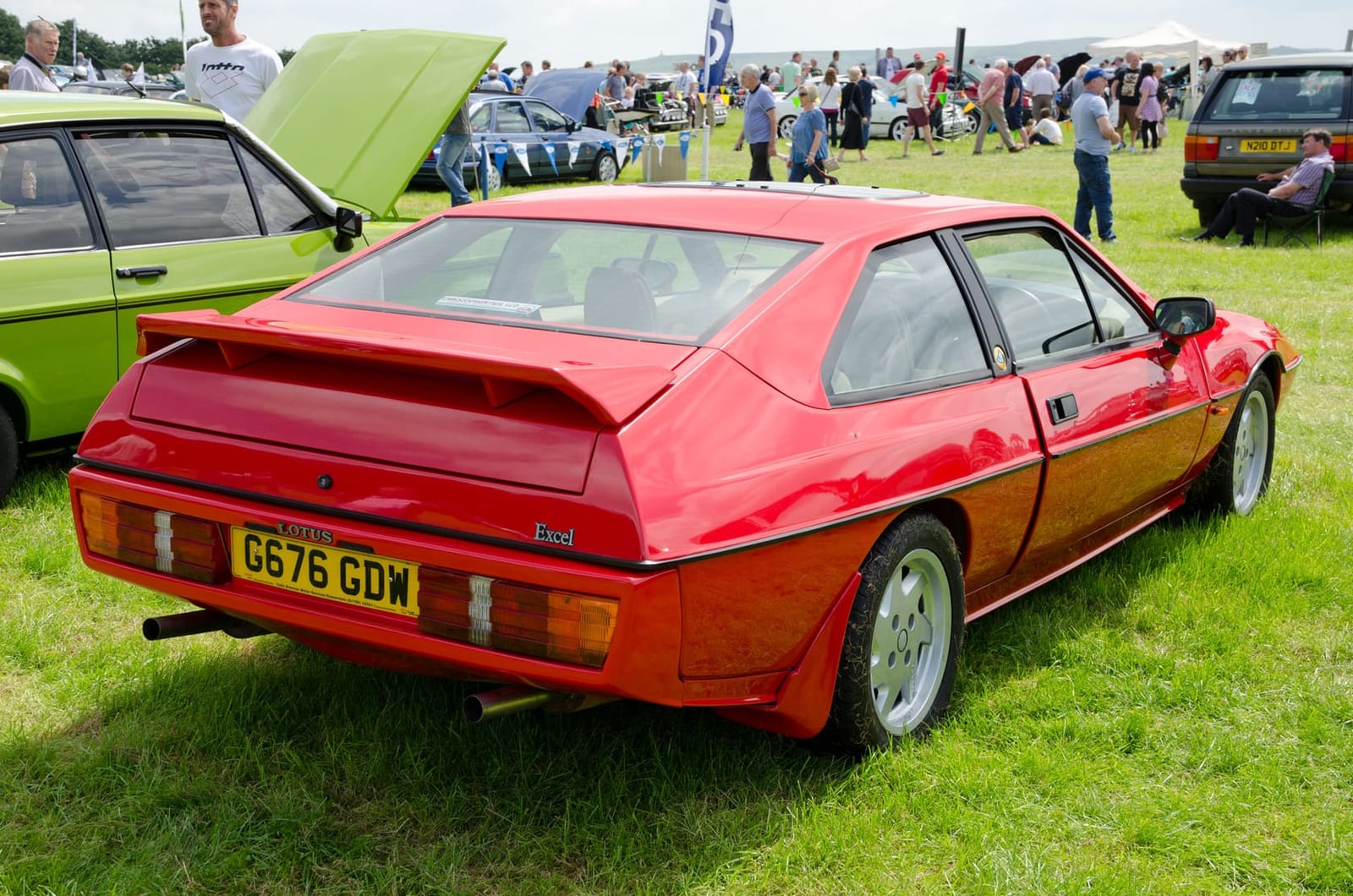
More photos
Excel: what changed and when
- 1974The glassfibre four-seat Elite begins the family; the prettier fastback Eclat follows in 1975, both suffering the build quality of the company's hardest era.
- 1982The Excel keeps the concept and fixes the execution: galvanised backbone chassis, revised suspension, the 2.2-litre 912 twin-cam and a Toyota-sourced driveline.
- 1986The SE adds a 180 bhp engine and a Peter Stevens facelift; the automatic SA broadens the range.
- 1992Production ends at around 2,100 cars in ten years, fewer than some rivals sold in a good quarter.
What to check on an Excel
The details, since the chassis is safe
- Cambelt history on the 912 engine, above everything
- Cooling-system health
- The state of the electrics and switchgear
- Interior condition, because trim is the hardest thing to source
Body and use
- Glassfibre crazing is cosmetic, but paint quotes are not
- The Toyota mechanicals barely wear
- Cars that sat unused are the risk, so favour the driven, serviced example
- Survivors on British roads number in the hundreds, so patience beats urgency
Which one
- The manual SE is the collector's pick
- The SA automatic suits relaxed touring and trades at a small discount
- Elite and Eclat predecessors are cheaper still and carry the old build-quality reputations
- Nothing else with this badge or this chassis ability costs so little
What the Excel & Eclat sells for at auction
The Excel & Eclat comes to auction only occasionally: 44 recorded sales since 2005, typically making between £4,097 and £8,195 . With so few sales, treat any single result as a data point rather than a market price.
- £8,187Excel
- £2,100Excel
- £10,082Excel
- £10,966Excel
- £3,089Excel
Thin evidence. Only 44 recorded sales: read the figures as a sketch of the market, not a price. Based on 44 sold results from public classic car auctions (2005 to 10 August 2026). Sold prices, not asking prices, and not a valuation: condition, history and specification vary from car to car. Inflation-adjusted figures use the ONS CPIH index, in 2025 money.
Frequently asked questions
Is the Lotus Excel a proper Lotus?
What is the difference between the Lotus Eclat and the Excel?
Why is the Lotus Excel so cheap?
Are Lotus Excels reliable?
How much is a Lotus Excel worth?
What is the most expensive Excel & Eclat ever sold at auction?
How often does an Excel & Eclat come up for sale?
Related across themes

More from Lotus


Recently added

Bentley S-series: the quiet twin with the beautiful secrets (1955–1965)

Rolls-Royce Silver Spirit and Silver Spur: the last Crewe bargain (1980–1999)

Rolls-Royce Corniche: the coachbuilt survivor that outlived its makers (1971–1995)
