Lotus Esprit: the wedge that went underwater and grew into a supercar (1976–1992)
The Lotus Esprit wore Giugiaro's sharpest wedge over a backbone chassis, drove underwater in The Spy Who Loved Me, and matured through turbocharging into a genuine supercar rival. A guide to the Giugiaro and Stevens eras, the Bond fame, the Turbo, what to check when buying, and what an Esprit costs today.
Built 1976–2004
At a glance
- Years
- 1976–1992 (four-cylinder classic era; V8 to 2004)
- Body styles
- Two-seat mid-engined coupe
- Drivetrain
- Mid engine, rear-wheel drive
- Engines
- 2.0 and 2.2 Lotus 900-series fours; turbocharged from 1980
- Power
- 160 bhp (S1) to 264 bhp (Turbo SE)
- Trim levels
- S1, S2, S3, Turbo; Stevens-era X180, Turbo SE
- Production
- Around 10,500 across the four-cylinder eras
- Assembly
- Hethel, Norfolk
- Designer
- Giorgetto Giugiaro; Peter Stevens restyle 1987
- Values
- Usable from around £25,000 (Giugiaro) / £18,000 (Stevens); the best and S1s well beyond
- Screen fame
- Bond's submarine Esprit in The Spy Who Loved Me (1977)
- The leap
- The 1980 Turbo made the four-cylinder Esprit a supercar rival
The models
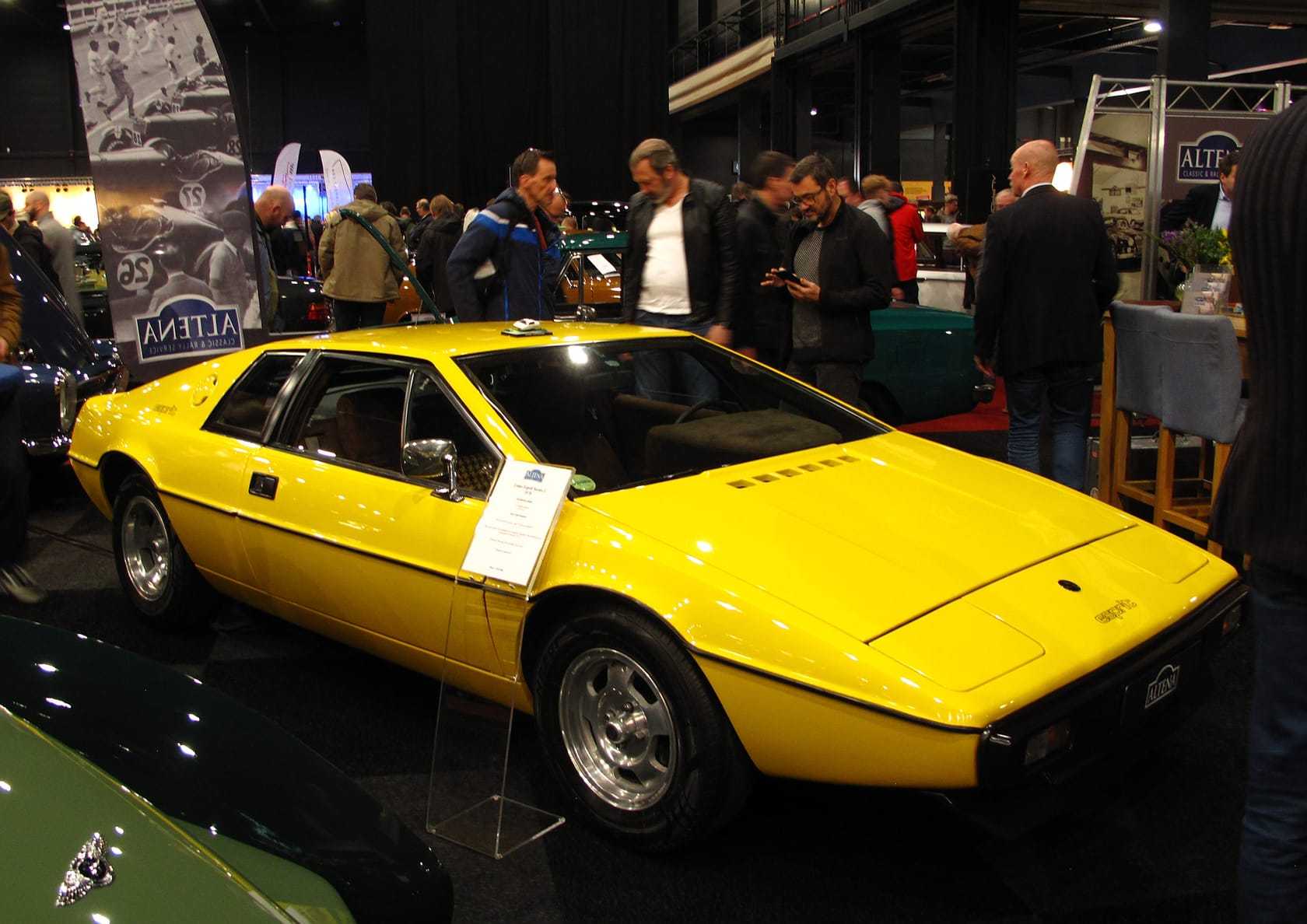
Every supercar needs one immortal moment; the Lotus Esprit got its in 1977, driving off a jetty into the Mediterranean and turning into a submarine. The Bond films made the wedge world-famous, but the car underneath deserved the attention on merit: Giugiaro’s sharpest shape over a classic Lotus backbone chassis, mid-engined balance the big names envied, and a development story that turned 160 bhp of 1976 promise into a genuine Ferrari rival by the late 1980s.
Giugiaro’s folded paper
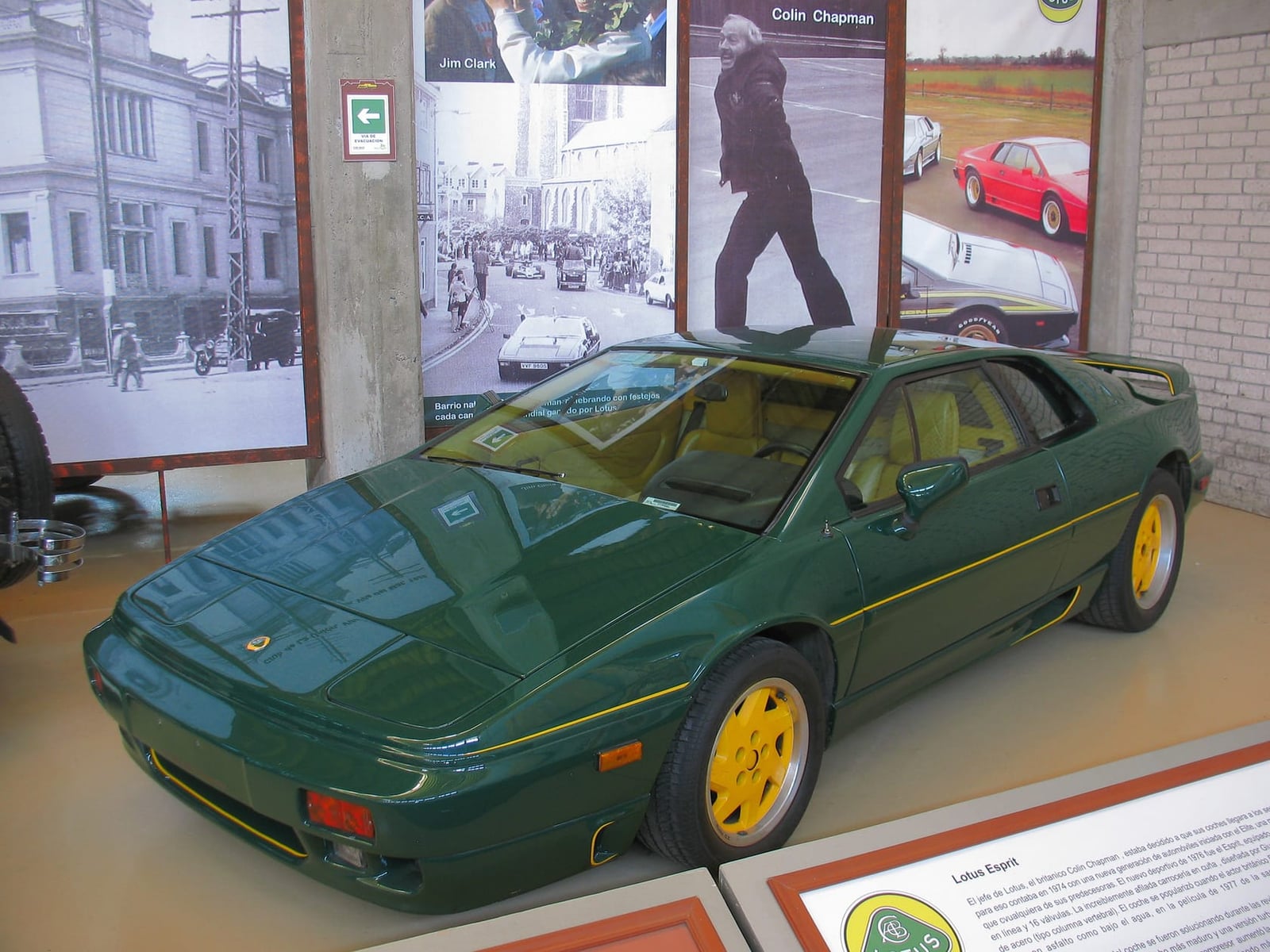
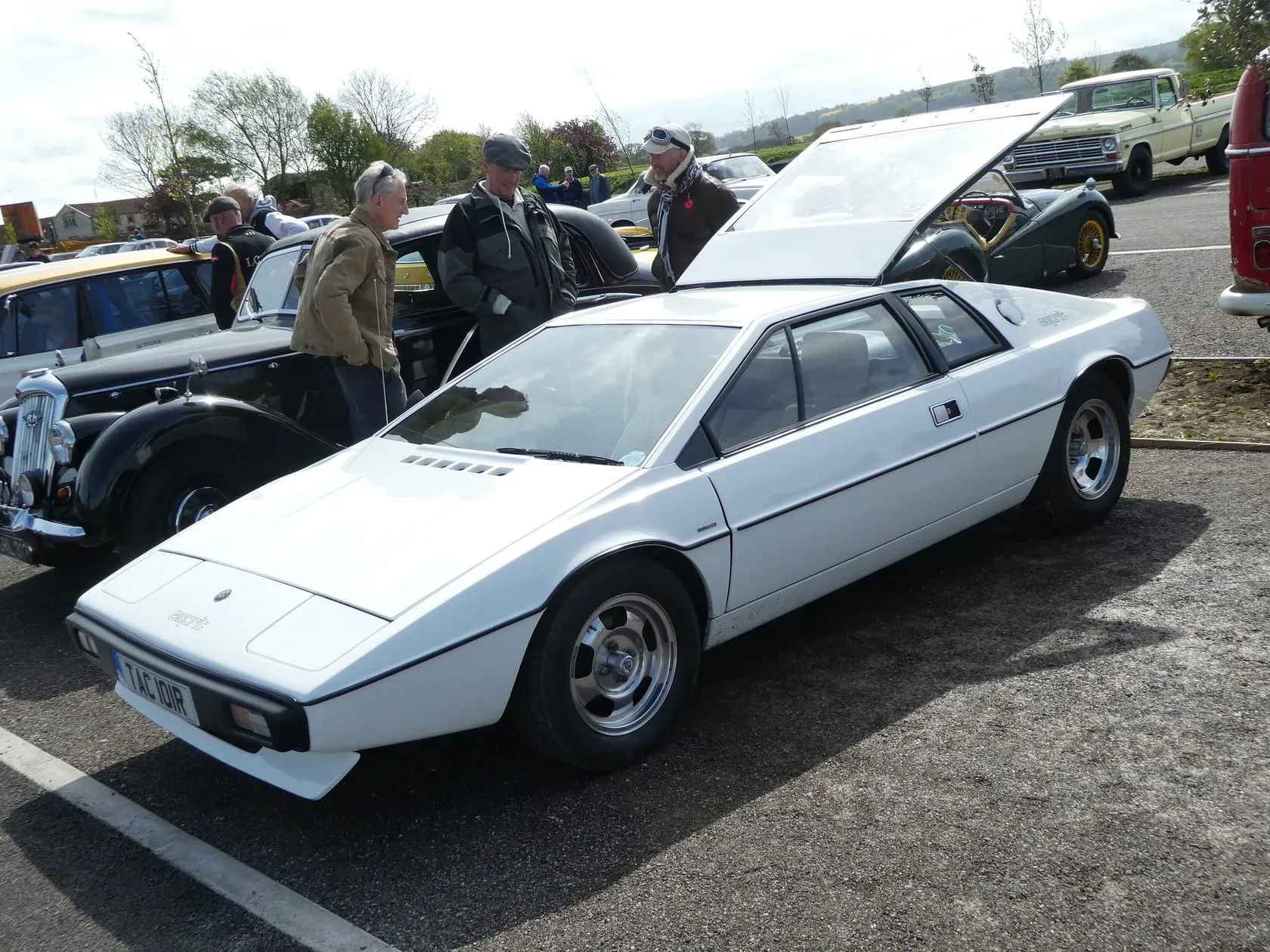
The Esprit began as a 1972 Turin show concept, Giorgetto Giugiaro’s “folded paper” study on the Europa’s replacement, and reached production in 1976 remarkably intact: a low, angular, glassfibre wedge over a steel backbone, with Lotus’s own 2.0-litre twin-cam four mounted amidships. The S1 was light, balanced and beautiful, if underdeveloped in period fashion, and successive S2 and S3 revisions civilised it through the decade while the shape stayed pure. No car better captures the 1970s supercar silhouette at sports-car scale.

Wet Nellie and the Bond effect
Lotus engineered one of cinema’s great product placements by parking a prototype outside the Bond production office and letting curiosity do the rest. The Spy Who Loved Me sent a white S1 off a Sardinian jetty and along the seabed, via a genuinely submersible converted shell nicknamed Wet Nellie, and For Your Eyes Only brought a Turbo encore. The films fixed the Esprit in global culture and still shape the market: white S1s carry a premium no spec sheet explains.

Turbo: the growing up
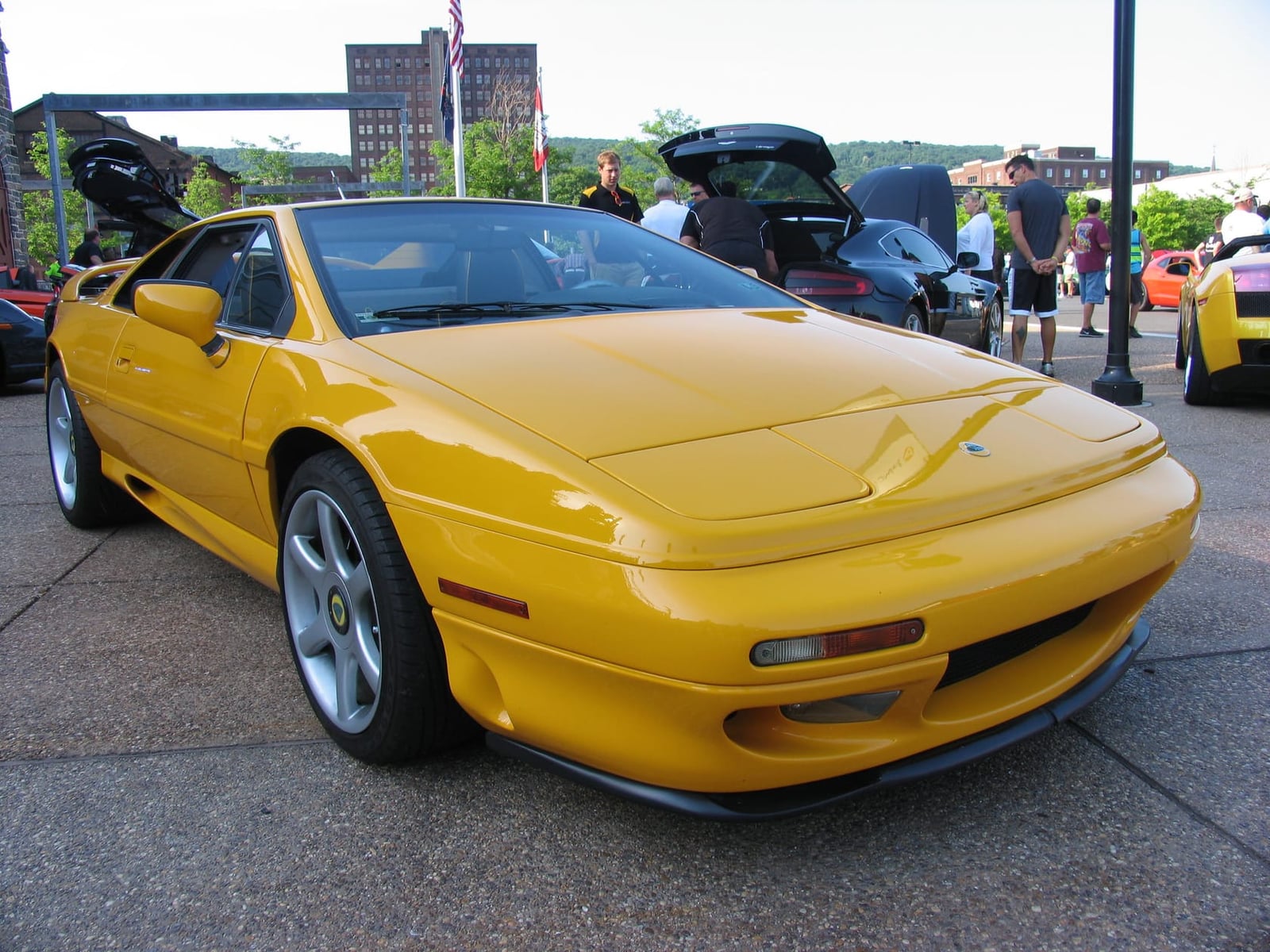
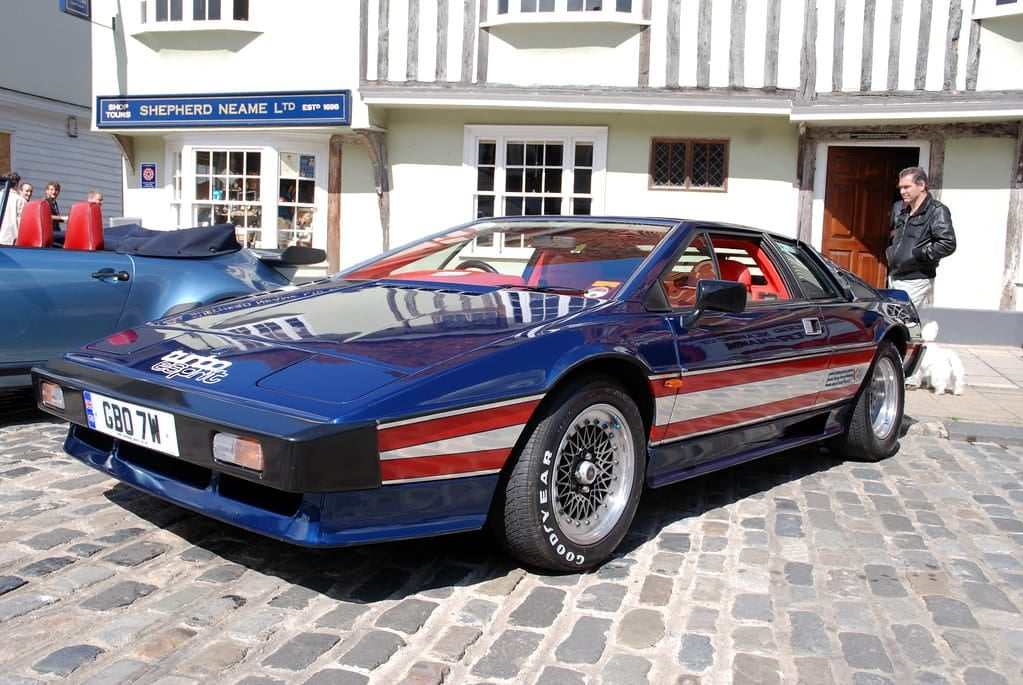
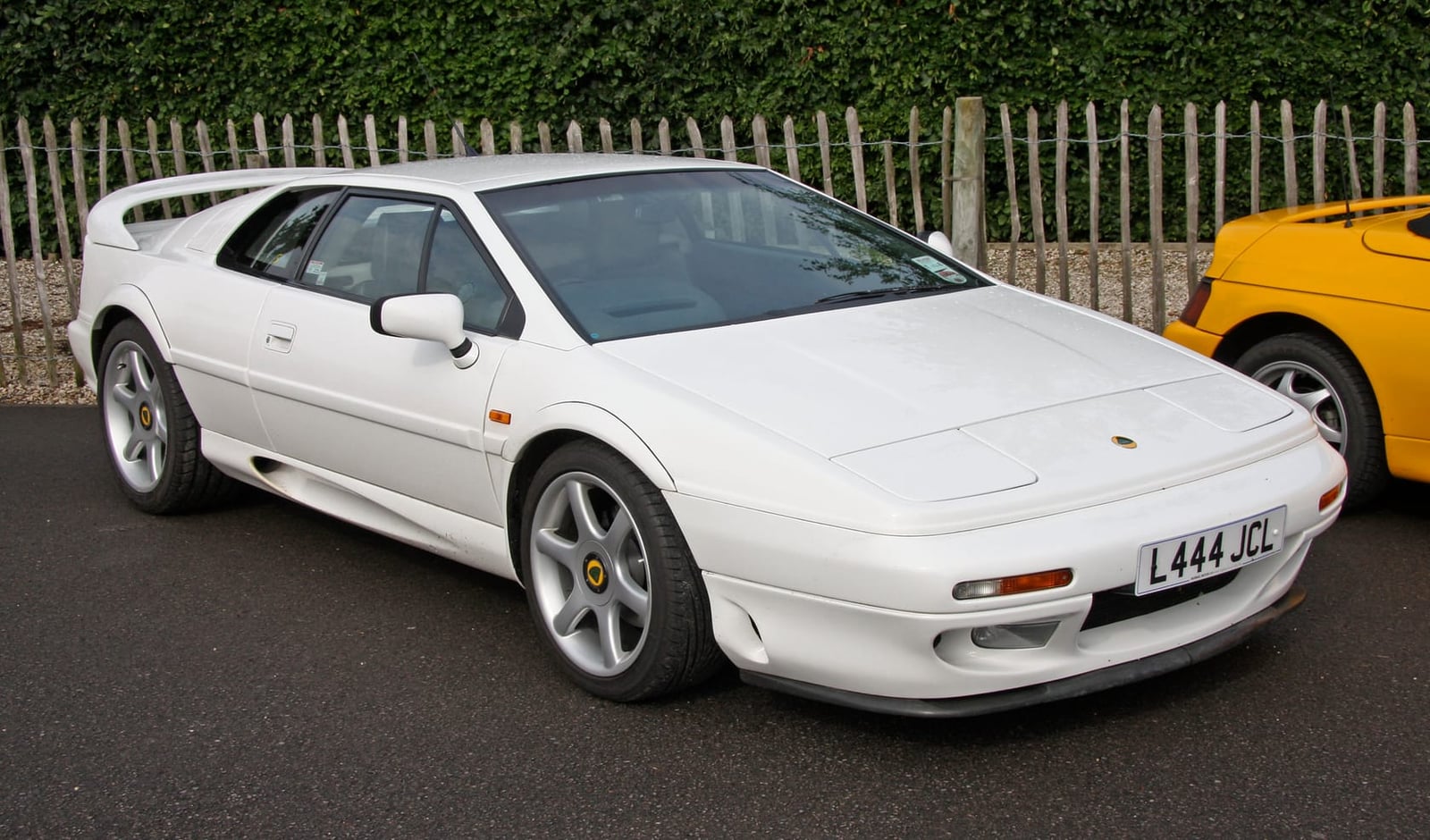
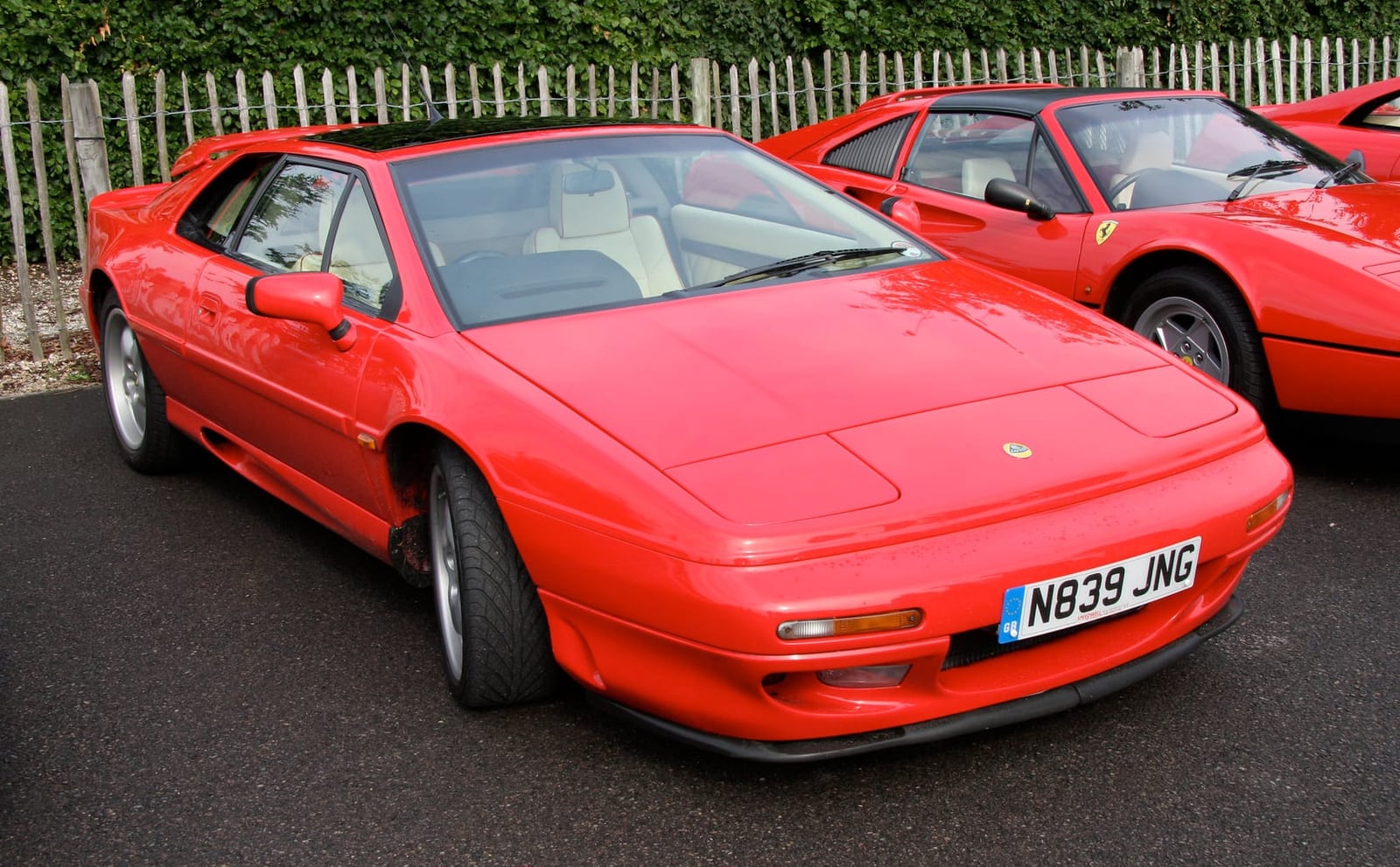
The 1980 Esprit Turbo changed the car’s category. The enlarged 2.2 four gained a turbocharger and, in stages, genuine supercar performance, the first Turbos wearing Essex sponsor livery just as the S2 had marked Lotus’s world championships with black-and-gold John Player Special editions, and culminating in the late-1980s Turbo SE whose low-five 0-60 times and cornering speeds embarrassed cars with twice the cylinders. Peter Stevens’s 1987 restyle, known by its project code X180, wrapped the same skeleton in softer, modern surfaces; the four-cylinder line ran on through the chargecooled S4 of 1993 before the V8 era took over. Through it all the recipe held: modest mass, mid-engined balance, and a chassis tuned by people who raced.
One spotting note helps at shows: federal bumpers and left-hand drive mark the many cars that came home from America, worth no less to drive but worth checking against the registration story.

What an Esprit is like to drive
The driving position is pure event, low, snug, windscreen raked to the horizon, and the car around it feels light in a way modern supercars cannot: quick steering, instant changes of direction, and a ride that shames stiffer exotics. Early cars are momentum machines, rewarding smoothness over power; Turbos add the shove the looks always promised, with boost arriving theatrically in period style. The gearchange is long but positive, visibility is better than the shape suggests, and the whole car asks to be driven with precision rather than aggression, which is the most Lotus sentence there is.

Living with an Esprit
Esprit ownership rewards routine. The cars thrive on regular use and suffer from hibernation, so the good ones belong to owners who drive them, keep the cooling system honest and treat the cambelt schedule as scripture. Parts support is better than the car’s exotic looks suggest, with the 900-series engine shared with the four-seat Excel well understood and a specialist network that knows every weakness, and running costs sit closer to sports-car than supercar levels, the four-cylinder’s appetite included. The cabin is snug for tall drivers, luggage space is a rumour, and none of it matters once the road opens: few cars at any price deliver the same sense of occasion per mile.

Buying a Lotus Esprit today
Heat is the Esprit’s lifelong enemy, so inspection starts with the cooling system: the long pipe runs to the front radiator, the fans, and evidence that the engine has never cooked its head gasket or cambelt schedule. The backbone chassis needs checking where it meets the rear suspension, galvanised on later cars, not on early ones, and the glassfibre wants honest gel coat rather than filler over crazing. Interiors age visibly and retrims are costly. Above all buy specialist history: a documented Esprit is a joy, an unknown one is a gamble whose downside is measured in thousands.
Buy the newest, best-sorted car the budget reaches rather than the oldest, prettiest project, is the specialist consensus. The market rewards the famous shape and, above it, the V8: the Giugiaro cars and the S1 over the Stevens-era X180, which is the accessible route in, with the Turbo SE the connoisseur’s pick; the full record, 507 recorded sales by series, and why the Esprit has risen while most of its contemporaries have fallen, is on the page covering Lotus Esprit values. Among the cars of the 1970s and 1980s nothing offers this much theatre for the money, and the crowd around an Esprit at any show suggests the world has finally noticed.

More photos
Key dates for the Esprit
- 1972Giugiaro's folded-paper study on a Europa replacement appears at the Turin show.
- 1976The S1 reaches production remarkably intact: a glassfibre wedge over a steel backbone with Lotus's 2.0-litre twin-cam amidships at 160 bhp.
- 1977The Spy Who Loved Me sends a white S1 off a Sardinian jetty, via the submersible shell nicknamed Wet Nellie, and fixes the car in global culture.
- 1980The Esprit Turbo changes the car's category, the enlarged 2.2 four gaining a turbocharger, the first cars in Essex sponsor livery.
- 1987Peter Stevens' X180 restyle wraps the same skeleton in softer, modern surfaces.
- 1989The Turbo SE reaches 264 bhp, with low-five 0 to 60 times that embarrass cars with twice the cylinders.
- 1993The chargecooled S4 closes the four-cylinder line at around 10,500 cars before the V8 era takes over.
Before you buy an Esprit
Cooling, first
- The long pipe runs to the front radiator, and the fans that serve it
- Evidence the engine has never cooked a head gasket
- Cambelt schedule treated as scripture, with paperwork to prove it
- Heat is the Esprit's lifelong enemy, so this section outranks everything else
Chassis and body
- The backbone where it meets the rear suspension, galvanised on later cars but not on early ones
- Honest gel coat rather than filler over crazing
- Interiors age visibly and retrims are costly
- Federal bumpers and left-hand drive mark cars repatriated from America; check against the registration story
History and version
- A documented Esprit is a joy, an unknown one is a gamble measured in thousands
- Buy the newest, best-sorted car the budget reaches rather than the oldest, prettiest project
- White S1s carry a Bond premium no specification sheet explains
- Stevens-era X180 cars are the accessible route in; the Turbo SE is the connoisseur's pick
Frequently asked questions
Which James Bond film has the Lotus Esprit?
Is the Lotus Esprit a real supercar?
What is the difference between the Giugiaro and Stevens Esprits?
Are Lotus Esprits reliable?
Related across themes
More from Lotus

Lotus Eleven: the tiny sports racer that made Lotus a marque (1956–1958)

Lotus Excel: Hethel's best-kept secret, and still the cheapest real Lotus (1982–1992)

Lotus Carlton: the 176mph Vauxhall they tried to ban (1990–1992)

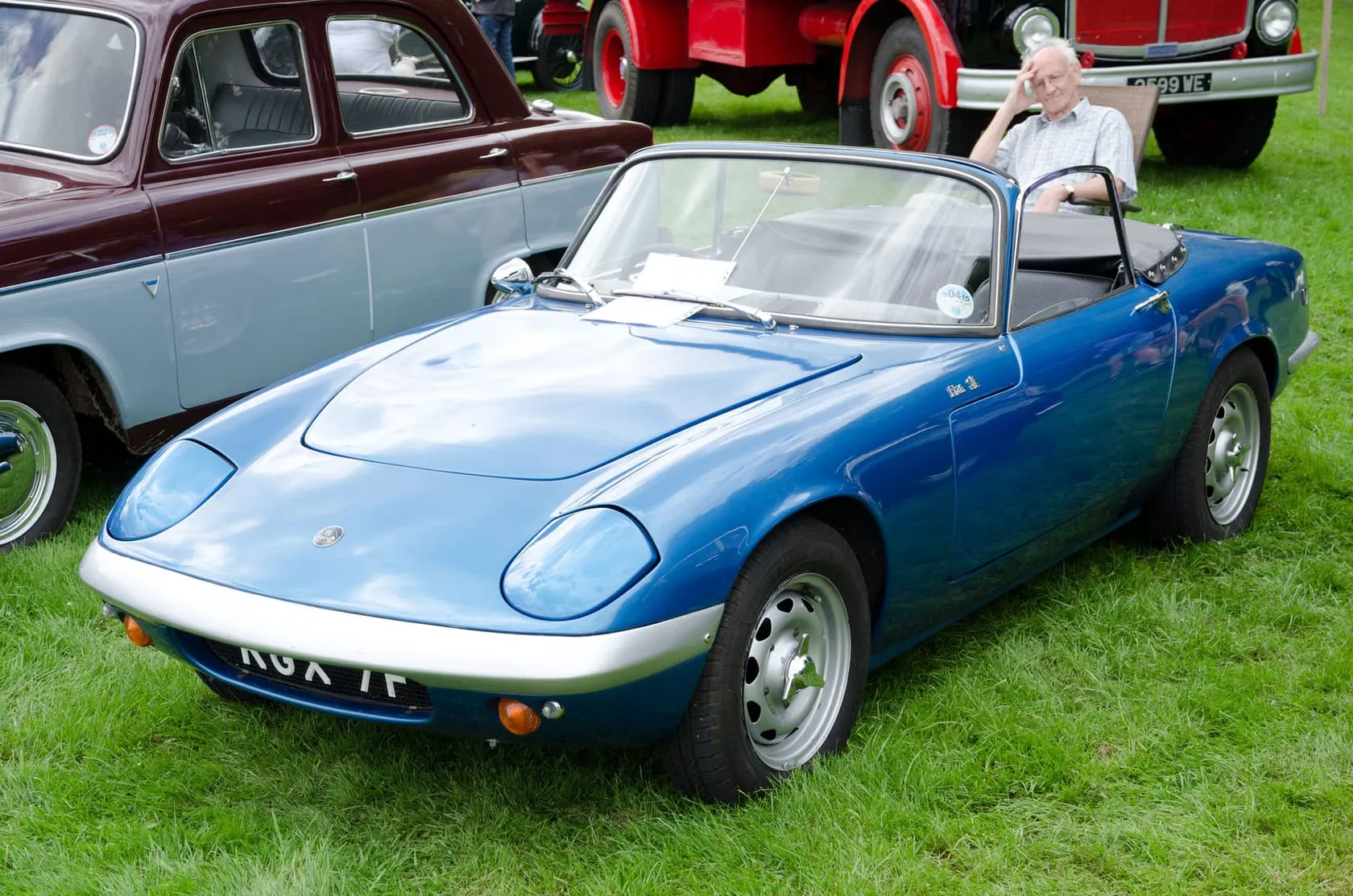
Lotus Europa: the bread van that beat the supercars to mid-engines (1966–1975)
Recently added

Bentley S-series: the quiet twin with the beautiful secrets (1955–1965)

Rolls-Royce Silver Spirit and Silver Spur: the last Crewe bargain (1980–1999)

Rolls-Royce Corniche: the coachbuilt survivor that outlived its makers (1971–1995)
