Lotus Elan: 700 kilograms that changed what a sports car had to be (1962–1973)
The Lotus Elan paired a steel backbone chassis with a glassfibre body and the twin-cam engine, weighed barely 700 kilograms, and redefined sports-car handling for good. A guide to the S1 to Sprint, the +2 four-seater, the Emma Peel fame, what to check on chassis and twin-cam, and what an Elan costs today.
Built 1962–1974
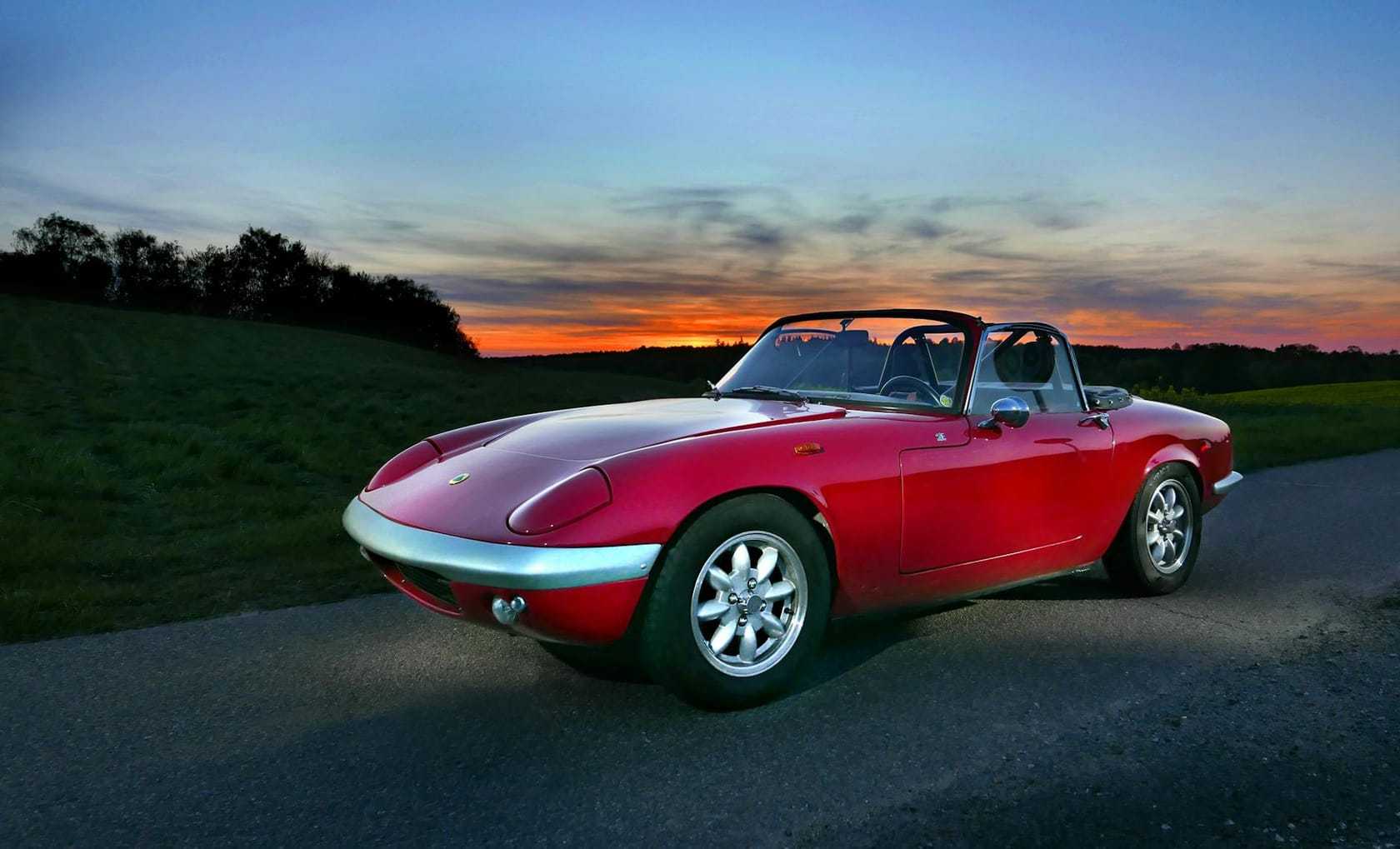
At a glance
- Years
- 1962–1973; Elan +2 1967–1974
- Body styles
- Two-seat roadster and fixed-head coupe; 2+2 coupe (+2)
- Drivetrain
- Front engine, rear-wheel drive
- Engines
- 1558cc Lotus twin-cam four
- Power
- 105 bhp to 126 bhp (Sprint)
- Trim levels
- S1, S2, S3, S4, Sprint; +2, +2S, +2S 130
- Production
- Around 12,000 two-seaters and 5,200 +2s
- Assembly
- Cheshunt, then Hethel, Norfolk
- Designer
- Ron Hickman (Lotus)
- Values
- Usable from around £20,000; good cars £28,000-£45,000; Sprints beyond
- The trick
- A steel backbone chassis under glassfibre: stiffness with almost no weight
- Screen fame
- Emma Peel's car in The Avengers; the MX-5's openly admitted benchmark
The models
More than half a century on, engineers still talk about the Lotus Elan the way musicians talk about certain records: as the moment the problem was solved. Launched in 1962, it weighed roughly 700 kilograms, put 105 bhp through a chassis of genuine sophistication, and made every other sports car of its era feel a generation old. Nothing about the formula has dated, which is why Mazda copied it wholesale and why the Elan remains the essential Lotus.
The backbone idea
The Elan’s originality sits underneath. Colin Chapman’s team, led by Ron Hickman, gave the car a simple folded-steel backbone chassis, a spine with outriggers carrying the engine and all-independent suspension, and hung an unstressed glassfibre body over it. The result was a structure of racing-car stiffness at almost no weight, cheap to build in low volume and immune to body rust. It became the Lotus signature, underpinning the Europa, the Esprit and the Excel, and it is the first thing to inspect on any Elan today.

The twin-cam heart
Power came from the equally clever Lotus twin-cam, Ford’s dependable bottom end crowned with Lotus’s own alloy twin-camshaft head: 1558cc, 105 bhp, and a character that suits the car perfectly, eager, rev-happy and light over the front wheels. The Sprint of 1971 raised it to 126 bhp in big-valve form, transforming pace that was already vivid. The engine also powered the Lotus Cortina saloon and gives the Elan a parts and specialist network far stronger than its production numbers suggest.

S1 to Sprint, and the +2
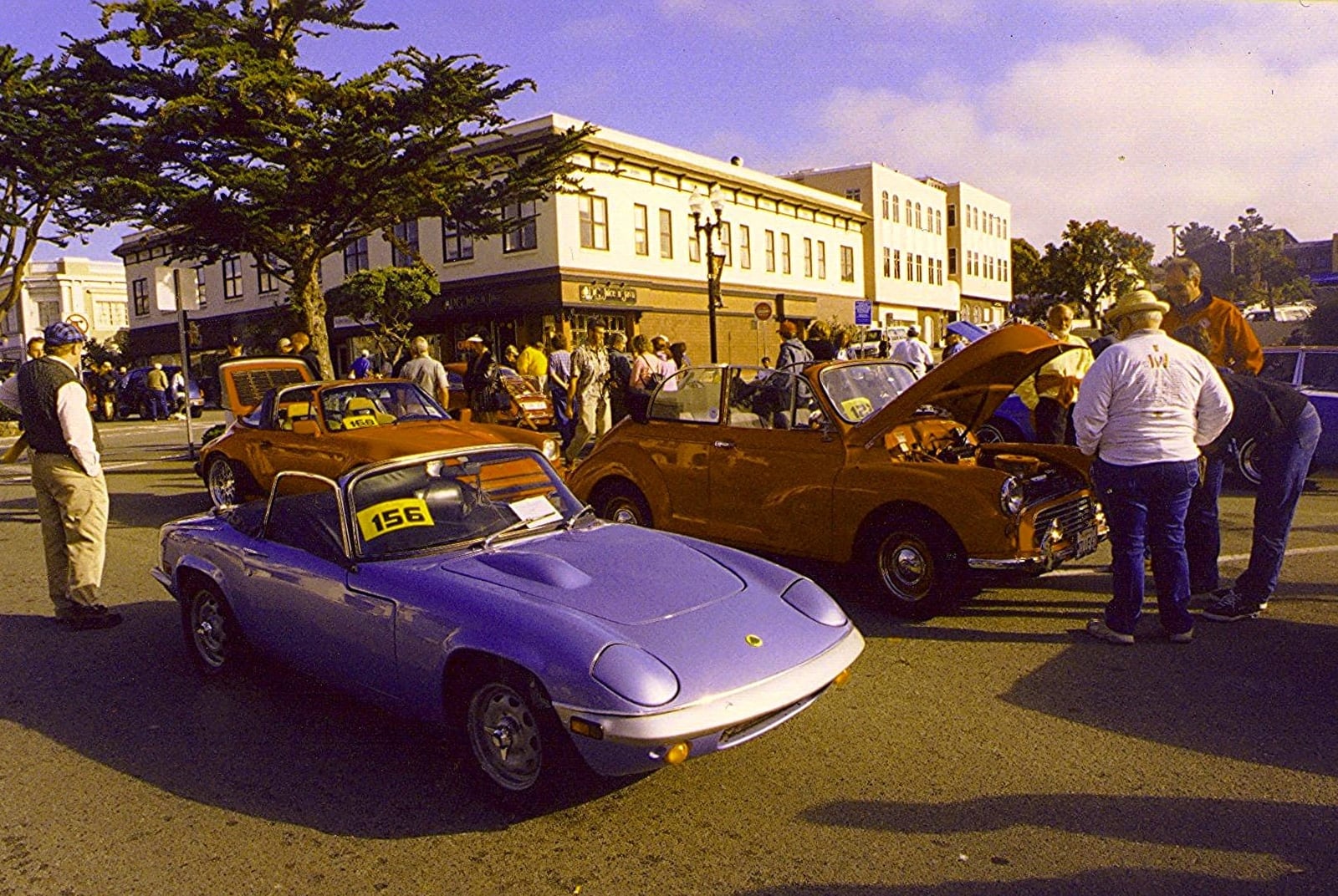
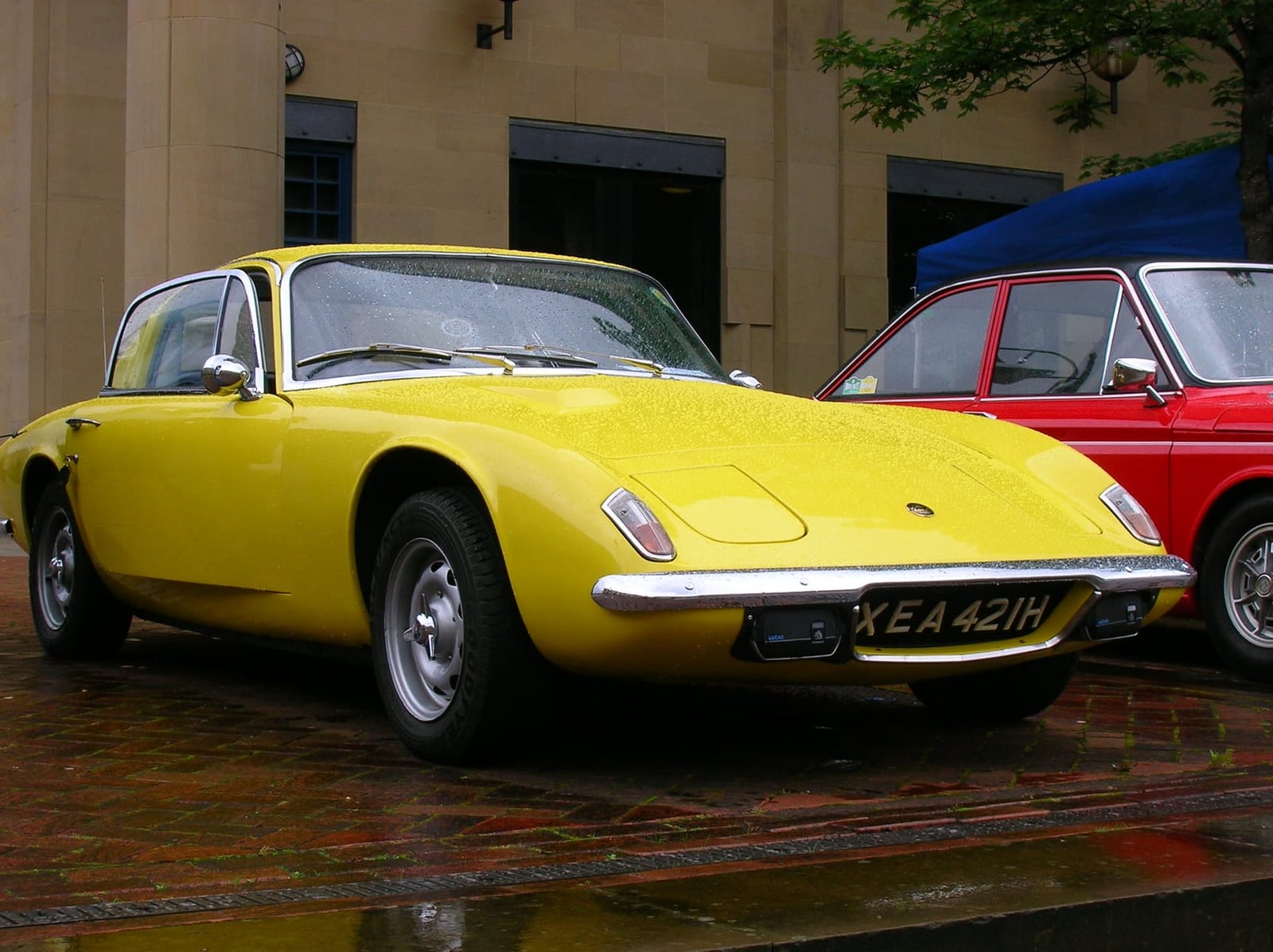
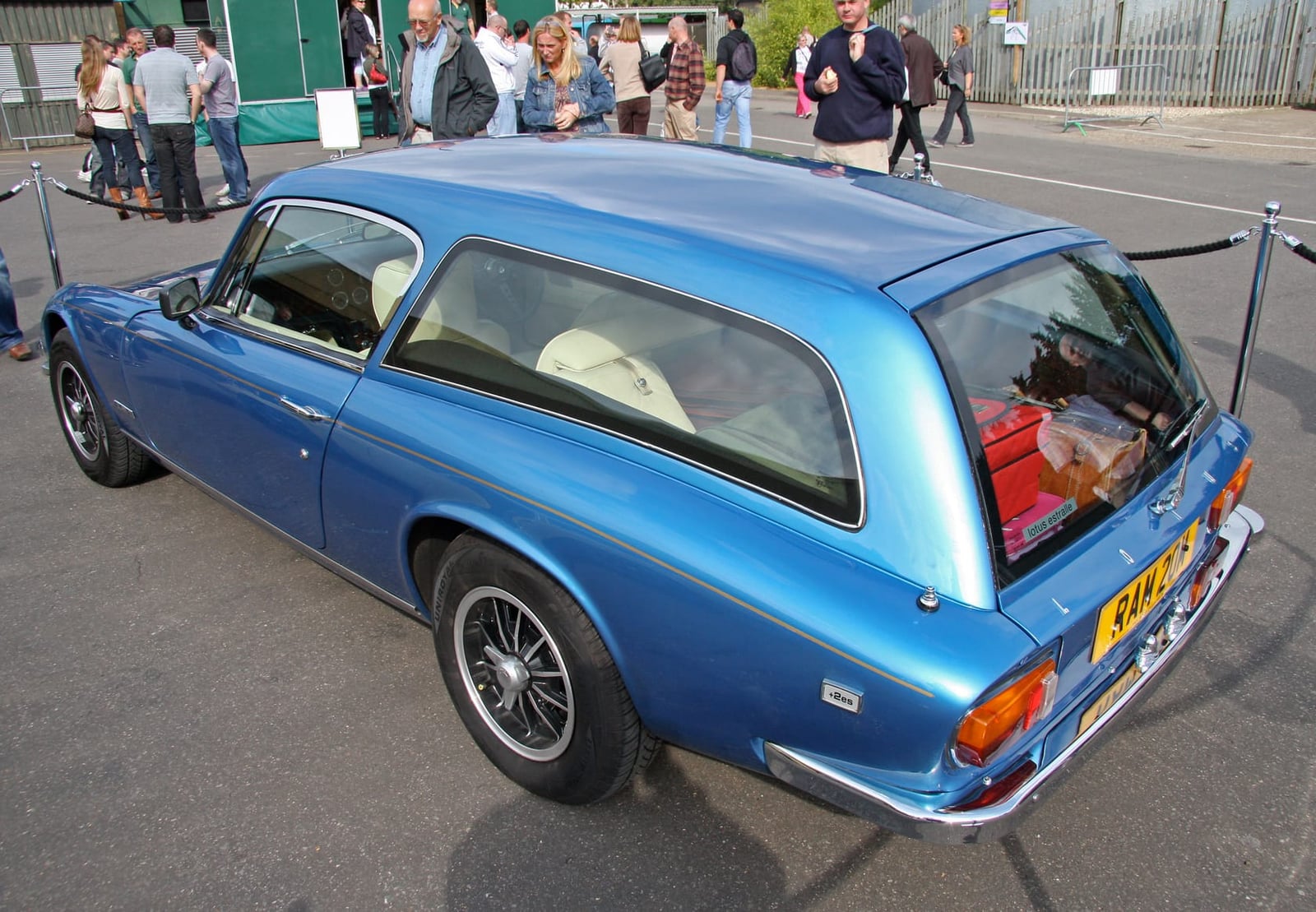
The two-seater evolved through four series across the 1960s, adding a fixed-head coupe, better brakes and creature comforts without gaining meaningful weight, before the two-tone Sprint closed the run in style. Racing versions ran in parallel, above all the 26R, the lightweight competition Elan whose survivors are now the most valuable of all. Alongside them from 1967 the Elan +2 stretched the backbone to admit two small rear seats, a genuinely elegant coupe that kept the balance and remains the affordable door into Elan ownership. Around 12,000 two-seaters and 5,200 +2s were built before production ended in the mid-1970s.

The name’s second life: the Elan M100
The badge returned in 1989 on a very different machine: the Lotus Elan M100, a front-wheel-drive roadster developed with General Motors money around an Isuzu 1.6 twin-cam, 165 bhp in turbocharged SE form, and a chassis whose grip and steering astonished every road tester who tried it. Purists never forgave the driven front wheels, the price fought the cheaper MX-5, and around 4,700 were built to 1995, including a final Series 2 run under Bugatti-era ownership, before the tooling went to Kia. Time has been kind: the M100 is now recognised as one of the best-resolved front-drive chassis ever engineered, survivors are cherished within their own club scene, and the measured market, over a hundred sales at a median around £6,000, prices it as the accessible door to Elan ownership of any kind. Buying one is mostly a hood, electrics and history exercise, with the mechanical side dependable thanks to the Isuzu heart.
Emma Peel and the Elan’s image
Television did for the Elan what Bond later did for the Esprit. Diana Rigg’s Emma Peel drove Elans through The Avengers at the height of 1960s cool, and the car has carried that sharp, modern, slightly subversive image ever since. It suited the machine: the Elan was the choice of drivers who valued wit over muscle, and the industry noticed; when Mazda set out to build the MX-5 in the late 1980s, its engineers bought Elans and measured everything.

What an Elan is like to drive
The steering is the thing owners mention first: alive, precise and utterly uncorrupted, through a wood-rimmed wheel in a cabin that fits like sports kit. The ride is supple where rivals crashed, the gearbox snicks, and the twin-cam pulls with an urgency the bare figures do not explain because there is so little car to move. Modern traffic holds no fears beyond size; an Elan is tiny by today’s standards, which only sharpens the sensation of speed.
The engineering explains the sensation. With so little weight, spring and damper rates can stay soft without the car falling over in corners, so the Elan breathes with a road where stiffer rivals skitter across it. It is why drivers reach for words like delicacy and fluency, and why sixty years of imitators, the MX-5 first among them, still get measured against a 1960s Lotus.

Buying a Lotus Elan today
The chassis rules the purchase. Original backbones rust, particularly around the front crossmember and suspension towers, and many cars now sit on excellent galvanised replacements, a plus for use, a minus for concours originality, so establish which you are viewing and price accordingly. The twin-cam needs evidence of care, water pump above all, since replacement is an engine-out job on some setups. Glassfibre crazing is cosmetic; originality of engine, gearbox and identity drives value. Buy the best history you can afford: Elan restoration costs outrun Elan values at every level short of the Sprint.
Insurance on agreed value is essential at these prices, and theft protection deserves thought, because Elans are light enough to steal without starting. The market puts the Sprint at the top of the Elan tree, the S3 and S4 two-seaters below it and the +2 a friendlier third lower for patient buyers; the full record, 498 recorded sales by version, and why the Elan has stood still for fifteen years while the Esprit passed it, is on the page covering Lotus Elan values. Against the sports cars of the 1960s it out-drives everything near its money, and it does so while sipping fuel at a rate its rivals’ owners can only envy.

More photos
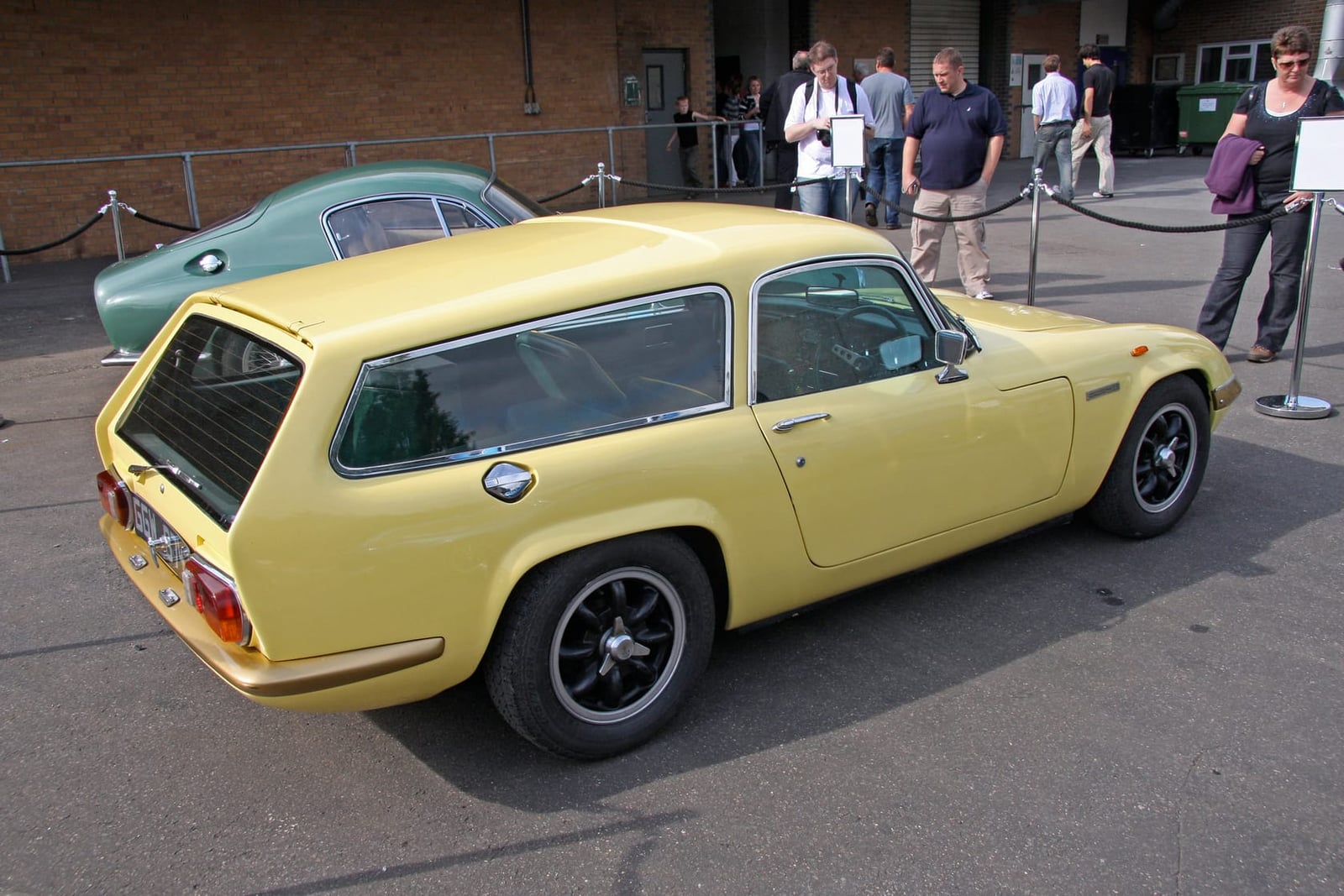
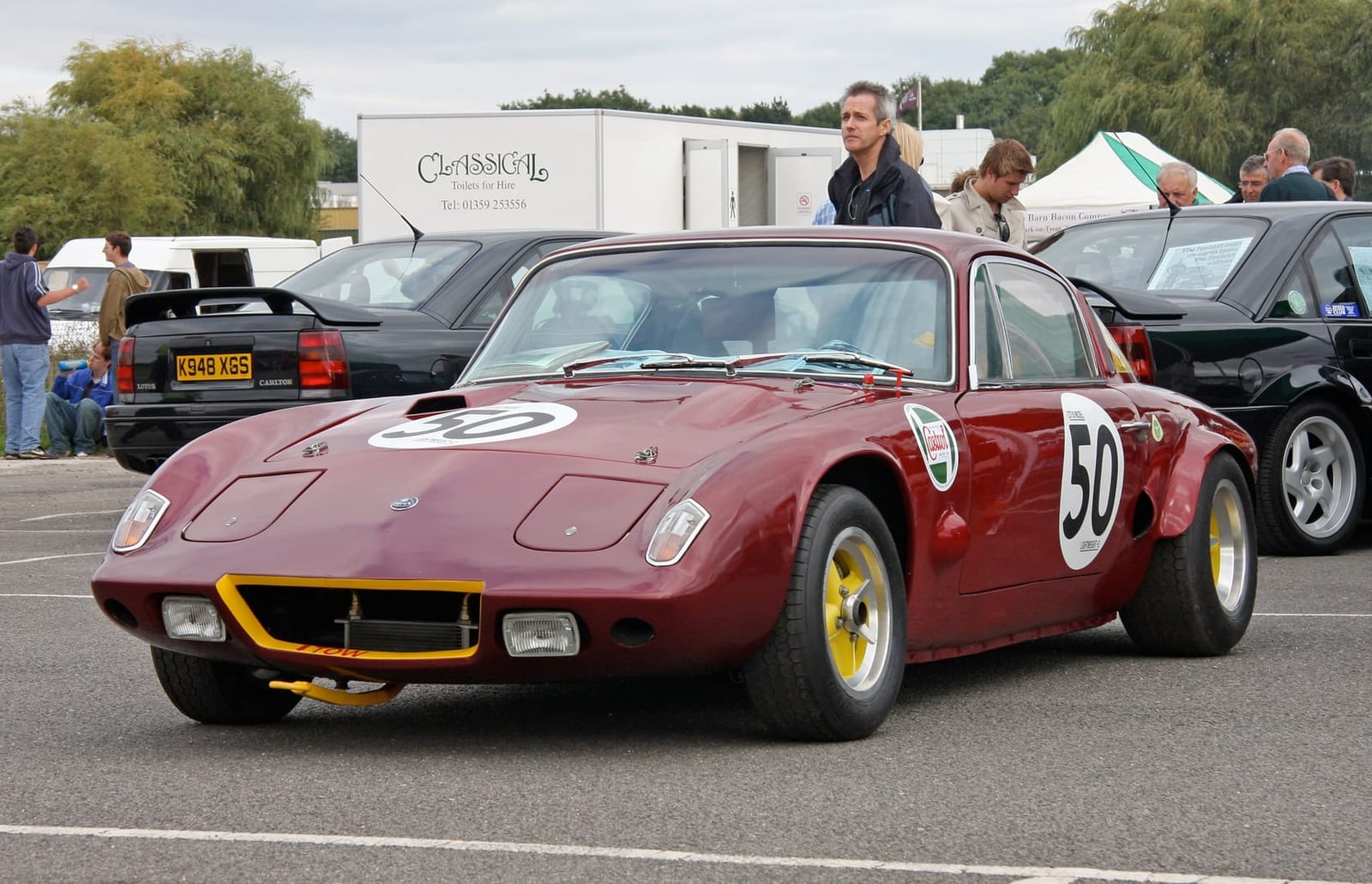
The Elan in dates
- 1962Launched at roughly 700 kilograms: Ron Hickman's folded-steel backbone under an unstressed glassfibre body, with the 1,558cc Lotus twin-cam making 105 bhp.
- 1963A fixed-head coupe joins the roadster; the 26R competition Elan begins a racing career whose survivors are now the most valuable of all.
- 1967The Elan +2 stretches the backbone to admit two small rear seats, keeping the balance in a genuinely elegant coupe.
- 1971The Sprint closes the run with the big-valve twin-cam at 126 bhp and two-tone paint.
- 1973Two-seater production ends at around 12,000 cars; the +2 runs to 1974 at about 5,200.
- 1989The badge returns on the front-wheel-drive M100, developed with General Motors money around an Isuzu twin-cam; around 4,700 are built to 1995.
Elan: what to check before you buy
The backbone, which rules
- Front crossmember and suspension towers, where original chassis rot
- Many cars now sit on galvanised replacements: a plus for use, a minus for concours originality
- Establish which you are viewing and price accordingly, because the market treats them differently
- Restoration costs outrun values at every level short of the Sprint
The twin-cam
- Evidence of care, and the water pump above all, since replacement is engine-out on some setups
- Originality of engine and gearbox drives value
- The Sprint's big-valve head is what separates it, not just the badge and the paint
- Parts and specialists come through the wider Lotus Cortina world as well
Body and identity
- Glassfibre crazing is cosmetic, so read it separately from structure
- Identity and matching numbers move the price more than condition does at the top
- S1 through S4 and Sprint differ in brakes, trim and pace; the +2 is a different car again
- The M100 shares only the name, and is bought as a hood, electrics and history exercise
Frequently asked questions
Why is the Lotus Elan so highly rated?
What engine does a Lotus Elan have?
What is the difference between the Elan S1 to S4 and the Sprint?
Was the Lotus Elan in The Avengers?
Related across themes
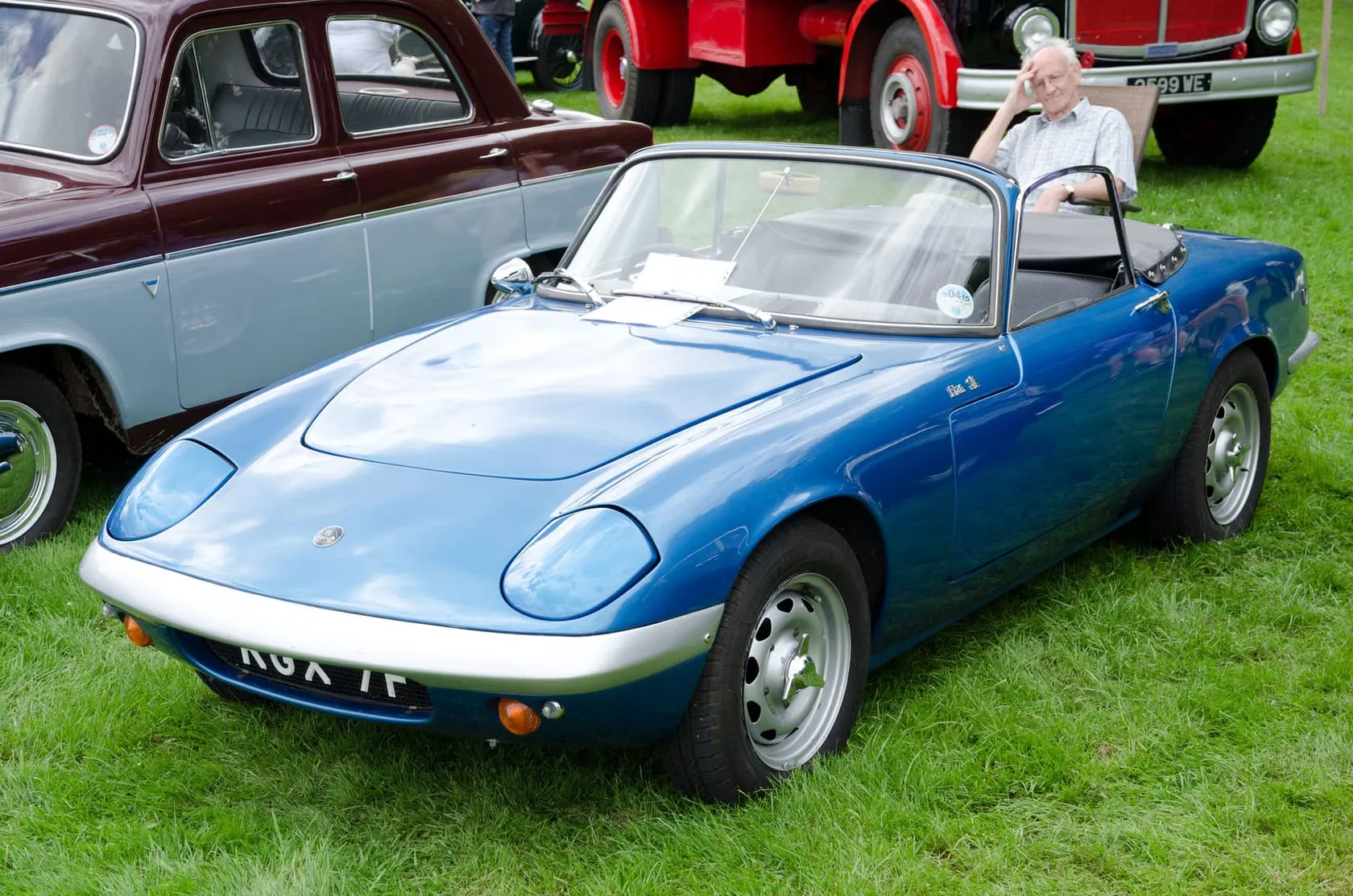
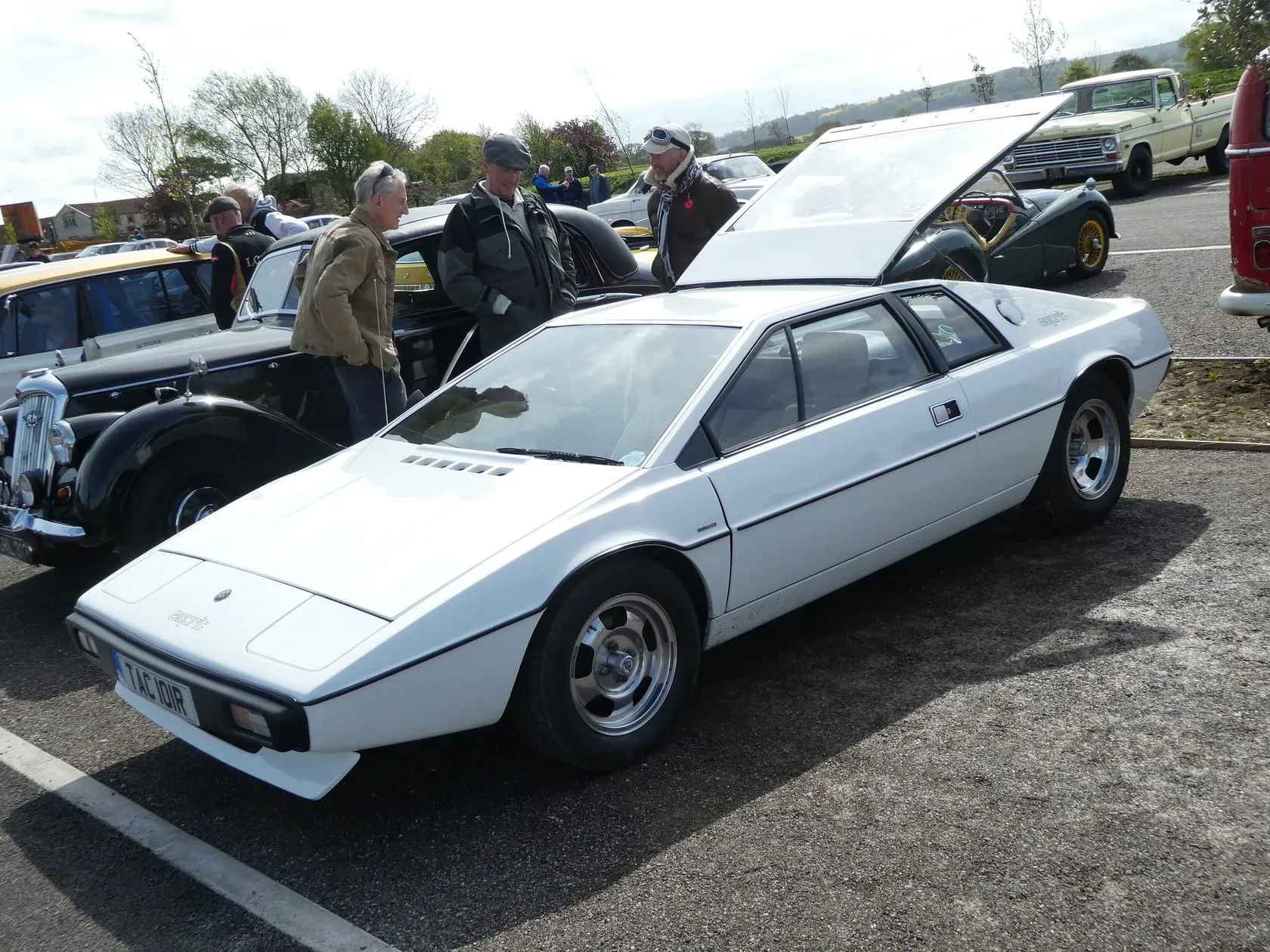

More from Lotus

Lotus Esprit: the wedge that went underwater and grew into a supercar (1976–1992)

Lotus Eleven: the tiny sports racer that made Lotus a marque (1956–1958)

Lotus Excel: Hethel's best-kept secret, and still the cheapest real Lotus (1982–1992)

Lotus Carlton: the 176mph Vauxhall they tried to ban (1990–1992)
Recently added

Bentley S-series: the quiet twin with the beautiful secrets (1955–1965)

Rolls-Royce Silver Spirit and Silver Spur: the last Crewe bargain (1980–1999)

Rolls-Royce Corniche: the coachbuilt survivor that outlived its makers (1971–1995)
