Reliant Scimitar SS1: Michelotti's last roadster and the bargain of the 1980s (1984–1995)
The Reliant Scimitar SS1 was the affordable British roadster of the 1980s, styled by Michelotti, built in glassfibre at Tamworth, and transformed by its Nissan-turbocharged 1800Ti version. A guide to the SS1, the restyled SST and Scimitar Sabre, why it never sold, what to check when buying, and why it remains a roadster bargain.
Built 1984–1995 12 recorded sales
At a glance
- Years
- 1984–1995
- Body styles
- Two-seat roadster
- Drivetrain
- Front engine, rear-wheel drive
- Engines
- Ford CVH 1.3 and 1.6; Nissan 1.8 turbo (1800Ti)
- Power
- 69 bhp to 135 bhp
- Trim levels
- SS1 1300/1600/1800Ti; SST; Scimitar Sabre
- Production
- Around 2,000 across all versions
- Assembly
- Tamworth, Staffordshire
- Designer
- Giovanni Michelotti (SS1); William Towns rework (SST)
- Values
- Usable from around £2,500; good cars £4,000-£6,500; 1800Ti beyond
- The quick one
- The Nissan-turbo 1800Ti embarrassed far pricier machinery
- Design pedigree
- The last production design from Michelotti's studio
The models
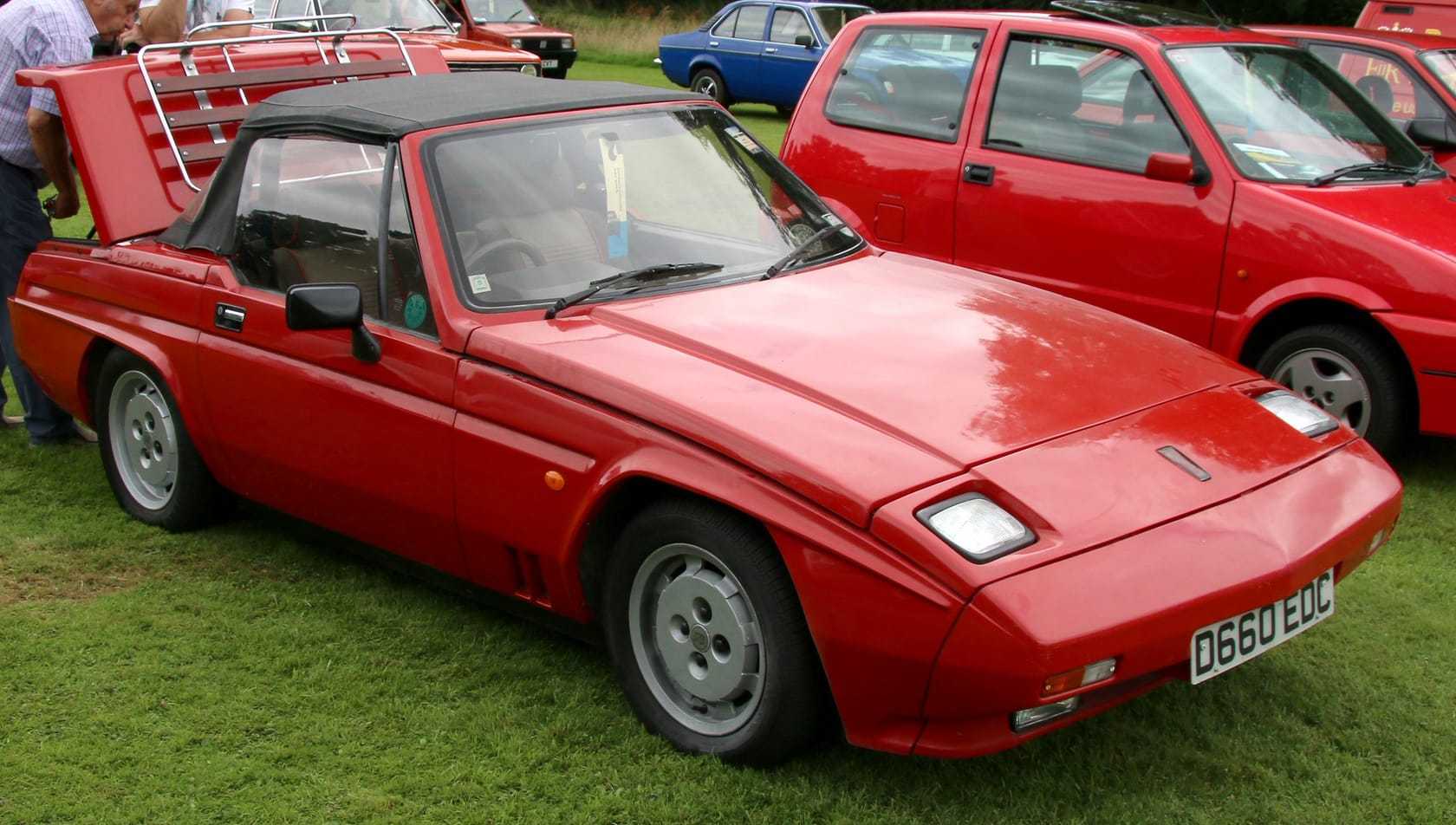
Some cars fail on their merits; the Reliant Scimitar SS1 failed on its looks and has been quietly vindicated ever since. Launched in 1984 as Tamworth’s affordable roadster, it carried the last design from Giovanni Michelotti’s studio, a chassis the road testers loved, and, in Nissan-turbocharged 1800Ti form, performance that humbled cars at twice the price. Barely two thousand found buyers, which today makes the SS1 one of the rarest genuine bargains left anywhere in British sports-car ownership.
The right idea at the wrong angle
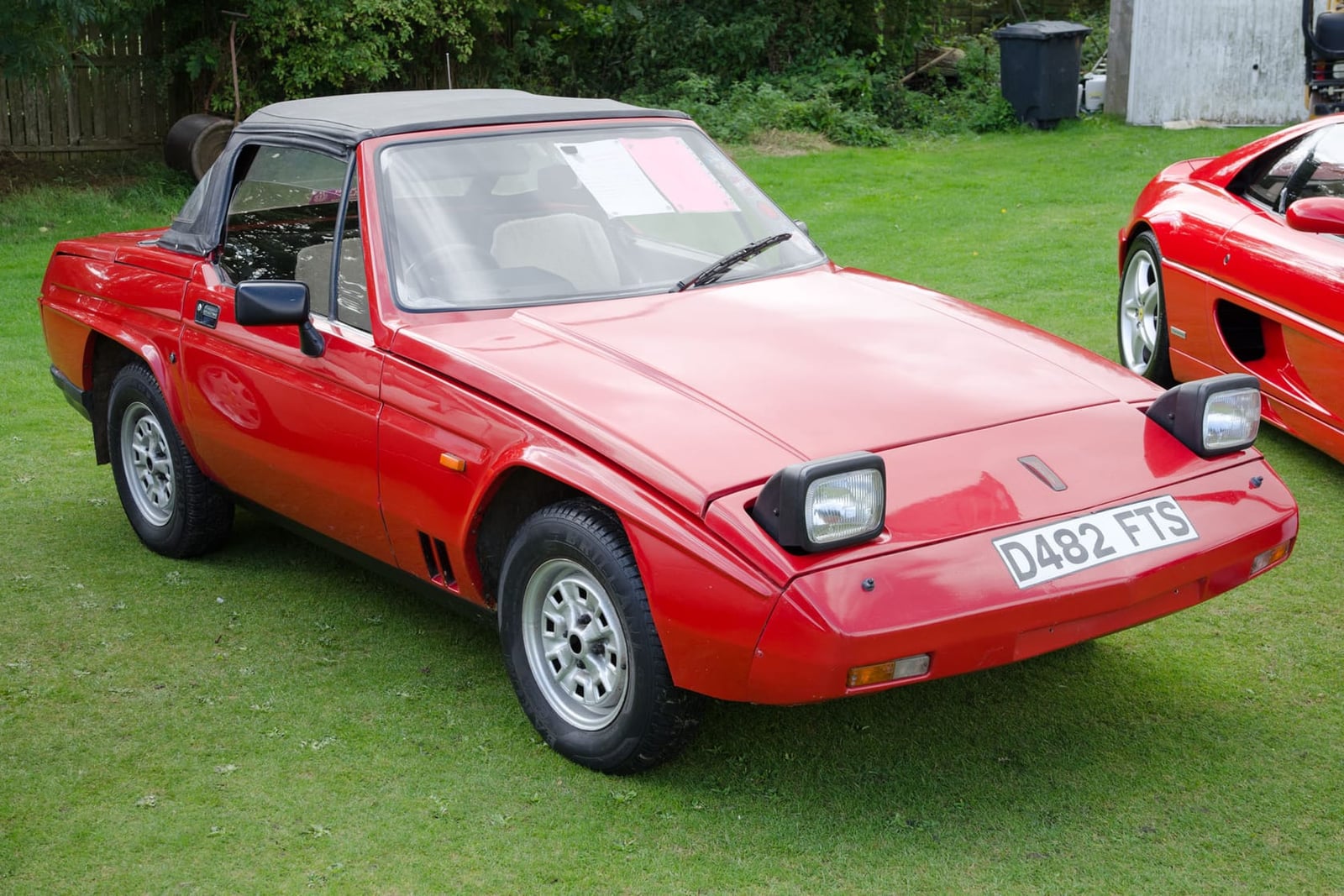
By the early 1980s the classic British roadster was extinct, the MGB and Spitfire gone with no successors, and Reliant spotted the gap years before Mazda proved it existed. The SS1 was the right idea executed awkwardly: Michelotti died before the shape was resolved, and the production car’s angular, mismatched panels hid a genuinely sophisticated layout, all-independent suspension on a galvanised chassis, glassfibre and plastic panels that shrugged off car-park life, and honest Ford CVH power in 1.3 and 1.6 forms. Those who drove it praised it; too few looked past the nose to try.

The 1800Ti: the sting in the tail
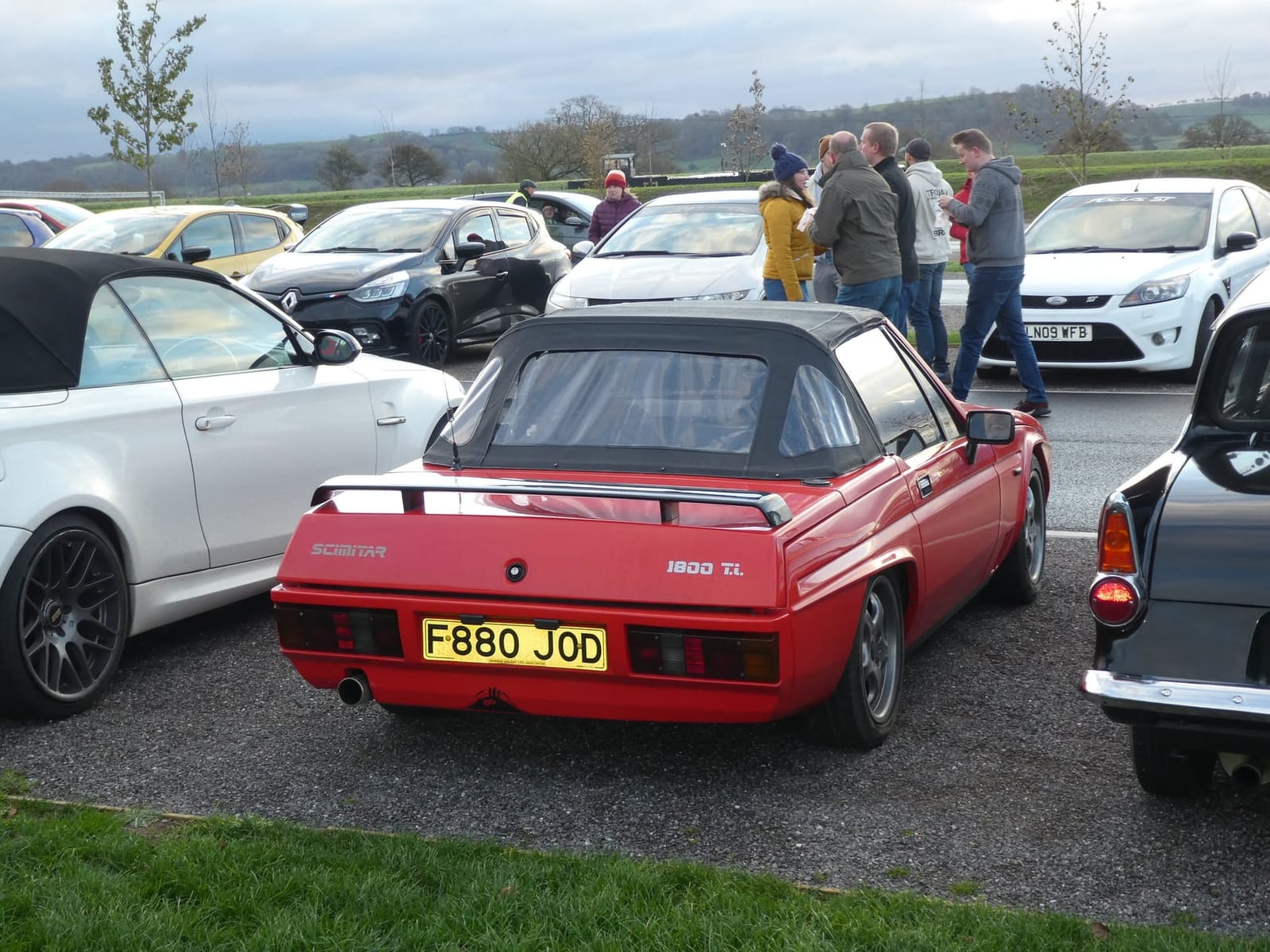
In 1985 Reliant dropped in the turbocharged 1.8 from Nissan’s Silvia Turbo and created the SS1 1800Ti: around 135 bhp in a sub-tonne roadster, nought to sixty in under eight seconds and a genuine 125 mph. Period testers relished the sight of an affordable Tamworth two-seater worrying far grander machinery, and the 1800Ti remains the collector’s pick, rare, rapid and still cheap for what it does.

SST, Sabre and the MX-5 problem
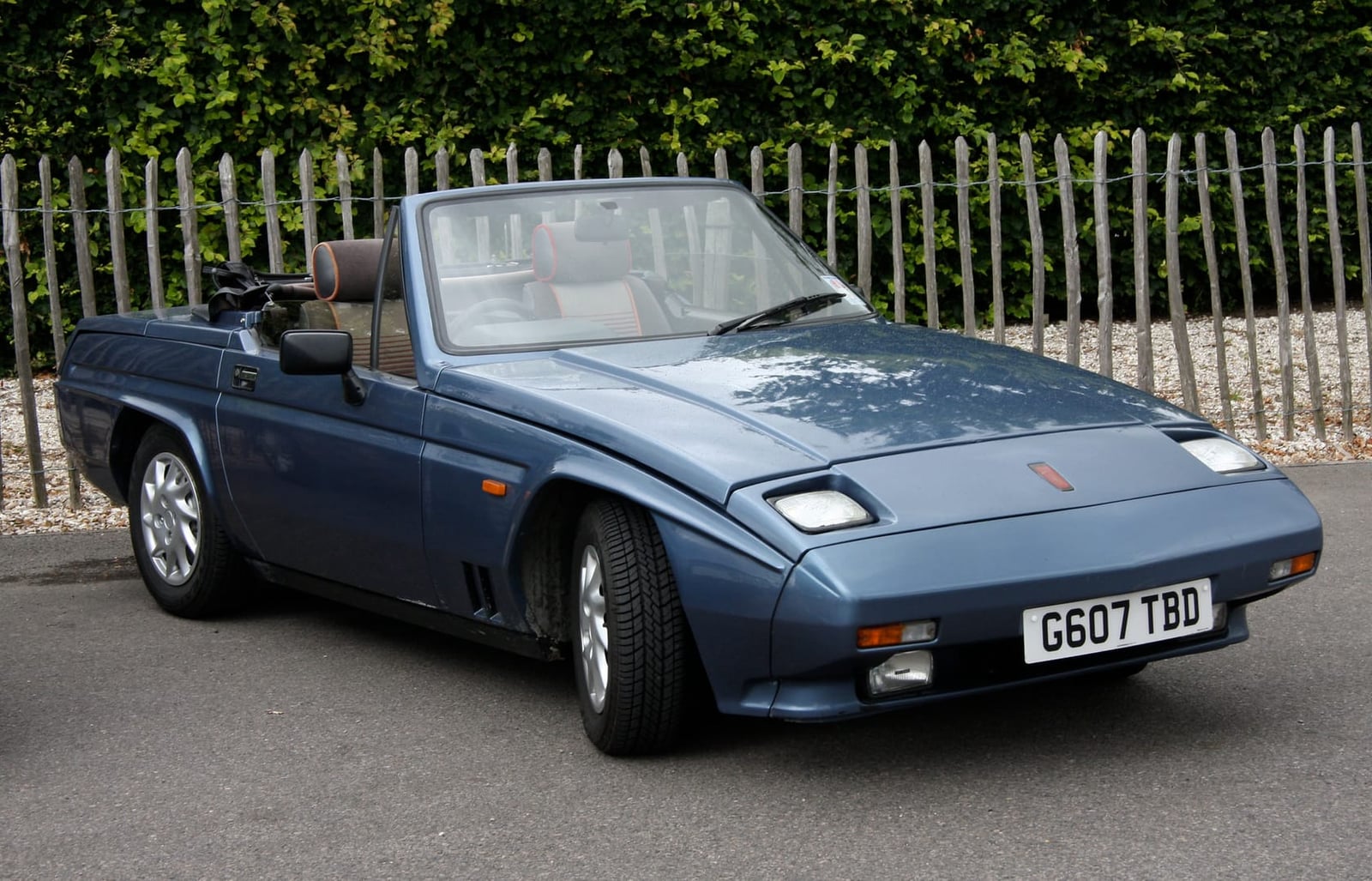
Reliant knew the styling was the problem and paid William Towns to fix it: the 1990 SST wore smoother one-piece mouldings, and the 1992 Scimitar Sabre refreshed the theme with a name borrowed from the company’s 1960s sports cars. The engineering underneath stayed sound throughout. But in 1989 the Mazda MX-5 had arrived, doing the classic roadster brilliantly with none of the rough edges, and the little Scimitar’s chance was gone. Production ended in 1995 alongside the company’s declining fortunes; the badge, at least, went out on a worthy car.


What an SS1 is like to drive
Every period road test of the Reliant SS1 reads the same way: apologies for the styling, then genuine surprise at the chassis. The all-independent suspension was tuned with unusual care for so cheap a car, and the result is a supple ride with grip and balance that flatter the driver, closer in spirit to a Lotus than to the crude kit-car feel the looks suggest. The unassisted steering is quick and honest, the driving position low and snug, and with so little weight even the 1.3-litre car keeps up with modern traffic while the 1.6 is genuinely brisk.
The 1800Ti adds the drama. Boost arrives with a period-turbo whoosh and the little car simply takes off, and because the chassis was engineered with margin to spare, it carries the extra pace without losing its manners. Wind in the hair, rear-wheel drive, a proper manual gearbox and a kerb weight under a tonne: the ingredients read like a recipe the industry forgot, and the little Reliant serves them up for the price of an ordinary used hatchback.

Buying an SS1, SST or Sabre today
The good news dominates: the chassis was galvanised from new, so the terminal rust that kills cheap classics is rare, and the body panels neither rust nor much care about weather. Inspect instead for crazed or cracked mouldings and poor panel fit, which is original but varies, tired cabins, and the health of the drivetrain: the Ford engines are simple and cheap, the Nissan turbo strong but deserving of evidence of oil changes and boost-system care. Parts specific to the car, trim and lamps especially, need club contacts and patience.
Prices remain a quiet joke of their own: usable cars from about £2,500, good ones £4,000 to £6,500, the best 1800Tis a little more. The turbo cars deserve a compression check before money moves. Survivor numbers are low enough that patience beats haste: watch the club channels rather than the open classifieds, and be ready to travel, because the right car is rarely the nearest one. Insurance is cheap, parts that Ford and Nissan shared are cheaper, and the galvanised chassis means an SS1 stored badly usually survives it, which cannot be said of many 1980s sports cars.
That buys rear-driven, open-topped 1980s motoring with rarity guaranteed, a spiritual sibling to the grand Scimitar at a fraction of even its modest money. The era’s context is in the cars of the 1980s. For the price of a sensible hatchback, the SS1 remains open-air Lotus-adjacent engineering with nobody else at the meet driving one.

More photos
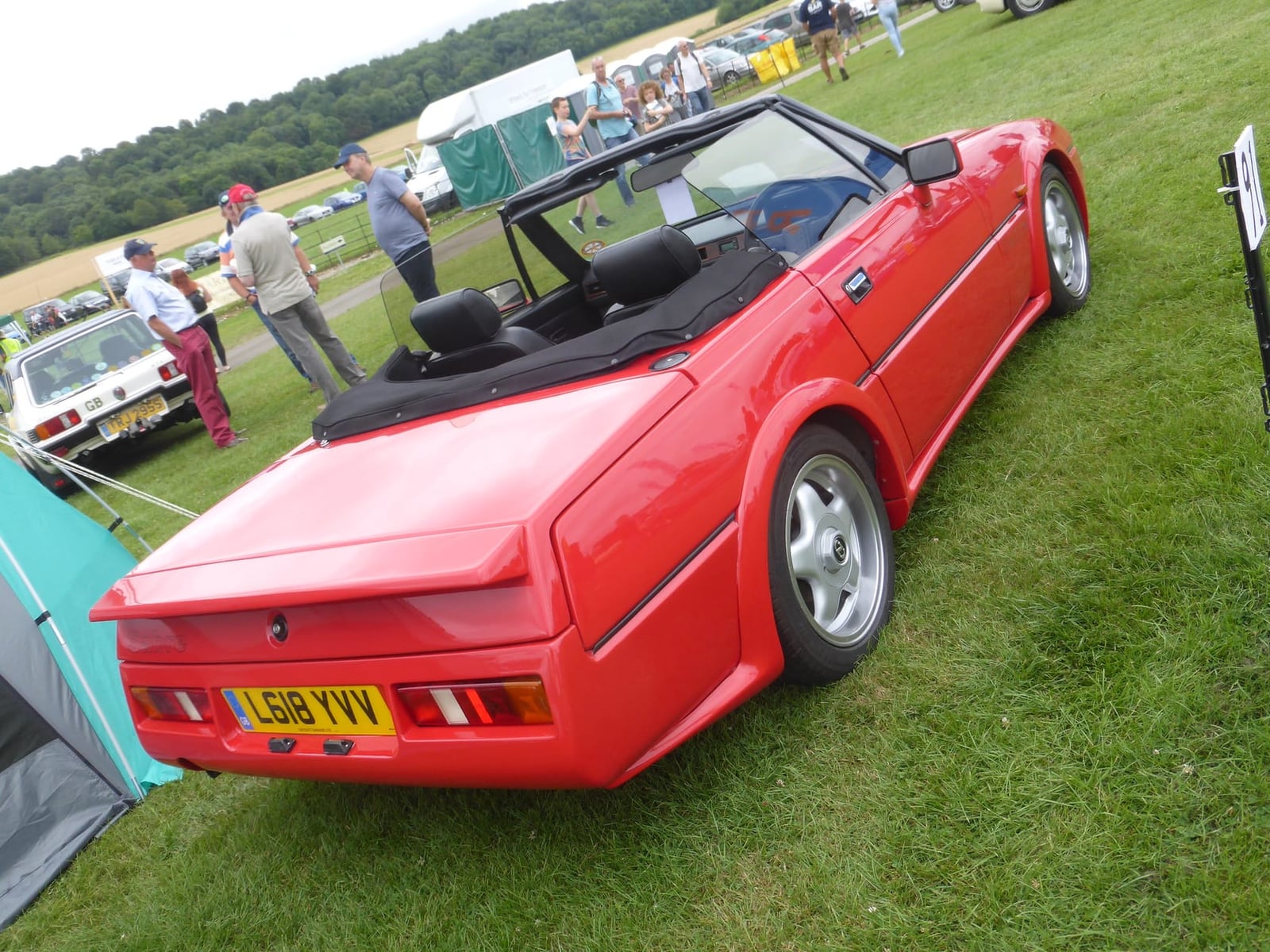
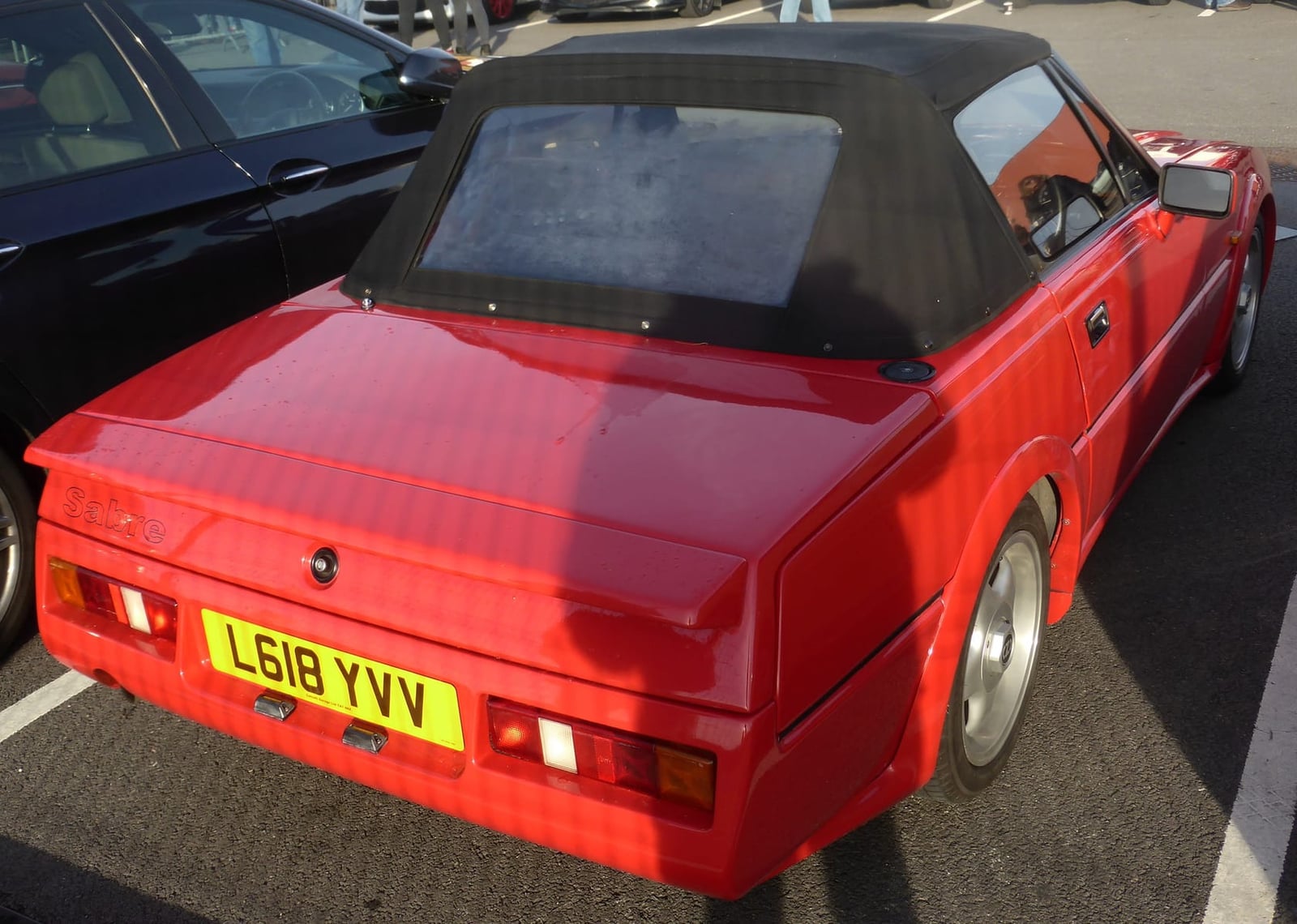
SS1: what changed and when
- 1984The SS1 launches with Michelotti's last production design over a galvanised chassis and Ford CVH power.
- 1985The 1800Ti drops in the turbocharged 1.8 from Nissan's Silvia Turbo: around 135 bhp in a sub-tonne roadster.
- 1989The Mazda MX-5 arrives, doing the classic roadster brilliantly with none of the rough edges.
- 1990William Towns' SST rework brings smoother one-piece mouldings.
- 1992The Scimitar Sabre refreshes the theme with a name from the company's 1960s sports cars.
- 1995Production ends with the company's declining fortunes, at around 2,000 cars across all versions.
What to check on an SS1
Body and cabin
- Crazed or cracked mouldings, which are the visible age
- Panel fit varies and was variable from new, so judge against other SS1s
- Tired cabins, since trim is the club-contact hunt
- Lamps and car-specific fittings take patience to source
Drivetrain
- Ford CVH engines are simple and cheap
- The Nissan turbo is strong but wants evidence of oil changes and boost-system care
- A compression check on any turbo car before money moves
- Gearboxes and axles carry no known horrors
Finding one
- Watch the club channels rather than the open classifieds
- Be ready to travel, because survivor numbers are low
- The 1800Ti is the collector's pick
- SST and Sabre cars wear the tidier panels and the same sound engineering
What the Scimitar SS1 sells for at auction
The Scimitar SS1 comes to auction only occasionally: 12 recorded sales since 2015, typically making between £2,463 and £3,229 . With so few sales, treat any single result as a data point rather than a market price.
- £2,500Scimitar SS1
- £2,700Scimitar SS1
- £2,710Scimitar SS1
- £1,270Scimitar SS1
- £2,352Scimitar SS1
Thin evidence. Only 12 recorded sales: read the figures as a sketch of the market, not a price. Based on 12 sold results from public classic car auctions (2015 to 10 August 2026). Sold prices, not asking prices, and not a valuation: condition, history and specification vary from car to car.
Frequently asked questions
Is the Reliant SS1 a good car?
How fast is the Reliant SS1 1800Ti?
Why did the Reliant SS1 sell so badly?
What is the difference between the SS1, SST and Scimitar Sabre?
How much does a Reliant SS1 cost?
What is the most expensive Scimitar SS1 ever sold at auction?
How often does a Scimitar SS1 come up for sale?
Related across themes
More from Reliant

Reliant Fox: the glassfibre farmhand that came home from Greece (1983–1990)

Reliant Rebel: the four-wheeled Reliant nobody expected (1964–1974)

Reliant Scimitar: the sporting estate that invented its own class (1964–1986)

Reliant Robin: Britain's most famous three-wheeler, and most misunderstood car (1973–2002)
Recently added

Bentley S-series: the quiet twin with the beautiful secrets (1955–1965)

Rolls-Royce Silver Spirit and Silver Spur: the last Crewe bargain (1980–1999)

Rolls-Royce Corniche: the coachbuilt survivor that outlived its makers (1971–1995)
