Bond Bug: Reliant's tangerine three-wheeler (1970–1974)
The Bond Bug is the tangerine, wedge-shaped three-wheeler Reliant built from 1970 to 1974, styled by Tom Karen of Ogle Design. Its origins, why a car this distinctive failed when new, its pop-culture afterlife, and what the survivors are worth today.
Built 1970–1974 18 recorded sales

At a glance
- Years
- 1970–1974
- Body styles
- Two-seat three-wheeler with a lift-up canopy
- Drivetrain
- Rear-wheel drive, single front wheel
- Engines
- 700cc Reliant alloy four-cylinder
- Power
- 29-31 bhp (700E/700ES)
- Production
- 2,268 built, 1970 to May 1974
- Assembly
- Reliant, Tamworth
- Designer
- Tom Karen, Ogle Design
- Values
- A usable car is a five-figure classic; tidy 700E and 700ES examples in the low-to-mid five figures, the best concours cars more
The cars
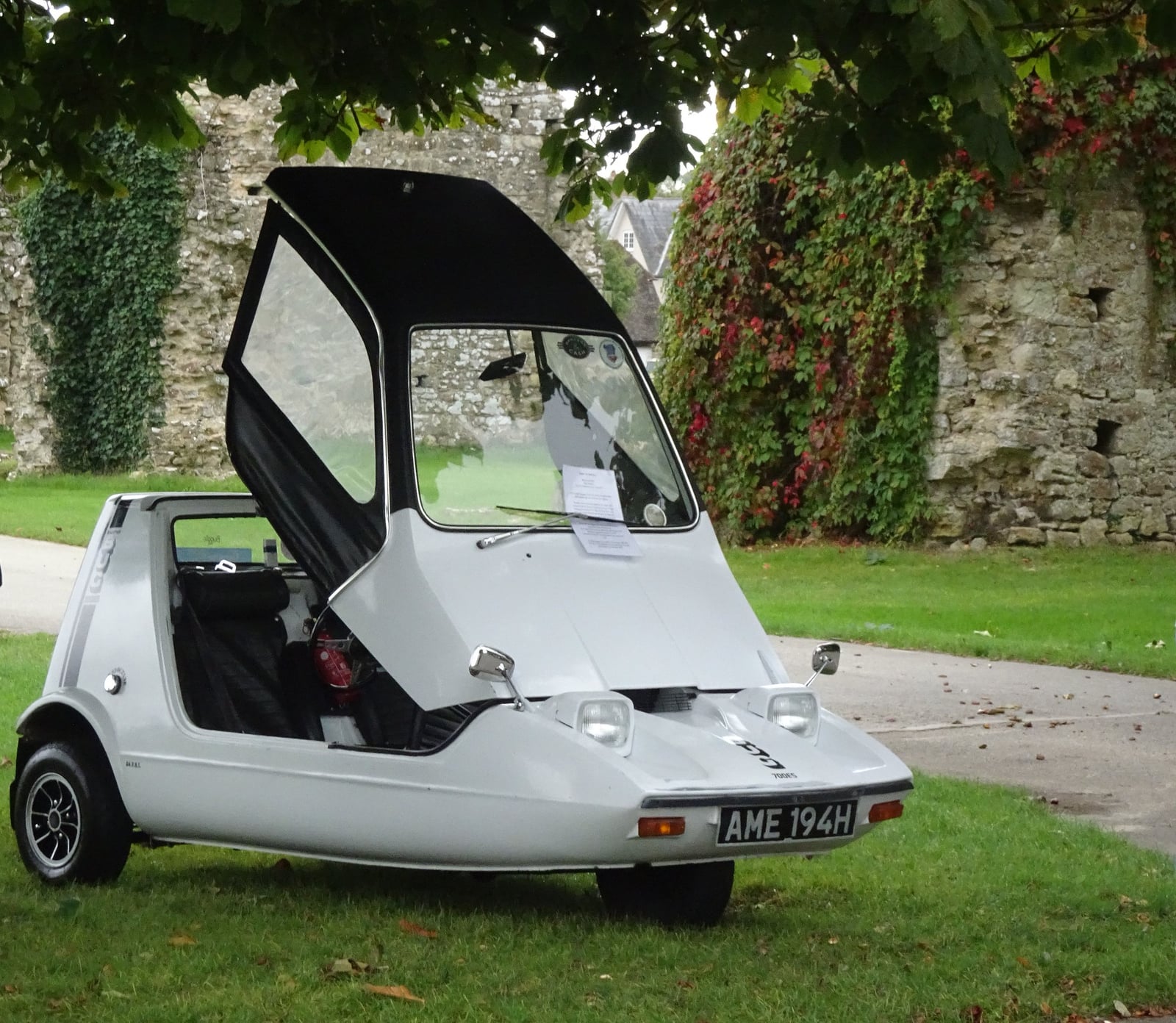
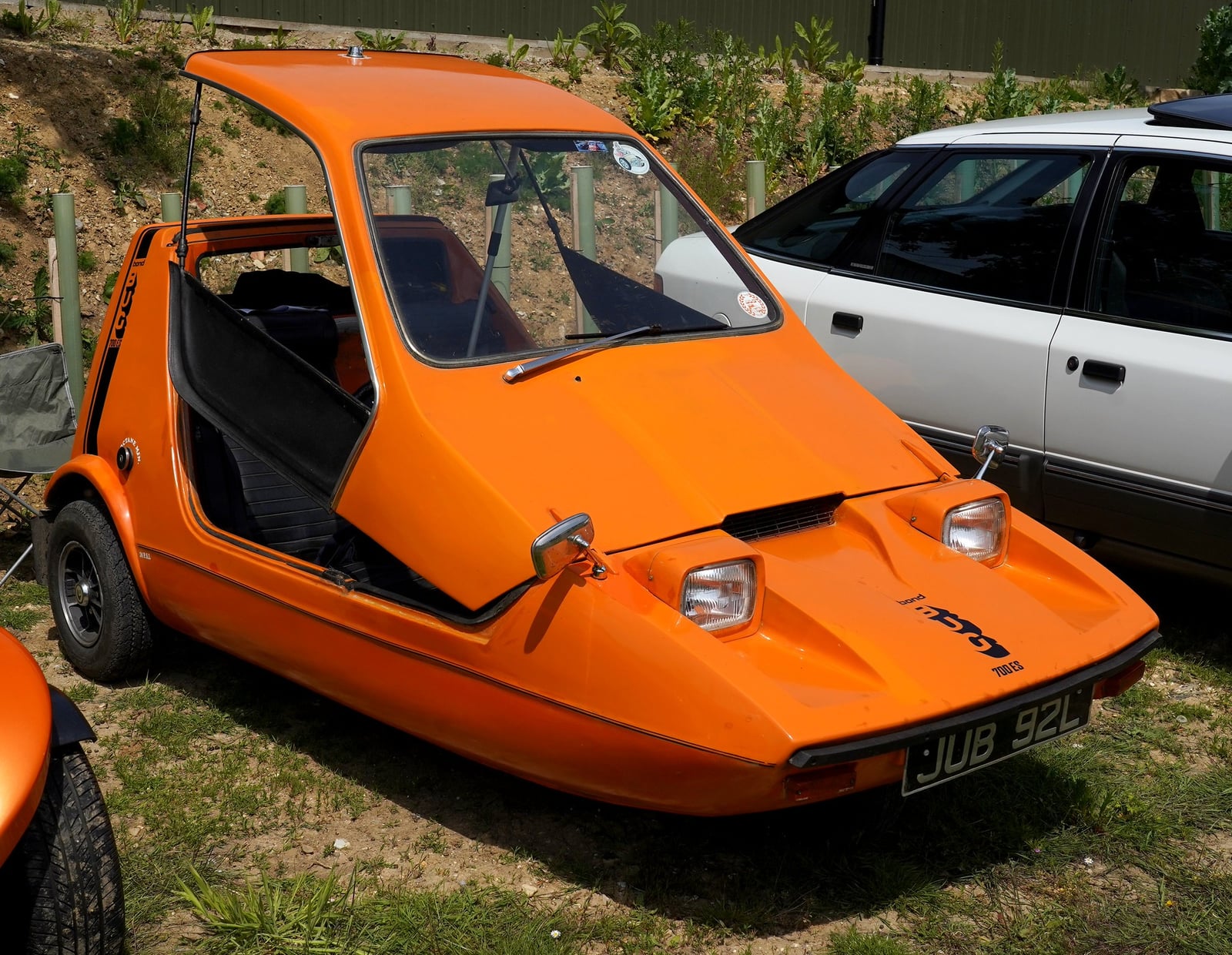
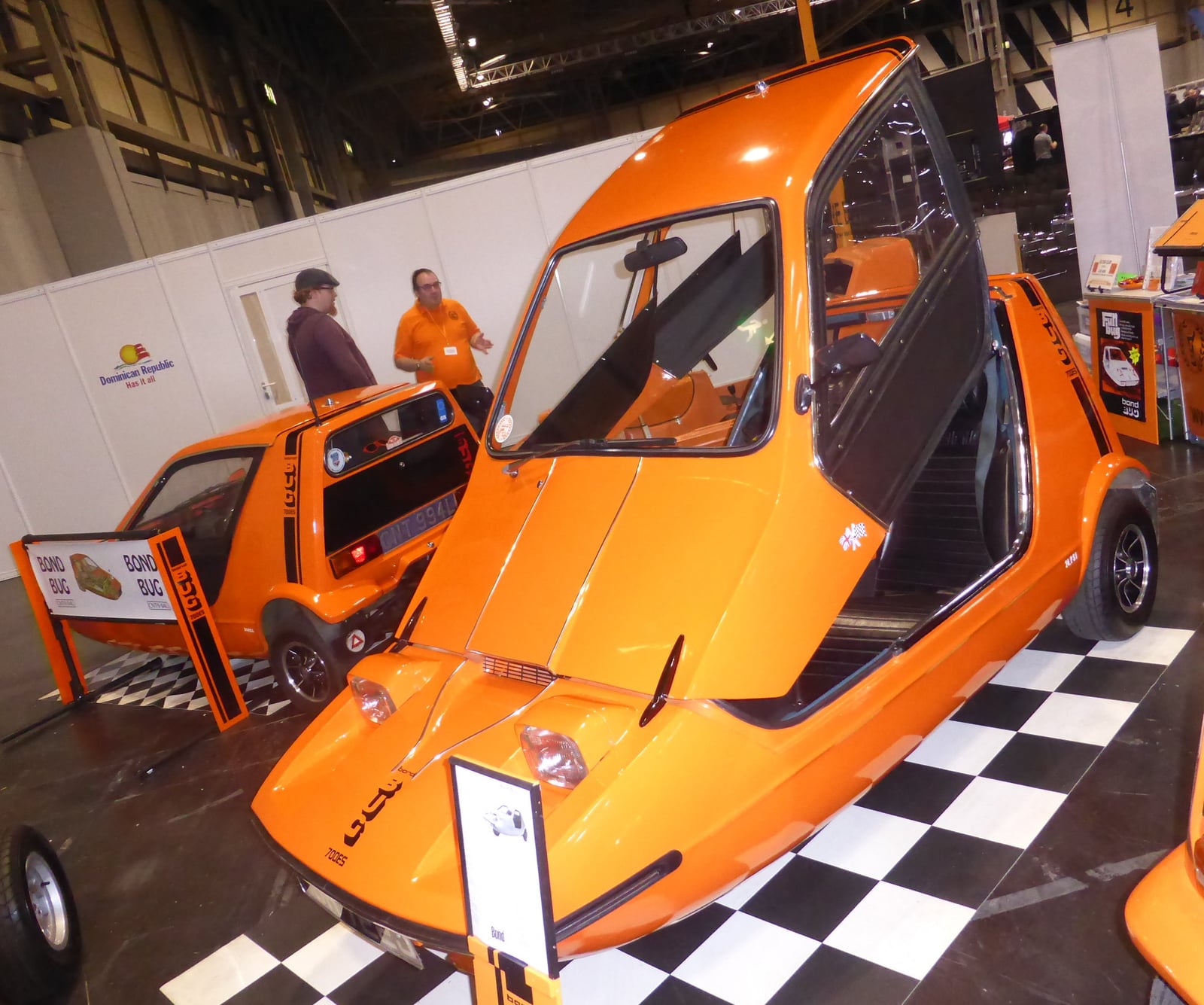
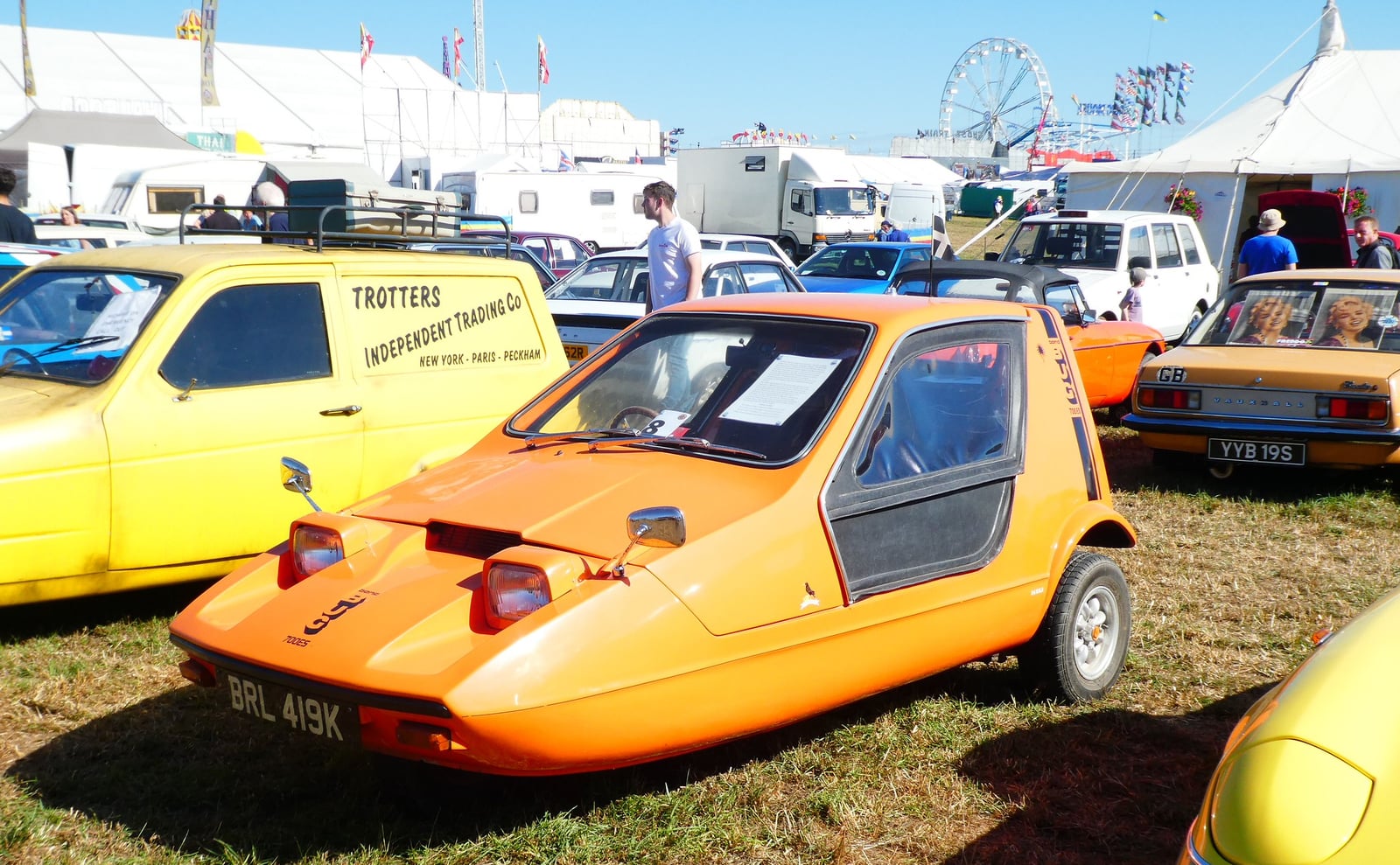
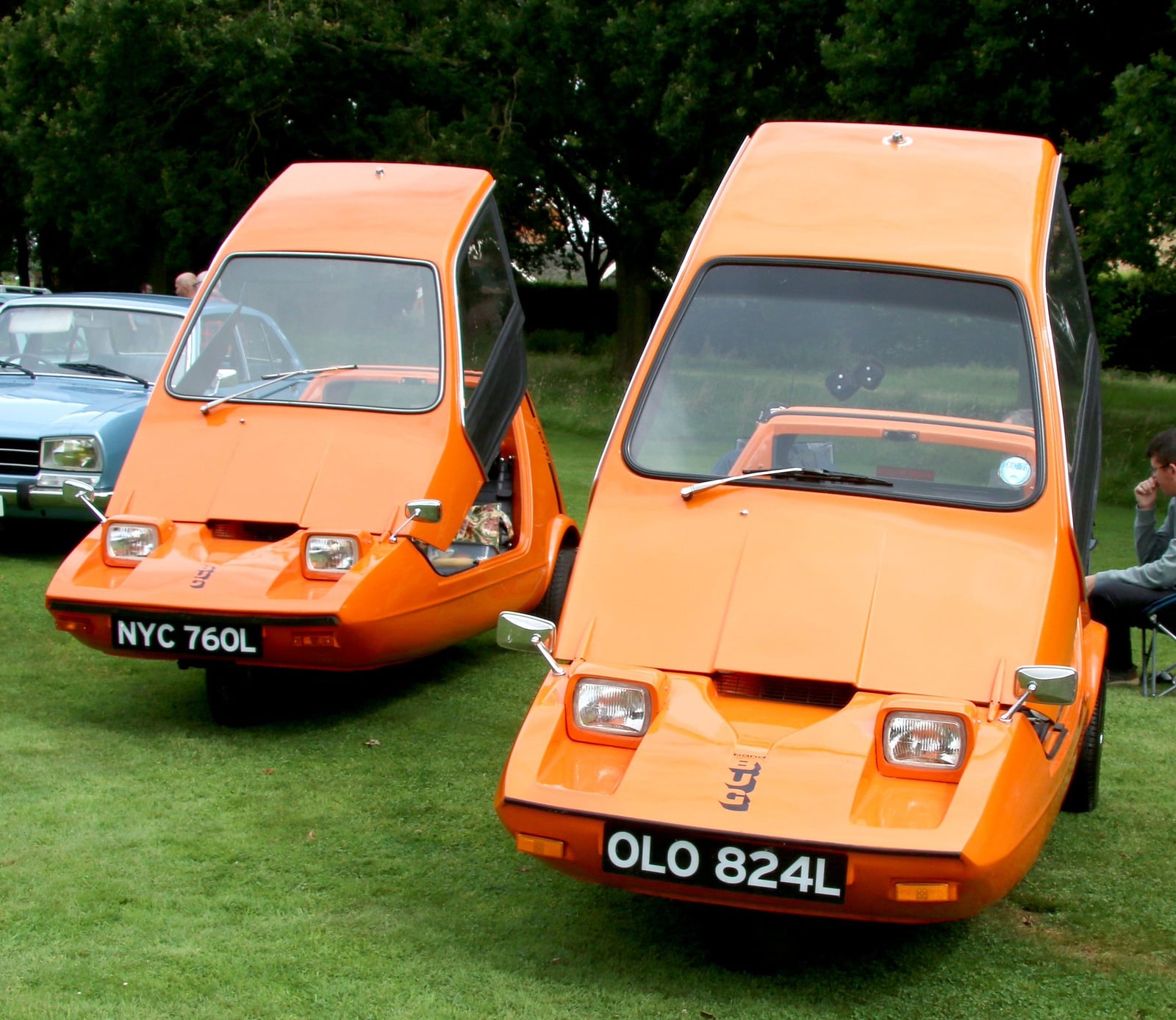
Park a Bond Bug among ordinary cars and it still stops people: a low, tangerine-orange wedge on three wheels, with a front end that lifts up like a visor and no real doors. It was built by Reliant from 1970 to 1974, it sold in small numbers, it was dropped after four years, and it has spent every decade since becoming more loved than it ever was when new. It is the rare commercial failure that turned into a cult classic purely on the strength of how it looks.
Unlike the austerity microcars that came before it, the Bug was never meant to be sensible. It was a piece of deliberate fun, sold to young buyers who wanted something nobody else had, and that is exactly what it remains.
How Reliant came to build it
The Bug exists because of a takeover. Reliant, the Tamworth firm best known for its three-wheeled saloons, bought Bond Cars in 1969, and with it the Bond name. Rather than simply close the brand, Reliant decided to use it for something eye-catching, and commissioned Tom Karen of Ogle Design, the studio behind some of its boldest work, to turn an existing Reliant project into a small, striking car aimed at the youth market.
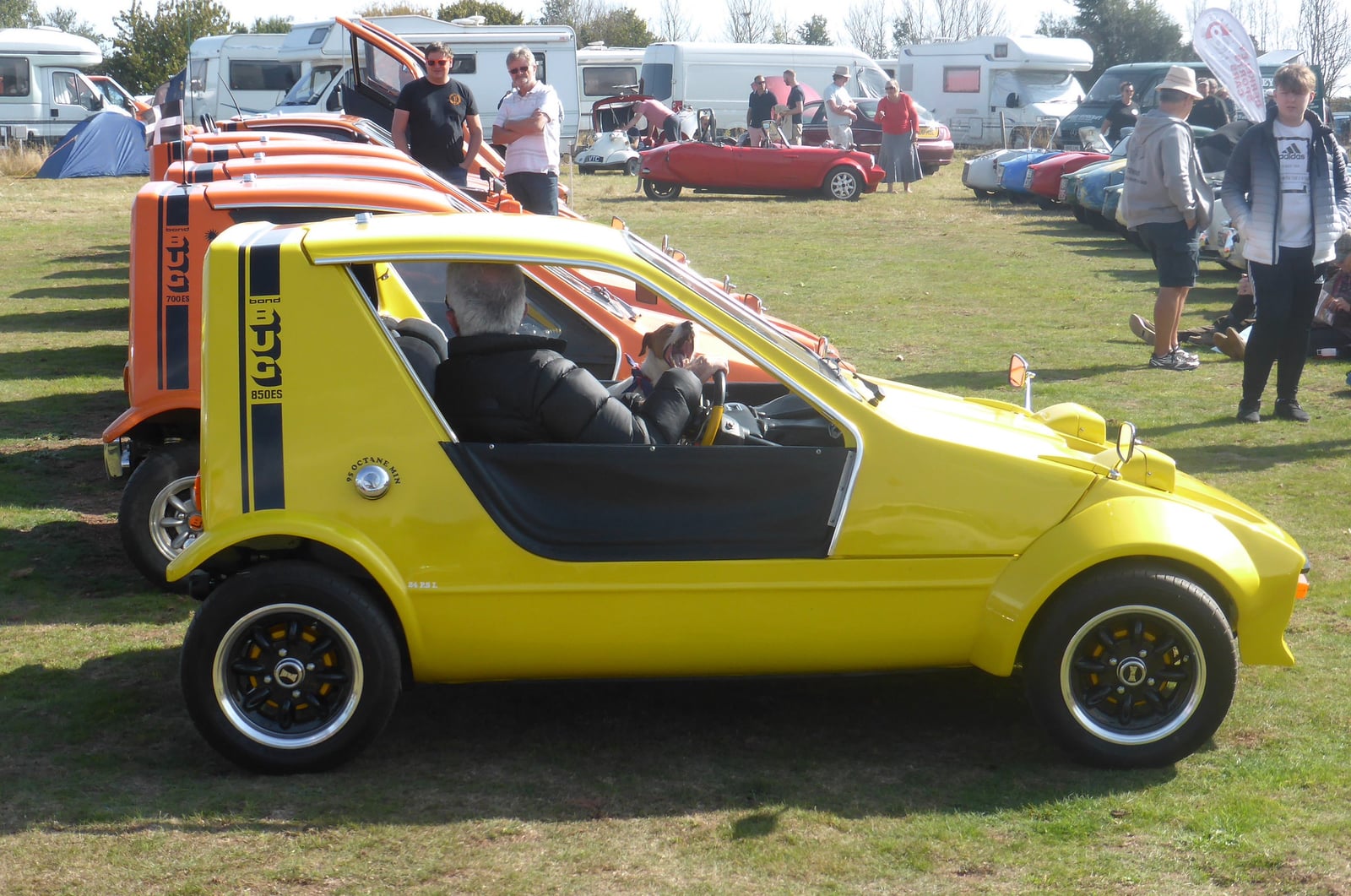
Karen gave it the wedge. The Bug was low, sharp, and pointed, finished in a single shade of bright tangerine that was part of the deal, with a lift-up canopy in place of doors and a stance like nothing else on the road. It went on sale in 1970 as the 700, with the better-equipped 700E and the higher-compression 700ES following, the ES gaining a redesigned cylinder head and a little more power.
Mechanically it was pure Reliant. The 700cc light-alloy four-cylinder engine sat at the front driving the rear wheels, with a single wheel at the front in the established Reliant three-wheeler layout. Power was modest, around 29 to 31 horsepower depending on model, but the Bug was light, so it felt livelier than the numbers suggest.

Why it failed when new
The Bug’s problem was price. A three-wheeler was supposed to be cheap, and the Bug was not: by the time it was equipped the way buyers wanted, it cost close to the price of a Mini, a four-wheeled, four-seat, far more practical car. Asked to choose between a sensible Mini and a wild orange two-seat three-wheeler for similar money, most buyers chose the Mini.
It was also impractical in the ways that distinctive cars often are. Getting in meant lifting the whole front and climbing over the side. The side screens gave limited weather protection. There was room for two and almost nothing else. As a statement it was brilliant; as a car to use every day in a British winter it asked a lot. Sales never reached the numbers Reliant hoped for, and the Bug was quietly dropped in 1974 after 2,268 had been built.

The afterlife
What killed the Bug commercially is exactly what saved it afterwards. Because it looked like nothing else, it never dated in the way an ordinary small car does, and it lodged itself in popular culture. The wedge shape is frequently linked to the landspeeder in the original Star Wars film, through the designer’s connection to that production, and the Bug has turned up in television, advertising, and toy form across the decades since. It became a shorthand for early-1970s optimism and design confidence.
That cultural afterlife is most of why the survivors are valued now. A car that was awkward and overpriced when new is, fifty years later, exactly the kind of object collectors want: rare, instantly recognisable, full of period character, and impossible to mistake for anything else.

Buying and owning
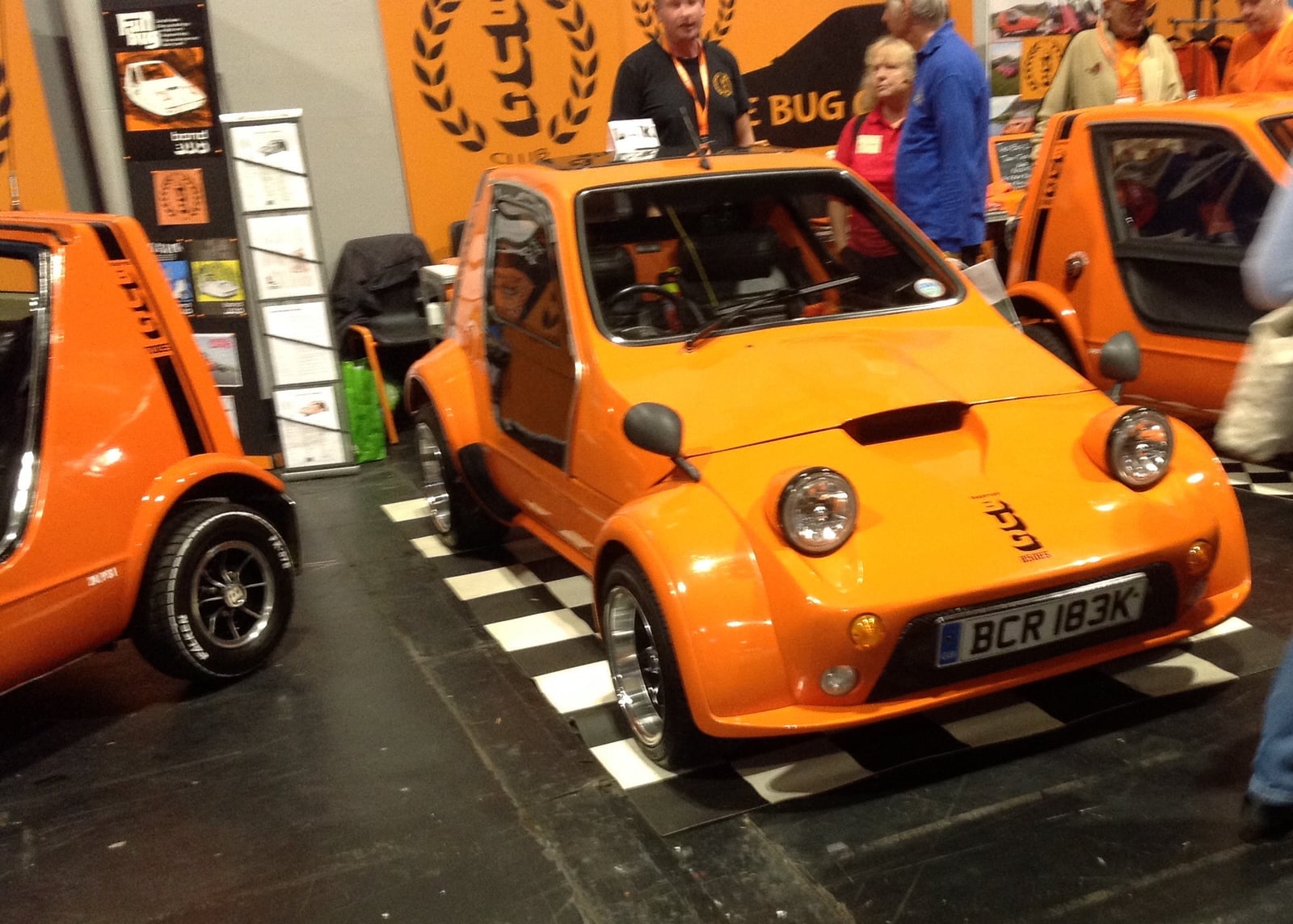
The good news for an owner is the body. The Bug’s shell is fibreglass, so it does not rust, which removes the single biggest worry that haunts most British classics of the period. What needs checking instead is the running gear, which is standard Reliant and well supported, and the details: the canopy hinges and seals, the condition and originality of the interior, and whether the car is the correct colour and specification or has been changed over the years.
A usable Bug is now a five-figure car, with the 700E and 700ES the common survivors and the best examples worth markedly more. Parts supply is helped by the shared Reliant mechanicals and by an active owners’ community that has kept these cars going for decades. As a classic to own it is genuinely usable on the right roads, cheap to run, and guaranteed to be the most photographed thing at any show it attends.
Where the Bug sits
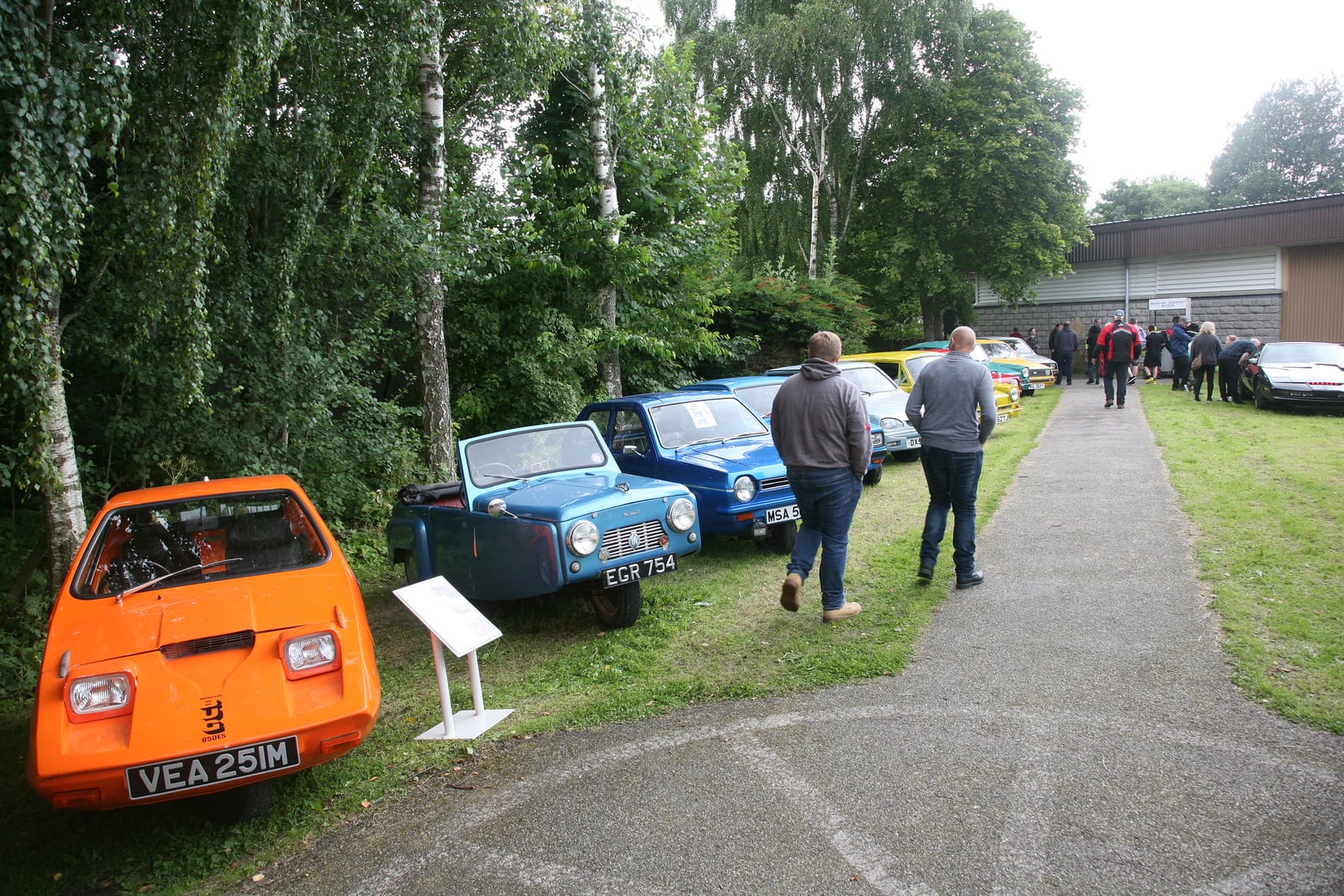
The Bond Bug is the fun end of the British three-wheeler story, the opposite of the austerity logic that produced the Peel P50 a decade earlier. Where the Peel was the smallest possible answer to a shortage of money and fuel, the Bug was a small car built purely because it would be brilliant, and it sits among the most characterful British microcars and three-wheelers for exactly that reason.
Key dates for the Bond Bug
- 1969Reliant buys Bond Cars and, rather than close the brand, commissions Tom Karen of Ogle to turn an existing project into a youth-market statement.
- 1970The Bug goes on sale as the 700: a low tangerine wedge with a lift-up canopy, the 700cc alloy four driving the rear wheels.
- 1971The better-equipped 700E and higher-compression 700ES follow, the ES with a redesigned head and a little more power.
- May 1974Quietly dropped after 2,268 cars, having cost close to Mini money for a two-seat three-wheeler.
Before you buy a Bond Bug
The Bug-specific details
- Canopy hinges and seals, the model's own weak points
- The condition and originality of the interior
- Correct tangerine colour and specification, or an honest account of changes
- 700, 700E and 700ES differ; know which you are pricing
Running gear
- Standard Reliant mechanicals, well supported through the shared parts network
- The 700cc alloy four wants clean coolant and oil like its saloon siblings
- Light weight makes modest power feel livelier than the numbers suggest
- The single front wheel asks the usual three-wheeler driving manners
Provenance
- The owners' community has kept these cars going for decades and knows the survivors
- Ogle-connected cultural history adds to the story, not the price of an undocumented car
- A usable Bug is now a five-figure car, so paperwork matters
- Concours cars trade markedly above the usable middle
What the Bond Bug sells for at auction
The Bond Bug comes to auction only occasionally: 18 recorded sales since 2005, typically making between £4,346 and £8,530 . With so few sales, treat any single result as a data point rather than a market price.
- £6,400Bug
- £20,020Bug
- £7,312Bug
- £5,200Bug
- £2,110Bug
Thin evidence. Only 18 recorded sales: read the figures as a sketch of the market, not a price. Based on 18 sold results from public classic car auctions (2005 to 10 August 2026). Sold prices, not asking prices, and not a valuation: condition, history and specification vary from car to car.
Related
The Bond Bug is one of Britain’s microcars and three-wheelers. For the decade that produced it, see British classic cars of the 1970s.
More photos