Reliant Robin: Britain's most famous three-wheeler, and most misunderstood car (1973–2002)
The Reliant Robin is the most joked-about car Britain ever made and one of its most misunderstood. A guide to the real Robin, the Ogle design, the alloy engine, the Rialto years and the final editions, whether they really tip over, why the Trotters' van is not a Robin, what to check when buying, and what one costs today.
Built 1973–2002 48 recorded sales
At a glance
- Years
- 1973–1981; Rialto 1982–1998; Robin again 1989–2002
- Body styles
- Three-wheeled saloon, estate and van
- Drivetrain
- Front engine, rear-wheel drive, single front wheel
- Engines
- Reliant all-aluminium 750cc, then 850cc four
- Power
- Around 32 bhp to 40 bhp
- Trim levels
- Robin, Super Robin, Rialto, Robin BRG/65 editions
- Production
- Tens of thousands; Reliant built well over 100,000 three-wheelers in the era
- Assembly
- Tamworth, Staffordshire
- Designer
- Ogle Design (Tom Karen)
- Values
- Usable from around £2,500; good cars £4,000-£7,000; final editions beyond
- The licence quirk
- Light three-wheelers could historically be driven on a motorcycle licence
- Mistaken identity
- The Trotters' van and Mr Bean's nemesis are Regal Supervans, not Robins
The models
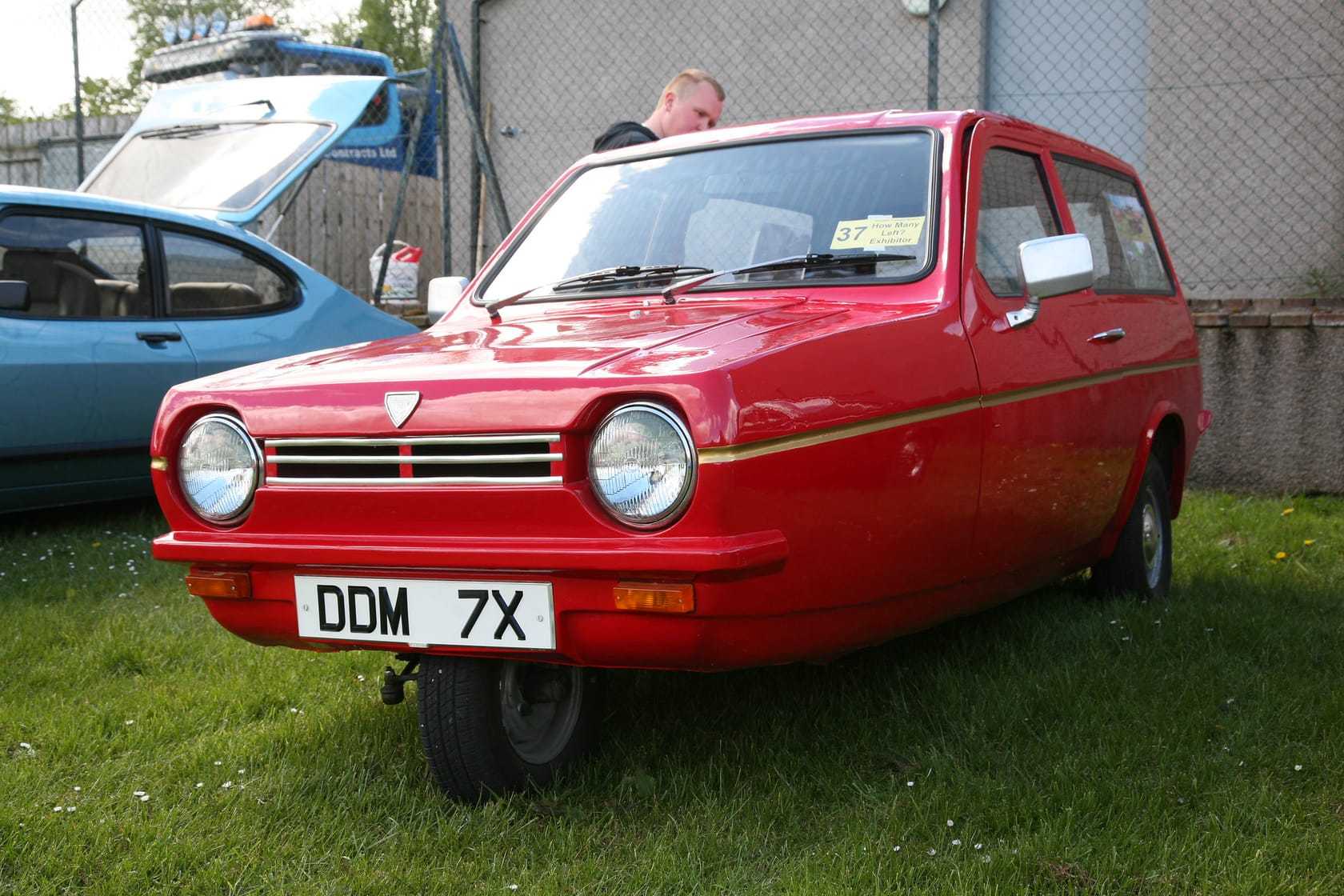
No British car has absorbed more mockery than the Reliant Robin, and none has minded less. Launched in 1973 and built, with interruptions and name changes, into the early 2000s, the Robin gave motorcyclists and budget-minded families weather-proof transport with car comfort at tricycle running costs, and it did the job so well that the jokes never dented the sales. The real car is better than its reputation, and the reputation is half wrong anyway.
A serious answer to a real question
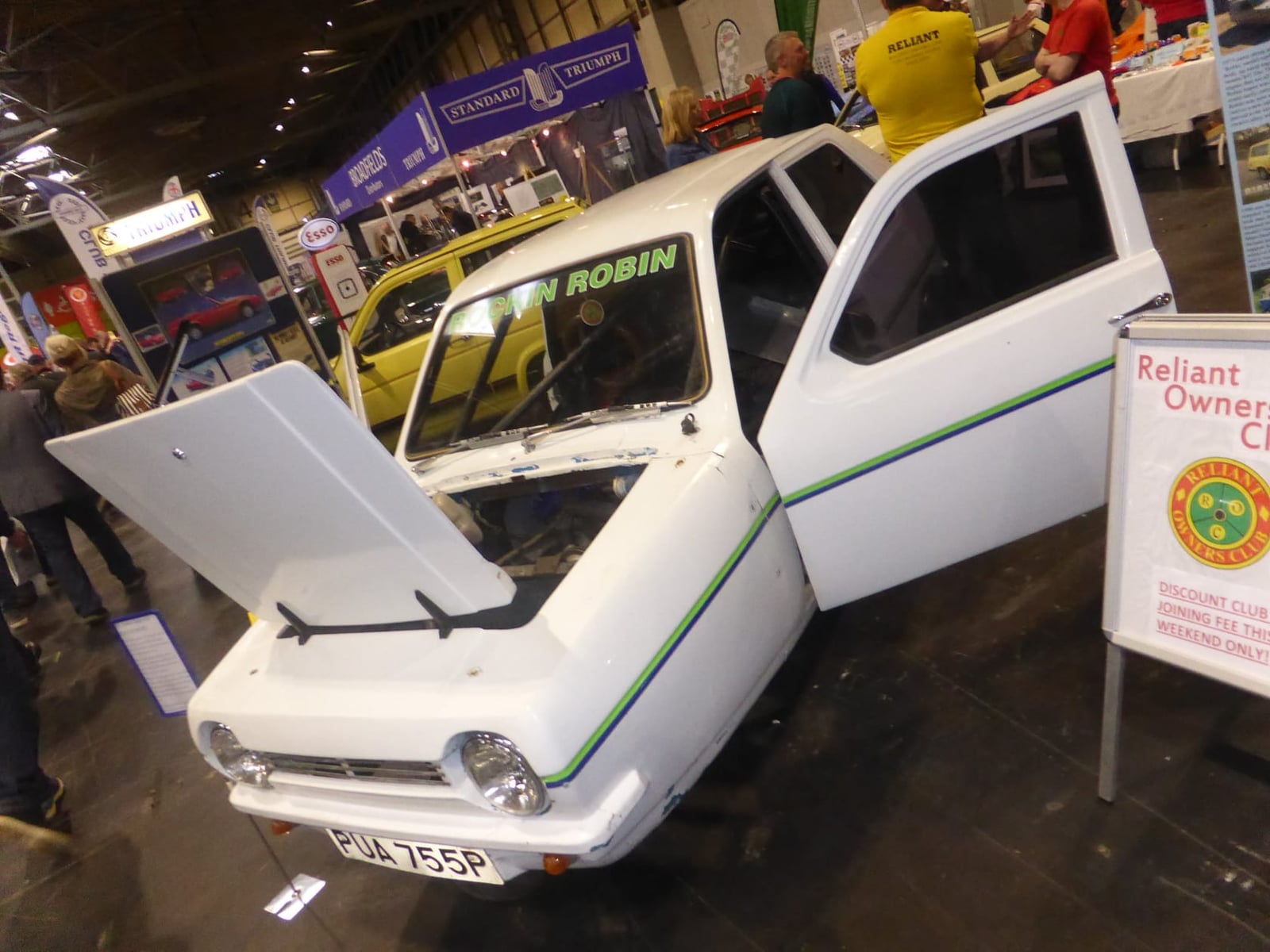
The Robin existed because the rules made it clever. A light three-wheeler was taxed as a tricycle and could historically be driven on a motorcycle licence, so Reliant sold car-shaped practicality to people the car industry could not reach: motorcyclists with families, tradesmen counting pennies, rural buyers who needed cheap wheels that shrugged off weather. Ogle Design, the studio behind the Scimitar GTE, gave the 1973 Robin crisp, modern lines, and Reliant’s own all-aluminium 750cc engine, enlarged to 850cc in 1975, gave it thrifty, willing power. This was not a joke product; it was precision engineering to a price and a rulebook.

Robin, Rialto, Robin again
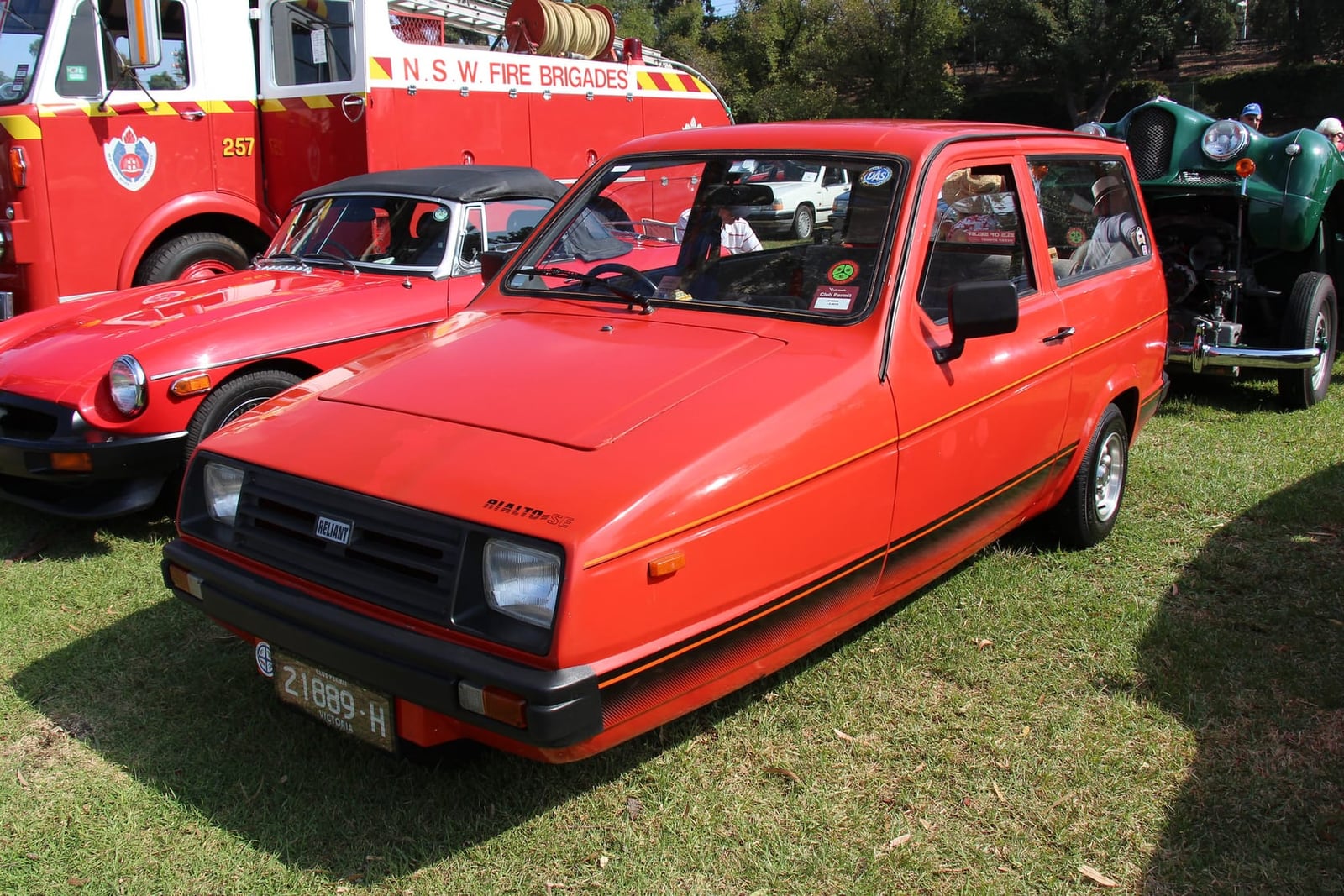
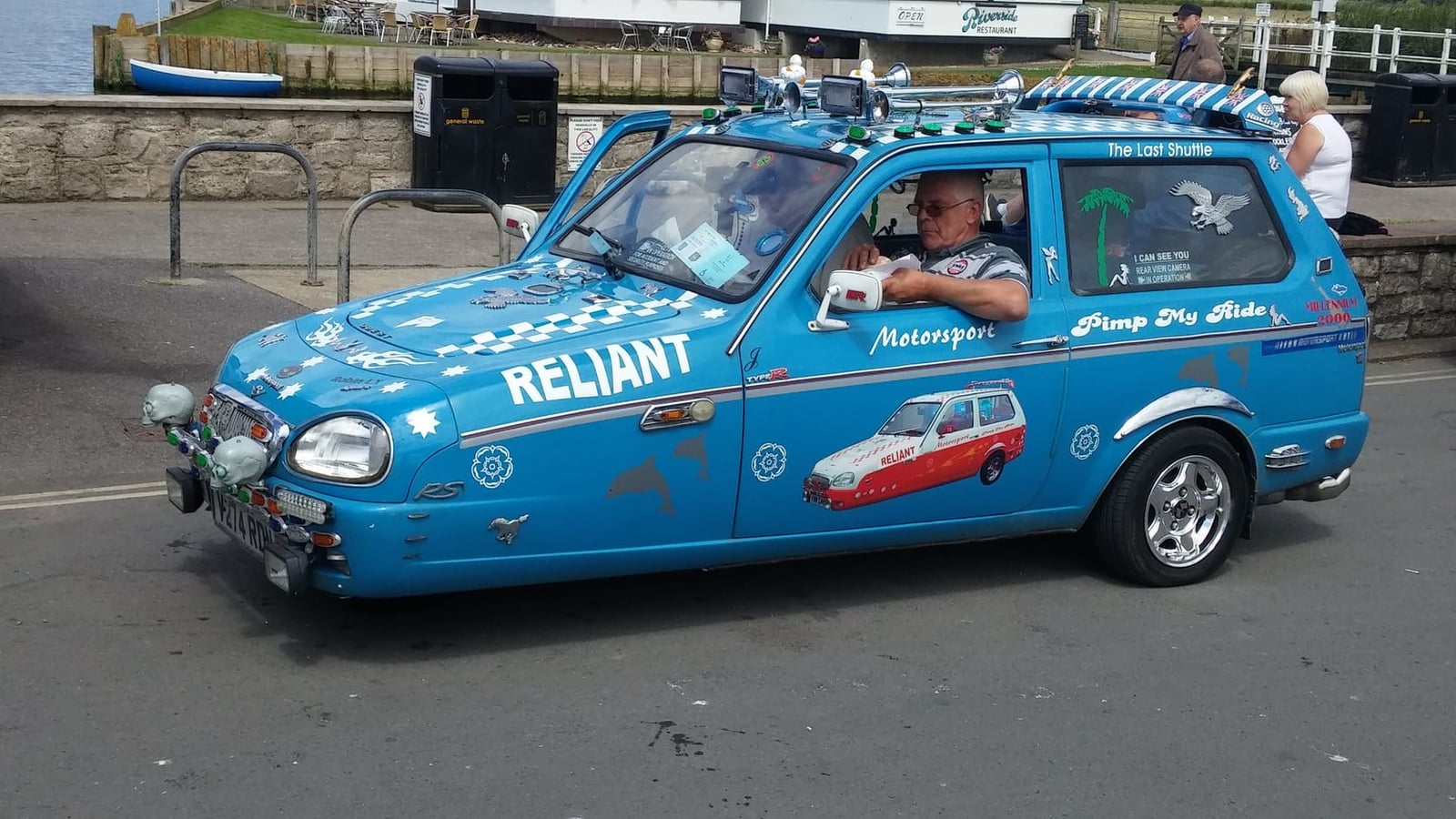
The first Robin ran to 1981, when the sharper-nosed Rialto took over with the same 850cc engine and chassis beneath wedgier glassfibre. The Robin name returned in 1989 on an updated car with a hatchback and better trim, and carried on to the end of Tamworth production, signed off by the best-equipped BRG and Robin 65 editions in 2001 and 2002. A brief licensing arrangement assembled a handful more elsewhere, and then Britain’s three-wheeler era was over. Mechanically the whole family is one car, which keeps parts and club knowledge wonderfully interchangeable.

The jokes, examined
Two television moments define the Robin’s image and both need footnotes. The tipped-over Robin rolling down a hill on Top Gear in 2010 was engineered for the cameras, as the presenter later admitted: the car had been altered so it would topple on demand. And the nation’s other famous three-wheelers, the Trotters’ yellow van and Mr. Bean’s blue victim, are not Robins at all but the earlier Regal Supervan. A standard Robin driven with the modest care its layout asks is a stable, usable little car, as decades of daily-driving owners quietly proved, and the Robin Reliant van, as half the country insists on ordering the words, hauled small trade loads on the same licence logic. Driven like a sports car it will protest; so will most vans.

What a Robin is like to own
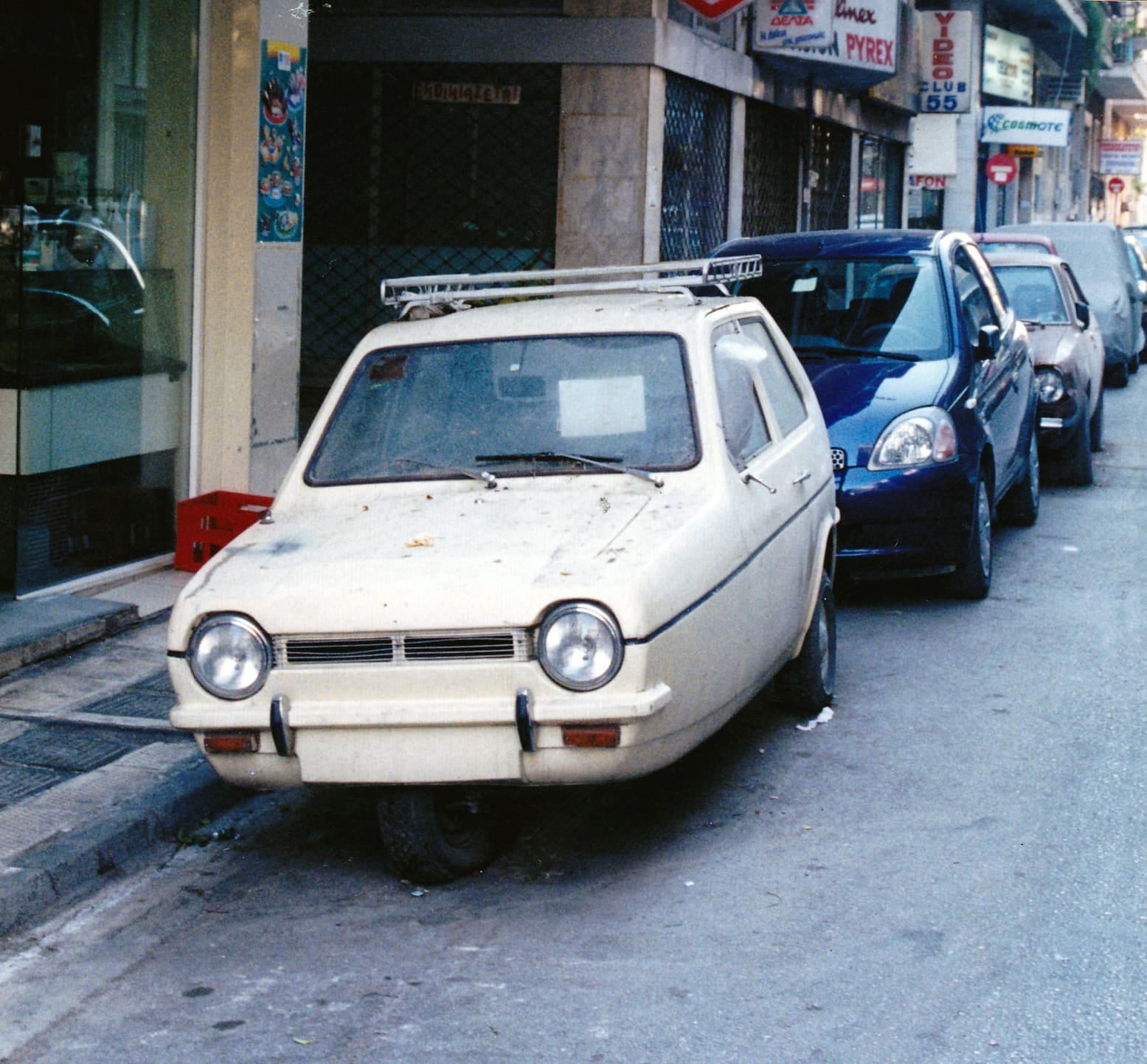
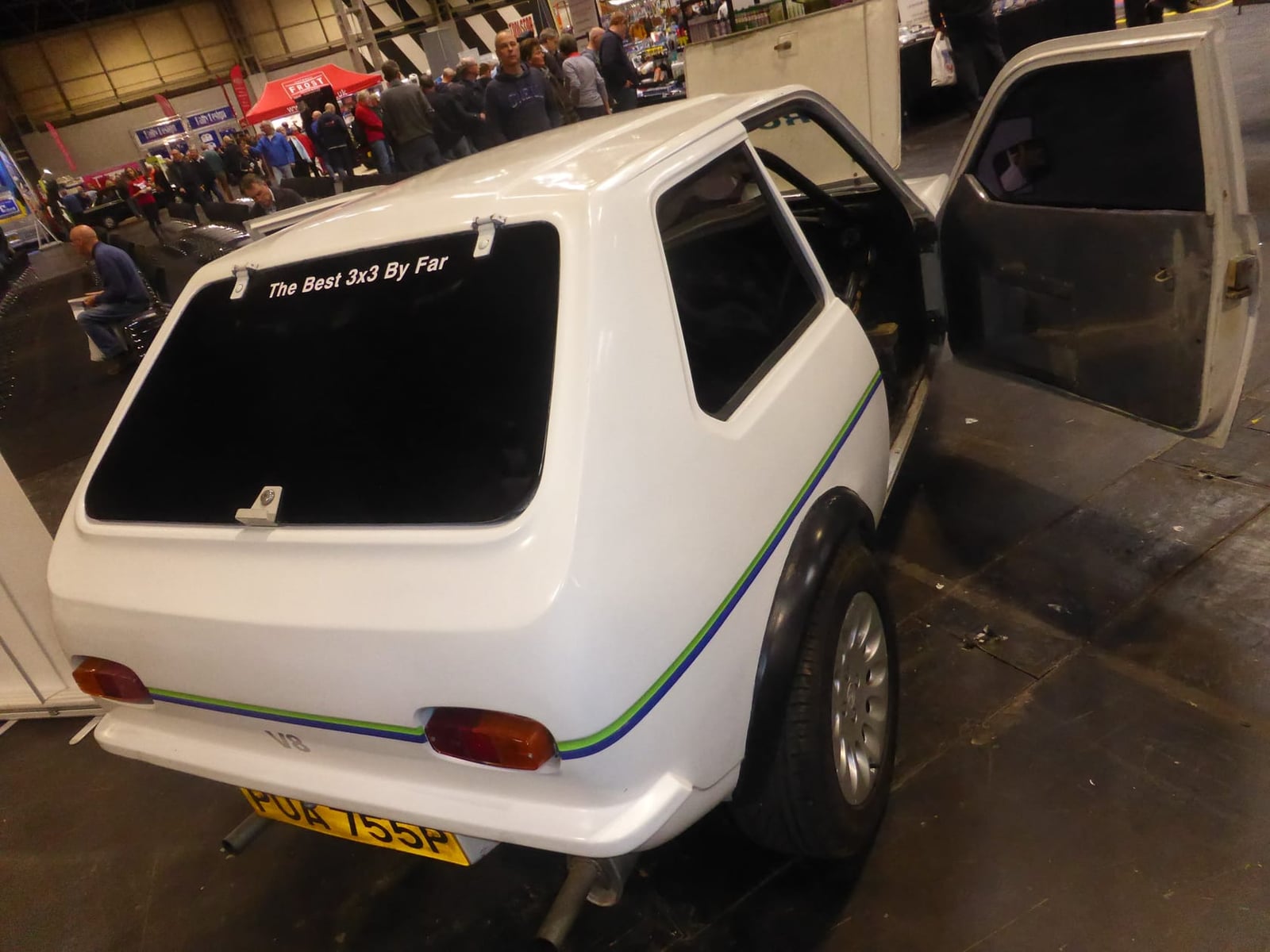
Robin ownership is cheap in ways modern motoring has forgotten: minimal tax, insurance in the cheapest classic brackets, fuel consumption a motorcycle would respect, and an engine you can lift out with a friend. The all-alloy four is simple and durable when its cooling and oil are minded, gearboxes are tough, and the club scene keeps every consumable available. The care points are the steel chassis under the glassfibre, which rusts where mud collects, worn kingpins and suspension bushes, and tired gel coat, cosmetic but wearying to refinish. None of it is expensive; all of it is worth checking.

Driving a three-wheeler well
Robin driving is its own small craft, quickly learned and oddly satisfying. The single front wheel asks for smooth, early steering inputs and gentle corner speeds, braking is done in a straight line before the bend rather than in it, and crosswinds deserve a moment of respect. Master that rhythm and the Robin rewards with darty town manners, a tiny turning circle, featherweight controls and fuel figures a modern city car cannot approach. The 850 engine thrums along happily at fifty all day and will touch seventy where the road allows.
Insurance sits in the cheapest classic brackets, and agreed-value cover for a good example costs less than many owners spend on show fuel.
The deeper pleasure is social. No classic draws friendlier attention: children point, strangers tell you their uncle had one, and every fuel stop becomes a conversation. Owners stop noticing the jokes because they arrive wrapped in affection, which is more than most classics twenty times the price can manage.

Values: the cult pays now
The days of free Robins ended when irony matured into affection. Projects run under £1,500, usable cars around £2,500 to £4,000, and good examples £4,000 to £7,000, with the final editions and time-warp survivors beyond. The Rialto badge buys the same engineering for less. It remains one of the cheapest entries into British classic ownership, and one of very few whose crowd at a show is guaranteed, grinning and full of stories. Vans and estates trade at a premium over saloons, and originality has begun to matter as the collector market matures. The Robin’s three-wheeled relatives live in our microcars and three-wheelers guide. Wherever it parks, Britain’s most famous three-wheeler never pays for its own conversation.

More photos
Key dates for the Robin
- 1973Ogle Design's crisp Robin launches with Reliant's all-aluminium 750cc four, selling car-shaped practicality on a motorcycle licence.
- 1975The engine grows to 850cc.
- 1981The wedgier Rialto takes over on the same chassis and engine.
- 1989The Robin name returns with a hatchback and better trim.
- 2001The best-equipped BRG and Robin 65 editions sign off Tamworth production, which ends in 2002 after well over 100,000 three-wheelers.
Before you buy a Robin
Structure
- The glassfibre body over a separate chassis: inspect the steel, not the shine
- Chassis rot where mud and damp sit
- Bodged repairs from the mockery decades exist; judge from underneath
- Vans and estates worked harder and need the harder look
Mechanical
- The all-aluminium engine is thrifty and willing when maintained
- The 850 thrums at fifty all day and touches seventy where the road allows
- Family-wide parts interchange keeps bills tiny
- Featherweight controls and a tiny turning circle are the reward for the layout's manners
Identity and version
- The Trotters' van and Mr Bean's victim are Regal Supervans, not Robins, whatever the seller says
- The Rialto badge buys the same engineering for less
- Final BRG and 65 editions lead the values
- Vans and estates trade at a premium over saloons
What the Robin sells for at auction
| Variant | Sold | Typical range | Median |
|---|---|---|---|
| Robin | 37 | £840 - £1,792 | £1,300 |
| Rialto | 11 | £864 - £1,798 | £1,650 |
Show the year-by-year mediansHide the year-by-year medians
| Year | Sold | Median | In 2025 money |
|---|---|---|---|
| 2025 | 10 | £1,693 | £1,693 |
| 2024 | 4 | £1,175 | £1,220 |
| 2023 | 11 | £1,456 | £1,562 |
| 2022 | 10 | £1,265 | £1,449 |
| 2021 | 6 | £1,270 | £1,570 |
- £2,592Robin
- £490Robin
- £2,007Robin
- £2,100Robin
- £1,260Robin
Thin evidence. Only 48 recorded sales: read the figures as a sketch of the market, not a price. Based on 48 sold results from public classic car auctions (2016 to 10 August 2026). Sold prices, not asking prices, and not a valuation: condition, history and specification vary from car to car. Inflation-adjusted figures use the ONS CPIH index, in 2025 money.
Frequently asked questions
Do Reliant Robins really tip over easily?
Is the van in Only Fools and Horses a Reliant Robin?
Can you drive a Reliant Robin on a motorcycle licence?
How many Reliant Robins are left?
How much does a Reliant Robin cost to buy?
What is the most expensive Robin ever sold at auction?
How often does a Robin come up for sale?
Related across themes
More from Reliant

Reliant Regal: the three-wheeler that carried Britain's tradesmen, and the Trotters (1953–1973)

Reliant Scimitar SS1: Michelotti's last roadster and the bargain of the 1980s (1984–1995)

Reliant Fox: the glassfibre farmhand that came home from Greece (1983–1990)

Reliant Rebel: the four-wheeled Reliant nobody expected (1964–1974)
Recently added

Bentley S-series: the quiet twin with the beautiful secrets (1955–1965)

Rolls-Royce Silver Spirit and Silver Spur: the last Crewe bargain (1980–1999)

Rolls-Royce Corniche: the coachbuilt survivor that outlived its makers (1971–1995)
