BSA three-wheelers: the front-drive answer to Morgan (1929–1936)
BSA's three-wheelers took on Morgan with a weapon nobody expected from a motorcycle firm, front-wheel drive, and sold in thousands on the strength of car comfort at motorcycle tax. A guide to the v-twin and four-cylinder cars, how they differ from a Morgan, the Scout that followed, and what one costs today.
Built 1929–1936 20 recorded sales
At a glance
- Years
- 1929–1936
- Body styles
- Open two-seater; family and sports versions
- Drivetrain
- Front engine, front-wheel drive
- Engines
- 1021cc air-cooled v-twin; 1075cc four-cylinder from 1933
- Power
- Around 25 bhp to 32 bhp
- Trim levels
- Standard, Special Sports, family models; TW series
- Production
- Several thousand across all versions
- Assembly
- Birmingham, England
- Designer
- BSA drawing office under F. W. Hulse
- Values
- Usable from around £9,000; good cars £12,000-£20,000
- The surprise
- Front-wheel drive in 1929, from a motorcycle and armaments firm
- The rival
- Pitched squarely at Morgan's three-wheelers, at friendlier prices
The cars
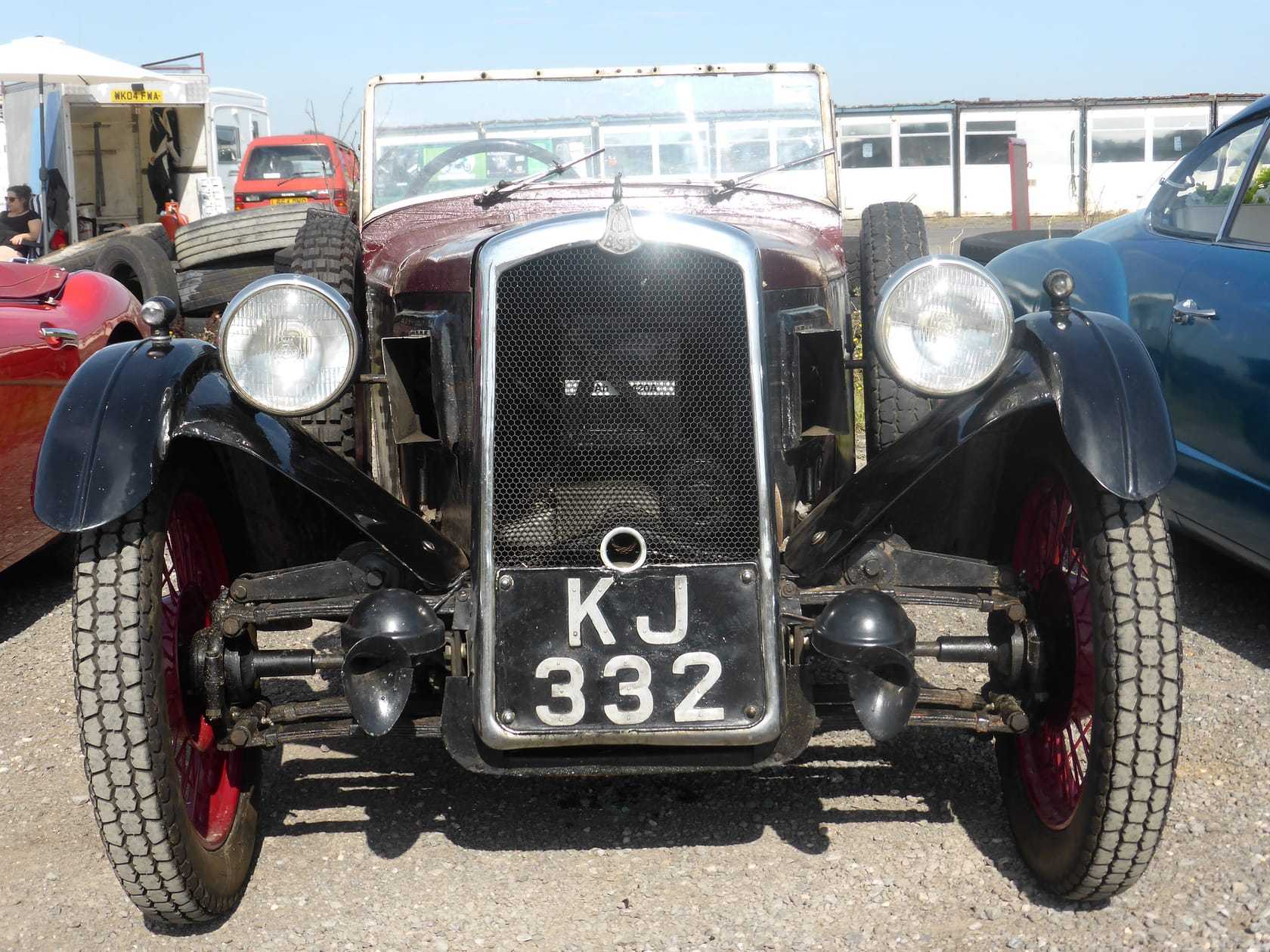
Between the wars Britain’s three-wheeler argument had two sides: Morgan, the famous one, and BSA, the clever one. The Birmingham arms-and-motorcycles giant entered the class in 1929 with the last thing anyone expected, front-wheel drive, and sold thousands of its three-wheelers to families who wanted car comfort at motorcycle tax. Today it stands as the great-value vintage machine of the three-wheeler world.
Front-wheel drive in 1929
BSA’s engineers reasoned from first principles: a three-wheeler is most stable with its single wheel at the rear, so the engine should drive the paired wheels at the front. The 1021cc air-cooled v-twin sat ahead of the axle line driving through a four-speed gearbox, with independent front suspension completing a specification that reads a generation ahead of its date. The handling security it bought was the car’s calling card then and remains its pleasant surprise now: a well-set-up BSA corners with a confidence the class was not supposed to possess.

Taking the fight to Morgan
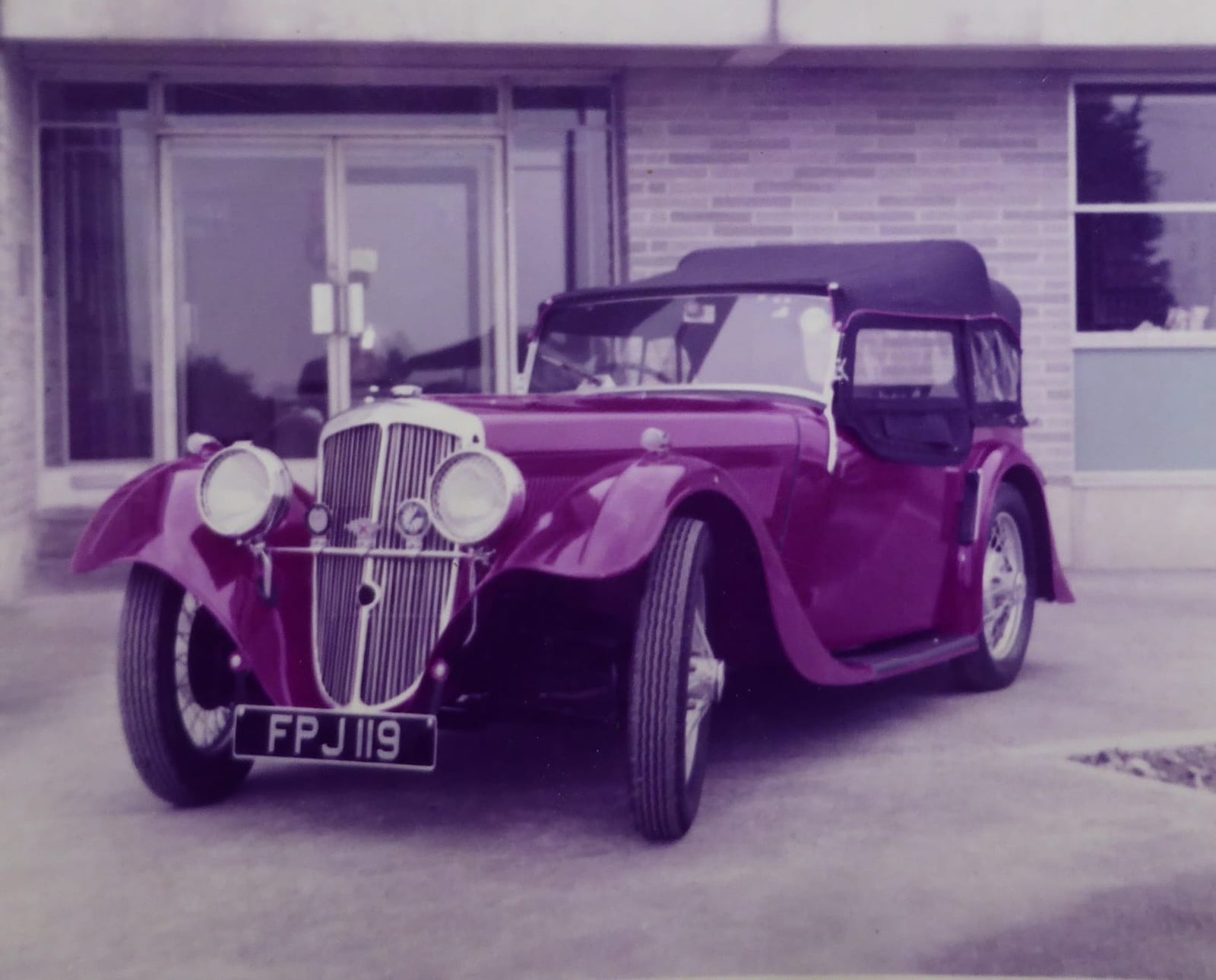
Morgan owned the sporting three-wheeler legend; BSA aimed at its flanks. The Birmingham cars were pitched as the comfortable, sensible choice, easier to start, easier to drive, with family bodywork alongside the sports versions, and priced to undercut Malvern. From 1933 a 1075cc water-cooled four-cylinder option added refinement the v-twin could not offer. The taxation logic carried the class: a three-wheeler paid motorcycle rates and could be driven on a motorcycle licence, the same rulebook that would later sustain Reliant for half a century.

The Scout, and the end of the three-wheeler
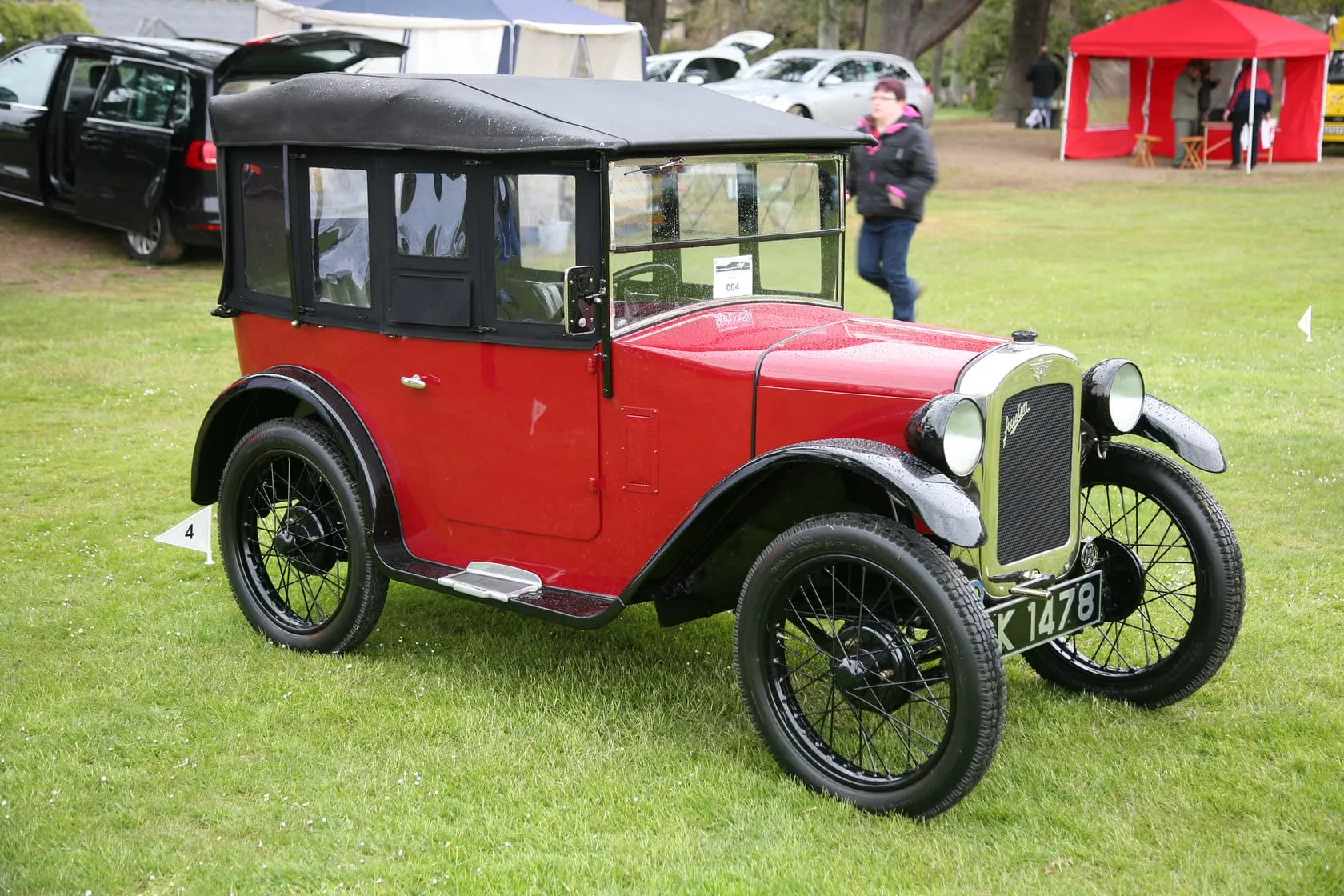
By the mid-1930s cheap four-wheelers like the Austin Seven had eroded the three-wheeler’s case, and BSA answered its own question in 1935 with the Scout, a pretty little four-wheeled sports car that kept the front-wheel drive and carried the company’s car line to the war. Three-wheeler production ended in 1936, closing a run of several thousand cars, most worked hard and many lost, which explains today’s scarcity.

The range: v-twins, fours and the TW series
The BSA three-wheeler range ran wider than its rarity now suggests. The core car was the 1021cc v-twin two-seater, in standard and sportier tunes, joined from 1932 by family versions with occasional rear seating and, from 1933, by the smoother 1075cc water-cooled four-cylinder cars for buyers who found the twin agricultural. The final TW-series cars of 1935–36 tidied the design as the class faded. Together they sold in the thousands, respectable numbers against Morgan, and the spread matters to buyers now because parts and specifications differ meaningfully between twin and four, early and late.
Survivors skew toward the v-twins, which enthusiasts prize for character, and toward cars that spent decades in barns rather than on roads: a high proportion of the population needed total restoration in living memory, which is why originality of identity matters more than originality of paint.

Driving one now
Driving a BSA three-wheeler today is vintage motoring with a twist of novelty even the pre-war crowd cannot match. The v-twin fires with a flat drone through the front-mounted radiator cowl, the gearbox asks for deliberate, old-fashioned timing, and the front-drive layout gives cornering manners that surprise everyone who expects Morgan-style three-wheeled drama. Forty-five miles an hour feels brisk, sixty feels heroic, and every journey gathers an audience of people who have never seen one, because most people never have. Rallies of the Vintage Sports-Car Club world welcome them warmly, and the pre-war three-wheeler class remains one of the cheapest tickets into that scene.

Owning a BSA three-wheeler today
BSA ownership is vintage motoring with a friendly support network: the marque’s enthusiasts are few but organised, mechanical simplicity keeps home maintenance realistic, and the front-drive layout’s period quirks, constant-velocity joints above all, are well understood in the community. Buying checks centre on completeness and identity, since bodies were light and lives were hard: verify the chassis and engine pairing against the register’s records, inspect the ash-framed bodywork with honest eyes, and treat any missing brightwork or instruments as the purchase’s real deferred cost. Insurance and storage costs are as small as the car, and agreed-value cover for so rare a machine is worth arranging properly. Values remain the class bargain, from around £9,000 usable to £20,000 for the best, a fraction of the money the equivalent Morgan commands, for a much rarer machine that carries the better engineering story to every cocktail party it ever attends. As an entry into the pre-war world alongside the cars of the 1930s, nothing three-wheeled is friendlier.

More photos
BSA Three-Wheeler: the short history
- 1929BSA launches its front-wheel-drive three-wheeler under F. W. Hulse: a 1,021cc air-cooled v-twin driving the front wheels, against Morgan's rear-drive orthodoxy.
- 1930Special Sports and family versions broaden the range.
- 1933A 1,075cc four-cylinder joins the v-twin.
- 1936The four-wheeled Scout takes over and the three-wheeler line ends, several thousand built.
The BSA Three-Wheeler viewing checklist
Identity and completeness
- Verify the chassis and engine pairing against the register's records
- Bodies were light and lives were hard, so completeness is the value
- Missing brightwork or instruments are the real deferred cost
- Family, Standard and Special Sports versions differ and step the price
Structure
- Inspect the ash-framed bodywork with honest eyes
- The chassis under a hard-worked three-wheeler deserves a full look
- Front-drive geometry and its mounts are BSA-specific
- Radiator cowl and tinwork are period-fragile
Mechanical
- The constant-velocity joints are the known front-drive quirk, well understood in the community
- The v-twin and the four are both simple and rebuildable
- The gearbox asks deliberate, old-fashioned timing, which is character not wear
- Agreed-value insurance for so rare a machine is worth arranging properly
What the BSA three-wheeler sells for at auction
The BSA three-wheeler comes to auction only occasionally: 20 recorded sales since 2005, typically making between £4,926 and £11,692 . With so few sales, treat any single result as a data point rather than a market price.
- £4,10010hp
- £11,539Three-Wheeler
- £3,136Three-Wheeler
- £4,98410hp
- £11,50010hp
Thin evidence. Only 20 recorded sales: read the figures as a sketch of the market, not a price. Based on 20 sold results from public classic car auctions (2005 to 10 August 2026). Sold prices, not asking prices, and not a valuation: condition, history and specification vary from car to car.
Frequently asked questions
What is a BSA three-wheeler?
Why did the BSA three-wheeler have front-wheel drive?
Is a BSA three-wheeler the same as a Morgan?
How fast is a BSA three-wheeler?
How much is a BSA three-wheeler worth?
What is the most expensive BSA three-wheeler ever sold at auction?
How often does a BSA three-wheeler come up for sale?
Related across themes
More from Microcars


Recently added

Bentley S-series: the quiet twin with the beautiful secrets (1955–1965)

Rolls-Royce Silver Spirit and Silver Spur: the last Crewe bargain (1980–1999)

Rolls-Royce Corniche: the coachbuilt survivor that outlived its makers (1971–1995)
