Pre-war Rolls-Royce Phantom values: the V12 is the cheapest one
The sophisticated V12 Phantom III sells for less than half a Phantom II. Pre-war Rolls-Royce Phantom values from 569 recorded auction sales, what a Brewster body adds, and why a median means less on this car than on any other here.
Built 1925–1939
What the Pre-war Phantom sells for at auction
In 2025 the median Pre-war Phantom sold for £96,750 across 36 sales, 13% up on 2024. In real terms, typical Pre-war Phantom prices were down about 7% over the five years to 2025, once inflation is accounted for.
| Variant | Sold | Typical range | Median |
|---|---|---|---|
| Phantom II | 173 | £49,520 - £188,703 | £103,500 |
| Phantom I | 161 | £46,734 - £137,545 | £81,620 |
| Phantom III | 62 | £35,884 - £120,592 | £46,994 |
| Phantom I Brewster | 42 | £74,547 - £242,222 | £151,321 |
| Phantom II Brewster | 22 | £91,931 - £429,022 | £155,254 |
| Phantom I Hibbard & Darrin | 10 | £138,608 - £308,134 | £206,385 |
| Phantom II Thrupp & Maberly | 9 | £100,800 - £188,703 | £129,197 |
| Phantom III Hooper | 8 | £27,343 - £41,189 | £37,318 |
| Phantom I Barker | 8 | £114,154 - £274,400 | £204,403 |
| Phantom II Gurney Nutting | 7 | £137,410 - £327,936 | £279,472 |
| Phantom II Hooper | 7 | £62,426 - £214,987 | £134,021 |
| Phantom III H J Mulliner | 6 | £47,950 - £112,949 | £95,185 |
Show the year-by-year mediansHide the year-by-year medians
| Year | Sold | Median | In 2025 money |
|---|---|---|---|
| 2026 (so far) | 16 | £56,144 | |
| 2025 | 36 | £96,750 | £96,750 |
| 2024 | 31 | £85,366 | £88,642 |
| 2023 | 22 | £135,860 | £145,791 |
| 2022 | 28 | £103,500 | £118,531 |
| 2021 | 24 | £109,250 | £135,094 |
| 2020 | 15 | £81,813 | £103,675 |
| 2019 | 32 | £107,536 | £137,663 |
| 2018 | 18 | £159,496 | £207,646 |
| 2017 | 24 | £158,664 | £211,347 |
| 2016 | 16 | £110,200 | £150,570 |
| 2015 | 30 | £65,276 | £90,080 |
| 2014 | 40 | £114,398 | £158,503 |
| 2013 | 25 | £118,915 | £167,111 |
| 2012 | 24 | £124,162 | £178,482 |
| 2011 | 41 | £109,832 | £161,932 |
| 2010 | 42 | £112,928 | £172,965 |
| 2009 | 19 | £138,563 | £217,539 |
| 2008 | 15 | £101,963 | £163,235 |
| 2007 | 19 | £106,285 | £176,078 |
| 2006 | 12 | £52,674 | £89,299 |
| 2005 | 11 | £41,625 | £72,346 |
| 2004 | 16 | £33,525 | £59,466 |
| 2001 | 4 | £98,375 | £181,981 |
- £17,140Phantom I
- £25,692Phantom I
- £68,237Phantom I
- £26,629Phantom III
- £156,375Phantom II
Strong evidence. 569 recorded sales and a dozen or more a year: the median and the range are well founded. Based on 569 sold results from public classic car auctions (1994 to 10 August 2026). Sold prices, not asking prices, and not a valuation: condition, history and specification vary from car to car. Inflation-adjusted figures use the ONS CPIH index, in 2025 money.
The pre-war Phantom is the most expensive car on this site and the one whose median tells you least. Rolls-Royce Phantom values sit at £102,350 across 569 recorded sales, with the middle half between £51,750 and £184,741, and the record runs from £1,238 to £1,580,000. Roughly two in three cars offered find a buyer, and about 28 change hands a year.
Behind that single figure sit three chassis and a dozen coachbuilders, and the gaps between them are larger than most cars’ entire price ranges. Read this page by the rows rather than the headline.
The pre-war Phantom guide covers the Phantom I, II and III, the coachwork and what to check. This page is about the money.
The most advanced Phantom is the cheapest
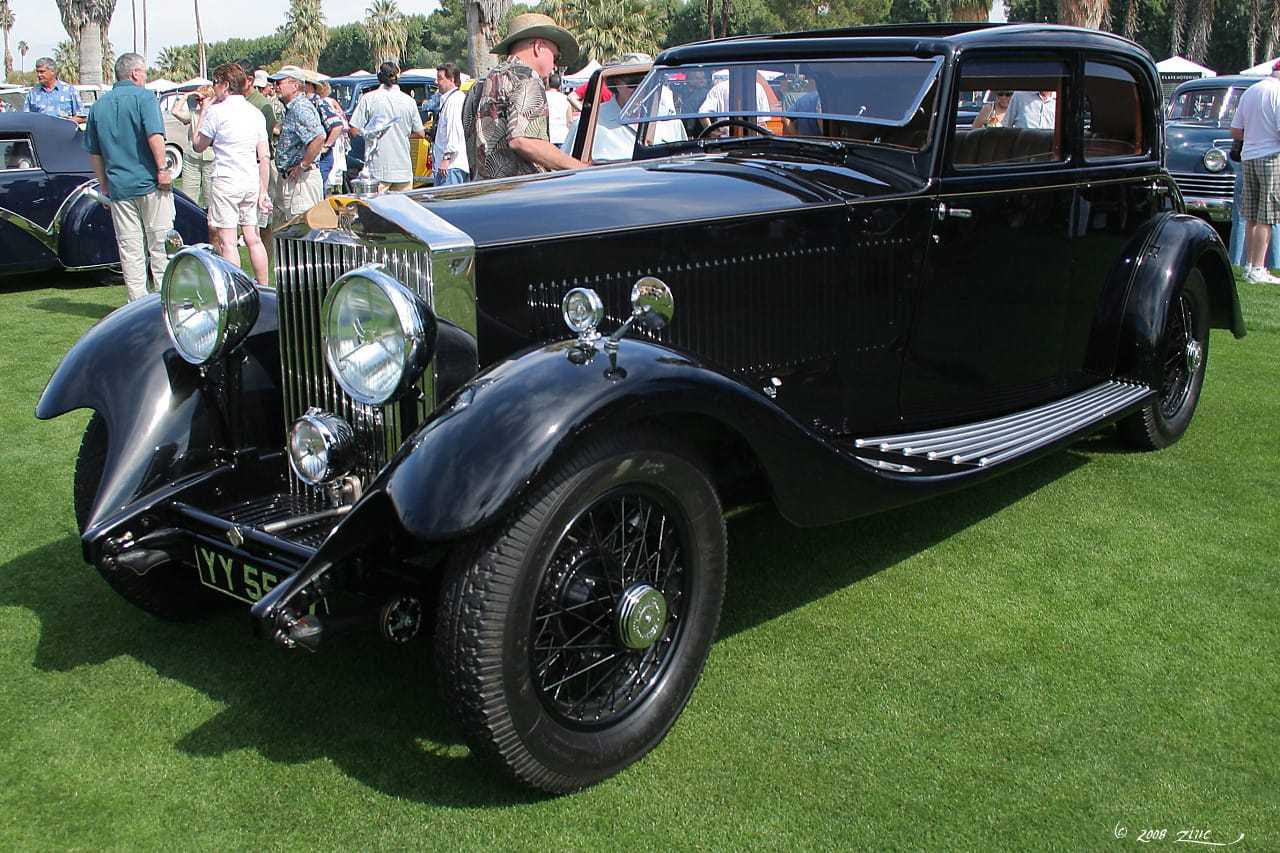
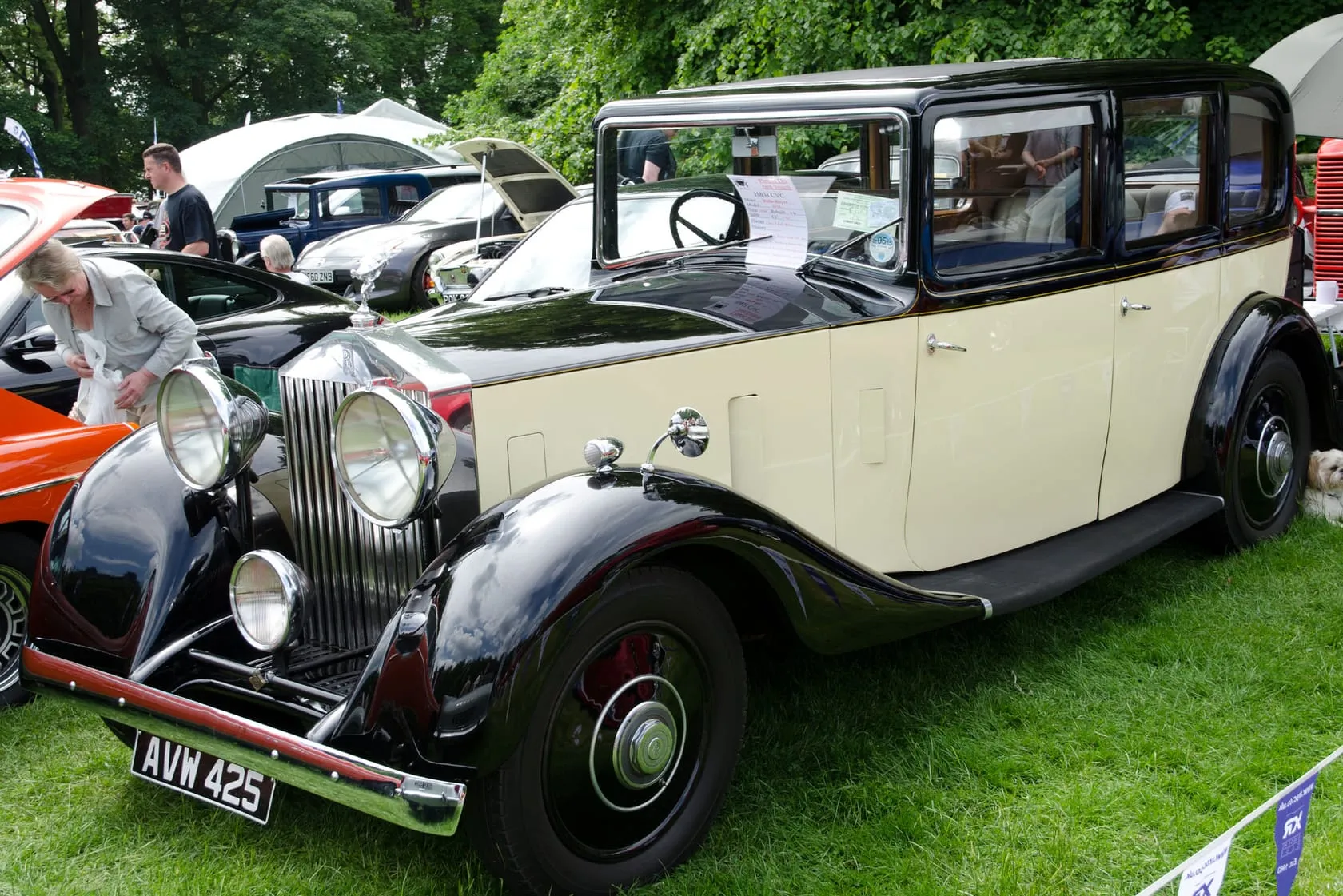
This is the finding that surprises people. The V12 Phantom III, the last and by a distance the most sophisticated of the three, sits at £46,994 at the median across 62 recorded sales. The Phantom II sits at £103,500 across 173 and the Phantom I at £81,620 across 161. The best engineering in the range is worth less than half the car before it.
The reason is the engine. The Phantom III’s 7.3-litre V12 was extraordinary in 1936 and is extraordinary to rebuild now: complex, specialised, and with hydraulic tappets that gave trouble when the cars were new. A rebuild can cost more than the finished car is worth, so the market prices in that risk on every unproven example. It follows that a Phantom III with documented recent engine work is worth far more than the median implies, and one without is worth rather less.
For a buyer who wants a pre-war Phantom to use, that makes the Phantom III the way in at a little over a third of Phantom II money, with the engine fund built into the plan from the start.

The coachbuilder is worth more than the chassis
Rolls-Royce sold a chassis; somebody else sold the car. The record prices that arrangement plainly. A standard Phantom I is £81,620. The same chassis with a Brewster body is £151,321 across 42 sales. A Phantom II Brewster is £155,254, and a Phantom I bodied by Hibbard & Darrin is £206,385 across 10 sales. In the other direction, a Hooper-bodied Phantom III sits at £37,318, below the standard car.
Fifty-four of the 569 sales sit outside the eight rows above, in the long tail of individual coachbuilders, and the top of the record, £1,580,000, is a Phantom II. What you are buying at this level is a body, a history and a set of chassis records, with the mechanical package a long way down the list.

A median that means less than usual
The yearly figures read £107,536 in 2019, £81,813 in 2020, £109,250 in 2021, £103,500 in 2022, £135,860 in 2023, £85,366 in 2024, £96,750 in 2025 and about £56,144 so far in 2026. Do not read a trend into that.
At 28 recorded sales a year, in a record where one body style is worth four times another on the same chassis, the annual median tracks which cars happened to be consigned. A single Hibbard & Darrin Phantom I in a quiet year moves it further than twelve months of market movement would. The 2026 figure of £56,144 is a mix effect: the recent sales in the record are Phantom Is and IIIs at £17,140, £25,692, £26,629 and £68,237, with no coachbuilt car among them.
This is worth stating plainly because it applies to the whole page. Everything on this site is a median of recorded sales, and on ordinary cars that is a good description of a market. On a coachbuilt pre-war Rolls-Royce, where each car is close to unique and provenance carries more of the price than condition does, a median is a starting point for a conversation with a specialist rather than an answer.
Where pre-war Phantoms change hands
At the international catalogued sales, almost entirely, and a good deal of the record is American. Two in three offered cars sell, which is low, and that reflects both the money involved and how specific each car is: a buyer for a Sedanca de Ville is not necessarily a buyer for a saloon at the same price. Whether a recorded price includes the buyer’s premium varies by sale, which is one more reason to read the usual range rather than any single result.
Insuring, restoring, selling
Every car here needs an individual agreed value with the coachbuilder, the chassis records and any engine work documented, because no row median describes a specific car well enough to insure it. On restoration, costs are effectively unbounded: coachbuilt bodywork has no parts supply, the wood framing is a specialist trade, and a Phantom III engine rebuild is a five-figure job on its own. If you are selling, the chassis records and the body’s history are the sale, and the difference between a documented car and an undocumented one at this level runs into six figures.
Related
The Phantom sits above the 20/25, the smaller Derby car that outsold it, and was succeeded after the war by the Silver Wraith and eventually the Silver Cloud. For the period, see British classic cars of the 1920s and 1930s. For how all the figures on this site are compiled, see what classic cars sell for.
Frequently asked questions
How much is a pre-war Rolls-Royce Phantom worth?
Why is the V12 Phantom III the cheapest Phantom?
Which pre-war Phantom is worth the most?
Are pre-war Phantom prices falling?
What is the cheapest way into a pre-war Phantom?
What should I check before buying a pre-war Phantom?
What is the most expensive Pre-war Phantom ever sold at auction?
How often does a Pre-war Phantom come up for sale?
Related across themes
More Rolls-Royce values

Rolls-Royce Silver Cloud values: the saloon at £34,000 and the drophead at five times that

Rolls-Royce Silver Shadow values: a Rolls for Fiesta money, and why that is the trap

Rolls-Royce Silver Spirit values: the cheapest Rolls of all, and the long one that is not

Rolls-Royce 20/25 values: a pre-war Rolls for £29,000, and falling
Recently added

Bentley Continental R values: the convertible outsells the coupe by half

Frazer Nash: the chain gang and the Bristol-hearted racers (1922–1957)

Bristol Cars: the aeroplane company that built Britain's oddest aristocrats (1945–2011)
