Microcars
-
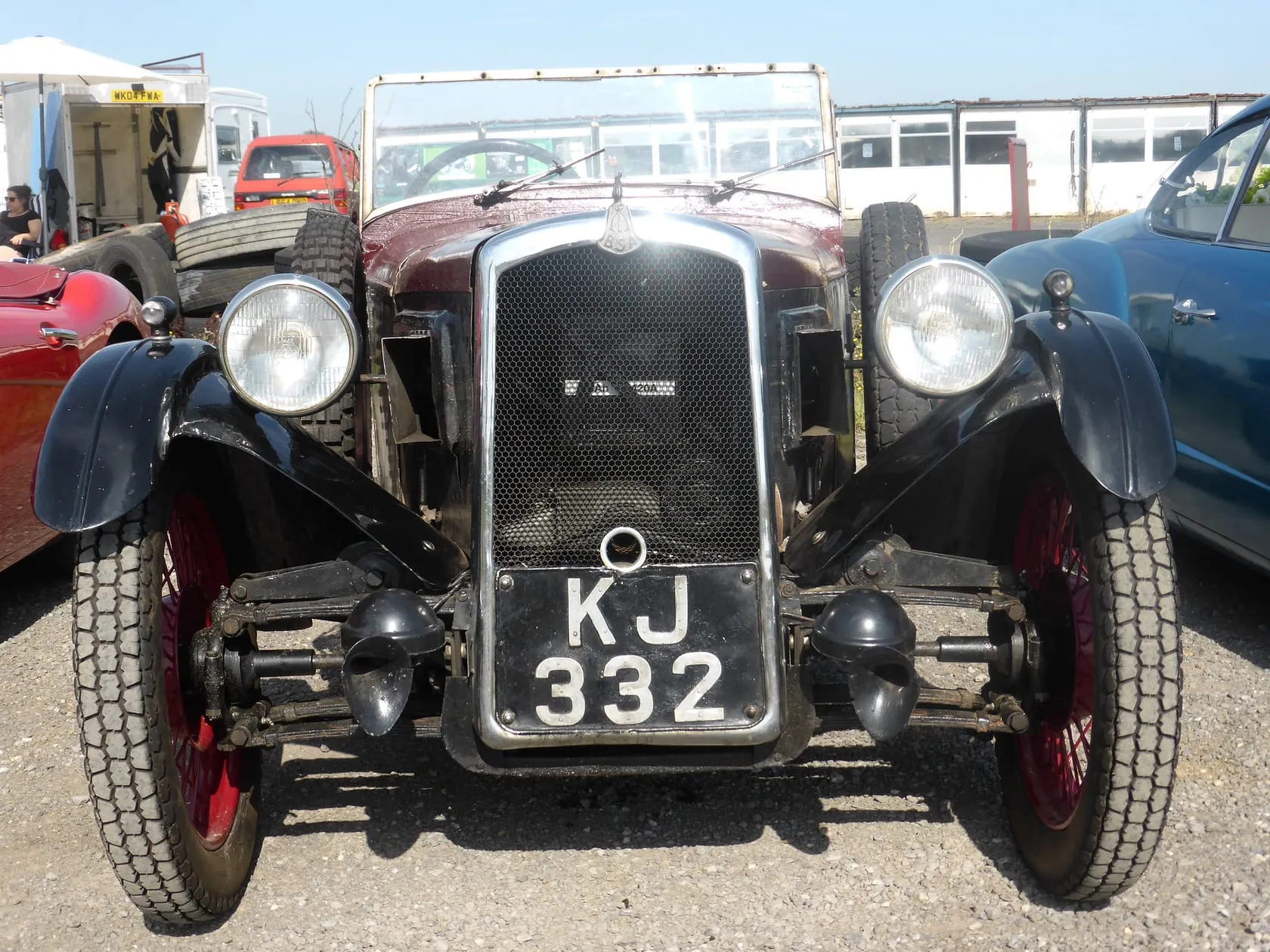 BSA three-wheelers: the front-drive answer to Morgan (1929–1936)
BSA's three-wheelers took on Morgan with a weapon nobody expected from a motorcycle firm, front-wheel drive, and sold in thousands on the strength of car comfort at motorcycle tax. A guide to the v-twin and four-cylinder cars, how they differ from a Morgan, the Scout that followed, and what one costs today.
-
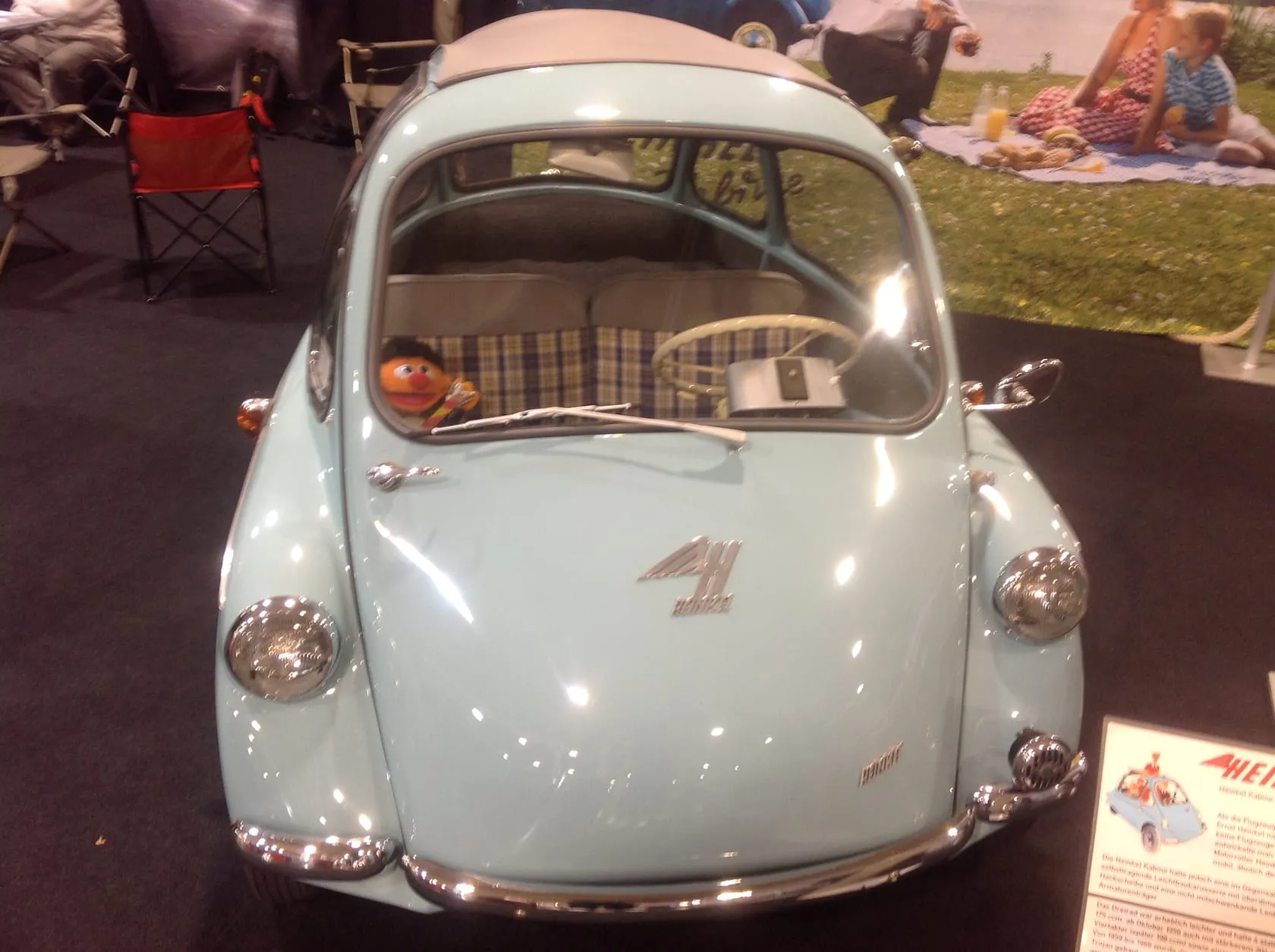 Heinkel Kabine and Trojan 200: the bubble car Britain built in Croydon (1956–1965)
The Heinkel Kabine was the aircraft-maker's bubble car, lighter and nimbler than the rival Isetta, and from 1960 it became an honorary British classic as the Trojan 200, built under licence in Croydon. A guide to the Kabine and Trojan story, how it differs from an Isetta, what to check, and what one costs today.
-
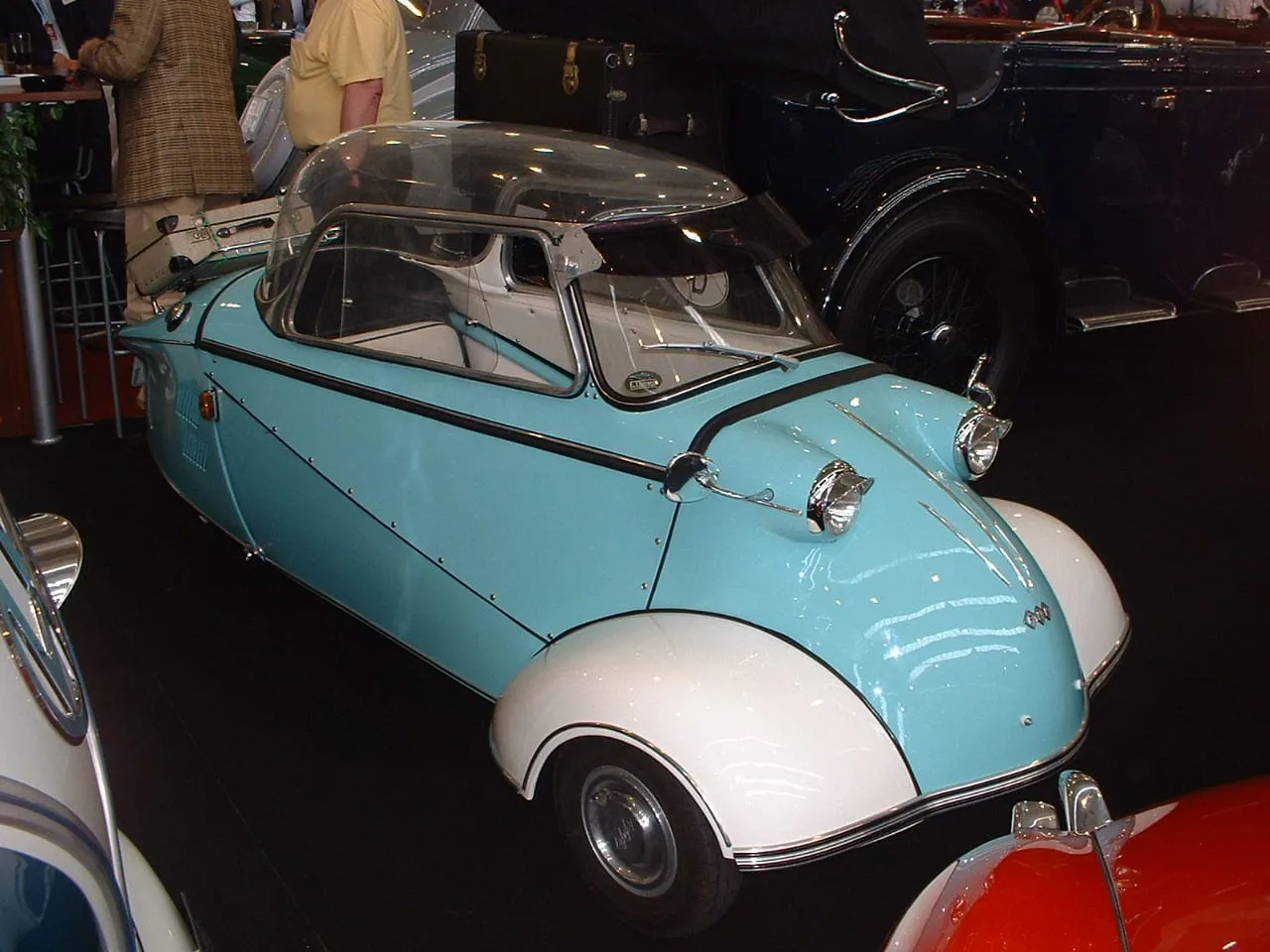 Messerschmitt KR200: tandem seats, a bubble canopy and the fighter-plane school of motoring (1955–1964)
The Messerschmitt KR200 sat its two occupants in tandem under an aircraft-style bubble canopy, steered by handlebars and reversed by running its engine backwards. A guide to the Kabinenroller's story, the KR175 before it and the Tg500 Tiger above it, what to check when buying, and what one costs today.
-
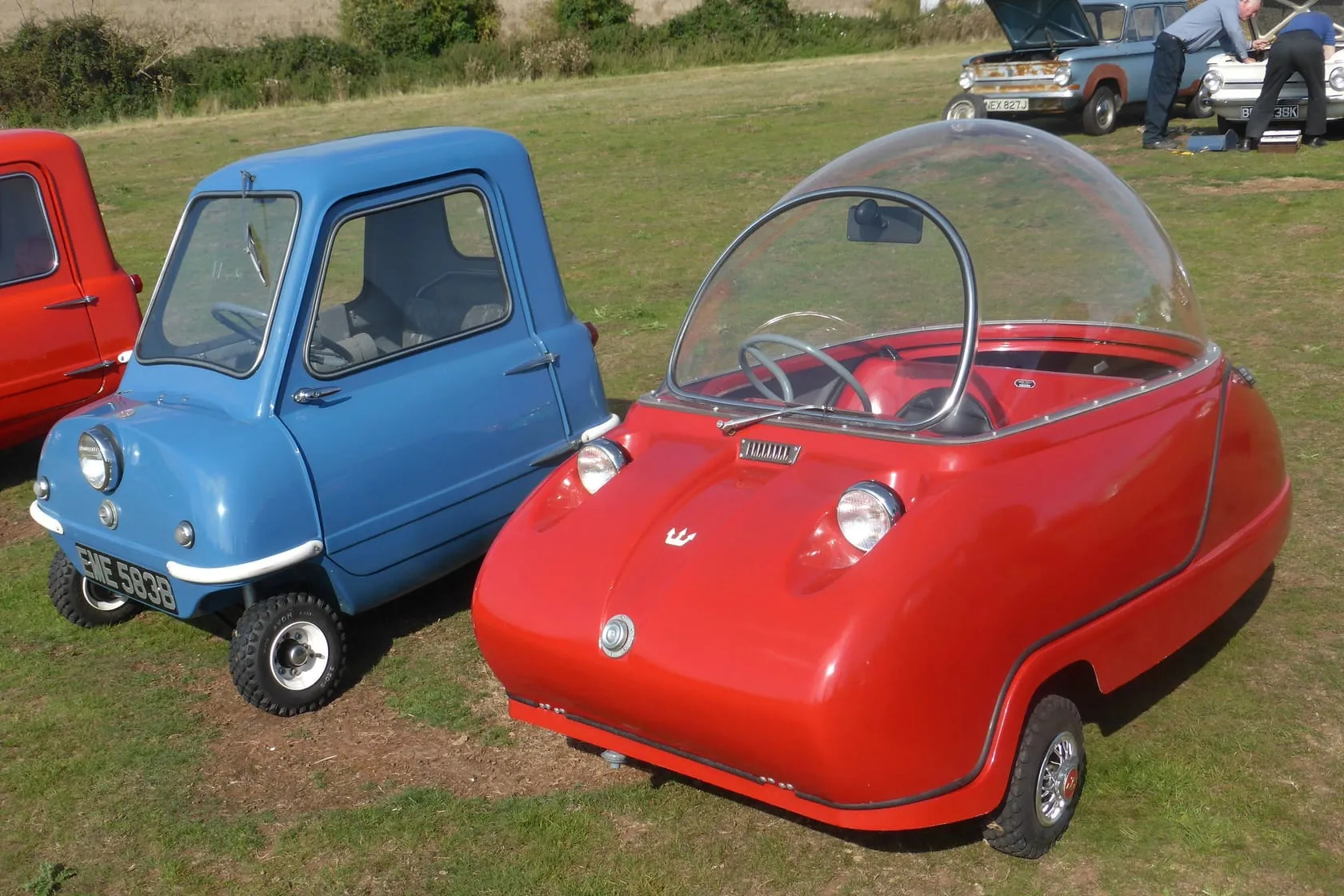 British microcars and three-wheelers: the small, strange end of the classic world
Britain built some of the smallest and strangest cars ever sold, from the Isle of Man's Peel P50 to Reliant's wedge-shaped Bond Bug. A guide to the bubble cars and three-wheelers, why Britain made so many, and why the survivors are now sought-after classics.
-
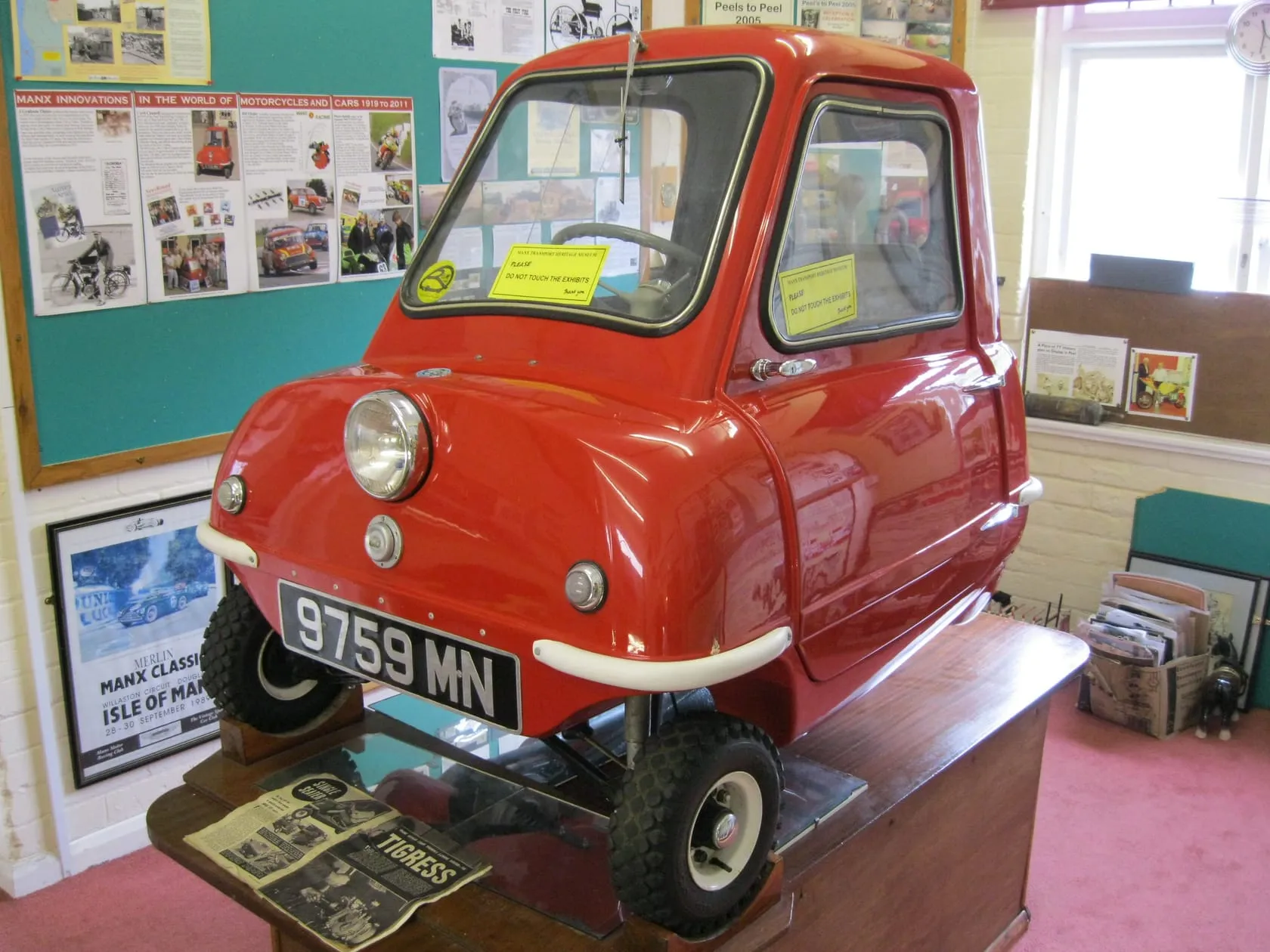 Peel P50: the smallest production car ever made
The Peel P50 is the smallest production car ever made, a single-seat three-wheeler built on the Isle of Man in the early 1960s with a 49cc engine and no reverse gear. Its history, what it is like to use, the modern revival, and why genuine originals are now five-figure collectors' cars.