Land Rover Series I values: the 80-inch premium, the factory Reborn cars, and a market off its 2021 peak
The first Land Rover priced from 421 recorded auction sales. The median and the usual range, why the early 80-inch cars lead the table and the 86 and 88 sit below them, what the station wagons, the fire engines and the factory Reborn restorations make, what moves a Series I price, and why the first Land Rover has come down two-fifths from its 2021 peak.
Built 1948–1958
What the Series I sells for at auction
In 2025 the median Series I sold for £14,325 across 48 sales, 6% up on 2024. In real terms, typical Series I prices were down about 23% over the five years to 2025, once inflation is accounted for.
| Variant | Sold | Typical range | Median |
|---|---|---|---|
| Series I | 137 | £9,435 - £23,037 | £14,750 |
| Series I 80 | 126 | £11,050 - £23,093 | £16,871 |
| Series I 86 | 80 | £8,362 - £16,593 | £12,575 |
| Series I 88 | 37 | £8,200 - £19,362 | £12,060 |
| Series I 107 | 21 | £9,000 - £19,980 | £14,603 |
| Series I Fire | 9 | £11,500 - £17,472 | £16,800 |
| Series I 109 | 5 | £8,611 - £15,583 | £12,375 |
| Series I Reborn | 5 | £65,582 - £84,152 | £80,545 |
Show the year-by-year mediansHide the year-by-year medians
| Year | Sold | Median | In 2025 money |
|---|---|---|---|
| 2026 (so far) | 28 | £14,676 | |
| 2025 | 48 | £14,325 | £14,325 |
| 2024 | 38 | £13,518 | £14,036 |
| 2023 | 57 | £15,600 | £16,740 |
| 2022 | 38 | £17,118 | £19,605 |
| 2021 | 41 | £20,772 | £25,686 |
| 2020 | 38 | £14,625 | £18,533 |
| 2019 | 26 | £9,250 | £11,841 |
| 2018 | 25 | £15,750 | £20,505 |
| 2017 | 16 | £14,870 | £19,808 |
| 2016 | 21 | £18,400 | £25,141 |
| 2015 | 13 | £11,550 | £15,939 |
| 2014 | 5 | £8,625 | £11,950 |
| 2013 | 5 | £9,200 | £12,929 |
| 2012 | 5 | £7,101 | £10,208 |
| 2011 | 4 | £6,390 | £9,422 |
| 2010 | 3 | £10,925 | £16,733 |
| 2007 | 4 | £7,820 | £12,955 |
| 2005 | 3 | £12,938 | £22,487 |
- £12,971Series I 86
- £14,750Series I
- £13,668Series I
- £12,320Series I 80
- £17,280Series I
Strong evidence. 421 recorded sales and a dozen or more a year: the median and the range are well founded. Based on 421 sold results from public classic car auctions (2004 to 10 August 2026). Sold prices, not asking prices, and not a valuation: condition, history and specification vary from car to car. Inflation-adjusted figures use the ONS CPIH index, in 2025 money.
The Series I is where all of it started, and Land Rover Series 1 values, as the searches put it, are the record of the marque’s own beginnings: 421 recorded sales since 2004, about 44 a year lately, at a median of £14,600, with the middle half between £9,100 and £21,500. Seven in ten of the vehicles offered find a buyer. The spread runs from an £860 project to £185,600 for the factory’s own Car Zero, and inside it the order is the collector’s, not the user’s: the older and the more original the car, the more the market pays.
The Series I model guide covers the 1948 original, the wheelbases, the engines and what to check. This page is about the money, and about a market that has come off its pandemic peak while staying, by this site’s standards, a long-term riser.
The 80 over the 86 and 88
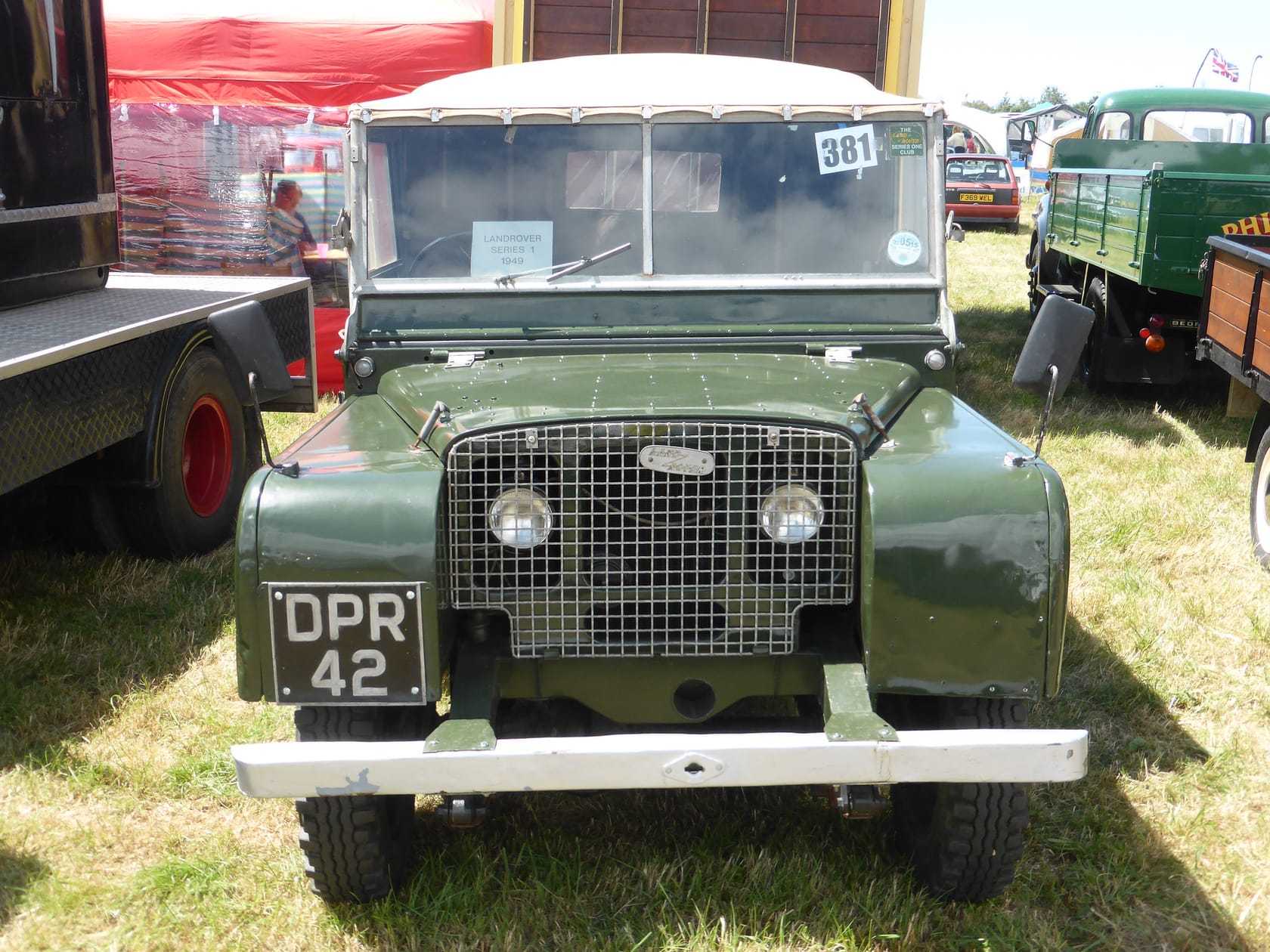
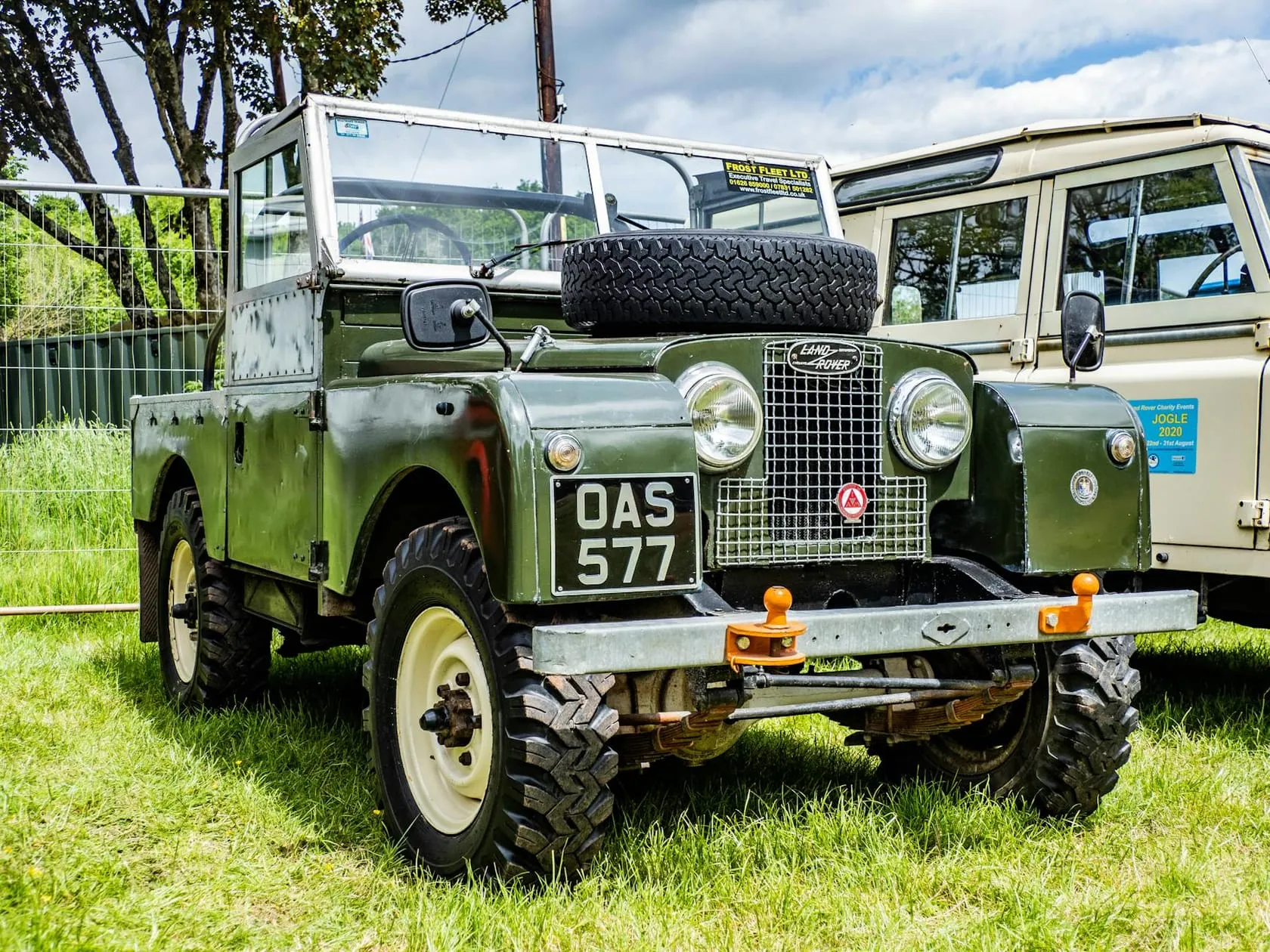
The variant table on this page runs backwards by the calendar and forwards by the collectors’ logic. The 80-inch cars of 1948 to 1953, the originals, lead at a median of £16,900 across 126 recorded sales; the 86 of 1954 to 1956 sits at £12,600 across 80, the 88 of 1956 to 1958 at £12,100 across 37, and the long-wheelbase 107s, pick-ups and the rare factory station wagons, at £14,600 across 21, with the fire engines at £16,800 and the sales the source never narrowed, 137 of them, at £14,750. The later cars are the better vehicles, roomier and easier to live with, and the market notes it and then pays for the beginning anyway: the earliest chassis numbers, the lights-behind-the-grille front and the ring-pull handles are the Series I’s matching numbers.
Apart from everything sit the Reborn cars, Land Rover Classic’s own ground-up restorations sold from 2016: five in the record at a median of £80,500, roughly five times an ordinary good car, with the programme’s Car Zero setting the overall record at £185,600 in 2020. They are a market of their own, and the clearest measure anywhere on this site of what a factory’s name on a restoration is worth.

What moves the price of a Series I
The chassis and the bulkhead first, as on every leaf-sprung Land Rover: the rear crossmember, the outriggers and the spring hangers on the frame, the footwells and the door pillars on the bulkhead, with a galvanised or documented repair worth more than any paint. Then the date and the identity: the chassis number’s position in the sequence, the original engine and gearbox, and the early details the registers can verify, because a 1949 car assembled from later parts is a later car with an old registration.
Then honesty, which this market prizes more than any other on the site. A Series I with unrestored patina on sound metal, the dents and the faded paint of a working life, sells above a shiny respray of the same soundness; the buyers are collectors of the marque’s origin story, and they want the story visible. Ex-military, ex-AA and ex-utility vehicles with their service histories sell on the paperwork; the station wagons, especially the coachbuilt Tickford of the earliest years, carry the body premium. Mileage means nothing on a vehicle that worked for its living.

Off the 2021 peak
The chart shows a long climb and a recent slide. The yearly median was £7,000 to £9,000 in the early 2010s, when a Series I was still an old farm tool; it reached £18,400 in 2016 as the marque’s heritage boom arrived, dipped, and peaked at £20,800 in 2021 in the pandemic rush for anything with a Land Rover badge. Since then it has eased: £17,100 in 2022, £15,600 in 2023, £13,500 in 2024 and £14,300 in 2025, with the 2026 figure so far about £14,700. Restated in today’s money the Series I has lost about two-fifths since 2021, and is still worth more in real terms than it was in 2012, which almost nothing else in this series can say.
The pattern inside the fall is the marque’s: the Series II and the Series III have given back more, the Defender has held best, and within the Series I record the early 80s and the wagons have held while the ordinary 86s and 88s drifted. A sound later Series I is now cheaper than at any time since 2019, and the early cars barely noticed.

Where Series Is change hands
The record is British with an international top. The regional sale rooms and the online platforms trade the ordinary cars, and a single summer’s sales in 2026 show the level: cars at £12,300 at a Surrey sale, £13,700 and £13,000 online, £14,750 at a Yorkshire sale and £17,300 in East Anglia. The earliest 80s, the Tickfords and the Reborn cars pass through the international houses and the Land Rover specialists at prices above the recorded range. Whether a recorded price includes the buyer’s premium varies by sale, which is one more reason to read the usual range rather than any single result.

Insuring, restoring, selling
For an agreed-value policy a good 86 or 88 belongs around its median, an 80 in the upper half of the range, and an early or coachbuilt car on its own figure. On restoration this market has its own rule: do less. A sympathetic mechanical restoration on sound, patinated metal keeps the premium; a full cosmetic rebuild costs more than it adds on anything but an early 80, and the factory has demonstrated where that road ends at £80,000. If you are selling, the chassis photographs and the history file sell the vehicle, the spring is the season, and the honest expectation for an ordinary later car is its median, not the figure an early 80 fetched in 2021.
Related
The Series I begat the Series II, which sells for a little less, and the whole line that ends with the Defender, which now sells for more than twice as much; its only period rival was the Willys Jeep that inspired it. For the decades, see British classic cars of the 1940s and 1950s. For how all the figures on this site are compiled, see what classic cars sell for.
Frequently asked questions
How much is a Land Rover Series I worth?
Why are the early 80-inch Series Is worth the most?
What are the Land Rover Reborn Series Is worth?
Are Land Rover Series I prices falling?
Is a Series I worth more than a Series II or III?
What should I look for when valuing a Series I?
What is the most expensive Series I ever sold at auction?
How often does a Series I come up for sale?
Related across themes


More Land Rover values

Land Rover Series II and IIA values: the 88 and 109 level, the IIA premium, and a market that has halved

Land Rover Series III values: 88 level with 109, the late rise and the slide since 2022

What a Land Rover Defender is worth: 3,557 sold prices, 90 against 110, Tdi against Td5

Range Rover Classic values: the early two-doors lead, the late luxury cars trail
Recently added

Parts and clubs: how the British classic scene keeps a fifty-year-old car on the road

TVR Griffith: the name Blackpool saved for its wildest cars (1963–2002)

Jaguar XK140 values: the one XK where the drophead beats the roadster, and the cheapest of the three at the median
