What a Land Rover Defender is worth: 3,557 sold prices, 90 against 110, Tdi against Td5
The 110 sells for £12,000 more than the 90, and a 1990s Tdi for more than a later Td5. Classic Land Rover Defender prices from 3,557 recorded auction sales, the American premium, what a galvanised chassis is worth, and why the median has fallen by a third in real terms since the pandemic.
Built 1983–2016
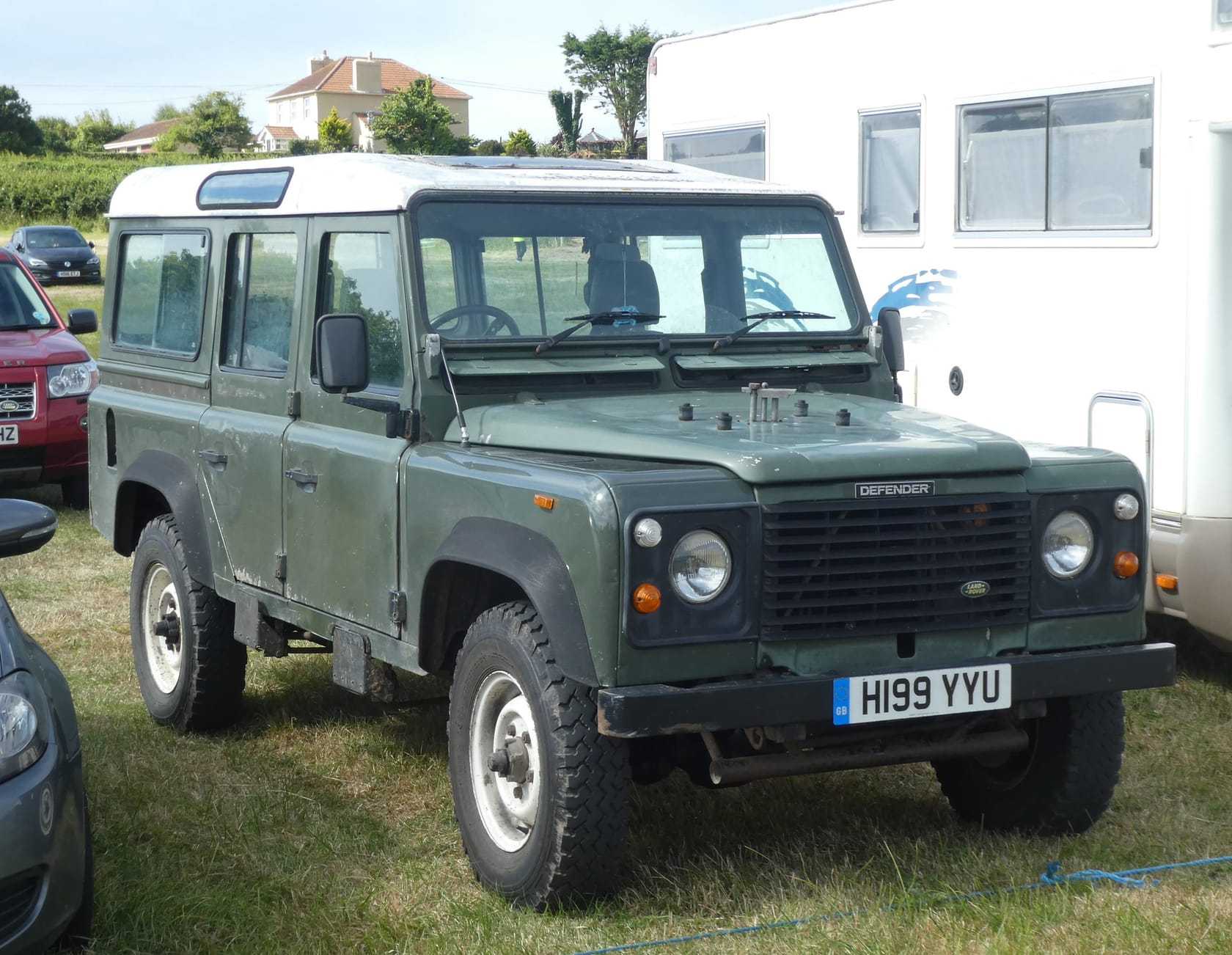
What the Defender sells for at auction
In 2025 the median Defender sold for £29,250 across 612 sales, 10% down on 2024. In real terms, typical Defender prices were down about 34% over the five years to 2025, once inflation is accounted for.
| Variant | Sold | Typical range | Median |
|---|---|---|---|
| Defender 110 | 757 | £20,632 - £61,446 | £39,042 |
| Defender 90 | 732 | £17,578 - £45,024 | £27,214 |
| Defender 90 NAS | 287 | £47,108 - £68,066 | £56,977 |
| Defender 110 XS | 188 | £26,800 - £44,287 | £34,304 |
| Defender 90 XS | 187 | £28,385 - £42,532 | £34,036 |
| Defender 110 300Tdi | 174 | £27,514 - £53,100 | £38,864 |
| Defender 90 200Tdi | 139 | £20,244 - £39,136 | £26,371 |
| Defender 90 300Tdi | 136 | £25,524 - £46,492 | £33,050 |
| Defender 90 TD5 | 116 | £13,667 - £25,880 | £19,224 |
| Defender 110 200Tdi | 106 | £24,836 - £58,344 | £36,807 |
| Defender 130 | 96 | £33,525 - £60,072 | £43,266 |
| Defender 90 County | 82 | £14,242 - £23,904 | £17,998 |
Show the year-by-year mediansHide the year-by-year medians
| Year | Sold | Median | In 2025 money |
|---|---|---|---|
| 2026 (so far) | 336 | £31,592 | |
| 2025 | 612 | £29,250 | £29,250 |
| 2024 | 617 | £32,654 | £33,907 |
| 2023 | 563 | £35,376 | £37,962 |
| 2022 | 514 | £37,954 | £43,466 |
| 2021 | 396 | £37,788 | £46,727 |
| 2020 | 215 | £34,883 | £44,204 |
| 2019 | 119 | £28,834 | £36,912 |
| 2018 | 88 | £32,230 | £41,960 |
| 2017 | 46 | £34,490 | £45,942 |
| 2016 | 27 | £26,438 | £36,123 |
| 2015 | 11 | £24,960 | £34,445 |
| 2014 | 6 | £22,176 | £30,725 |
| 2011 | 3 | £5,175 | £7,630 |
- £21,231Defender 90 (2020+)
- £27,228Defender 90 County
- £24,973Defender 110 County
- £17,864Defender 110
- £67,002Defender 90 NAS
Strong evidence. 3,557 recorded sales and a dozen or more a year: the median and the range are well founded. Based on 3,557 sold results from public classic car auctions (2004 to 10 August 2026). Sold prices, not asking prices, and not a valuation: condition, history and specification vary from car to car. Inflation-adjusted figures use the ONS CPIH index, in 2025 money.
The Defender is the busiest vehicle in the whole database: 3,557 sales since 2004, about 540 a year lately, more than any other British classic and nearly twice as many as the E-Type. Seven in ten of those offered find a buyer. The median is £33,160 and the middle half of sales fall between £20,500 and £51,700, which sounds orderly until you see the ends of the range: a £1,820 working hard top at one and, at the other, the £400,000 paid in December 2015 for the two-millionth Land Rover, a specially built 90 auctioned for charity.
Defender values are unlike any other British classic’s because the vehicle was still in production until 2016, because most of the cars in the record are working vehicles rather than restored ones, and because a large part of the demand comes from abroad. The Defender model guide covers the wheelbases, the engines and what to check. This page is about the money, and about why the figures have been moving the way they have.
110 over 90, Tdi over Td5, and the American premium
The variant table on this page settles an argument that runs through every Land Rover club. The 110 is worth more than the 90: 757 recorded 110 sales have a median of £39,000 against £27,200 for the 732 90s, and the gap holds in every engine and trim. The 110 station wagon is the family car, the expedition car and the seven-seater, and buyers pay for the extra length; the 90 sells in greater numbers at the cheaper end, as a hard top, a soft top or a pick-up. The 130 crew cab, rarer than either, sits above the 110 at £43,000.
The engines run the other way from the calendar. The 200Tdi and 300Tdi cars of 1990 to 1998 sell for more than the Td5 cars that replaced them: a 300Tdi 90 has a median of £33,000 and a 200Tdi 110 of £36,800, while the Td5 90, a better vehicle by almost every measure, sits at £19,200, the cheapest figure in the table. The reason is the United States, where a vehicle can be imported once it is 25 years old and where a Defender is worth a great deal more than it is here. The Tdi cars have been leaving Britain in quantity for a decade; the Td5 is only now reaching the age. The 287 sales of North American Specification 90s in the record, the 1990s cars Land Rover built for that market, have a median of £57,000, double a British 90, and they are the clearest measure of the American premium.
Above all of them sit two groups. The last-year cars of 2015 and 2016 and the run-out editions (Heritage, Adventure, Autobiography) trade at £50,000 and beyond, and rarely reach an auction at all. And the specialist rebuilds, the galvanised-chassis, new-bulkhead, retrimmed Defenders that the restoration houses sell, make £80,000 to £150,000 and sometimes more, a price set by the cost of building them rather than by what the donor was worth.

Chassis, bulkhead and the paperwork
On a Defender the price is underneath. The chassis rusts at the rear crossmember, the outriggers and the spring hangers, the bulkhead rots at its footwells and top corners, and both are expensive to put right on a vehicle that has usually been used exactly as intended. A car on a sound original chassis sits in the middle of its range; one on a rotten chassis is a project whatever the paint looks like; and one on a galvanised replacement, with the receipt to prove it, sits at or above the top of the range for its type. That receipt is the single most valuable document a Defender can carry.
Originality counts for less than on any other classic here, within limits. Wheels, tyres, roof racks, winches and snorkels are part of the culture and move the price little either way, but a lifted, cut-about off-roader is worth less than a standard car, and a vehicle with a modern engine swapped in is a different market. Mileage matters less than service history, and service history less than chassis history. Ex-utility and ex-military vehicles are cheaper because of the life they led; station wagons are dearer than hard tops, and a County or XS trim adds a little. Colour barely registers. The paperwork that does matter is the V5C and the chassis number matching, because Defenders have been stolen, rebuilt and re-identified more than any other British vehicle.

The spike, the pandemic and the slide
The chart shows a market that has had three moods in ten years. The end of production in January 2016 produced the first spike, a median of £34,500 in 2017 as buyers paid for the last of something. It eased to £28,800 by 2019, then the pandemic lifted it again, to £37,800 in 2021 and £38,000 in 2022, the peak. Since then it has fallen every year, to £35,400, £32,700 and £29,250 in 2025; restated in today’s money, the typical Defender has lost about a third of its value in five years.
Two things explain it, and neither is that good Defenders are worth less. The first is the mix: the online auctions now move hundreds of ex-fleet Td5 and Puma hard tops and pick-ups a year, vehicles that once went through the trade, and a median built on those is a lower number. The second is the new Defender, launched in 2020, which ended the last-chance frenzy and gave buyers who wanted the badge rather than the vehicle somewhere else to go. Meanwhile the cars the market actually prizes, the 1990s Tdi station wagons, the American-market 90s and the late special editions, have held their money or gained. The slide is in the median, not at the top.

Where Defenders change hands
The bulk of the record is the online auctions, where working vehicles, ex-fleet cars and the occasional gem change hands every day. The traditional sale rooms see the charity cars, the special editions and the odd low-mileage original. The best standard cars mostly bypass auctions altogether: the dealers and the Land Rover specialists sell the late station wagons and the galvanised-chassis rebuilds from the forecourt at prices above the auction range, and the farm sales and the trailers at the county shows handle the working end. A single week in August 2026 ran from a £17,900 110 at a British sale room to a £67,000 North American Specification 90 sold online to the market it was built for.

Insuring, rebuilding, selling
For an agreed-value policy the upper half of the variant’s range is the right place for a sound car with chassis history, and the rebuilds should be insured at their build cost, which is what it would take to replace them. On restoration, a galvanised chassis and bulkhead rebuild at a specialist costs more than a tired Defender is worth, but unlike most classics the finished vehicle can recover it, because the market pays for the work. If you are selling, the spring and early summer are the season, the median for the variant is the honest expectation, and the photograph that sells a Defender is taken from underneath.
Related
The Defender’s ancestors, the Series II and Series III, have their own markets, older and now fully historic; the Range Rover Classic runs parallel to it in price. For the mechanics of the American demand that shapes so much of this page, see exporting a Defender to the USA. For how all the figures on this site are compiled, see what classic cars sell for.
Frequently asked questions
How much is a Land Rover Defender worth?
Why is a Defender 110 worth more than a 90?
Are Land Rover Defender prices falling?
Is a galvanised chassis worth paying more for?
Why do the older Tdi Defenders sell for more than the Td5 cars?
What is the most expensive Defender ever sold at auction?
How often does a Defender come up for sale?
Related across themes
More Land Rover values

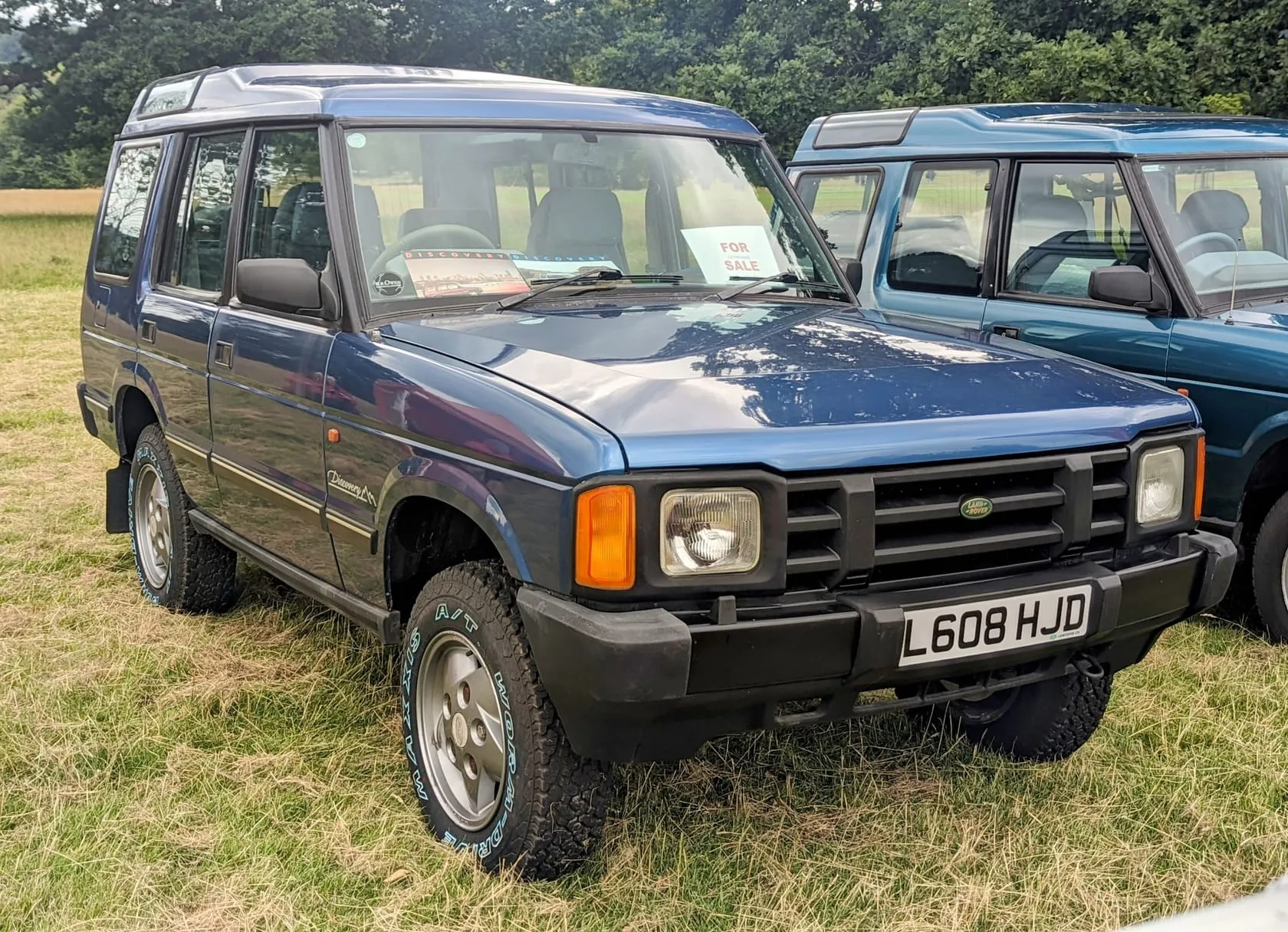
Land Rover Discovery 1 values: the newest record on this site, and the cheapest coil-sprung Land Rover

Range Rover Classic values: the early two-doors lead, the late luxury cars trail

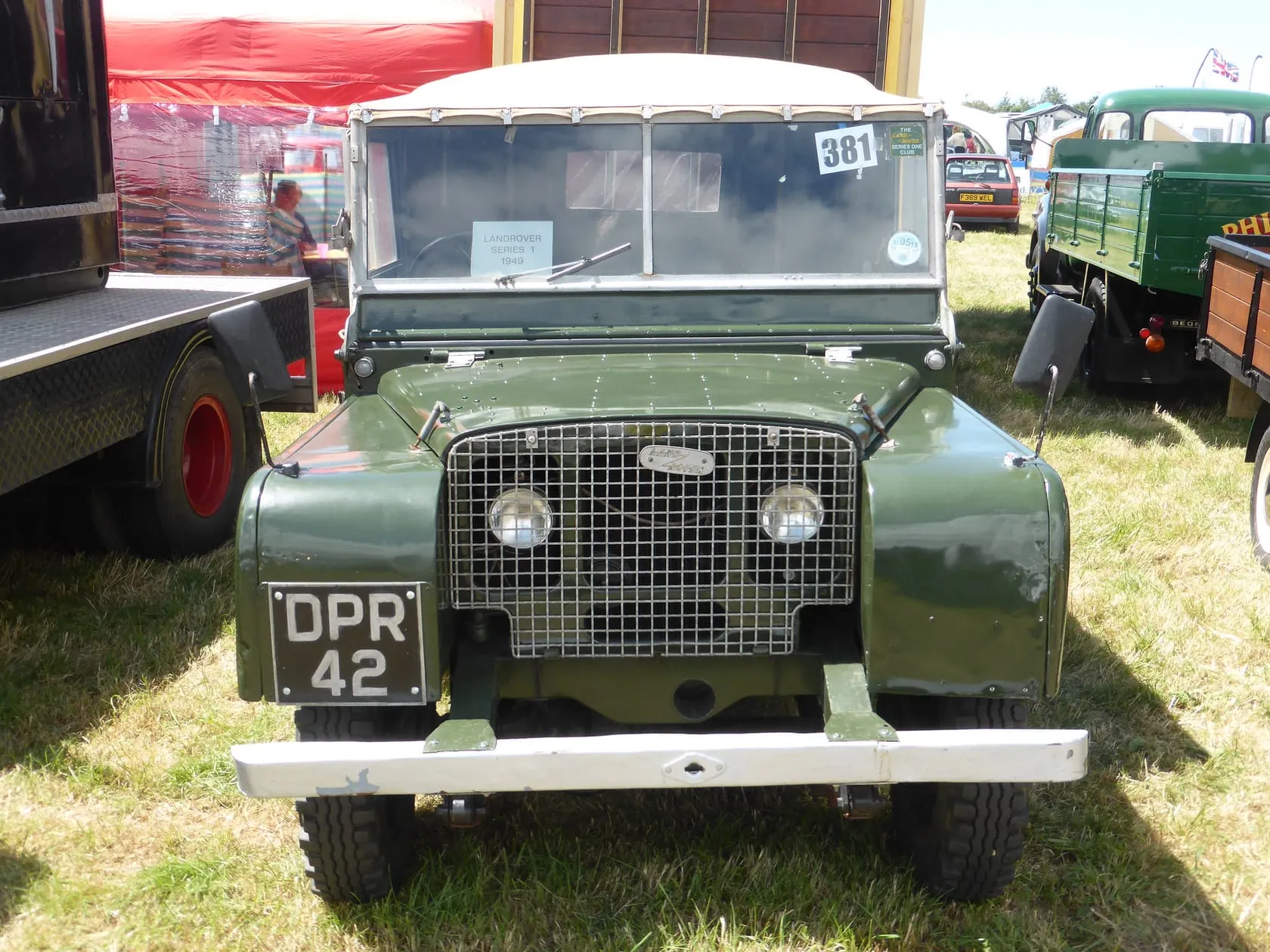
Land Rover Series I values: the 80-inch premium, the factory Reborn cars, and a market off its 2021 peak

Land Rover Series II and IIA values: the 88 and 109 level, the IIA premium, and a market that has halved
Recently added

Bentley S-series: the quiet twin with the beautiful secrets (1955–1965)

Rolls-Royce Silver Spirit and Silver Spur: the last Crewe bargain (1980–1999)

Rolls-Royce Corniche: the coachbuilt survivor that outlived its makers (1971–1995)
