Exporting a Land Rover Defender to the USA: age, chassis swaps and engine swaps
Why Defenders are worth more in America, when each one becomes legal to import, and the two things that quietly disqualify a car: a replacement chassis and a swapped engine. The rules as the American regulations actually word them.
Part of: Owning and running a classic car in the UK, the practical guide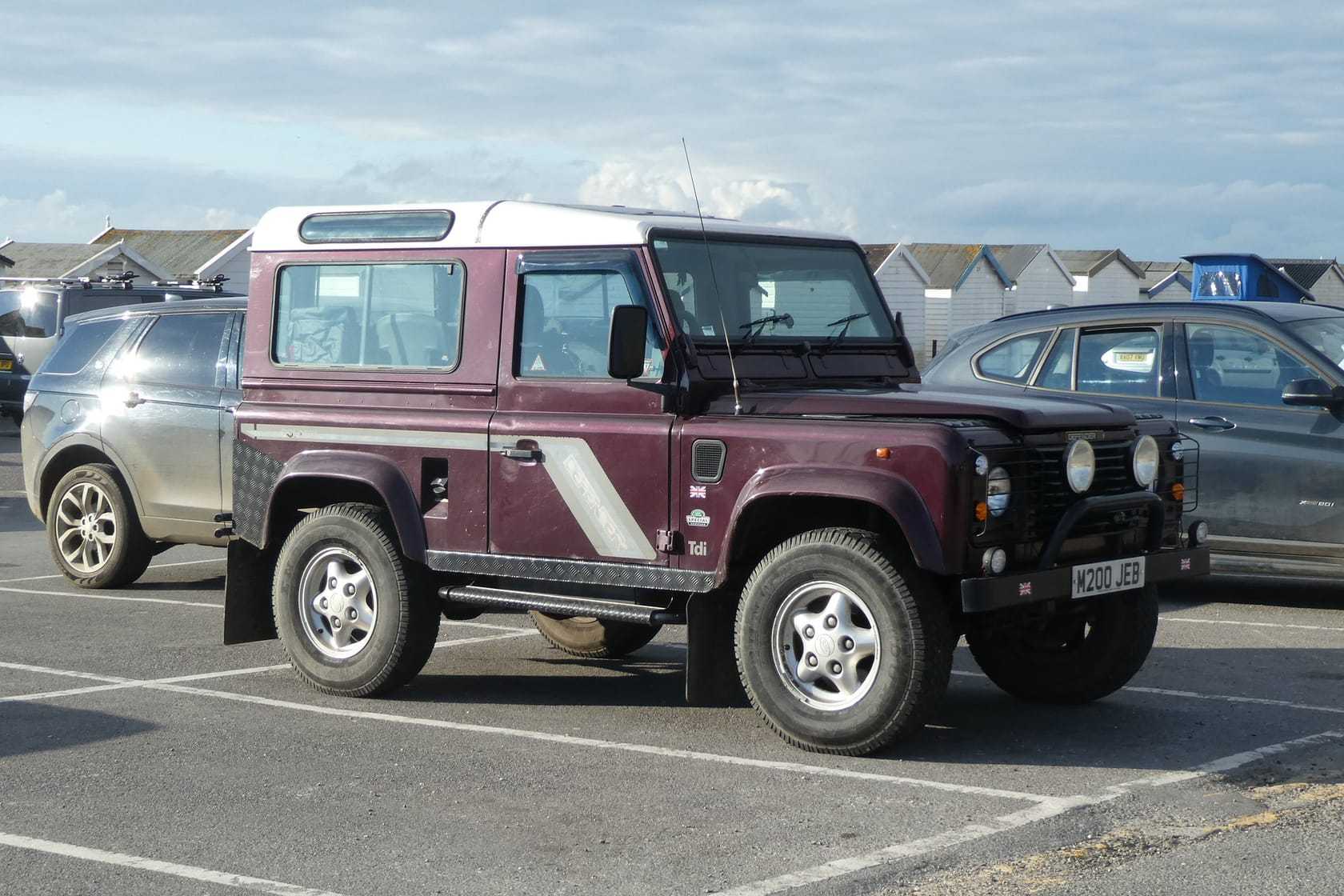
The guides
Exporting a Defender to the USA is the most common British classic-car export there is, and the one most likely to come unstuck. No British vehicle illustrates the American import rules better, and none trips over them more often.
The demand is real and it is structural. The Defender left the American new-car market in the late nineties, so a generation of American buyers who wanted one could not buy one, and the federal rules then kept used examples out as well. Demand built up behind a closed door for two decades. It opens one year at a time, and the prices on the other side reflect it.
The trap is that the Defender is also the most rebuilt, re-chassised and re-engined vehicle in British classic ownership. The things we do to keep them alive here are precisely the things that can disqualify them there.
The age rule, measured on the day
The federal exemption is short: a motor vehicle that is at least 25 years old is exempt from the safety standards that otherwise block import. The regulation says nothing about the make, the country of origin or which side the steering wheel is on.
The critical detail is that it runs from the date of manufacture, not the model year and not the calendar year. A Defender built in October is not eligible in the January of its twenty-fifth year. It becomes eligible in October. Two Defenders in the same advertisement, one built in December and one in the following February, are more than a year apart in eligibility.
That makes the build date the first thing to establish about any specific car, and it is worth documenting it from the vehicle’s own records rather than trusting a model year. The general mechanics of this, including the separate emissions and tariff clocks that do not agree with the safety one, are covered in our guide to the 25-year rule.
The chassis question
Here is where the British Defender market and the American regulations collide.
Replacing a rotten chassis with a new galvanised one is normal maintenance in Britain. It is what responsible owners do, it is what keeps forty-year-old Land Rovers usable, and it is often accompanied by paperwork proving the work was done properly.
The American regulations define a reconstructed motor vehicle as one whose body is less than 25 years old and which is mounted on a chassis or frame that is not its original chassis or frame and that is also less than 25 years old.
Read the definition carefully, because both halves matter, and note what it does not say. It is not a blanket ban on replacement chassis, and it is not the vague “must be in original form with no modified engines or frames” that circulates in shipping advice. It is a specific test with two age conditions in it. What it establishes clearly is that a newly built vehicle wearing an old shape does not inherit the age of the original, and that a heavily rebuilt vehicle cannot assume its eligibility follows automatically from its registration date.
The practical guidance is therefore unglamorous. A vehicle on its original chassis, with documentation to prove it, is the straightforward case. A vehicle with a replacement chassis needs its specific facts established and checked against the regulations before anyone books shipping, and a vehicle assembled from parts of several vehicles needs proper advice rather than optimism. If you are buying in Britain to sell in America, the chassis history is not a detail. It is the deal.
The engine swap almost nobody mentions
The second trap sits in the emissions rules, which run on their own timetable and their own logic, and which shipping guides frequently skip.
The emissions exemption applies to a vehicle at least 21 years old that is in original unmodified configuration, and it comes with a condition that matters enormously for Land Rovers: a vehicle at least 21 years old with a replacement engine is not eligible for the exemption unless the replacement engine is the same model as the one originally installed.
Consider how many Defenders that potentially touches. Engine changes are routine in this world, whether a tired original replaced with a later unit, a diesel upgrade, or a V8 fitted for reasons that need no justification in Britain. Each of those creates a question at the American border that the car’s age does not answer.
So establish two facts about any Defender heading west: what engine it left the factory with, and what is in it now. If those are the same model, the position is simple. If they are not, get advice specific to that vehicle before committing, because the fix at the far end involves an authorised commercial importer and is not cheap.
What customs will want, and one Land Rover problem
The document set is the standard one: the shipper’s original bill of lading, the bill of sale, the foreign registration, and the two declaration forms covering safety and emissions.
There is one requirement that reads like an afterthought and is a genuine risk for this vehicle in particular. The undercarriage must be free of foreign soil, because agricultural authorities are looking for pests and plant material rather than dirt as such.
Consider what a British Defender’s underside typically contains. Farm mud, field soil, seeds, straw and forty years of the countryside packed into the chassis rails is the normal condition of an honest working Land Rover. Steam cleaning the underside thoroughly, including inside the chassis members where you can reach, is not cosmetic preparation. It is the difference between a car that clears the port and a car that gets detained and cleaned at your expense.
The duty question is worth raising with a customs broker rather than assuming. The general American rate on a passenger car is 2.5%, while trucks are charged at 25%, and a Defender’s body style is not obviously one thing or the other to a tariff classification. That is a ten-fold difference, and it belongs in the sums before shipping, not after.
The British end of the job
Everything above is the American side. The British side is the ordinary export process: the permanent export section of the V5C goes to DVLA with a letter naming the buyer, the rest of the log book goes with the car so it can be registered abroad, and any unused vehicle tax is refunded from the date DVLA receives the notification. That process, including the timing detail that costs sellers money, is covered in exporting a classic car, and the choice between a vessel deck and a container is in shipping a classic overseas.
For a Defender specifically, the container case is stronger than usual. These are vehicles with removable panels, canvas tilts, exposed fittings and, frequently, high values attached to originality.
Before you agree a price
The questions that decide whether a Defender export works are not really shipping questions. They are questions about the specific vehicle.
- What is its build date, from the vehicle’s own documentation?
- Is it on its original chassis, and can that be evidenced?
- Is the engine the model it left the factory with?
- Has the underside been cleaned to agricultural standards?
- How will it be classified for duty?
Answer those five before agreeing a price and the process is administrative. Leave them until the car is at a port and each one becomes expensive in a different way.
Anyone buying a Defender in Britain today is competing, whether they realise it or not, with buyers pricing that same vehicle against an American market that has been waiting twenty years for it. Understanding what the Defender became explains why they are willing to.
Frequently asked questions
When can a Land Rover Defender be legally imported into the United States?
Does a replacement galvanised chassis affect whether a Defender can be imported?
What about an engine swap or a Td5 conversion?
Is a Defender charged American import duty as a car or as a truck?
Why are Defenders worth so much more in America?
Related across themes
More from Owning & running


Recently added

Bentley Turbo R: the blown Bentley that saved the badge (1985–1999)

Bentley S-series: the quiet twin with the beautiful secrets (1955–1965)

Rolls-Royce Silver Spirit and Silver Spur: the last Crewe bargain (1980–1999)
