How much is an MGB worth? The sold prices, 1997 to 2026
Chrome bumpers, a V8 conversion and a Heritage shell all move the number. MG MGB roadster prices from 1,831 recorded auction sales, the usual range, what each of those is worth in figures, and why the typical MGB has got cheaper in real terms since 2020.
Built 1962–1980
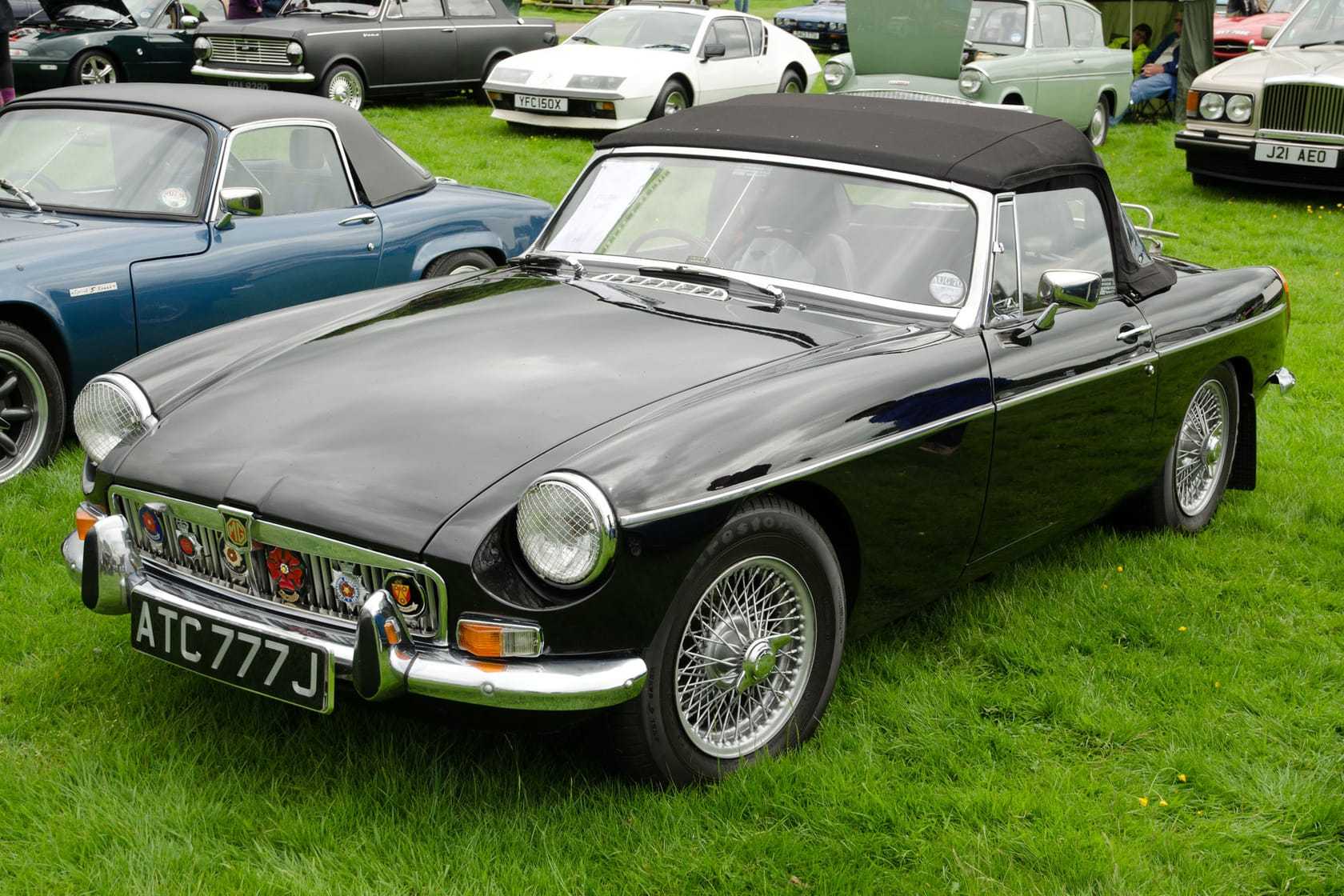
What the MGB sells for at auction
In 2025 the median MGB sold for £6,395 across 248 sales, 5% down on 2024. In real terms, typical MGB prices were down about 45% over the five years to 2025, once inflation is accounted for.
| Variant | Sold | Typical range | Median |
|---|---|---|---|
| B Roadster | 1,698 | £5,000 - £10,756 | £7,056 |
| B Roadster Limited Edition | 57 | £6,206 - £9,538 | £7,265 |
| B V8 Roadster | 49 | £10,080 - £21,000 | £14,625 |
| B Sebring Replica | 15 | £8,272 - £18,453 | £10,640 |
| B Sebring | 7 | £13,438 - £38,074 | £27,516 |
Show the year-by-year mediansHide the year-by-year medians
| Year | Sold | Median | In 2025 money |
|---|---|---|---|
| 2026 (so far) | 153 | £6,750 | |
| 2025 | 248 | £6,395 | £6,395 |
| 2024 | 214 | £6,702 | £6,959 |
| 2023 | 194 | £8,367 | £8,979 |
| 2022 | 172 | £8,325 | £9,534 |
| 2021 | 169 | £8,878 | £10,978 |
| 2020 | 99 | £9,102 | £11,534 |
| 2019 | 116 | £8,335 | £10,670 |
| 2018 | 81 | £8,220 | £10,702 |
| 2017 | 55 | £8,064 | £10,742 |
| 2016 | 65 | £7,312 | £9,991 |
| 2015 | 51 | £5,960 | £8,225 |
| 2014 | 53 | £5,652 | £7,831 |
| 2013 | 30 | £5,892 | £8,279 |
| 2012 | 33 | £5,824 | £8,372 |
| 2011 | 16 | £8,394 | £12,375 |
| 2010 | 15 | £8,165 | £12,506 |
| 2009 | 9 | £6,412 | £10,067 |
| 2008 | 10 | £4,500 | £7,204 |
| 2007 | 9 | £5,941 | £9,842 |
| 2006 | 10 | £3,908 | £6,626 |
| 2005 | 10 | £4,894 | £8,505 |
| 2004 | 10 | £6,018 | £10,675 |
| 2003 | 4 | £7,791 | £14,018 |
- £5,453B Roadster
- £4,285B Roadster
- £11,686B Roadster
- £15,420B Roadster
- £18,228B Roadster
Strong evidence. 1,831 recorded sales and a dozen or more a year: the median and the range are well founded. Based on 1,831 sold results from public classic car auctions (1997 to 10 August 2026). Sold prices, not asking prices, and not a valuation: condition, history and specification vary from car to car. Inflation-adjusted figures use the ONS CPIH index, in 2025 money.
No British classic comes to auction more often than the MGB roadster. The sale rooms and the online platforms between them have sold 1,831 of them since 1997, about 200 a year lately, and 78 per cent of the cars offered find a buyer. That volume is why the figures here carry weight, and why they need reading carefully: the median MGB sold for £7,333, but the same database holds a £281 parts car and a £141,922 competition car.
The MGB market is really three markets: the chrome-bumper roadster of 1962 to 1974, which the figures above describe; the rubber-bumper car that followed, which sells for a third to a half less in the same condition; and the V8 conversions, replicas and period competition cars, which trade on their own terms. The MGB model guide covers what the car is like and what to check under it. This page is about the money.
Chrome bumpers, pull handles and the premium that survives
Of the 1,831 sales, 1,698 are standard roadsters, and most of the spread inside that figure is the chrome-bumper premium. Buyers pay for the slim bumpers and the original ride height, and they pay most for the earliest cars: the 1962 to 1965 three-bearing roadsters with pull-handle doors are the scarcest, and a good one sits at the top of the chrome-bumper range, where the best restored cars reach £18,000 to £27,000. Overdrive, fitted new to fewer than one car in five, adds roughly £1,000; wire wheels, a hardtop and an original colour each add a little; an export-market car that has come home from the United States and been converted to right-hand drive takes a little off, however well it was done.
The 1980 Limited Edition is the surprise in the table. Fifty-seven of the bronze-metallic roadsters are on record at a median of £7,265, almost exactly the figure for the roadster as a whole, chrome cars included. That is a modest premium over an ordinary rubber-bumper car and nothing like a collector’s price: the market has decided the LE is a trim package on a late roadster, and prices one accordingly.
The V8 roadsters are the opposite case. MG only ever built the V8 as a GT, so every V8 roadster in the sale rooms is a conversion, and the 49 on record made a median of £14,625, about double a standard car, with the best past £21,000. That premium is for the engineering: a conversion with the axle, brakes, cooling and paperwork to match sells well, while a rough one is worth less than the roadster it started life as. The same logic runs through the Sebring-style replicas (15 sales, a median of £10,640) and the few cars sold as period competition MGBs, where a genuine history is worth several times the car beneath it.

The price of a shell
On an MGB the bodyshell is the value. The engine, gearbox and axle are cheap to put right and every mechanical part is available new, so a tired drivetrain takes a few hundred pounds off a car. Rotten sills, castle rails, floors and front chassis legs take thousands off, because putting them right properly means stripping the car, and a restoration on a new Heritage shell now costs more than any roadster is worth when it is finished. That is the arithmetic behind the whole market: the £20,000 car is a car someone else has already spent £30,000 on.
It also explains why originality carries a smaller premium here than on a Jaguar or an Aston. Buyers of MGBs want a car that works. A five-speed gearbox conversion, telescopic dampers, electronic ignition, an alternator on an early car or a modern radiator fan are accepted, often welcomed, and rarely move the price in either direction. A long history file with the bills for the bodywork does move it, because it answers the only question that matters. Mileage, by contrast, is close to irrelevant on a car that has usually been rebuilt at least once.

Why the median has fallen
The yearly median climbed from under £6,000 in 2013 to a peak of about £9,100 in 2020, then slid to £6,400 in 2025; once inflation is taken out that is a fall of roughly two-fifths in five years. Two things are going on, and only one of them is the market.
The first is the sample. In 2013 the database recorded 30 MGB sales, most of them in traditional auction rooms, where the cars that appear are either good or interesting. By 2025 it recorded 248, because the online platforms now sell the everyday, owner-driven MGB that used to change hands through a club magazine or a classified advert. Adding hundreds of ordinary £5,000 cars to the count drags the median down without a single car losing value. The second is real: the affordable end of the classic market has softened since 2022, as an older generation of owners sells up and running costs rise, and the MGB, with more survivors than any of its rivals, feels that first. The honest reading is that a good chrome-bumper car has held its money, while the ordinary car is cheaper in real terms than it has been for a decade. For a buyer that is the best news on this page.

Where MGBs change hands
The volume in the figures comes from the online timed auctions, which now carry most of the trade and sell the broadest mix, from £3,000 runners to £15,000 restorations. The traditional sale rooms see fewer MGBs than they did, and the ones they do see are skewed toward projects, deceased estates and the occasional exceptional car. The best chrome roadsters mostly never reach a catalogue at all: they pass between members of the two owners’ clubs, or through the specialists, at prices that sit above the auction range because the buyer can see the sills.
A single week in August 2026 shows the spread: five roadsters sold between £4,285 and £18,228. Read the usual range as the band a sound car should land in, and treat anything well below it as a question about the shell rather than a bargain.

Insuring, selling, and what to expect
For an agreed-value policy the upper half of the usual range is the sensible starting point for a good chrome-bumper car, with the restored cars at the top of it; a rubber-bumper car in good order sits around the median or a little below. If you are selling, the median is the realistic expectation for an honest, usable car and spring is the season: roadsters sell best from March to June, and a photograph of clean sills will do more for the price than any amount of polish.
Related
The figures on this page are for the open car. Its closed sibling, the MGB GT, sells for noticeably less in the same condition, while the smaller Midget is the cheaper way into an MG sports car. For the car itself, the generations, the engines and what to look for underneath, the model guide linked above is the place; for how all the figures on this site are compiled, and MGB values alongside every other marque’s, see what classic cars sell for.
Frequently asked questions
How much is an MGB worth?
Are chrome-bumper MGBs worth more than rubber-bumper cars?
Is an MGB a good investment?
What is an MGB V8 roadster worth?
Are MGB prices falling?
What is the most expensive MGB ever sold at auction?
How often does an MGB come up for sale?
Related across themes


More MG values

MGB GT values: the coupé discount, the V8 premium, and the special editions that aren't

MGC values: roadster over GT, double the MGB, half the Healey, and the GTS in a class of its own

MG Midget values: the cheapest MG sports car, chrome over rubber, and a market back where it started

MG T-Series values: TC over TF over TD, the Tickford premium, and a market that has halved
Recently added

Bentley S-series: the quiet twin with the beautiful secrets (1955–1965)

Rolls-Royce Silver Spirit and Silver Spur: the last Crewe bargain (1980–1999)

Rolls-Royce Corniche: the coachbuilt survivor that outlived its makers (1971–1995)
