Bedford CF: the Transit rival that became a camper icon
The Bedford CF was Britain's home-grown rival to the Ford Transit, built from 1969 to the late 1980s and the base for a generation of campers, ambulances, and ice-cream vans. Its history, the Vauxhall engines, the variants, and what surviving CFs are worth.
Built 1969–1988 19 recorded sales

At a glance
- Years
- 1969–1988
- Body styles
- Panel van, chassis-cab, minibus (plus camper and ambulance conversions)
- Drivetrain
- Rear-wheel drive
- Engines
- Vauxhall slant-four petrol 1.6-2.3; Perkins then Opel-derived diesel
- UK survivors
- Most survivors are campers, ambulances and specialist conversions
- Values
- Plain vans from a couple of thousand pounds; good campers and period ambulances worth considerably more, into five figures
- Rival to
- Bedford's home-grown answer to the Ford Transit
The vans
The Bedford CF was Britain’s own answer to the Ford Transit, and for the best part of twenty years it did the medium-van work the Transit did, only with a blue Bedford badge and Vauxhall mechanicals underneath. It was launched in 1969, it stayed in production into the late 1980s, and it ended up underneath an extraordinary range of bodies: panel vans, minibuses, ambulances, ice-cream vans, and above all campers. That last role is most of why the CF is a classic now.
It is the workhorse end of the British classic-van story, less obviously charming than a Post Office Minor but bound up with as many memories, because so many people’s family holidays happened in the back of one.
Bedford’s answer to the Transit
The CF arrived in November 1969 to replace the Bedford CA, a van that had been in production for seventeen years and was thoroughly out of date. Ford had changed the medium-van game with the Transit in 1965, and Bedford, the commercial-vehicle arm of Vauxhall and so part of General Motors, needed a modern rival. The CF was it: a clean, conventional forward-control van with a wide model range, sold to the same fleets, tradesmen, and converters Ford was chasing.
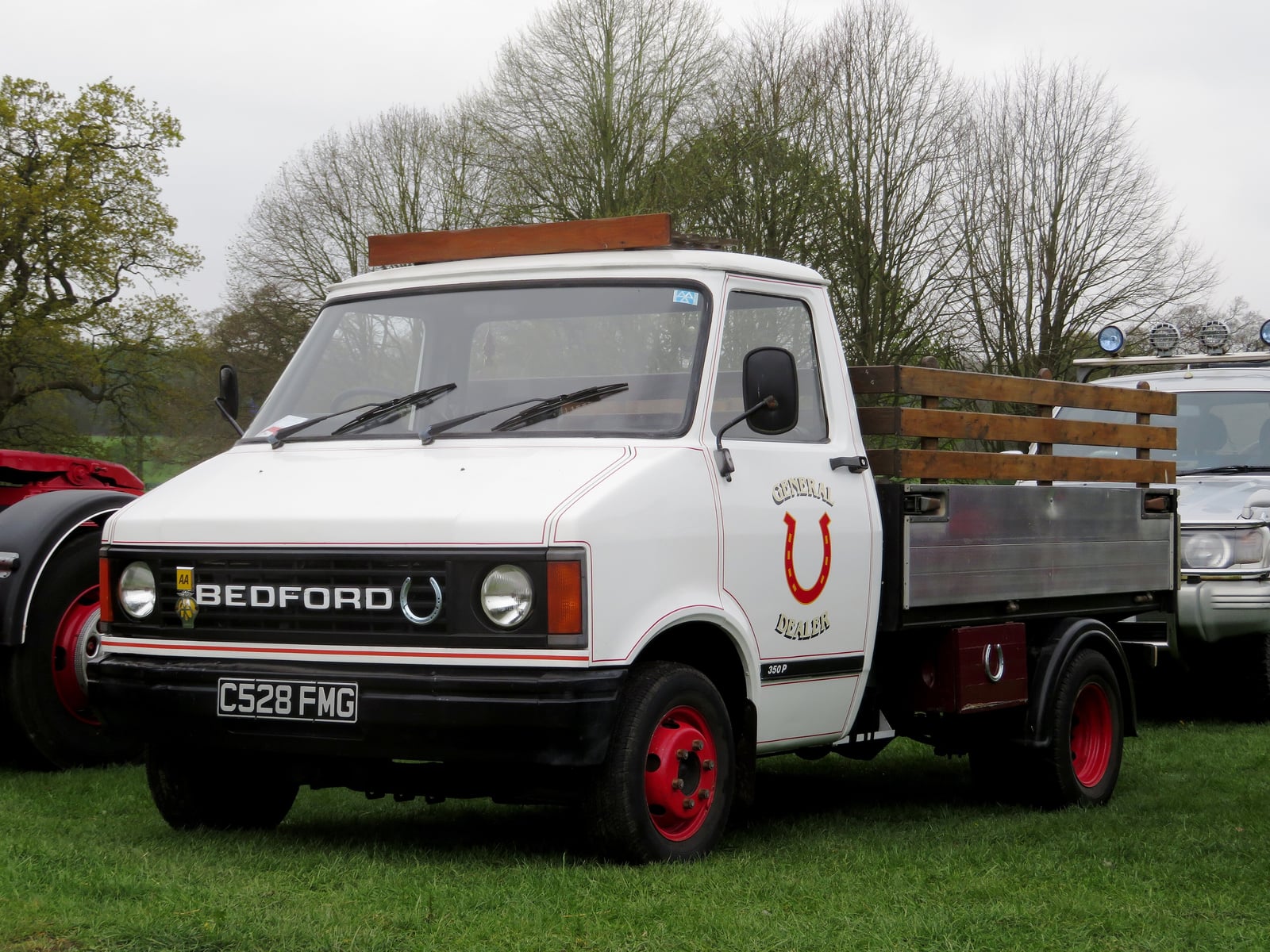
It was offered from the start in a spread of sizes and forms, from a straightforward panel van up to chassis-cabs for bodybuilders, which is what made it such a popular base for specialist conversions. A single major facelift updated it during its long life, and the final versions were badged CF2 and sold into the late 1980s.
Engines and what it is like
The CF’s mechanical heart is mostly Vauxhall. The petrol versions use the Vauxhall slant-four engine, the same overhead-cam family fitted to the Victor and the Chevette, in capacities that grew from 1.6 and 1.8 litres at launch to 2.0 and 2.3 litres from 1972. Diesel buyers were served first by Perkins units and then, from 1976, by Opel-derived overhead-cam diesels as GM rationalised its engines. The shared Vauxhall running gear is genuinely useful to an owner, because the knowledge and many of the parts overlap with the firm’s classic cars.
To drive, a CF is exactly what a period medium van should be: tall, slow, and honest, with light controls and a commanding view. Performance depends heavily on engine and body, and a loaded diesel is a leisurely thing, but a tidy petrol van moves along quite happily and is easy to live with. Owners value the simplicity and the visibility far more than any pretence of pace.

The bodies it spawned
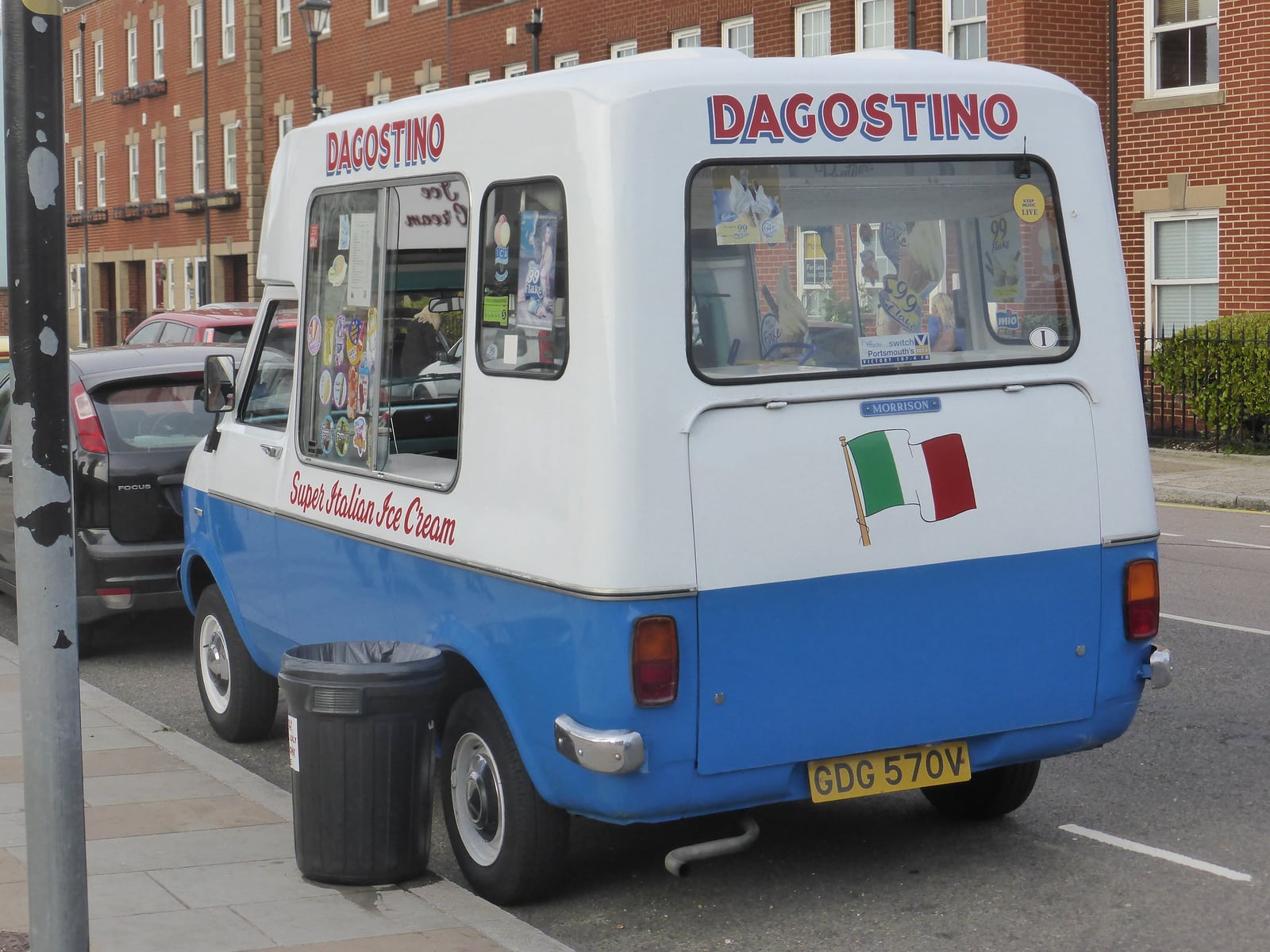
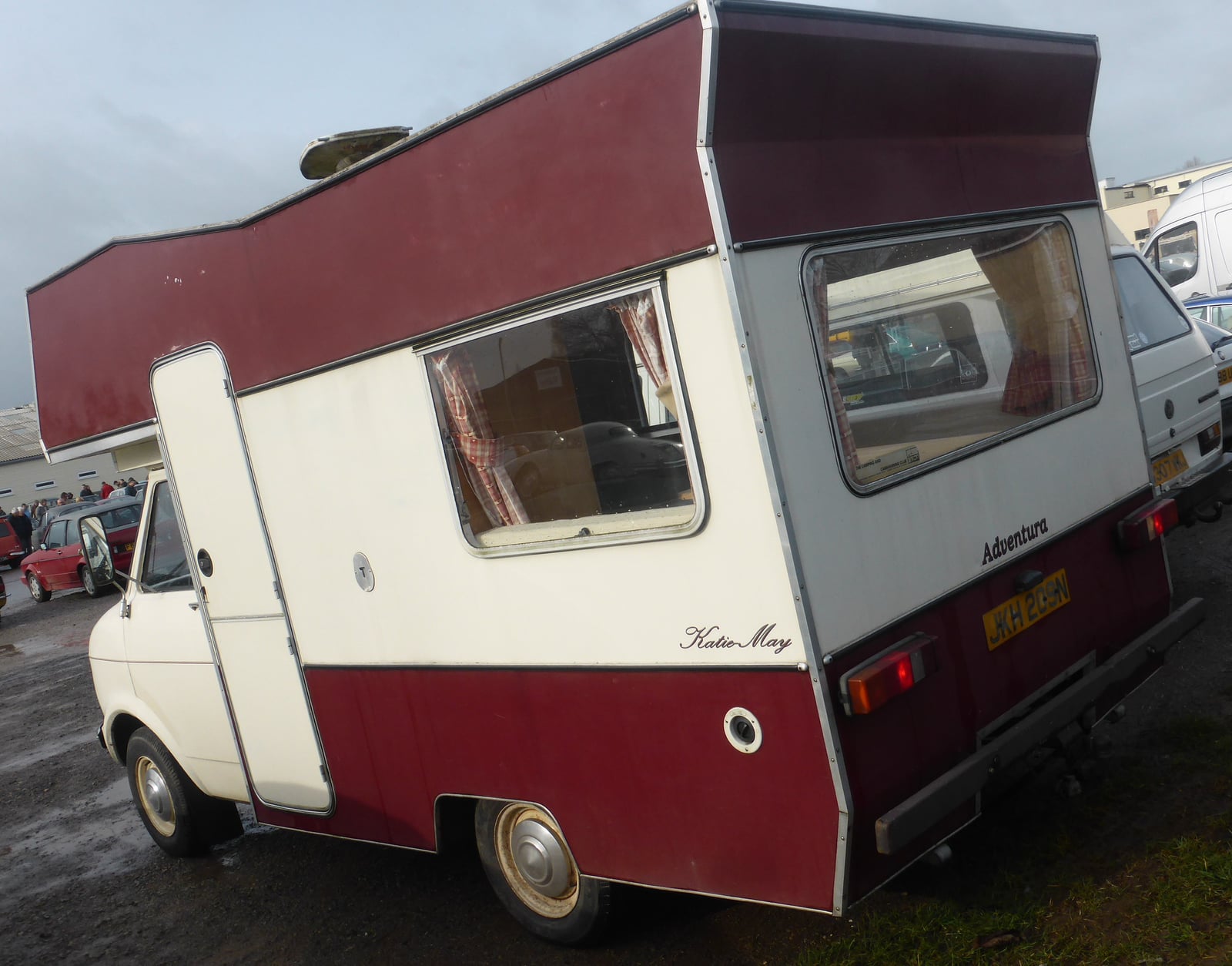
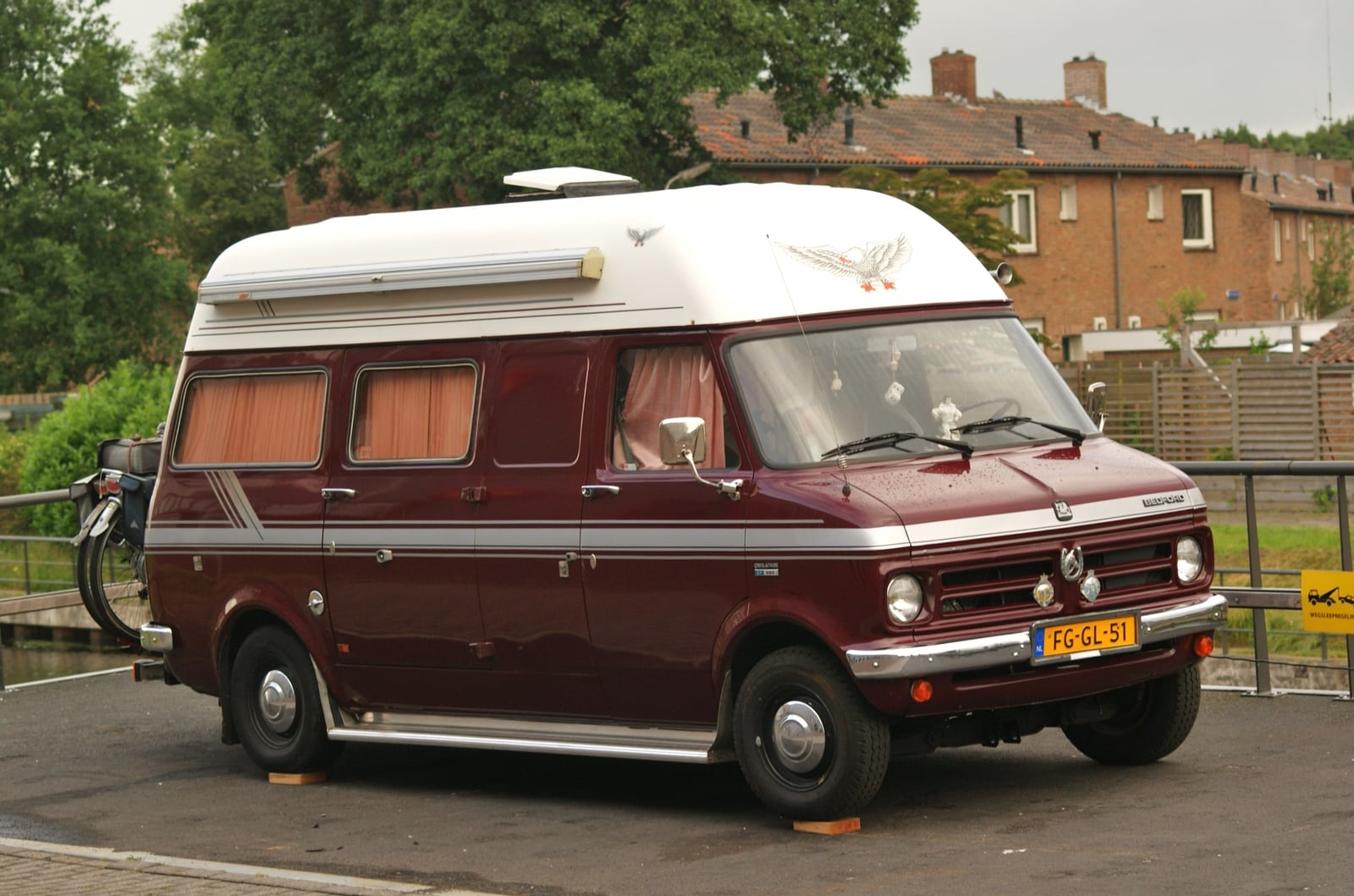
The CF’s real classic following comes from what was built on it rather than the plain van. It was a favourite base for camper conversions, including Dormobile motorhomes, and for ambulances, welfare buses, ice- cream vans, and recovery trucks. These specialist versions are most of what survives, for a simple reason: a camper or an ambulance was cherished and stored, while a builder’s van was used up and scrapped.
That gives the CF a particular place in British memory. A large share of the people who feel warmly about one are remembering a family holiday in the back of a CF camper, or the ambulance or the ice-cream van of their childhood. The plain panel van is the rarer survivor now; the camper is the one that kept the model alive.


Buying and owning
As with any van of the period, rust is the main concern. The CF corrodes in the usual van places, the lower body, the sills, the floor, the door bottoms, and the area around the windscreen, and campers can hide additional rot where conversions trapped water or leaked through roof fittings. On a camper, the conversion itself matters as much as the van: the state of the interior, the roof, and the fittings can make or break the value, and a sound base van with a tired interior is a very different proposition from a rotten one that looks smart inside.
Mechanically the CF is reassuringly straightforward, and the Vauxhall petrol engines in particular are well understood by anyone familiar with the firm’s classic saloons. Parts supply is reasonable, helped by the shared mechanicals and an active enthusiast scene built largely around the campers. On value, plain work vans remain among the more affordable classics, while good campers, period ambulances, and tidy original specialist vehicles command considerably more, with the best restored motorhomes the most valuable CFs of all.
Where it sits
The Bedford CF is the workhorse counterpart to the small, nostalgic Morris Minor van: a larger, later, harder-working vehicle whose classic status rests less on the van itself than on the campers and ambulances built from it. It belongs to the practical, unglamorous, and increasingly fashionable world of the classic van.
Key dates for the Bedford CF
- Nov 1969The CF replaces the seventeen-year-old CA as Bedford's modern rival to the 1965 Transit, from panel van to chassis-cab.
- 1972The slant-four petrols grow to 2.0 and 2.3 litres.
- 1976Opel-derived overhead-cam diesels replace the Perkins units as GM rationalises.
- 1980The major facelift arrives; the final versions are badged CF2.
- 1988Production ends, with the campers, ambulances and specialist bodies carrying the survivor population.
Before you buy a Bedford CF
Rust
- Lower body, sills and floor
- Door bottoms and around the windscreen
- On campers, wherever the conversion trapped water or the roof fittings leaked
- The plain panel van is now the rarer survivor, so judge one on its working life
The conversion, on a camper
- The interior, roof and fittings can make or break the value
- A sound base van with a tired interior beats a rotten one that looks smart inside
- Dormobile and period conversions carry their own following
- Ambulances, welfare buses and ice-cream vans each bring their own provenance questions
Mechanical
- The Vauxhall petrol engines are well understood by anyone who knows the firm's saloons
- Parts supply is reasonable, helped by the shared mechanicals
- Diesels are leisurely and earlier Perkins units are their own specialism
- Simplicity and visibility are the virtues; pace was never the point
What the Bedford CF sells for at auction
The Bedford CF comes to auction only occasionally: 19 recorded sales since 2017, typically making between £1,848 and £6,174 . With so few sales, treat any single result as a data point rather than a market price.
- £10,250CF
- £3,146CF
- £4,592CF
- £1,848CF
- £2,200CF
Thin evidence. Only 19 recorded sales: read the figures as a sketch of the market, not a price. Based on 19 sold results from public classic car auctions (2017 to 10 August 2026). Sold prices, not asking prices, and not a valuation: condition, history and specification vary from car to car. Inflation-adjusted figures use the ONS CPIH index, in 2025 money.
Related
The Bedford CF is one of Britain’s classic vans and light commercials. For the period it belongs to, see British classic cars of the 1970s and the 1980s.
More photos