Ford Capri 2.8 Injection: the Capri Ford got right at the end (1981–1987)
The Ford Capri 2.8 Injection gave the Mk3 a fuel-injected 160 bhp Cologne V6, Bilstein dampers and a proper chassis, and became the Capri enthusiasts want. A guide to the 1981 car, the five-speed, the Injection Special, the 280 Brooklands run-out and the Tickford turbo, what goes wrong, and what they are worth.
Built 1981–1987 150 recorded sales
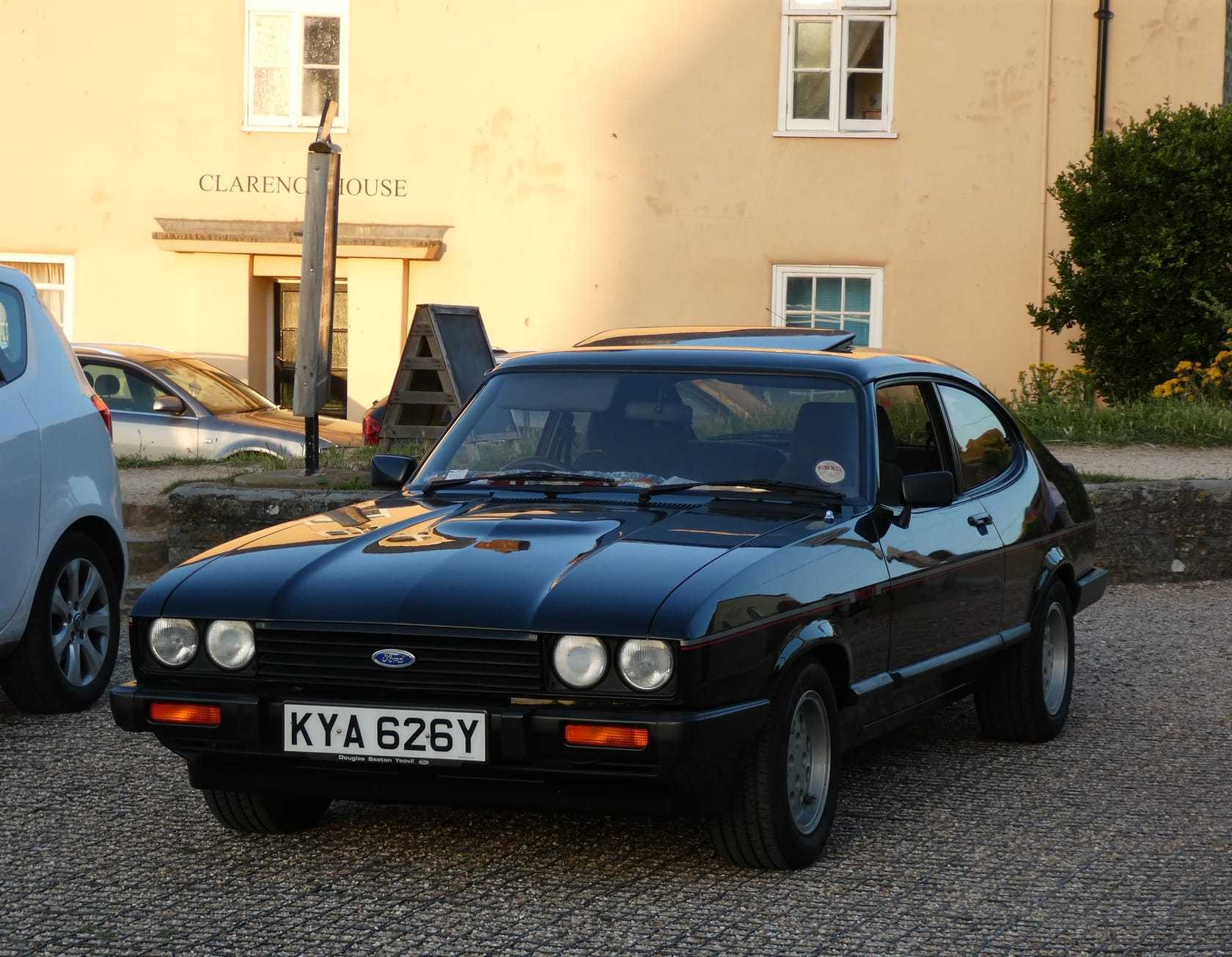
At a glance
- Years
- 1981–1987
- Body styles
- Three-door fastback coupé
- Drivetrain
- Front engine, rear-wheel drive; limited-slip differential on the Special and 280
- Engines
- 2,792cc Cologne V6, Bosch K-Jetronic fuel injection; Tickford: the same engine turbocharged
- Power
- 160 bhp; Tickford 205 bhp
- Top speed
- Around 130 mph; Tickford around 140 mph
- Trim levels
- 2.8 Injection (1981), 2.8 Injection Special (1984), 280 (1986–87, the Brooklands); Tickford Capri (1983–87)
- Production
- No separate Ford total; a small share of some 324,000 Mk3s; 1,038 of the 280; about 100 Tickfords
- Assembly
- Cologne, Germany (every Mk3 Capri was German-built)
- Designer
- Ford Special Vehicle Engineering, its first project
- Values
- Usable cars £8,500-£13,000; good £13,000-£18,000; the best Specials £25,000-£30,000; a 280 Brooklands £20,000-£35,000; Tickfords £50,000 and beyond
- The first SVE car
- Ford's Special Vehicle Engineering was founded in 1980 and the 2.8 Injection was its first job, before the Sierra Cosworth and the RS Turbos
- The last Capri
- The final Capri, a 280 in Brooklands Green, left Cologne on 19 December 1986
The models
By 1981 the Ford Capri was twelve years old, built only in Germany, sold mostly in Britain and, in the eyes of the motoring press, past it. Ford of Europe’s answer was not to replace it but to hand it to a new department. Special Vehicle Engineering, set up in 1980 at Dunton to build the fast Fords the mainstream engineers could not, took the Mk3 Capri, gave it a fuel-injected 2.8-litre V6, Bilstein dampers and wider wheels, and produced the Ford Capri 2.8 Injection. It was SVE’s first car, before the Sierra RS Cosworth and the RS Turbos, and it did what none of the earlier Capris had quite managed: it made the car drive as well as it looked.
The Injection kept the Capri alive for six more years, longer than Ford had planned, and it is the Capri enthusiasts want now. This page covers the 1981 car, the five-speed and the Injection Special that followed, the 280 Brooklands run-out, and the turbocharged Tickford, together with what goes wrong and what they are worth.
The first job for Special Vehicle Engineering
The starting point was the 3.0 S, the Essex-engined Capri that had been the sporting choice since the Mk2. SVE replaced the old 3.0-litre Essex V6 with the 2,792cc Cologne V6, fitted with Bosch K-Jetronic mechanical fuel injection for the first time on a British-market Ford, and took it to 160 bhp, up from the 3.0 S’s 138. The gain in the figures was modest; the gain in character was not. The injected Cologne was smoother, revved more freely and pulled harder at the top, and it turned the Capri’s long bonnet and short tail into a proposition again.
The chassis got the same attention. The suspension was lowered and stiffened, with Bilstein gas dampers at both ends, the front anti-roll bar was thickened, and the car sat on seven-inch-wide alloy wheels of the “pepperpot” pattern with wider tyres. The front discs were ventilated. Inside were better seats and a sports steering wheel; outside, twin exhaust tailpipes, a deeper front spoiler and a bonnet bulge that was more a signature than a need. Ford quoted 0-60 mph in under eight seconds and around 130 mph, and when the car went on sale in the summer of 1981 the road testers, for the first time in years, wrote about the Capri’s handling rather than its image.
The first cars had the four-speed gearbox. It was adequate, and some owners prefer the simpler early car, but the V6 deserved another ratio, and in January 1983 the five-speed from the Granada arrived, with a longer top gear that made the Injection a far better motorway car and took a little of the edge off its fuel consumption, which sat in the low twenties however it was driven.

The Injection Special and the five-speed
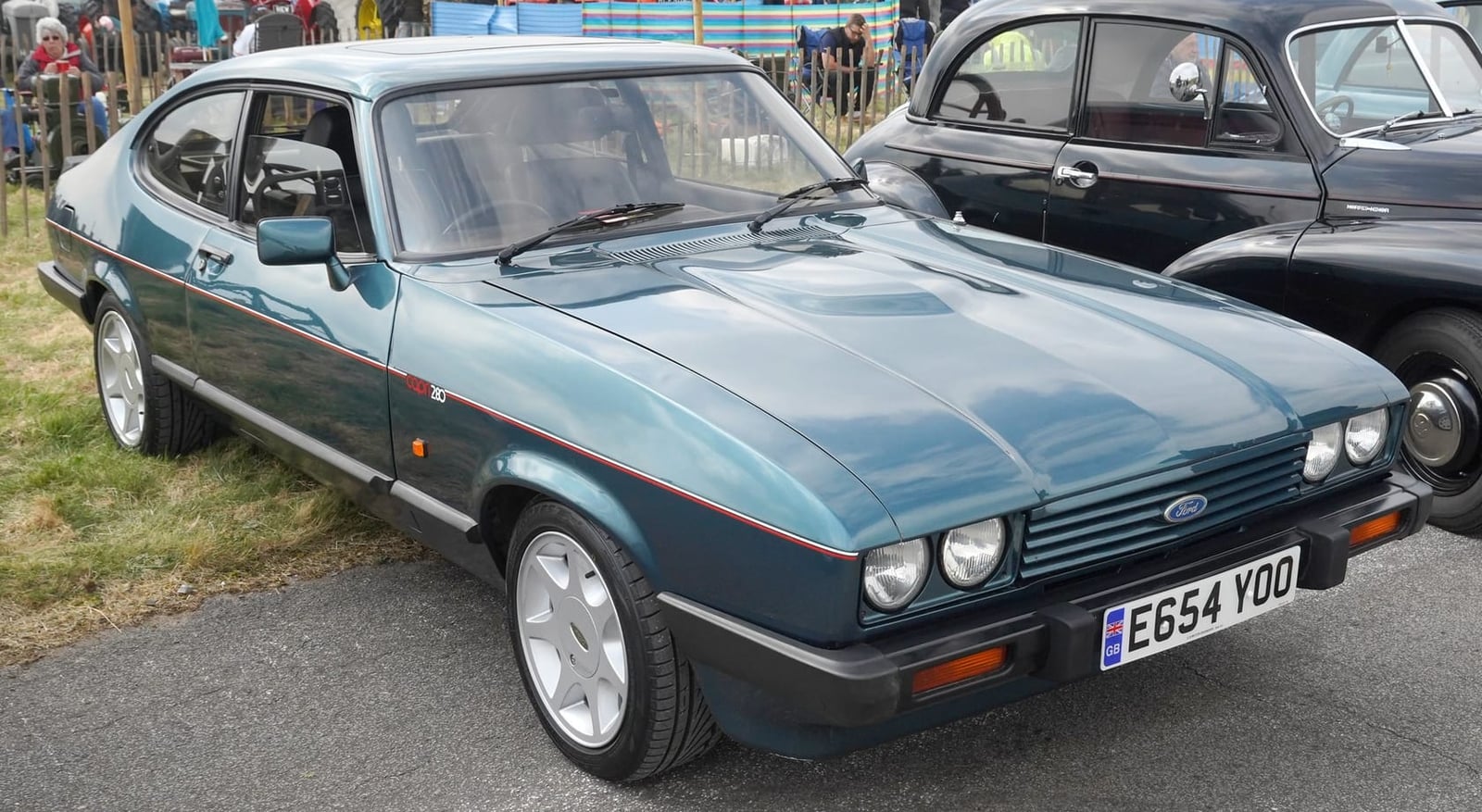
In October 1984 Ford relaunched the car as the 2.8 Injection Special, the version most people now picture. The engine and the 160 bhp were unchanged; the rest was equipment. The Special came only with the five-speed, and added a limited-slip differential, which the tail-happy Capri had always wanted, seven-spoke RS alloys in place of the pepperpots, Recaro seats trimmed in half-leather, a colour-coded grille and door mirrors, and a few more badges. It cost a little more and sold better, because by then the Capri was a cult rather than a mass-market car and the cult wanted the best one.
The Special is also where the Capri’s authenticity problem begins. Every Mk3 shares the same shell, RS wheels and Recaros are easy to buy, and a standard 2.8 Injection or even a 2.0 with the right parts fitted is worth a great deal less than a genuine Special with its build record. The Capri Club’s registers and the chassis number are the only reliable guide, and a buyer should treat the Special badge as a claim to be checked rather than a fact.

The 280 Brooklands: the last Capri
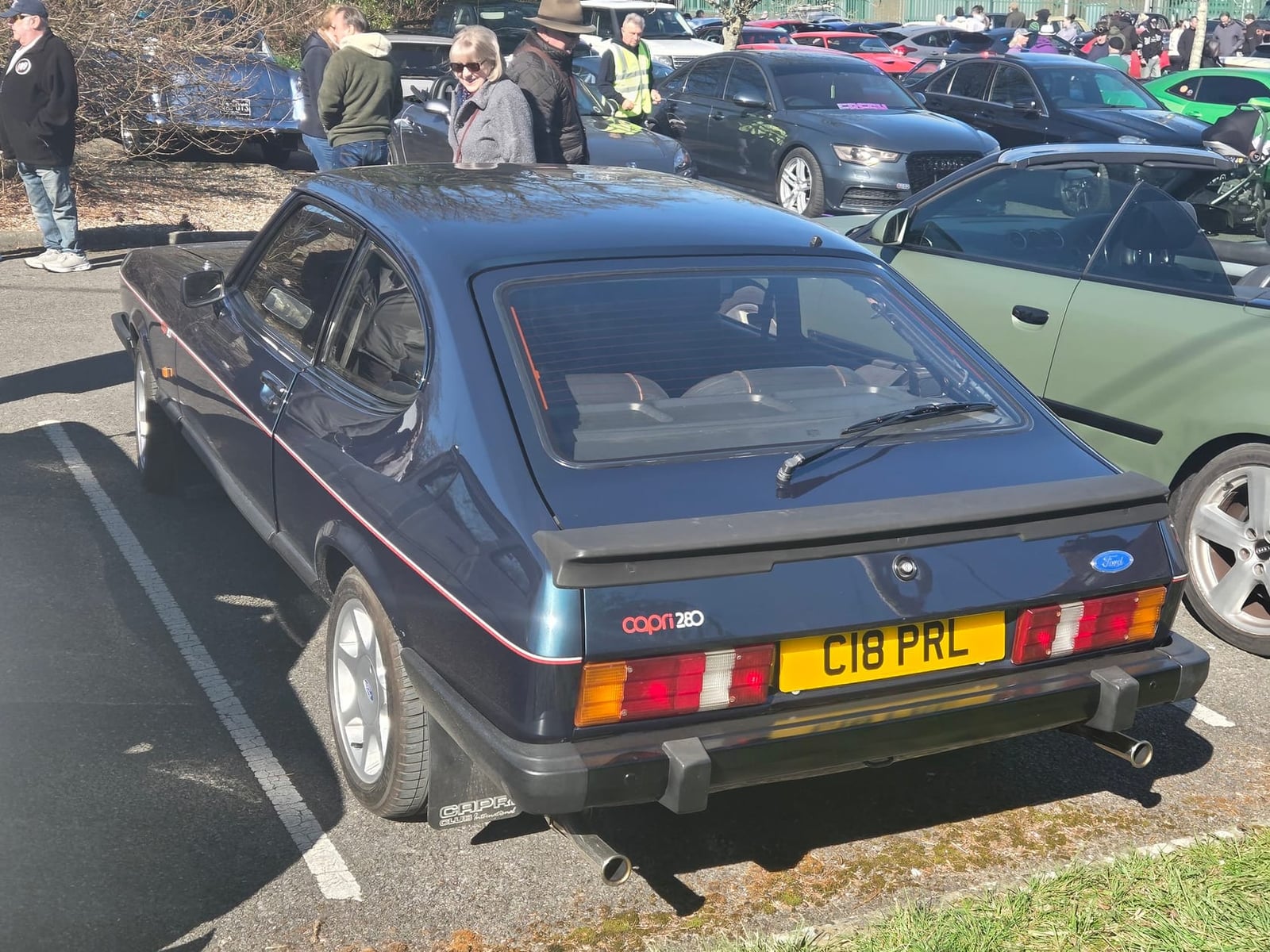
Ford announced the end of the Capri in 1986, and sent it off with a run-out edition. The Capri 280 was a 2.8 Injection Special in a single colour, Brooklands Green, with full-leather Recaros in grey, 15-inch seven-spoke RS alloys and the limited-slip differential, built at Cologne from late 1986 into the first weeks of 1987. Ford called it the 280; the Brooklands name came from the paint and has stuck ever since. There were 1,038 of them, and the last Capri of all, a 280, came off the line on 19 December 1986 and went into Ford’s own collection.
The 280 is the collectable Capri. It was the last, it was a single documented run, and it was the best-equipped car the line ever produced, and it sells accordingly: roughly double a standard Injection in the same condition, and more for a low-mileage original. It is also the most faked, for the same reasons, and a Special resprayed green with a set of 15-inch wheels is not a 280 however convincing the badges. The chassis numbers are known and the club keeps the list.

The Tickford Capri
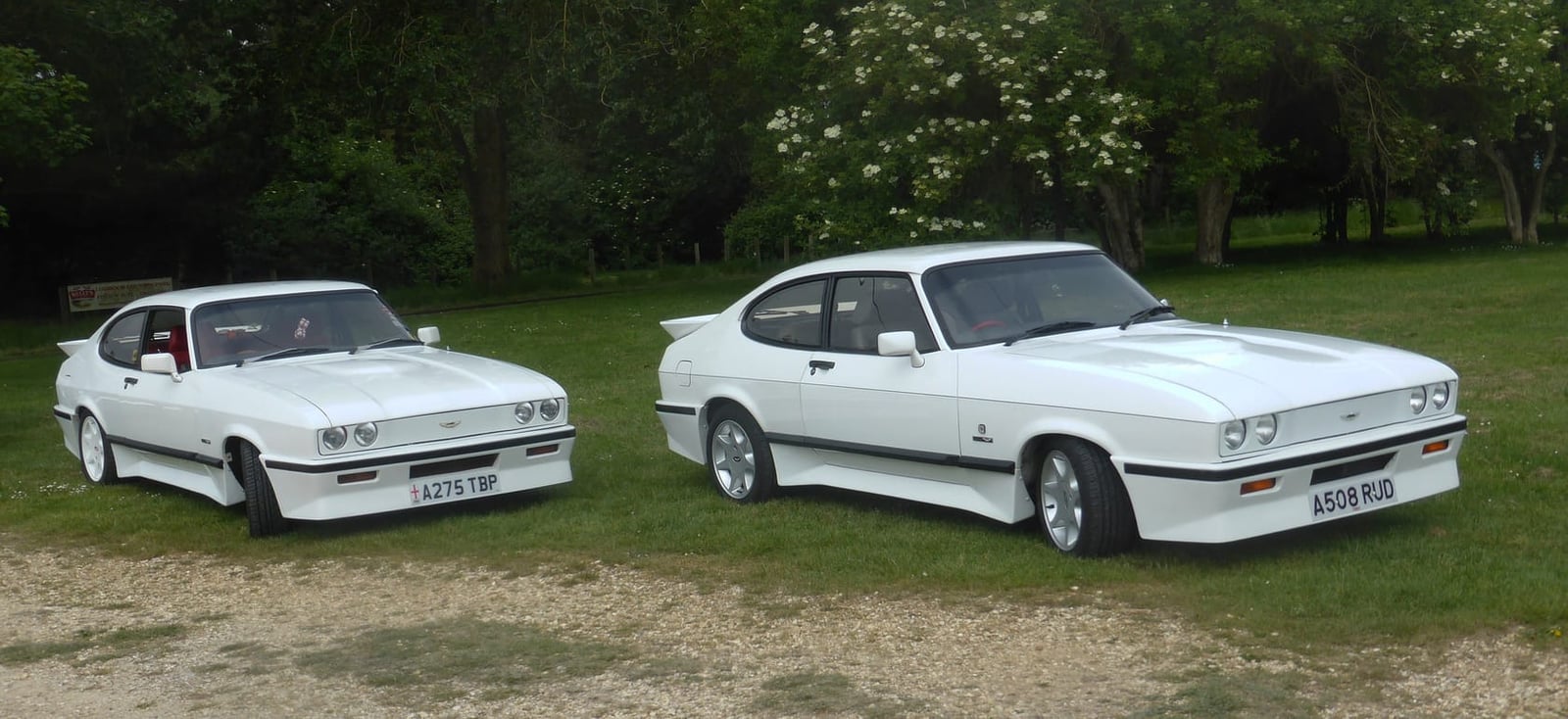
The wildest road-going Capri was not Ford’s at all. In 1983 Aston Martin Tickford, the coachbuilding and engineering arm of Aston Martin, took the 2.8 Injection and turbocharged it, with an IHI turbo, an intercooler and a reworked engine management system, to 205 bhp. The rear suspension was redesigned and fitted with disc brakes, the body was clothed in a deep kit that replaced the bumpers, grille and spoilers, and the interior was retrimmed in leather and walnut. It was sold through Ford dealers at nearly twice the price of a standard Injection and could reach 140 mph.
About a hundred were built between 1983 and 1987, and the Tickford is now the rarest and most valuable production Capri, a car that sells for four or five times a standard Injection when a genuine one appears. The body kit was also sold separately, so Tickford-styled Capris are far commoner than Tickfords; the real cars carry Tickford chassis plates and have build records, and nothing else counts.

What it is like to drive and own
The Injection is a 1970s car with a 1980s engine, and the combination is its charm. The driving position is low and long-bonneted, the steering is unassisted and honest, and the V6 pulls from nothing with a growl that hardens as the revs rise. The five-speed car cruises easily; the four-speed is busier but more of a piece. On a dry road a good Injection turns in keenly and can be steered on the throttle with the live axle’s full cooperation; in the wet the same axle asks for respect, and the limited-slip differential on the Special and the 280 is worth having for that reason alone.
Ownership is cheaper than the car’s reputation suggests. The engine and running gear are Granada and Sierra parts, plentiful and inexpensive, the club and specialist scene is large, and almost everything mechanical can be fixed at home. The expensive things are the body, which is the subject of the buying guide below, and the trim, where genuine Recaros and Special-specific pieces cost real money. Fuel consumption in the low twenties and the car’s appeal to thieves, which has not faded, are the other costs to budget for.
Buying guide: what to look for
Rust decides everything. The Mk3 shell rots in the inner wings and at the strut tops, along the sills and the jacking points, in the floors, the rear arches and the rear spring hangers, in the spare-wheel well and around the fuel tank, and along the bottom of the tailgate. Much of it is hidden under trim or underseal, and a car that has been “restored” with filler and paint will show it at the strut tops first. A sound shell with honest paint is worth paying well for; a cheap project with soft sills is rarely the bargain it looks, because proper structural repair on a Capri costs more than a standard Injection is worth.
The Cologne V6 is durable but has one famous weakness: the fibre-toothed timing gear, which strips with age and stops the engine dead. Many cars have had a steel gear fitted, and a buyer should ask. Listen for a rattling chain-less clatter and knocks, check for blue smoke and heavy breathing, and look at the radiator, because silted waterways and a tired radiator cause the overheating that warps these heads. The K-Jetronic injection is reliable when left alone and troublesome when tinkered with: poor starting or a lumpy idle is usually the warm-up regulator or a gummed fuel distributor, not the engine.
On the running gear, tired Bilsteins and soft track-control-arm bushes turn a sharp car vague, the limited-slip differential needs its proper oil, and seized calipers and warped discs are common on cars that have stood. Inside, check the Recaro bolsters, the dashboard top and every electrical item; the fuse box and earths cause most of the faults. Then check the paperwork before the car: the chassis number against the Special and 280 registers, the history against the mileage, and the V5C against the car, because the Capri has been stolen, re-identified and upgraded more than most.

Current value and where it sits
The Injection climbed hard with the rest of the fast-Ford market to a peak around 2020 and has given back much of that since. A usable car with history sells for around £8,500 to £13,000, a good one for £13,000 to £18,000, and the best restored Specials for £25,000 to £30,000. The 280 Brooklands trades at £20,000 to £35,000 for a documented car, and the Tickford at £50,000 and beyond when one appears. Across the record the 2.8 Injection and Special account for more than a hundred recorded sales at a median of about £12,500, with the Brooklands at double that, and the gap between a genuine car and a lookalike is the whole of the premium.
Against the other Capris the Injection sits above every four-cylinder car and the 3.0 S, and below only the RS3100 of the Mk1 era and the Tickford. For where it sits among the performance Fords as a whole, see the fast Ford buying guide.
2.8 Injection: the short history
- Summer 1981The 2.8 Injection goes on sale, SVE having replaced the 3.0 Essex V6 with a 2,792cc Cologne on Bosch K-Jetronic, 160 bhp against the 3.0 S's 138.
- Oct 1984Relaunched as the 2.8 Injection Special, five-speed only, adding a limited-slip differential, seven-spoke RS alloys and half-leather Recaros.
- 1986Ford announces the end of the Capri.
- Late 1986The run-out 280 enters production at Cologne in Brooklands Green, with full-leather Recaros and the limited-slip differential; 1,038 are built.
- 19 Dec 1986The last Capri of all, a 280, comes off the line and goes into Ford's own collection.
- Early 1987The final 280s are completed.
What to check on a 2.8 Injection
Rust decides everything
- Inner wings and strut tops, where a filler restoration shows itself first
- Sills and jacking points, floors, rear arches and rear spring hangers
- Spare-wheel well, around the fuel tank, and along the bottom of the tailgate
- Proper structural repair costs more than a standard Injection is worth, so a cheap project rarely is one
The Cologne V6
- Ask whether the fibre-toothed timing gear has been replaced with steel, because the original strips with age
- Blue smoke, heavy breathing, and the radiator, since silted waterways cause the overheating that warps these heads
- K-Jetronic is reliable left alone; poor starting or a lumpy idle is usually the warm-up regulator or a gummed fuel distributor
Paperwork before the car
- The chassis number against the Special and 280 registers
- The history against the mileage, and the V5C against the car
- The Capri has been stolen, re-identified and upgraded more than most
What the Capri 2.8 Injection sells for at auction
In 2025 the median Capri 2.8 Injection sold for £16,074 across 31 sales, 7% up on 2024. In real terms, typical Capri 2.8 Injection prices were down about 39% over the five years to 2025, once inflation is accounted for.
| Variant | Sold | Typical range | Median |
|---|---|---|---|
| Capri Mk III 2.8i | 54 | £8,606 - £18,303 | £13,317 |
| Capri Mk III 2.8 Injection | 54 | £8,540 - £17,150 | £12,094 |
| Capri Mk III 2.8 Brooklands | 33 | £19,688 - £35,437 | £25,300 |
| Capri Mk III 2.8 | 8 | £11,993 - £16,748 | £14,250 |
Show the year-by-year mediansHide the year-by-year medians
| Year | Sold | Median | In 2025 money |
|---|---|---|---|
| 2026 (so far) | 11 | £15,000 | |
| 2025 | 31 | £16,074 | £16,074 |
| 2024 | 16 | £15,025 | £15,602 |
| 2023 | 18 | £17,250 | £18,511 |
| 2022 | 18 | £15,120 | £17,316 |
| 2021 | 12 | £17,804 | £22,016 |
| 2020 | 6 | £20,795 | £26,352 |
| 2019 | 3 | £17,437 | £22,322 |
| 2018 | 7 | £8,900 | £11,587 |
| 2017 | 13 | £19,688 | £26,225 |
| 2016 | 10 | £9,990 | £13,650 |
- £15,000Capri Mk III 2.8
- £20,250Capri Mk III 2.8 Brooklands
- £10,250Capri Mk III 2.8 Injection
- £18,304Capri Mk III 2.8i
- £11,524Capri Mk III 2.8 Injection
Reasonable evidence. 150 recorded sales: enough for the range to mean something, though a few unusual cars can still move a single year's median. Based on 150 sold results from public classic car auctions (2004 to 10 August 2026). Sold prices, not asking prices, and not a valuation: condition, history and specification vary from car to car. Inflation-adjusted figures use the ONS CPIH index, in 2025 money.
Related
The 2.8 Injection is the last chapter of the Capri story, told in full on the main Capri guide linked above, and the car the Sierra RS Cosworth replaced as Ford’s rear-drive performance flagship in 1986. For the decade that made it a cult, see British classic cars of the 1980s.
More photos
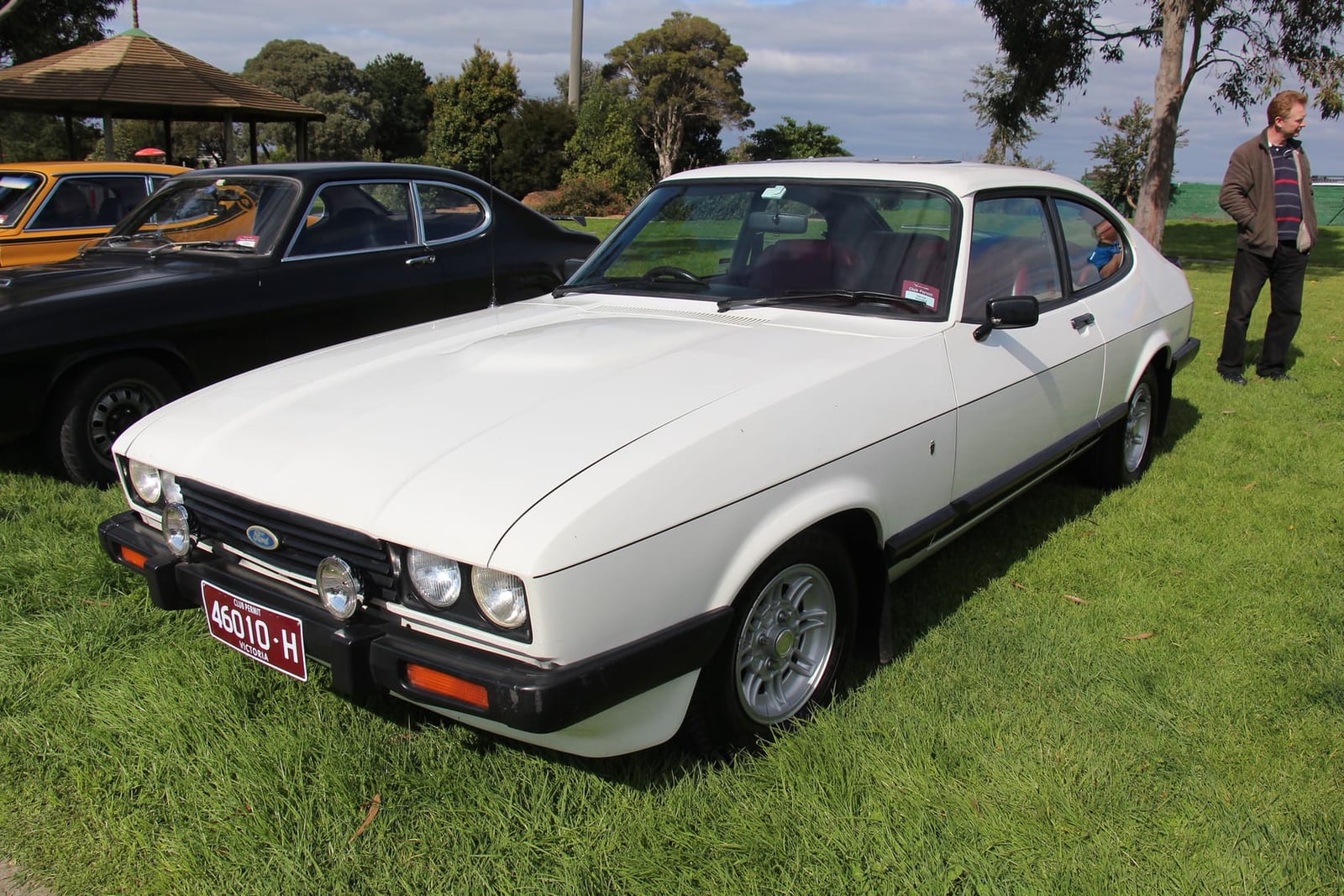
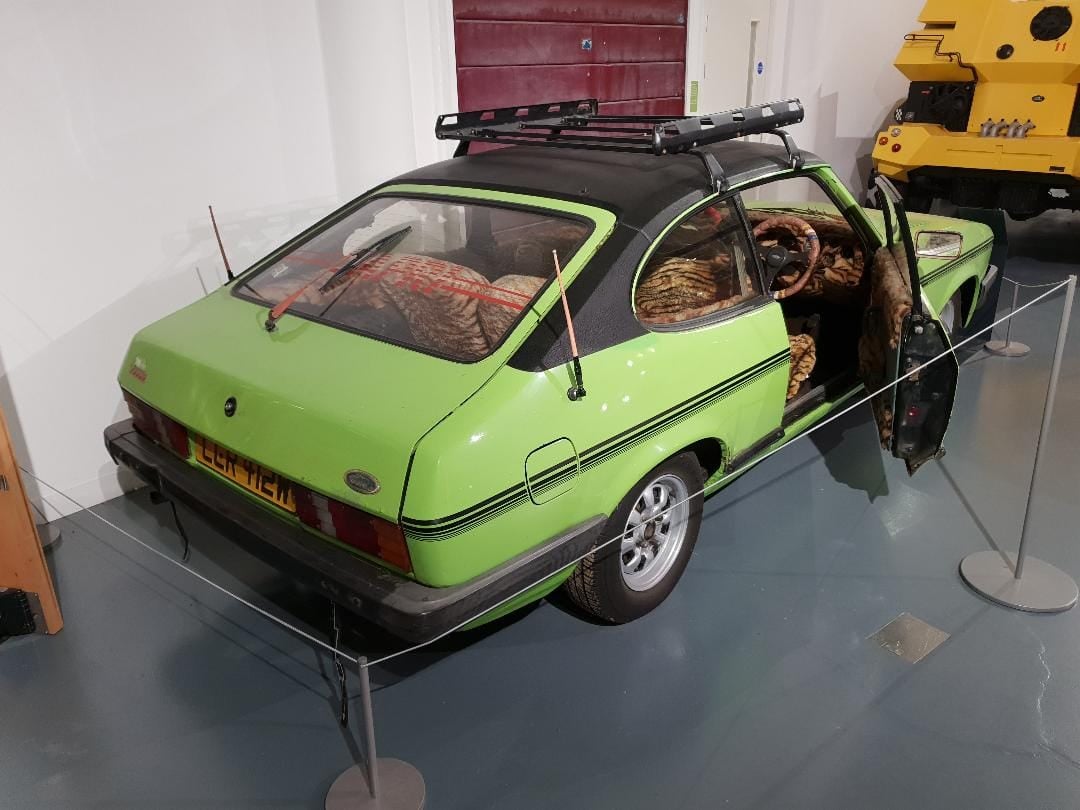
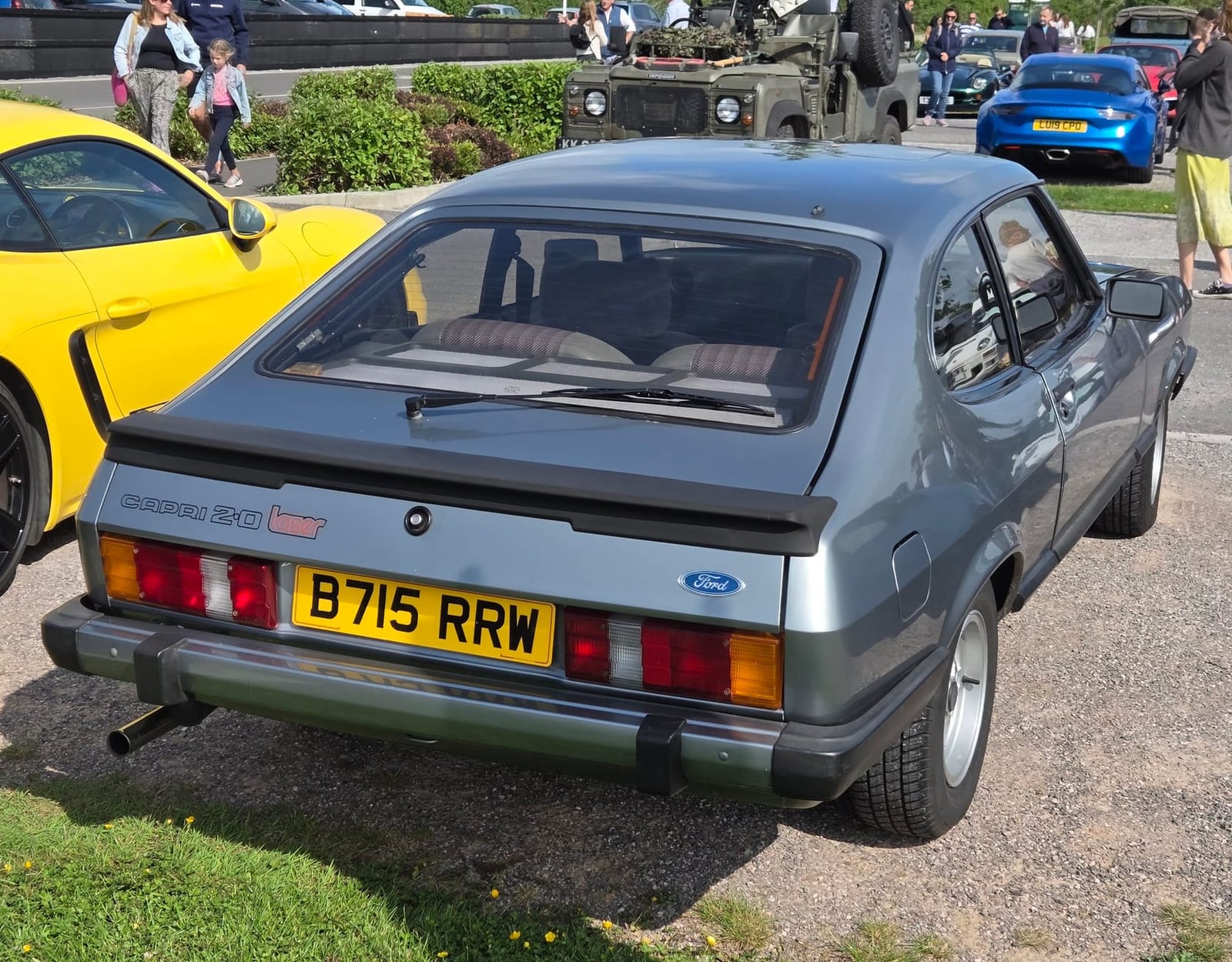
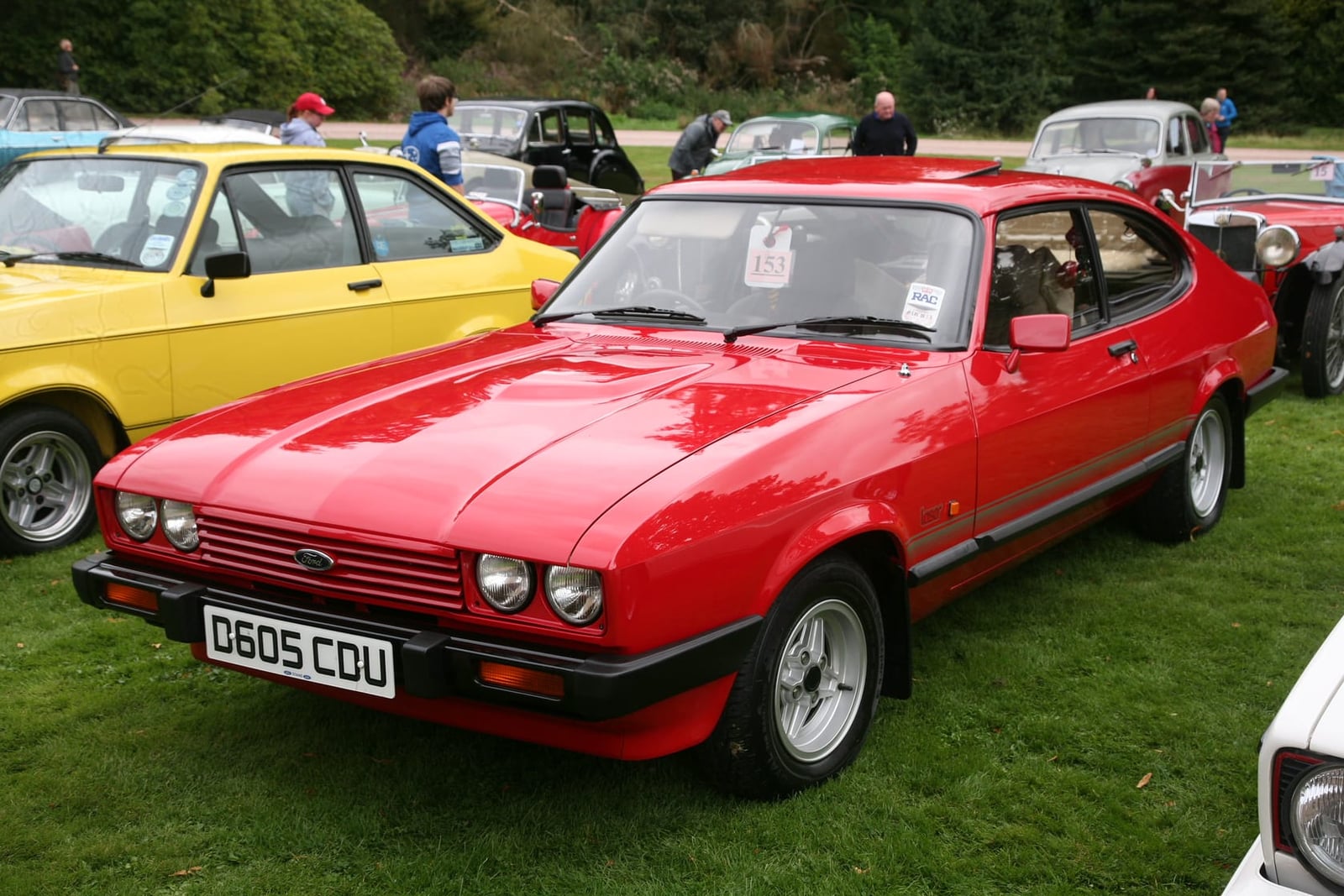
Frequently asked questions
What is the difference between a Capri 2.8 Injection and a 2.8i Special?
How many Capri 280 Brooklands were made?
Is the Ford Capri 2.8 Injection fast?
What is a Tickford Capri?
How much is a Ford Capri 2.8 Injection worth?
What are the common problems with a Capri 2.8 Injection?
What is the most expensive Capri 2.8 Injection ever sold at auction?
How often does a Capri 2.8 Injection come up for sale?
Related across themes

More from Ford


Recently added

Bentley Turbo R: the blown Bentley that saved the badge (1985–1999)

Bentley S-series: the quiet twin with the beautiful secrets (1955–1965)

Rolls-Royce Silver Spirit and Silver Spur: the last Crewe bargain (1980–1999)
