Austin Maestro: the hatchback that talked, and the van that kept going (1983–1994)
British Leyland's big family hatchback arrived in March 1983, built at Cowley with A-Plus, R-Series and S-Series engines, a talking dashboard on the top models and a van that outlived the car. The range, the Bulgarian and Ledbury afterlife, how many are left, and what rots before you buy one.
Built 1983–1994 45 recorded sales
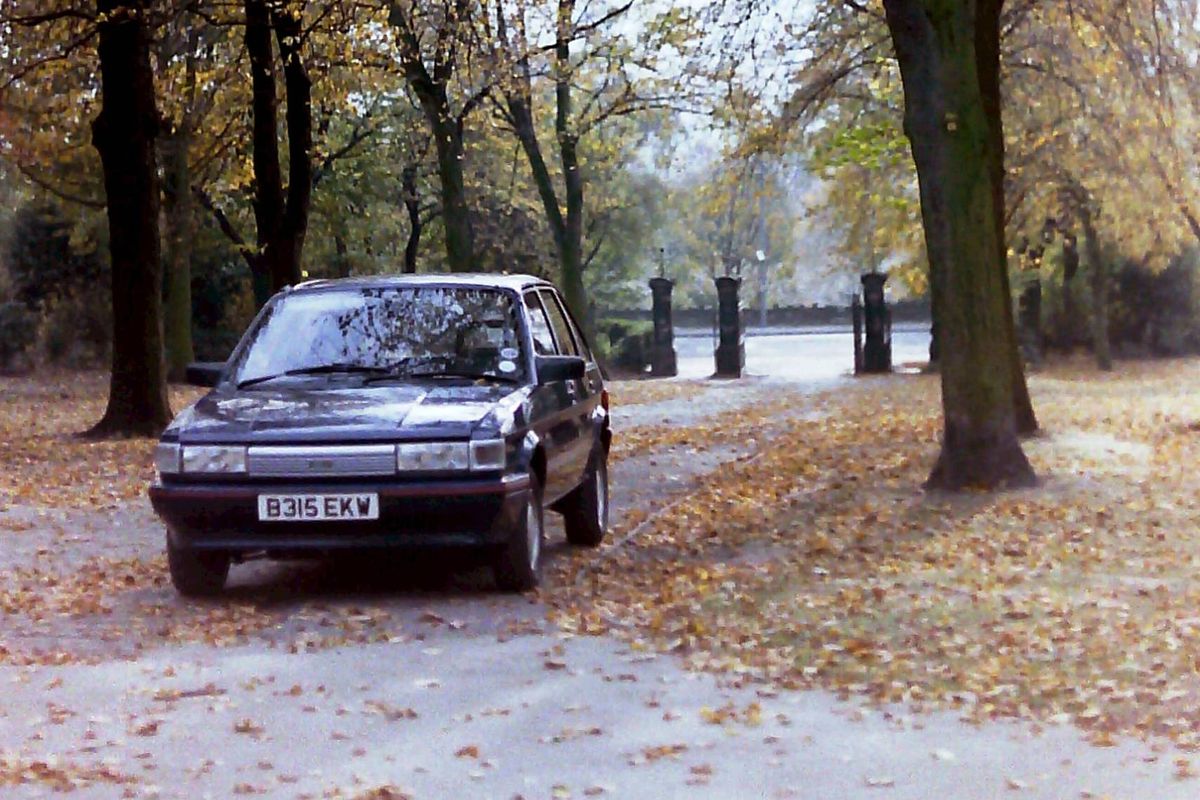
At a glance
- Years
- 1983–1994
- Body styles
- Five-door hatchback, two-door van
- Drivetrain
- Front-wheel drive
- Engines
- 1.3 A-Plus, 1.6 R-Series then S-Series, 2.0 O-Series (MG), 2.0 Perkins Prima diesel
- Power
- 64 bhp in the 1.3 HLE to 85 bhp in the 1.6 S-Series; the MG versions more
- Trim levels
- Base, L, HLE, HLS, HL, Vanden Plas, City, Mayfair, LE, SL, Special, LX, Clubman
- Production
- About 605,000 at Cowley, MG versions included
- Assembly
- Cowley, Oxford; later kits assembled in Bulgaria
- Designer
- Ian Beech
- UK survivors
- Third-party DVLA counts put Austin-badged Maestros at around 70 taxed and 400 on SORN at the end of 2025
- Values
- Around £2,600 median at auction; most £1,300 to £4,000
The models
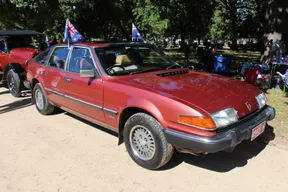
The Maestro was meant to be the car that saved British Leyland’s family-car business, and for two years it sold well enough to look as if it might. Launched on 1 March 1983, it was roomy, simple and quite well received, but it arrived late, into a fleet market Ford already owned, and it never shook off its maker’s reputation. What happened afterwards is more interesting than its sales: a van that outlived the car, a Bulgarian assembly line and a run of cars converted in Herefordshire into the next century.
LM10
The Maestro was project LM10, part of a range called LC10 that also produced the Austin Montego. Ian Beech’s hatchback design was chosen at a viewing at Longbridge in 1977, with David Bache as BL’s design director. It should have arrived around 1980, but the Metro took priority and the Honda tie-up that produced the Triumph Acclaim absorbed more resources, so it slipped to 1983. The development bill was reported at around £210 million.
It replaced the Austin Allegro and the Austin Maxi, and every one was built at Cowley in Oxford. British Leyland had considered Hydragas suspension and dropped it on cost, so the Maestro used MacPherson struts at the front and a torsion beam at the back. The five-door body was wide, tall and very roomy, with a drag coefficient of 0.38.

A-Plus, R-Series and the gearbox
The 1,275cc A-Plus engine made about 68 brake horsepower, or 64 in the economy HLE, which also had a very long-geared Volkswagen-sourced gearbox with an overdrive fourth, sold as the 3+E. The 1.6 R-Series made 81 brake horsepower and earned a reputation for hot-starting and crankshaft problems, and in July 1984 the revised S-Series, with electronic ignition and 85 brake horsepower, replaced it. A 4+E gearbox reached the HLE, HLS and Vanden Plas that October.
The 2.0 O-Series went only into the sporting cars, the MG Maestro EFi and Turbo.

The talking dashboard
The MG and Vanden Plas Maestros launched with digital instruments, a trip computer and a voice synthesiser that spoke warnings to the driver. The voice belonged to the New Zealand actress Nicolette McKenzie, and it had a vocabulary of 32 words. Those cars cost around £6,400 at launch. In February 1986 a new dashboard borrowed from the Montego replaced the digital set-up, and the voice went with it. Ordinary Maestros never talked at all.

L, HLS, Vanden Plas, City and Clubman
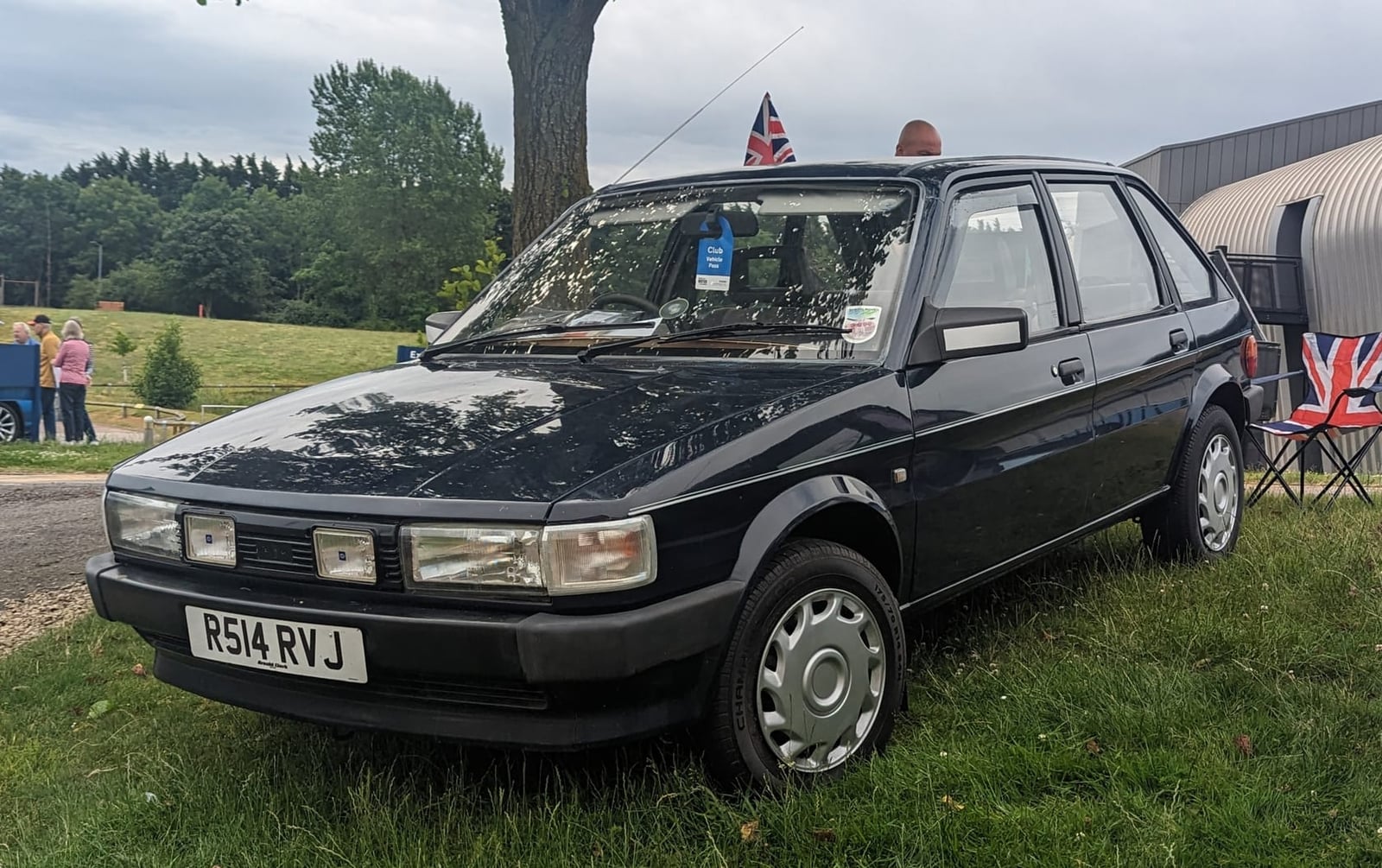
The range began with the base car, L, HLE, HLS and Vanden Plas, and grew to include the HL, the stripped-out City and City X from August 1985, and the Mayfair, LE, SL and Special later in the decade. The LX and the diesel Clubman saw the car out. The Austin name went in 1987 and 1988, after which the car carried no marque badge at all; it was never officially a Rover, whatever the classified adverts now say.

The van that outlived the car
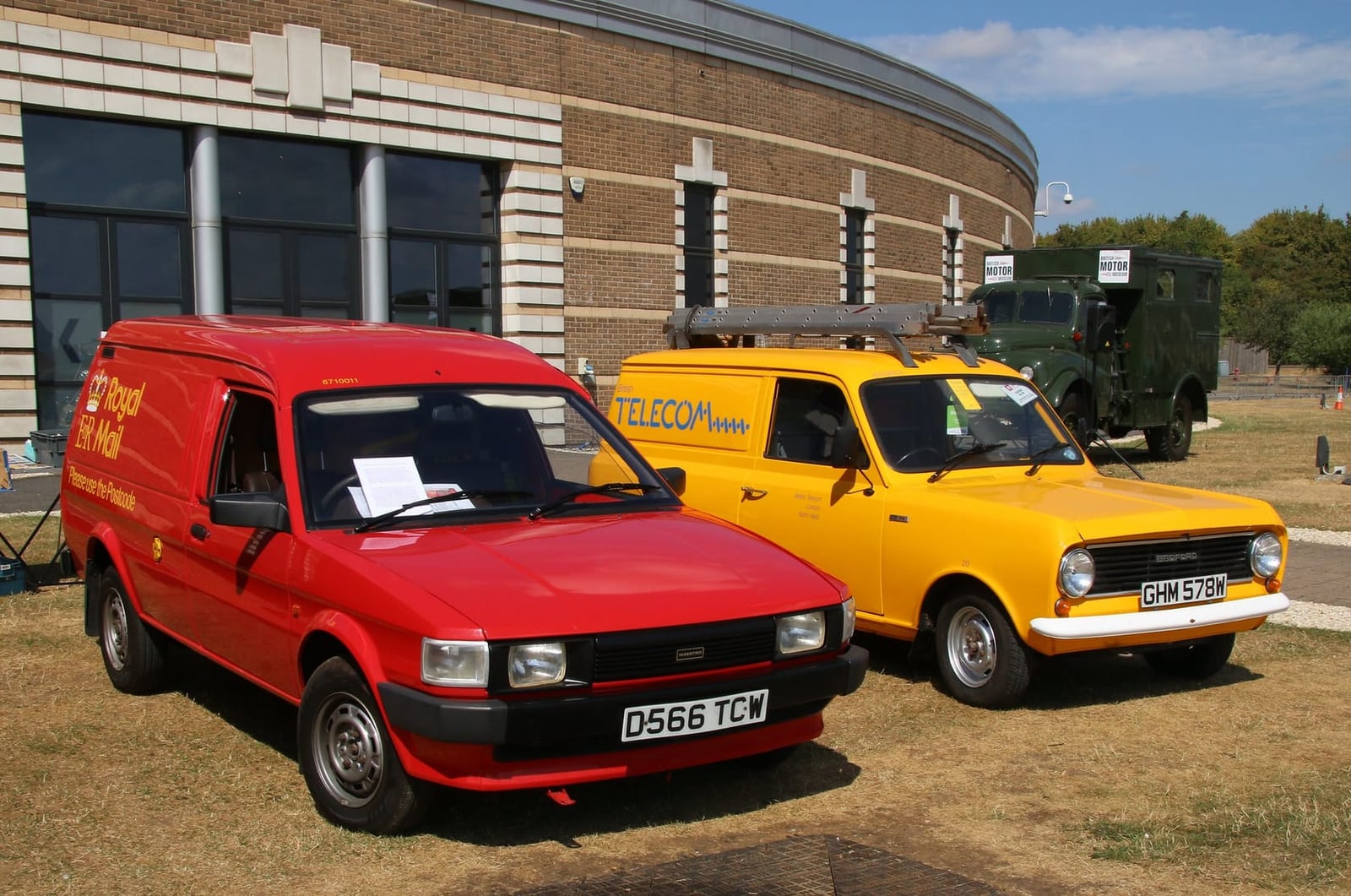
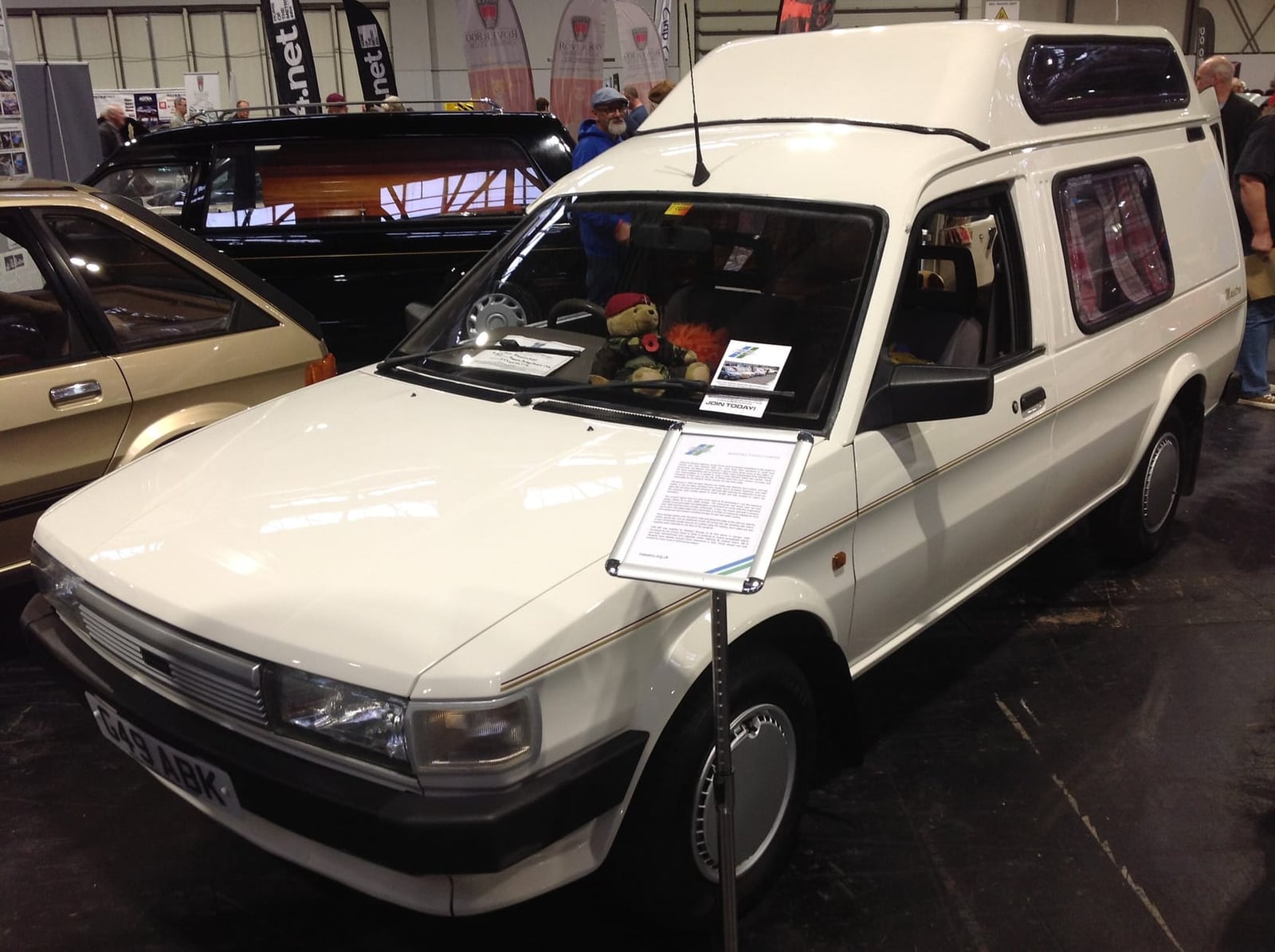
The Maestro van, unveiled at the Motor Show in October 1984, replaced the Morris Ital van and came in 500 and 700 weight ranges with 1.3 and 1.6 petrol engines. After a strike at Cowley it reached full production in January 1985, and by the end of March nearly 4,800 had been sold, taking a quarter of the car-derived van market. In the autumn of 1986 it became the first light commercial to use the Perkins Prima diesel, a 2.0 developed with Rover from the O-Series, at 62 brake horsepower, and Perkins predicted around 100,000 miles before it needed an overhaul.
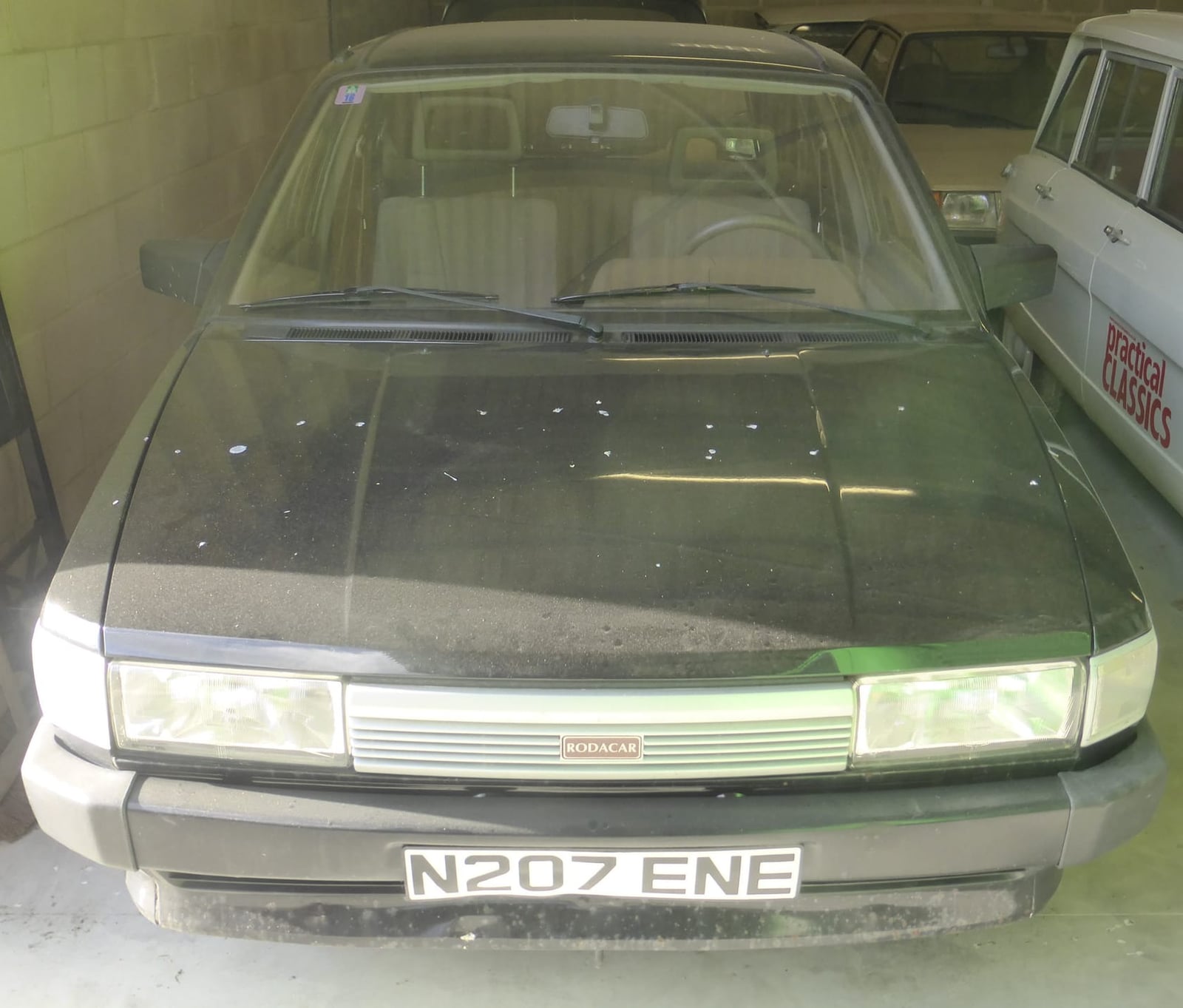
When Cowley stopped building Maestros in December 1994, the tooling went to Bulgaria. Rodacar, a joint venture between Rover and BMW’s Bulgarian agent, assembled cars and vans at Varna from September 1995 until April 1996, about 2,200 in all. In 1997 a company in Ledbury, Herefordshire, bought the unsold left-hand-drive kits and converted them for British roads, selling 621 as Ledbury Maestros at £4,995 until 2001. Versions of the van were still being built in China into the 2010s.

How it fared in the showroom
The early figures were good. The Maestro was Britain’s sixth best-selling car in 1983, with about 65,000 sold, and sixth again in 1984 with more than 83,000, its best year. After that it slipped: tenth in 1985, fourteenth in 1988 and nineteenth in 1989, when the Rover 200 arrived to take over. What Car? found it very easy to live with and free of faults, but bland, and fleet managers stayed with the cheaper Ford Escort. The Maestro turned up on television in Brookside, Juliet Bravo, Crossroads and Howards’ Way, as familiar a part of the 1980s street as the Escort it chased.

Buying a Maestro today
Survivors are scarce. Third-party counts of DVLA data put Austin-badged Maestros at around 70 taxed and 400 on SORN at the end of 2025, with Rover-badged and MG cars recorded separately.
The Maestro and Montego Owners Club, formed in 1999, is the place to start, and its advice on rust is specific. Check the tailgate, the rear arches, the sills, which are structural, the windscreen pillars and the top of the screen, the door bottoms and the join between sill and rear wing, and look for stone chips under the grille. Cars built between 1986 and 1988 are said to be the worst. Wheel-arch repair panels are getting scarce, and the plastic bumpers go brittle.
The 1.3 A-Plus is durable. The O-Series diesel and petrol engines leak oil from the head gasket and rear main seal, and need their belts renewed on time, but the diesel can cover huge mileages. Digital dashboards and trip computers fail, and replacements are not available, while central locking, heaters, electric windows and front wheel bearings all give trouble.

Where the Maestro sits in the market
The Maestro is still one of the cheapest ways into a 1980s British Leyland car, and the vans, scarcer survivors than the hatchbacks, now sell for noticeably more than the cars. At this end of the market the hard part is finding a sound one, not paying for it. For the figures, car against van, see what an Austin Maestro sells for.
More photos
Maestro: what changed and when
- 1 Mar 1983The Maestro is launched, built at Cowley, with 1.3 A-Plus and 1.6 R-Series engines.
- July 1984The S-Series 1.6 replaces the troublesome R-Series.
- Oct 1984The Maestro van is unveiled, in 500 and 700 weight ranges.
- Feb 1986A Montego-style dashboard arrives and the talking instruments are dropped.
- 1986The diesel van becomes the first light commercial with the Perkins Prima engine.
- 1987 to 1988The Austin badge is dropped.
- Dec 1994Cowley production ends after about 605,000 cars.
- 1995 to 2001Kits are assembled in Bulgaria, and 621 Ledbury conversions are sold in Britain.
The Maestro viewing checklist
Rust
- Tailgate, rear arches, door bottoms and the join between sill and rear wing
- Sills, which are structural, and the windscreen pillars and top of the screen
- Stone chips under the grille; cars from 1986 to 1988 are said to rust worst
Engines
- The 1.3 A-Plus is durable
- Early 1.6 R-Series cars had hot-start and crankshaft problems; the S-Series replaced it in July 1984
- Diesels and 2.0 O-Series engines leak oil from the head gasket and rear main seal, and need their belts renewed
Electrics and running gear
- Digital dashboards and trip computers fail, and replacements are not available
- Central locking, heaters and electric windows give trouble
- Front wheel bearings fail and are awkward to change; plastic bumpers go brittle
What the Austin Maestro sells for at auction
In real terms, typical Austin Maestro prices were down about 54% over the five years to 2025, once inflation is accounted for.
Show the year-by-year mediansHide the year-by-year medians
| Year | Sold | Median | In 2025 money |
|---|---|---|---|
| 2026 (so far) | 6 | £3,850 | |
| 2025 | 5 | £2,600 | £2,600 |
| 2023 | 4 | £3,602 | £3,865 |
| 2022 | 7 | £1,260 | £1,443 |
| 2021 | 6 | £1,568 | £1,940 |
| 2020 | 4 | £4,490 | £5,690 |
| 2016 | 4 | £790 | £1,079 |
| 2015 | 3 | £510 | £704 |
- £3,600Maestro
- £7,248Maestro
- £4,000Maestro
- £3,700Maestro
- £6,500Maestro
Thin evidence. Only 45 recorded sales: read the figures as a sketch of the market, not a price. Based on 45 sold results from public classic car auctions (2006 to 10 August 2026). Sold prices, not asking prices, and not a valuation: condition, history and specification vary from car to car. Inflation-adjusted figures use the ONS CPIH index, in 2025 money.
Frequently asked questions
Did the Austin Maestro really talk?
When was the Austin Maestro made?
Did the Maestro have Hydragas suspension?
How many Austin Maestros are left?
Who designed the Austin Maestro?
How much does an Austin Maestro sell for?
What is the most expensive Austin Maestro ever sold at auction?
How often does an Austin Maestro come up for sale?
Related across themes
More from Austin


Recently added

What a Morgan 4/4 sells for: eight decades of cars in one price band, and a third lost since 2021

Triumph Dolomite and Toledo: Canley's small saloons, from 1300 to 1850HL (1970–1980)

What a Rover P6 sells for, and how much of that is the V8
