What a Jensen Interceptor sells for, now the long climb is over
The first Interceptor is still the dearest, at about £34,000 for a Mk I against £26,880 for the common Mk III. Jensen Interceptor values from 350 recorded auction sales, a quarter of their real worth lost since 2021, and why the very top of the record includes modern rebuilds.
Built 1966–1976
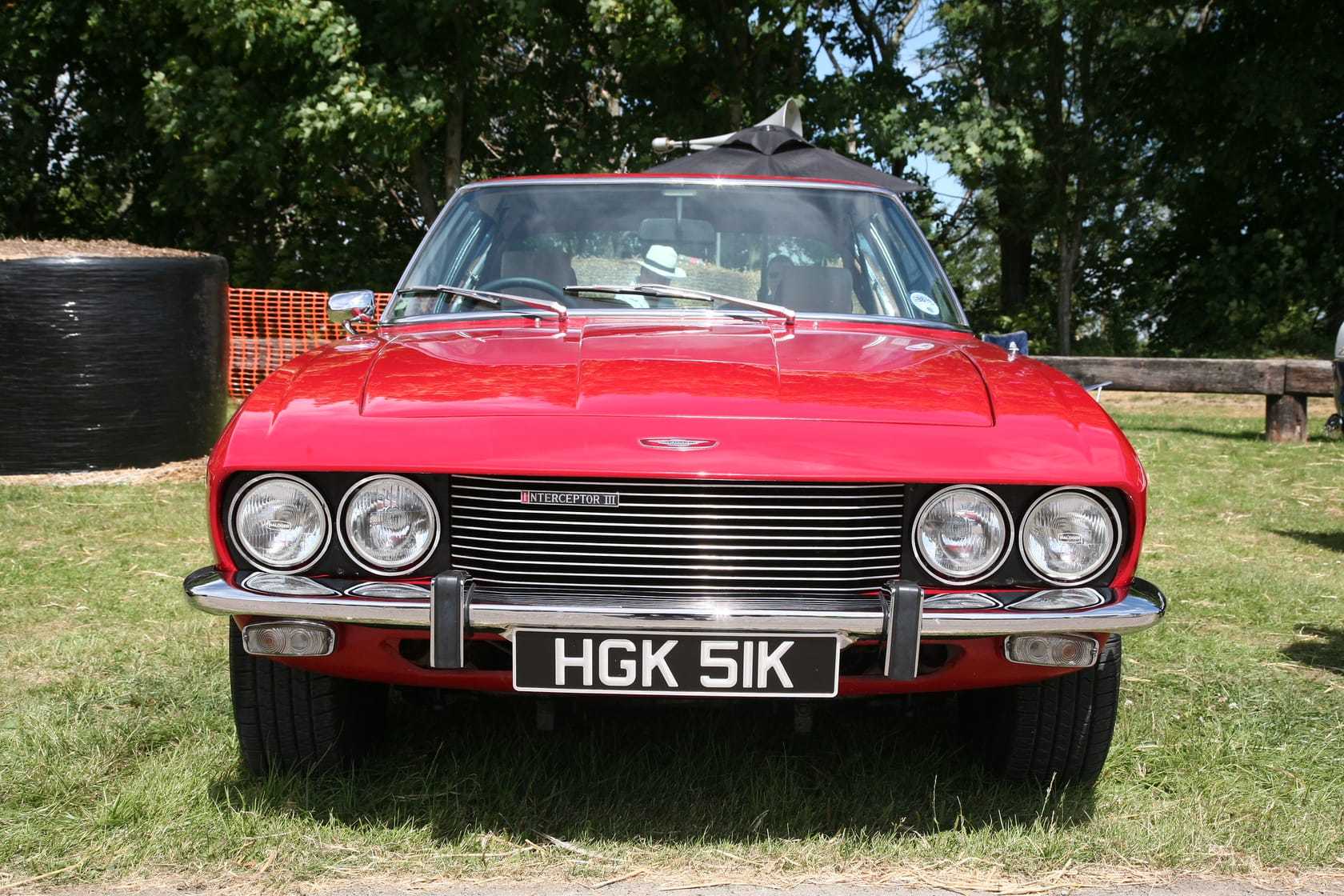
What the Interceptor sells for at auction
In 2025 the median Interceptor sold for £28,080 across 29 sales, 3% up on 2024. In real terms, typical Interceptor prices were down about 33% over the five years to 2025, once inflation is accounted for.
| Variant | Sold | Typical range | Median |
|---|---|---|---|
| Interceptor III | 209 | £16,800 - £36,167 | £26,880 |
| Interceptor II | 37 | £17,500 - £32,664 | £23,980 |
| Interceptor I | 33 | £23,500 - £46,125 | £34,000 |
| Interceptor SP | 10 | £22,069 - £48,066 | £26,840 |
Show the year-by-year mediansHide the year-by-year medians
| Year | Sold | Median | In 2025 money |
|---|---|---|---|
| 2026 (so far) | 21 | £22,500 | |
| 2025 | 29 | £28,080 | £28,080 |
| 2024 | 32 | £27,166 | £28,208 |
| 2023 | 35 | £31,590 | £33,899 |
| 2022 | 37 | £26,500 | £30,349 |
| 2021 | 37 | £30,375 | £37,560 |
| 2020 | 16 | £32,991 | £41,807 |
| 2019 | 22 | £31,368 | £40,156 |
| 2018 | 16 | £27,066 | £35,236 |
| 2017 | 16 | £32,898 | £43,822 |
| 2016 | 17 | £22,500 | £30,743 |
| 2015 | 10 | £24,490 | £33,796 |
| 2014 | 8 | £13,640 | £18,899 |
| 2013 | 4 | £16,070 | £22,582 |
| 2012 | 12 | £19,044 | £27,376 |
| 2011 | 7 | £13,800 | £20,346 |
| 2010 | 4 | £10,072 | £15,427 |
| 2009 | 3 | £6,975 | £10,951 |
| 2008 | 7 | £10,925 | £17,490 |
| 2006 | 4 | £9,900 | £16,784 |
| 2005 | 5 | £8,438 | £14,666 |
| 2004 | 4 | £5,290 | £9,383 |
- £22,500Interceptor III
- £9,513Interceptor III
- £42,750Interceptor III
- £17,837Interceptor III
- £21,844Interceptor III
Strong evidence. 350 recorded sales and a dozen or more a year: the median and the range are well founded. Based on 350 sold results from public classic car auctions (1998 to 10 August 2026). Sold prices, not asking prices, and not a valuation: condition, history and specification vary from car to car. Inflation-adjusted figures use the ONS CPIH index, in 2025 money.
Jensen Interceptor values sit at a median of £26,650 across 350 recorded auction sales, with the middle half of the market between £16,425 and £37,515. That is a long way from where the car began this century, when a handful of sales a year put the yearly median between about £5,000 and £10,000. The climb that followed was steep and lasted a decade. It stopped in 2017, and the more telling number on this page is what the years since have quietly taken back.
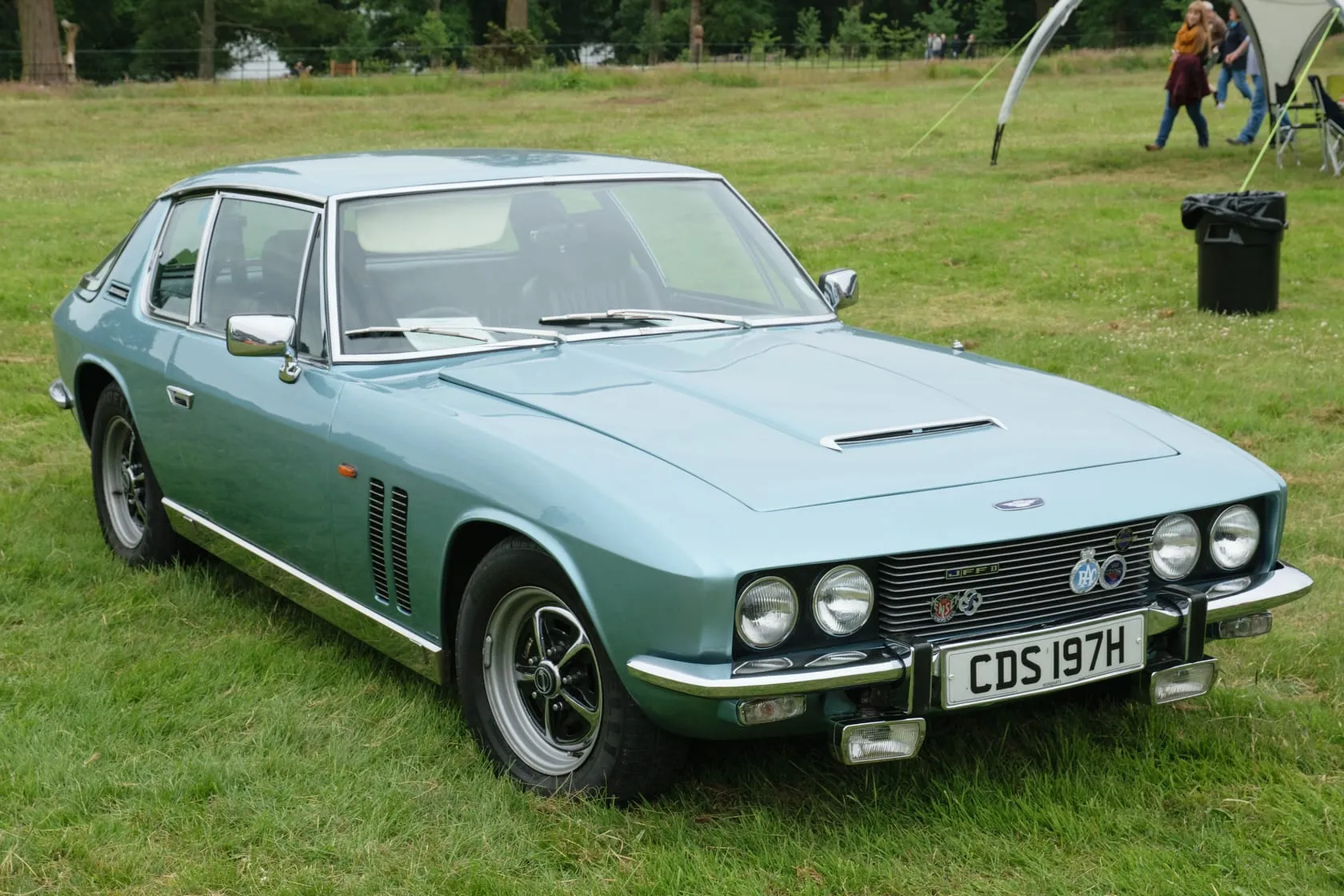
The Jensen Interceptor guide covers the Touring shape, the Chrysler V8 and where the steel body rots. This page is about the money: which mark the market pays most for, why the top of the record needs reading with care, and what standing still in pounds has meant in real terms.
The first Interceptor is the dear one
The record names four versions, and the order is not the one the production story suggests. The Mk I leads at a median of £34,000 across 33 recorded sales, with a middle half of £23,500 to £46,125. The Mk III, the car most of the record is made of, sits at £26,880 across 209 sales, and the Mk II at £23,980 across 37. The market pays most for the purest early car, next for the most developed and numerous one, and least for the one in between.
Read the gaps with their sizes in mind. The Mk I’s lead is real: it holds at both quartiles, roughly £7,000 above the Mk III at the bottom of the range and £10,000 above it at the top. The Mk II’s discount against the Mk III is about £2,900 on ranges that overlap almost completely, so between those two the condition of the car will always count for more than the badge on the grille.
The SP, the triple-carburettor 7.2, has only 10 recorded sales, too few to price it from. Its median of £26,840 is level with an ordinary Mk III and its upper quartile of £48,066 is the highest of any row, which says little except that an SP’s premium, where there is one, has to be documented: verify the engine before paying for it. Three things the record does not show at all. The convertible and the late notchback coupe have no rows of their own, 61 sales carry no mark, and the four-wheel-drive FF is not counted here, being a separate car with its own small market.

Re-engined cars at the top of the record
The full spread runs from £1,150 to £135,000, and the top of it needs care. Restomods, re-engined cars among them, are kept in this record rather than stripped out, so the highest sales mix factory Interceptors with modern rebuilds. The £135,000 record itself, from November 2023, is filed as an Interceptor by Jensen International Automotive, the name of the present-day firm that re-engineers the cars with new engines and running gear. It says nothing about what an original Mk III is worth. The other high results are not labelled either way, so the safe reading is to price an original car from the quartiles and to treat anything far beyond the Mk I’s upper quartile of £46,125 as possibly a different kind of car.
Among original cars, what moves the price is mostly what a photograph cannot show. The hand-built steel shell is the expensive part to put right, so documented bodywork is much of what the upper half of each row is paying for, and hidden rot is what the lower half is often hiding. After that comes the history file, then the mark, and only then the colour and trim, which a buyer can change.

A decade of climbing, then a long stall
The early years of the chart rest on three to sixteen sales each and should be read as a direction rather than a level, but the direction is plain: about £10,000 at the median in 2008 and 2010, £19,044 in 2012, £24,490 in 2015 and £32,898 in 2017. In today’s money that is roughly a two-and-a-half-fold rise in under a decade.
Since 2017 the figure in pounds has gone sideways: £27,066 in 2018, £31,368 in 2019, £32,991 in 2020, then £30,375, £26,500, £31,590, £27,166 and £28,080 across 2021 to 2025. Those last five years are the best evidence on the page, each resting on 29 to 37 sales, and in real terms they read £37,560, £30,349, £33,899, £28,208 and £28,080. That is a quarter of the car’s value gone since 2021, and more than a third since the 2017 peak, though the peak itself rests on 16 sales. 2026 so far stands at £22,500 on 21 sales, level with 2016 in pounds. It is a part-year and not a verdict, but nothing in it points back up.

Two in three find a buyer
Of 514 Interceptors offered, 350 sold, a clearance rate of 68%. That is lower than a cheap classic manages, and it is what happens when sellers’ reserves remember 2017 better than buyers do.
The latest run shows the whole range in miniature. Within five weeks in the summer of 2026, Interceptor IIIs sold for £9,513, £17,837 and £21,844 on Bring a Trailer, the American online platform, for £22,500 at H&H and for £42,750 at another British specialist sale. In that run the cheaper cars went to America and the dearer ones stayed here, which matters on both sides of a deal: a British seller is not competing with the dollar price, and a British buyer may find a cheaper car there, before shipping and import costs. Whether a recorded price includes the buyer’s premium varies by sale, so read the middle half rather than any single result.
Shells, agreed values and the sums
A project is the cheapest way into an Interceptor and usually the dearest way to own one. The lowest recorded sale is £1,150 and a quarter of the record sold for under £16,425, but body restoration on a hand-built steel car is slow work, and against a median of £26,650 a full professional rebuild of a Mk III rarely pays for itself. The classic car restoration costs guide has the sums. Buy the best shell the budget allows and let the engine, whose parts are cheap, wait its turn.
For an agreed-value policy, a sound Mk III belongs in the upper half of its own row, between about £26,900 and £36,200, rather than at the overall median, which projects drag down. A Mk I earns its own higher figure, and a re-engined car needs a valuation that reflects the rebuild rather than the record; agreed-value cover for a classic explains how that works. If you are selling, one car in three fails to find a buyer, so set the reserve against the quartiles and not against the 2017 peak.

Related
The Interceptor’s natural rival is the Aston Martin V8, which sells for around two and a half times as much, while the Jaguar XJS, launched as the Jensen bowed out, is a big British GT at about a third of the money. The Reliant Scimitar, another British grand tourer of the period with a big glass tail, costs about a sixth as much. For the marque see Jensen, and for the period, British classic cars of the 1960s and 1970s. The sold-price index, what classic cars sell for, explains how the figures are gathered.
Frequently asked questions
How much is a Jensen Interceptor worth?
Which Jensen Interceptor is the most valuable?
Are Jensen Interceptor prices going up?
Is a restomod Interceptor worth more than an original one?
What should I pay for a Jensen Interceptor?
What does a Jensen Interceptor project cost?
What is the most expensive Interceptor ever sold at auction?
How often does an Interceptor come up for sale?
Related across themes
Recently added

Austin Montego: the last Austin, and the estate that outlived it (1984–1994)

Ford Granada Mk2: Cologne V6s, Ghia X and the executive Ford of the 1980s (1977–1985)

How much is a Sunbeam Tiger worth? Nearly five Alpines, and falling since 2020
