Land Rover Defender vs Series III: leaf springs or coils, and what three to one at auction is really buying
The same shape, the same factory, the same aluminium on the same ladder chassis, and a thirty-year gap that the market prices at three to one. Four thousand auction results on what separates a Series III from a Defender, which one to buy for what, and why the older car is the one that has beaten inflation.
Part of: Owning and running a classic car in the UK, the practical guide
The guides
For thirty-three years Land Rover built what was recognisably the same vehicle, and for the fifteen years before that it built the Series III, which was recognisably the same vehicle too. A Series III and a Defender share their shape, their factory, their aluminium panels and their ladder chassis, and the auction record prices them three to one. Here is what the gap is buying, and why the older vehicle is the one that has beaten inflation.
At a glance
| Land Rover Series III | Land Rover Defender (incl. Ninety and One Ten) | |
|---|---|---|
| Built | 1971 to 1985, Solihull | 1983 to January 2016, Solihull |
| Production | Around 440,000 | The line’s two-millionth vehicle was the last one built |
| Wheelbases | 88 and 109 inches | 90, 110 and 130 inches |
| Engines | 2.25 petrol (about 70 bhp) and diesel (62 bhp); 2.6 six; 3.5 V8 Stage 1 (91 bhp) | 2.25 and 2.5 fours; 3.5 V8; 2.5 TD; 200Tdi, 300Tdi, Td5, 2.4 and 2.2 TDCi |
| Suspension | Leaf springs, selectable four-wheel drive | Coil springs, permanent four-wheel drive, lockable centre differential |
| Top speed | Around 65 to 68 mph | Around 65 mph (early diesel) to 90 mph (TDCi) |
| Construction | Separate steel ladder chassis, aluminium-alloy body on a steel bulkhead | Same |
| Median auction price | £11,556 (615 sales) | £33,160 (3,557 sales) |
| Price range, middle half | £6,600 to £18,000 | £20,500 to £51,700 |
Auction figures are from our own dataset of UK results, compiled to 10 August 2026, using the median sold price.
What they were
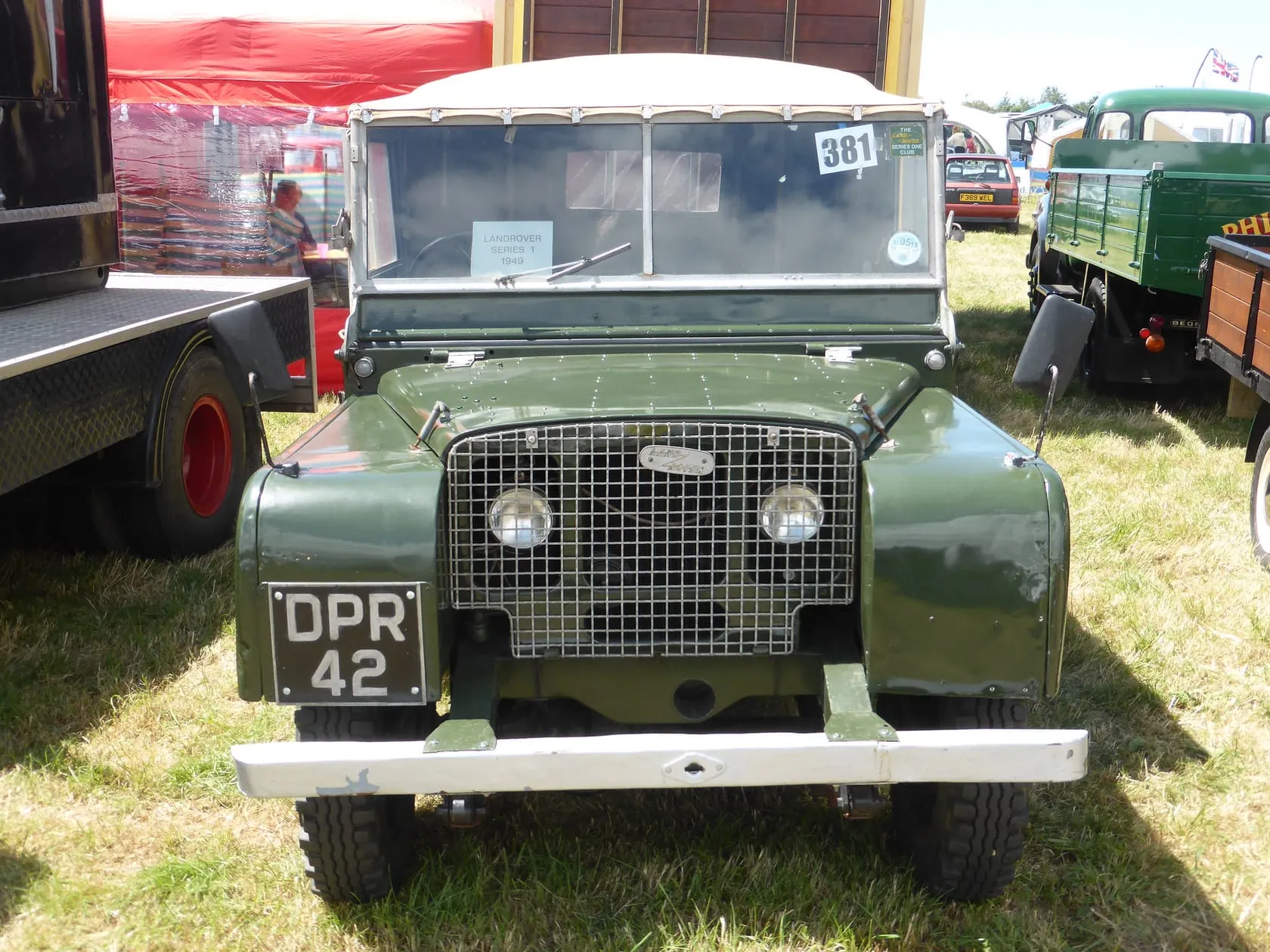
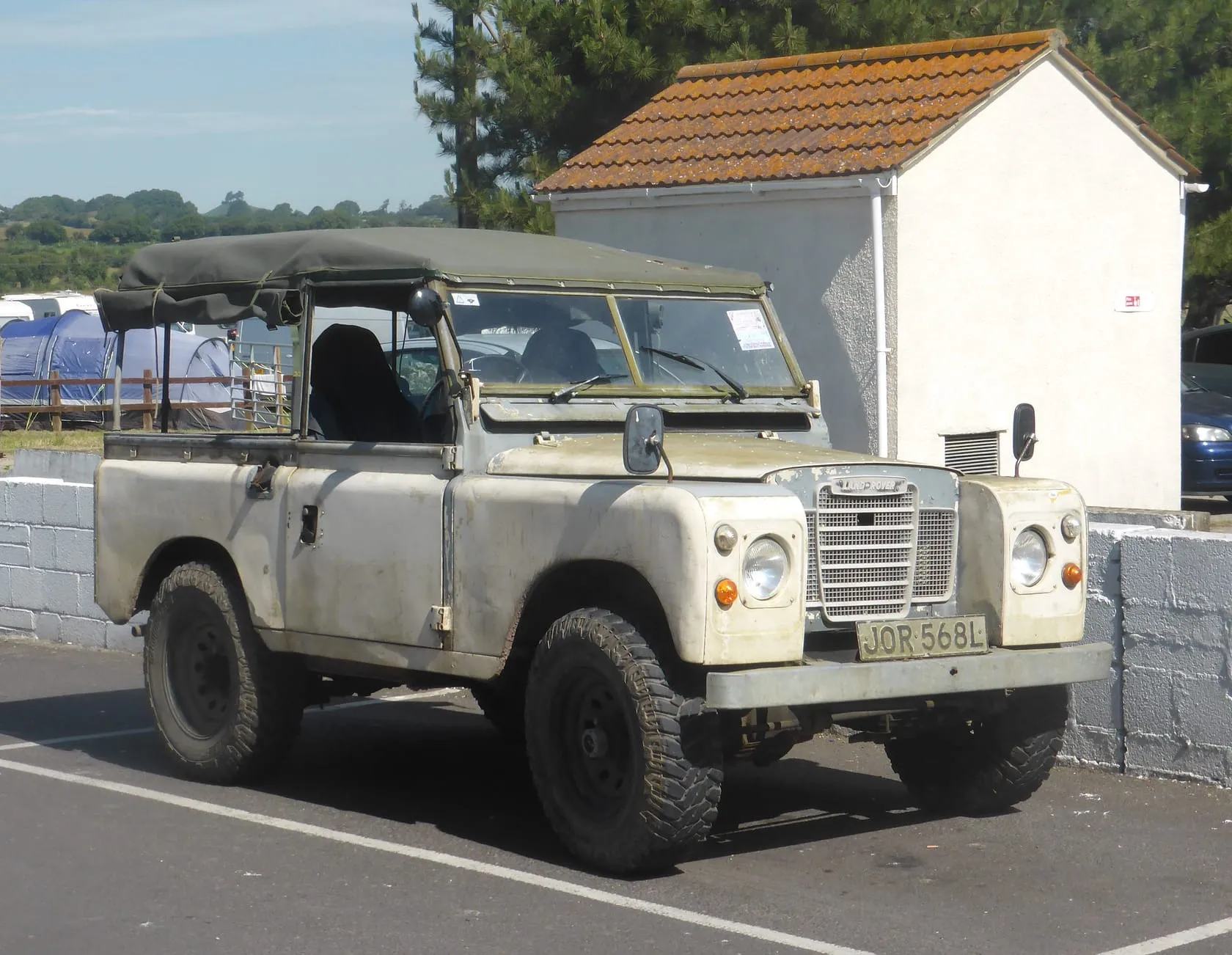
The Series III of 1971 was the last of the leaf-sprung Land Rovers, and the most numerous: around 440,000 were built, and the millionth Land Rover of all came off the line in 1976. It brought a plastic grille, a dashboard with the instruments in front of the driver, and synchromesh on all four gears, and it kept the 2.25-litre petrol and diesel fours, the 2.6 six on the long wheelbase, and from 1979 the Stage 1 with the 3.5 V8. It was a working vehicle first and a road car a distant second, and our Series III page tells its story.
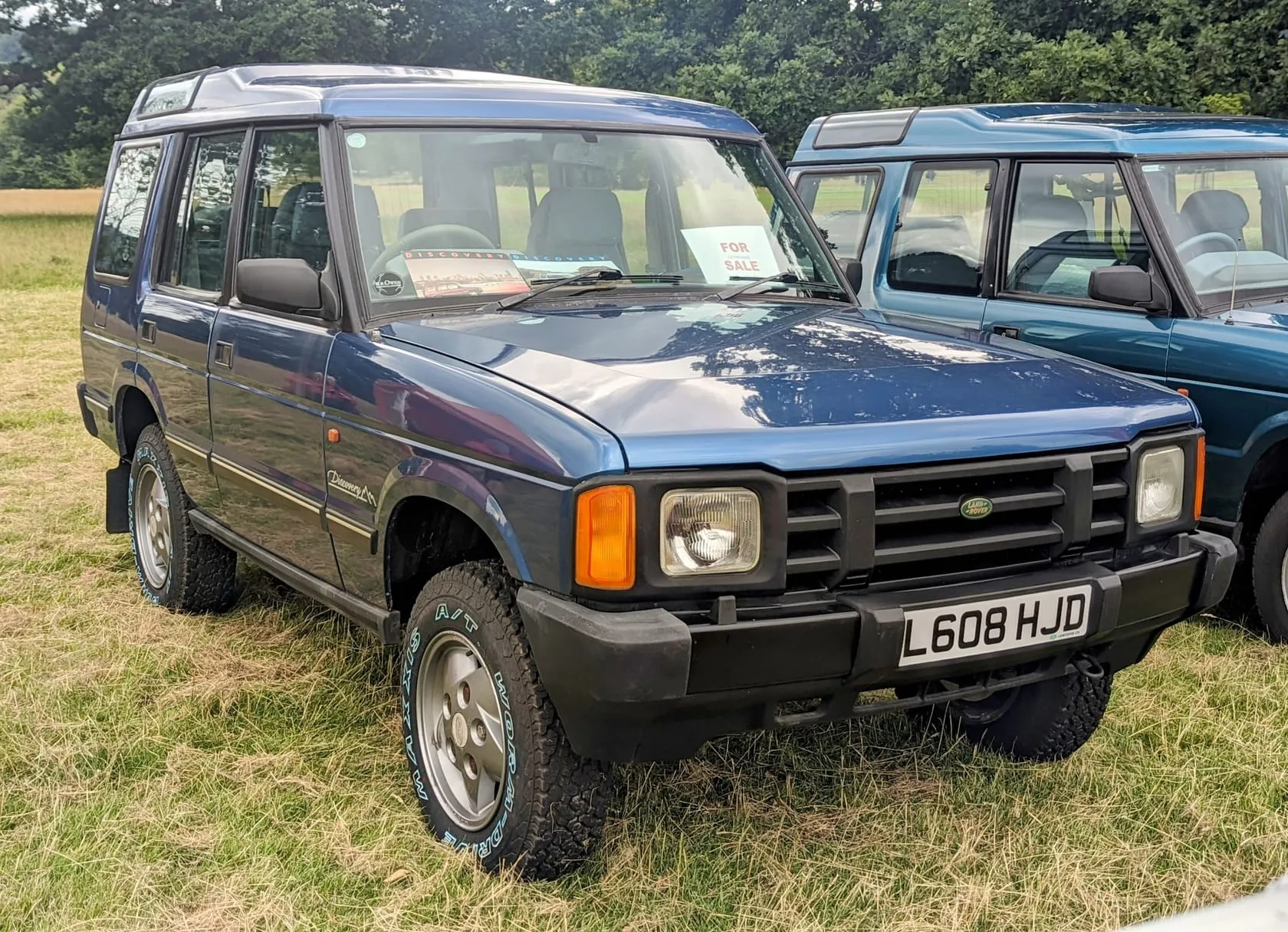
The One Ten was launched at Geneva on 8 March 1983 with the Series III’s engines and a new chassis under the old body: coil springs at all four corners, permanent four-wheel drive, and a lockable centre differential, all borrowed from the Range Rover. The Ninety followed in 1984, the 127 in 1985, and in 1990 the family took the name Defender. The engines did the rest: the 200Tdi of 1990, the 300Tdi of 1994, the Td5 of 1998 and the Ford-sourced TDCi from 2007. The last one, a 90 Heritage soft top, left Solihull on 29 January 2016, the 2,016,933rd vehicle of the line that began in 1948. The full history is in the Defender page.
What they are like
The Defender is the usable one, and the difference is larger than the shape suggests. Coil springs ride where leaves crash, permanent four-wheel drive makes it sure-footed on a wet road, and from the 200Tdi onward the engine will cruise at motorway speeds all day. A late TDCi 90 reaches 60 mph in under 15 seconds and 90 mph flat out. The cabin is still narrow, the driving position is still upright and the doors still rattle, but it is a vehicle that can be used daily, and many are.
The Series III is the classic, in the sense that it asks something of its driver. It does 65 mph with effort and 55 in comfort, the leaf springs ride as leaf springs do, the selectable four-wheel drive has to be engaged, and the heater is a rumour. On a farm track, a green lane or a show field it is entirely in its element, and the 2.25 petrol is one of the most durable engines Britain has produced. It is not a road car, and buying one as a road car is the most common Series III mistake.
What they cost to own
The same construction produces the same problems, and the gap between the two is in the engines rather than the structure.
Both have a steel ladder chassis that rots at the rear crossmember, the outriggers, the spring or suspension mounts and, on the Series III, the front dumb irons. A galvanised replacement chassis is the standard cure and costs around £2,000 plus the considerable labour of moving the body across. Both have a steel bulkhead behind an aluminium body, and it rots at the footwells, the vent apertures and the screen frame; a replacement is another £2,000 or so before fitting. The aluminium panels themselves do not rust, which is why a vehicle can look sound above and be soft below, and why our guide to rust on a classic treats Land Rovers as a special case.
The Series III is otherwise the simpler vehicle: the 2.25 engines are understood to the last bolt, the gearbox synchromesh wears and is rebuilt, and everything is available. The Defender brings engine- specific weaknesses with each generation: early 300Tdi timing belts that shredded at the edge until Land Rover revised the pulleys, Td5 injector looms that wick oil into the engine wiring, and on the TDCi the cost of a modern diesel’s parts. All are documented and all have fixes, but a Defender is a more expensive vehicle to keep than a Series III by a margin that grows with the year.
Then there is theft. Defenders are among the most stolen vehicles in Britain, old and new, because they are valuable, easy to strip and easy to export, and insurers price accordingly. A Defender needs the layered approach in our guide to classic car security and a tracker from the first day. A Series III is stolen far less often, which is one of the quieter arguments for it.
On the fixed costs the Series III wins outright. Every Series III is exempt from tax and the MOT; a pre-1986 One Ten or Ninety has been tax-exempt since April 2026; a Defender-badged vehicle is not yet eligible for either and a 1990s Tdi pays the pre-2001 engine-size band, which our guide to what a classic costs to run puts at £375 a year for 2026/27.
What the auction record says
Our dataset holds 3,557 Defender sales, one of the largest samples for any model we track, and 615 Series III sales.
The median Defender sold for £33,160, with the middle half between £20,500 and £51,700. The median Series III sold for £11,556, with the middle half between £6,600 and £18,000. Three to one at the median, and the gap holds at the top and bottom of each range.
Within the Defender the 110 sells around £39,000 and the 90 around £27,000, with the 200Tdi and 300Tdi cars near the middle of each. The North American Specification 90s, sold in the United States where the Defender is scarce, have a median near £57,000 and pull the whole figure upward. The top sale in the dataset is a Defender 90 at £400,000 in 2015, the two-millionth vehicle, sold for charity. Within the Series III the 88 and 109 sell within a few hundred pounds of each other at around £12,500; the handful of fire tenders and other oddities sit below.
The trends are the interesting part. The Defender surged after production ended in 2016, peaked at a median around £38,000 in 2021 and 2022, and has run around £31,000 in the last three years: in real terms it is back where it stood in 2014 and a third below its peak. The Series III went the other way, from a median under £7,000 in 2016 to around £12,000 today, a rise of roughly 40 per cent after inflation. The older vehicle has beaten inflation over the decade; the newer one has not. The Series III is also the more liquid of the two, with three in four offered finding a buyer against seven in ten Defenders.
The question behind the question
“Which is the better investment?” Over the last decade, the Series III, which has risen while the Defender has unwound its post-2016 surge. From here, neither is predictable, though the Series III’s rise has the look of a classic maturing and the Defender’s of a market settling. The late, low-mileage Defenders and the run-out special editions are a separate market, as the six-figure results show.
“Which should I buy to use?” The Defender, without question, and a 200Tdi or 300Tdi 90 or 110 is the sweet spot: simple enough to fix, modern enough to drive, and old enough to be approaching the exemption line. For a vehicle used every day our guide to daily driving a classic sets out what that asks of it.
“Which should I buy to own?” The Series III, if the pleasure is in the vehicle rather than the journey. An 88 petrol on a galvanised chassis with a sound bulkhead is cheap to buy, costs nothing in tax or MOT, is stolen rarely, and is the Land Rover that the shape everyone recognises was drawn for. It will do the show, the green lane and the village fete. It will not do the M6.
The honest verdict
Three to one is the price of coil springs, a modern engine and a heater, and for a vehicle that will be driven it is worth paying. For a vehicle that will be owned, looked at and used on Sundays, the Series III is the better buy and has been the better investment, and the market is only beginning to notice. Buy either on the chassis and the bulkhead, because nothing else on a Land Rover is hard to fix. The middle Series has its own case, made in our page on the Series II and IIA.
Frequently asked questions
What is the difference between a Series III and a Defender?
Which is worth more at auction?
Which has held its value better?
Which is the better car to use?
Are they exempt from tax and the MOT?
Related across themes

More from Owning & running


Recently added

Aston Martin DB6: the grown-up Aston the market finally noticed (1965–1971)

Aston Martin DB5: the most famous car in the world (1963–1965)

Ford Capri vs Escort Mk2: the same engines in two different bodies, and the plain saloon now costs more
