Parts and clubs: how the British classic scene keeps a fifty-year-old car on the road
The reason a British classic is cheaper to keep than its age suggests is an industry most owners never see. The federation that speaks for it, the body that still presses new MGB and Mini shells, how parts support varies by marque, what your rights are when a part is wrong, and why the club is the first thing to join.
Part of: Owning and running a classic car in the UK, the practical guide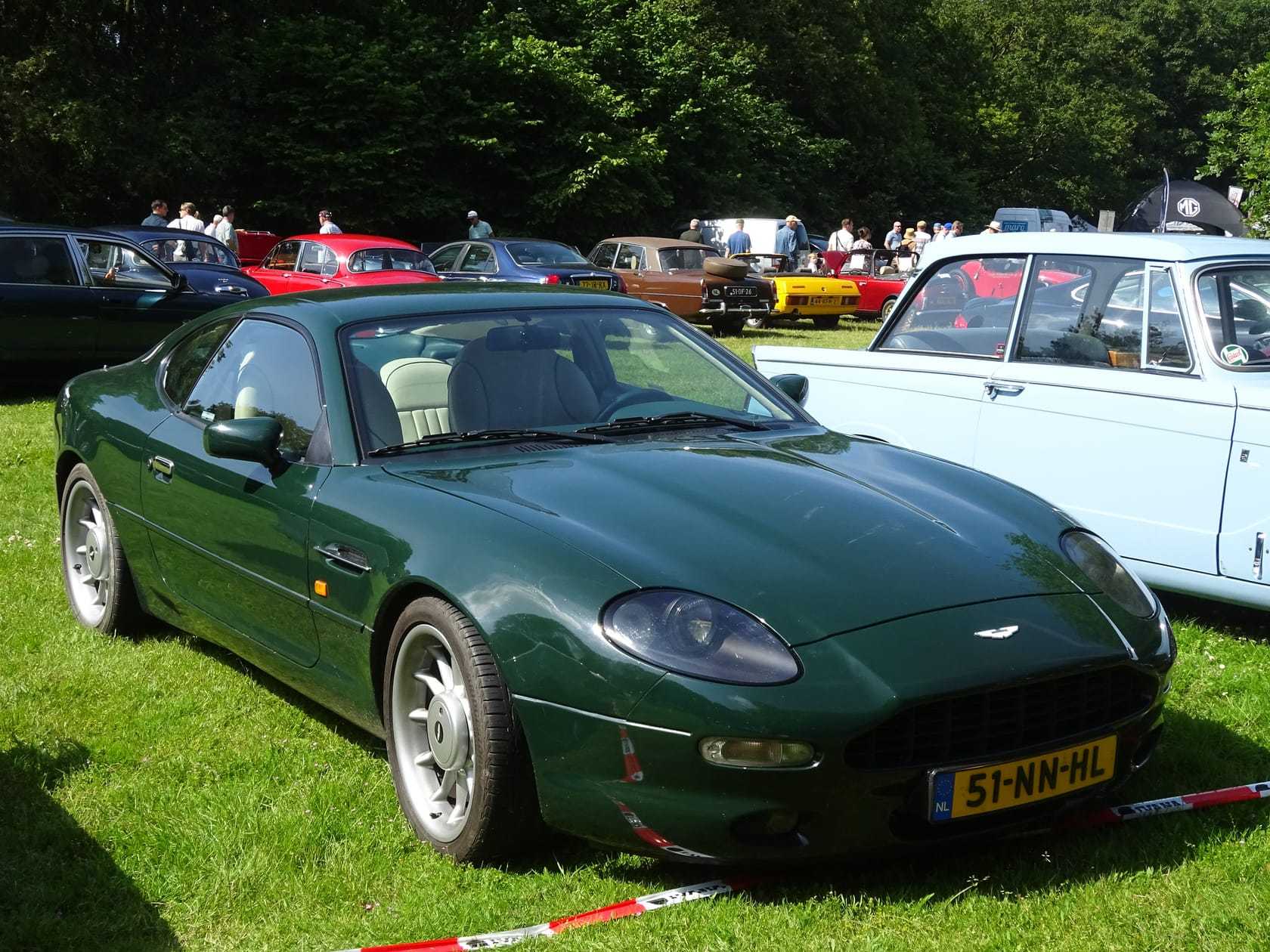
The guides
The reason a fifty-year-old British car is cheaper to keep on the road than its age suggests is an industry most owners never think about until they need it. Behind every classic is a network of remanufacturers, specialist suppliers, club spares schemes and registrars, and it is that network rather than the car that decides whether ownership is a pleasure or a search.
Here is how it fits together, where it is strong and where it is thin, and what it means for which car to buy.
The movement has a voice
The historic vehicle world in Britain is organised, and its umbrella body is the Federation of British Historic Vehicle Clubs. It represents several hundred member clubs and the enthusiasts in them, and it is the organisation that speaks for old vehicles to government: to DVLA on registration, to the Department for Transport on the MOT exemption and substantial-change rules, to the fuel regulators on E10, and to the international federation on the definition of a historic vehicle.
Its guidance is the nearest thing the movement has to an official position. Its fuels page is the authority on E10 that our guide to E10 and classics draws on; its advice on registration and the V765 scheme is what the clubs follow; and it commissions the periodic national survey that measures the historic vehicle sector’s size, the number of vehicles, the money spent on them and the people employed keeping them going. Those figures are the ones quoted whenever the movement makes its case, and they describe an industry rather than a hobby.
The federation’s own definition of a historic vehicle, thirty years and preserved, is discussed alongside the official ones in what makes a car a classic.
New metal for old cars
The single most remarkable fact about the British classic parts industry is that for some cars you can buy the body.
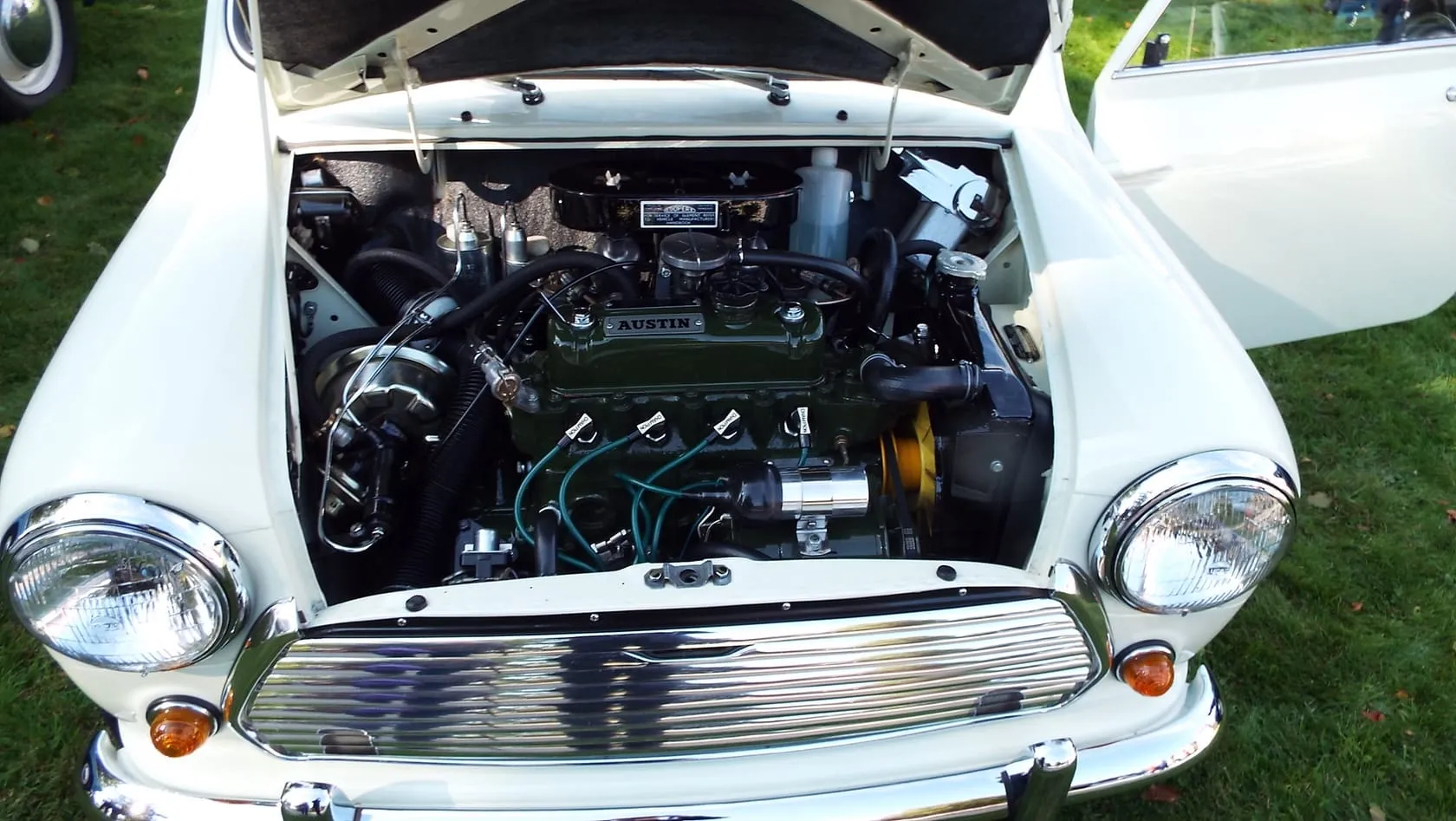
British Motor Heritage holds original tooling for a number of BMC and British Leyland models and presses new bodyshells and panels from it. The best-known products are complete new shells for the MGB, roadster and GT, and for the classic Mini, built to the original specification and supplied in primer ready for paint, along with a catalogue of individual panels, wings, doors, floors and sills, for those and other models.
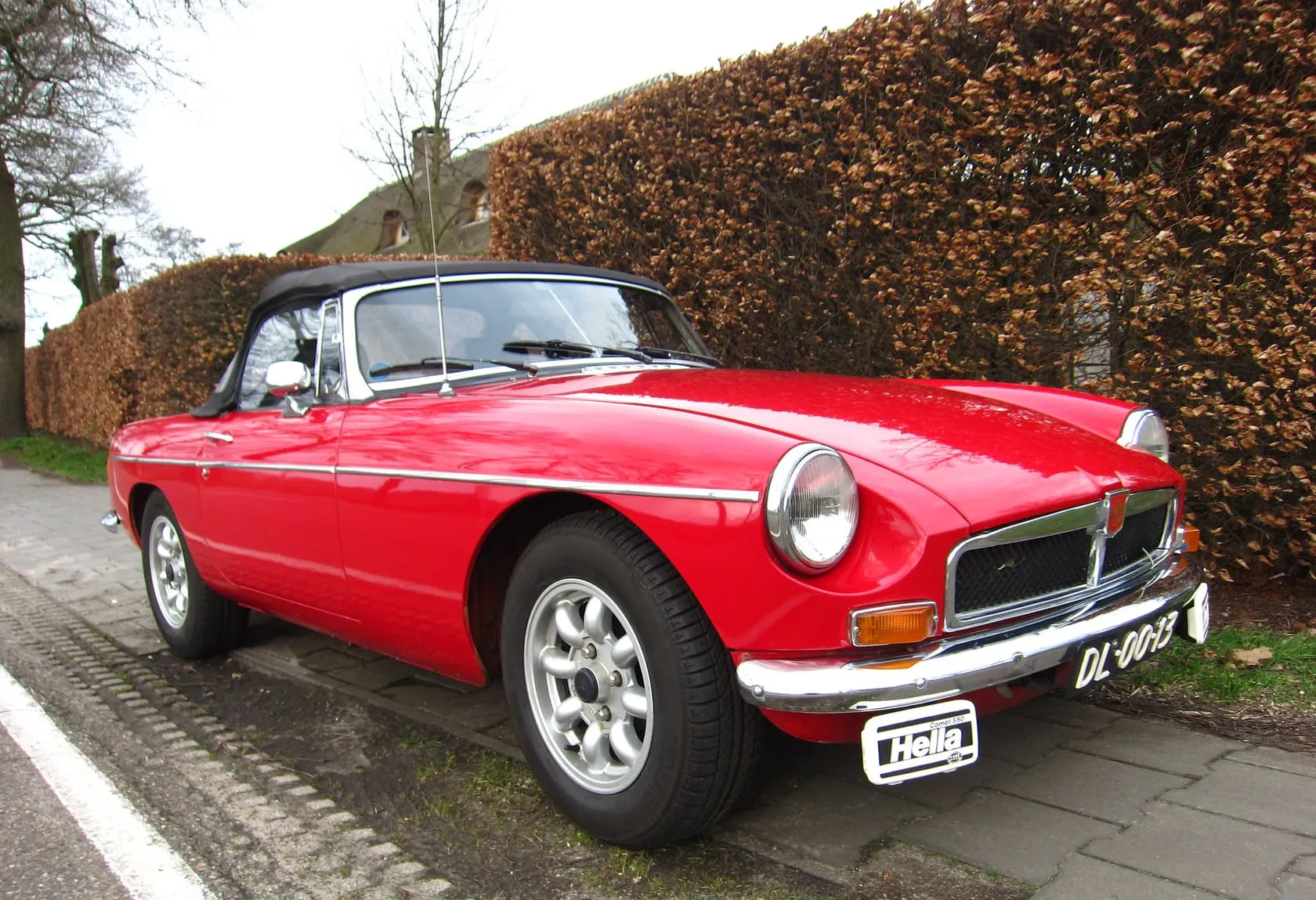
The consequence for ownership is large. A car whose structure has gone beyond economic repair, which for most classics is the end, can on an MGB or a Mini be reshelled: the mechanicals, trim and identity move to a new body, and the car continues. It is also why the values of those two models behave differently from their rarer contemporaries, since the supply of sound examples is not fixed. The registration consequences of a replacement shell, which the rules treat as a like-for-like repair when the new shell is of the same pattern, are covered in registering a kit car, whose rules on modified vehicles also govern reshells.
How support varies by marque
Parts availability is the largest single variable between one classic and another, and it follows a rough hierarchy.
The mass-market survivors. The MGB, the Mini, the Morris Minor, the Spitfire and Midget, the big Healeys, the Triumph saloons and the popular Fords. Built in the hundreds of thousands or millions, with specialist suppliers who remanufacture almost everything, including parts the factory stopped making decades ago. For these cars the question is rarely whether a part exists but which of several suppliers to buy it from. The engines that power most of them, covered in our guide to the engines behind British classics, are the most supported of all.
The well-served minorities. Jaguar, Rover, Land Rover, the Rootes cars, the Austin and Morris saloons. Strong club scenes, good specialist coverage, most mechanical parts available, with trim and brightwork the items that take searching.
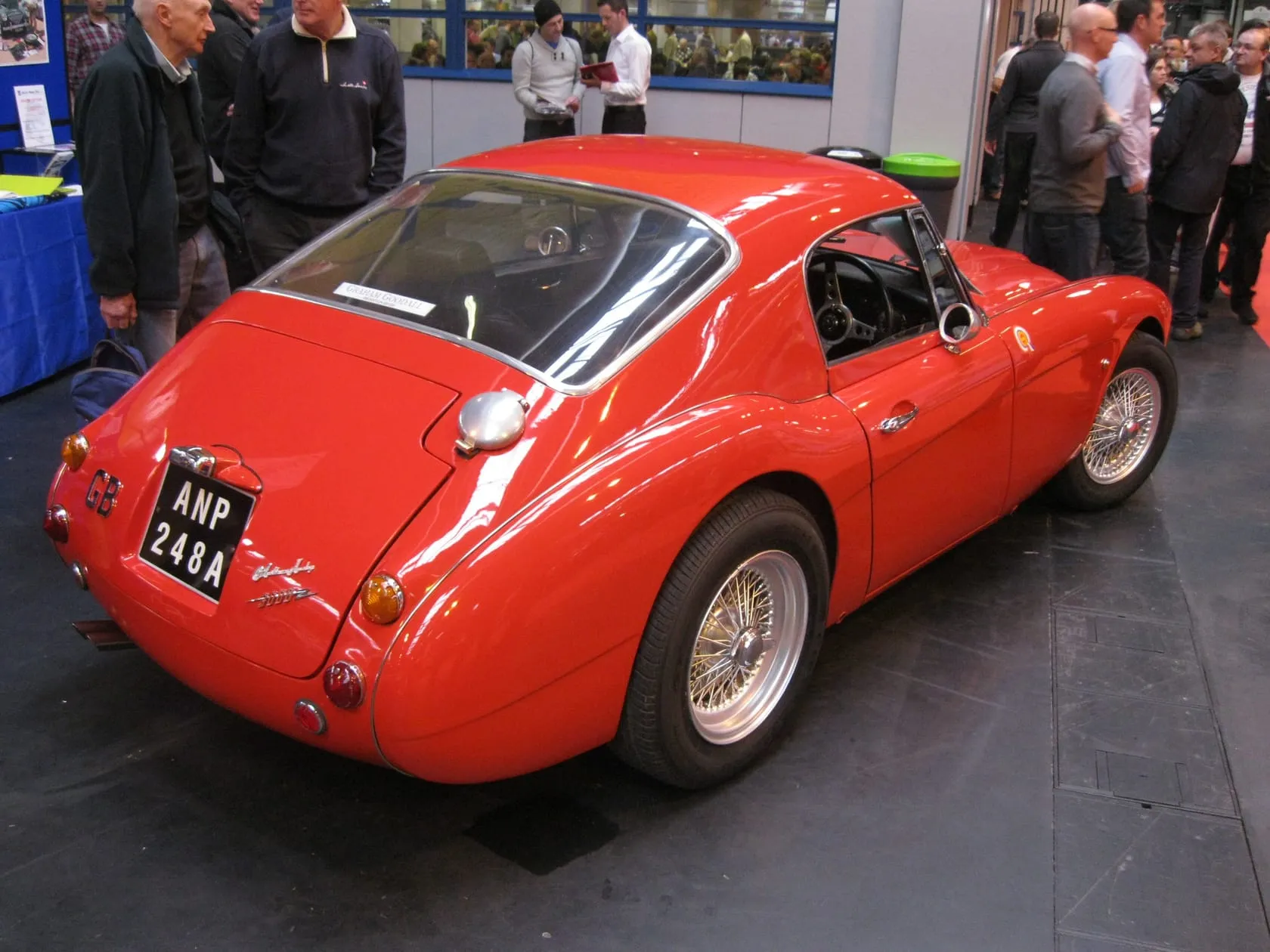
The specialist’s territory. The low-volume marques and the coachbuilt cars: Alvis, Bristol, the Jensens, the Gilberns, the fibreglass specials. Support exists and is often excellent, but it is concentrated in a handful of specialists and in club spares schemes, and a part that none of them holds may have to be made. The ownership experience is different in kind, and the buying decision should know it.
The orphans. Marques and models with no club, no specialist and no remanufacturer. They exist, they are often the most interesting cars, and owning one is a research project with a car attached.
The practical test before buying any classic is ten minutes online: how many suppliers list parts for it, and is there an active club with a spares scheme. The answer predicts the next decade of ownership more reliably than the condition of the car.
Where parts come from
Specialist suppliers. The remanufacturers and retailers who serve a marque or a group of marques, most of them trading for decades, with catalogues that run to thousands of lines. This is where ordinary parts come from, and the competition between them keeps prices sensible.
Club spares schemes. Many clubs commission batches of parts that no commercial supplier will make because the volume is too small: a specific trim piece, a gasket, a casting. Members buy at cost. This is the safety net for the rarer cars and a reason on its own to join.
Autojumbles. The traditional source of the unobtainable, and still where new-old-stock parts and the odd part surface. Buying is a skill: knowing what a part should look like, what it should cost, and which stalls are traders and which are individuals clearing a garage, which matters for your rights.
Reproduction versus genuine. There is no regulation on this beyond the general one, and it is a question of quality rather than law. Reproduction parts range from excellent to poor, the specialists know which is which, and for safety-critical items, brakes, steering and suspension components above all, quality is not a place to economise. The legal duty to keep a car’s brakes in good and efficient working order applies whoever made the part.
Your rights when a part is wrong
Buying from a business, which covers specialist suppliers, online retailers and trade stands at shows, the Consumer Rights Act 2015 applies: the part must be of satisfactory quality, fit for purpose and as described, with a short-term right to reject within thirty days and the remedies of repair, replacement or refund after that.
Buying from a private seller, which covers most autojumble stalls and all club-to-member private sales, those rights do not apply. The part need only be as described, and a false description is a misrepresentation, but a used part that turns out to be worn is a used part that turned out to be worn.
The practical rule: for anything safety-critical or expensive, buy from a business with a returns policy. For the rest, the autojumble is part of the pleasure, and a pound spent on a part that does not fit is the cost of the education.
Why the club comes first
Every section above comes back to the same place. The marque owners’ club is where the knowledge lives, and it should be the first thing a new owner joins, before the car needs anything.
The registrar knows which chassis numbers carry which specification, has seen more examples than any garage, and is the person DVLA recognises to endorse a dating letter or a V765 application, as explained in how to find your old car. The technical archive holds the workshop manuals, the parts lists and the accumulated fixes for every known fault. The spares scheme makes the parts nobody else will. The insurance scheme, where one exists, is often the best-priced cover available. And the members are the people who have already had the problem you have just found, and will tell you the answer over a coffee at a field like the one in the photograph above.
For a subscription that costs less than a single hour of specialist labour, that is the best-value item in classic ownership, and the one most new owners leave until they need it. Join first. The car will thank you within the year.
Frequently asked questions
Can you still get parts for British classic cars?
Who makes new bodyshells for classic cars?
What does the FBHVC do?
What are my rights if a part I buy is faulty?
Why should I join the owners' club?
Related across themes
More from Owning & running


Recently added

Land Rover Series I values: the 80-inch premium, the factory Reborn cars, and a market off its 2021 peak

TVR Griffith: the name Blackpool saved for its wildest cars (1963–2002)

Jaguar XK140 values: the one XK where the drophead beats the roadster, and the cheapest of the three at the median
