A classic as a first car: the licence rules, the insurance reality, and the cars that make it work
Younger drivers are the people rediscovering ordinary 80s and 90s cars, and the obstacles are specific. The six-point rule that revokes a new licence, why specialist insurers set minimum ages, what a learner can legally drive, and an honest look at which classics suit a seventeen-year-old.
Part of: Owning and running a classic car in the UK, the practical guide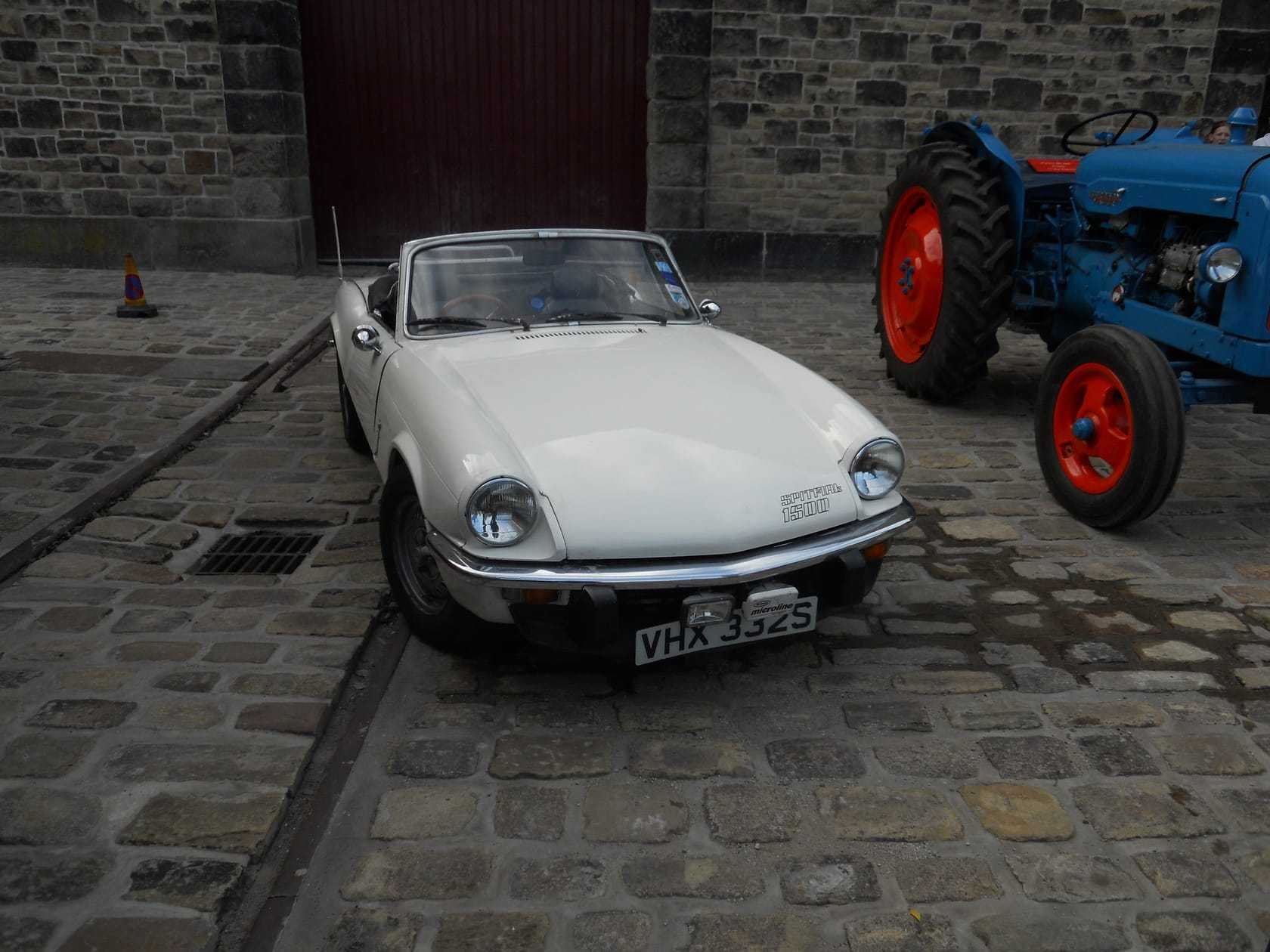
The guides
The enthusiast forums noticed it before the market did: the people turning up at shows in ordinary 1980s and 90s cars are increasingly in their twenties, and the cars they want are the ones their parents drove, not the ones on the posters. A Mk1 Micra or a Peugeot 106 at a breakfast meet, driven by someone younger than the car, is now a common sight.
For a young driver who wants something with character rather than a three-year-old hatchback, a classic is a real option. The obstacles are specific, and most of them are not the car.
The licence: seventeen, and then two years on probation
Most people can start driving a car at seventeen, and a provisional licence can be applied for from fifteen years and nine months.
The rule that matters more is the one that follows the test. Under the New Drivers Act, a driver who accumulates six or more penalty points within two years of passing their first test has their licence revoked, and must apply for a new provisional licence and pass both the theory and practical tests again. Points earned on the provisional licence carry over and count toward the six.
That is two minor offences. Two speed camera flashes in two years, on a car whose speedometer has a thirty-year-old cable, is a return to L-plates. A young driver in a classic should treat that as a design constraint on the car, which argues for a car that is slow enough not to invite the second flash and has instruments that are honest.
Learning in a classic
A learner can practise in a private car, classic or otherwise, provided L plates are displayed and a qualified supervisor is present. The supervisor must be over twenty-one, must have held a full licence for at least three years, and must be qualified to drive that type of vehicle, which means a manual licence for a manual car. The learner must be insured to drive it.
Insurance is the difficult part. A provisional driver on a forty-year-old car is not a risk most insurers want, and the policies that do exist are priced accordingly. The practical answer for most families is that the classic is the second car the new driver graduates to, not the one they learn in.
Two mechanical points weigh the same way. A car without seat belts cannot sensibly be used for learning, and the position on fitting them is set out in our guide to how safe a classic really is. And a car with unassisted drum brakes, no synchromesh on first and a heavy clutch is a demanding place to learn the basics, even if it is a wonderful place to learn to drive properly afterwards.
The insurance reality
This is where the idea usually founders, so it is worth being exact about why.
Classic insurance is mostly not available to young drivers, and the reason is the insurers’ own criteria rather than any law. Specialist classic policies are written on the assumption of a mature driver with a garaged car used for pleasure. Most set a minimum age for the policyholder, commonly twenty-one or twenty-five, and attach conditions: a full licence held for several years, another car for everyday use, limited mileage, secure storage. Those conditions are what make the premiums low, and a seventeen-year-old meets none of them.
A small number of broker schemes do cover younger drivers, typically from seventeen, and they too attach conditions: membership of a recognised owners’ club, an older car of modest power, and often a named older driver. They exist and they are worth asking about, but they are the exception.
Telematics, the black box that makes mainstream young-driver cover affordable, is not a standard feature of classic policies. Fitting a box to an old car is technically possible; finding a classic specialist that offers it is not something the market currently makes easy.
So for most young drivers the realistic route is an ordinary policy on a car that happens to be old: a cheap, low-powered, common classic insured as a normal car, at a normal young-driver premium. That premium is high, and no official figure states how high. The insurance industry’s quarterly tracker publishes a whole-market average, around £560 in early 2026, and no age-banded figure; the numbers quoted for seventeen to twenty-four year olds come from comparison sites. Every premium carries Insurance Premium Tax at twelve per cent on top.
What is official is the reason. The Department for Transport’s figures show that around a fifth of people killed or seriously injured in collisions involving cars are in collisions involving a driver aged seventeen to twenty-four, a group that is a far smaller share of drivers. Insurers price what the statistics describe.
Pass Plus, and what it is for
Pass Plus is an official practical course of at least six hours, taken with a registered instructor, covering the situations a new driver has not met: motorways, night driving, rural roads, all weathers. Gov.uk says it may help you get a discount and leaves the decision to each insurer, which is honest. Whether a given classic specialist recognises it is a question for that specialist.
Its real value is not the discount. It is that a new driver in an old car will meet a motorway at night in the rain sooner than they expect, and a car with 1970s headlamps and 1970s wipers is an unforgiving place to do that for the first time.
Which classics actually make sense
The honest list is short, and it is not the list on the bedroom wall. The constraints are insurance group, parts availability, simplicity, and a performance ceiling low enough that the six-point rule is not a daily threat.
The ordinary saloons and hatchbacks of the 80s and 90s. This is the sweet spot the forums identified: a Metro, a Maestro, a Mk1 or Mk2 Fiesta, a Nova, a Cavalier, a Montego. Cheap to buy, cheap to insure because nobody steals them, mechanically simple, and increasingly fashionable for exactly the reason they were once dismissed. The 1990s Rovers in particular have a following among younger owners that surprises their parents.
The small British sports cars, with conditions. A Spitfire, a Midget, an MGB. Simple, supported by clubs and parts suppliers to an extraordinary degree, and slow enough by modern standards that they are genuinely sensible. The condition is the insurance: these are classic policies’ natural territory and young-driver policies’ awkward territory, so the premium needs quoting before the car is bought, not after.
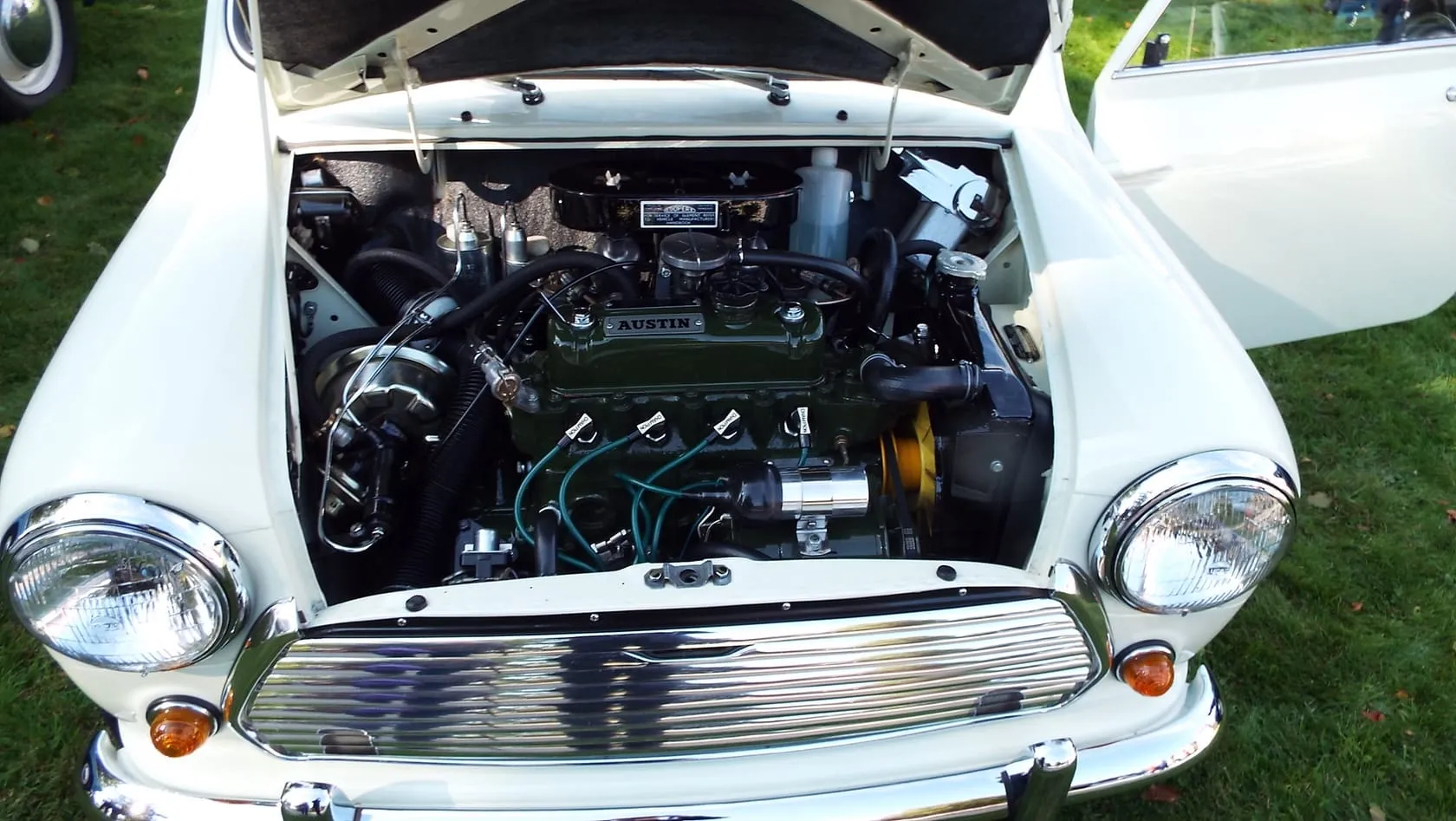
The Mini, with a caveat about theft. The original Mini is the obvious first classic and was for decades. It is also the most stolen classic in the country, which an insurer prices in, and which makes the security question a first-day job rather than an afterthought.
Not yet: anything fast, anything rare, anything rusty. A fast car meets the six-point rule; a rare car meets a repair bill nobody young can pay; a rusty car meets a welding bill that is the same. The first classic should be the one that teaches, not the one that punishes.
Where the young owner has the advantage
Two things work in a young driver’s favour, and they are worth saying because the obstacles above can read as discouragement.
The first is time. A nineteen-year-old with a Spitfire and a Haynes manual learns more about cars in a year than most owners learn in a lifetime, because the car demands it and the alternative is the bus. That is the traditional route into the hobby, and it still works; our guide to maintenance for beginners is written for exactly that person.
The second is the market. The cars that suit a young driver, the ordinary survivors of the 80s and 90s, are the one corner of the classic world where values have been rising, and they are rising because young drivers want them. Buy the right one at nineteen and it may still be worth something at twenty-nine, which is more than can be said for the three-year-old hatchback.
Most of this comes down to a single piece of advice: get the insurance quote before the car, not after. The car you can insure is the car you can own, and in this corner of the market that sentence decides almost everything.
Frequently asked questions
Can a seventeen-year-old insure a classic car?
Can I learn to drive in a classic?
What happens if a new driver gets points?
Does Pass Plus reduce insurance on a classic?
How much more do young drivers pay for insurance?
Related across themes
More from Owning & running


Recently added

Morgan Plus 8: a Rover V8 in a vintage suit (1968–2004)

Triumph Spitfire values: Mk1 and Mk2 at nearly double the 1500, the Mk3 between, and the cheapest open Triumph there is

British car records: the smallest, the fastest, the dearest
