Classic tractor values: what old tractors are really worth in Britain
What is an old tractor actually worth? A plain-English guide to classic and vintage tractor values in Britain, model by model, from £1,500 Ferguson TE20s to five-figure County conversions, what drives the price of the same model up or down, where tractors actually change hands, and why values have been rising.
Part of: Classic and vintage tractors, Britain's great farm machines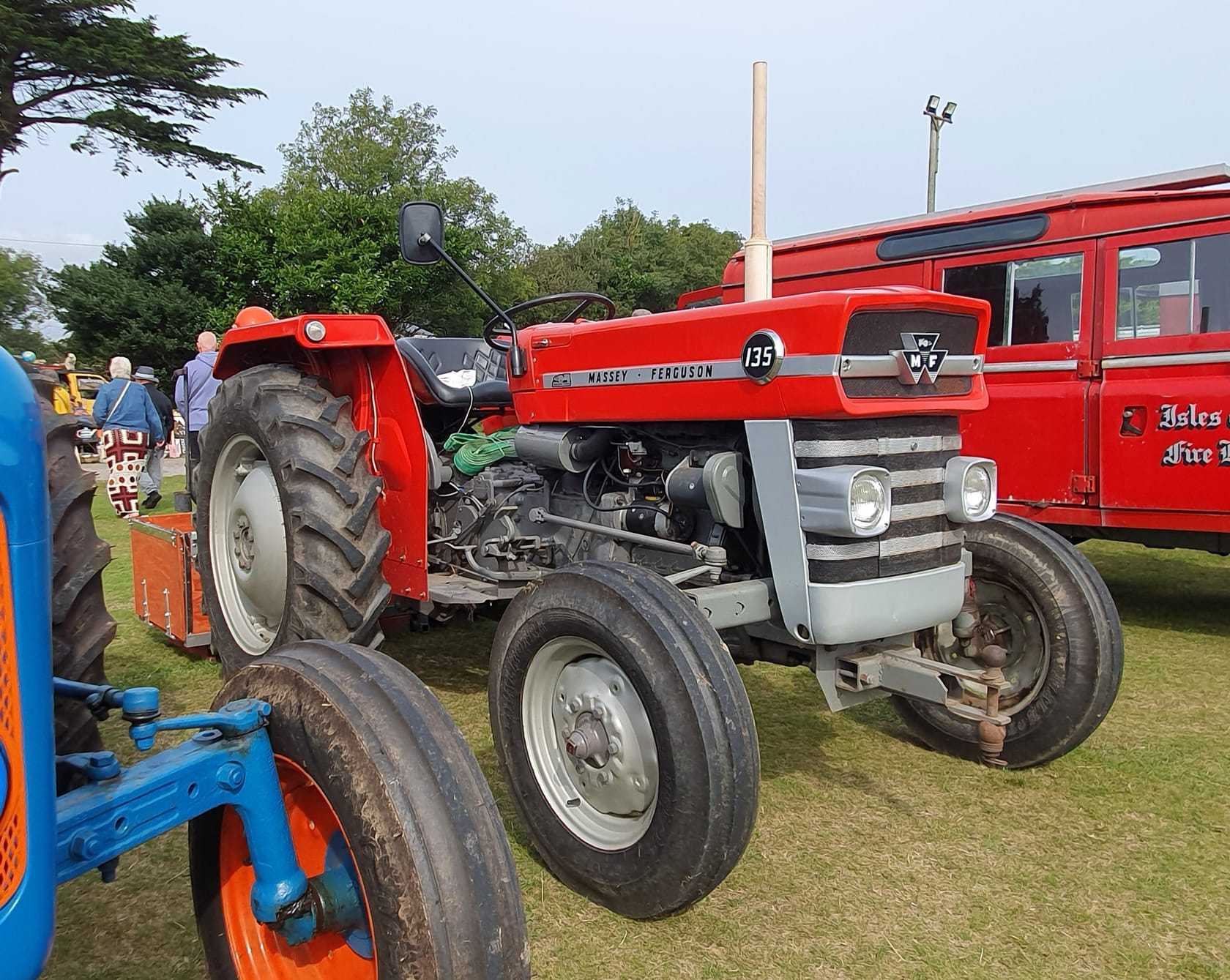
The tractors
Ask what a classic tractor is worth and you will hear everything from “scrap money” to “more than my car”, and both answers are true. Classic tractor values in Britain run from a few hundred pounds for a rough project to beyond ninety thousand for the rarest conversions, and the same model can sit at either end of a wide band depending on condition, originality and paperwork. This guide sets out the real numbers, model by model, and what moves them.
What the common models actually fetch
The volume models that carried British farming, the ones covered in our classic tractor guides, trade in bands that have been remarkably stable in shape, even as the whole market has drifted upward.
A Ferguson TE20 is still the cheapest respectable way into the hobby: rough but complete runners from around £1,500, tidy usable examples £2,500 to £4,000, and only exceptional restorations beyond that. The Fordson Major and the smaller Dexta sit in similar territory, roughly £2,000 to £6,000 for usable machines. A Massey Ferguson 135, the most usable classic tractor of all, runs a little higher, typically £3,000 to £8,000 with the best multi-power and cab-less examples pushing past £10,000.
The rarer British marques behave the same way at slightly stronger money for the scarcer models: David Brown machines mostly £2,000 to £7,000, Nuffield £2,500 to £8,000, and the later Leyland two-wheel-drive models among the best value in the whole movement, often under £5,000 for a good one.

The expensive end: conversions and rarities
The headlines belong to the conversions. County and Roadless built four-wheel-drive versions of Ford tractors in small numbers, and original examples have become the blue riband of the movement: strong Counties regularly make £20,000 to £60,000, and the best have passed £90,000 at auction. Doe’s extraordinary twin-engined Triple-D sits in the same company. Single-cylinder Field Marshalls, early Ferguson Brown machines and other low-production rarities also carry values far above the volume models. If a tractor was rare when new, it is valuable now.

What moves the price of the same model
Five things separate a £2,000 example from a £6,000 one:
Condition and originality lead. A straight, unmolested tractor wearing its working history honestly is worth more than a shiny repaint over tired mechanicals, and over-restoration can actually hurt value with collectors. A runner always beats a non-runner by more than the cost of the repair. Registration paperwork matters: a tractor with a V5C and its original number is instantly more saleable than one that needs the registration process, covered in our owning a classic tractor guide. Rare factory options, diesel where petrol was the norm, live hydraulics, original cabs, add a premium. And provenance, a known farm history or old photographs, adds the kind of story buyers pay for.

Where classic tractors actually change hands
The specialist vintage and classic machinery auctions are the market’s price-setters, and their published results are the nearest thing the hobby has to a price guide; dispersal sales of long-held collections are where the records happen. Below that, the farming classifieds, club newsletters and word of mouth at rallies move most of the ordinary machines. Asking prices on the open internet run well ahead of hammer prices, so always value against what sold, not what is advertised.

Why values keep rising
The market has a structural tailwind: the generation that drove these machines in work now restores them in retirement, tractor road runs and working days have grown into a genuine grassroots movement, and the entry cost remains far below any comparable classic car. Supply is fixed and attrition has effectively stopped, because a saved tractor is simple and cheap enough that it rarely gets given up on. The result has been steady, unspectacular appreciation across the board, with the rarities compounding fastest. For what that means when buying, our guide to the best classic tractors to buy picks the models that balance cost, usability and future demand.

Frequently asked questions
How do I find the value of an old tractor?
Are old tractors worth anything?
Why are vintage tractors becoming so valuable?
Are classic tractors a good investment?
What is the most valuable British classic tractor?
Related across themes
More from Tractors


Recently added

Bentley S-series: the quiet twin with the beautiful secrets (1955–1965)

Rolls-Royce Silver Spirit and Silver Spur: the last Crewe bargain (1980–1999)

Rolls-Royce Corniche: the coachbuilt survivor that outlived its makers (1971–1995)
