The best classic tractors to buy: honest picks for first-timers and old hands
Which classic tractor should you actually buy? Honest recommendations by budget and intent, from the Ferguson TE20 and Massey Ferguson 135 to the underrated Nuffields and Leylands, what each is like to own, what to check before handing over money, and which machines to leave for the specialists.
Part of: Classic and vintage tractors, Britain's great farm machines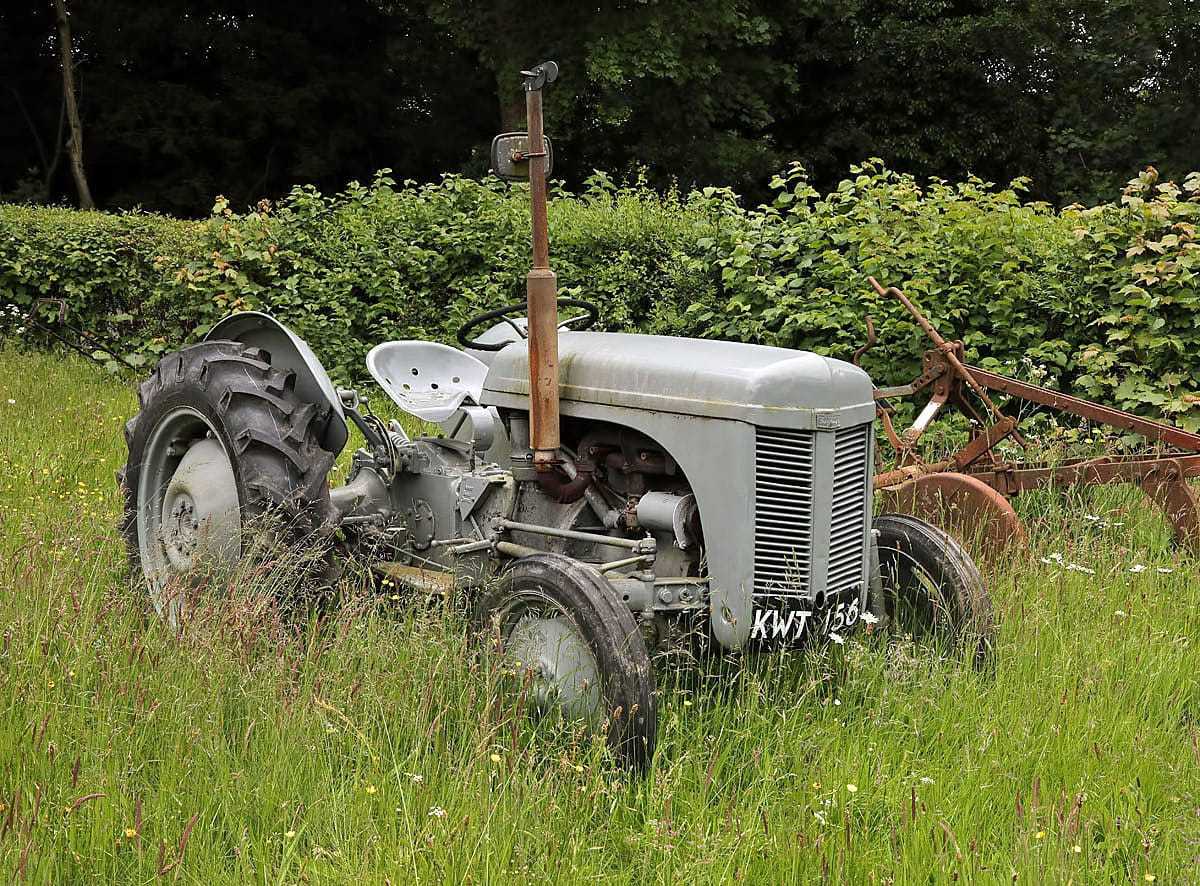
The tractors
Every tractor rally has a corner where someone is asking the same question: which classic tractor should I actually buy? The honest answer depends on your budget, your storage and what you want the machine to do, so this guide gives real recommendations for each case rather than a list of famous names, drawing on the model-by-model detail in our classic tractor guides.
The short answer
For most first-time buyers the choice comes down to two machines. The Ferguson TE20, the Little Grey Fergie, is the cheapest and most beginner-friendly classic tractor in Britain: simple, light, hugely supported, and still capable of real work. The Massey Ferguson 135 is the step up, a tractor so usable that many are still earning their keep on smallholdings; it costs more but does everything better. Buy whichever of the two your budget reaches, in the best condition you can find, and you will not regret it.
Best on a tight budget: Ferguson TE20
Running TE20s start around £1,500, which buys more classic per pound than anything else on wheels. The petrol and petrol-paraffin versions are the cheapest and simplest; the diesels start more easily and pull harder but cost more. Parts support is extraordinary for a machine that ended production in 1956, and the Ferguson System hydraulics are the reason every modern tractor works the way it does, so you are buying a piece of engineering history as well as a hobby. Its limits are period ones: feeble brakes, no live drive on early examples, and a top speed that makes road runs a social occasion.

Best all-rounder: Massey Ferguson 135
If the budget stretches to £3,000 or beyond, the 135 is the sensible answer to almost every version of the question. The Perkins three-cylinder diesel is famously durable, everything about the tractor feels a generation more modern than the Fergie, and it remains genuinely useful for topping, chain-harrowing or hauling a trailer. It is also the easiest classic tractor to sell on, because demand never sleeps. The similar-sized Fordson Dexta and Super Dexta make fine alternatives at slightly softer money.

Best for something different: the underdogs
The volume Fords and Fergusons dominate rallies, which makes the other British marques the characterful choice. A David Brown brings distinctive engineering and a loyal club at David Brown prices, which is to say reasonable ones. A Nuffield offers big-tractor presence and the marque’s orange paint stands out in any lineup. The later Leyland models are the movement’s best-kept secret, modern enough to use hard and still often under £5,000. None of these will be the only one of its kind at a show, but they will not be one of forty either.

Best if money is no object
The collector’s end of the field belongs to the conversions and the characters: four-wheel-drive County and Roadless machines, the twin-engined Doe Triple-D, and the single-cylinder Field Marshall with its thumping exhaust and cartridge start. These are wonderful machines and terrible first tractors: expensive to buy, specialist to fix, and rife enough with replicas and re-creations that expert verification is essential. Values for the best are covered in our classic tractor values guide. Work up to them.

What to check before you buy any of them
Condition beats model choice every time, so inspect with the same discipline whatever the badge. Start it from cold: a tractor that needs ether or a tow to wake up is telling you something. Check the hydraulics lift and hold, that the brakes work (many barely do), that the tyres are not perished through, because a pair of new rears can cost a third of the tractor’s value, and that the clutch is not slipping. Look for weeping head gaskets, milky oil and crude welding around the drawbar and loader mounts. Above all confirm the paperwork: a V5C in the seller’s name, and ideally the original registration number. A tractor without registration can be put right, but the process, covered in owning a classic tractor, takes patience, and the price should reflect it.

Buying it, moving it, living with it
Budget beyond the hammer price. Moving a tractor home needs a plant trailer or a haulier, dry storage matters more than for a car because sitting outside kills these machines slowly, and while running costs are tiny, insurance, the odd tyre and consumables are not zero. All of it is manageable, which is exactly why the classic tractor movement keeps growing: no other corner of the old-vehicle world gives you so much machine, so much community and so little financial pain for the money.

Frequently asked questions
What is the best classic tractor for a beginner?
What is the most reliable old tractor?
How much should I pay for my first classic tractor?
Are old tractors hard to maintain?
Which classic tractors should a first-time buyer avoid?
Related across themes
More from Tractors


Recently added

Bentley S-series: the quiet twin with the beautiful secrets (1955–1965)

Rolls-Royce Silver Spirit and Silver Spur: the last Crewe bargain (1980–1999)

Rolls-Royce Corniche: the coachbuilt survivor that outlived its makers (1971–1995)
