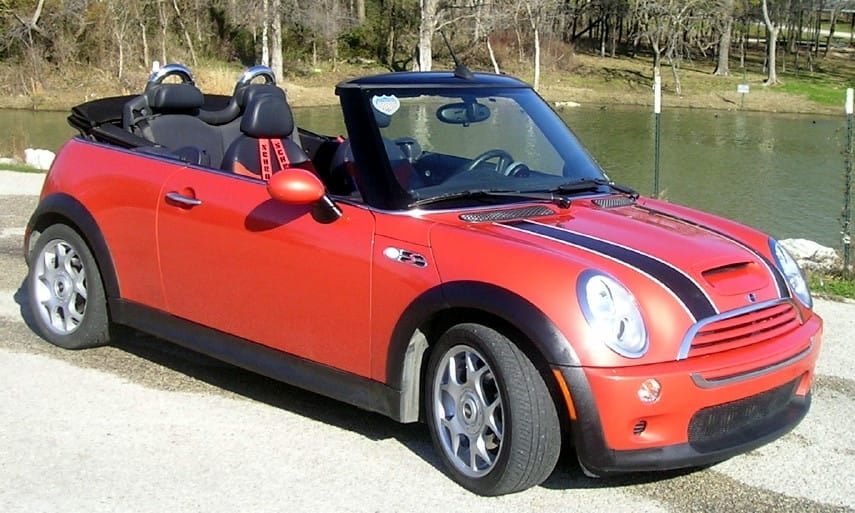
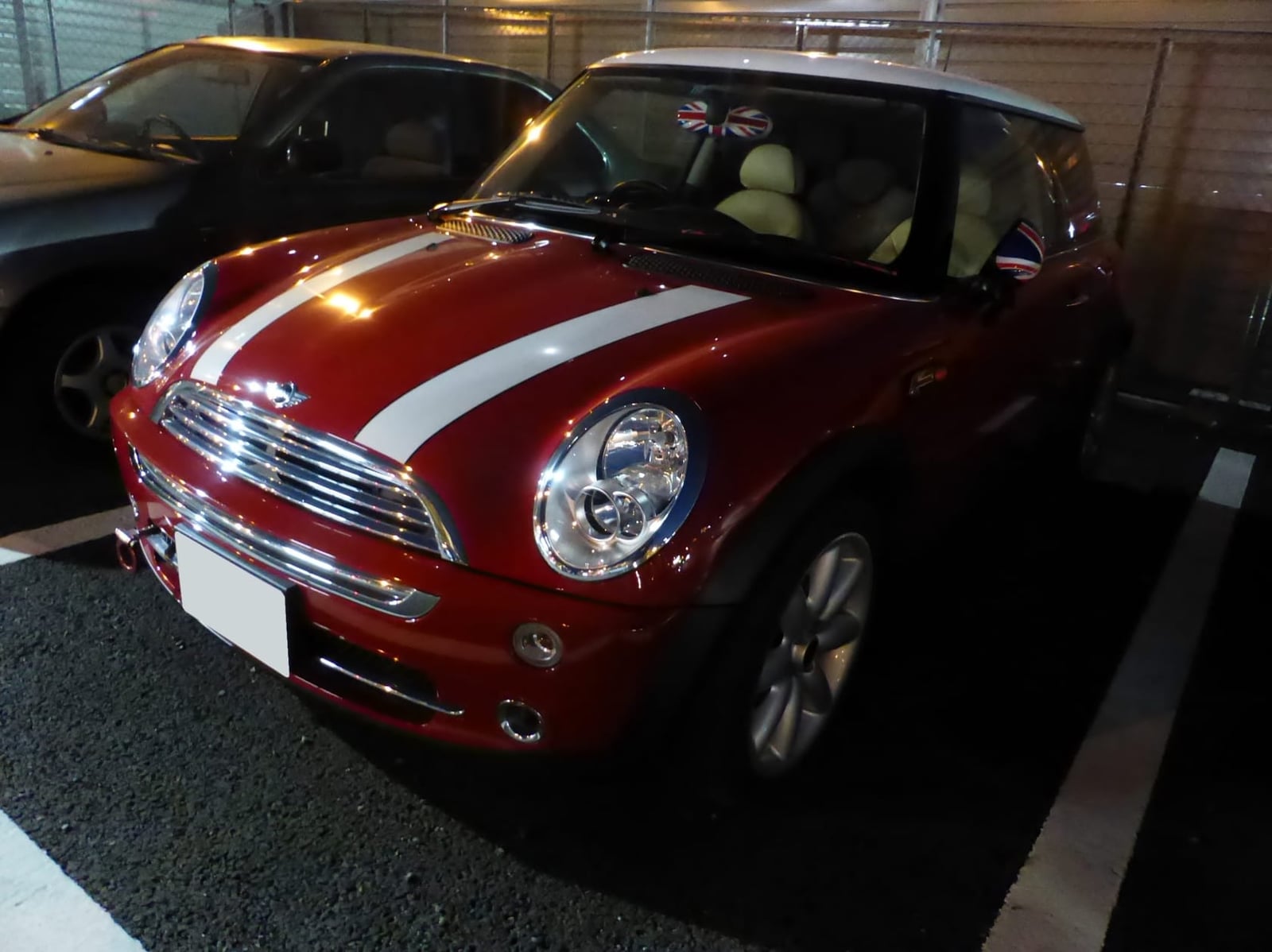
MINI Cooper S R53: the supercharged first new MINI, built in Oxford (2002–2006)
The MINI Cooper S R53 put an Eaton supercharger on the first BMW-era MINI and made a 163 bhp hot hatch out of it, built at Cowley and sold from 2002 to 2006. A guide to the R50 it grew from, the 2004 facelift, the John Cooper Works kits and the 2006 GP, what goes wrong, and what they are worth now that the first of them are classics.
Built 2002–2006 529 recorded sales
At a glance
- Years
- 2002–2006
- Body styles
- Three-door hatchback; R52 convertible from 2004
- Drivetrain
- Front engine, front-wheel drive; limited-slip differential optional from 2005
- Engines
- 1,598cc Tritec four-cylinder with an Eaton M45 supercharger
- Power
- 163 bhp (2002–2004), 168 bhp (2004–2006); John Cooper Works 200 to 210 bhp; GP 215 bhp
- Top speed
- 135 mph; GP 149 mph
- Trim levels
- Cooper S; Cooper S with John Cooper Works kit; Checkmate and Park Lane editions; Cooper S Works GP (2006)
- Production
- Not published separately; 2,000 GPs, of which 459 came to Britain
- Assembly
- Plant Oxford, Cowley (engines from Curitiba, Brazil)
- Designer
- Frank Stephenson
- Values
- Usable cars £2,500-£5,000; good low-mileage examples £5,000-£9,000; late cars with the Works kit and limited-slip differential £8,000-£14,000; the GP £25,000-£35,000
- The supercharger
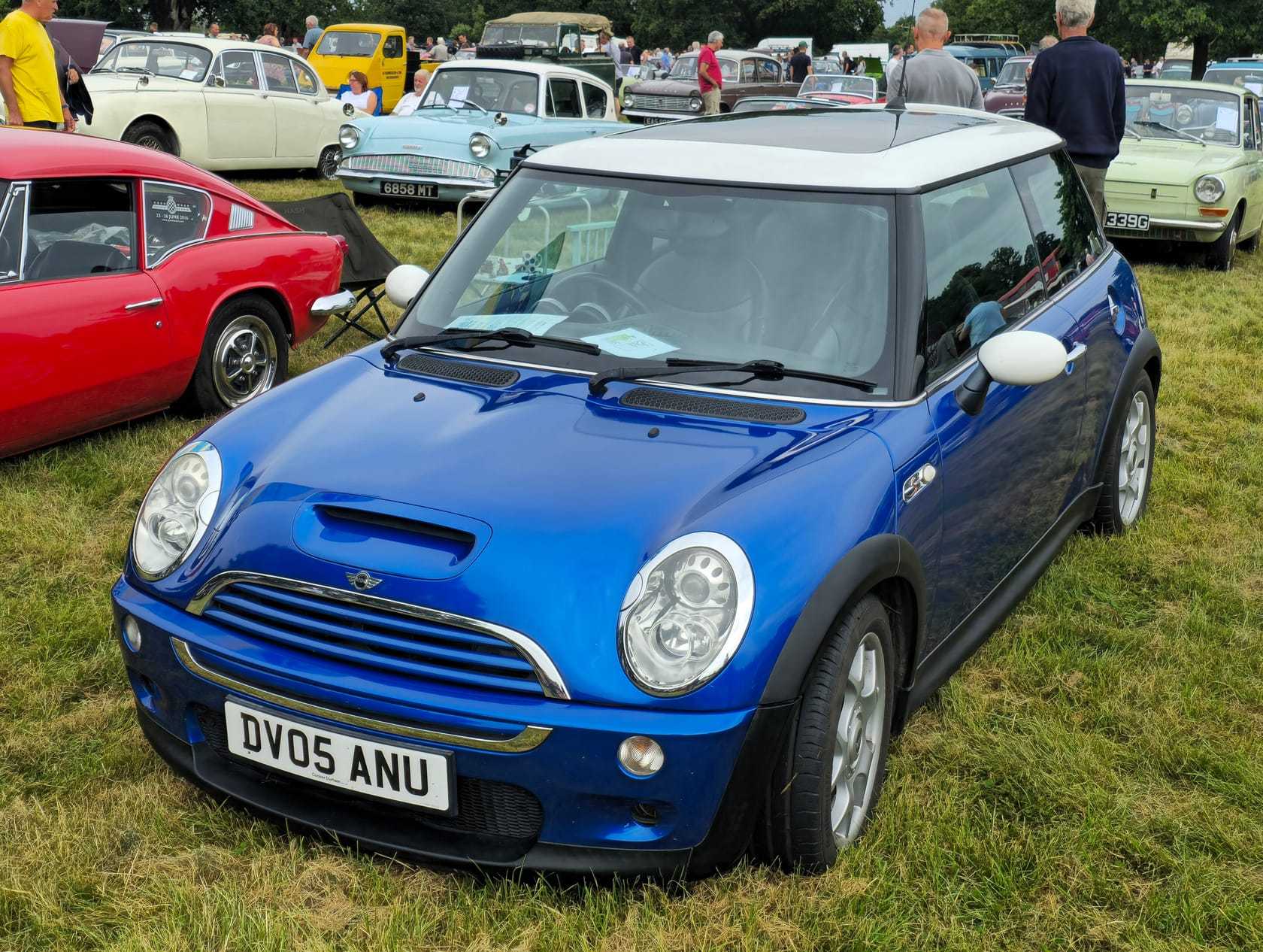
- An Eaton M45 Roots blower, the source of the whine, the bonnet scoop and most of the car's character
- The last of the line
- The R53 was replaced in late 2006 by the turbocharged R56, which lost the supercharger and, to many, the point
The models
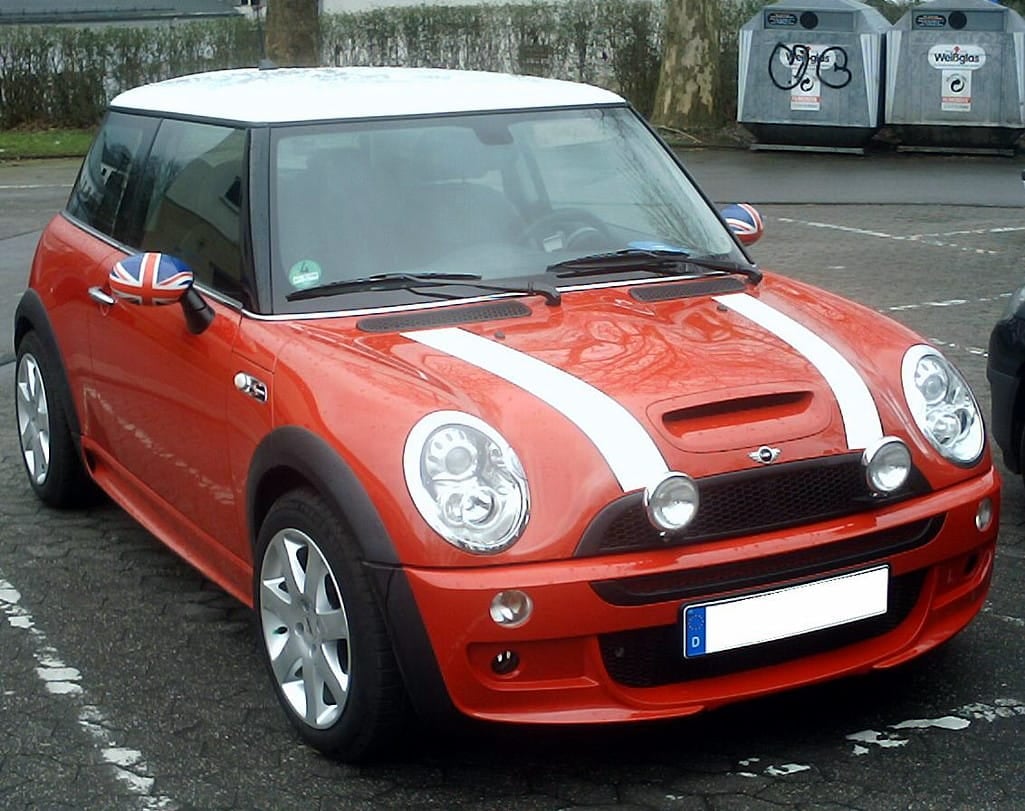
When BMW relaunched the Mini as the MINI in 2001, the enthusiasts who had loved the original for forty years mostly hated it: too big, too heavy, too German, and not a Cooper in anything but name. The Cooper S of 2002 was the car that changed their minds. BMW’s engineers bolted an Eaton supercharger to the 1.6-litre engine, added a six-speed gearbox, a bonnet scoop and twin centre-exit exhausts, and produced a 163 bhp hot hatch that the road testers rated the best-handling small car of its decade, and the MINI Cooper S R53, as the enthusiasts now call it, became a cult. The classic Mini Cooper had been a giant-killer; the R53, as BMW’s code named it, was a giant-killer again.
It was also, which matters on this site, a British car. Every R53 was built at Plant Oxford in Cowley, on the site where Morris had built cars since 1913, and the MINI has been one of the largest car-making operations in Britain ever since. This page covers the first generation of the new MINI and the supercharged Cooper S in particular: the R50 it grew from, the 2004 facelift, the John Cooper Works kits and the 2006 GP, what goes wrong, and what they are worth now that the first of them have reached classic age.
The new MINI, and the S that made it a hot hatch
The project began under Rover, was inherited by BMW when it bought the company in 1994 and kept when it sold Rover in 2000, and the first new MINI went on sale in July 2001. Frank Stephenson’s body was a careful restatement of the original’s proportions at a much larger size; the engine was a 1.6-litre four-cylinder built by Tritec, a joint venture with Chrysler, in Brazil; and the two launch models were the 90 bhp One and the 115 bhp Cooper. They were good to drive and sold faster than Cowley could build them, but they were not quick.
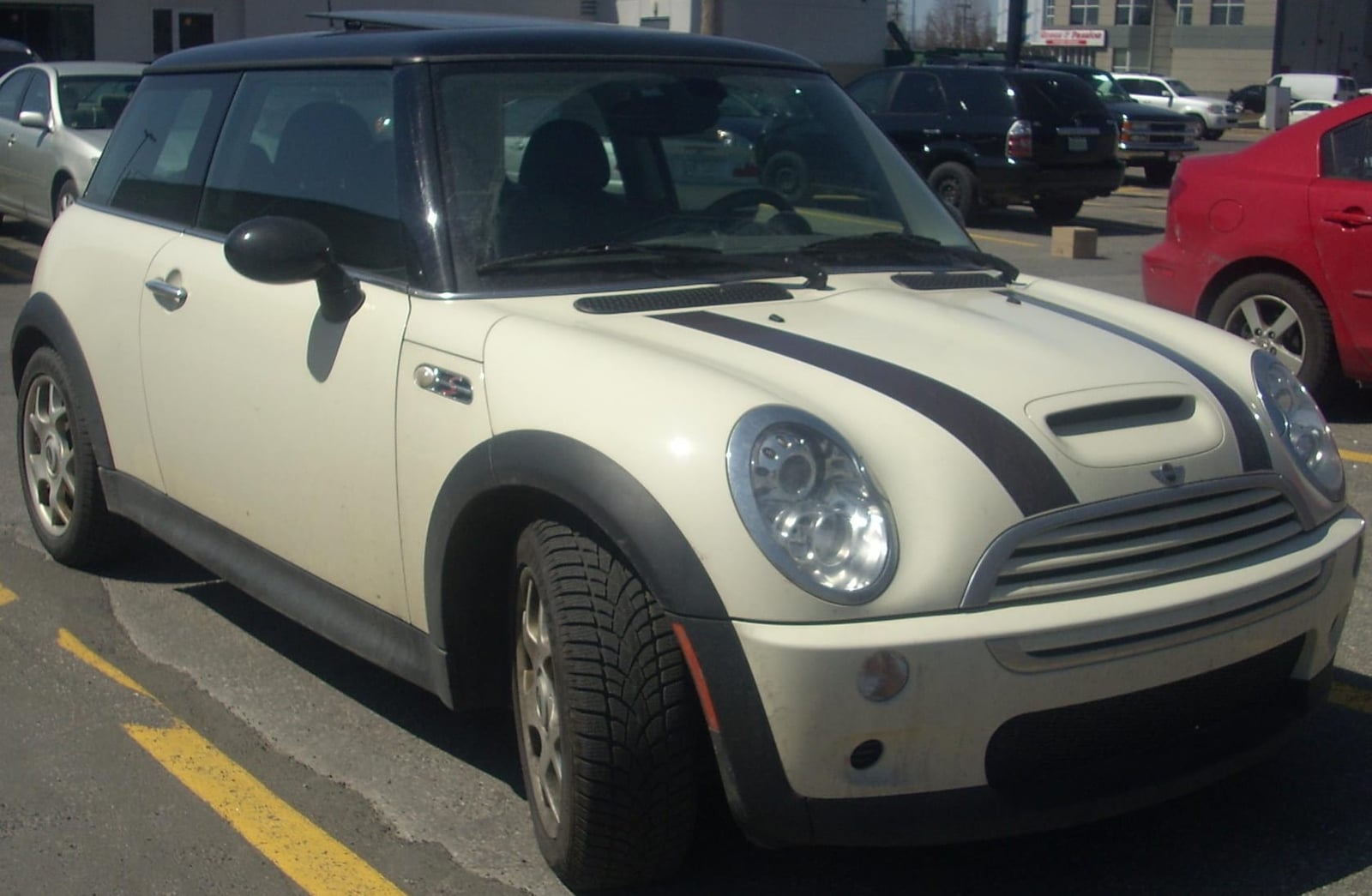
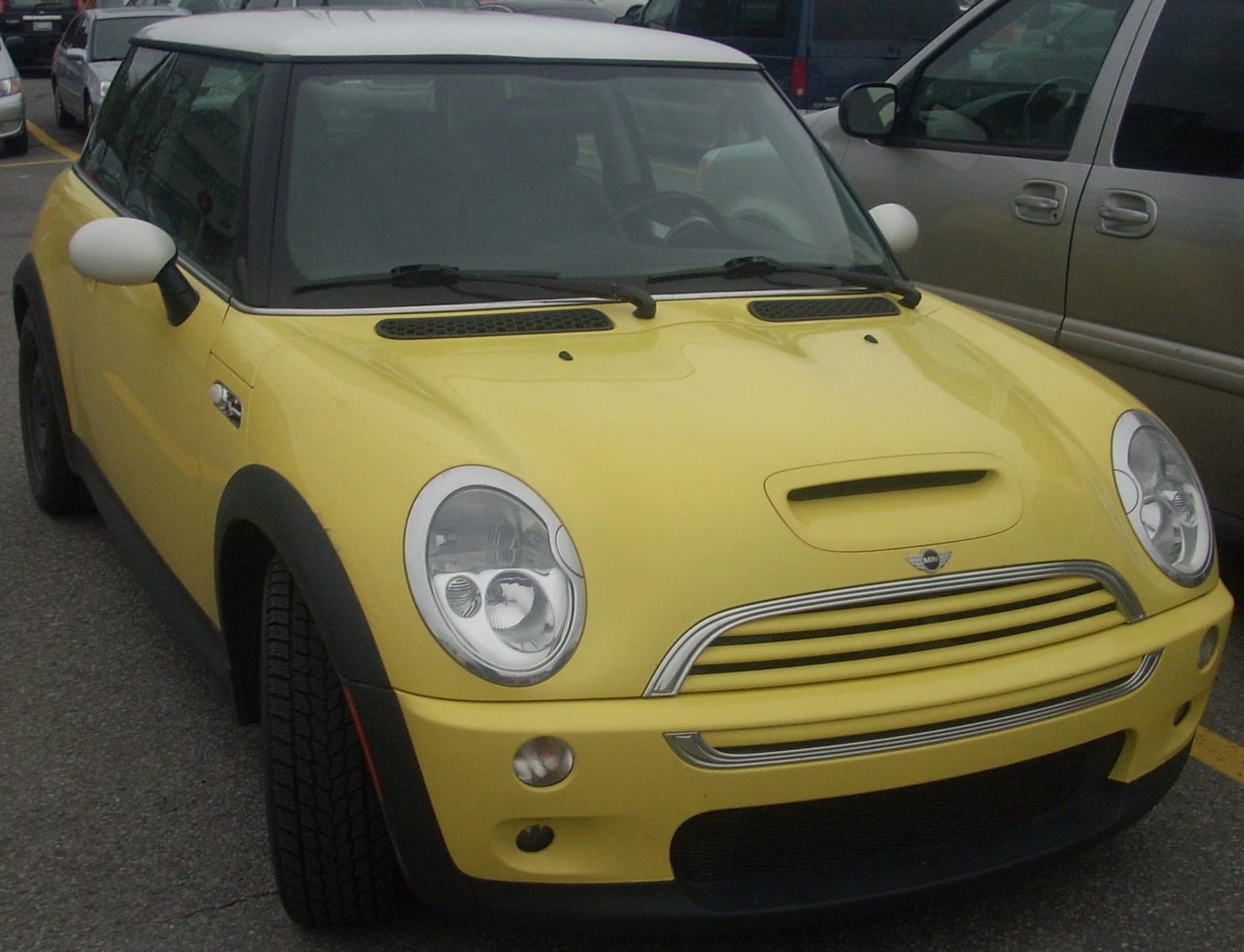
The Cooper S, launched in June 2002, was. The Tritec engine gained an Eaton M45 Roots-type supercharger and an intercooler mounted on top of it, fed by the scoop in the bonnet, for 163 bhp and a flat, instant delivery that no turbocharged rival could match. A six-speed Getrag gearbox replaced the Cooper’s five-speed, the suspension was stiffened, the brakes were enlarged, and the car gained its twin centre exhausts and a higher price. BMW quoted 0-60 mph in 7.2 seconds and 135 mph; the road testers quoted the handling, which on the R53’s multi-link rear axle and quick steering was in a class of its own among front-drive cars.

R50, R52, R53: the first-generation family
BMW’s codes are worth knowing because the market uses them. R50 is the naturally aspirated hatchback, One and Cooper; R53 is the supercharged Cooper S hatchback; R52 is the convertible, launched in 2004 in all three forms, with a heavier body that asks more of the Cooper S engine and gives a little less back. The One D diesel, with a Toyota engine, is the odd one out and has no following.
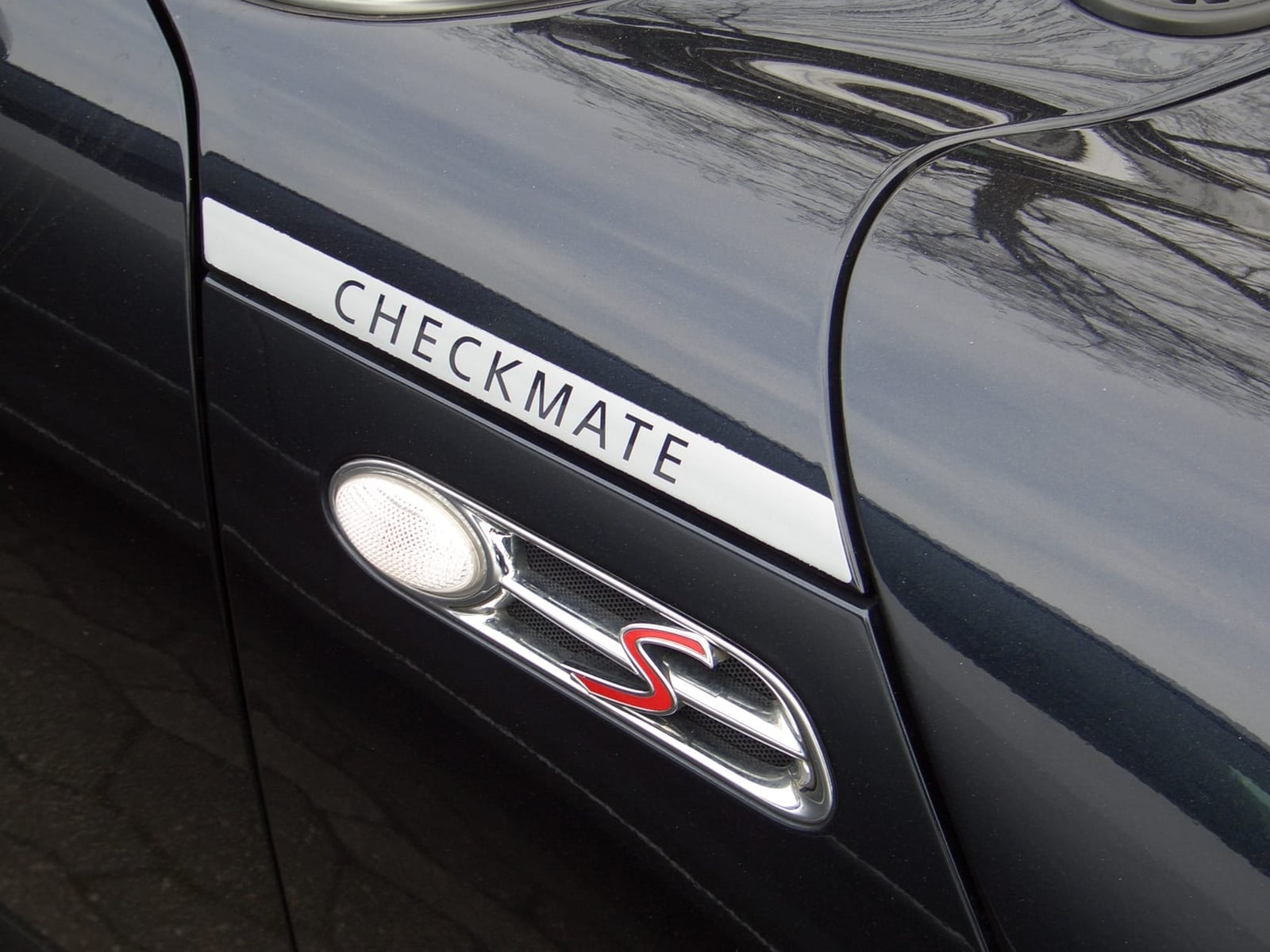
The facelift of 2004, for the 2005 model year, changed the Cooper S more than it looked. Power rose to 168 bhp, the gearbox ratios were revised, the front and rear lights and bumpers were reshaped, and a limited-slip differential became an option from 2005, which is the single most desirable box on a late car’s specification. The Checkmate and Park Lane editions of 2005 and 2006 added colours, trim and wheels rather than power. The R53 was replaced in November 2006 by the R56, which swapped the supercharger for a turbocharged Prince engine, and the change is the reason the R53 has a following of its own: the supercharger’s whine and its immediate response are what the later car lost.

John Cooper Works, and the 2006 GP
John Cooper Garages, run by Mike Cooper, had tuned the R53 from the start, and from 2003 the John Cooper Works kit, a different supercharger pulley, cylinder head, exhaust and software for 200 bhp, was sold through MINI dealers with a factory warranty. From 2005 the kit was factory-fitted at 210 bhp. A genuine JCW car has its kit recorded in the dealer history and a numbered plaque; a car with a JCW badge and a smaller pulley has neither, and the market pays for the paperwork.
The run-out was the Cooper S Works GP of 2006, built by Bertone in Turin on Oxford-built shells: 2,000 cars, 459 for Britain, with the JCW engine at 215 bhp, the rear seats removed and a strut brace in their place, a carbon-fibre rear spoiler, lightweight four-spoke wheels, uprated brakes and suspension, and one colour, Thunder Blue with a silver roof and red mirror caps. It was the fastest R53, at 149 mph, and it is the one that became a collector’s car almost immediately, and it is the one version that consistently trades well clear of the rest.

What it is like to drive and own
The R53 drives like a kart with a supercharger, which is the whole of its appeal. The steering is quick and heavy, the ride is firm to the point of harshness on the run-flat tyres most came with, and the chassis turns in with an eagerness no front-driver of the period could match. The engine’s character is the supercharger’s: instant, linear, accompanied by a whine that rises with the revs, and strong enough to spin the front wheels in the wet without the limited-slip differential. It is not refined, the cabin is full of BMW-era gimmicks that have dated, and the back seats are for luggage, but as a driver’s car it has aged far better than most hot hatches of its time.
Ownership is a used-BMW proposition with a hot-hatch tax. Parts are plentiful and not dear, the owners’ clubs and forums are large and well-informed, and most work can be done by any competent garage, but the car was built to a premium price and some of its components, the power-steering pump and the supercharger above all, are expensive when they fail. Fuel economy is in the low thirties driven gently and the mid-twenties driven as intended. The R53 is Euro 4 and clears the London ULEZ; it pays road tax by its carbon-dioxide figure, in the middle bands.

Buying guide: what to look for
Start with the power steering. The electro-hydraulic pump, mounted low at the front, overheats and fails, and its cooling fan is usually the first casualty; a pump that groans at full lock or steering that goes heavy in traffic is a £600 to £1,000 bill waiting. Then the supercharger: its sealed oil runs low over time and the bearings whine, which is different from the normal blower note, and a service history that shows the oil changed is a good sign. The crankshaft pulley’s rubber damper separates with age and takes the auxiliary belt with it; a wobbling pulley at idle means it is due. The thermostat housing and the cam cover leak, the clutch and flywheel wear on hard-driven cars, and the front strut top mounts knock over bumps.
Rust is not the problem it is on the classic Mini, but it is arriving: check the rear wheel arches, the sills and the boot lid seam, and the radiator support behind the bumper, which is plastic and cracks in a kerb strike. Inside, the electric window regulators and door lock actuators fail, the headlining sags on cars kept outside, and the dashboard’s many buttons should all work. Check the tyres: run-flats are expensive and many owners have changed to ordinary tyres, which improves the ride and is worth knowing about.
Then the paperwork. A genuine JCW car, a Checkmate or a Park Lane, and above all a GP, is worth what its documents prove and no more. Modified R53s are everywhere and mostly cheap; the cars to pay for are standard, low-mileage and fully documented, preferably facelift cars with the limited-slip differential, in a strong colour.

Current value and where it sits
The R53 spent fifteen years as a cheap used car and is now, like the ST220 and the other fast cars of its decade, at the turn. A usable car with history sells for around £2,500 to £5,000, a good low-mileage example for £5,000 to £9,000, and the late facelift cars with the JCW kit and the differential for £8,000 to £14,000. The GP is a market of its own at £25,000 to £35,000. The ordinary R50 Cooper trades a third below the S, and the convertibles a little below the equivalent hatch.
Among the modern classics on this site the R53 is the cheapest way into a car with a genuine following, and among the MINIs it is the one that will be remembered: the supercharged Cooper S is to the new MINI what the Cooper S was to the old one. For the car it replaced and the family it belongs to, see the Mini guide.

The Cooper S R53 in dates
- July 2001The first new MINI goes on sale, One and Cooper only, built at Plant Oxford on the site Morris used from 1913.
- June 2002Cooper S launched: Eaton M45 supercharger, intercooler under the bonnet scoop, six-speed Getrag gearbox, 163 bhp and 135 mph.
- 2003The John Cooper Works kit reaches dealers with a factory warranty, 200 bhp, sold on the paperwork as much as the parts.
- 2004Facelift for the 2005 model year: 168 bhp, revised ratios, reshaped lights and bumpers; the R52 convertible joins.
- 2005A limited-slip differential becomes an option, the single most desirable box on a late car's specification; factory JCW rises to 210 bhp.
- 2006The Cooper S Works GP run-out: 2,000 cars built by Bertone on Oxford shells, 459 for Britain, 215 bhp, 149 mph, no rear seats.
- Nov 2006The turbocharged R56 replaces it and drops the supercharger, which is precisely why the R53 has a following of its own.
Before you buy a Cooper S R53
The known failures
- Power steering pump: groaning at full lock or going heavy in traffic means a £600 to £1,000 bill
- Supercharger: a bearing whine distinct from the normal blower note, and a history showing the oil changed
- Crankshaft pulley: a wobble at idle means the rubber damper has separated and the belt is next
- Thermostat housing and cam cover leaks, worn clutch and flywheel, knocking front strut top mounts
Body and interior
- Rust is arriving, not absent: rear arches, sills and the boot lid seam
- The plastic radiator support behind the bumper cracks in a kerb strike
- Window regulators and door lock actuators fail; the headlining sags on cars kept outside
- Run-flat tyres are expensive, and many owners have swapped to ordinary tyres, which improves the ride
Specification and paperwork
- A genuine John Cooper Works car has the kit in the dealer history and a numbered plaque; a badge and a small pulley have neither
- Facelift car with the limited-slip differential is the one to hold out for
- GP cars are Thunder Blue with a silver roof and red mirror caps, and trade well clear of the rest
- Standard, low-mileage and documented beats modified and cheap by a wide margin here
What the MINI Cooper S R53 sells for at auction
In 2025 the median MINI Cooper S R53 sold for £6,611 across 108 sales, 8% down on 2024. In real terms, typical MINI Cooper S R53 prices were down about 61% over the five years to 2025, once inflation is accounted for.
| Variant | Sold | Typical range | Median |
|---|---|---|---|
| Cooper S | 348 | £4,497 - £9,765 | £7,038 |
| Cooper S John Cooper Works | 177 | £10,700 - £18,492 | £14,102 |
Show the year-by-year mediansHide the year-by-year medians
| Year | Sold | Median | In 2025 money |
|---|---|---|---|
| 2026 (so far) | 67 | £6,266 | |
| 2025 | 108 | £6,611 | £6,611 |
| 2024 | 88 | £7,220 | £7,498 |
| 2023 | 60 | £9,680 | £10,387 |
| 2022 | 86 | £10,868 | £12,446 |
| 2021 | 51 | £11,326 | £14,005 |
| 2020 | 21 | £13,488 | £17,092 |
| 2019 | 18 | £15,279 | £19,559 |
| 2018 | 4 | £8,780 | £11,431 |
| 2017 | 12 | £9,494 | £12,646 |
| 2016 | 7 | £7,694 | £10,513 |
| 2015 | 5 | £7,312 | £10,091 |
- £5,337Cooper S
- £5,959Cooper S
- £6,200Cooper S
- £2,925Cooper S
- £8,720Cooper S
Strong evidence. 529 recorded sales and a dozen or more a year: the median and the range are well founded. Based on 529 sold results from public classic car auctions (2007 to 10 August 2026). Sold prices, not asking prices, and not a valuation: condition, history and specification vary from car to car. Inflation-adjusted figures use the ONS CPIH index, in 2025 money.
Related
The R53’s ancestor is the classic Mini Cooper linked above, whose 1960s S cars it was named for and whose giant-killing it revived. The other British-built hot hatches of its era, the Swindon-built Honda Civic Type R and the Ryton-built Peugeot 306 GTi-6, are the rivals a buyer weighs it against. For the decade, see British classic cars of the 1990s and the cars that followed them.
More photos