Heritage certificates: which marques have factory records, what they show, and what they cannot prove
The guides
Somewhere there may be a ledger with your car in it. A line in a factory book recording the day it was built, the day it was despatched, the colour it wore, the engine that went in, and which dealer took delivery. For some British marques that ledger survived, was rescued, and can be searched. For others it did not, and no amount of enquiry will conjure it.
This is a guide to which is which, what a certificate actually says, and the two things it cannot do that people most often buy it for.
What a heritage certificate records
A heritage certificate is a certified copy of a vehicle’s entry in the original production records, issued by whichever body now holds the archive for that marque. The detail varies with what the factory wrote down, but the British Motor Museum describes its certificates as showing build and despatch dates, engine and body numbers, colour scheme, and details of factory-fitted equipment, with the caveat that the original ledgers vary and not every detail is recorded for every model.
You apply with the chassis number taken from the car itself, not from the V5C, and the archive returns what the ledger says against that number. That single point is the whole value and the whole limitation of the document.
Who holds what
The factory records of the British motor industry were scattered by its collapse and consolidation, and they ended up in four main places. The first job is finding the right one.
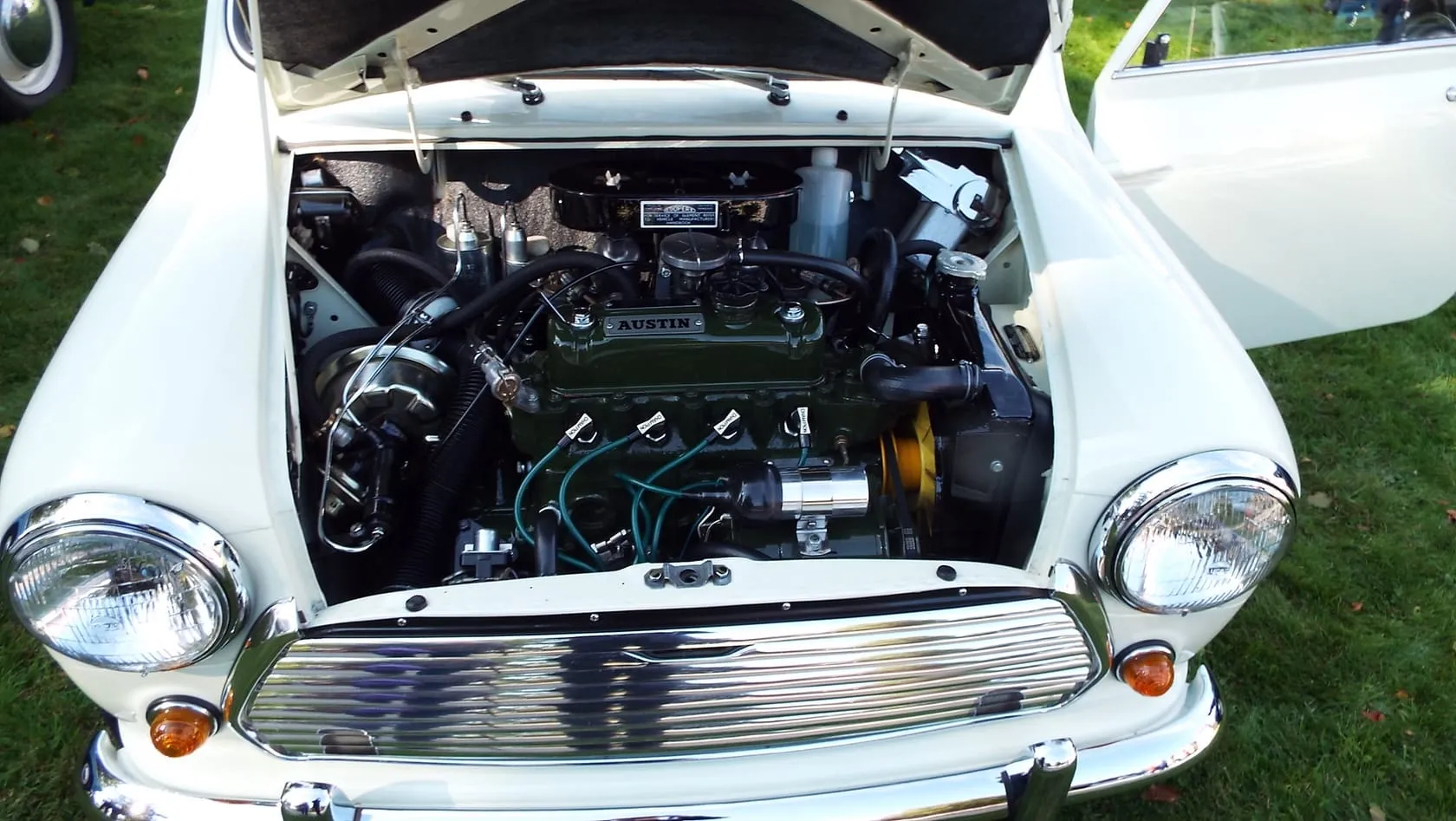
The British Motor Museum, Gaydon. The British Motor Industry Heritage Trust archive is the largest, covering the BMC and British Leyland families: Austin, Austin-Healey, Morris, MG, Riley, Rover, Standard, Triumph, Wolseley, and Land Rover from 1948 and Range Rover from 1970 to the present day. It also holds Aston Martin and Lagonda records for certain years. The archive publishes its coverage by marque and year range, and there are gaps within it: the museum notes, for example, that factory records for the Mini in the late 1960s and 1970s are inconsistent. Check the list before assuming.
Current prices are £52 for a standard certificate and £65 for a premier version including a photograph you upload, plus postage.
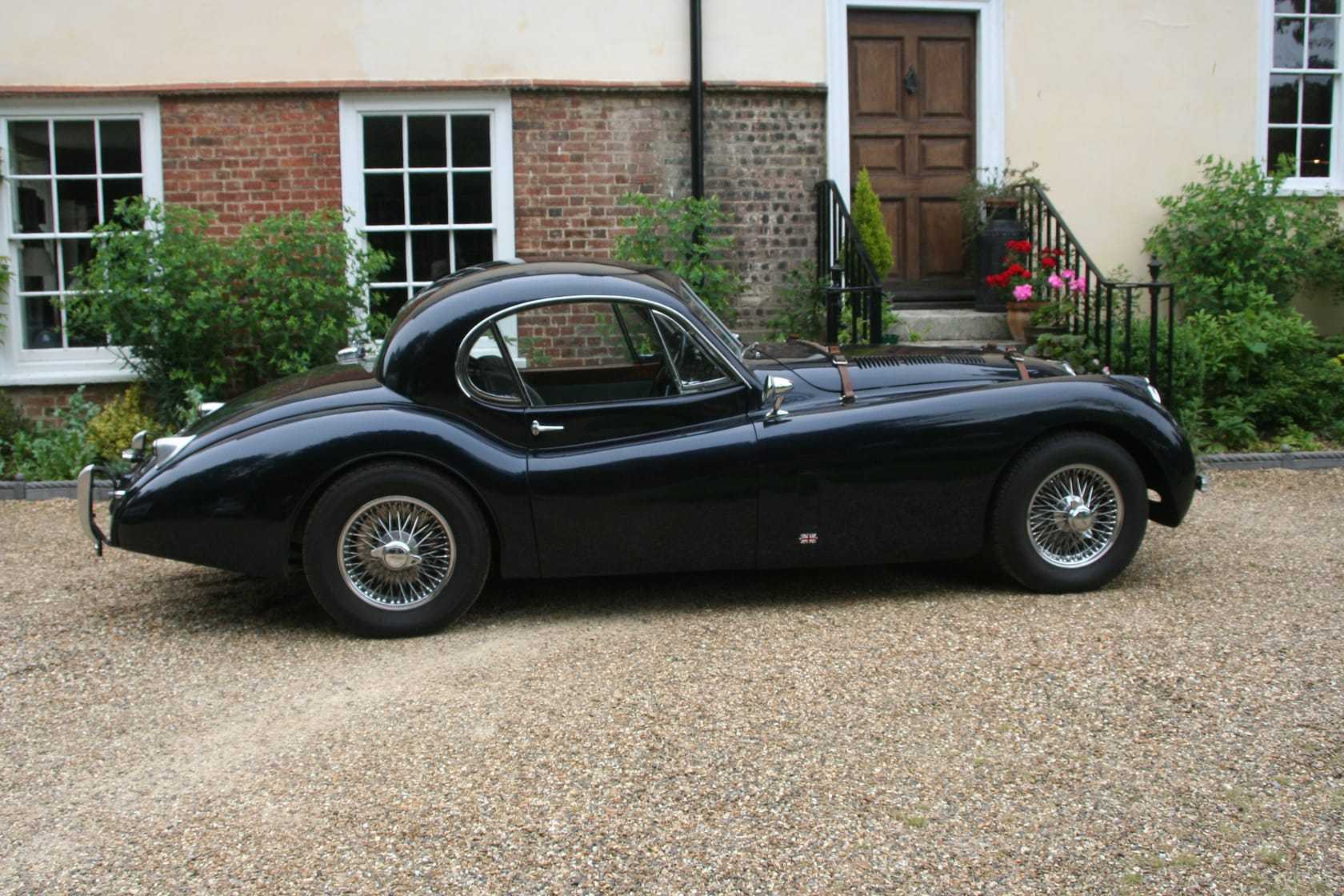
The Jaguar Daimler Heritage Trust. Jaguar and Daimler build records are not at Gaydon. The museum’s own guidance says so and points to the Trust, which issues heritage certificates for Jaguar and Daimler vehicles more than ten years old, showing the car’s entry exactly as recorded at the time of production. The certificate is currently around £65. On older documents the same product appears as a Production Record Trace Certificate, which is the name you will see in auction catalogues.
The Aston Martin Heritage Trust. Aston Martin’s own Trust issues heritage certificates at £100, or £150 for an enhanced version, with discounts for members, drawn from build sheets that record how each car left the factory. There is some overlap with the Gaydon archive for certain years, so an Aston owner may have two sources to try.
The Rolls-Royce Enthusiasts’ Club. For Rolls-Royce and Bentley the factory material takes a different form: construction and test records, a file of work and test reports compiled during the car’s build by the factory’s own mechanics and engineers, supplied by the Club’s archive for a fee. For some models the Club also holds dealer service records from the major London agents.
And Ford has nothing. This is the gap that surprises people most. No heritage body issues factory build certificates for classic British Fords, the Gaydon archive does not cover the marque, and Ford’s online build-data lookup has been withdrawn. The routes that remain are the car’s own identification plate and the marque clubs, which we cover in identifying a classic Ford.
What it proves, and what it does not
Every archive says the same thing in its own words, and it is worth taking seriously because it runs against what most buyers hope.
A heritage certificate does not prove ownership. It is not a title document and has nothing to say about who owns the car.
It does not prove the identity of a specific vehicle. The British Motor Museum puts it plainly: a certificate in itself does not prove ownership or the identity of a specific vehicle. It records what the ledger says against a chassis number. It does not confirm that the car in front of you carries that chassis, or that its engine number, body number and identity plate belong together.
What it does give you is the factory baseline. Against that baseline a specific car can be checked: does the engine number on the block match the one in the ledger, is the body number right, was this colour original or a later respray, was this car really despatched as the rare variant it is advertised as. For that purpose it is the single most useful document a classic can have, precisely because it was written before anybody had a reason to alter the car.
That is also why the certificate matters more for the premium variants, where the gap between a genuine car and a well-built tribute is a great deal of money, and why a seller who has not obtained one for a car advertised as rare is worth asking why.
What DVLA will and will not accept
The second thing people buy a certificate for is to establish the car’s age with DVLA, for an age-related registration or to reclaim an original number. Here the archives are again candid.
The Aston Martin Heritage Trust states that heritage certificates are not accepted by DVLA as official documents, and sells dating letters and support for the V765 scheme as a separate service. The Rolls-Royce Enthusiasts’ Club likewise prices a dating letter separately from its certificate.
DVLA’s own processes require age evidence from a specific kind of source. For an age-related registration the application needs a dating certificate from the manufacturer or from a vehicle owners’ club on DVLA’s recognised list, and for a reconstructed classic a written inspection report from the appropriate club. For reclaiming an original number under the V765 scheme, the form must be endorsed by a recognised club, with documentary evidence linking the vehicle to the number.
So the certificate supports that process by establishing what the factory built and when, but the document DVLA wants is the club’s letter, and the clubs will typically want to see the certificate before writing it. The practical sequence is certificate first, club second, DVLA third. The wider process of tracing and re-registering a car is covered in how to find your old car.
A note on the recent rule change
DVLA replaced its policies for rebuilt and radically altered vehicles on 26 August 2025 with new guidance for repaired, restored and modified vehicles. That change does not alter how heritage certificates are treated or how dating evidence works, but it does mean older articles describing the registration of modified and reconstructed cars are out of date. Where a certificate is being used to support a registration application, the current gov.uk guidance is the reference, not a forum post.
Worth getting, for the right reason
For an ordinary classic, a heritage certificate is an inexpensive pleasure: the day it was built, the colour it was born in, the dealer that sold it. For a valuable one, it is the baseline that separates a genuine car from a convincing one, and the first thing a serious buyer will ask to see.
What it is not is a guarantee or a title, and the archives are honest about that in a way the secondary market sometimes is not. Buy it for what it records, check the car against it, and keep it with the history file, where it will do more for the car’s value than almost anything else that costs fifty pounds.